
How to ensure precision in gear hob rake angle grinding?

Ensure precision in gear hob rake angle grinding with proper setup, accurate measurement, and Aimgrind diamond wheels for consistent gear quality.
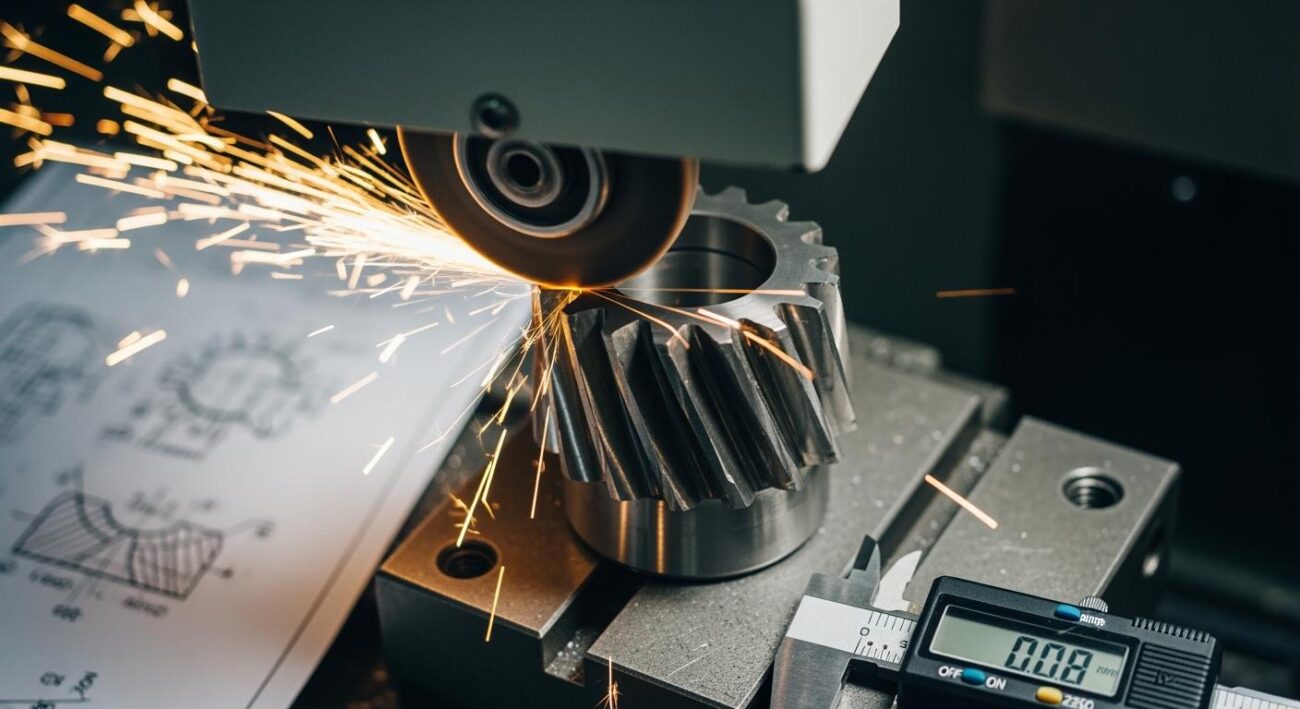
Ensure precision in gear hob rake angle grinding with proper setup, accurate measurement, and Aimgrind diamond wheels for consistent gear quality.
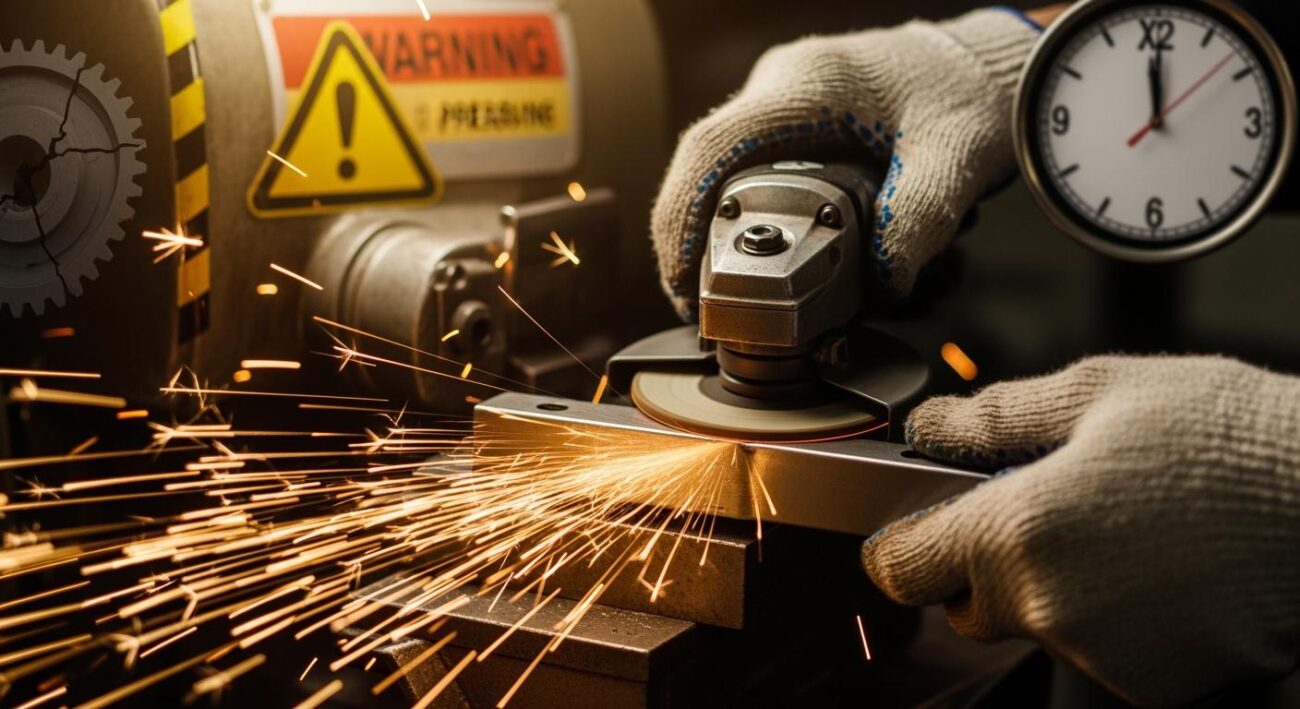
Main challenges in stainless steel grinding include heat buildup, contamination, abrasive selection, work hardening, and maintaining finish quality.
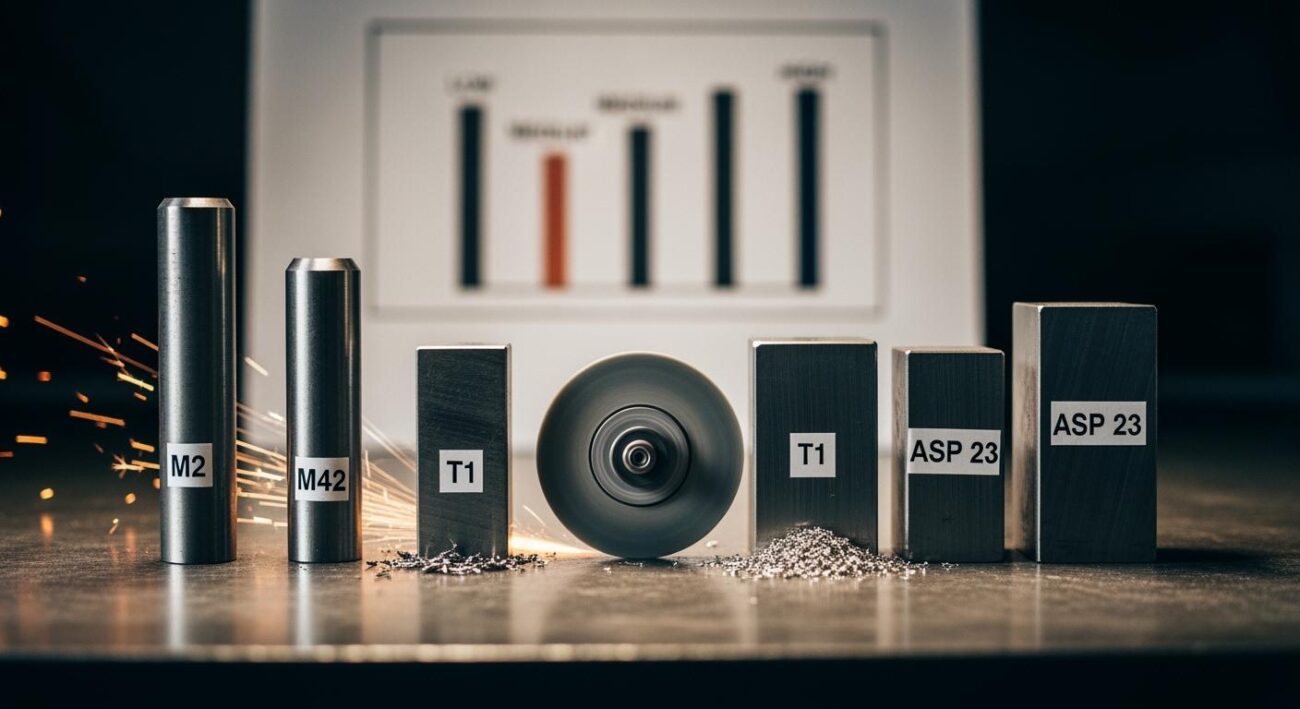
Grindability differ among HSS grades due to alloy content and microstructure, making M2 easier to grind than M42. Find out how these differences impact efficiency.
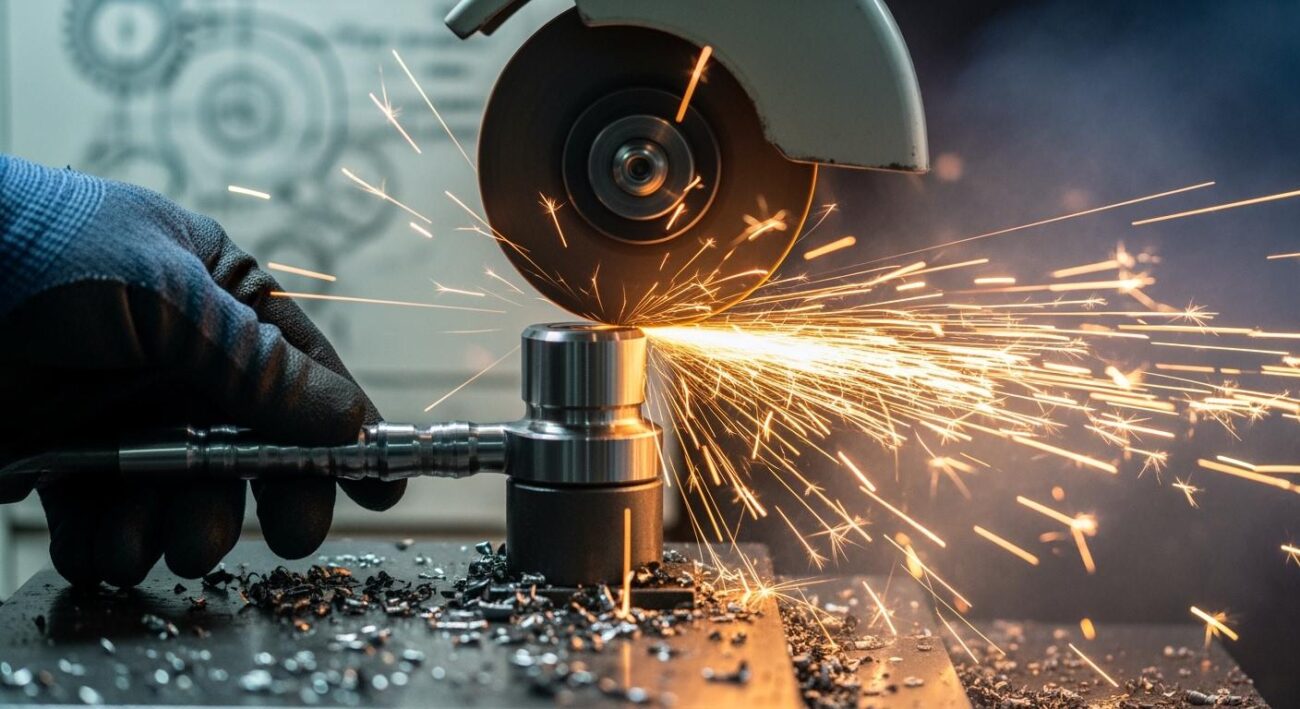
The main difficulties in grinding high-speed steel include rapid tool wear, excessive heat, and challenges in achieving a smooth surface finish.
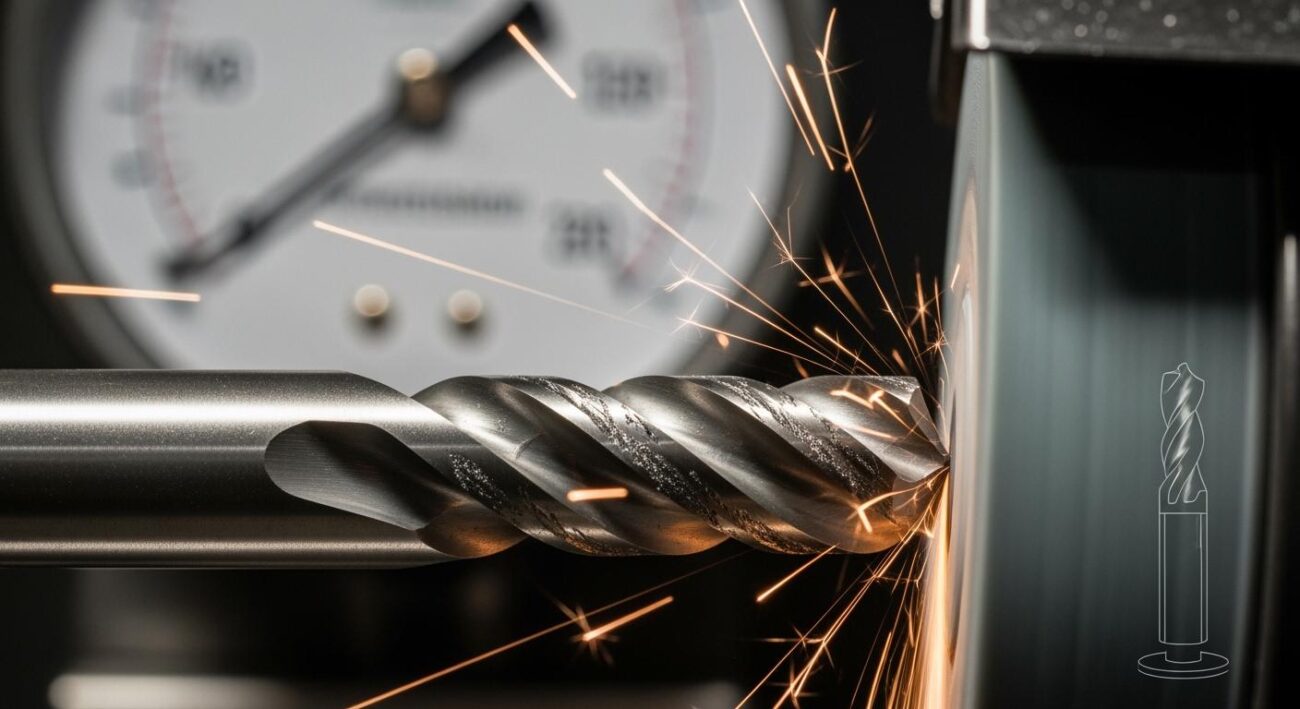
Grinding process shapes HSS tool edges, boosting sharpness, durability, and cutting efficiency while preventing overheating and extending tool life.
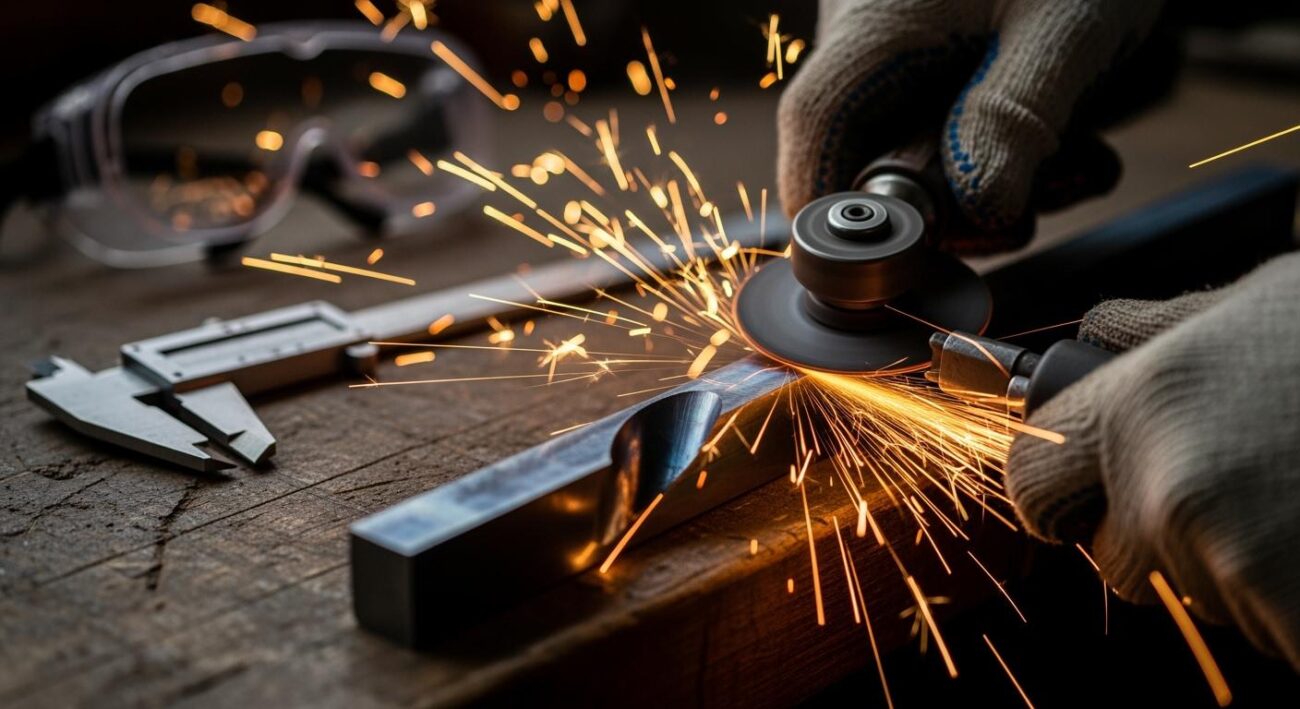
Grinding HSS after heat treatment requires careful control to prevent overheating, maintain hardness, and avoid warping for optimal tool performance.
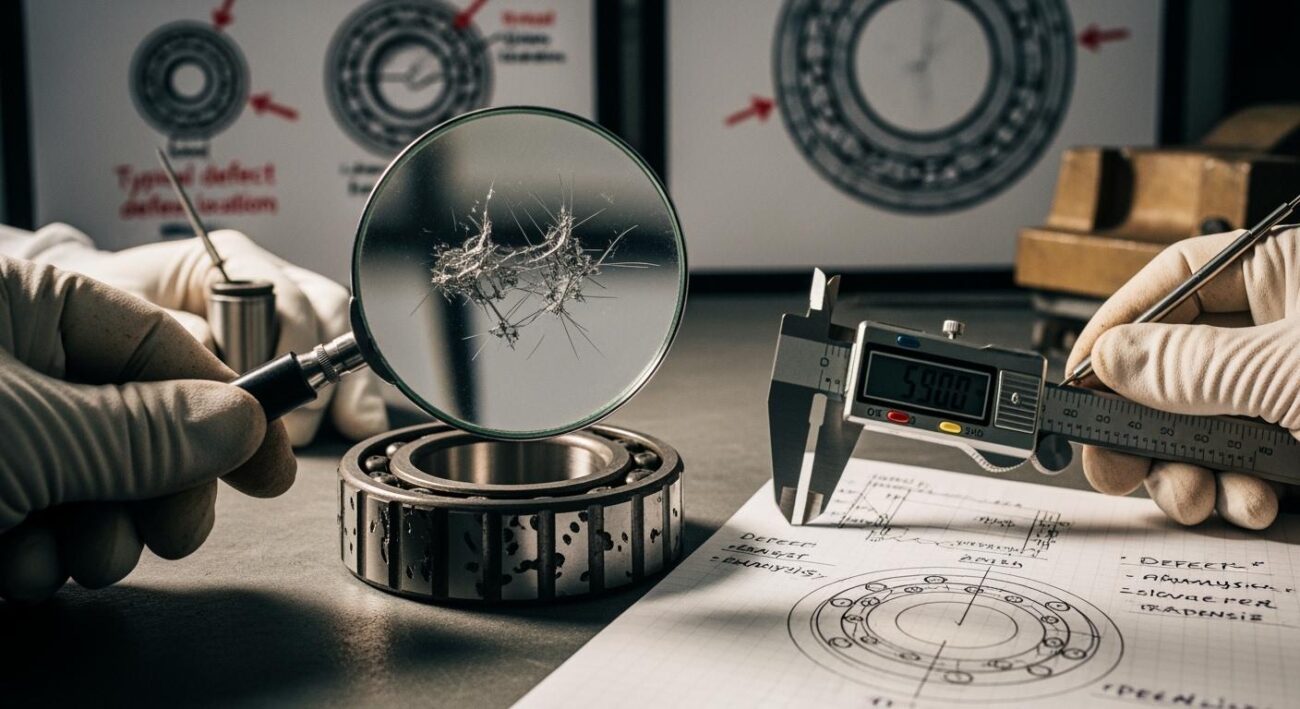
Analyze causes of grinding defects in bearings using inspection, root cause tools, and process checks to improve quality and prevent bearing failure.
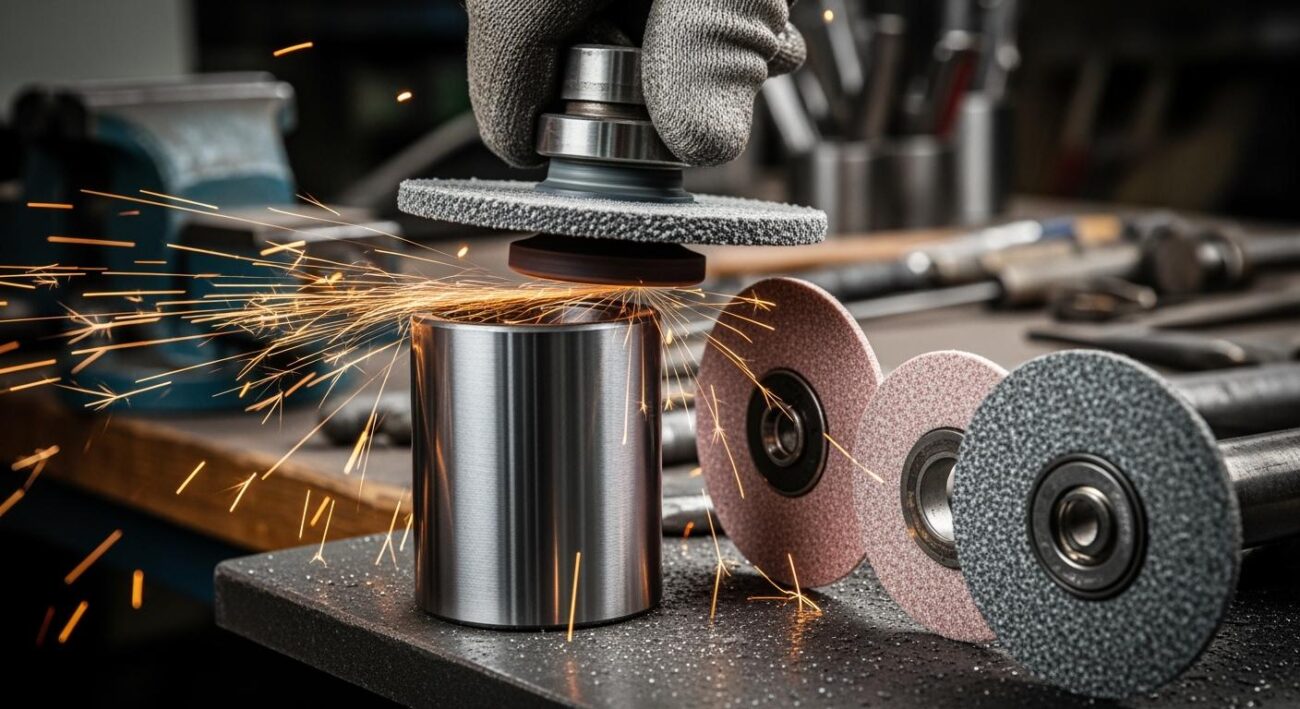
CBN grinding wheels offer superior precision and durability for bearing steel, ensuring efficient cutting, minimal heat damage, and long-lasting performance.
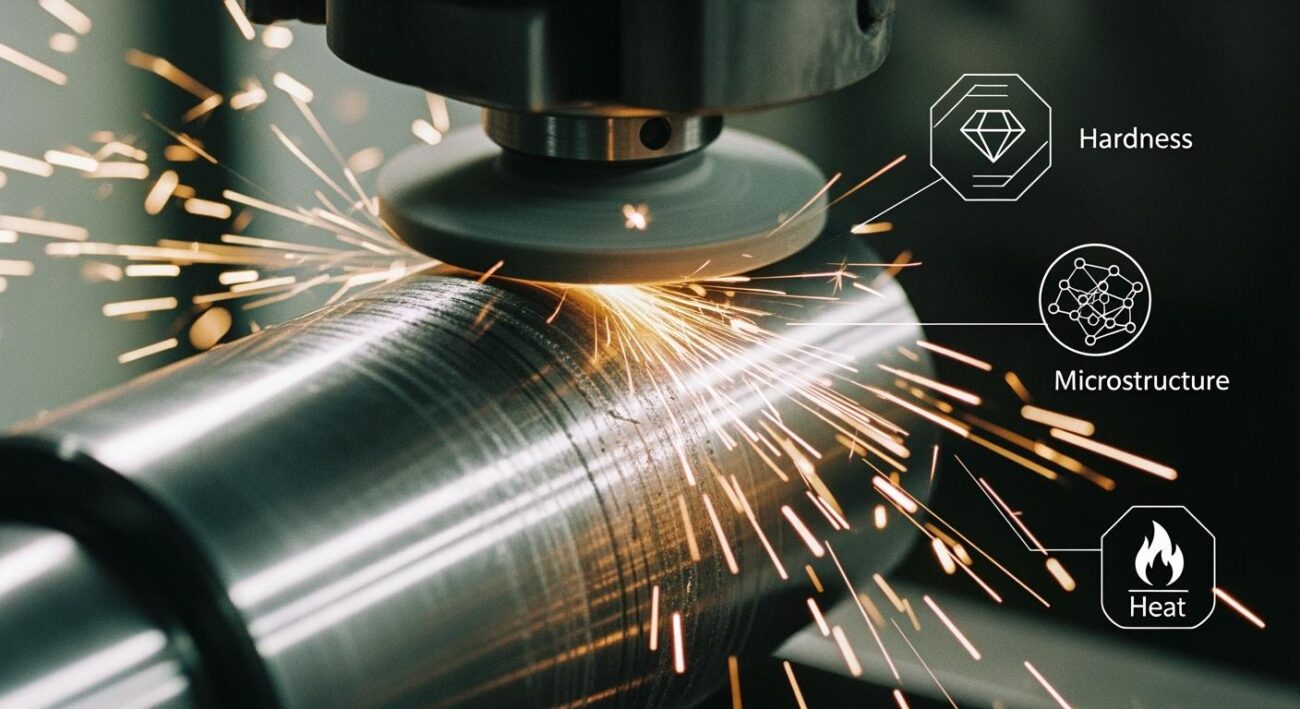
Special material challenges in bearing steel grinding include hardness, microstructure sensitivity, and inclusions, all impacting surface quality and performance.

Control roundness and minimize deformation in thin-walled steel rings by using precise clamping, proper fixtures, and optimized grinding techniques.
No account yet?
Create an Account