
How to Improve Grinding Cycle Time Without Quality Loss?

Improve grinding cycle time by optimizing wheel selection, process parameters, and maintenance—boost speed without sacrificing surface quality.
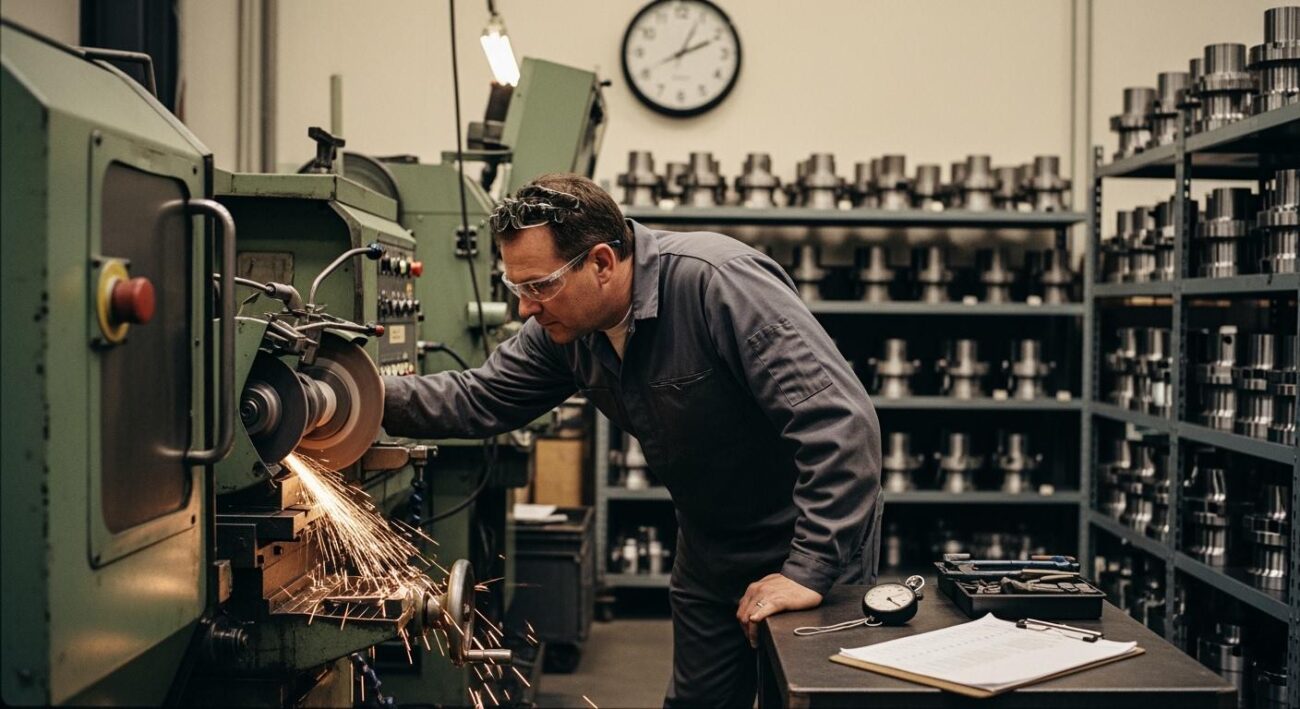
Improve grinding cycle time by optimizing wheel selection, process parameters, and maintenance—boost speed without sacrificing surface quality.
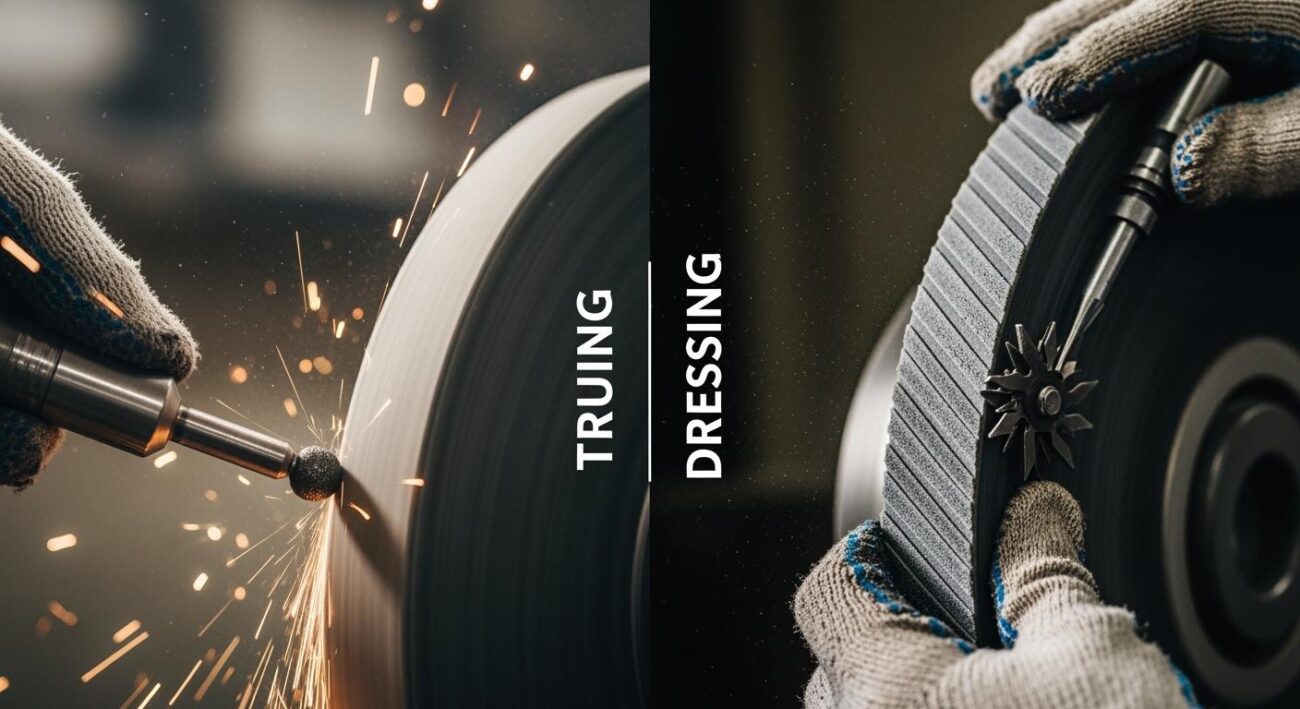
Truing vs Dressing: Truing restores grinding wheel shape and balance, while dressing cleans and sharpens by exposing fresh abrasive grains.
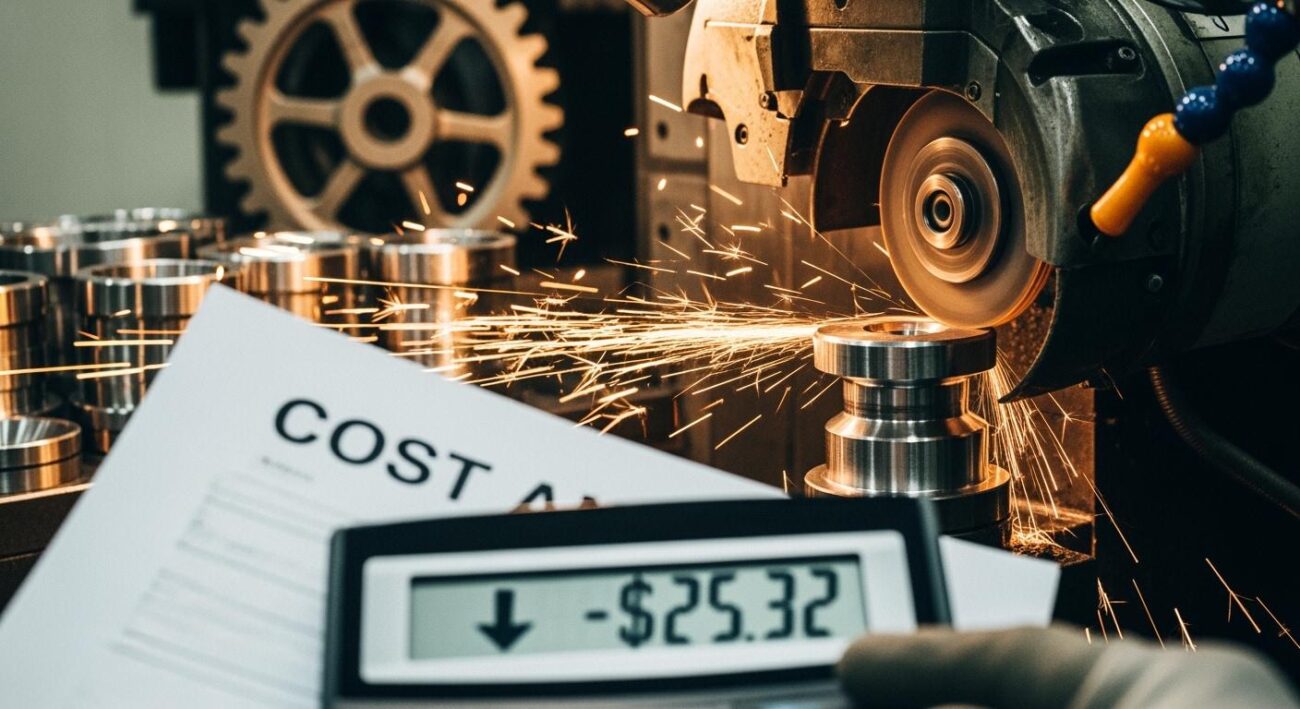
Reduce grinding cost per part by optimizing process, fixing issues, and using diamond wheels for better efficiency and measurable savings.
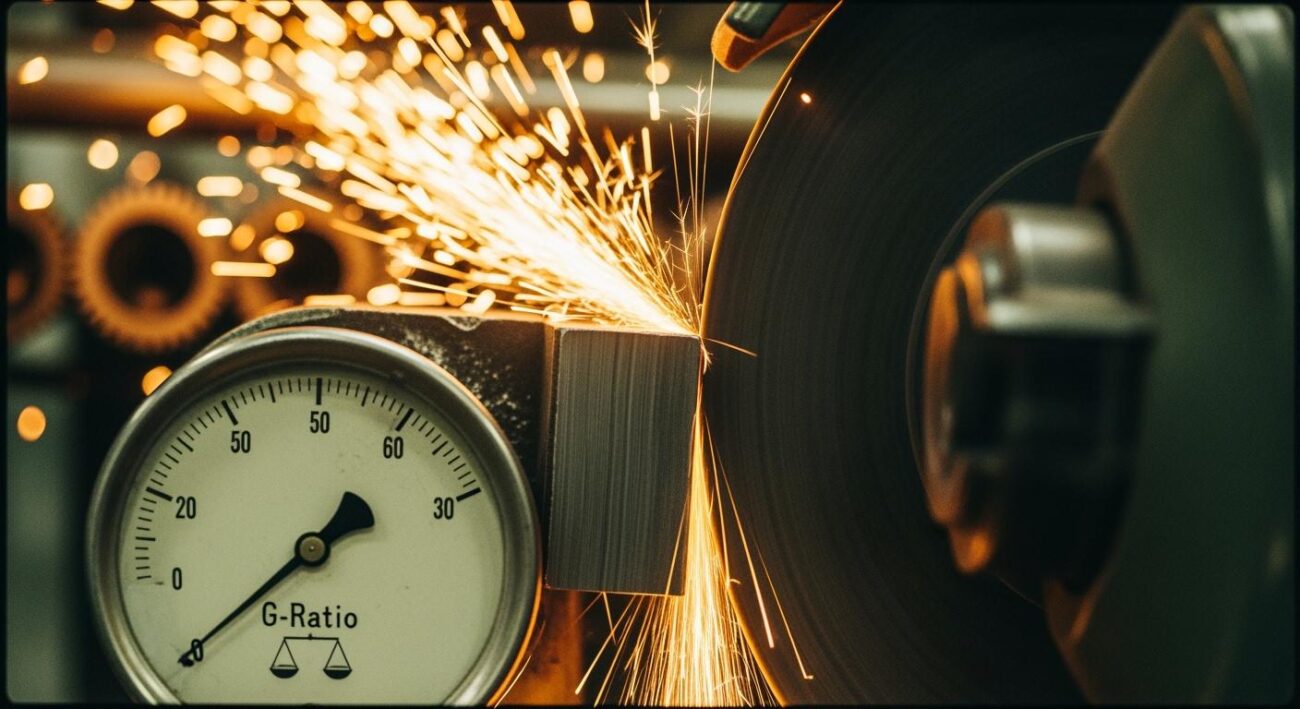
G-Ratio in grinding measures material removed versus wheel wear, helping you boost efficiency, reduce costs, and select the best abrasive for your process.
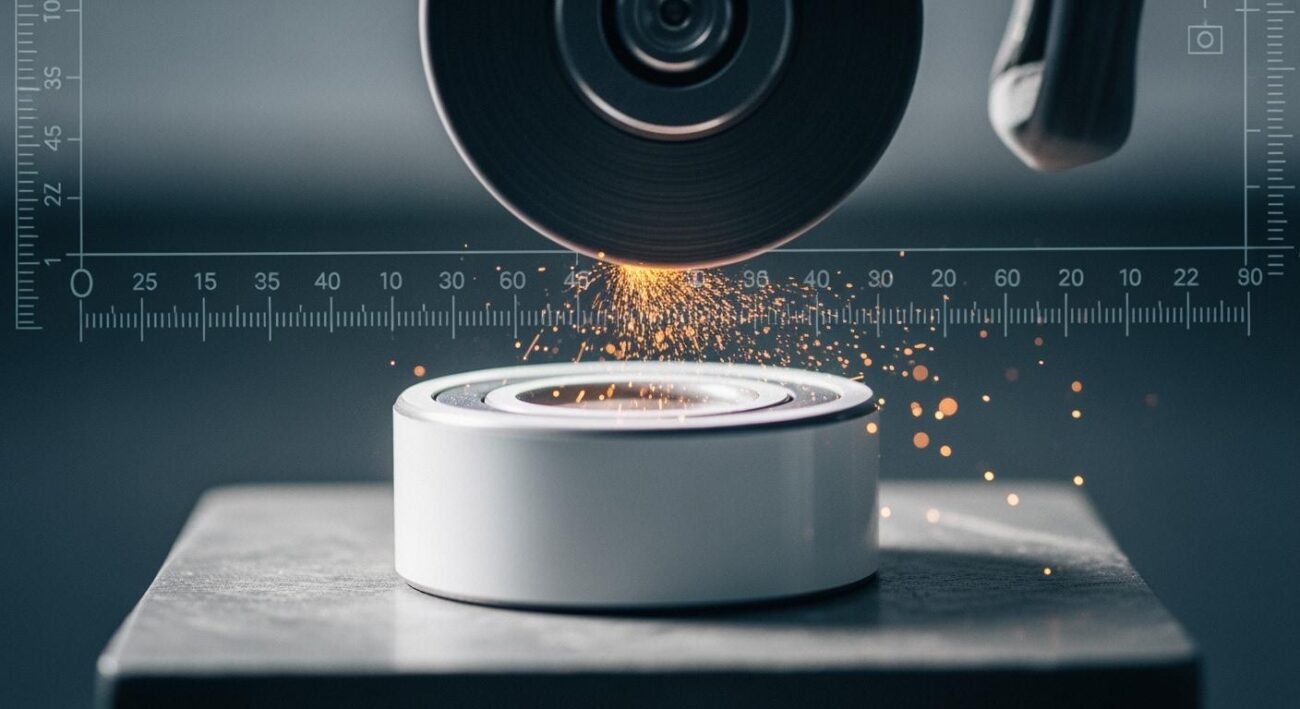
Precision grinding for ceramic bearings requires tight tolerances, smooth surface finishes, and strict geometric accuracy for optimal performance.
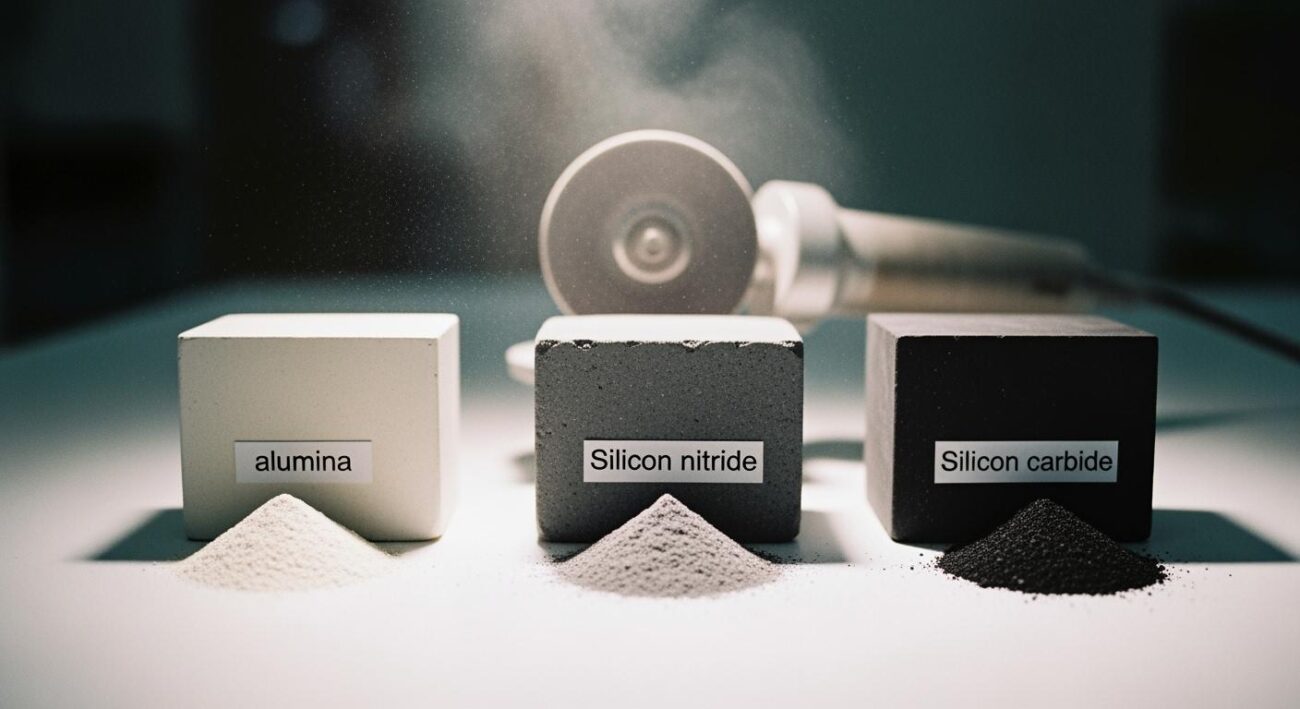
Grinding differences among alumina, silicon nitride, and silicon carbide impact hardness, tool wear, and surface finish for ceramic machining applications.
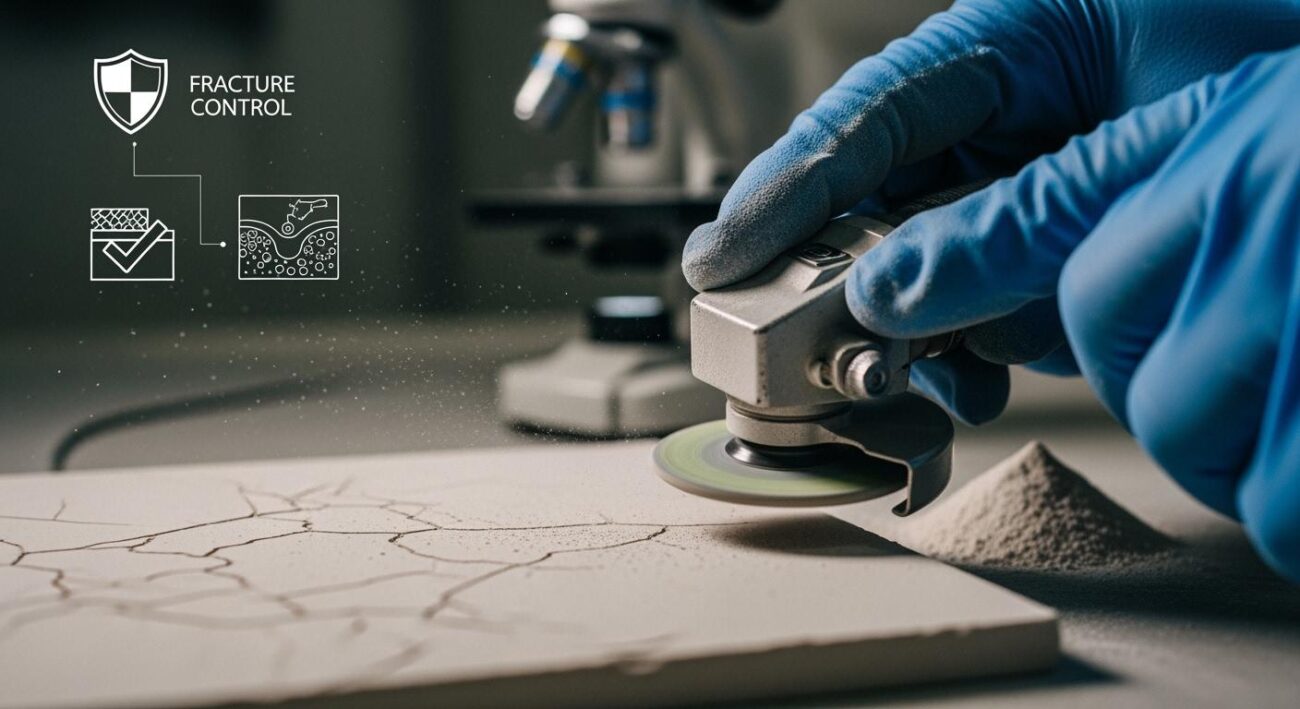
Control brittle fracture in ceramic grinding by optimizing parameters, using super hard abrasives, and managing coolant flow for stronger, crack-free parts.
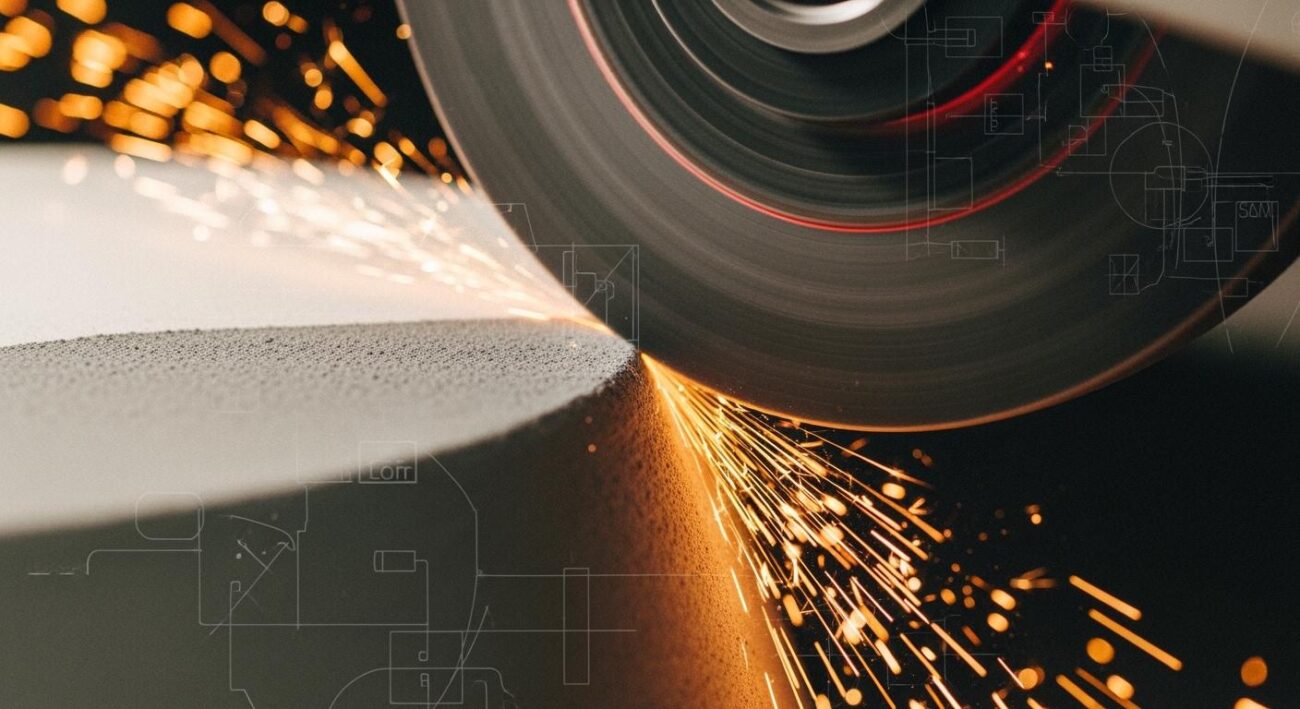
Main challenges in engineering ceramic grinding include extreme hardness, brittleness, rapid tool wear, and meeting strict surface quality requirements.
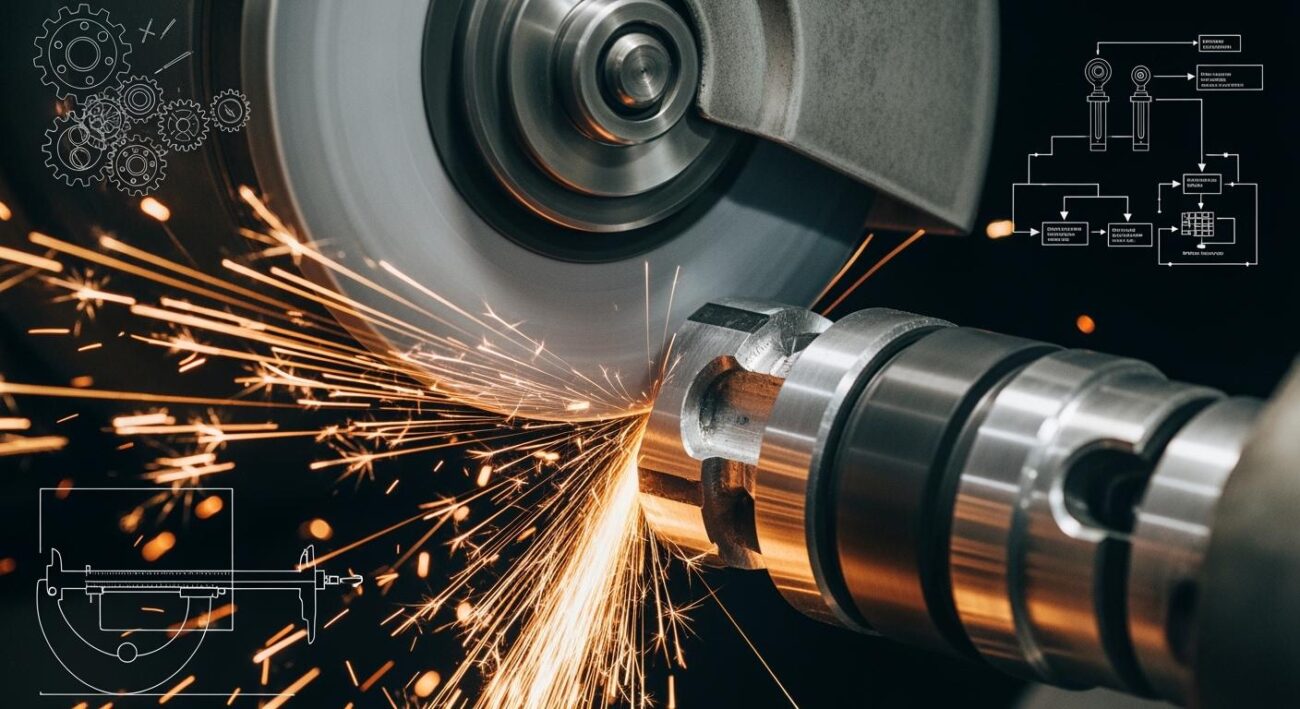
Grinding strategies for carbide-steel composite parts focus on diamond wheels, optimal parameters, and coolant use to ensure precision and prevent surface damage.
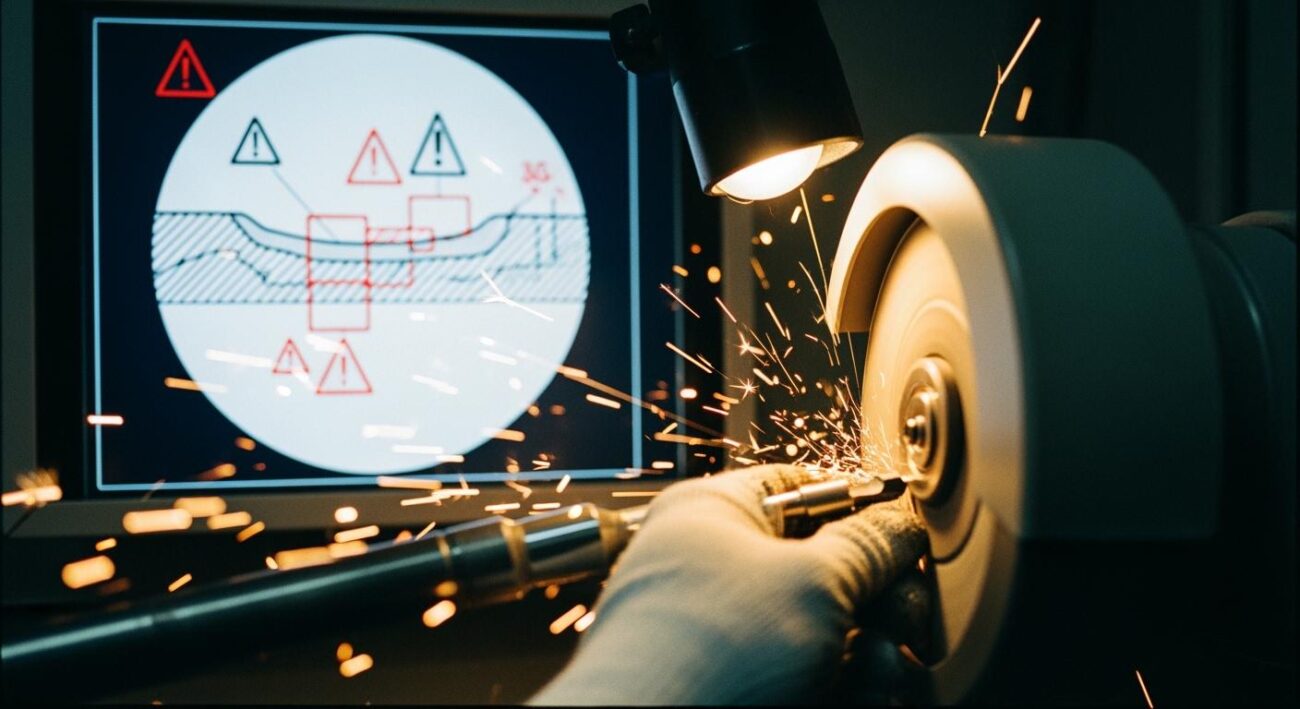
Control chipping risk in carbide grinding by using fine grit wheels, proper parameters, stable setups, and effective coolant for longer tool life and fewer chips.
No account yet?
Create an Account