
Vitrified vs Resinoid vs Metal Bond Wheels: A Complete Comparison

Vitrified vs Resinoid vs Metal Bond Wheels: Compare performance, durability, and best uses to choose the right grinding wheel for your application.
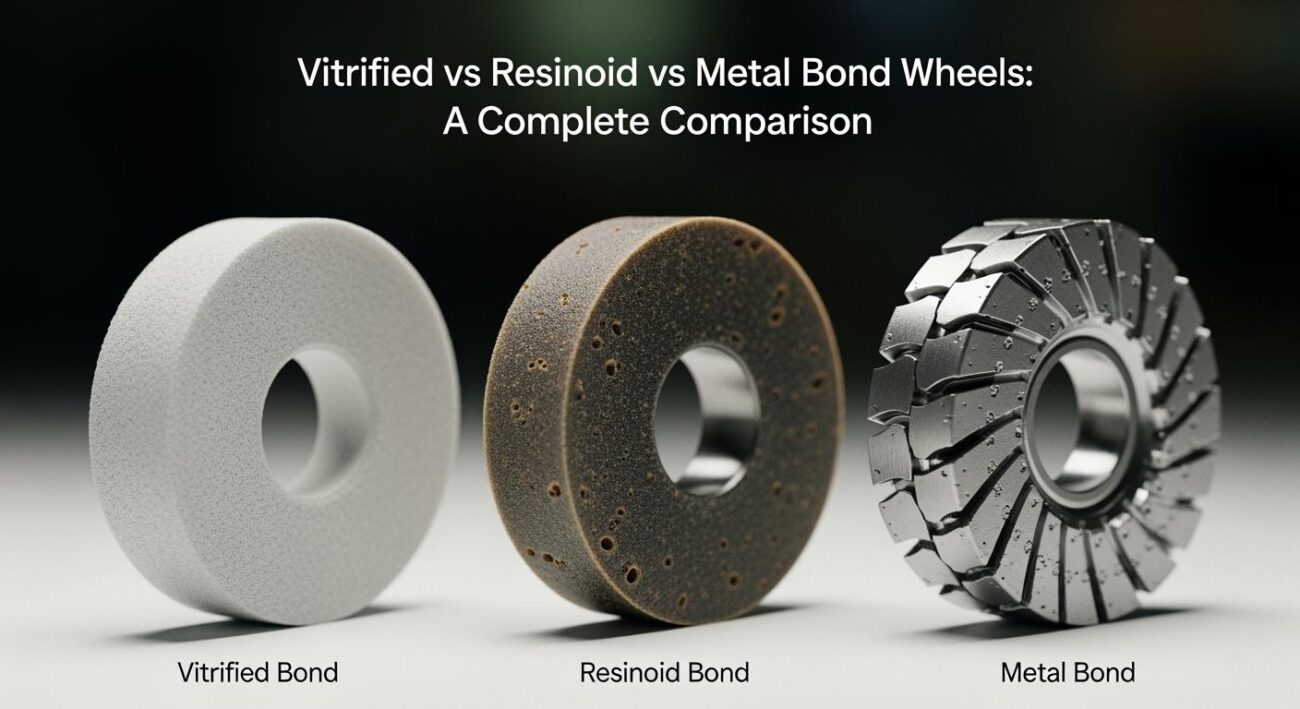
Vitrified vs Resinoid vs Metal Bond Wheels: Compare performance, durability, and best uses to choose the right grinding wheel for your application.
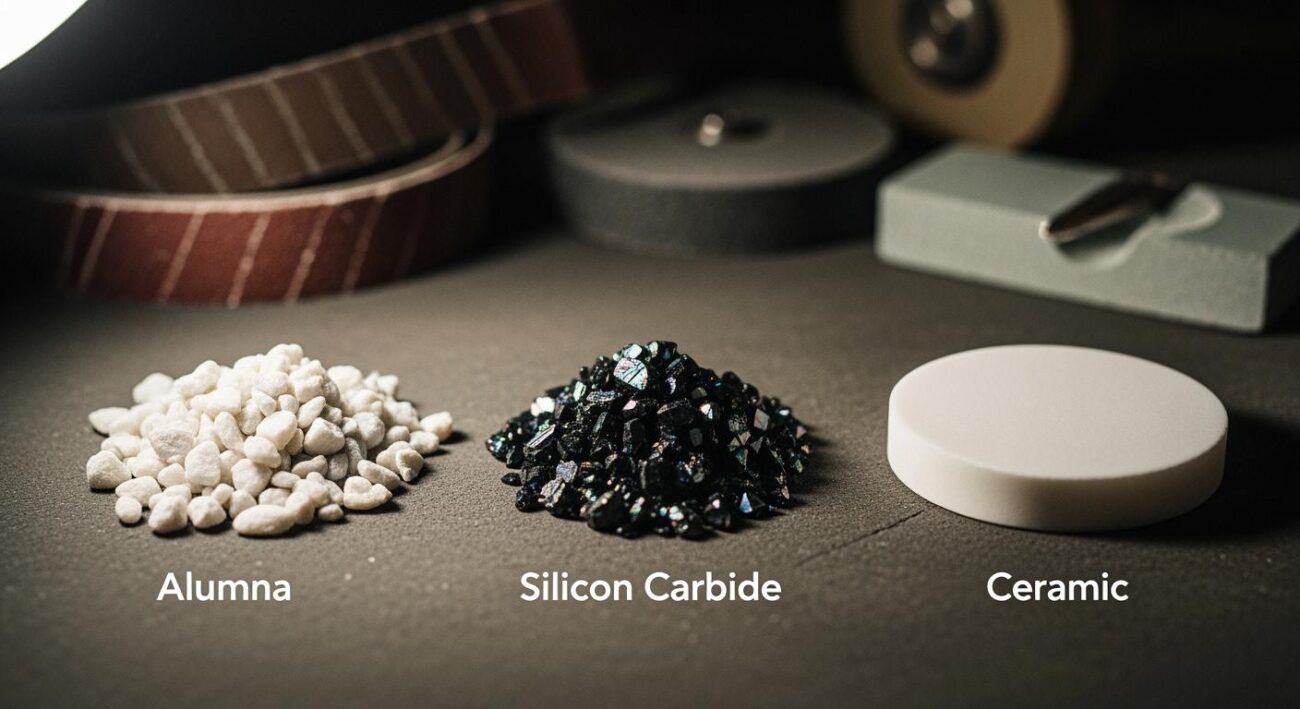
Alumina vs Silicon Carbide vs ceramic: Compare hardness, durability, and cost to choose the best abrasive for your project and material needs.
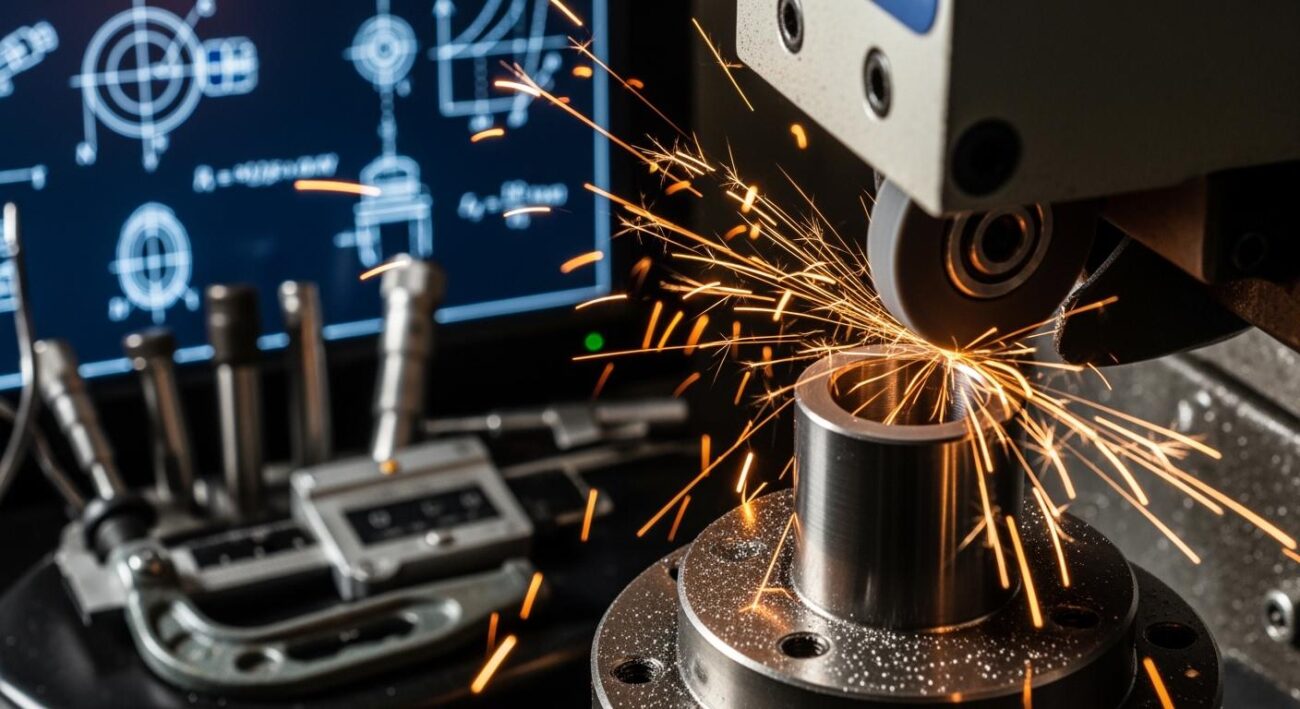
Internal grinding of small bores faces taper, burns, and vibration. Solve these with proper setup, wheel selection, and coolant for precise results.
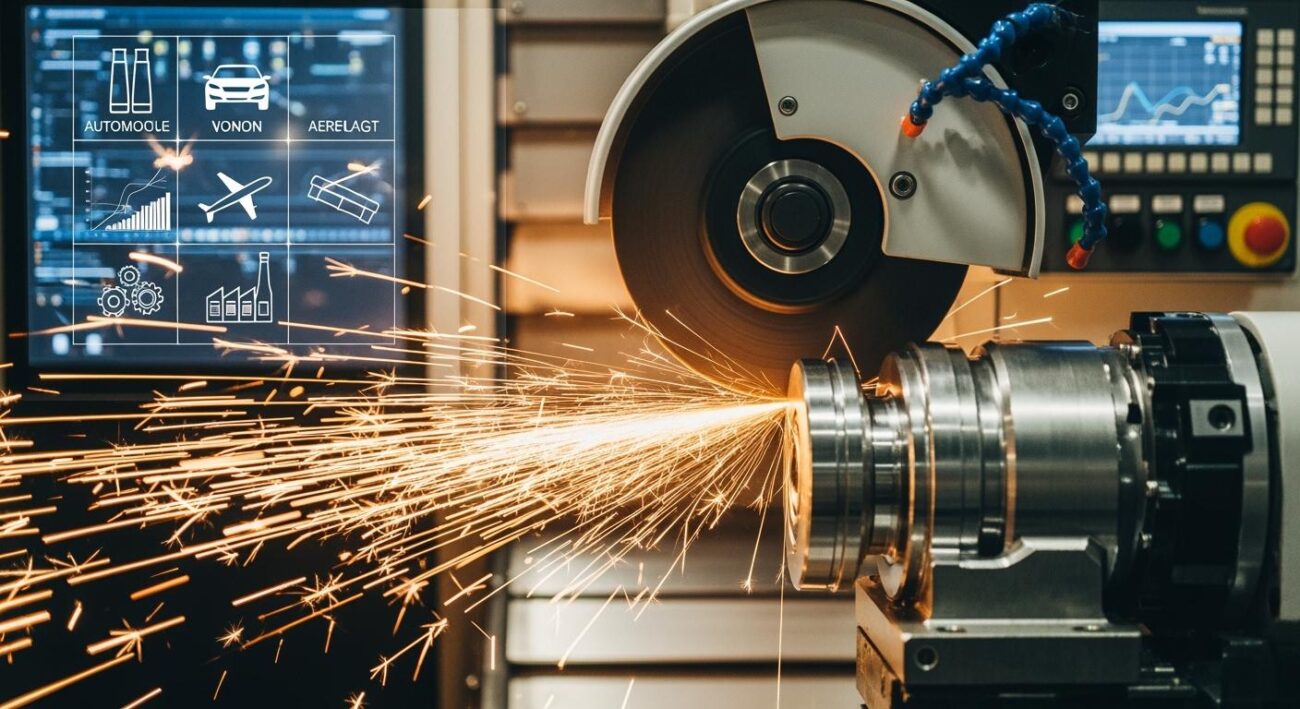
High Efficiency Deep Grinding boosts material removal rates, surface quality, and tool life for aerospace, automotive, and toolmaking applications.
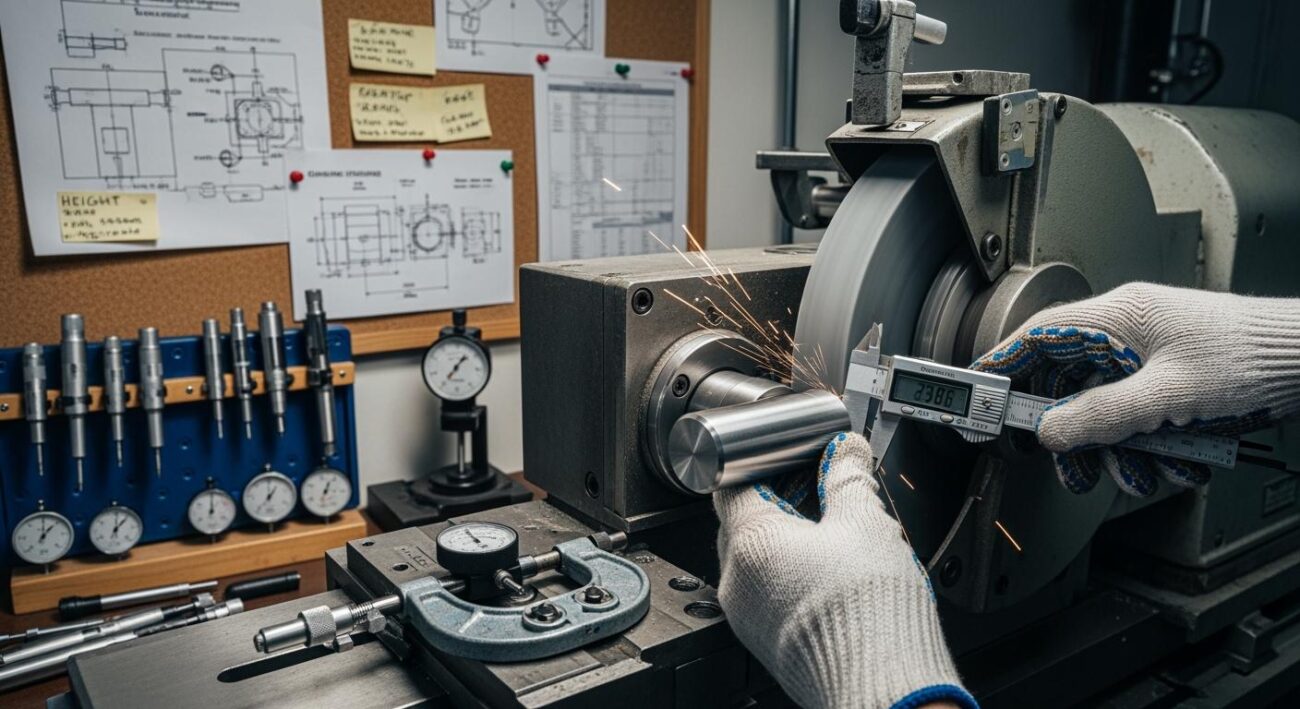
Centerless grinding setup parameters and best practices for precision, including wheel speed, alignment, dressing, and feed rate adjustments.
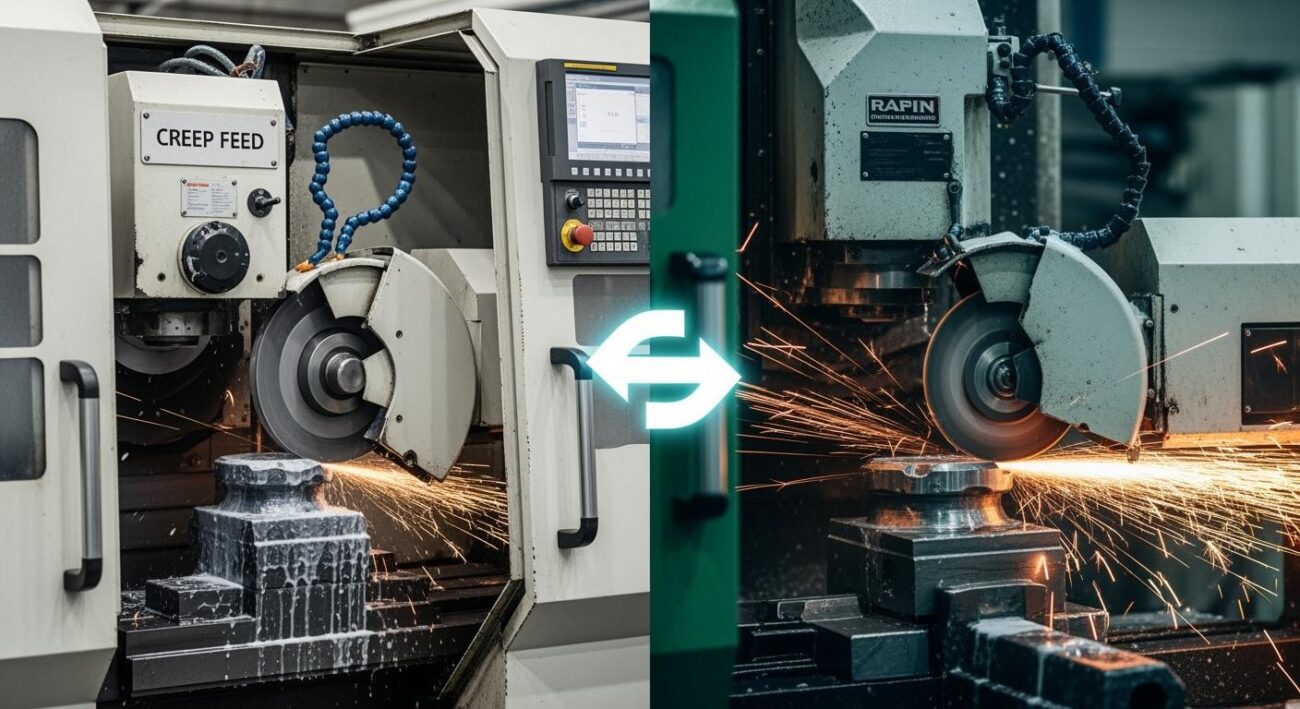
Creep feed vs conventional grinding: Use creep feed for high removal and fine finish, and conventional grinding for flexibility and simpler jobs.
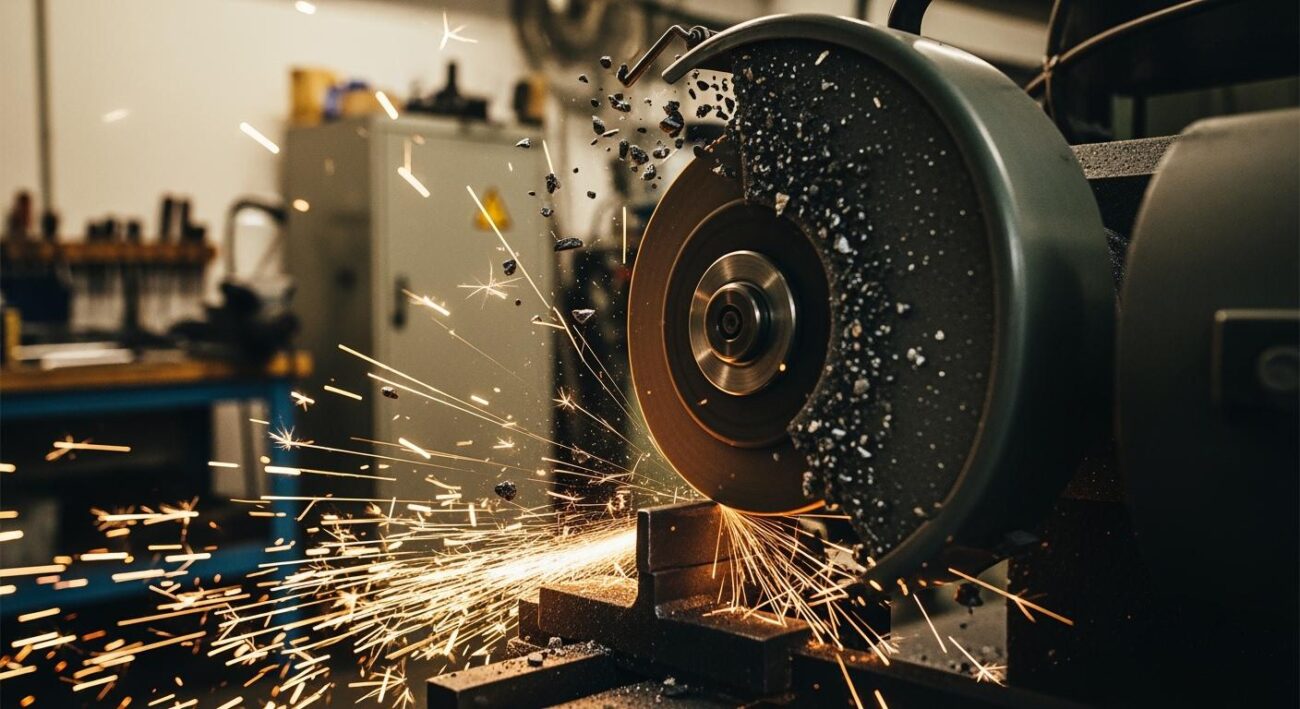
Self-sharpening grinding wheels maintain sharpness by shedding worn grains, exposing new edges for efficient, consistent grinding and reduced maintenance.
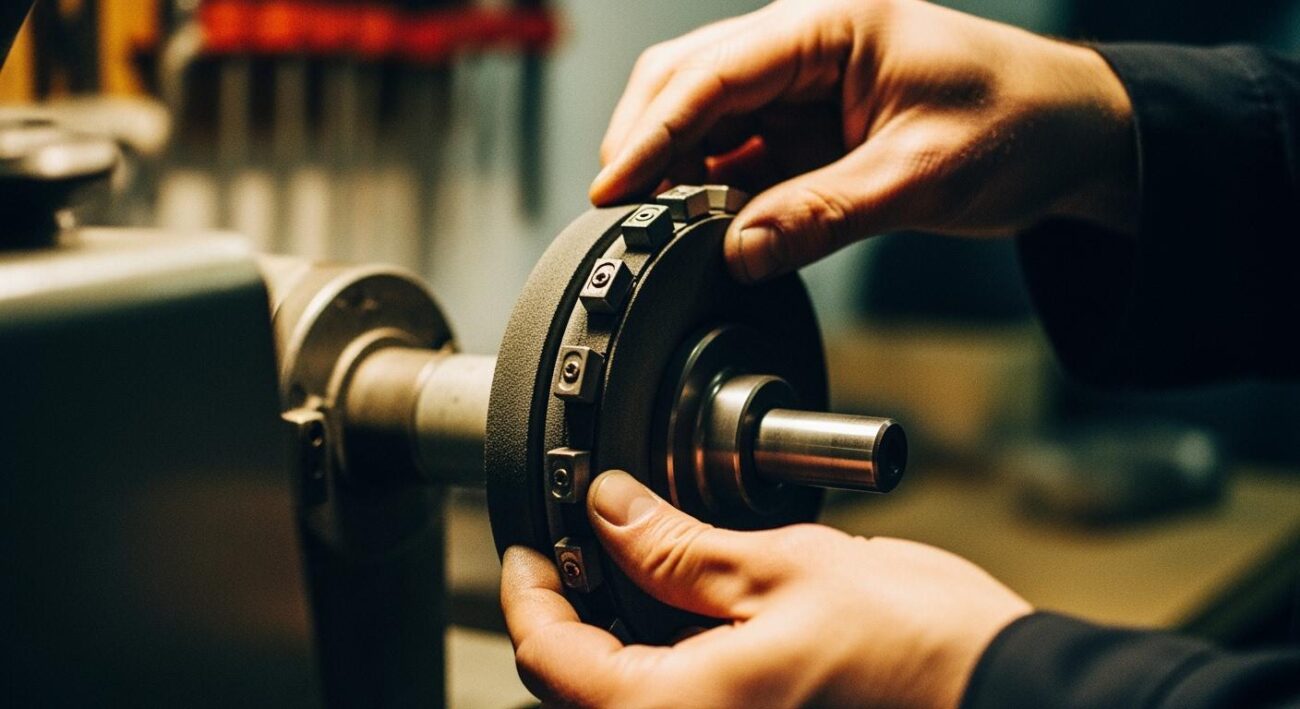
Balance a grinding wheel by mounting, adjusting weights, and checking for vibration to ensure precision, safety, and a smooth surface finish every time.
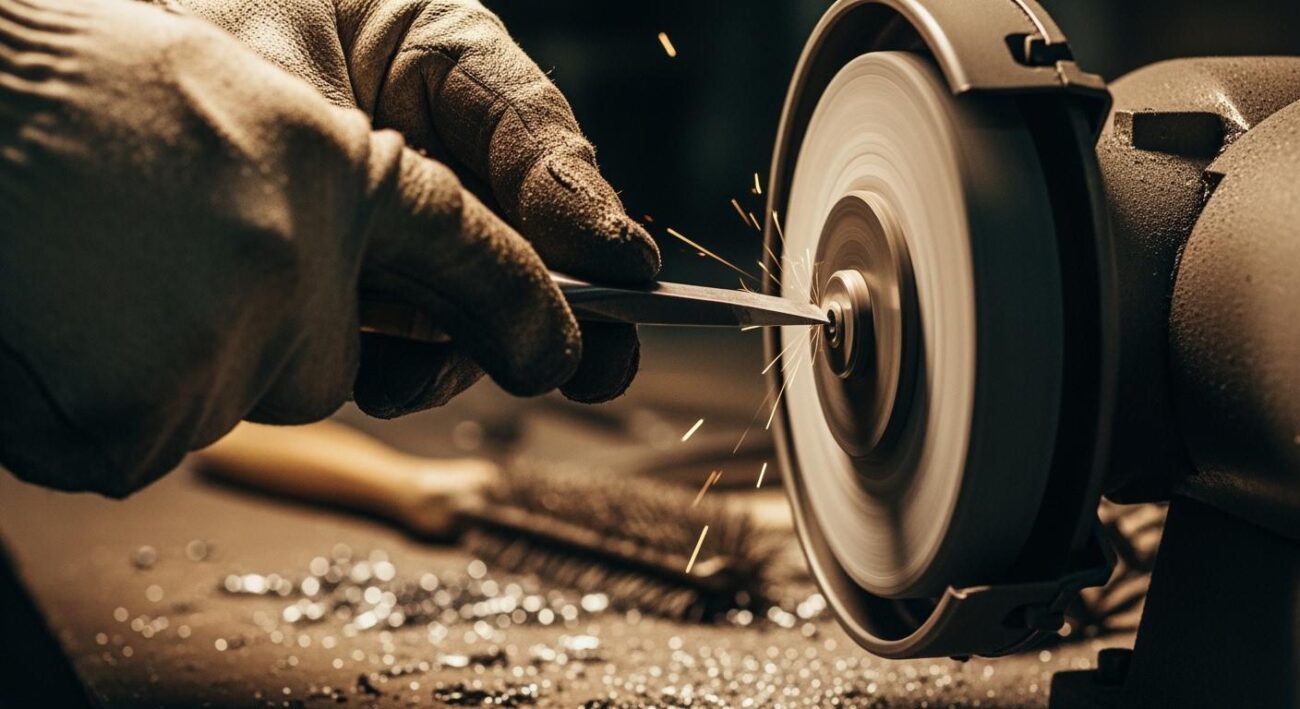
Prevent grinding wheel glazing by choosing the right wheel, regular dressing, proper speed, and effective coolant for efficient grinding and longer wheel life.
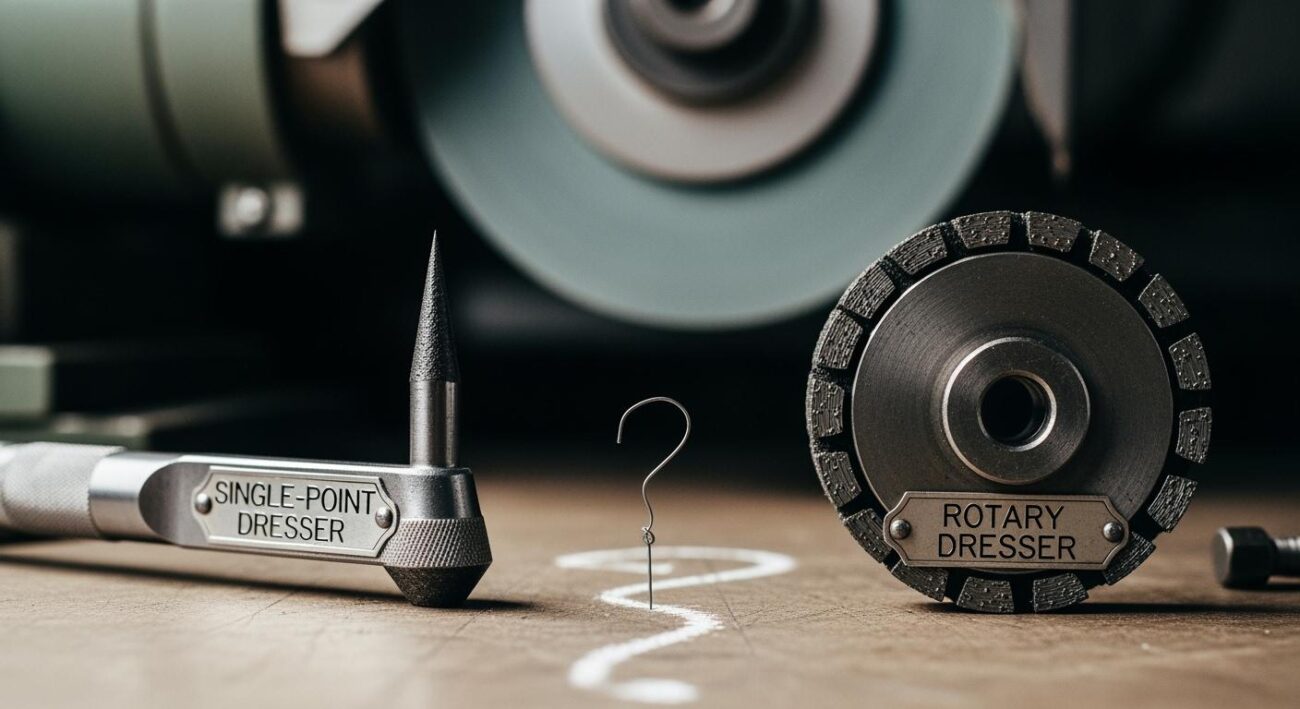
Single-Point vs Rotary Dressers: Compare precision, cost, and volume to choose the best diamond dresser for your grinding and production needs.
No account yet?
Create an Account