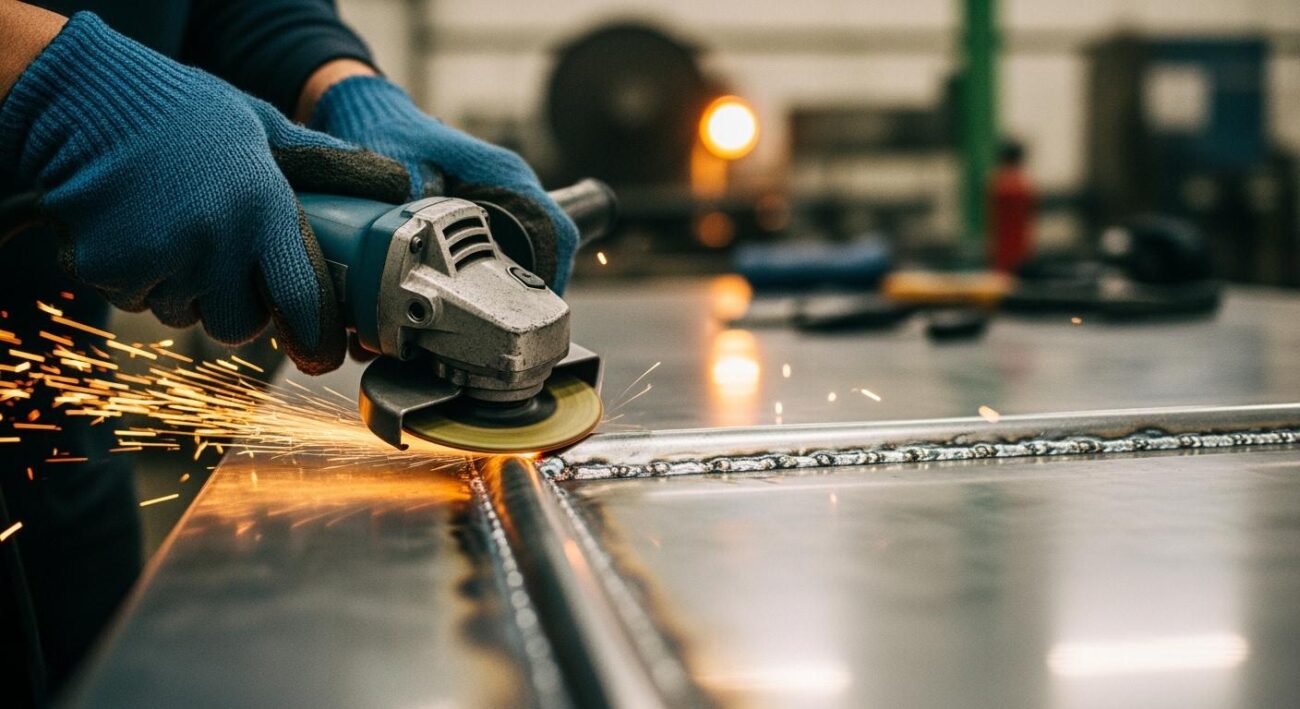
You can boost grinding efficiency for cast iron parts by following a few actionable recommendations. First, select the right grinding tool. Aimgrind diamond grinding wheels help you remove material faster and keep your surface finish consistent. Next, adjust your grinding parameters. For example, a mold-making facility in China lowered grinding burns by 70% by reducing feed rate and wheel speed. This step alone increases production efficiency without slowing down your process. Finally, manage heat and dust to prevent defects and keep your workspace safe. Use these recommendations to see immediate gains in grinding efficiency and production efficiency.
Key Takeaways
- Choose the right grinding tool, like Aimgrind diamond wheels, for faster material removal and consistent surface finish.
- Adjust grinding parameters, such as speed and feed rate, to enhance efficiency and reduce defects like grinding burns.
- Manage heat and dust effectively to maintain a safe workspace and prevent damage to cast iron parts.
- Regularly dress and condition your grinding wheel to keep it sharp and improve machining performance.
- Use a quick-reference checklist to standardize your grinding process and ensure consistent results.
Cast Iron Types and Grinding Challenges
Common Cast Iron Grades
You will encounter several types of cast iron when machining cast iron parts. Each type brings its own challenges for surface grinding cast iron. Here are the most common grades you will see:
- Gray cast iron: This grade is popular for engine blocks and machine bases. Its flake graphite structure makes machining cast iron easier and helps with surface grinding cast iron.
- White cast iron: You will find this in crusher liners and other abrasive applications. Its hard cementite network makes grinding cast iron difficult and increases tool wear.
- Ductile cast iron: This type is common in gears and bearings. Its spherical graphite structure gives it more strength and flexibility, which changes how you approach machining cast iron.
- Alloy cast iron: You will see this in engines and chemical equipment. Added elements like chromium and nickel improve wear and corrosion resistance, but they also affect surface grinding cast iron.
The table below shows how different grades respond to machining cast iron and grinding cast iron:
| Cast Iron Grade | Tensile Strength (psi) | Response to Grinding |
|---|---|---|
| 20 Grade | 20,000 | Moderate |
| 30 Grade | 30,000 | Moderate |
| 40 Grade | 40,000 | Moderate |
| 60 Grade | 60,000 | Moderate |
| White Cast Iron | >500 HB | Difficult |
Material Properties Impact on Grinding
You need to understand how the properties of each grade affect surface grinding cast iron. Gray cast iron has a brittle nature. You should use abrasives that remove material efficiently during machining cast iron without causing too much tool wear. Its high thermal conductivity means you must watch your grinding parameters. If you do not, you risk overheating and surface cracks during surface grinding cast iron.
White cast iron stands out because of its hard cementite network. When you are grinding cast iron of this type, you will notice more tool wear and slower machining. Ductile cast iron, with its tough and flexible structure, changes how you set up your machining cast iron process. You may need to adjust your grinding wheel and parameters for the best results.
Alloy cast iron contains elements like chromium and nickel. These elements improve resistance to wear and corrosion. However, they also make surface grinding cast iron more challenging. You must choose the right abrasive and keep your machining cast iron process under control to avoid rapid tool wear.
Tip: Always match your grinding wheel and process to the specific grade you are machining. This step helps you get the best results in surface grinding cast iron and extends your tool life.
Grinding Tools Selection for Efficiency
Aimgrind Diamond Grinding Wheels Overview
You need the right grinding wheel for efficient grinding cast iron. Aimgrind diamond grinding wheels give you a strong bond and free cutting action. These wheels help you finish machining faster and keep your surface finish consistent. Many shops use Aimgrind wheels to grind cast iron parts because they last longer and save money. For example, a shop that switched to Aimgrind diamond grinding wheels saw up to 40% cost savings over a year. The wheels keep their sharpness, so you spend less time changing wheels and more time machining.
| Feature | Advantage |
|---|---|
| Strong Bond | Keeps the grinding wheel sharp and efficient for longer periods. |
| Free Cutting Action | Lets you grind cast iron faster and with better precision. |
| Long-Term Cost Savings | Reduces wheel changes and saves up to 40% in grinding costs. |
Abrasive Materials and Bond Types
You must choose the right abrasive material and bond type for grinding cast iron. Diamond abrasives work well for hard cast iron grades. Cubic boron nitride (CBN) grains also give you a high grinding ratio, especially on grades like HT250. The graphite in cast iron helps the grinding wheel cut more easily. Resin bond grinding wheels are popular for machining cast iron because they self-sharpen and remove stock quickly. Hard-grade bonds hold abrasive grains tightly, which is good for small contact areas. Soft-grade bonds let grains release faster, which helps when you need to remove material quickly from large surfaces.
- The bond material in your grinding wheel affects how tough the wheel is and how well it moves chips away.
- Resin bond wheels are best for fast machining and a smooth finish.
- CBN wheels with the right bond type can improve surface integrity and reduce defects.
Wheel Grade and Grit Size Choices
You should match your grinding wheel grade and grit size to the cast iron you are machining. For gray cast iron, use a grit size between 90 and 120 microns and a diamond concentration of 80 to 120 carats per cubic inch. This setup gives you a good balance between fast material removal and a smooth finish.
| Material | Grit Size (microns) | Diamond Concentration (carats/in³) |
|---|---|---|
| Grey Cast Iron | 90 – 120 | 80 – 120 |
Tip: Always check your grinding wheel specs before starting a new machining job. The right choice helps you avoid tool wear and keeps your cutting tools sharp for longer.
Grinding Parameters Optimization
Speed, Feed, and Depth of Cut
You can boost machining cast iron results by setting the right grinding parameters. Start by checking your cutting speed. Cutting speed affects how fast the grinding wheel moves across the part. For most cast iron grades, you should keep the wheel speed between 30 and 45 meters per second. This range helps you avoid thermal damage and keeps the grinding process stable.
Feed rate is another key factor. When you set the feed rate around 0.1 to 0.15 millimeters per revolution, you balance material removal and wheel stress. A higher feed rate can speed up machining cast iron, but it may cause more heat and reduce surface quality. A lower feed rate gives you a smoother finish but slows down the process. Always match the feed rate to the cast iron grade and the desired finish.
Depth of cut is the third main parameter. Depth controls how much material you remove in one pass. For high-efficiency grinding, use a moderate depth of cut. Too much depth can overload the wheel and cause burns or cracks. Too little depth slows down machining cast iron and reduces the material removal rate. Adjust the depth based on the hardness and structure of the cast iron part.
Tip: Use Aimgrind’s parameter matching service to find the best speed, feed, and depth of cut for your specific cast iron parts. This step ensures efficient cutting and consistent quality.
Wheel Dressing and Conditioning
You need to keep your grinding wheel in top shape for effective machining cast iron. Regular wheel dressing and conditioning play a big role in this process. When you dress the wheel, you restore its abrasive surface. This action exposes fresh diamond points and prevents glazing. A well-dressed wheel cuts more efficiently and avoids clogging, which can slow down machining cast iron.
Proper truing ensures the wheel runs true to its axis. This step reduces vibrations and improves surface finish. You get more precise cuts and save both time and material. Conditioning the wheel also helps maintain a steady cutting speed and feed rate. You should dress the wheel before each shift or after heavy use.
- Regular dressing keeps the wheel sharp.
- Truing improves the quality of the surface finish.
- Conditioning prevents wheel loading and maintains grinding efficiency.
Note: Aimgrind offers sample optimization and guidance on wheel maintenance. You can contact their experts for advice on the best dressing techniques for your grinding wheels.
Adjusting Parameters for Cast Iron
You must adjust your grinding parameters based on the cast iron grade you are machining. Each grade responds differently to changes in speed, feed, and depth. For gray cast iron, keep the cutting speed moderate and use a medium feed rate. This approach helps you avoid overheating and surface cracks. For white cast iron, lower the feed rate and reduce the depth of cut. This technique prevents excessive tool wear and improves surface quality.
Ductile cast iron needs a careful balance. Use a slightly higher feed rate and moderate depth. This combination supports effective material removal and keeps the machining process stable. Alloy cast iron may require slower cutting speeds and smaller depths to prevent rapid tool wear.
Here are some practical techniques for adjusting parameters:
- Monitor the cutting speed and adjust if you see signs of burning or poor finish.
- Change the feed rate if you notice vibration or uneven material removal.
- Reduce the depth of cut for harder cast iron grades to protect the grinding wheel.
- Increase the depth slightly for softer grades to speed up machining cast iron.
| Cast Iron Grade | Cutting Speed (m/s) | Feed Rate (mm/rev) | Depth of Cut (mm) |
|---|---|---|---|
| Gray | 35-40 | 0.12-0.15 | 0.2-0.3 |
| White | 30-35 | 0.08-0.12 | 0.1-0.2 |
| Ductile | 38-42 | 0.13-0.16 | 0.2-0.25 |
| Alloy | 32-36 | 0.10-0.13 | 0.15-0.2 |
Tip: Always monitor the quality of your parts during machining cast iron. Adjust your parameters as needed to maintain high efficiency and consistent results.
Aimgrind’s expertise in parameter matching and sample optimization helps you achieve high-efficiency grinding. Their team can recommend the best techniques for your specific cast iron parts. You get better quality, longer wheel life, and improved productivity.
Managing Heat and Dust in Grinding
Preventing Grinding Burn
You must control heat during machining to avoid grinding burn. Grinding burn causes surface cracks, discoloration, and weakens cast iron parts. You can prevent burn by monitoring grinding speed and adjusting feed rates. If you increase speed too much, you risk burn. You should use moderate speed and avoid excessive pressure. Dressing the grinding wheel regularly helps maintain sharpness and reduces burn. Aimgrind diamond grinding wheels stay sharp longer, which lowers the chance of burn during machining. You can also reduce burn by limiting depth of cut and keeping the grinding area clean.
Tip: Watch for signs of grinding burn, such as blue discoloration or rough surfaces. Adjust machining parameters immediately if you notice these issues.
Dust Extraction and Safety
Grinding cast iron produces fine dust and metal particles. You face health risks like respiratory issues, eye irritation, and skin problems if you inhale or touch this dust. Metal fumes from machining can cause long-term health concerns. You should install local exhaust ventilation systems to capture airborne dust and fumes. Personal protective equipment, such as masks and goggles, protects you from inhaling particles and shields your eyes. Regular maintenance of grinding machines keeps dust levels low and ensures safe machining.
- Install local exhaust ventilation for dust control.
- Wear respiratory masks and safety goggles.
- Maintain grinding machines to minimize airborne contaminants.
Coolant Use and Application
Coolant plays a key role in controlling grinding temperature and improving part quality. Water-based coolants suit cast iron machining because they cool efficiently. These coolants lack lubrication, but they reduce thermal drift during grinding. You can choose higher-quality cutting fluids for precision machining. Fluids with increased lubricity give you a smoother finish and help keep grinding wheels clean. Clean wheels require less frequent dressing, which boosts efficiency. Apply coolant directly to the grinding zone for best results.
- Water-based coolants enhance cooling performance.
- Lubricity-rich fluids improve surface finish and wheel cleanliness.
- Direct coolant application prevents burn and supports consistent machining.
Note: Always select the right coolant for your grinding process. Proper coolant use prevents burn and keeps your machining environment safe.
Troubleshooting for High-Efficiency Grinding
Avoiding Burn and Cracks
You can prevent burn and cracks during machining cast iron by controlling heat and maintaining proper grinding conditions. Monitor the grinding speed closely. Excessive speed increases friction and raises the risk of thermal damage. You should keep the grinding wheel sharp through regular dressing. This step exposes fresh abrasive points and reduces heat buildup. Adjust the depth of cut and feed rate to match the hardness of the cast iron. If you notice discoloration or rough surfaces, reduce the grinding speed and check coolant flow. Consistent coolant application helps dissipate heat and protects the part from cracks.
Tip: Always inspect cast iron parts after machining. Look for signs of burn or cracks and adjust your grinding parameters immediately.
Minimizing Wheel Loading
Wheel loading slows down machining cast iron and reduces grinding efficiency. You can minimize wheel loading by choosing the right grinding wheel design. Vacuum brazed diamond grinding wheels offer a solution. These wheels use a brazed alloy layer to bond diamond grains, which keeps abrasive points exposed longer. The segmented geometry creates pathways for debris evacuation and airflow. This design prevents powder-like swarf from packing into the cutting zone. You maintain cutting efficiency and reduce localized temperature spikes. A foundry improved productivity and reduced wheel-related pauses by switching to vacuum brazed diamond grinding wheels. These wheels also lowered operating costs by more than 90% in representative applications.
Achieving Consistent Surface Finish
You achieve a consistent surface finish on cast iron parts by following key process controls. Set up your grinding machine accurately before you start machining. Dress the grinding wheel between stages to maintain sharpness and ensure uniform material removal. Use a finishing pass to define the final surface condition. The spark-out process removes elastic deformation and improves finish quality. Monitor vibration during machining cast iron. Excess vibration affects surface finish and can cause defects. You should check machine setup, wheel condition, and finishing technique regularly.
- Machine setup ensures accuracy before material removal.
- Wheel dressing maintains cutting sharpness.
- Finishing and spark-out processes improve surface finish.
Note: Consistent process control during machining leads to reliable results and high-quality cast iron parts.
Process Optimization with Aimgrind Solutions
Monitoring Grinding Efficiency
You can improve machining results by tracking the right metrics. Aimgrind helps you monitor your process with advanced methods. In-process monitoring measures spindle power and force signals. This method detects tool wear or any abnormal changes during machining. Post-process inspection uses laser scanners or vision systems. These tools check part dimensions and spot any leftover material. Adaptive path correction adjusts the grinding path in real time. This step corrects errors and keeps your machining accurate.
| Monitoring Method | Description |
|---|---|
| In-process monitoring | Measures spindle power consumption and force feedback signals to detect tool wear or abnormalities. |
| Post-process inspection | Utilizes laser scanners or vision systems to measure dimensions and detect remaining flash. |
| Adaptive path correction | Adjusts grinding paths based on inspection data to correct systematic errors in real-time. |
You should use these methods to keep your machining process stable and efficient.
Implementing Process Improvements
You can boost your machining efficiency by working with Aimgrind’s experts. They help you match grinding wheels, set the right speed, and adjust your process for each cast iron part. You get support for parameter matching, sample optimization, and troubleshooting. Aimgrind’s team helps you standardize your machining steps. You learn how to pick the right tools, maintain consistent technique, and verify your results. This approach leads to fewer errors and better part quality.
Tip: Review your machining process often. Small changes in speed or tool choice can make a big difference in grinding results.
Quick-Reference Checklist
You can use this checklist on the shop floor to keep your machining efficient and safe:
- Pick the right tools and wheels for each job
- Match the abrasive to the cast iron grade
- Standardize angles and pressure windows
- Define grit progressions for each step
- Set a clear “done” condition for every part
- Maintain consistent technique during machining
- Manage consumables wisely and prevent cross-contamination
- Verify results with post-process inspection
- Make expectations visible for the whole team
Note: Keep this checklist near your grinding station. It helps you follow best practices and reach top machining efficiency every day.
You can improve grinding efficiency for cast iron parts by choosing the right tools, setting the correct speed, and following a clear process. Aimgrind diamond grinding wheels help you reach top speed and deliver reliable results. These steps match industry best practices, like using the right grit and tool for each job. Use the quick-reference checklist to keep your results consistent. For better support, contact Aimgrind for custom solutions.
FAQ
What makes Aimgrind diamond grinding wheels better for cast iron?
You get faster material removal and a longer wheel life. Aimgrind wheels stay sharp and help you finish jobs quickly. You also save money because you change wheels less often.
How do you prevent grinding burn on cast iron parts?
You should use moderate speed and feed rates. Dress your grinding wheel often. Apply coolant directly to the grinding area. Watch for blue marks or rough surfaces as warning signs.
Which coolant works best for grinding cast iron?
Water-based coolants work well for most cast iron jobs. You can use fluids with extra lubricity for a smoother finish. Always apply coolant right where the grinding happens.
How often should you dress your grinding wheel?
Dress your wheel before each shift or after heavy use. This keeps the wheel sharp and prevents clogging. You get better results and a smoother finish.
Contact Us
For More Grinding Solution or Customized Abrasive Tools