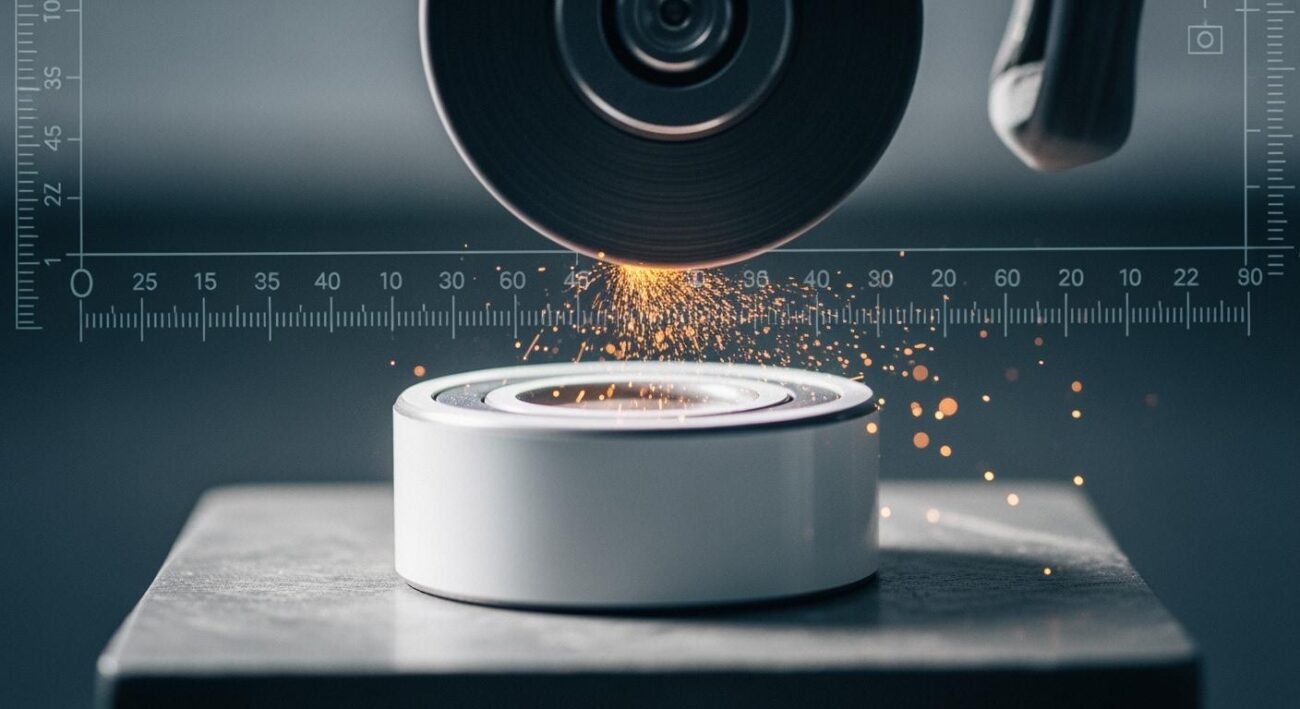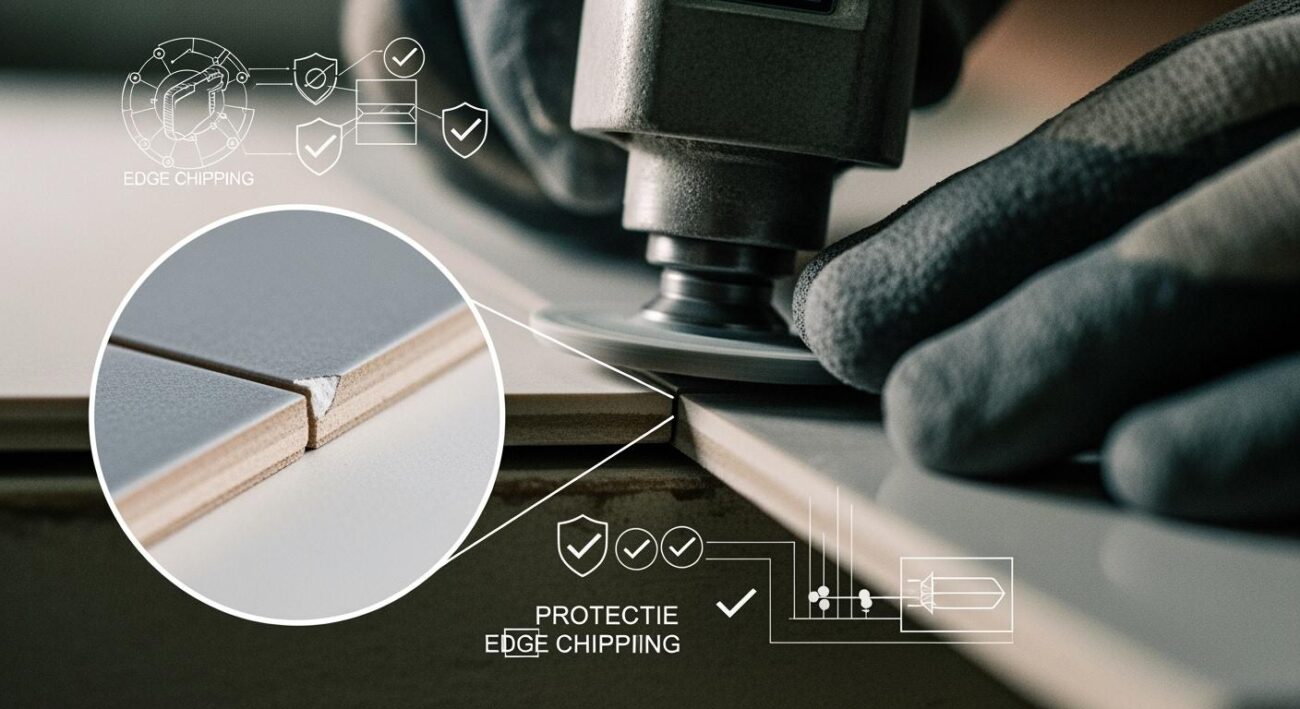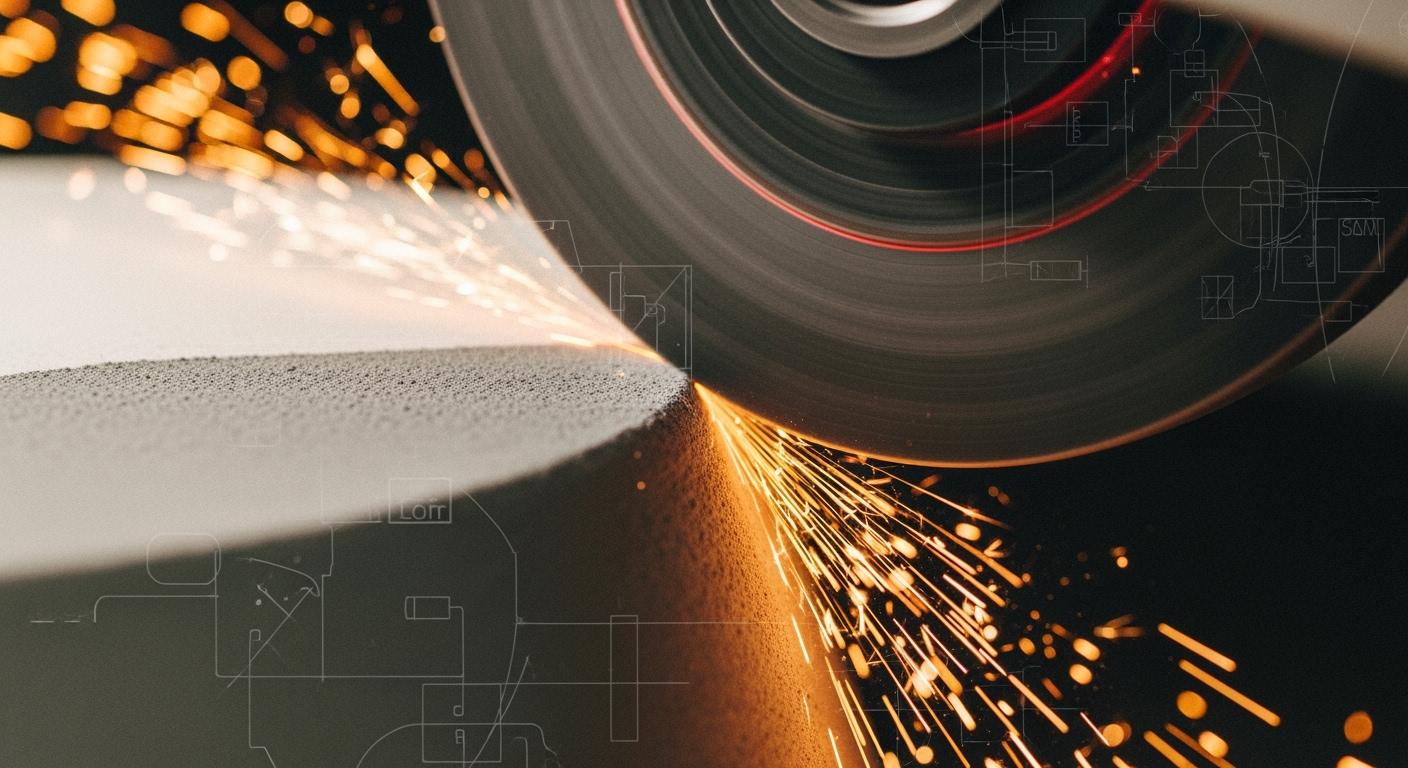
Ceramic grinding brings several main challenges for you to handle.
- Extreme hardness makes cutting and shaping tough.
- Brittleness leads to chipping and microcracks.
- Tool wear causes frequent replacements.
- Surface quality demands tight tolerances.
- Process efficiency affects production speed.
You must solve these challenges to achieve reliable results and lower costs. Innovative solutions, such as Aimgrind’s super hard abrasives, help you improve grinding performance and surface finish.
Key Takeaways
- Ceramics are extremely hard, making them difficult to cut and shape.
- Brittleness in ceramics leads to chipping and microcracks during grinding.
- Tool wear is frequent due to the abrasive nature of ceramics.
- High surface quality demands tight tolerances in ceramic grinding.
- Efficient grinding processes reduce costs and improve production speed.
Main Challenges in Ceramic Grinding
Hardness and Machinability
You face one of the main challenges when you try to grind ceramics: their extreme hardness. Ceramics are much harder than most metals and polymers. This makes them difficult to cut, shape, or finish. The table below shows how ceramics compare to other materials:
| Material Type | Vickers Hardness (VHN) |
|---|---|
| Engineering Ceramics | > 1000 |
| Tungsten Carbide | > 1500 |
| Metals (e.g., Aluminum, Pure Iron) | 100 – 300 |
| Hardened Alloys | 800 – 1000 |
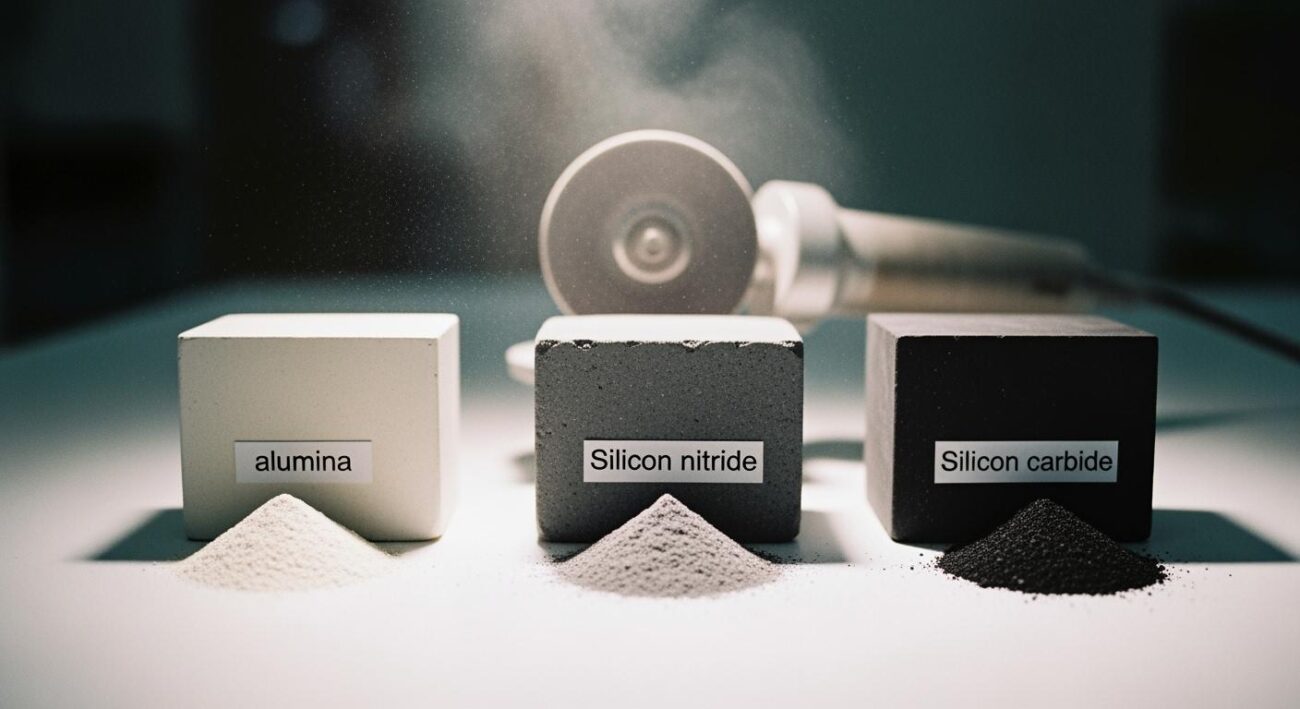
Most advanced ceramics, like zirconia and alumina, have hardness values above 1200 HV. Silicon carbide can reach up to 2500 HV, which is close to diamond. This high hardness means you need special tools, such as diamond grinding wheels, to process these materials. Ceramics also have low machinability. You will notice that they resist cutting and wear down tools quickly. This is why grinding ceramics is much more challenging than working with metals or plastics.
Brittleness and Chipping
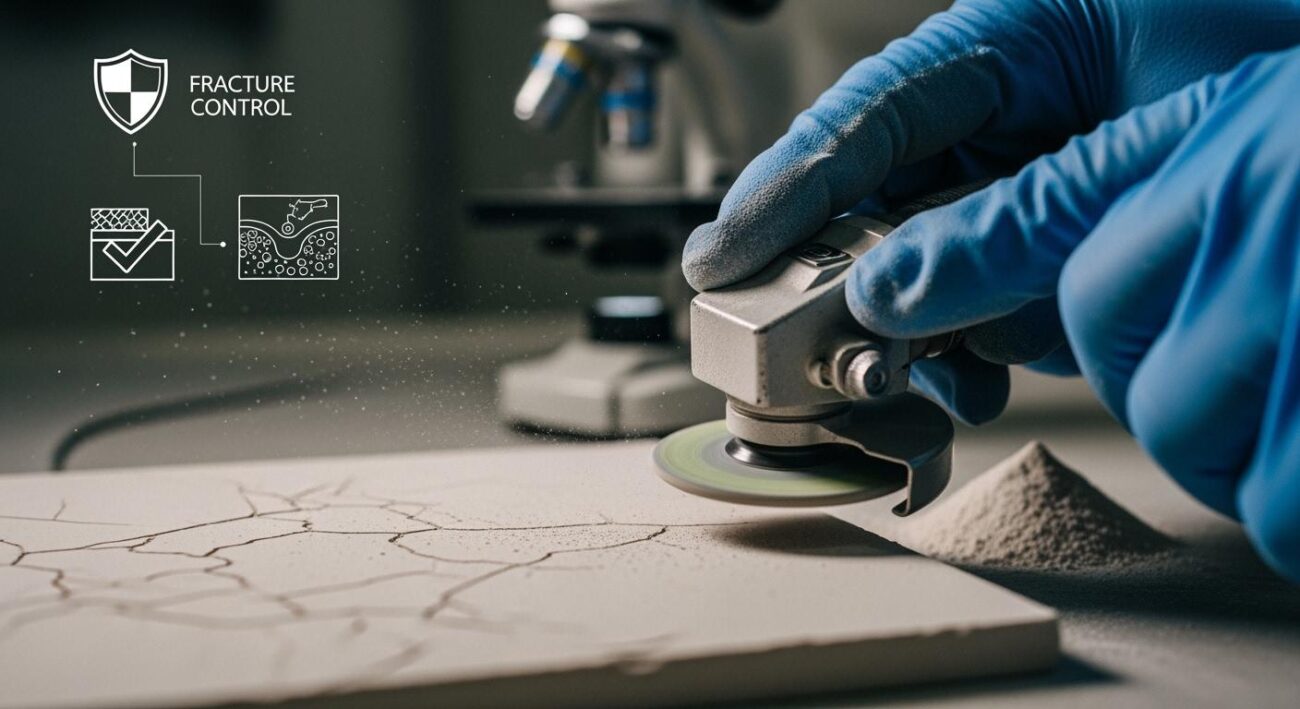
Another main challenge is brittleness. Ceramics do not bend or deform easily. Instead, they break or chip when you apply too much force. During grinding, you may see small cracks or chips form along the edges. These problems happen because ceramics have low fracture toughness. Even small shocks or changes in temperature can cause cracks. Thin walls, sharp corners, and sudden changes in shape make chipping worse. You must control the grinding process carefully to avoid damaging the part. If you do not, you risk microcracking, which can weaken the final product.
Tip: Always check for thin sections and sharp edges before grinding. These areas are most likely to chip or crack.
Tool Wear Issues
Grinding ceramics creates severe conditions for your tools. The hardness of ceramics acts like sandpaper on your grinding wheel. This leads to rapid tool wear, which is one of the main challenges in ceramic grinding. You may see several types of tool wear:
| Mechanism | Description |
|---|---|
| Abrasive Wear | The ceramic particles slowly grind away the tool’s edge. |
| Thermal-Induced Wear | High temperatures soften the tool and cause it to wear out faster. |
| Edge Chipping | The tool’s edge chips because of the ceramic’s brittle nature. |
| Catastrophic Tool Failure | The tool breaks completely if the force is too high. |
| Chemical Wear | Chemical reactions at high temperatures damage the tool. |
You need to replace tools more often when grinding ceramics than when working with metals. This increases your costs and can slow down production.
Surface Quality Demands
You must achieve a high-quality surface when grinding ceramics. Surface roughness, porosity, and contamination can all affect how the part works. If the surface is too rough, it can create stress points that lead to cracks. Pores or contamination can trap chemicals or cause problems during later processing steps. Many industries require very tight tolerances, sometimes within ±0.01 mm. Achieving these tolerances is one of the main challenges in ceramic grinding. You need to use precision grinding, polishing, and lapping to get the right finish. Good surface quality improves the strength and reliability of your ceramic parts.
- Surface roughness and porosity affect the strength and performance of ceramic components.
- Defects on the surface can cause failures in electronic or structural applications.
- Achieving a fine finish helps parts fit together and last longer.
Process Efficiency and Cost
Grinding ceramics is not only hard but also expensive. The cost per unit or per cycle is much higher than for metals or plastics. The table below shows how costs compare for different ceramics:
| Cost Factor | Alumina (Std) | Y-TZP Zirconia | Silicon Carbide |
|---|---|---|---|
| Unit price (relative) | 1.0× | 6–10× | 3–5× |
| Typical wear rate | Medium | Very Low | Low |
| Replacement frequency | Higher | Lower | Medium |
| Effective cost per kg processed | Low (general apps) | Low–Med (high-energy mills) | Medium (specialty apps) |
You must also manage process efficiency. Grinding ceramics takes more time and energy. If you do not use the right grinding media or process, you may slow down your production. Efficient grinding reduces friction, wear, and energy use. It also helps you keep your costs under control.
- Grinding media choice affects speed and energy use.
- Matching the right tool to the process improves throughput and quality.
- Efficient grinding helps you meet production targets and reduce waste.
Note: Microcracking and tight tolerances are common pain points for manufacturers. You need to control heat and force during grinding to avoid these issues.
By understanding these main challenges, you can choose better tools and processes for ceramic grinding. This helps you improve quality, reduce costs, and avoid common problems like chipping and tool wear.
Tool Wear and Grinding Solutions
Super Hard Abrasives from Aimgrind
You need the right tools to grind ceramics without frequent tool changes. Diamond grinding wheels work best for ceramics because diamond is the hardest known material. Diamond wheels cut through ceramics efficiently and keep their shape longer than other abrasives. CBN wheels are great for steel, but they do not work well with ceramics. Diamond does not react with ceramics, so you get less tool wear and more accurate results.
Aimgrind specializes in super hard abrasives like diamond wheels. You can find wheels in different shapes, sizes, and bonds to match your grinding needs. Aimgrind’s products help you grind ceramics faster and with better surface quality. You spend less time changing tools and more time making parts. This means you save money and keep your production line moving.
Tip: Choose diamond wheels for ceramics to get the best tool life and performance.
Tool Life Optimization
You can make your grinding tools last longer by following a few best practices:
- Lower grinding forces by up to 30% to reduce heat and prevent damage.
- Cut cycle times in half to meet your production goals.
- Increase tool life up to 20 times, so you change wheels less often.
- Use each wheel for its full usable life to save on costs and downtime.
- Pick the right grinding tool for your ceramic type to boost efficiency.
- Control heat and friction with proper cooling fluids.
The type of abrasive grain and bond also matters. For ceramics, you should look at these options:
- Vitrified bond: Gives you rigidity, porosity, and heat resistance. Good for precision grinding.
- Resin bond: Offers flexibility and a smooth finish. Works well for general grinding.
- Metal bond: Provides durability and high removal rates. Best for tough jobs.
Aimgrind helps you match the right abrasive and bond to your ceramic application. This ensures you get the longest tool life and the best grinding results.
Surface Integrity and Damage Control
Preventing Microcracks
You must protect ceramic parts from microcracks and subsurface damage during grinding. Microcracks weaken the material and can cause failure in demanding applications. Chipping often happens when you use too much force or when the grinding wheel overheats the surface. You can reduce these risks by controlling the grinding process.
- Dry cutting works well for white-stage ceramics because it prevents sudden temperature changes.
- Minimum quantity lubrication (MQL) extends tool life and keeps the temperature stable.
- Mist cooling keeps machining temperatures between 20°C and 80°C. If the temperature rises above 80°C, microcracks become more likely.
- High-frequency grinding wheel vibration and in-process electrolytic dressing, such as U-ELID grinding, help prevent microcracks and edge chipping. These methods improve efficiency and protect the surface.
Continuous coolant flushing is essential. It removes heat and debris, keeping the surface smooth and free from thermal damage. Diamond abrasives are the best choice for ceramic grinding. They cut quickly and resist heat, which helps you avoid microcracks. You should select the right grit size, bond type, and wheel speed to optimize the process and minimize chipping.
Tip: Always monitor the temperature and use proper cooling methods to protect the ceramic surface.
Achieving Fine Surface Finish
You need a fine surface finish for ceramics used in optical and electronic applications. Surface roughness affects performance and reliability. Advanced grinding wheels, especially resin-bonded diamond wheels, deliver excellent surface quality and precise dimensional control.
| Surface Finish Level | Achievable with Advanced Grinding Wheels | Industry Standards |
|---|---|---|
| Sub-nanometer Ra | Yes | Yes |
| Optical Applications | Yes | Yes |
Mechanical processing methods like grinding and polishing remove damaged layers and reduce surface roughness. Controlled sintering parameters, such as temperature and heating rates, help you achieve dense microstructures and minimize defects. Pressure-assisted and two-step sintering techniques also improve surface smoothness.
Note: Proper finishing techniques ensure that your ceramic parts maintain their structural integrity and meet strict industry standards.
Process Efficiency and Dust Management
Reducing Cycle Times
You want to finish grinding ceramic parts quickly and keep costs low. Cycle times for grinding large ceramic gears can range from two to twelve hours. This wide range shows how much the process can vary. If you use traditional grinding wheels, you may spend more time on each part. However, new grinding wheel technology can help you work faster. These wheels increase the material removal rate, so you need fewer passes to finish the job. When you adjust your grinding wheel or change your process parameters, you can sometimes cut your cycle time in half. Many engineers focus on reducing cycle time because it boosts productivity and helps you meet deadlines. By choosing the right grinding tools and optimizing your process, you can save both time and money.
Tip: Always review your grinding parameters and wheel selection. Small changes can lead to big improvements in efficiency.
Managing Ceramic Dust
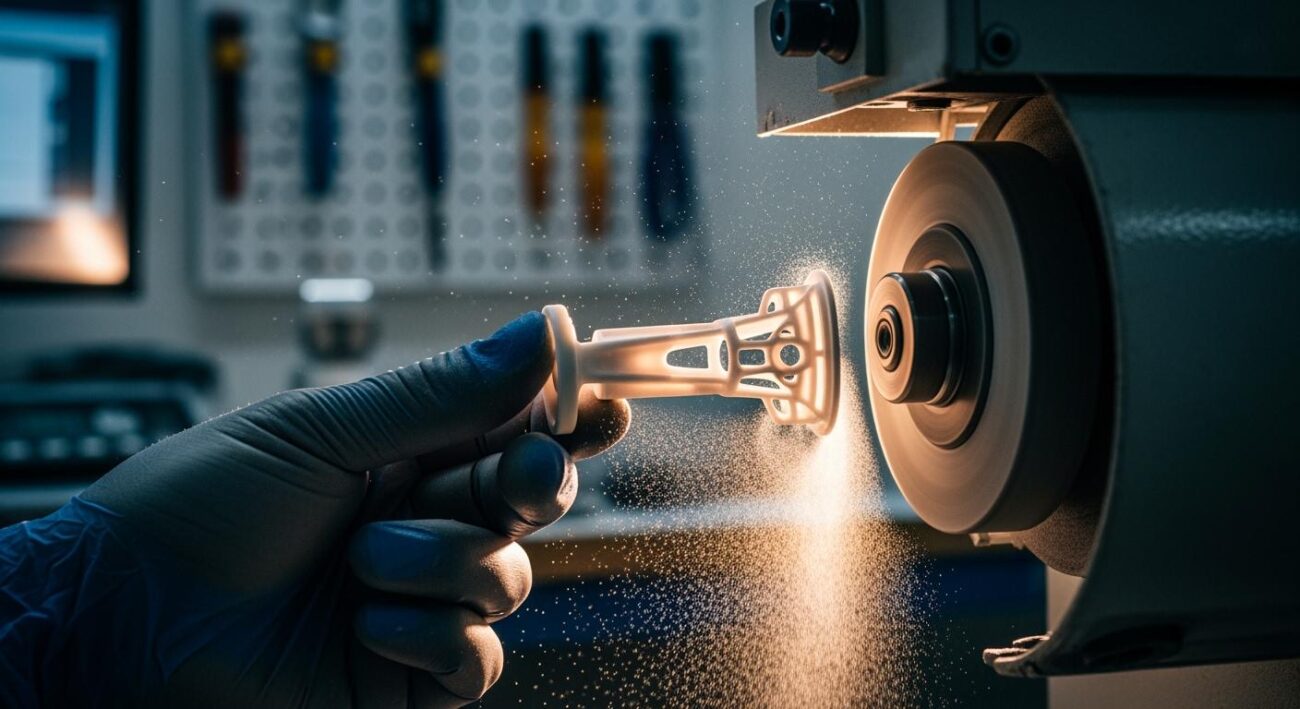
Grinding ceramics creates a lot of dust. You need to manage this dust to protect both your health and your machines. Dust comes from several sources:
- Raw material handling and preparation can create up to 60% of total dust emissions. Clay and silica sand are common culprits.
- Forming and shaping operations, like pressing and machining, make dense dust clouds, especially during dry pressing.
- Kiln operations release both dust and gases, making dust control more difficult.
Ceramic dust can cause serious health problems. Breathing in crystalline silica dust may lead to silicosis, a lung disease that affects many workers each year. Dust also harms your equipment. It can build up inside machines, causing wear and contamination. This means you need to clean and maintain your machines more often.
To control dust, you can use several technologies:
- Baghouse systems use special chambers to filter out large particles and extend filter life.
- Cyclone separators remove up to 90% of larger dust particles before they reach other filters.
- Wet scrubbing systems help in high-temperature areas by trapping dust and treating gases.
- Advanced filtration systems use new materials and smart sensors to improve dust collection and monitor performance.
Note: Good dust management keeps your workspace safe and your machines running longer.
Innovations and Aimgrind’s Approach
Customized Grinding Solutions
You face unique challenges when grinding ceramics. Aimgrind understands that every ceramic application is different. You can benefit from customized grinding solutions that match your exact needs. These solutions help you handle the hardness and brittleness of ceramics. Specialized grinding wheels and bond technologies from Aimgrind optimize your performance and reduce tool wear.
- You can reduce grinding forces by up to 30%. This lowers heat and protects your ceramic parts.
- You may cut your cycle times in half. This helps you finish jobs faster and meet deadlines.
- You can increase tool life by up to 20 times. This means fewer wheel changes and lower costs.
Aimgrind’s team works with you to select the right wheel shape, grit size, and bond type. You get a solution that fits your process and equipment. This approach helps you achieve better results and higher productivity.
Advanced Bond Technologies
You need advanced bond technologies to get the best grinding performance. Aimgrind offers hybrid bond grinding wheels that combine the benefits of resin, metal, and vitrified bonds. These wheels give you better cutting efficiency and longer wheel life. You can grind ceramics with less risk of chipping or cracking.
- Hybrid bond wheels keep their shape. This is important for making precise ceramic parts.
- Vitrified bonds can be adjusted to change porosity. This improves cooling and surface finish.
- The combination of resin’s free-cutting action with the strength of metal or vitrified bonds boosts your productivity and lowers your grinding costs.
You get wheels that work well for aerospace, electronics, and other high-precision industries.
Comprehensive Service and Support
You do not have to solve ceramic grinding challenges alone. Aimgrind provides a full service process. You get help with problem diagnosis, parameter matching, and sample optimization. The team supports you from start to finish. You can trust Aimgrind’s commitment to innovation, quality, and customer satisfaction.
Grind with Passion, Achieve with Aim. You get solutions that help you reach your goals and keep your production running smoothly.
You face many main challenges when grinding ceramics. These include hardness, brittleness, tool wear, and surface quality. You must solve these problems to get strong and reliable parts. Super hard abrasives and Aimgrind’s custom solutions help you work faster and save money. You can improve your process by choosing the right tools. Consider a customized grinding solution for your next project.
FAQ
What makes ceramic grinding so difficult?
You deal with extreme hardness and brittleness. Ceramics chip and crack easily. You need special tools to cut and shape them. Grinding takes more time and energy than working with metals.
How do super hard abrasives improve ceramic grinding?
Super hard abrasives, like diamond wheels, cut ceramics faster. You get less tool wear and better surface quality. These tools last longer and help you save money.
How can you prevent chipping and microcracks?
You control grinding force and temperature. You use proper cooling methods. You select the right wheel and grit size. These steps protect your ceramic parts from damage.
Why should you choose Aimgrind for ceramic grinding solutions?
Aimgrind offers custom grinding wheels and expert support. You get tools matched to your process. Aimgrind helps you achieve high quality and efficiency in ceramic grinding.
Contact Us
For More Grinding Solution or Customized Abrasive Tools