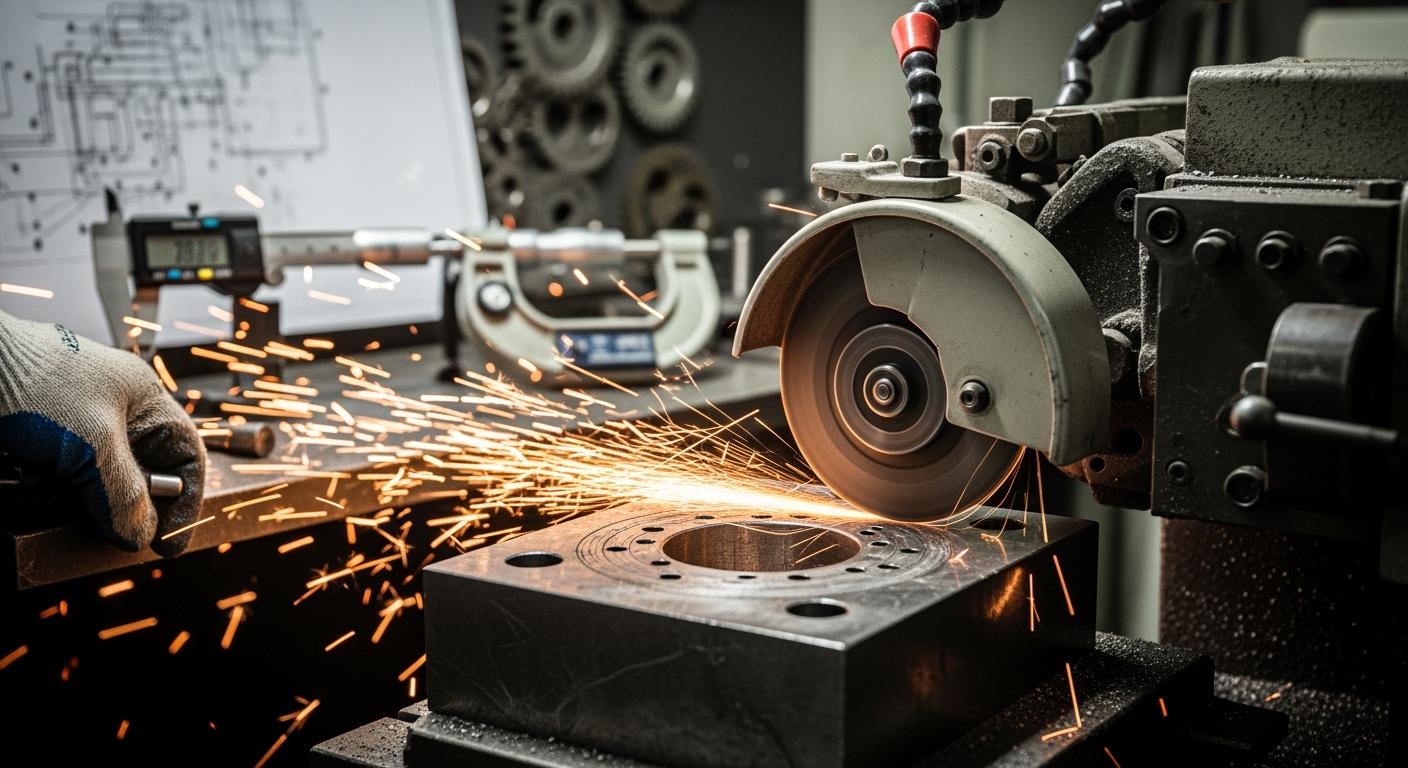
You face many technical challenges when you work with die steel. Overheating, surface defects, and complex shapes can make grinding difficult. These problems can cause tool wear, poor finishes, and wasted time. You need the right grinding wheel to get reliable results. Aimgrind’s diamond grinding wheels give you the edge by improving precision and reducing downtime.
Key Takeaways
- Overheating can weaken die steel and cause surface defects. Use efficient cooling and sharp cutting wheels to manage heat.
- Chatter and vibration lead to surface defects. Ensure proper machine setup and wheel balance to reduce these issues.
- Complex shapes require specialized grinding tools. Use precision tools to handle intricate features and improve surface quality.
- Choose the right abrasive for your grinding wheel. Match hardness to your die steel for better performance and longer wheel life.
- Automation and proper maintenance extend wheel life. Use consistent monitoring and care to achieve reliable grinding results.
Key Technical Challenges in Die Steel Grinding
When you grind die steel, you face several technical challenges that can affect your results. You need to understand these issues to improve your process and avoid costly mistakes. Aimgrind helps you identify and solve these grinding problems with expert support and advanced tools.
Overheating and Thermal Damage
Overheating is a major concern during die steel grinding. The surface temperature can reach up to 700°C. At this temperature, the steel’s microstructure changes. You may see martensitic layers form on the surface. These changes can weaken the steel and reduce its lifespan. Overheating also causes poor surface finish and can lead to cracks or warping. You must control heat to protect your workpiece.
Tip: Use grinding wheels that offer efficient cooling and sharp cutting action. Aimgrind’s diamond grinding wheels help you manage heat and prevent thermal damage.
Chatter, Vibration, and Surface Defects
Chatter and vibration create noise and leave marks on your die steel parts. These issues come from several sources:
- Mechanical vibrations in the grinding machine cause the wheel and workpiece to oscillate.
- Imbalance in the grinding or regulating wheels increases vibration.
- Improper dressing of the wheel leads to uneven contact.
- Vibrations from nearby equipment can also cause chatter.
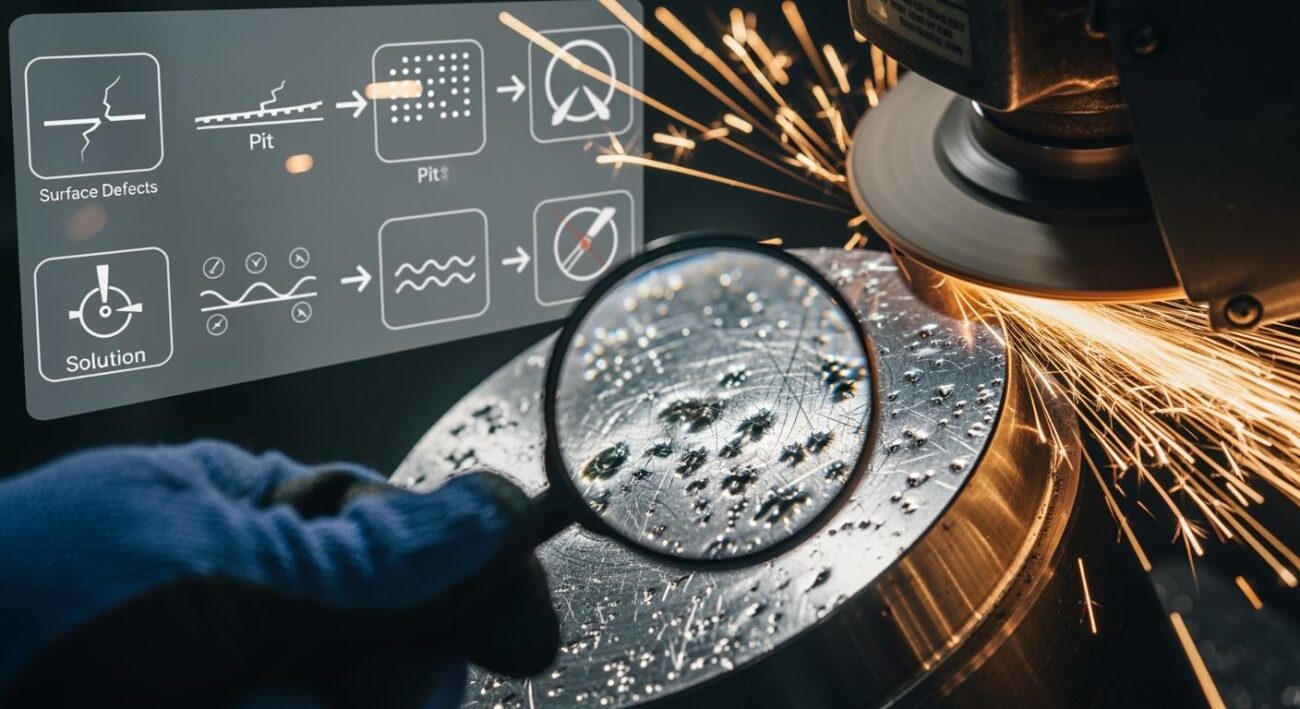
When you have chatter, you get inconsistent material removal. This results in surface defects like scratches, cracks, and wear. These defects lower the quality of your parts. In industries such as automotive and aerospace, surface defects can affect the strength and appearance of components. If you do not fix these problems, the defects can get worse and shorten the life of your molds.
Limited Access and Complex Geometries
Grinding die steel parts with complex shapes or tight spaces is difficult. You need specialized grinding technology to handle the brittleness, heat sensitivity, and abrasiveness of these parts. Precision is critical. You must control heat and tool wear, especially when working with intricate features.
Specialized grinding tools, such as Aimgrind’s diamond grinding wheels, make a big difference. Micro-machining methods improve surface finishing and edge quality. For example, high-speed steel tools show a smoother, rounded edge after proper grinding. Tungsten carbide tools also benefit from better edge roundness. These improvements reduce micro-chipping and help your tools last longer. Smooth surfaces without imperfections ensure your parts perform well in demanding applications.
By understanding these technical challenges, you can choose the right solutions and achieve better results in die steel grinding.
Causes and Solutions for Common Grinding Problems
Abrasive Selection and Wheel Compatibility
You need to choose the right abrasive for your grinding wheel. Different abrasive materials, such as ceramics, steels, and specialty media, have unique properties. These properties affect how well you can grind die steel. Hardness compatibility is important. If the abrasive is too soft, you get more wear and poor surface finish. If it is too hard, you risk damaging your workpiece. Wear resistance and chemical stability also matter. Aimgrind’s diamond grinding wheels give you the right balance. You get minimal surface deformation and better grinding performance. You can keep your grinding operation efficient and your parts within tight tolerances.
Tip: Always match the abrasive hardness to your die steel to avoid grinding problems and extend wheel life.
Grinding Pad Stiffness and Machine Setup
Grinding pad stiffness and machine setup play a big role in your results. If your setup is not stable, you will hear noise and see chatter on your parts. You can follow these best practices to reduce defects:
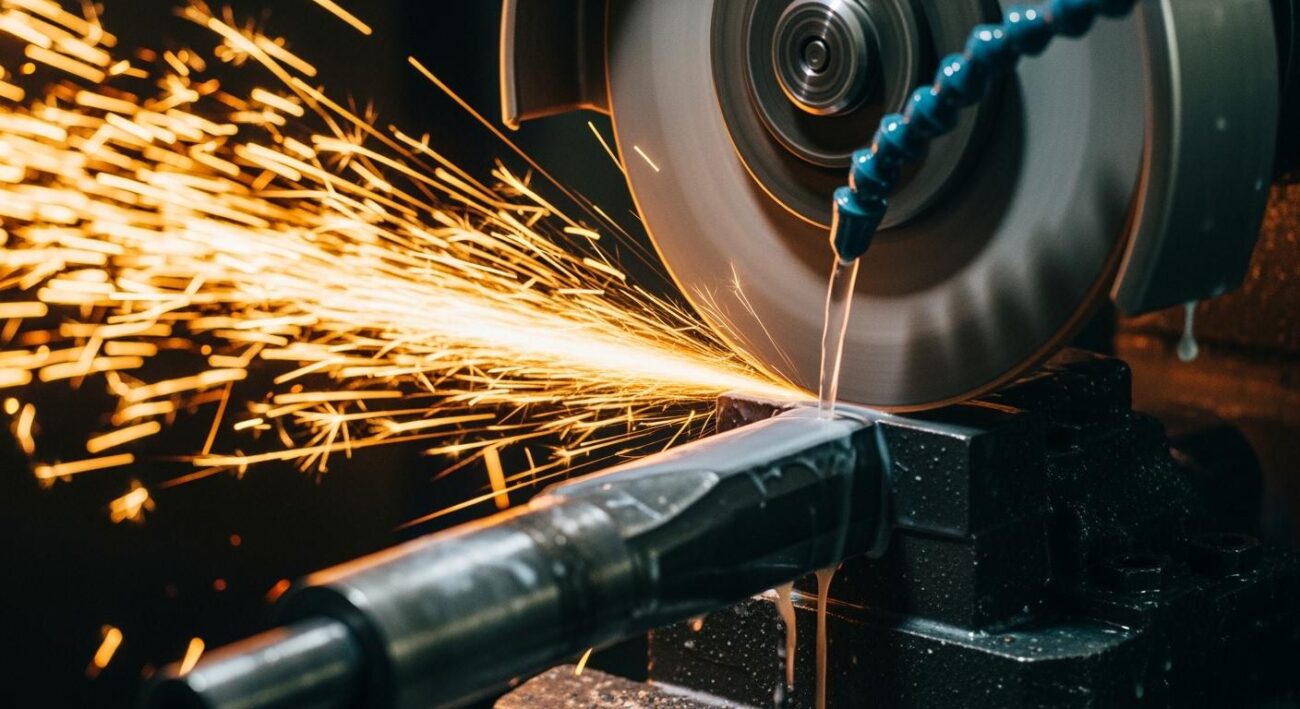
- Maintain coolant delivery between 8 and 15 L/min. Aim for direct nozzle impact on the grinding zone.
- Dress your grinding wheel often to restore sharp cutting edges.
- Minimize wheel overhang and clamp your workpiece tightly to reduce vibration and chatter.
Aimgrind’s diamond grinding wheels stay sharp longer and help you achieve better surface finishes. You will see fewer surface defects and less wheel wear.
Thermal Expansion and Dimensional Accuracy
Thermal expansion can change your final dimensions during grinding. When die steel heats up, it expands. This can make it hard to keep your parts within tolerances. You need to control temperature to keep your dimensions accurate. Use a constant coolant temperature and make sure you have enough flow to remove heat. Apply coolant directly to the grinding zone. Aimgrind’s diamond grinding wheels help you manage heat and keep your parts stable. You get better control over final dimensions and avoid costly mistakes.
| Grinding Problem | Solutions |
|---|---|
| Poor surface finish | Select a grinding wheel with a finer grit size; Reduce the relative speed between the wheel and workpiece. |
| Chatter | True the wheel carefully; Check that it isn’t slipping on its mount. |
| Burning | Dress the wheel with the correct dressing tool; Reduce the feed rate or the relative velocity between wheel and workpiece. |
| Wheel life too short | Use a grinding wheel made from a different material better suited for the operation. |
| Wheel cutting slowly | Find a wheel that can grind quickly without burning. |
| Wheel not cutting at all | Dress the wheel lightly until the grit opens up. |
By following these solutions and using Aimgrind’s customized diamond grinding wheels, you can solve common grinding problems and improve your results.
Optimizing Grinding Results with Aimgrind Solutions
Choosing the Right Diamond Grinding Wheels
You need the right grinding wheel to get the best results in die steel grinding. Aimgrind’s diamond grinding wheels stand out because they offer unmatched hardness and exceptional wear resistance. These wheels work well with hard and brittle materials, while conventional grinding tools often struggle. The table below shows how Aimgrind’s wheels compare to traditional options:
| Feature | Aimgrind Diamond Grinding Wheels | Conventional Grinding Tools |
|---|---|---|
| Hardness | Unmatched | Lower hardness |
| Wear Resistance | Exceptional | Moderate |
| Suitability for Materials | Ideal for hard/brittle materials | Limited to softer materials |
You get higher efficiency and better quality with Aimgrind’s grinding wheels. They help you reduce wheel wear and keep your process stable.
Process Automation and Predictability
Automation makes your grinding process more predictable and consistent. You can use active-compliance devices and force-controlled spindles to keep steady contact pressure. This reduces abrasive waste and limits interruptions for inspection. You can also use predictable wear data to plan maintenance and control costs. Consistent monitoring helps you achieve reliable results for every part.
Tip: Automation lets you focus on quality and efficiency, not just fixing problems.
Maintenance and Wheel Life Extension
Proper care extends the life of your grinding wheel. You should flush coolant lines after each job and use a high-pressure rinse to clean the wheel. Check coolant tanks for sediment and clean them if needed. Rotate your wheels to balance wear. Run the wheel lightly against a silicon carbide block under coolant, and dress it often but gently. Store wheels in a dry, cool place and avoid stacking them. Use padded shelves or hang wheels on pegs. Always transport wheels in padded cases.
Aimgrind’s service and innovation help you achieve tight tolerances and smooth finishes. You reduce friction and heat, which leads to longer tool life. Precision grinding corrects small errors and keeps your parts performing well.
You face many technical challenges in die steel grinding. You need the right grinding wheel to solve these problems and achieve a high-quality surface. Aimgrind’s grinding wheel helps you get better results and improve productivity. You can trust customized grinding wheel solutions to meet your needs. Many users see how innovation and future-proofing in grinding wheel design lead to higher quality and efficiency. Choose Aimgrind’s grinding wheel for reliable performance and lasting value.
- Customers report that new grinding wheel technology opens new possibilities.
- Machines built for future standards help you keep up with quality demands.
FAQ
What makes diamond grinding wheels better for die steel?
You get higher hardness and longer life with diamond grinding wheels. These wheels cut hard materials like die steel with less wear. You see smoother finishes and faster grinding.
How do you prevent overheating during grinding?
Use plenty of coolant. Choose a sharp, high-quality wheel like Aimgrind’s diamond grinding wheel. Keep your grinding speed steady. Dress your wheel often to keep it sharp.
Can you use one grinding wheel for all die steel shapes?
No. You need different wheel shapes and sizes for complex parts. Aimgrind offers custom wheels to fit your machine and part geometry.
How do you know when to replace your grinding wheel?
- Check for these signs:
- Slower cutting speed
- Poor surface finish
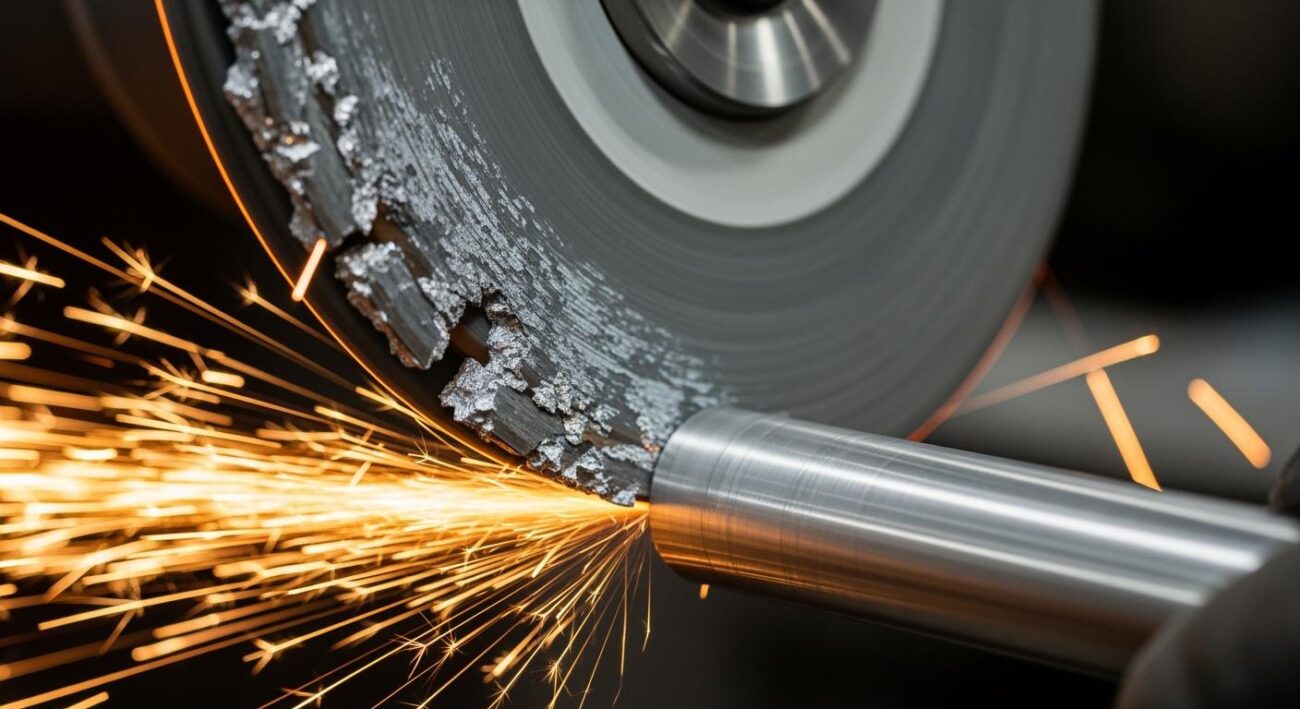
- Visible cracks or chips
- Unusual vibration
Replace the wheel if you see any of these problems.