
What are the main technical challenges in die steel grinding?

Technical challenges in die steel grinding include overheating, surface defects, and precision issues. Effective solutions improve quality and tool life.
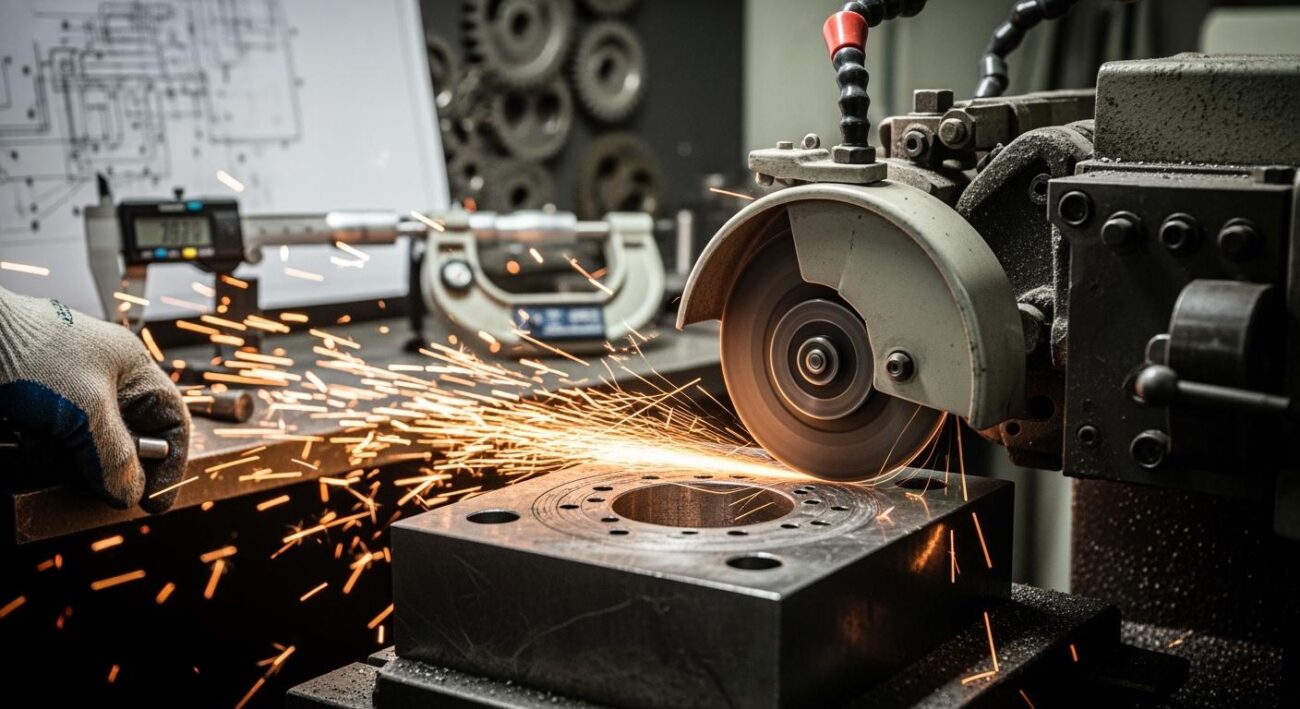
Technical challenges in die steel grinding include overheating, surface defects, and precision issues. Effective solutions improve quality and tool life.
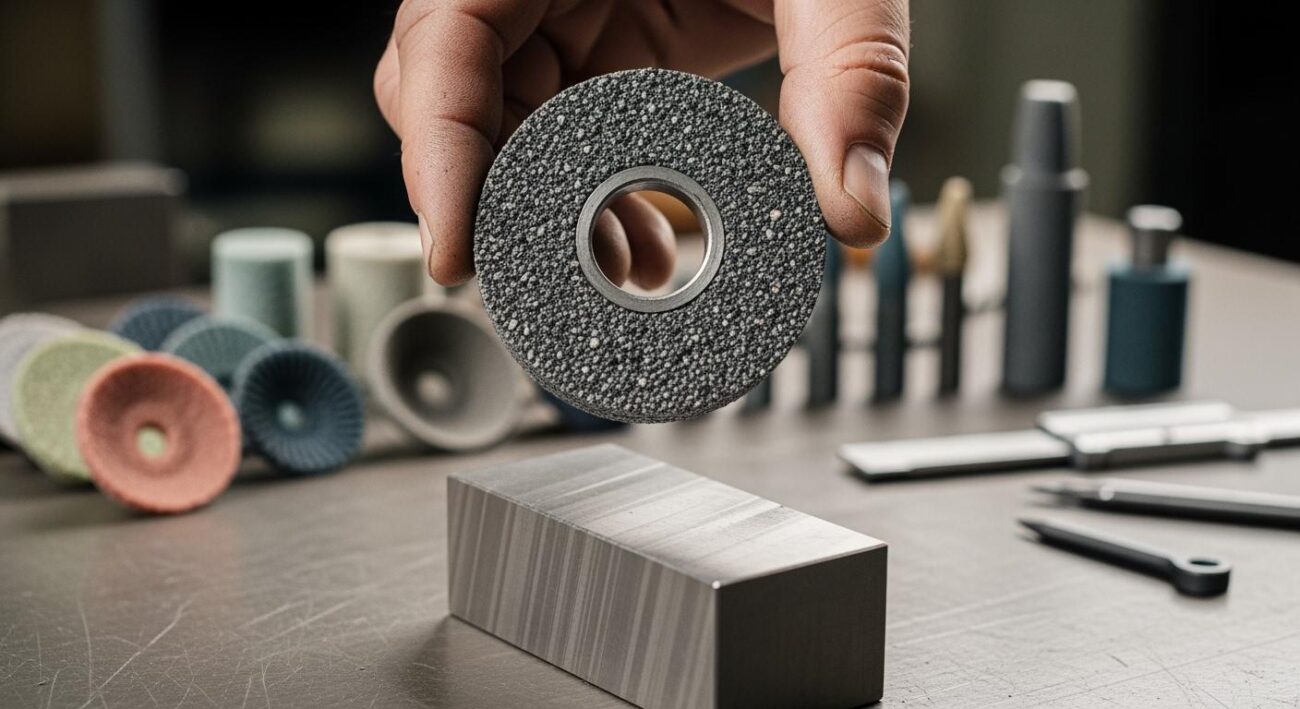
Choose grinding wheels like diamond, ceramic, zirconia alumina, or aluminum oxide for die steel to ensure durability, heat resistance, and a smooth finish.
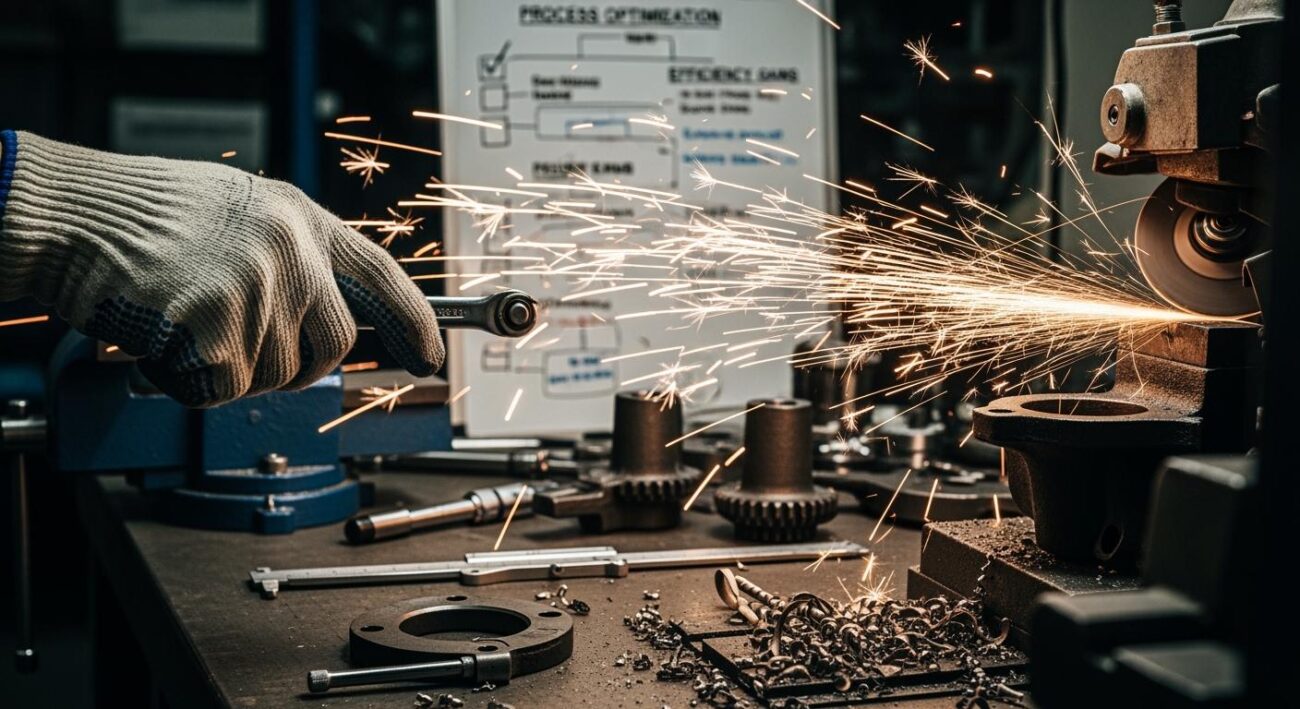
Boost grinding efficiency for cast iron parts by selecting proper tools, optimizing parameters, and managing heat for faster, high-quality results.
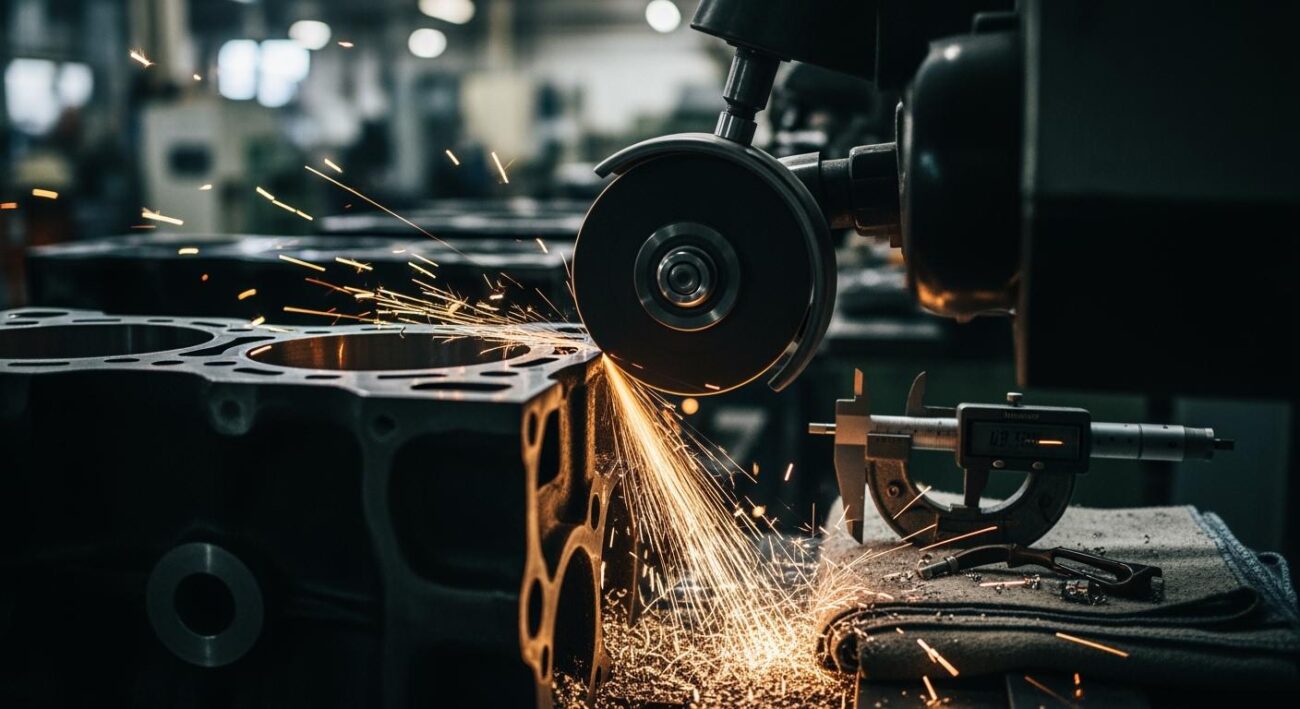
Precision grinding requirements for engine block cast iron include tight tolerances, high-quality surface finish, and advanced process control for optimal results.
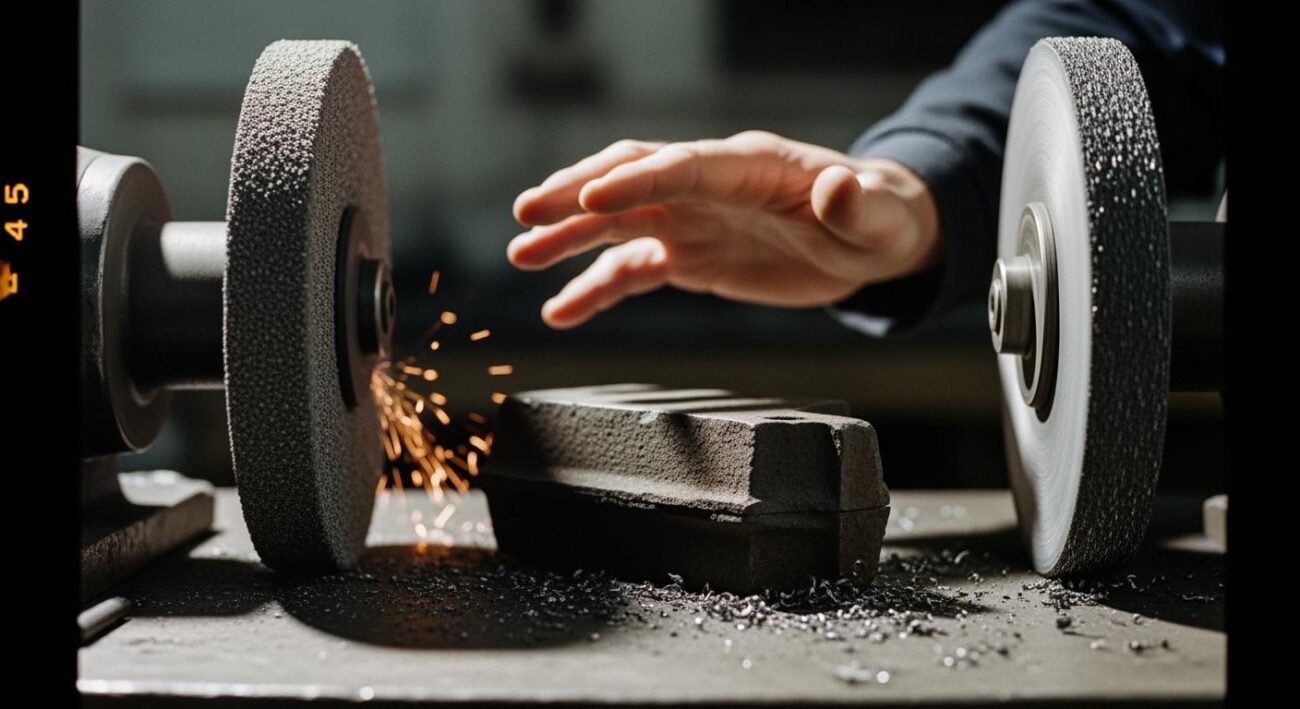
Select grinding wheels for cast iron by matching abrasive type, grit size, and bond to roughing or finishing needs for best performance and safety.
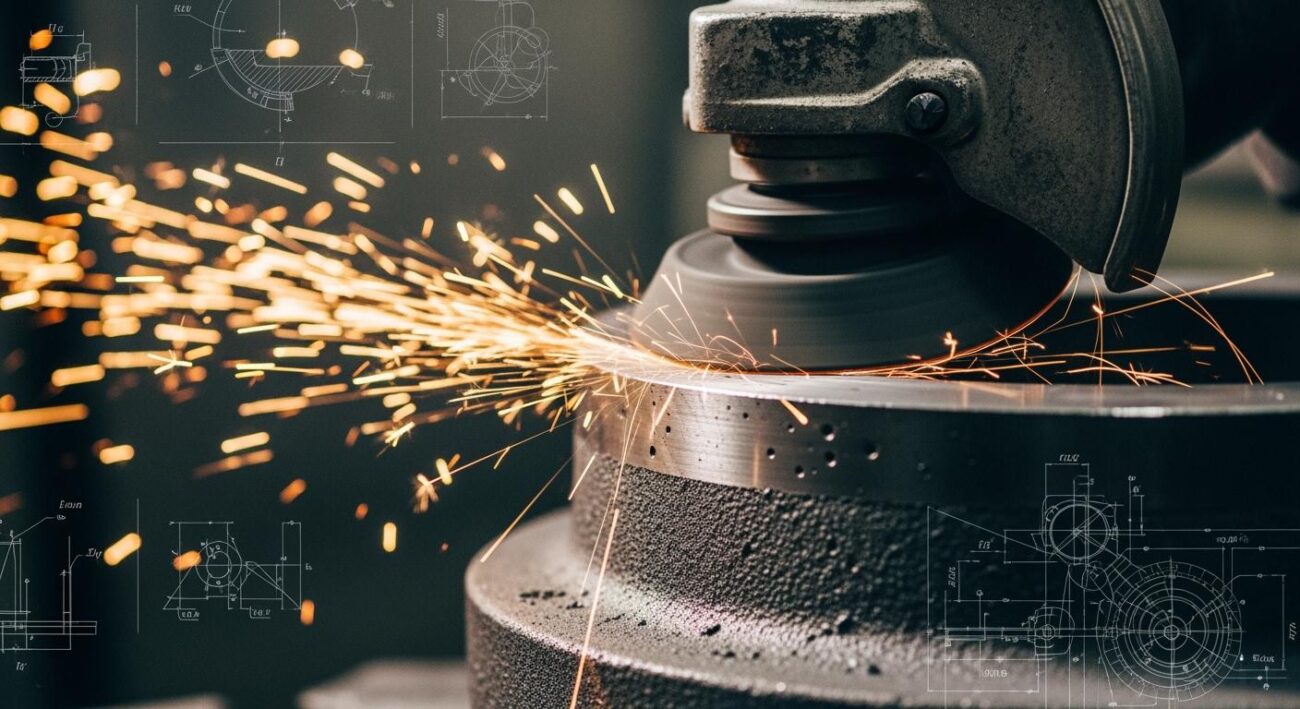
Unique challenges in cast iron grinding include brittleness, variable hardness, heat generation, tool wear, and dust control for safe, quality results.
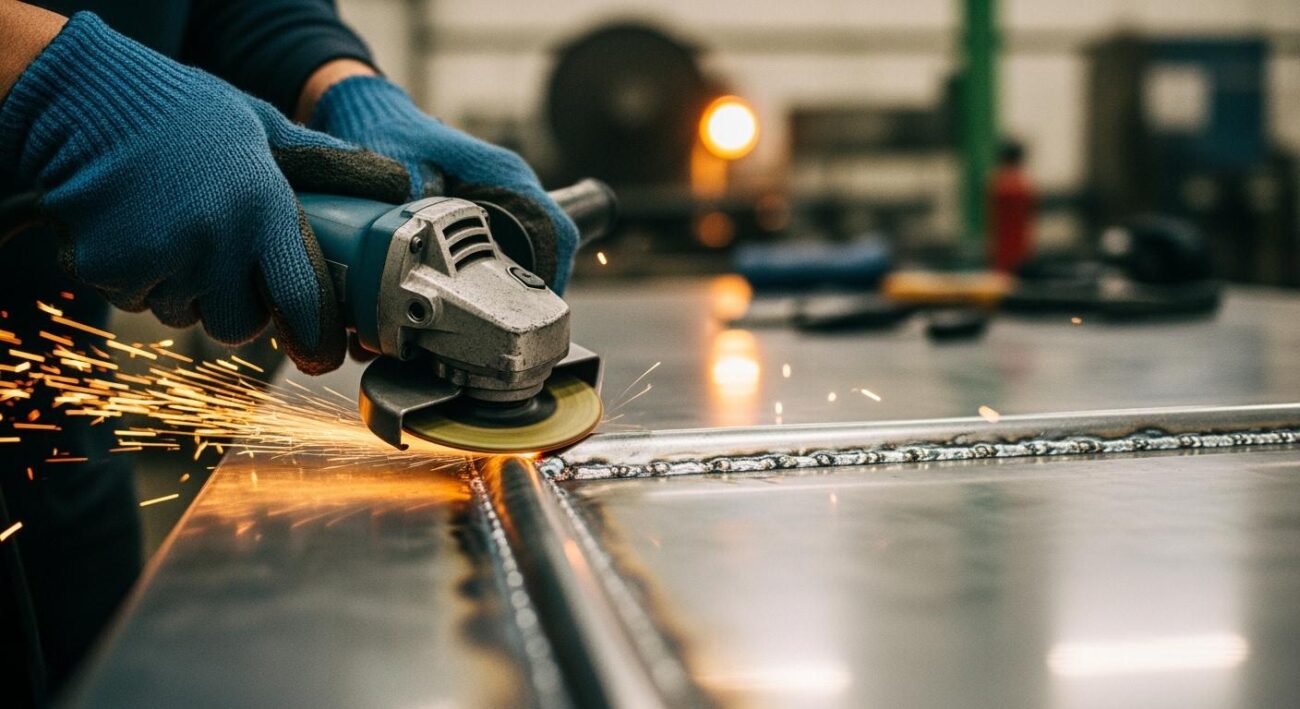
Boost grinding efficiency for stainless steel welds by using the right abrasives, proper angles, and organized workflow for faster, high-quality results.
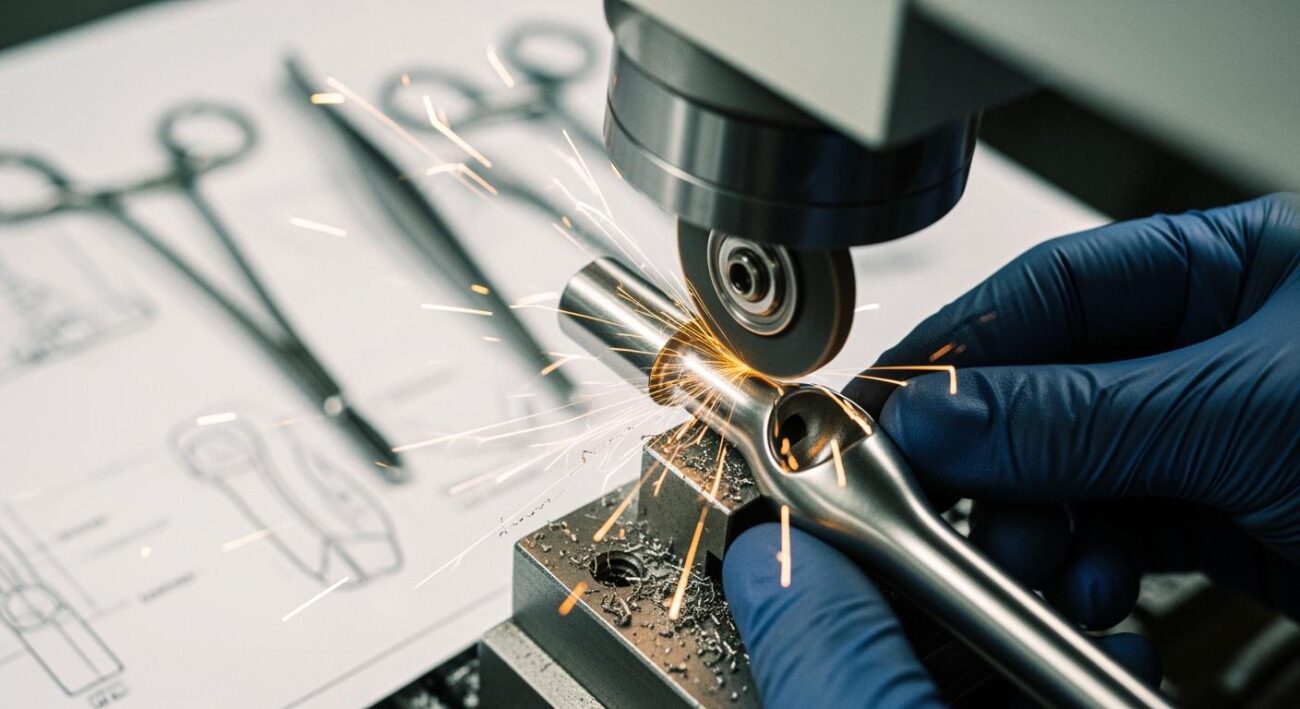
Precision grinding of medical device stainless steel requires tight tolerances, superior surface finish, burr control, and advanced heat management for safety.
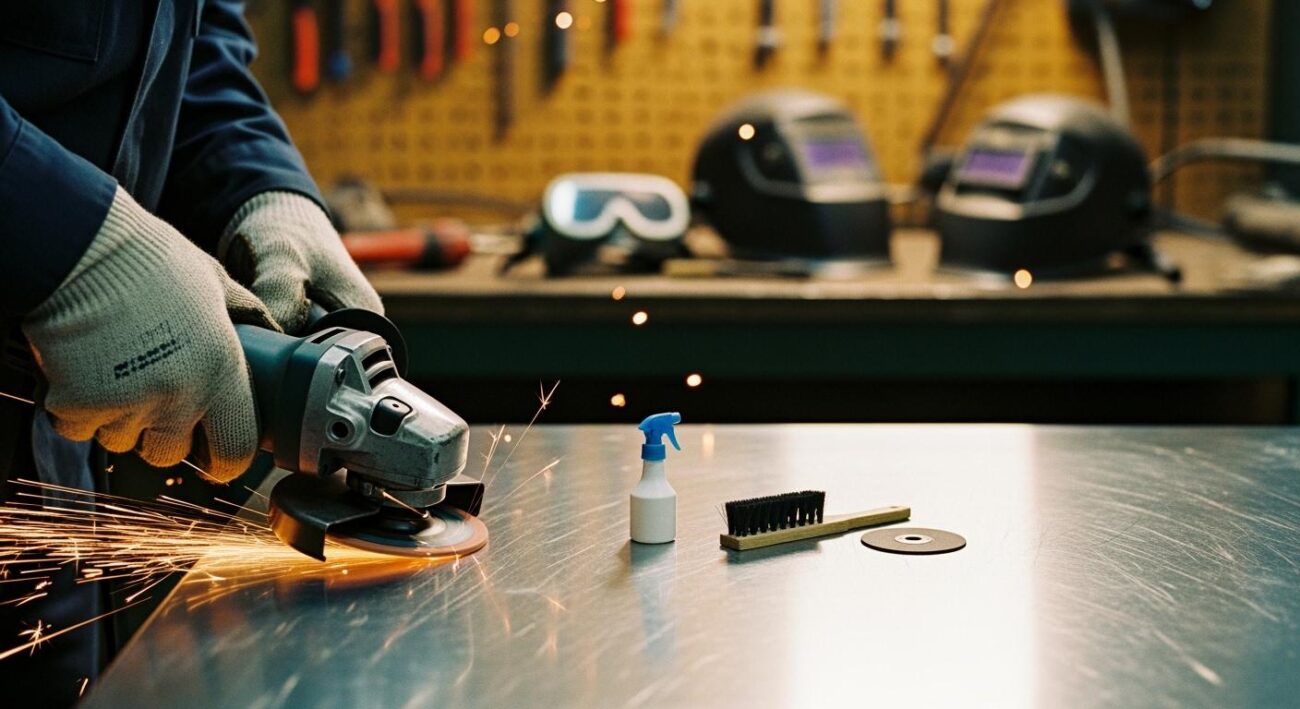
Avoid material adhesion during stainless steel grinding by using proper abrasives, controlling heat, and maintaining clean, dedicated tools for best results.
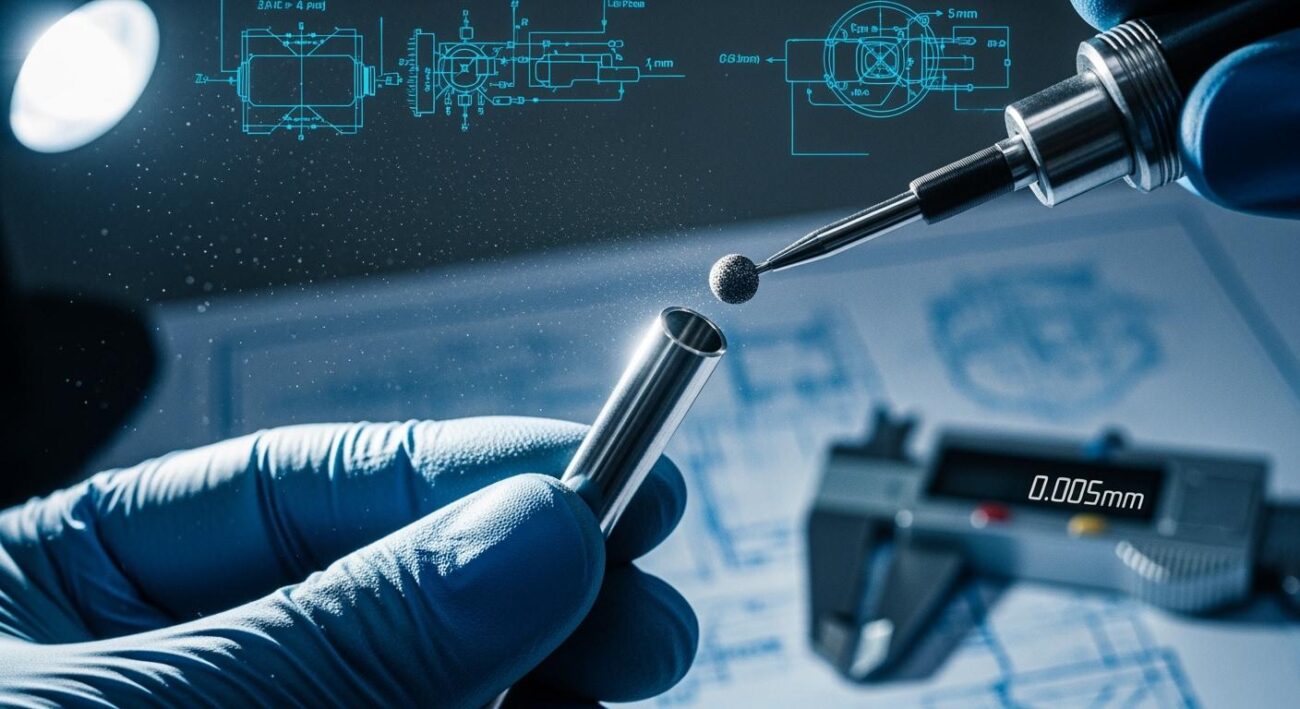
Deformation control in thin-walled stainless steel grinding uses stress relief, optimized fixturing, grinding parameters, and cooling for precision results.
No account yet?
Create an Account