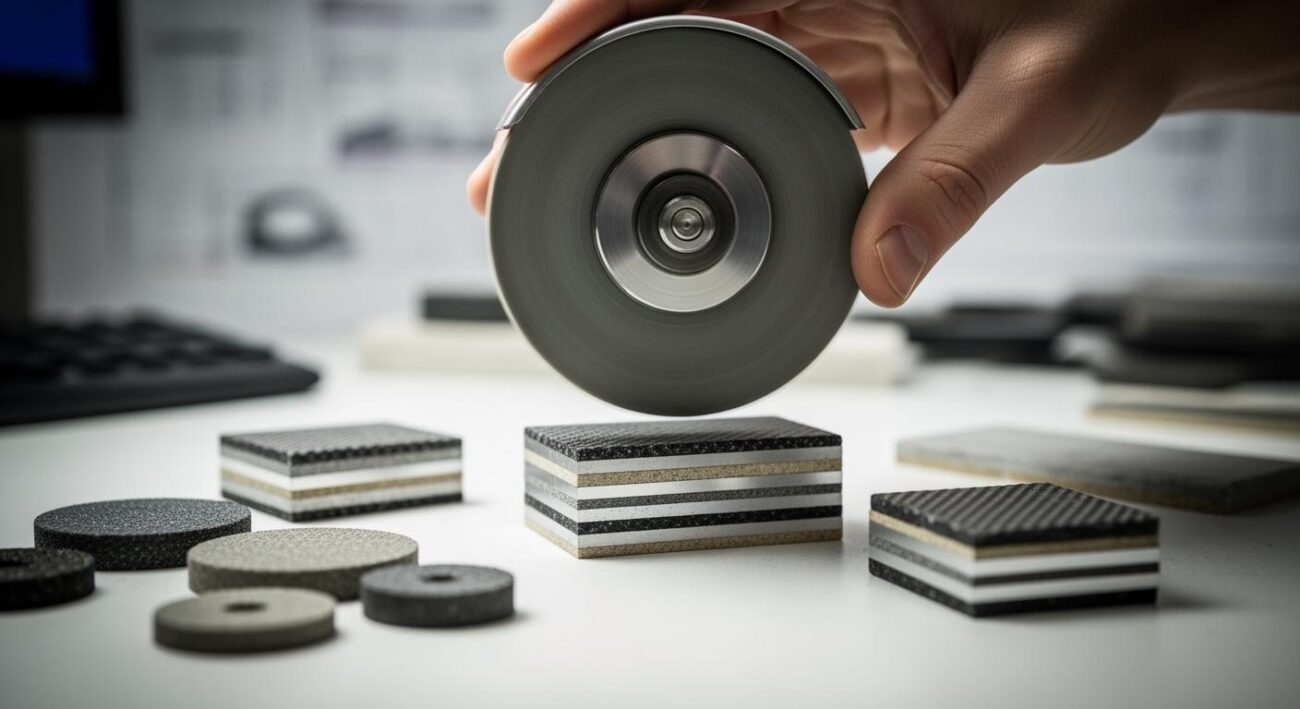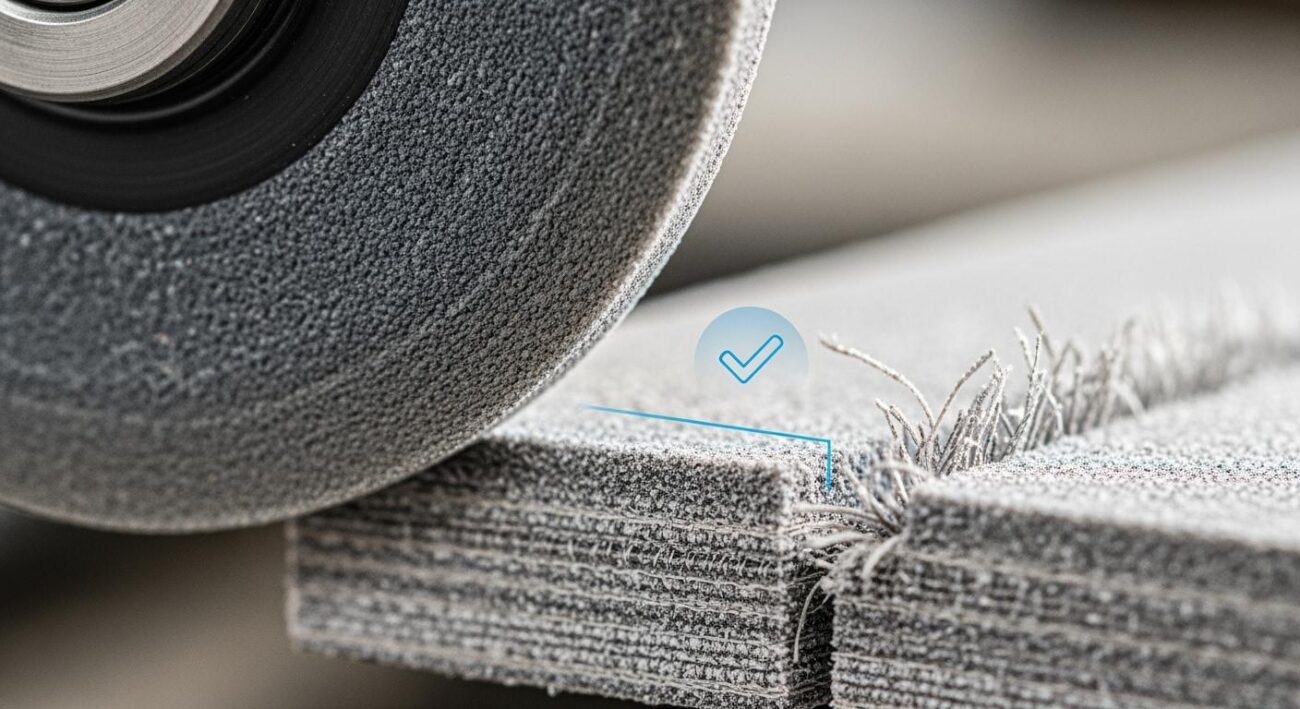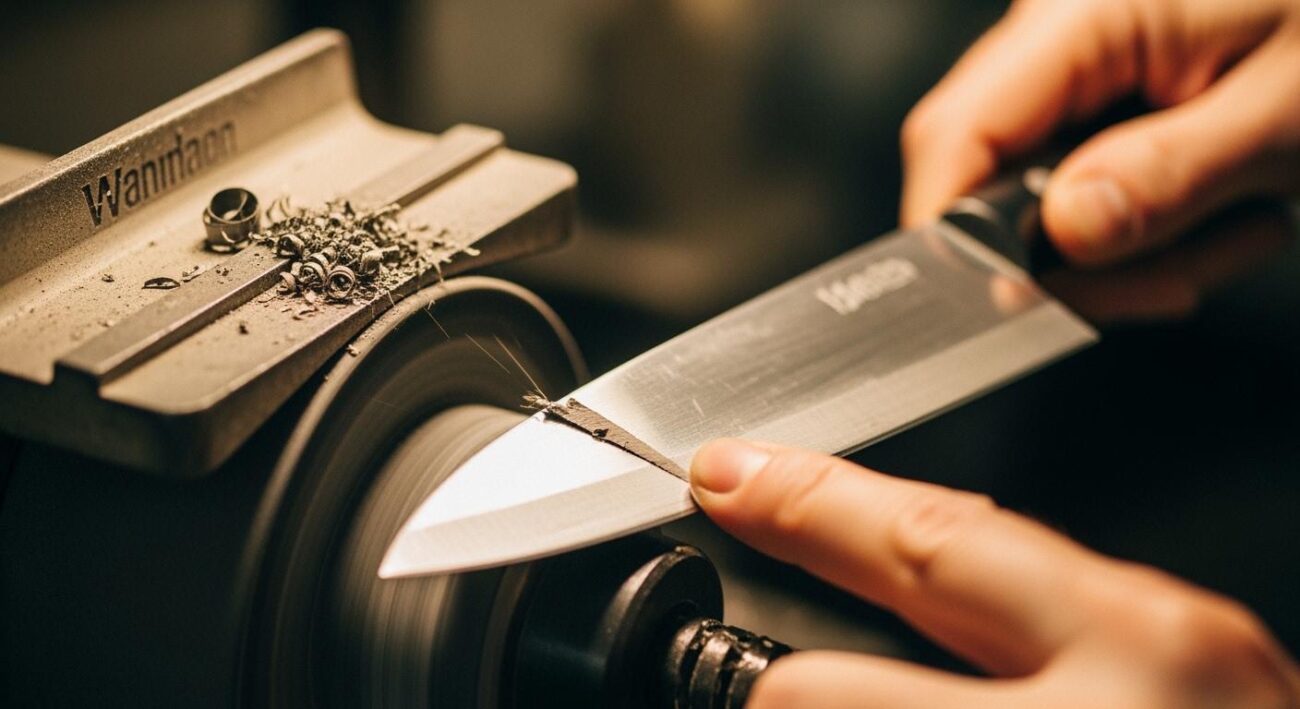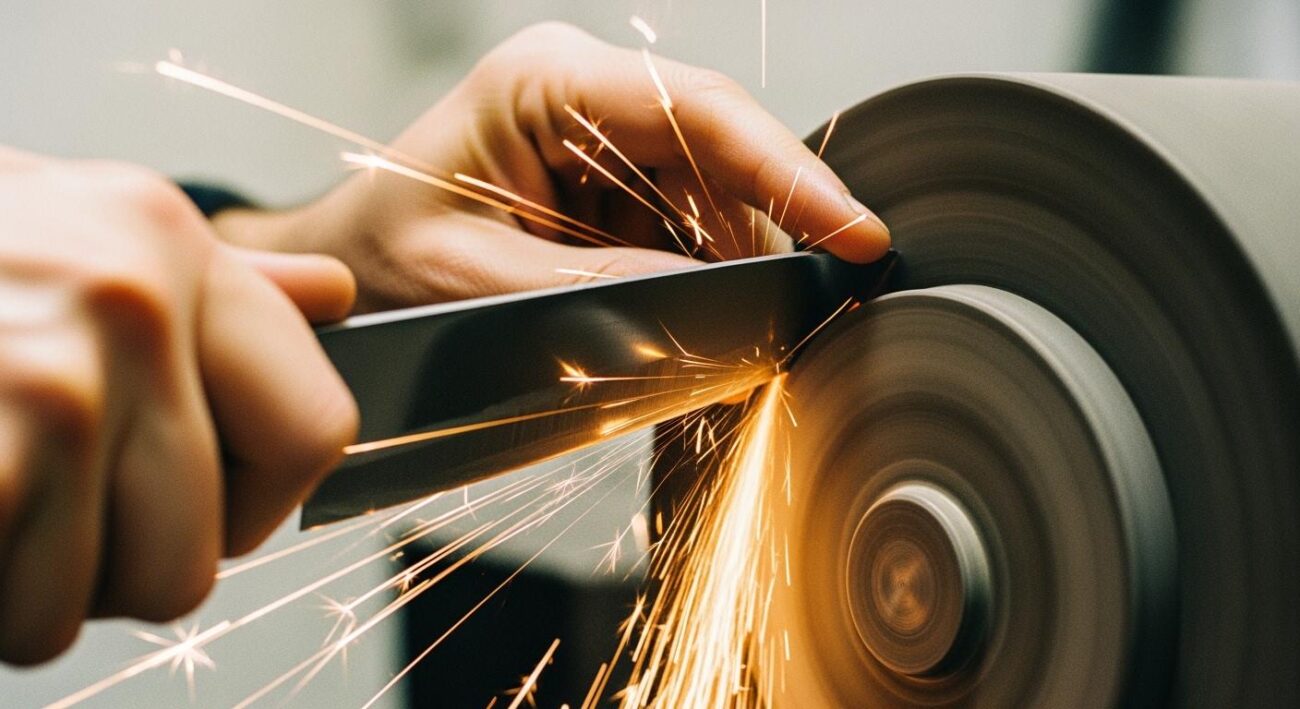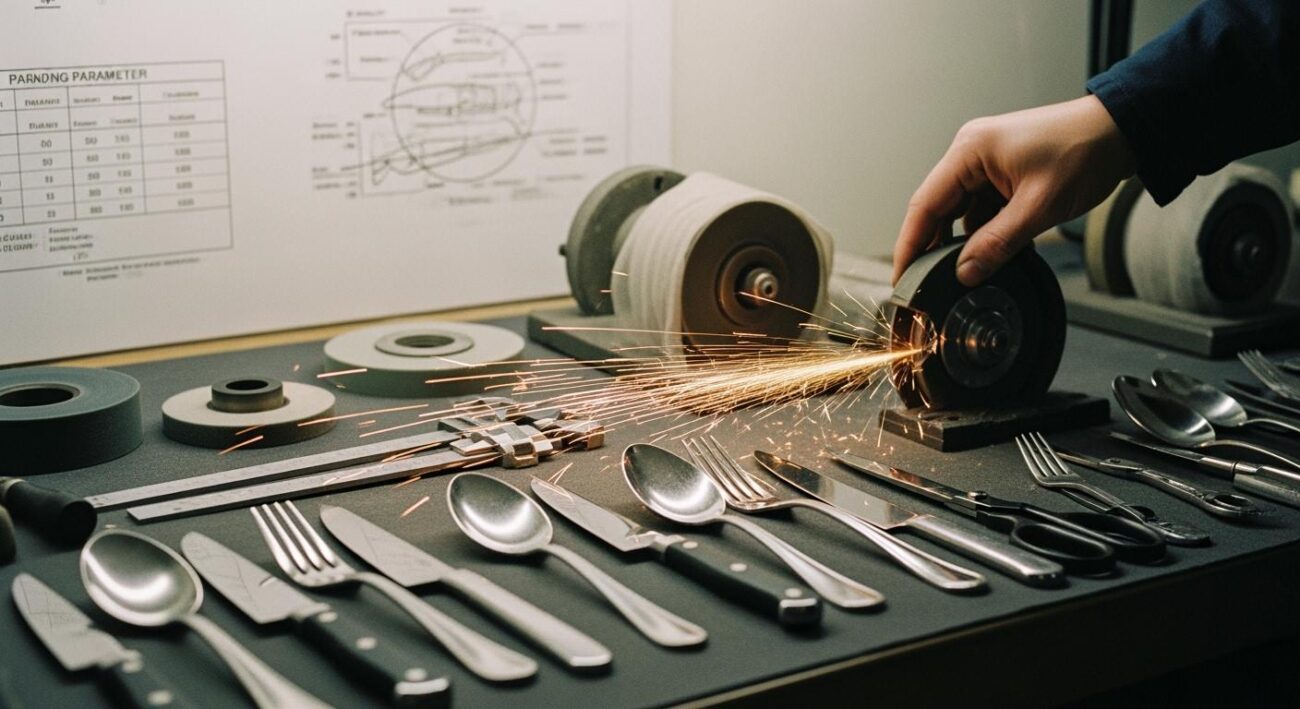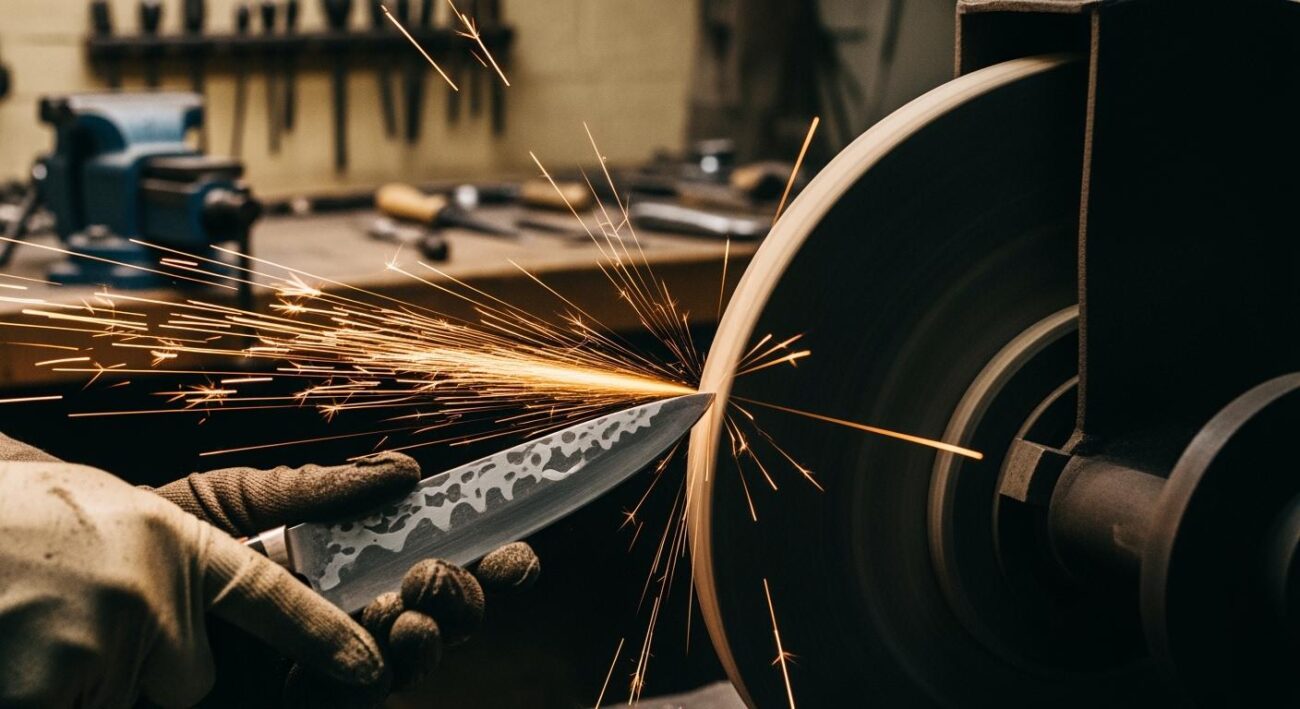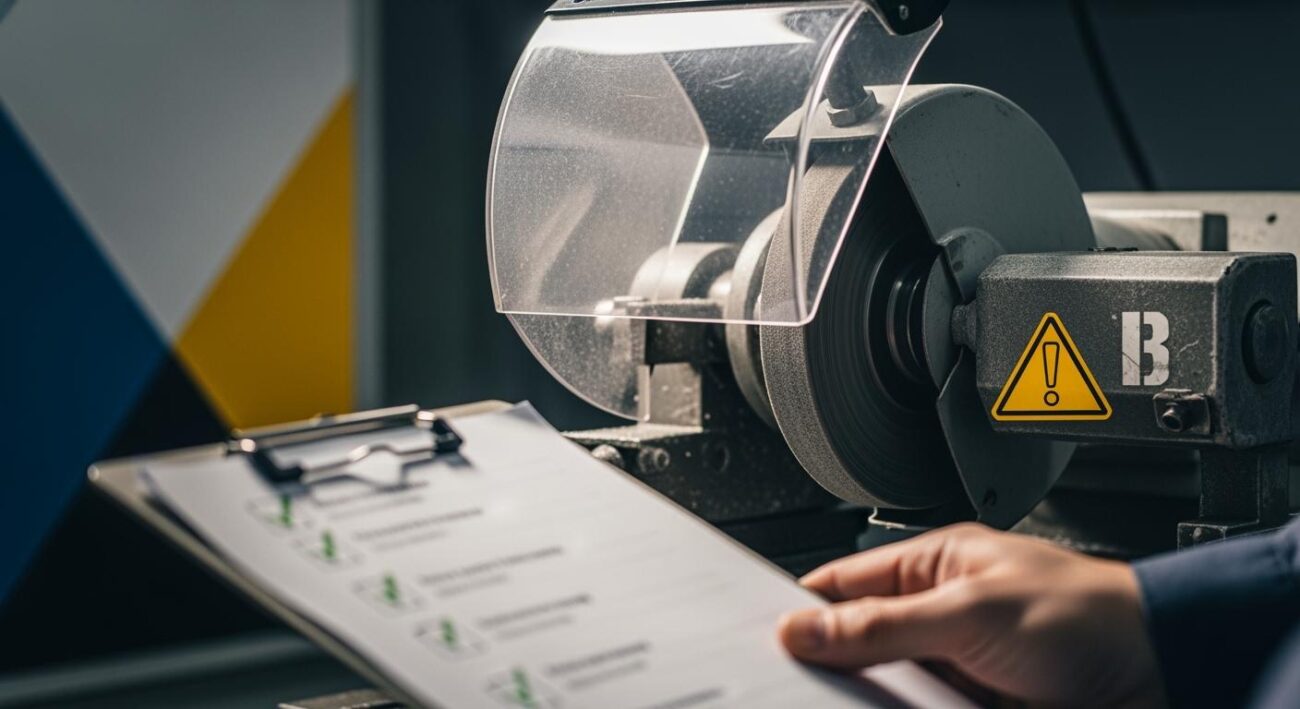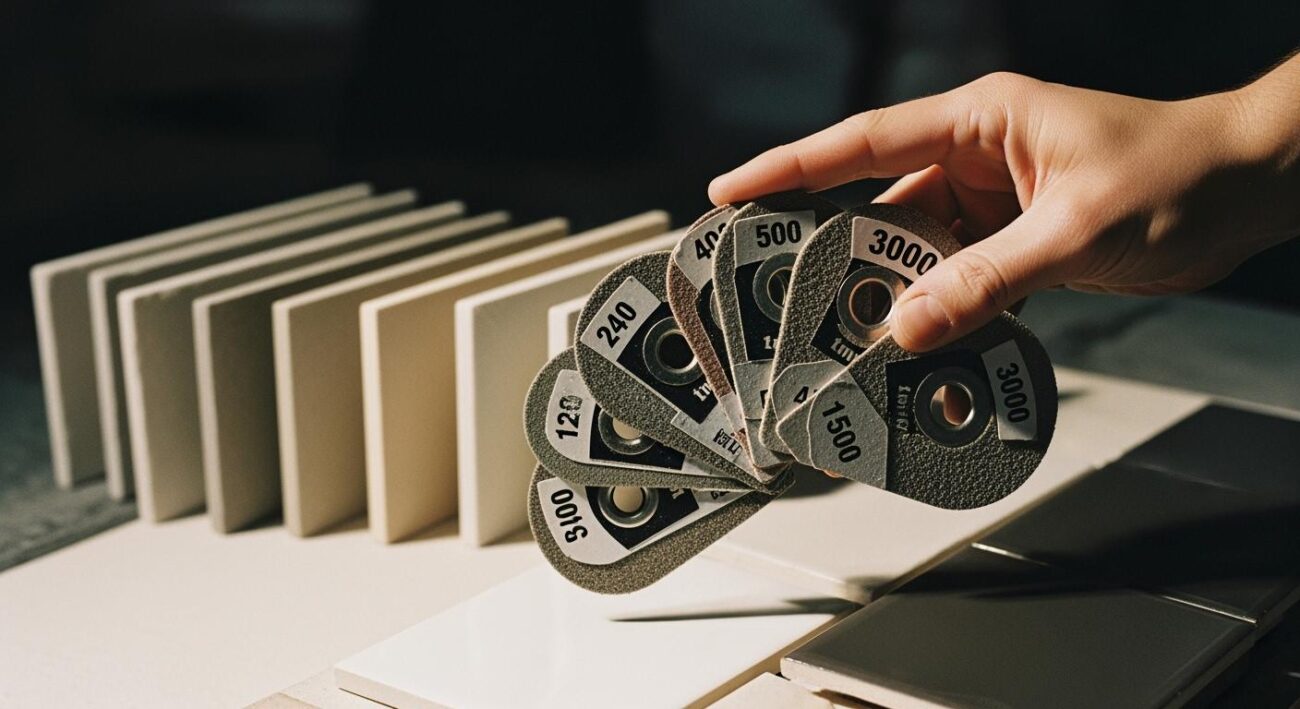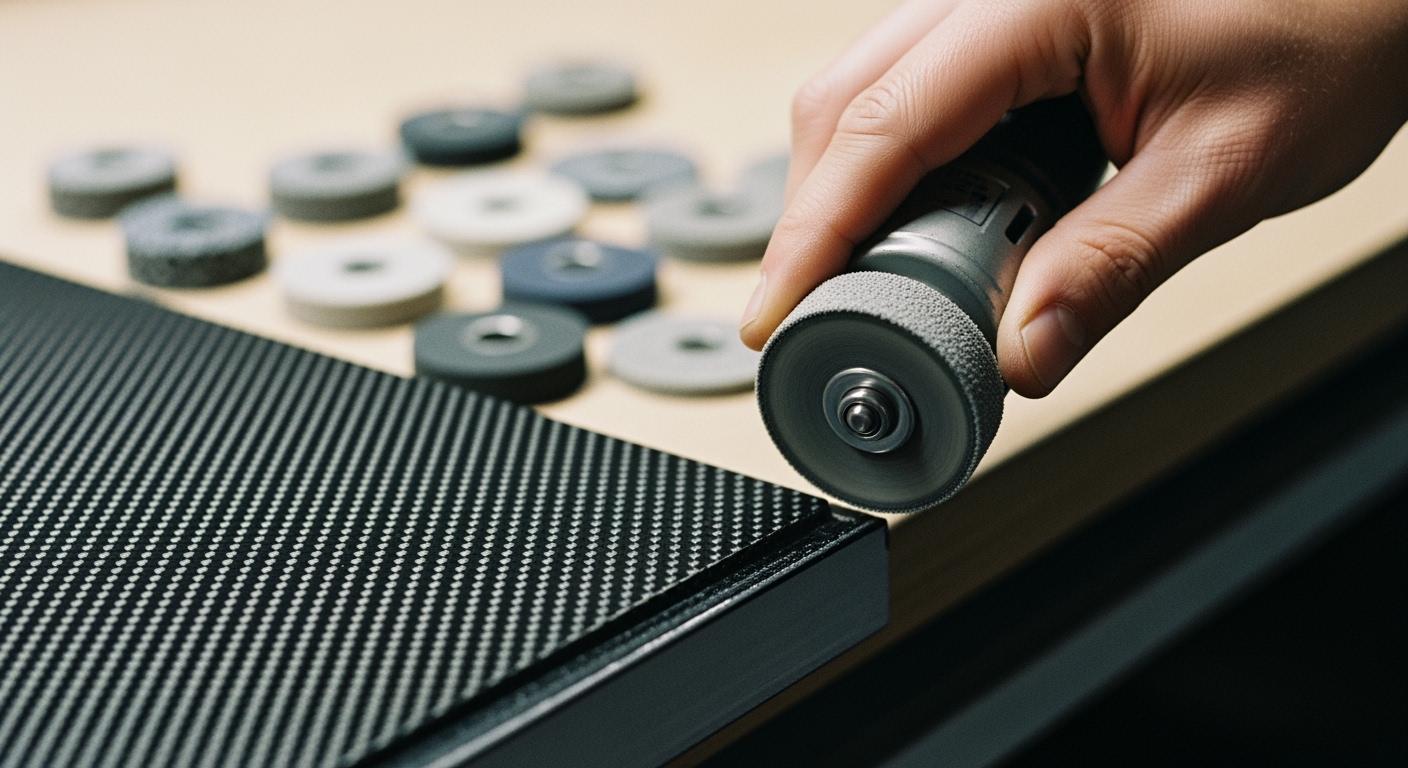
You need diamond grinding wheels to prevent fuzzing on cfrp edges. Choosing the right abrasive, bond, and grit size makes a big difference. Aimgrind gives you expert help with grinding wheels for composite materials. You can expect clear selection criteria and helpful product recommendations.
Key Takeaways
- Choose diamond grinding wheels for CFRP to achieve a clean finish and prevent fuzzing. Diamond tools provide superior wear resistance and precision.
- Select the right bond type based on your grinding needs. Electroplated bonds are best for aggressive cutting, while vitrified bonds offer high precision.
- Use fine grit diamond wheels for the final pass to ensure smooth edges. Regularly check and replace worn wheels to maintain surface quality.
Key Factors in Selecting Grinding Wheels
Abrasive Material: Why Diamond Is Best
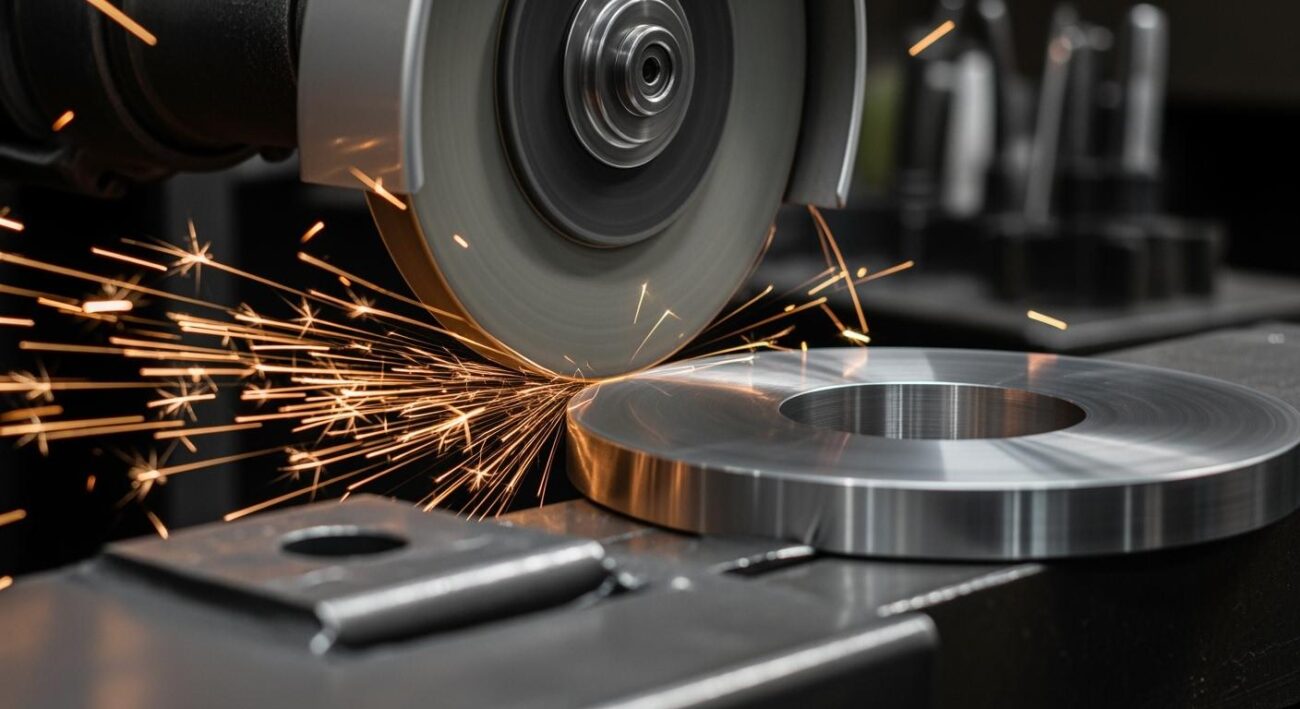
You need to focus on the abrasive material when you want to prevent fuzzing on cfrp edges. Diamond stands out as the top choice for grinding wheels used on composite materials. You get the best results because diamond abrasive tools show outstanding wear resistance. This means you can grind cfrp for a long time without losing precision or surface finish. Diamond abrasive grains cut through composite layers cleanly. You avoid pulling fibers or leaving rough surfaces.
Diamond abrasive wheels help you achieve a high-quality surface finish. You can even reach optical-grade finishes with a surface roughness as low as Ra 5 nm. This level of finish is important for aerospace and electronics, where every surface must meet strict standards. You also reduce tool wear, which saves you money and time. Diamond abrasive tools work well for both drilling and grinding composite materials. You can use them for edge finishing, surface preparation, and even for drilling holes with diamond drills.
Tip: Always choose diamond abrasive wheels for cfrp to get the best surface finish and reduce fuzzing.
- Diamond abrasive tools provide:
- Superior wear resistance for long-lasting performance.
- High-quality surface finish for composite edges.
- Clean cutting action that prevents fiber pull-out.
- Precision grinding for complex shapes and tight tolerances.
- Reliable results for both manual and automated grinding processes.
Bond Types for CFRP Edge Quality
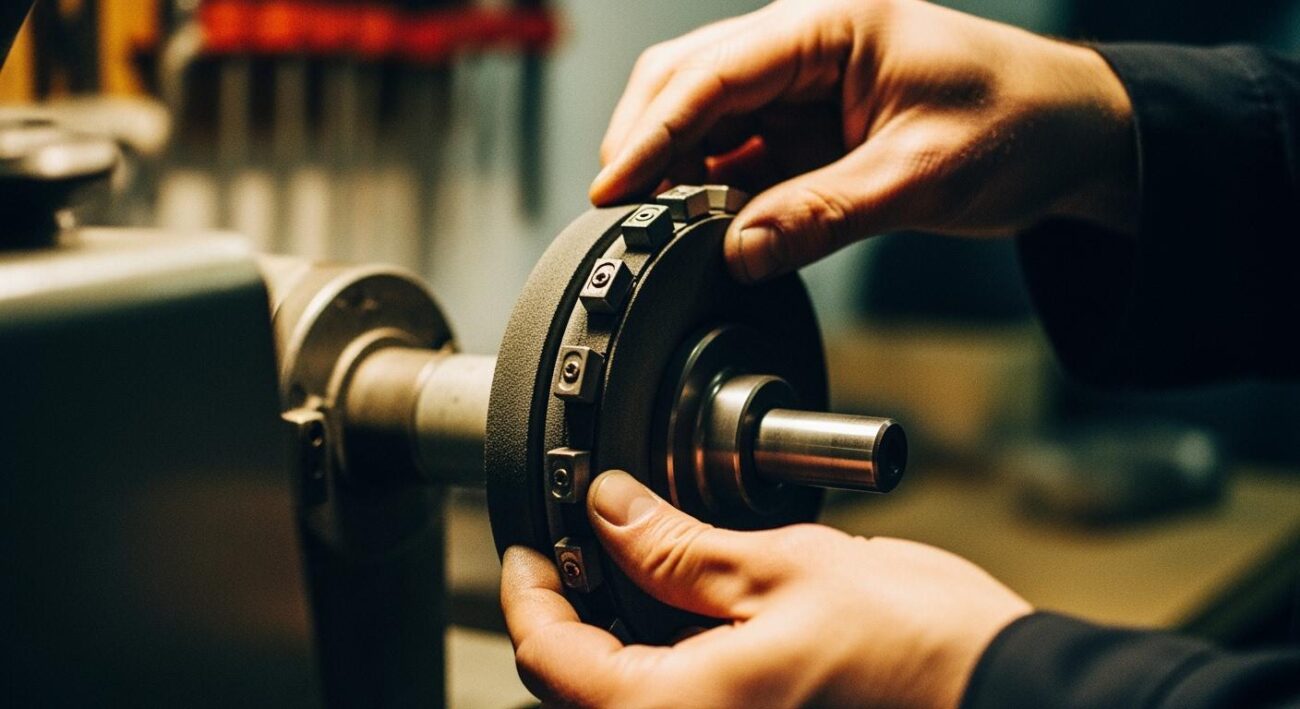
You must consider the bond type when selecting grinding wheels for cfrp. The bond holds the diamond abrasive grains in place and affects the surface finish and precision. Electroplated bonds give you aggressive cutting action. You can use them for grinding complex composite forms and maintaining sharp edges. Vitrified bonds offer excellent form-holding ability. You get high precision and a consistent surface finish, which is important for aerospace and high-tech industries.
- Common bond types for diamond abrasive wheels:
- Electroplated: Best for aggressive grinding and maintaining complex shapes.
- Vitrified: Ideal for precision grinding and achieving a smooth surface finish.
- Resin: Good for high-speed grinding and general-purpose composite applications.
You should match the bond type to your grinding process. For example, if you need to maintain a precise edge on cfrp, choose vitrified diamond abrasive wheels. If you want fast material removal, electroplated bonds work best. The right bond type helps you avoid surface defects and keeps your grinding wheels performing at their best.
Note: Lubrication plays a big role in the grinding process. Using advanced lubricants, such as CNT biological lubricants, reduces friction and prevents wheel clogging. This keeps your grinding wheels clean and extends their service life.
Grit Size and Wheel Hardness
You need to select the right grit size and wheel hardness to get the best surface finish on cfrp. Fine grit diamond abrasive wheels give you a smoother surface and reduce the risk of fuzzing. Coarse grits remove material quickly but can leave a rougher surface. After cutting, you can use sandpaper for touch-up to further reduce fuzziness on composite edges.
- For cfrp edge finishing:
- Use fine grit diamond abrasive wheels for the final pass.
- Choose a wheel hardness that matches your grinding process and equipment.
- Adjust your grinding parameters to balance surface finish and material removal.
You should also consider the type of drilling or cutting you plan to do. For drilling composite materials, select diamond drills with the right grit size and bond type. This ensures you get a clean hole with minimal surface damage. Regular maintenance of your grinding wheels and drills helps you maintain precision and surface quality.
Tip: Always check your grinding wheels for wear. Replace them when you notice a drop in surface finish or precision. This keeps your composite grinding process efficient and your cfrp edges clean.
You can achieve the best results by focusing on abrasive material, bond type, grit size, and wheel hardness. These factors help you control the surface finish, reduce fuzzing, and extend the life of your grinding wheels and diamond drills.
How Diamond Grinding Wheels Prevent Fuzzing
Abrasive Sharpness and Edge Finish
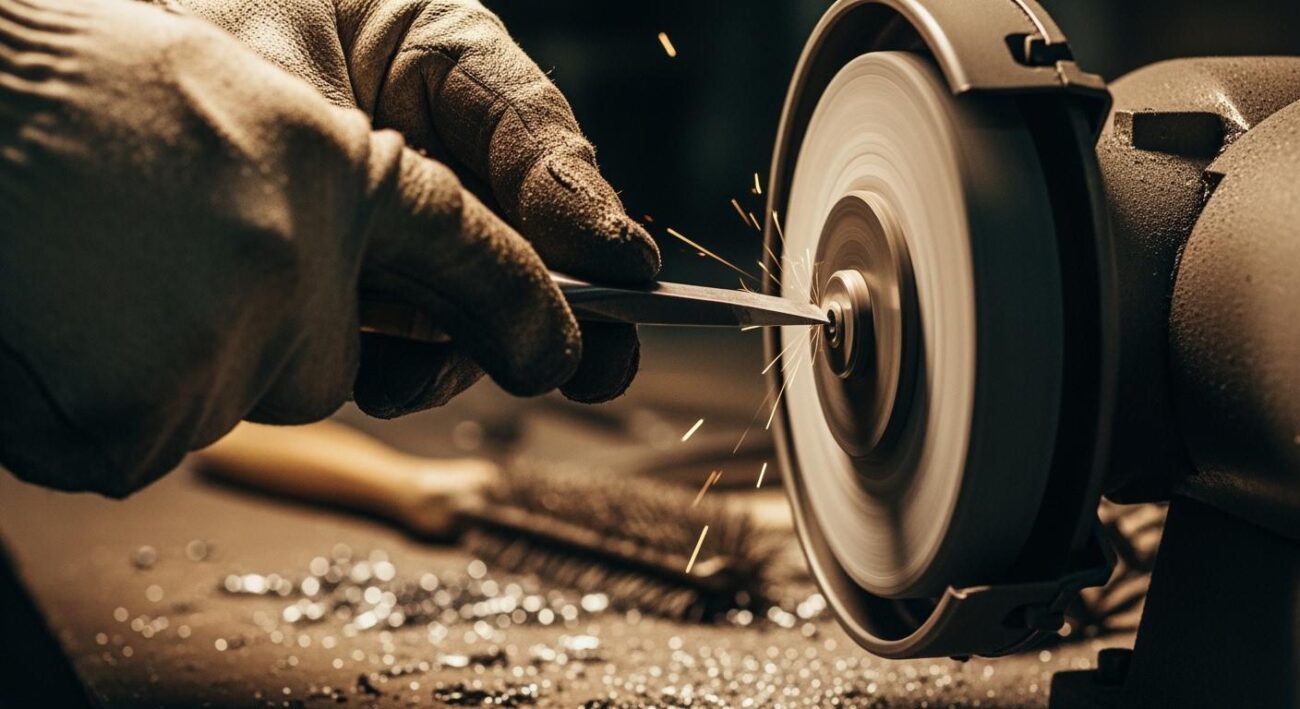
You need sharp tools to achieve a clean surface on cfrp. Diamond abrasive grains give you the sharpest cutting edges for composite materials. When you use diamond grinding wheels, you cut the fibers instead of pulling them out. This action prevents fuzzing and keeps the edges smooth. Dull tools can cause fiber pull-out and leave a fuzzy surface. You avoid these problems by choosing diamond abrasive wheels for your grinding process.
Diamond abrasive sharpness is critical for cfrp. Composite materials require extremely sharp edges to shear fibers cleanly. If you use dull tools, you risk delamination and poor surface finish. You maintain the structural integrity of your composite parts by using sharp diamond abrasive wheels. You also get a superior surface finish, which is important for aerospace and electronics. You can trust diamond abrasive wheels to deliver the precision you need for every grinding or drilling task.
Tip: Always check your diamond abrasive wheels for wear. Replace them when you see a drop in surface quality or finish.
Bond Strength and Heat Control
You must consider bond strength when selecting diamond grinding wheels for cfrp. The bond holds the diamond abrasive grains in place and controls how they interact with the composite surface. A strong bond ensures that the abrasive grains stay sharp and do not break away too soon. This helps you maintain a consistent surface finish and high precision during the grinding process.
Heat control is another key factor. Grinding cfrp can generate heat, which may damage the composite material or cause resin smearing. Diamond abrasive wheels with the right bond type help you manage heat. You avoid thermal damage and keep the surface quality high. You also reduce tool wear, which means your diamond abrasive wheels and drills last longer.
- Key benefits of strong bond and heat control:
- Maintains sharp diamond abrasive grains for longer wear life.
- Prevents resin smearing and surface defects on composite edges.
- Supports high-precision grinding and drilling processes.
- Reduces the risk of delamination and fiber pull-out.
Wheel Size and Contact Area
You need to match the wheel size and contact area to your cfrp grinding application. A larger diamond grinding wheel covers more surface area and can improve efficiency for big composite parts. A smaller wheel gives you better control for detailed edge finishing or precision drilling. The right contact area helps you avoid excessive heat and uneven wear on the abrasive grains.
When you select the correct wheel size, you improve the quality of your composite surface finish. You also extend the life of your diamond abrasive wheels and drills. You can use the following table to compare diamond grinding wheels with conventional wheels for cfrp edge quality:
| Feature | PCD Tooling (Diamond) | Conventional Grinding Wheels |
|---|---|---|
| Abrasion Resistance | High (due to diamond hardness) | Moderate |
| Edge Maintenance | Maintains sharp edge | Deteriorates quickly |
| Surface Finish Quality | Superior | Variable |
| Tool Life | Longer | Shorter |
| Delamination Prevention | Effective | Less effective |
| Cutting Forces | Reduced | Higher |
You see that diamond abrasive wheels give you better surface finish, longer tool life, and more precise results. You prevent fuzzing on cfrp edges by making the right selection for your grinding process. You also improve the overall quality of your composite parts.
Note: Always use diamond abrasive drills for drilling composite materials. You get cleaner holes, less wear, and a better surface finish.
Aimgrind Diamond Grinding Wheels for CFRP
Product Features and Advantages
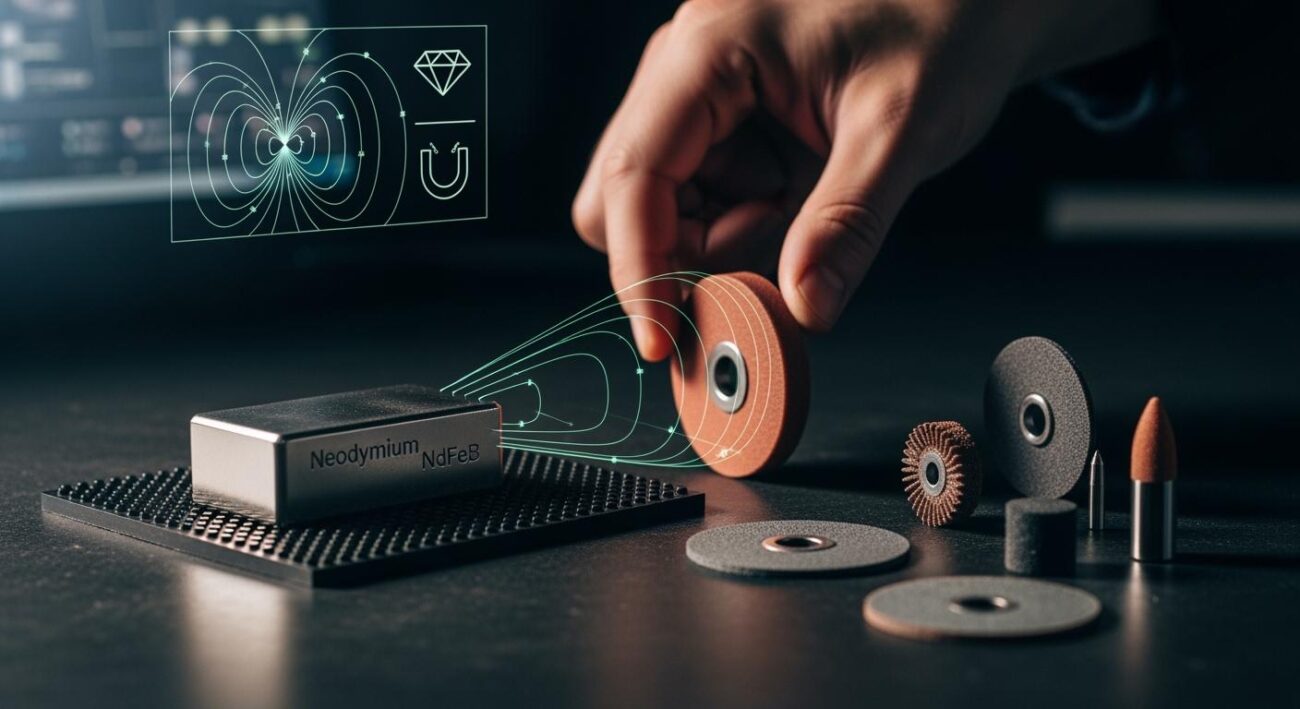
You want tools that give you clean, smooth edges on CFRP. Aimgrind diamond grinding wheels help you reach this goal. These wheels use industrial-grade diamond powder. This gives you high efficiency and precise results. You can grind tough and brittle materials, like composites, without trouble. The wheels last a long time—up to 80 times longer than regular resin wheels. You get stable dimensions and high grinding efficiency every time you use them. You also notice less dust, odor, and heat. This makes your workspace safer and more eco-friendly. You can use these wheels for high-speed and high-precision jobs.
- Main advantages:
- Long service life
- High grinding efficiency
- Clean and stable results
- Safe and eco-friendly operation
Aimgrind offers a wide range of grinding wheels. You can ask for custom sizes, shapes, and bonds. The team helps you match the right wheel to your equipment and process. You get support from problem diagnosis to sample testing.
Application Scenarios: Manual and Automated Grinding
You can use Aimgrind diamond grinding wheels for both manual and automated grinding. For CFRP, electroplated (nickel bond) wheels work best. You can pick coarse grit sizes, like 40 to 60 grit, to shred fibers quickly. Routers or burrs give you better results than traditional wheels. You can use these tools for edge finishing, trimming, or shaping. They fit well in both hand-held and machine setups.
- Best uses:
- Manual edge finishing
- Automated trimming lines
- Shaping with routers or burrs
You get reliable performance and clean edges in every scenario.
Tips for Drilling Composite Materials and Cutting Carbon Fiber Plate
Selecting Right Diamond Drills for CFRP
You need to focus on selecting right diamond drills when drilling composite materials. You get the best results by using diamond drill types that match the geometry of your workpiece. Diamond hole saws work well for cutting and drilling. You can use diamond-coated tools for exceptional hardness and wear resistance. Polycrystalline Diamond tools give you long tool life and superior edge quality. You should drill pilot holes to minimize splintering. Peck drilling cycles help you control heat and prevent delamination. Carbide or diamond-coated drill bits designed for composite materials reduce tool wear. You can apply light pressure while drilling to avoid damaging the fibers. Brad-point drill bits help you cut carbon fiber plate with less splintering. You need to match the geometry of your diamond drill types to the shape of the hole you want to cut. You can use diamond hole saws for larger holes and diamond drill types for precision drilling. You get clean edges and avoid fuzzing when you use the right diamond drill types.
- Use diamond hole saws for cutting large holes.
- Choose diamond drill types with proper geometry for precision drilling.
- Drill pilot holes to reduce splintering.
- Apply light pressure to avoid tool wear.
- Use peck drilling cycles to control heat.
Tip: You can cut carbon fiber plate with diamond hole saws and diamond drill types for best results.
Optimizing Grinding Parameters and Maintenance
You need to optimize grinding parameters when cutting and drilling composite materials. You get better surface finish by adjusting speed and feed rate. You can use diamond hole saws for cutting and diamond drill types for drilling. Regular maintenance of your grinding tools is vital for achieving high-quality finishes on CFRP edges. Dull tools cause tearing of fibers instead of clean shearing. This leads to delamination and affects the structural integrity of your composite parts. You should monitor the condition of your diamond hole saws and diamond drill types. Replace them when you notice a drop in surface quality. You can cut carbon fiber plate with sharp diamond hole saws and diamond drill types. You get clean cuts and avoid fuzzing. You should keep your diamond hole saws clean and free from debris. You can use diamond hole saws for both manual and automated cutting. You get reliable results when you maintain your tools and optimize your grinding parameters.
Note: You can improve the quality of your drilling composite materials by selecting right diamond drills and keeping your diamond hole saws sharp.
You need to choose diamond grinding wheels with the right abrasive, bond, and grit size to prevent fuzzing on CFRP edges. Aimgrind diamond wheels give you clean finishes and long tool life. Use this checklist:
- Select diamond abrasive
- Match bond type to your process
- Pick fine grit for smooth edges
Contact Aimgrind for expert help and custom grinding solutions.
FAQ
What makes diamond grinding wheels better for CFRP edges?
Diamond grinding wheels cut cleanly. You avoid fuzzing and fiber pull-out. You get a smoother finish and longer tool life.
How do you choose the right grit size for CFRP?
Pick fine grit for smooth edges. Use coarse grit for fast material removal. Fine grit helps you prevent fuzzing on composite edges.
Can you use Aimgrind diamond wheels for both manual and automated grinding?
Yes! You can use Aimgrind diamond wheels for hand tools and automated machines. You get reliable results in both setups.
Contact Us
For More Grinding Solution or Customized Abrasive Tools