
How to Balance a Grinding Wheel for Precision Operation?

Balance a grinding wheel by mounting, adjusting weights, and checking for vibration to ensure precision, safety, and a smooth surface finish every time.
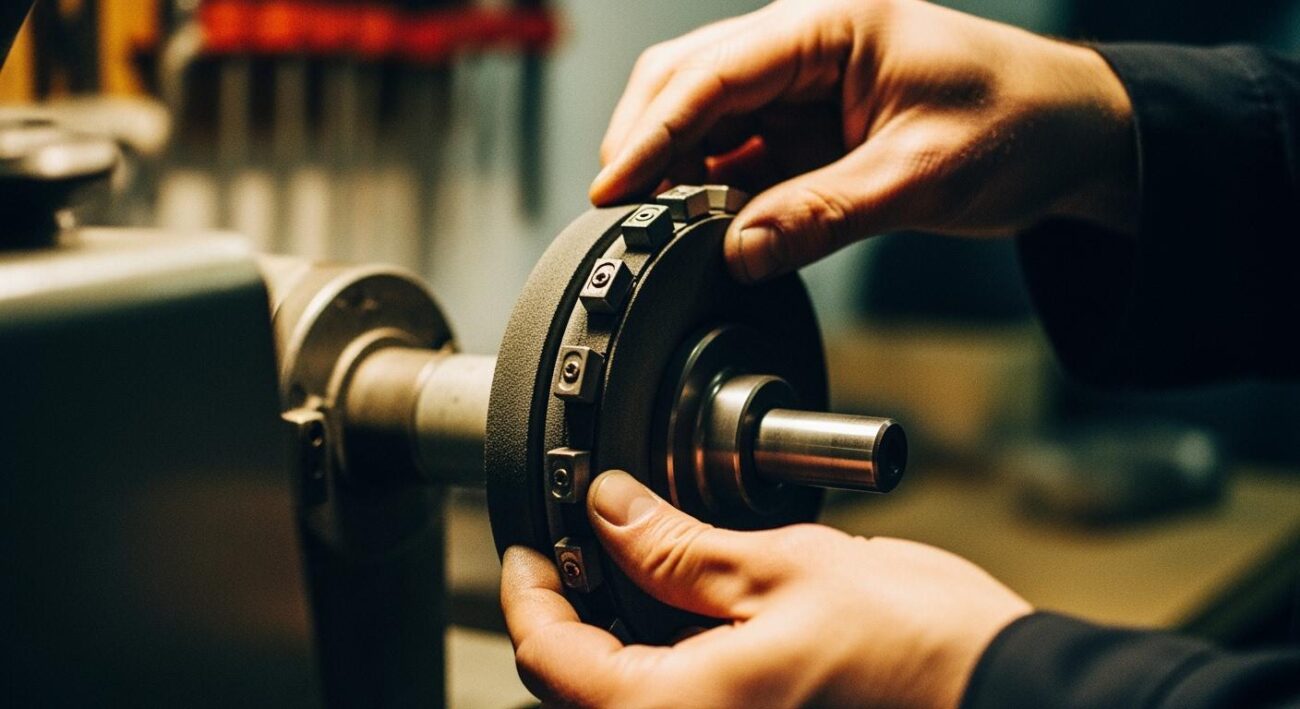
Balance a grinding wheel by mounting, adjusting weights, and checking for vibration to ensure precision, safety, and a smooth surface finish every time.
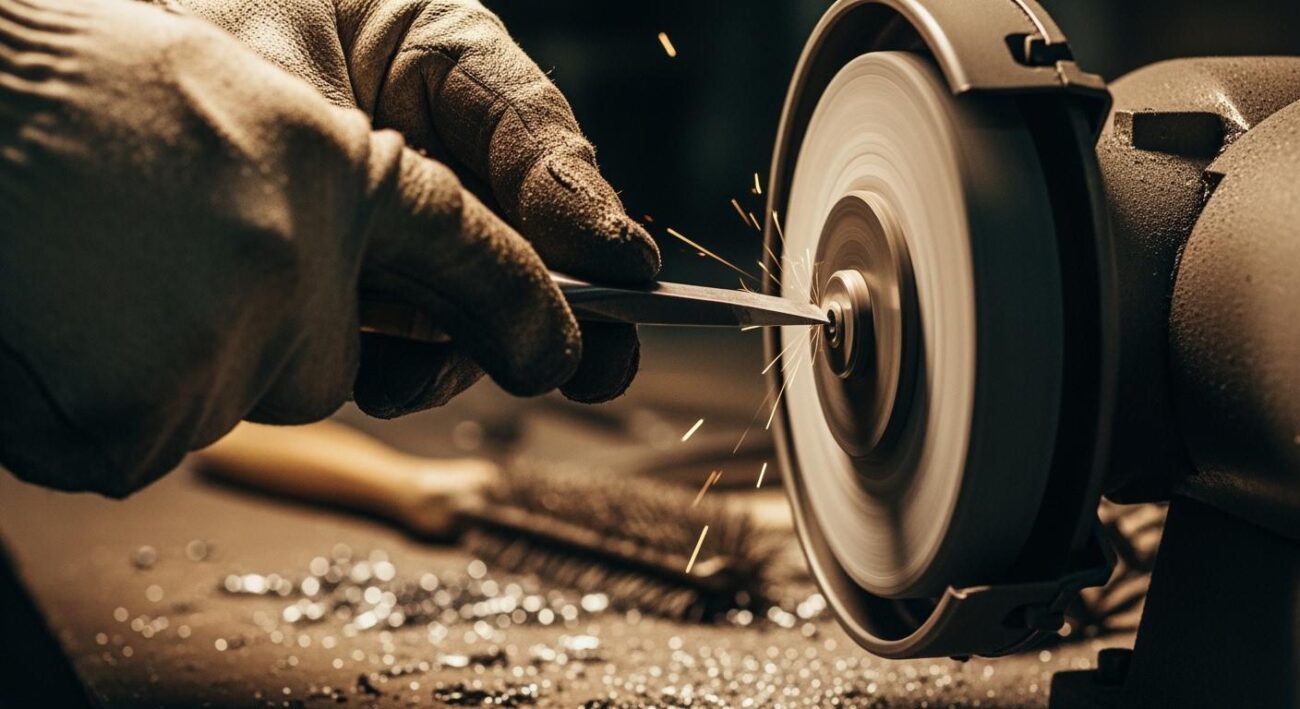
Prevent grinding wheel glazing by choosing the right wheel, regular dressing, proper speed, and effective coolant for efficient grinding and longer wheel life.

Select grinding wheels like CBN or diamond to avoid magnetic property loss in NdFeB grinding by minimizing heat and using proper cooling methods.
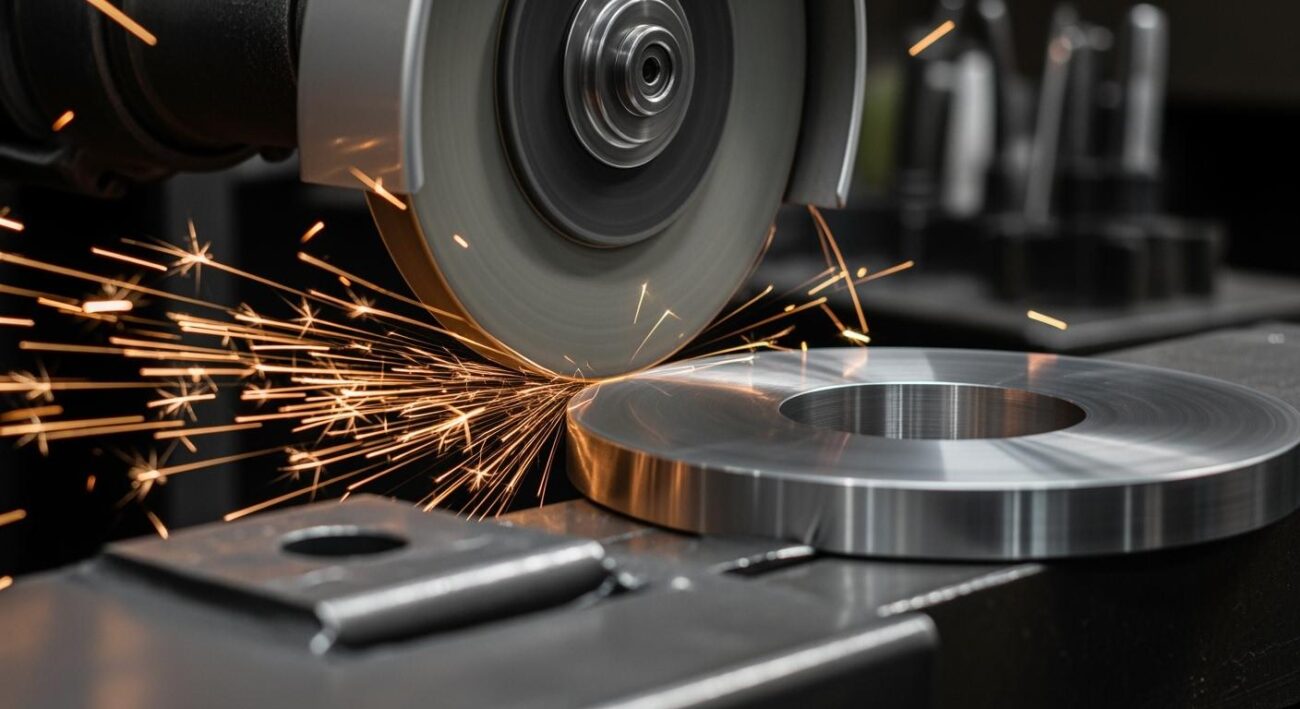
Grinding wheels with proper abrasive, bond, and grit prevent fuzzing and rapid wear, ensuring a smooth finish and longer wheel life.
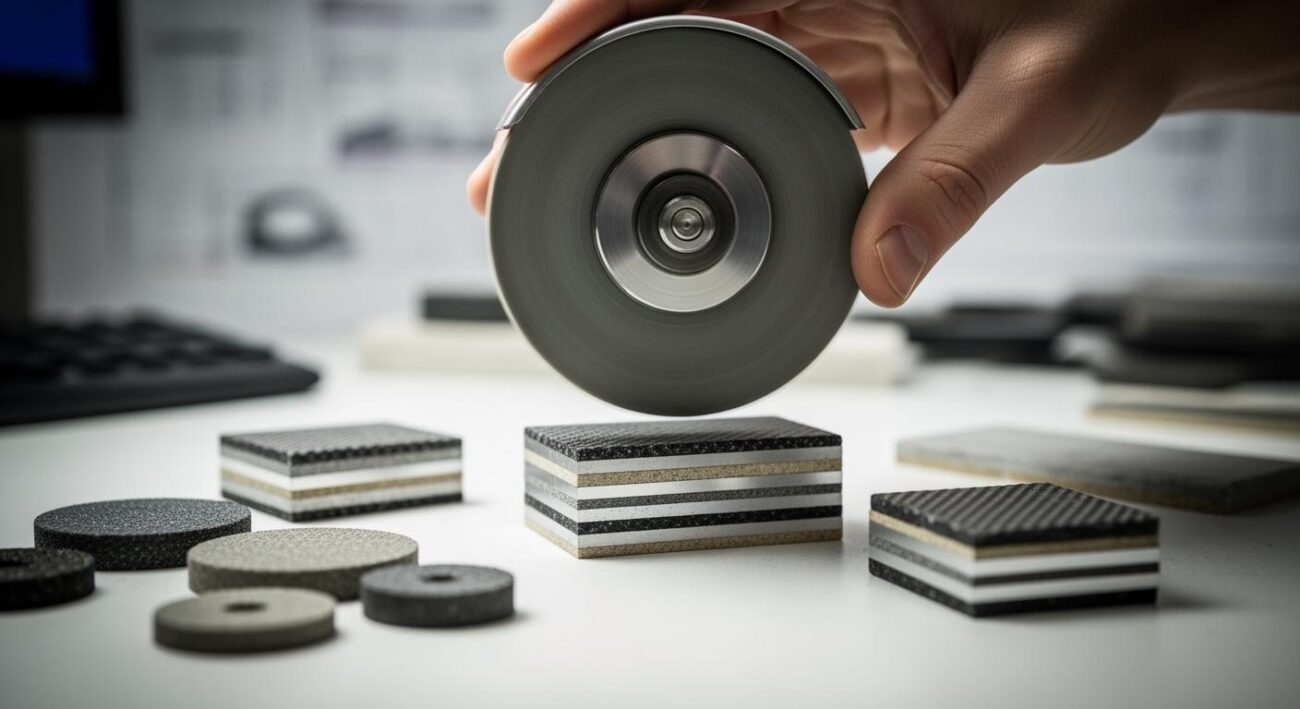
Select grinding wheels for composites with metal laminates by matching abrasive type, grit size, and bond to your material for optimal machining results.
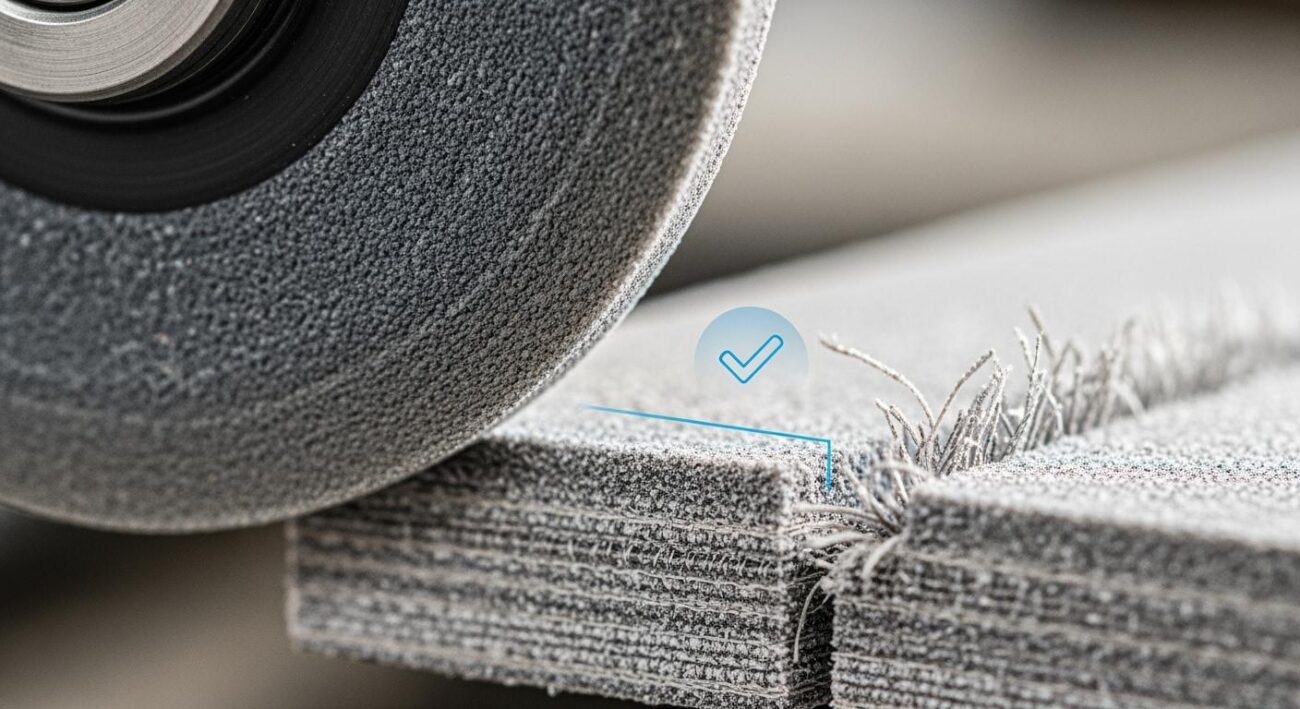
Diamond grinding wheel type reduces fiber tearing in composite machining, offering clean cuts, durability, and superior results for composite materials.
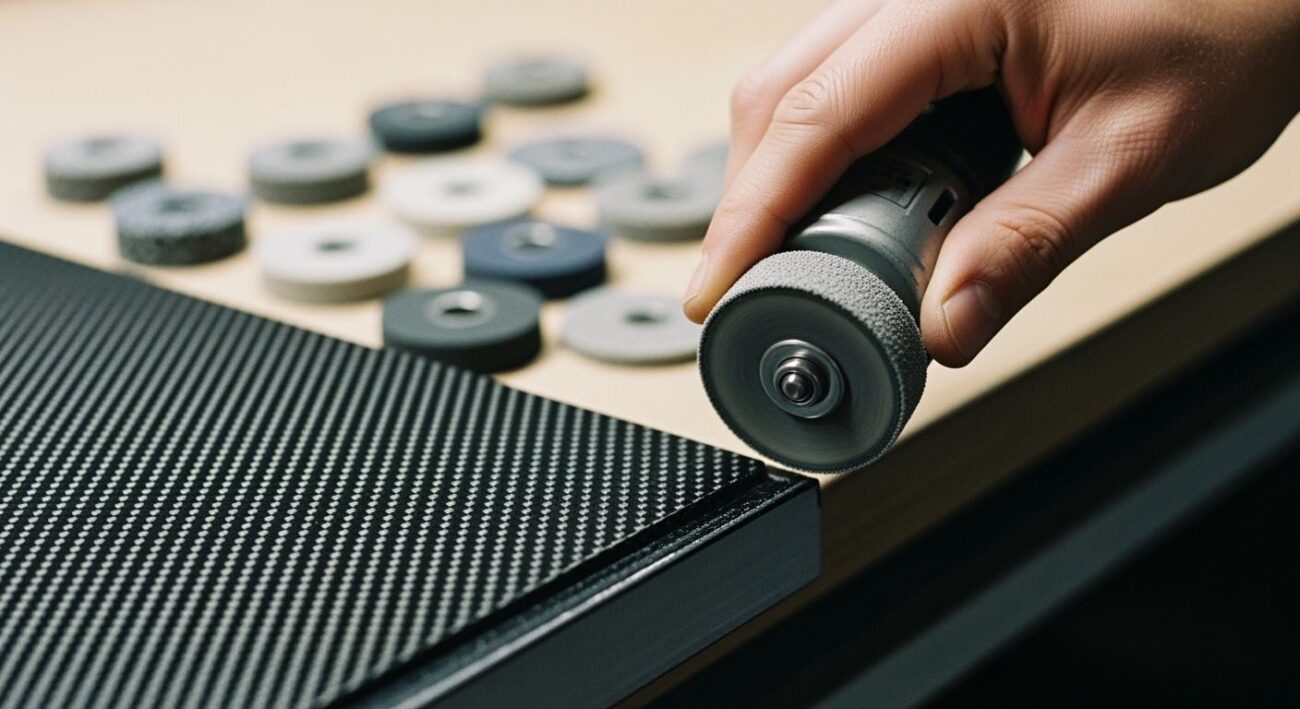
Choose diamond grinding wheels with the right abrasive, bond, and grit size to prevent fuzzing and achieve clean CFRP edge finishes.
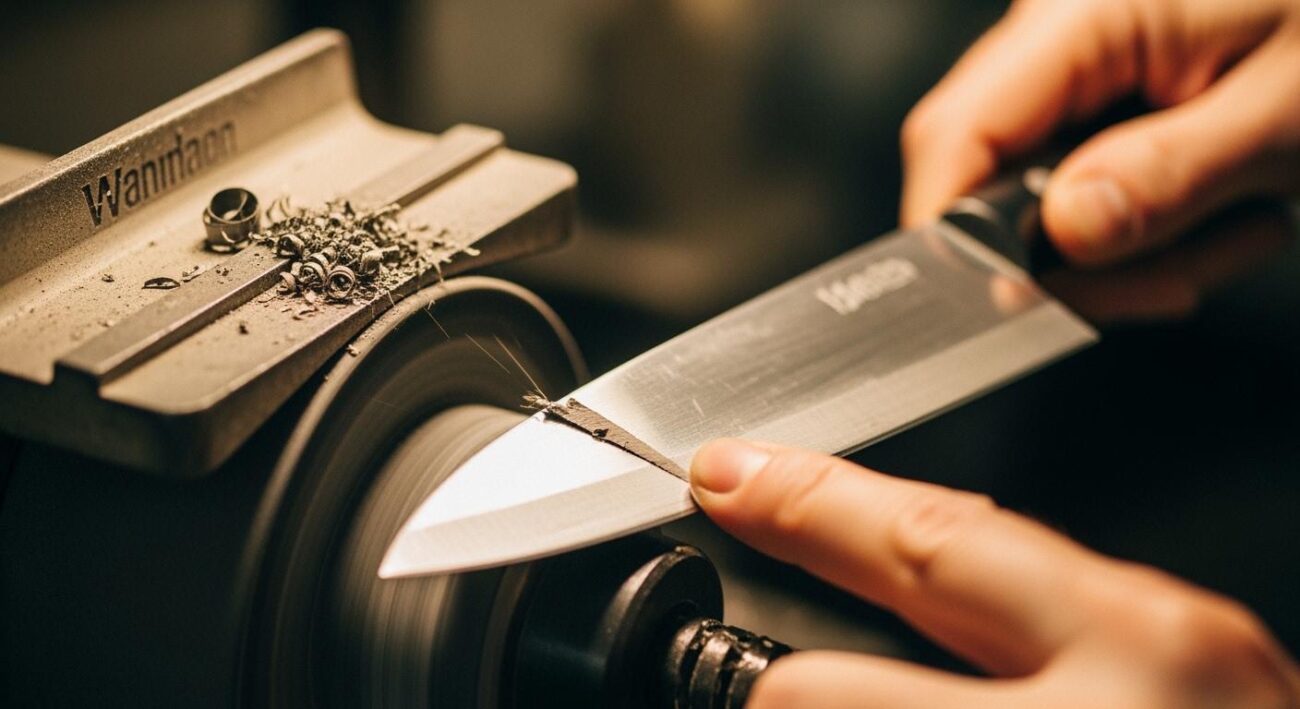
Grinding Wheel Guide shows how to select the best wheel and grit for sharp, durable cutlery edges with safe, efficient sharpening every time.
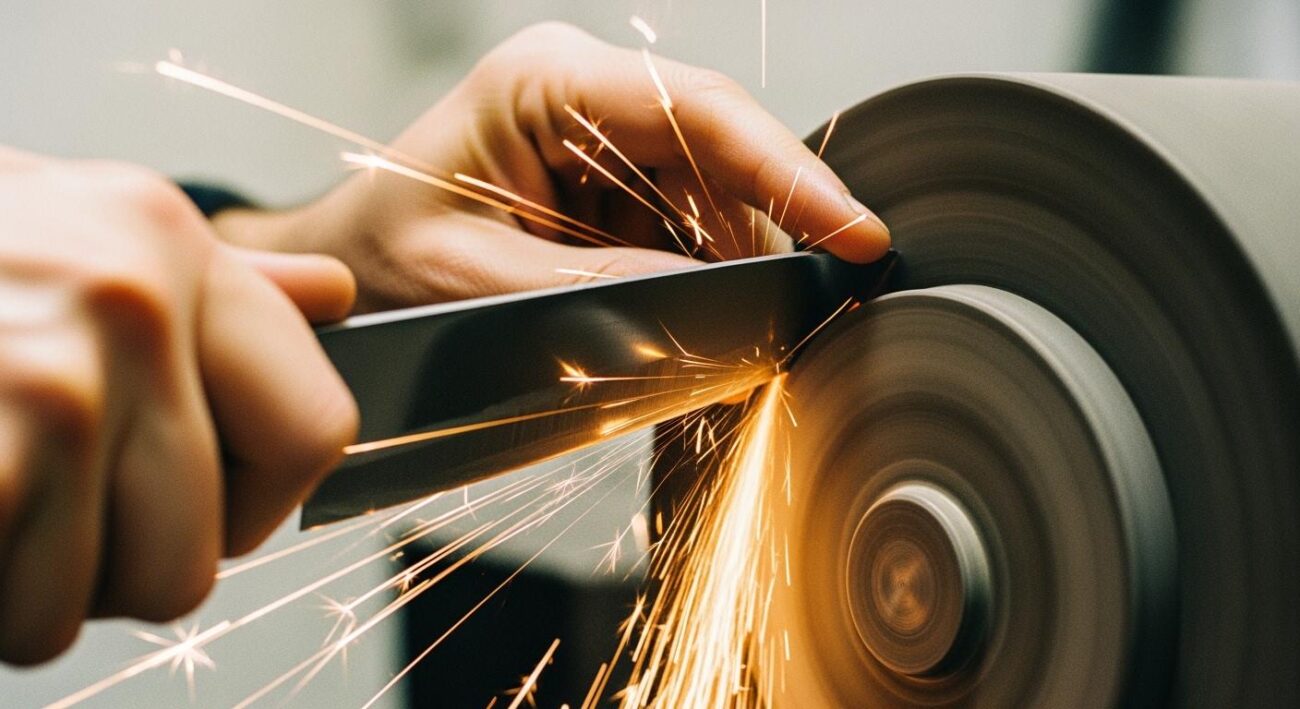
Sharpen chef knives with grinding wheels for a durable, perfect edge. Get tips on grit, angle, and cooling for safe, long-lasting sharpness.
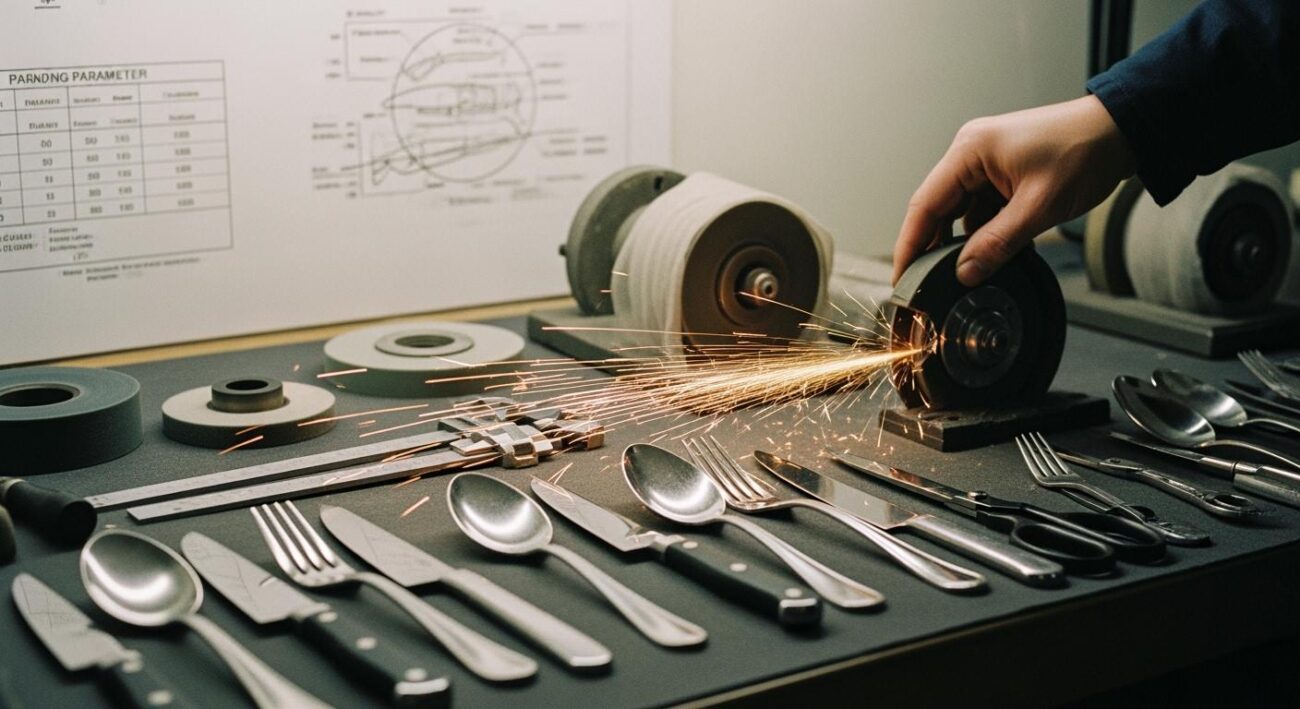
Choose grinding wheels by matching material, grit, bond, and shape to your knives, forks, spoons, and shears for best results and longer tool life.
No account yet?
Create an Account