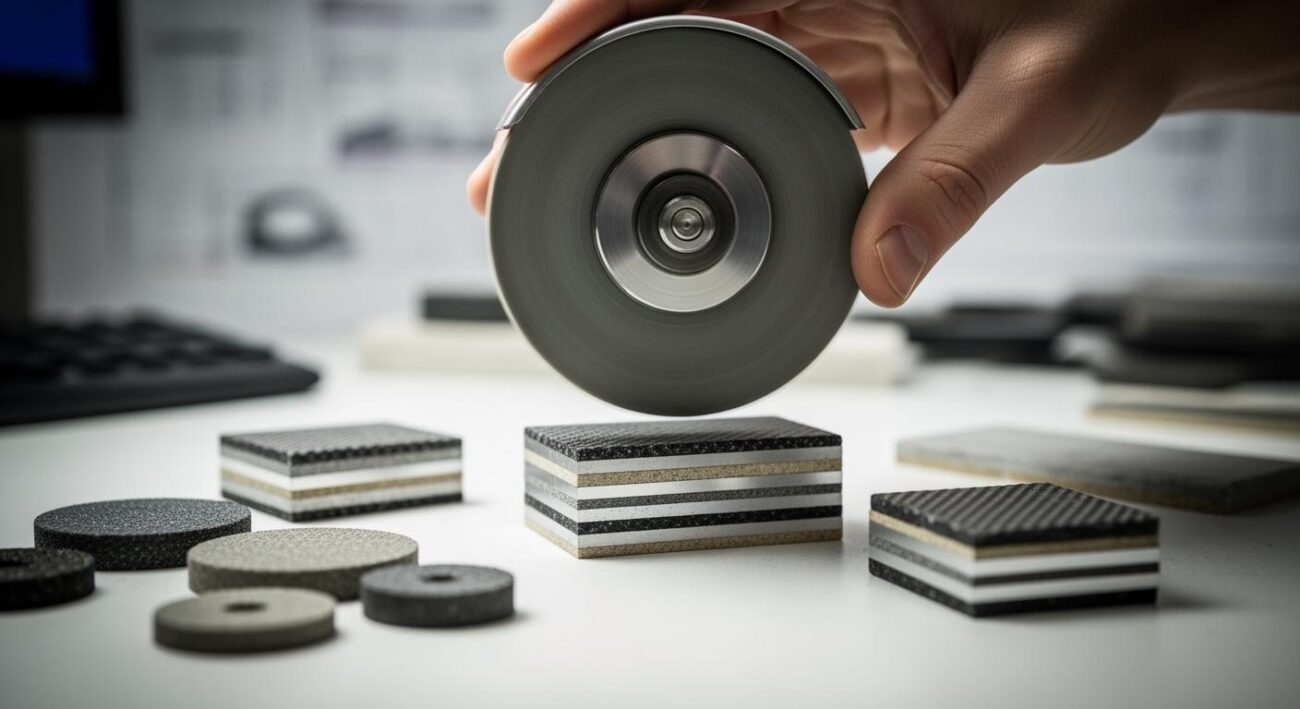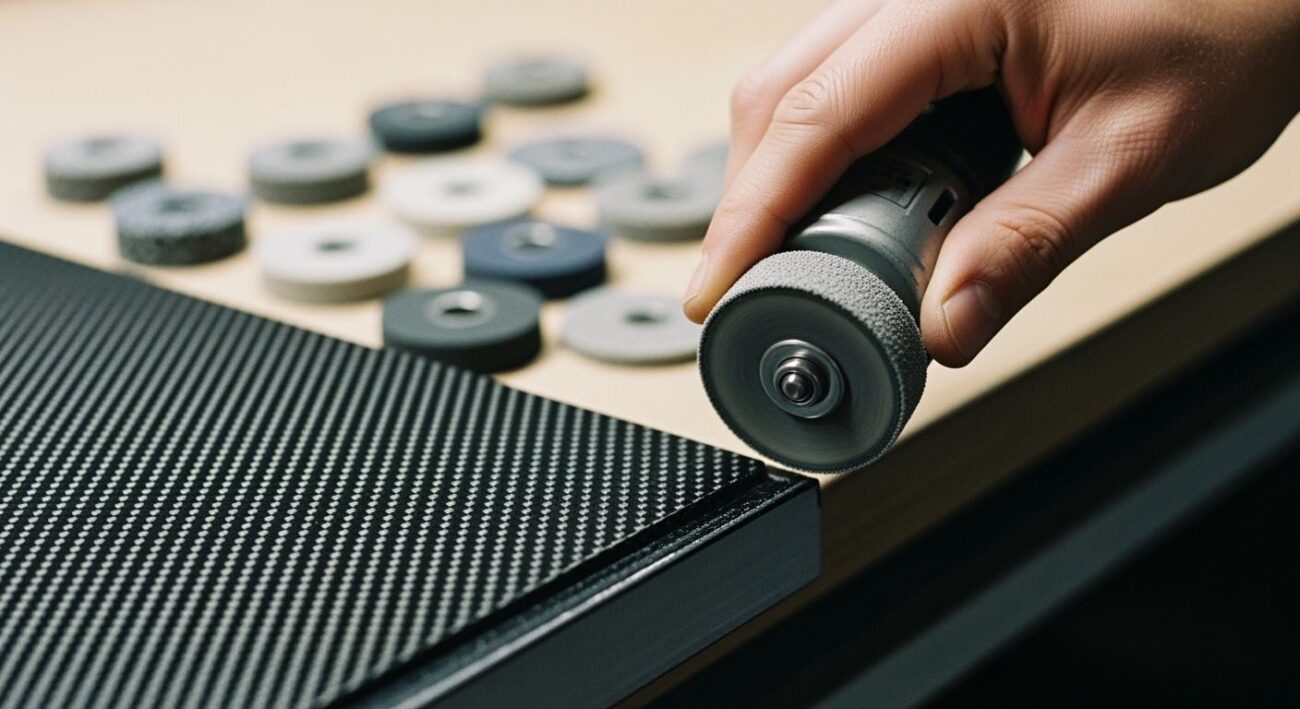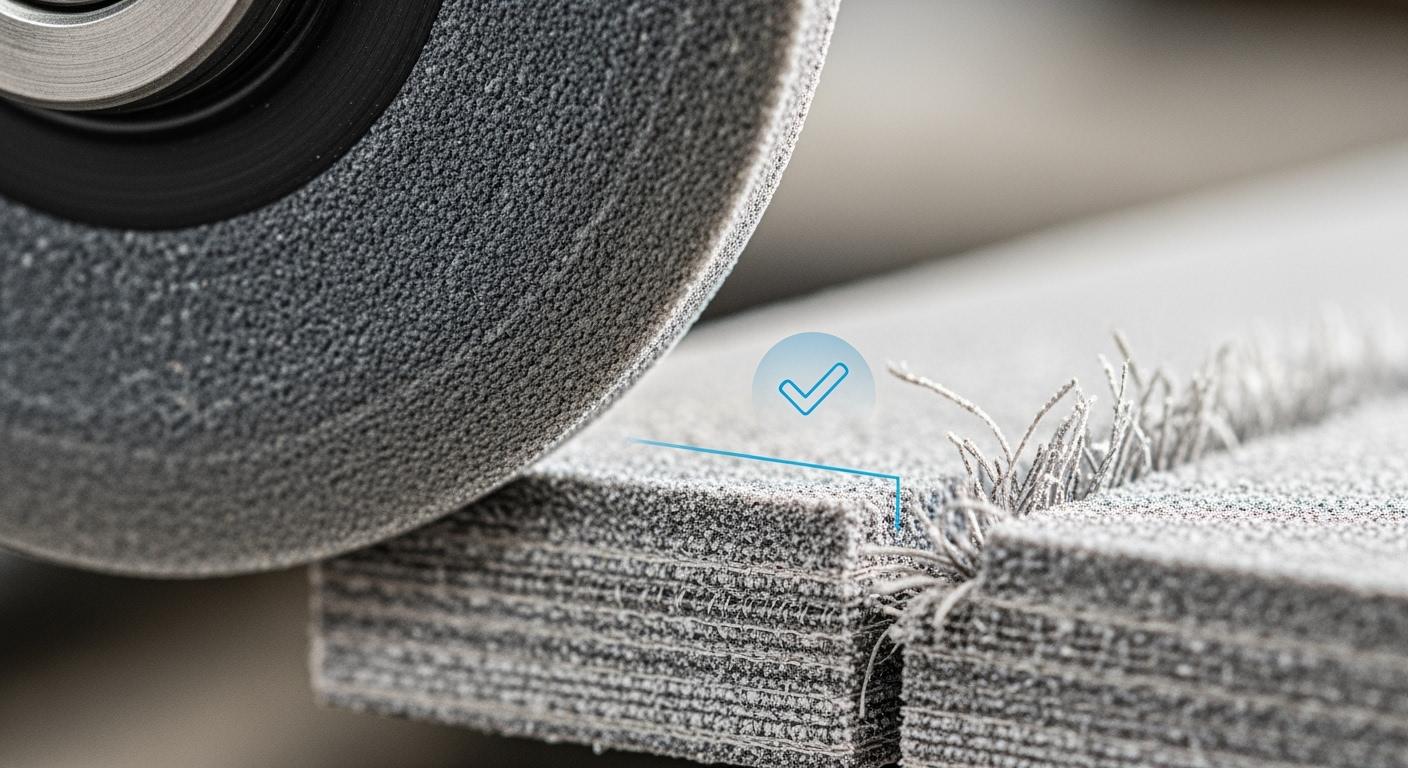
If you want to reduce fiber tearing in composite machining, you should choose a diamond grinding wheel type. Clean cuts and minimal defects matter in composite manufacturing. Diamond wheels offer superior cutting efficiency and precision, making them ideal for tricky materials like fiberglass.
“Each composite material presents unique machining challenges. For example, Fiberglass and Fiber Matrix Composites can be tricky because they tend to ‘string’ if not cut properly. That’s why we often recommend a plated grinding wheel with aggressive grit—it keeps the material from gumming up and ensures a clean finish,” says Matt Harnish, CDT Sales Rep for Diamond and CBN Plated Products.
Aimgrind specializes in customized diamond grinding wheels for composites, helping you achieve the best results.
Key Takeaways
- Choose diamond grinding wheels for composite machining to achieve clean cuts and minimize fiber tearing.
- Select the right grit size and bond type to match your composite material for optimal performance.
- Use coolants during machining to prevent overheating and maintain the integrity of composite fibers.
- Regularly maintain diamond tools by inspecting and dressing them to extend their lifespan and improve cutting efficiency.
- Aimgrind offers customized diamond grinding solutions to meet your specific composite machining needs.
Best Grinding Wheel Type for Composite Machining
Diamond Grinding Wheels Overview
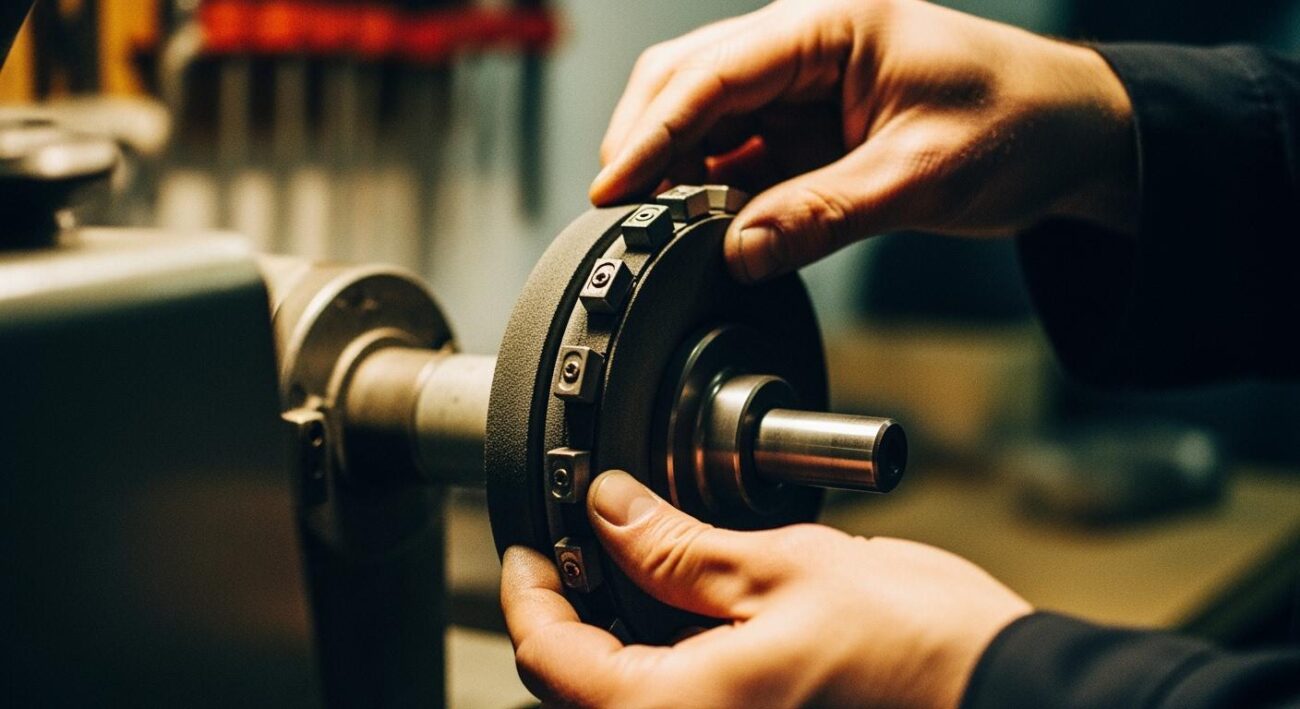
You need to choose the right grinding wheel type for composite machining if you want clean results. Diamond grinding wheels stand out as the best option. These wheels use diamond, the hardest material known, to cut through tough composites like fiberglass and carbon fiber. You get a tool that lasts longer and keeps its shape even when you work with hard materials.
Superabrasive grinding wheels, particularly those with diamond abrasives, are essential for composite machining due to their ability to be custom engineered for various composite materials. For instance, electroplated diamond grinding wheels are ideal for fiberglass and fiber metal composites (FMCs) because they can be designed with an open structure to prevent loading. In contrast, ceramic matrix composites (CMCs) may require metal bond or hybrid bond grinding wheels for deeper diamond layers, highlighting the differences in composition and application based on the material being machined.
Aimgrind offers diamond grinding wheels that fit many composite machining needs. You can select wheels with resin, metal, or vitrified bonds. Each bond type helps you match the grinding wheel type to your specific composite material. Aimgrind’s team helps you choose the right wheel for your process. You get support from selection to optimization.
Here is a table showing the key features that make diamond grinding wheels the top choice for composite machining:
| Feature | Explanation |
|---|---|
| Durability | Diamond grinding wheels have a longer tool life due to the inherent hardness of diamond, reducing the frequency of replacements. |
| Efficiency in Cutting | These wheels offer superior cutting efficiency and precision compared to alternatives like carbide-tipped wheels. |
| Custom Engineering | They can be engineered to handle the unique challenges posed by composite materials effectively. |
| Open Structure | Electroplated diamond grinding wheels can be designed with an open structure to prevent loading, enhancing performance. |
| Cost-Effectiveness | Although the initial investment is high, their extended lifespan leads to cost savings over time. |
You see that diamond grinding wheels give you durability, efficiency, and cost savings. You also get custom engineering for your composite machining needs.
Why Diamond Tools Minimize Fiber Tearing
You want to avoid fiber tearing when you use any grinding wheel type for composite machining. Diamond tools help you achieve this goal. The hardness of diamond lets you cut through fibers cleanly. You get less stringing and fewer defects.
Diamond grinding wheels maintain their shape and cutting ability under high temperatures and heavy loads. You can grind hard materials that would quickly wear out other abrasive wheels. You get a consistent finish and fewer surface defects.
- Diamond grinding wheels are specifically engineered to tackle the unique challenges of composite materials, which include minimizing fiber tearing.
- Electroplated diamond grinding wheels are recommended for materials like fiberglass and fiber matrix composites due to their ability to prevent loading and ensure efficient cutting.
- The use of aggressive grit sizes (40 to 120) in these wheels helps maintain a clean finish and reduces the risk of fibers stringing during machining.
You also avoid common defects like heat build-up, surface finish issues, and wheel loading. Diamond grinding wheels help you control heat and keep the surface smooth. You get a grinding wheel type that works for many composites.
Aimgrind’s diamond grinding wheels give you the best results in composite machining. You get clean cuts, less fiber tearing, and a longer-lasting tool. You can rely on Aimgrind’s expertise to match the grinding wheel type to your material and process.
Mechanisms of Fiber Tearing Reduction
Abrasive Properties in Composite Machining
You face fiber tearing when you grind composite materials. The right abrasive properties help you reduce this problem. Diamond grinding wheels give you a strong advantage because diamond is the hardest material. You get clean cuts and less fiber pullout. When you use diamond wheels, you can start with finer grits. Finer diamond grits remove scratches from previous steps and prevent excessive fiber tearing. You should use fresh diamond grinding papers to avoid loaded wheels that cause more fiber pullout.
Research shows that fiber tearing depends on chip formation and fiber orientation. If you use diamond wheels with the correct grit size, you control the depth of cut and reduce bending or crushing fractures. You should monitor the surface often to catch early signs of fiber pullout. Light pressure with diamond wheels protects the softer matrix phase in composites.
Here is a table that explains how abrasive properties affect fiber tearing:
| Evidence Description | Key Findings |
|---|---|
| Coarse diamond grit size leads to micro-cracking in glass fiber composites. | Increased grit size generates heat, softening the surface and causing more fiber tearing. |
| High volume fraction of glass fibers acts as stress concentrators. | Too much reinforcement can reduce wear properties, so balance is important. |
| Specific wear rate decreases with increasing diamond grit size. | Abrasive wear resistance links to rigidity and fiber volume fraction. |
Bond Types and Heat Control
Diamond grinding wheels come in different bond types. You can choose resin, metal, or vitrified bonds. Each bond type helps you manage heat during grinding. Heat control is important because high temperatures can damage composite fibers. Diamond wheels with the right bond type keep the grinding process cool and stable.
Studies show that adding materials like SiO2 improves heat dissipation. SiO2 has higher thermal conductivity than glass fiber. This helps maintain fiber integrity during grinding. Diamond wheels with proper bond types prevent thermal degradation and keep the surface smooth. You see better fiber-matrix adhesion and less fragmentation.
Here is a table showing how heat control affects composite fibers:
| Evidence Description | Impact on Composite Fibers |
|---|---|
| Addition of SiO2 reduces heat energy during grinding. | Enhances thermal stability and lowers risk of thermal damage. |
| SiO2 helps dissipate heat quickly. | Maintains fiber integrity and prevents tearing. |
| Improved surface integrity in SiO2-filled composites. | Shows better adhesion and less fiber fragmentation. |
| No signs of thermal degradation at higher feed rates. | Effective heat management with diamond wheels. |
You get the best results when you select diamond grinding wheels with the right abrasive properties and bond types. You control fiber tearing, manage heat, and achieve clean finishes in composite machining.
Comparing Grinding Wheel Types for Composites
Diamond vs. Conventional Wheels
You want to choose the best grinding wheel for composite machining. Diamond wheels give you a clear advantage. You get a tool that cuts hard materials like fiberglass and carbon fiber with ease. Diamond wheels last longer than conventional wheels. You see less wear and fewer tool changes. Conventional wheels, such as aluminum oxide or silicon carbide, wear out quickly. They struggle with the hardness of composite materials. You may notice more fiber tearing and rougher finishes with these wheels. Diamond wheels keep their shape and deliver a smooth surface. You save time and get better results.
Tip: If you want to reduce downtime and improve finish quality, use diamond wheels for your composite projects.
Electroplated and PCD Tools
You have more options when working with composites. Electroplated tools and pcd tools both offer unique benefits. Electroplated tools use a single layer of diamond grit. This design prevents loading and keeps the cutting action sharp. You get efficient grinding and less clogging. Pcd tools use polycrystalline diamond. These tools are very durable and give you high-quality surface finishes. You can use pcd tools for long production runs. They cost more than electroplated tools, but you get a longer tool life.
Here is a table that compares electroplated and pcd tools:
| Tool Type | Advantages | Disadvantages |
|---|---|---|
| Electroplated Tools | Efficient in preventing loading and maintaining cutting performance. | May not be suitable for all applications. |
| PCD Tools | Durable and capable of achieving high-quality surface finishes. | Higher cost compared to electroplated tools. |
You should choose electroplated tools for quick jobs and pcd tools for long, demanding tasks.
Ceramic Flap Discs in Tooling for Composites
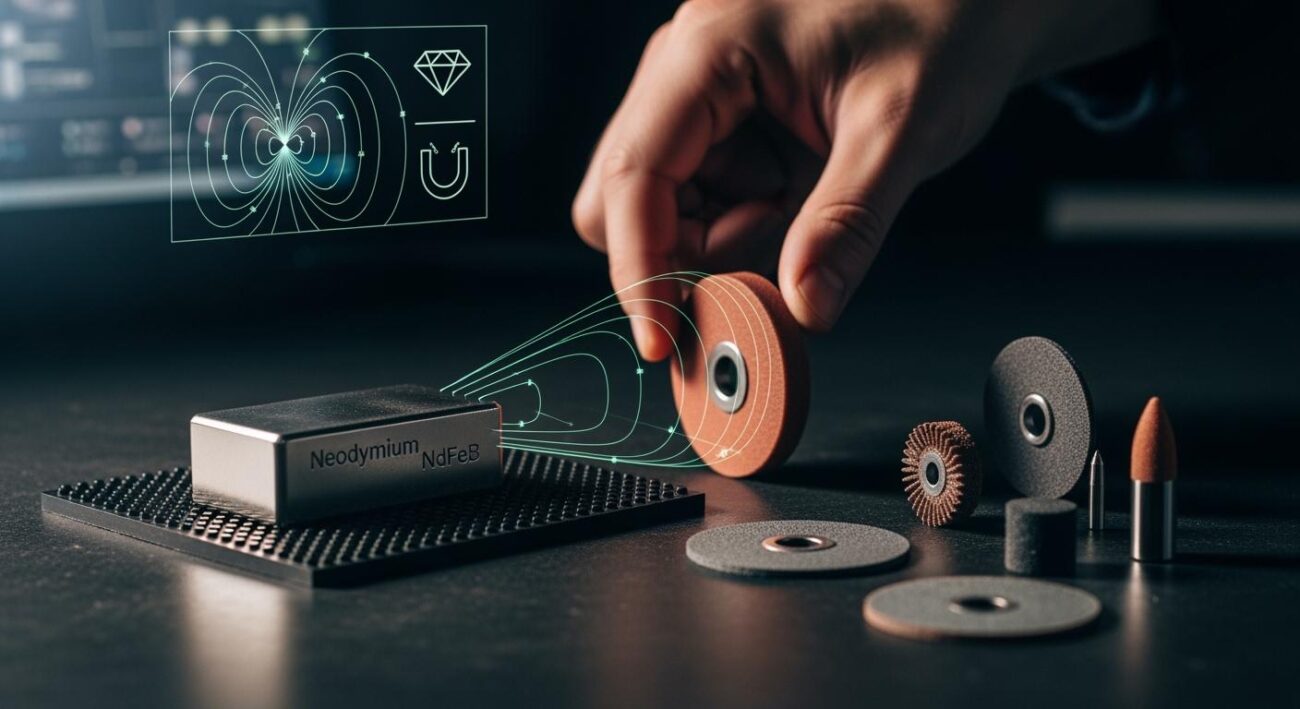
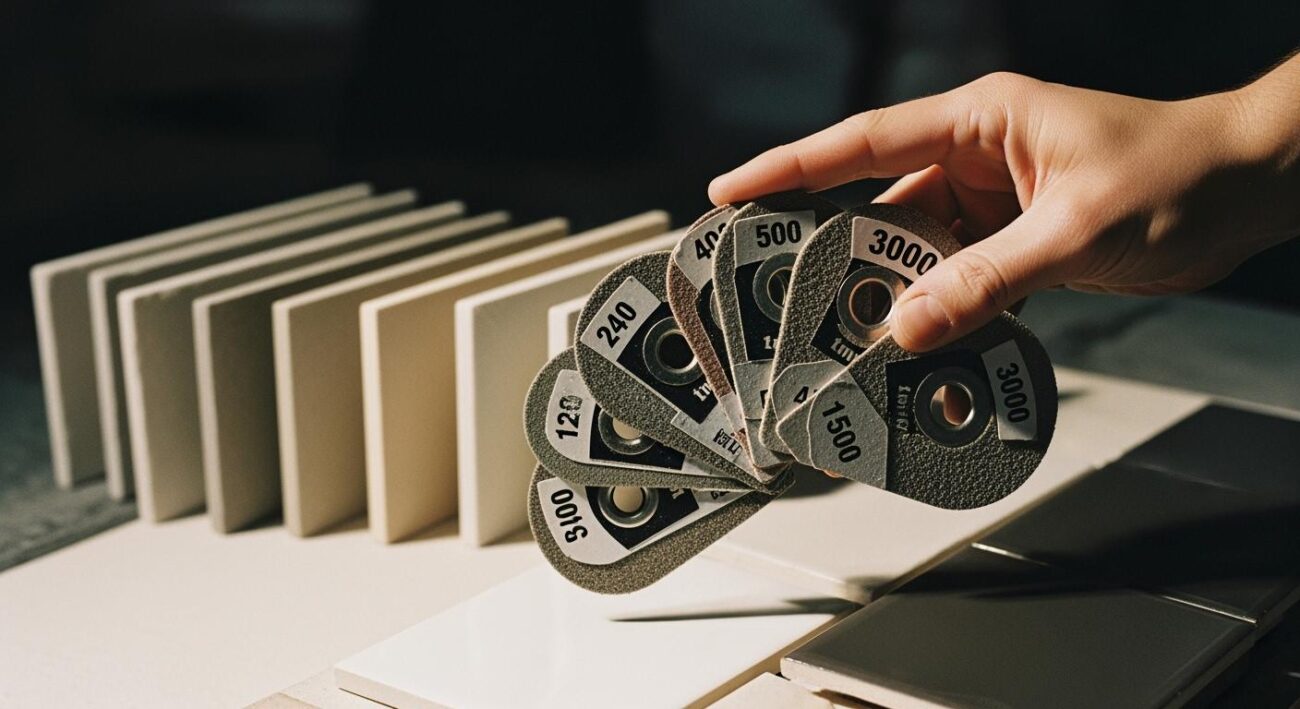
Ceramic flap discs are another option for composite machining. You use these discs for blending and finishing. They work well for softer composites. You may not get the same precision as with diamond or pcd tools. Ceramic flap discs wear out faster on hard composites. You may see more fiber tearing and uneven surfaces. For the best results, use diamond or pcd tools for cutting and shaping. Use ceramic flap discs for light finishing work.
Note: Always match your grinding tool to the composite material and the finish you want.
Practical Tips for Using Diamond Grinding Wheels
Selecting the Right Grit and Bond
You need to match the diamond tools to the composites you work with. When you machine cfrp or other composite materials, consider these factors:
- Material compatibility matters. Hard composites like carbon fiber need diamond wheels with harder bonds.
- Desired finish and precision guide your choice. Finer grit gives you better surface finish quality and reduces delamination.
- Wheel speed and durability affect performance. Choose diamond tools that handle your machine’s speed.
- Machine specifications help you select the right diamond grinding wheels. Check your machine’s power and rotational speed.
- Economic factors play a role. Some bonds cost more but last longer, improving material removal rate.
Aimgrind offers custom diamond tools for composites. You can ask for diamond cutting blades or brazed pcd routers designed for your specific machining needs. Aimgrind’s team helps you select the best grit and bond for cfrp, carbon fiber, and other composite materials.
Machine Settings and Coolant Use
You control machining results by adjusting machine settings. For diamond grinding wheels, focus on these parameters:
- Wheel speed
- Grit size
- Feed rate
- Depth of cut
- Diamond concentration
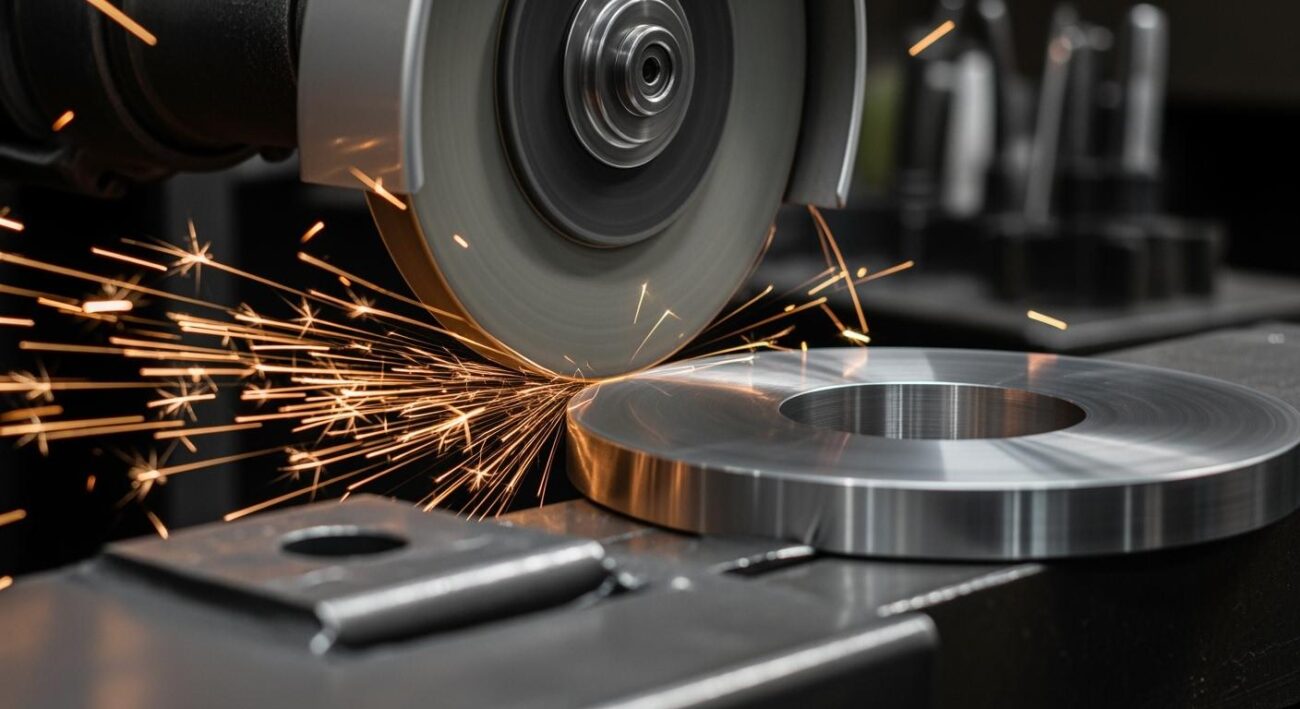
These settings influence cutting efficiency, surface finish quality, and wheel wear. When you machine cfrp or composites, use coolants to prevent overheating. Coolants help remove debris and keep diamond tools sharp. You avoid delamination and get cleaner cuts. Aimgrind recommends using wet grinding for most composite materials. Wet grinding improves material removal rate and protects the diamond tools.
Tip: Always check your machine’s settings before you start machining. Small changes can improve results and reduce fiber tearing.
Maintenance for Longevity
You extend the life of diamond tools with regular maintenance. Follow these steps:
- Choose the right diamond grinding wheels for your composites and cfrp.
- Inspect and dress the wheels often. Dressing exposes fresh diamond grains and keeps the wheel sharp.
- Use coolants during machining. Coolants prevent overheating and help with debris removal.
- Adjust grinding parameters like wheel speed and feed rate. Proper settings maximize wheel lifespan and reduce delamination.
Aimgrind supports you with custom solutions and advice. You get help with wheel selection, machine setup, and maintenance. Aimgrind’s diamond tools give you reliable performance in composite machining. You achieve clean cuts, minimal delamination, and long-lasting tools.
You get the best results in composite machining when you choose diamond grinding wheels. Diamond tools give you clean cuts, less fiber tearing, and longer tool life. Studies show diamond wheels remove more material, last longer, and improve surface finish. You also save money over time.
- Diamond grinding wheels offer superior cutting efficiency and precision.
- Diamond’s hardness means fewer replacements and less downtime.
- Diamond wheels provide cost savings for your shop.
Aimgrind helps you select the right diamond tool for your needs. Reach out for custom solutions and expert support.
FAQ
What makes diamond grinding wheels ideal for composite machining?
You get the best results with diamond grinding wheels. These wheels cut cleanly and last longer. Many industries, including aerospace, use them for precision work. You avoid fiber tearing and get smooth finishes. Diamond wheels help you meet strict quality standards in aerospace manufacturing.
Can I use diamond grinding wheels for aerospace composite parts?
Yes, you can use diamond grinding wheels for aerospace composite parts. Aerospace engineers trust these wheels for their strength and accuracy. You achieve tight tolerances and reduce defects. Many aerospace companies rely on diamond wheels for critical components.
How do I choose the right grit size for aerospace composites?
You should select grit size based on your finish needs. Fine grit gives you a smoother surface. Coarse grit removes material faster. In aerospace, you often need fine grit for high-quality finishes. Always match grit size to your aerospace application.
Why is heat control important in aerospace composite grinding?
Heat can damage aerospace composites. You must control heat to prevent fiber tearing and delamination. Diamond grinding wheels with proper bonds help you manage heat. Aerospace parts require strict quality, so you need to keep temperatures low during grinding.
Does Aimgrind offer custom solutions for aerospace grinding?
Yes, Aimgrind provides custom diamond grinding wheels for aerospace needs. You can request specific sizes, bonds, and grits. Aimgrind helps you solve unique aerospace challenges. You get support from selection to optimization for your aerospace projects.
Contact Us
For More Grinding Solution or Customized Abrasive Tools