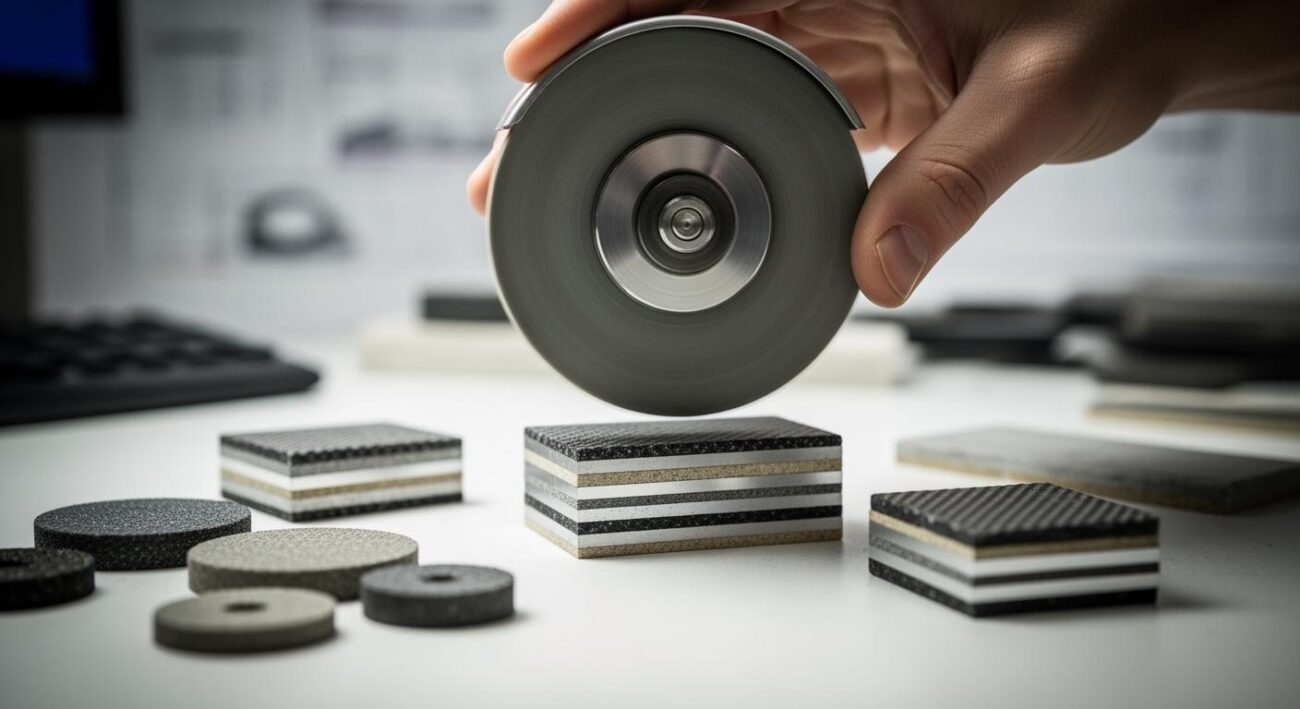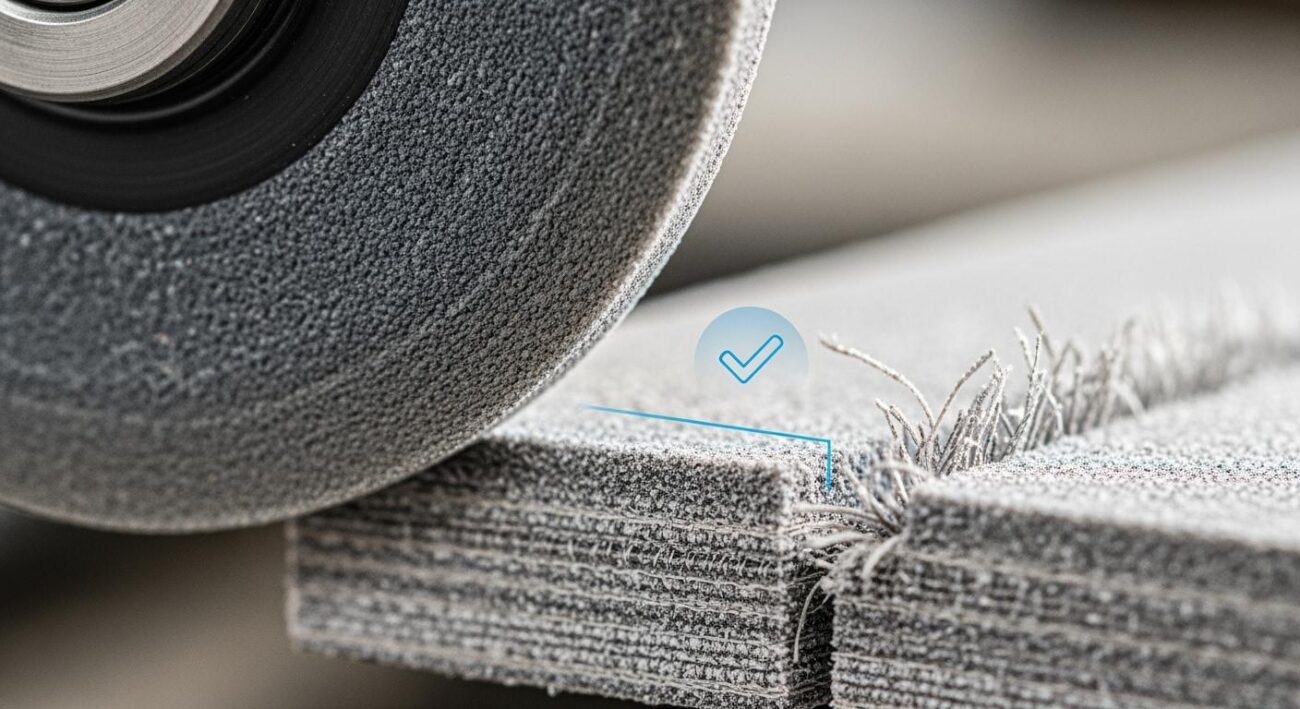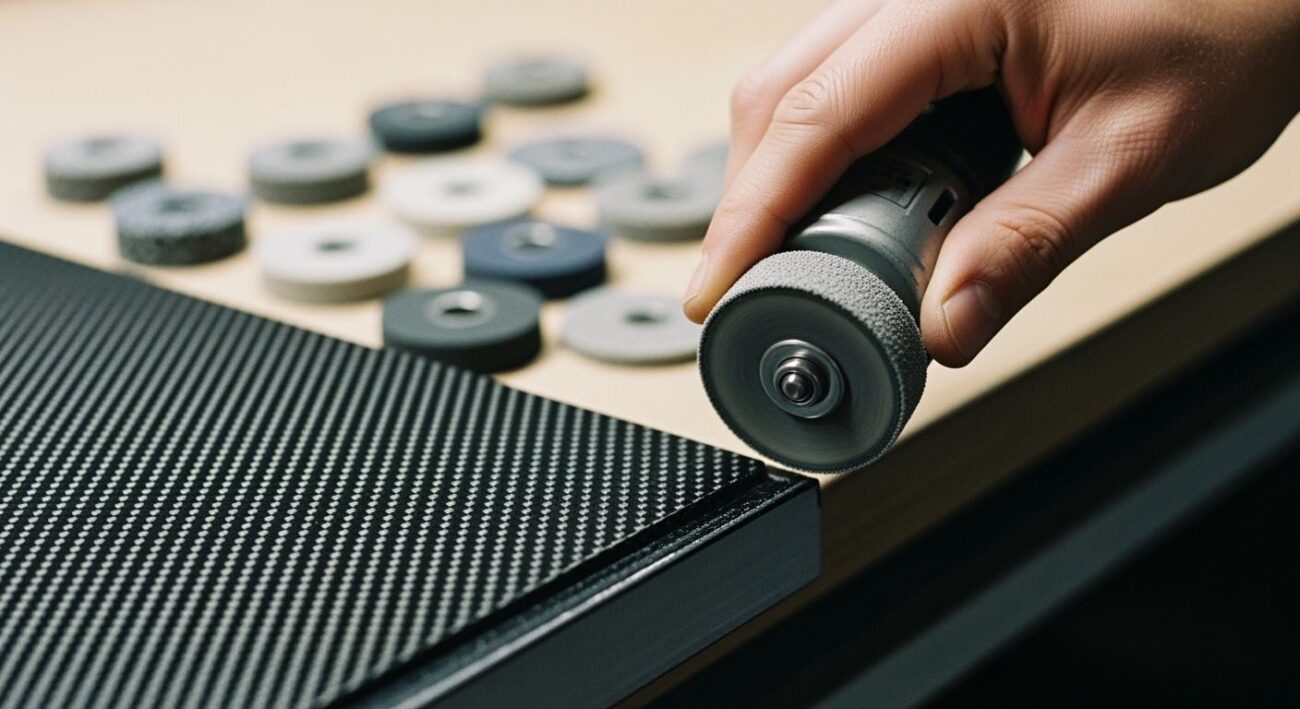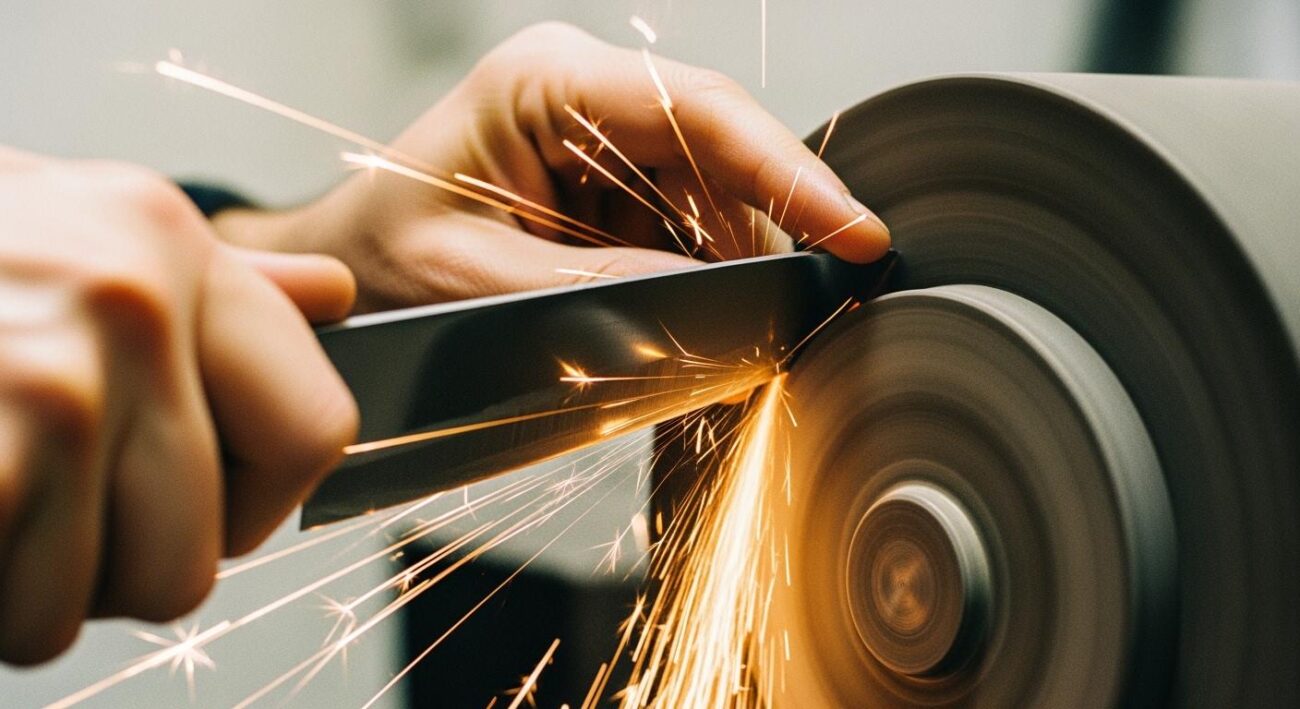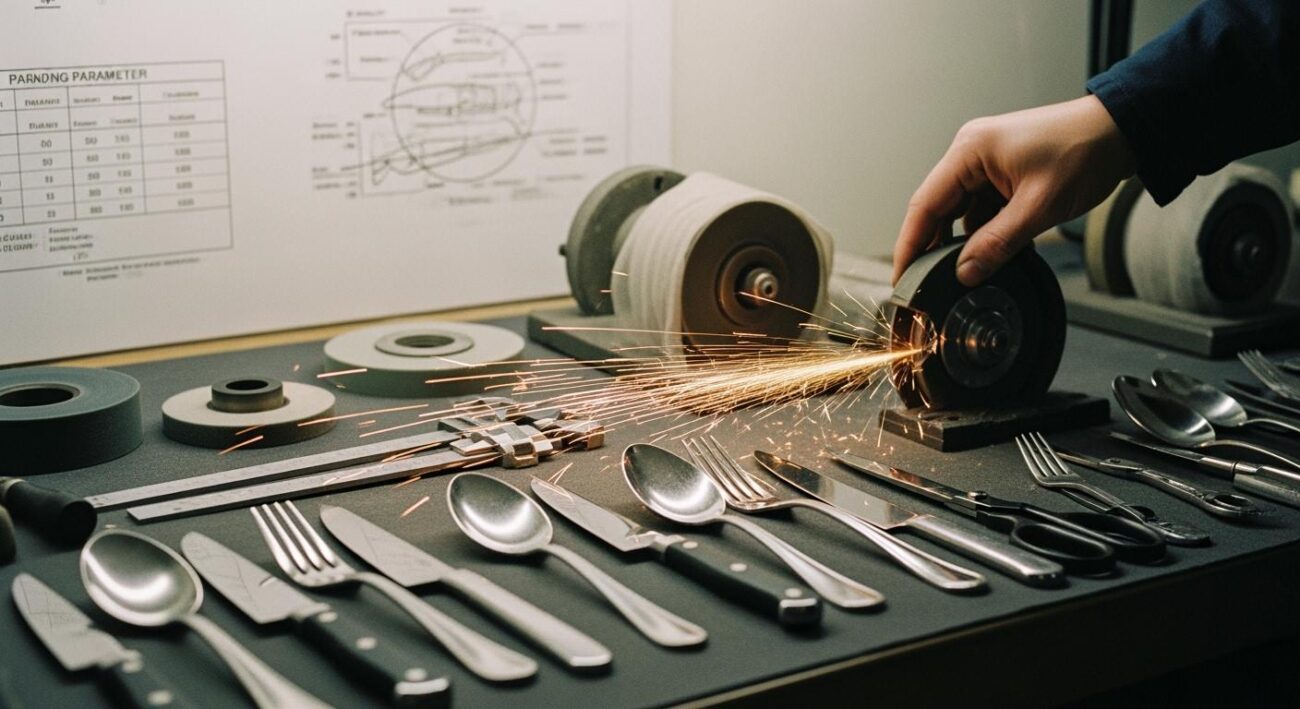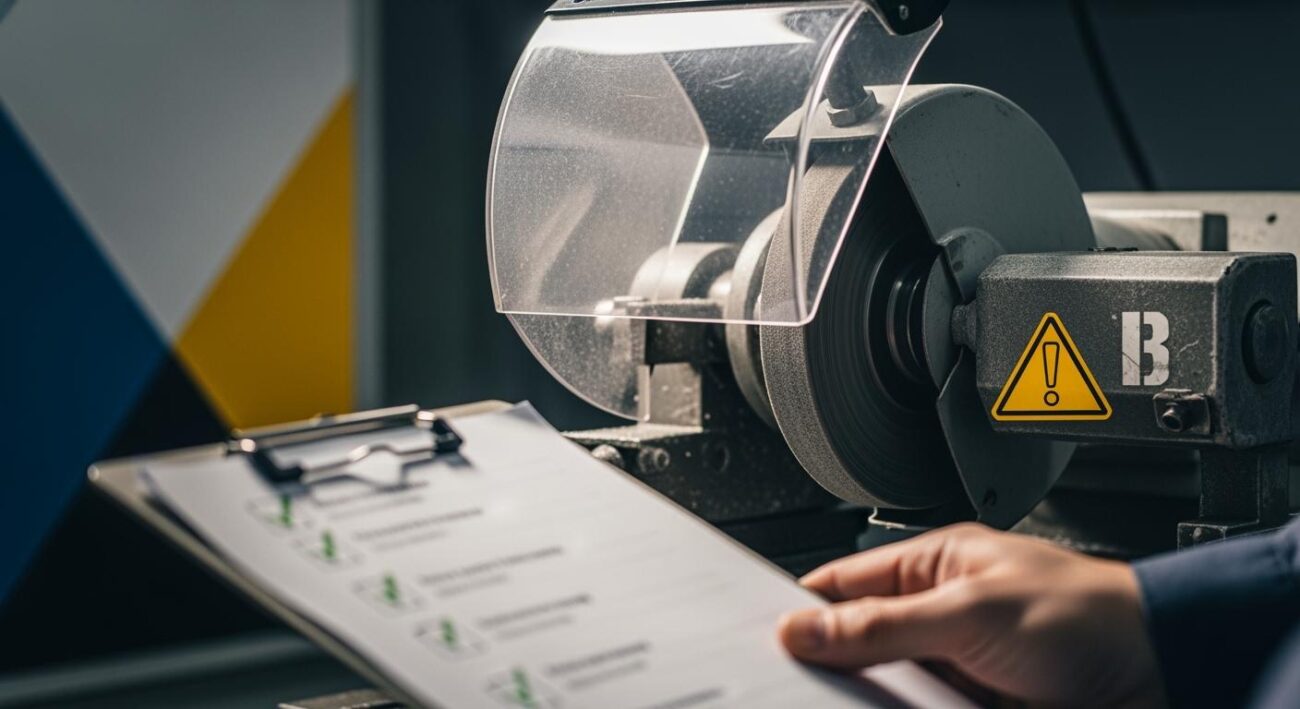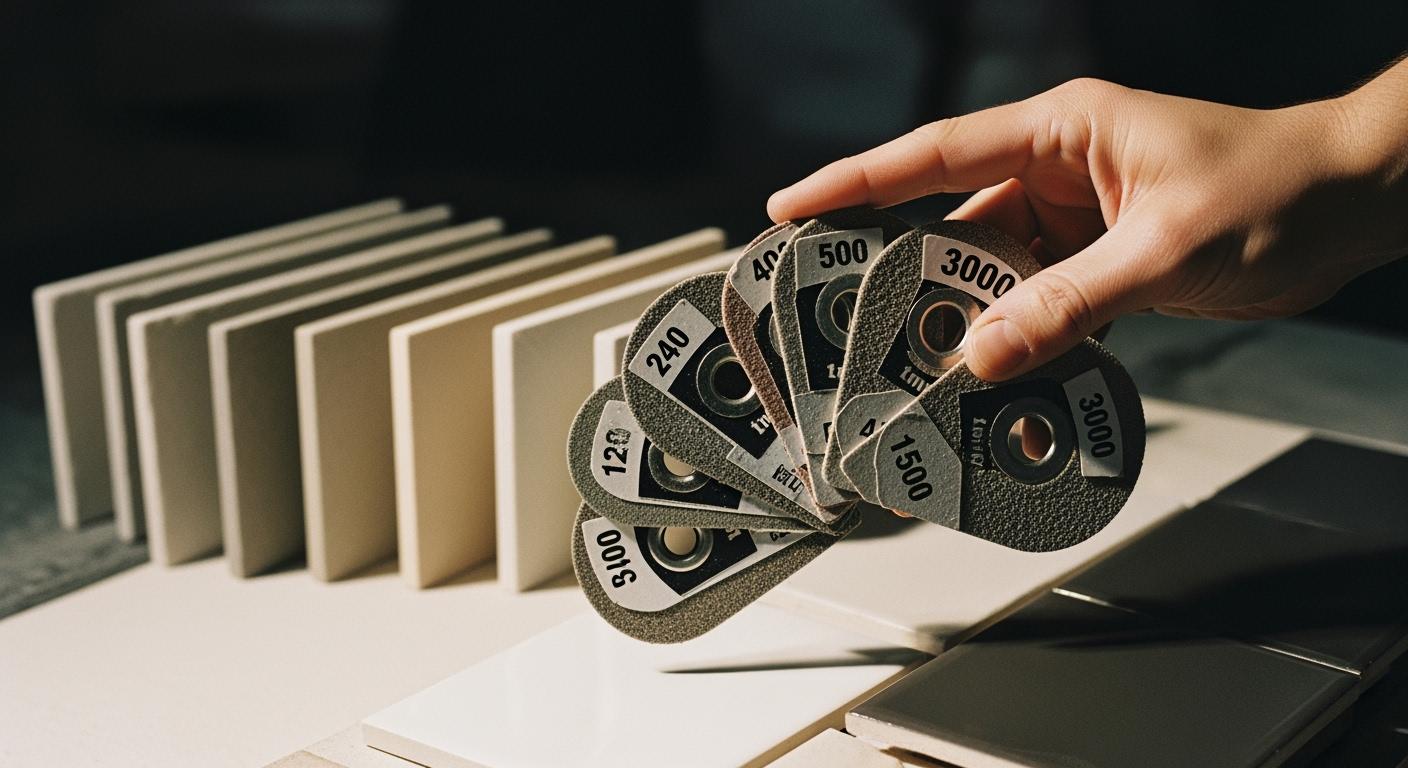
Choosing the right grinding wheel grit makes a big difference when you work with ceramics. If you use the wrong size, you might see poor surface finishes, micro-chipping, or even high rejection rates. Studies show that almost 73% of ceramic tile defects come from improper wheel use or maintenance. Incorrect grit sizes can also slow down your process and cause up to 34% less productivity. With Aimgrind’s diamond grinding wheels and expert support, you can avoid these problems and get better results on every ceramic step.
Key Takeaways
- Choose the right grinding wheel grit to avoid defects and improve surface finishes. This choice can enhance productivity by up to 34%.
- Understand the grit size: coarse grits remove material quickly, while fine grits provide a smooth finish. Match the grit to the ceramic type for best results.
- Select the appropriate bond type for your grinding wheel. Vitrified bonds work well for hard ceramics, while resin bonds handle tougher jobs effectively.
- Follow a step-by-step grit selection process: start with coarse grit for heavy removal, then move to medium and fine grits for finishing.
- Aimgrind’s diamond grinding wheels offer durability and efficiency, saving you time and money while ensuring high-quality surface finishes.
Grinding Wheel Grit Basics
What Is Grit Size?
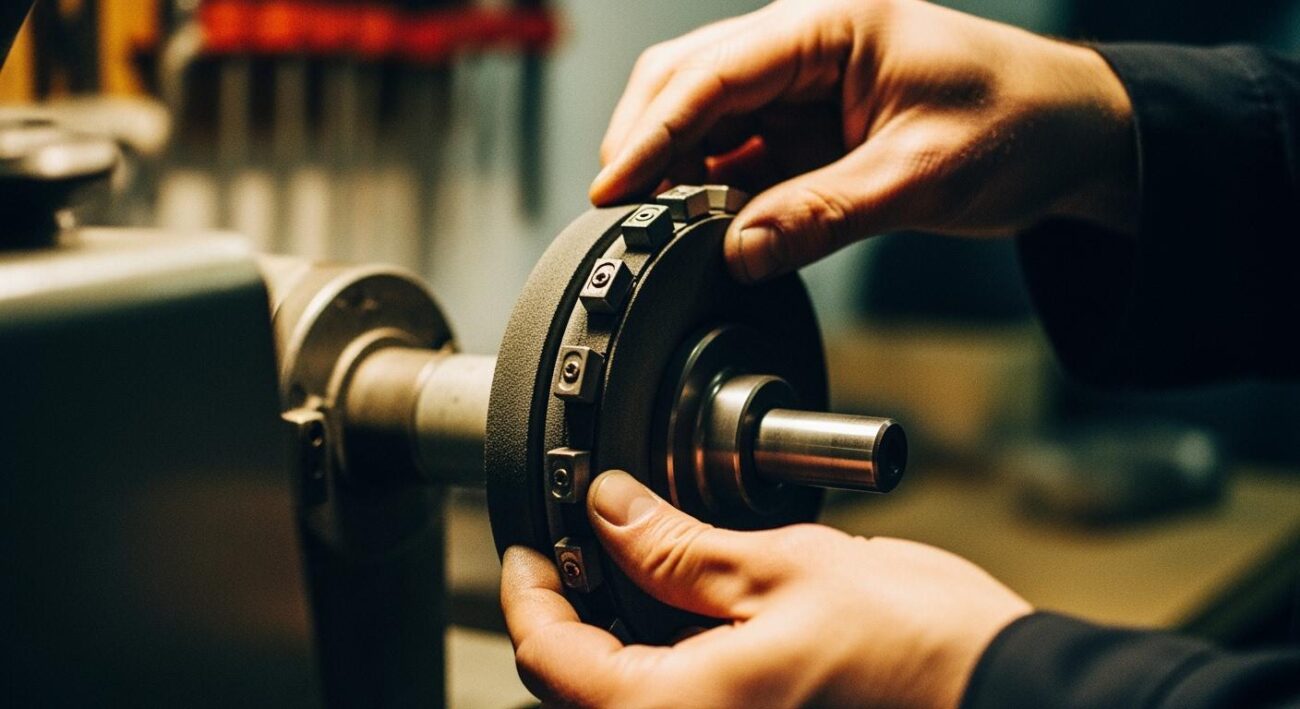
You may wonder what grinding wheel grit means. It refers to the size of the abrasive particles on your grinding wheel. These particles do the actual cutting when you grind ceramics. The number on the wheel tells you how big or small the particles are. A lower number means larger particles, while a higher number means smaller ones.
Grinding wheel grit comes in different ranges for ceramic processing. You can see the main types below:
- Coarse grits have larger abrasive particles. You use them for fast material removal and rough grinding.
- Medium grits give you a balance between removing material and getting a decent surface finish.
- Fine grits have smaller particles. You use them when you want a smooth, high-quality surface.
Choosing the right grinding wheel grit helps you control how much material you remove and what kind of finish you get.
How Grit Size Affects Ceramics
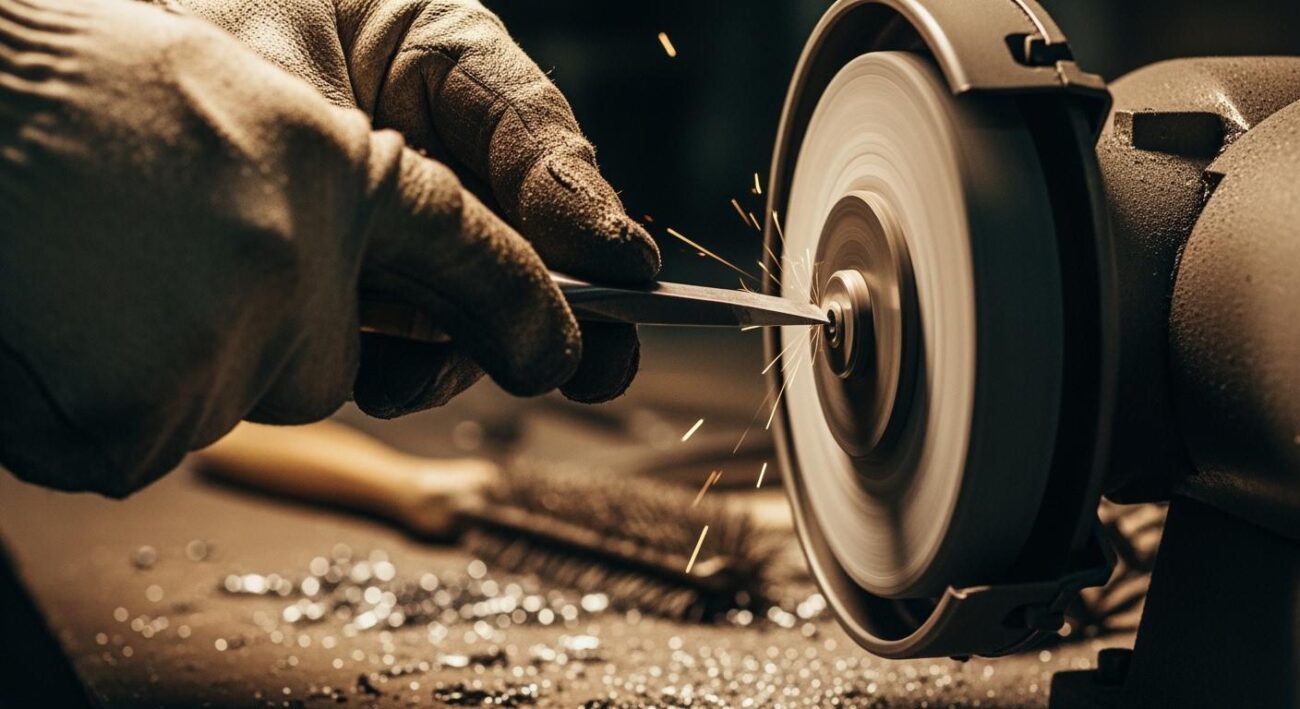
Grinding wheel grit changes how your ceramic project turns out. If you pick a coarse grit, you remove material quickly but may leave scratches. Fine grits work slower but give you a smoother finish. The type of diamond grit also matters. P-diamond grit has many micro-cutting edges. This makes the grinding process gentle and reduces the force on your ceramic part. M-diamond grit acts more aggressively. It creates higher grinding forces and can cause more damage to the bond.
Here is a simple table to show the differences:
| Grit Type | Undeformed Chip Thickness | Grinding Force | Bond Damage Level |
|---|---|---|---|
| P-diamond | Small | Lower | Less |
| M-diamond | Large | Higher | More |
When you choose grinding wheel grit, you also control how much force you use and how much wear happens to your grinding wheel. Picking the right grit helps you avoid cracks, chips, and wasted material. You get better results and a longer-lasting tool.
Ceramic Material Properties and Grit Selection
Types of Ceramics for Grinding
You will find many types of ceramics in grinding work. Each type has its own properties and challenges. Some types are harder, while others are more brittle or softer. Here are some common types you might see:
- Alumina stands out as one of the most used types. It resists wear and works well for high-profile milling.
- Silicon carbide is another type. It costs more but helps reduce contamination in your process.
- Yttria stabilized zirconia, or YSZ, is a type known for high durability and low contamination.
- Tungsten carbide is the hardest type. You will see it in many shapes, but it is more expensive than other types.
- Stainless steel is a type used in food processing. It is hard and does not rust easily.
- Glass media is a type that is affordable and good for jobs needing roundness.
- Through-hardened carbon is a cheaper type. It is useful in the food industry.
You need to know the types of ceramics you work with. Each type will affect your choice of grinding wheel grit.
Matching Grit to Ceramic Hardness
When you choose a grit size, you must think about the hardness of the ceramic type. Harder types need a different approach than softer types. For hard types like tungsten carbide or YSZ, you should use a coarser grit at first. This helps you remove material faster. As you move to finishing, switch to a finer grit. This gives you a smoother surface and less risk of cracks.
For softer types, you can start with a medium grit. You do not need to remove as much material, so a finer grit works well for the final step. Always match the grit to the type of ceramic and the step in your process. This helps you get the best results and keeps your grinding wheel in good shape.
Tip: Knowing the types of ceramics and their hardness helps you pick the right grit every time.
Bond Types in Grinding Wheels
Resin, Metal, and Vitrified Bonds
When you choose grinding wheels for ceramics, you need to understand the different bond types. Each bond holds the abrasive grains in place and affects how the wheel performs. The three main bond types are resin, metal, and vitrified. You can see their key properties and strengths in the table below:
| Bond Type | Key Properties | Strengths |
|---|---|---|
| Vitrified | High rigidity and strength, porosity, chemical inertness, excellent form holding | Precision grinding, high stock removal rates, versatility with conventional abrasives, long life |
| Resinoid | Good strength and toughness | Suitable for demanding operations, withstands higher mechanical stresses |
| Metal | Strong retention of abrasive grain, rigidity | Ideal for grinding highly abrasive materials, excellent wheel life and form holding |
Vitrified bonds give you a stiff and strong wheel. These wheels keep their shape and allow for aggressive material removal. Resin bonds offer toughness and can handle higher mechanical stress. Metal bonds provide strong grain retention and last a long time, even when you grind tough ceramics.
Choosing the Right Bond for Ceramics
You need to match the bond type to your ceramic and your grinding wheel grades. Vitrified bonds work best for high-hardness ceramics. They have high rigidity and strength, so you can remove material quickly and keep tight tolerances. Their tiny pores help prevent wheel loading and allow coolant to reach the grinding area. This keeps your ceramic cool and reduces the risk of cracks.
If you need a wheel that can handle tough jobs, resin bonds are a good choice. They work well with medium grinding wheel grades and can take on demanding operations. Metal bonds are best when you need a wheel that lasts a long time and holds its shape. You will find these useful for high-wear applications and for certain grinding wheel grades that require extra durability.
Aimgrind offers diamond grinding wheels in all three bond types. You can choose the right bond and grinding wheel grades for your ceramic process. This helps you get the best results, whether you need fast stock removal or a fine finish.
Surface Finish and Grit Size
Coarse vs. Fine Grit for Ceramics
You need to understand how grit size affects the surface finish of ceramics. When you use a coarse grit, you remove material quickly. This leaves a rough surface finish. Fine grit works slower but gives you a much smoother surface finish. The choice of grit grade changes the way your ceramic part looks and feels.
Here is a simple table to help you see the difference:
| Grit Type | Grit Range | Purpose |
|---|---|---|
| Coarse Grit | P8 – P80 | Aggressive stock removal, rough surface finish |
| Fine Grit | P240 and finer | Finishing tasks, smooth surface finish |
If you start with a coarse grit, you can shape your ceramic fast. You will see a rough surface finish at this stage. As you move to a finer grit, the surface finish improves. Each step with a finer grit grade makes the surface finish smoother. You should always match the grit grade to the step you are working on.
Achieving Desired Surface Finish
To get the surface finish you want, you must pick the right grit grade for each step. For roughing, use a coarse grit. This step gives you a rough surface finish but removes material fast. For finishing, switch to a medium or fine grit. This step improves the surface finish and prepares the ceramic for polishing.
If you want a mirror-like surface finish on advanced ceramics, you need to use very fine grit grades. The table below shows which grit sizes help you reach different levels of surface finish:
| Grit Size | Effect on Surface Finish |
|---|---|
| 1000# | Initial sharpening surface finish |
| 3000# | Pre-polishing surface finish |
| 1.4 / 0.6 micron | Mirror-like surface finish |
When you use fine grit, you must watch for heat. Fine grit creates more heat during grinding. Too much heat can damage the surface finish or wear out your grinding wheel. Wet grinding helps control heat and keeps your surface finish high.
You should always check the surface finish after each step. If you see scratches, use a finer grit grade. If you want a glossy surface finish, keep moving to finer grit grades until you reach your goal. The right grit grade at each step gives you the best surface finish and keeps your ceramics strong.
Tip: Always use the correct grit grade for each ceramic step. This helps you get the perfect surface finish every time.
Grit Selection Guidelines for Ceramics
Step-by-Step Grit Selection Chart
You can follow a clear process for grit selection during each ceramic grinding step. This helps you meet your surface finish requirements and improve performance. Use this chart to guide your grinding wheel selection:
- Start with a coarse grit (such as 100 grit) for heavy material removal. This step shapes your ceramic and removes defects quickly.
- Move to a medium grit for general grinding. Medium grits work well for cylindrical and centerless grinding. They balance material removal rate and surface finish.
- Switch to a fine grit (such as 400 grit or finer) for finishing. Fine grits help you achieve a smooth surface and meet strict surface finish requirements.
- Use extra-fine grits for polishing or superfinishing. These grits create a mirror-like finish and prepare the ceramic for its final use.
Tip: Always match the grain size to your material removal rate and the surface finish you want. Skipping steps can lead to scratches and poor results.
Technical Variables to Consider
You need to think about several technical variables during grinding wheel selection. These variables affect grit selection, performance, and the final result. The table below shows the most important factors:
| Parameter | Recommendation |
|---|---|
| Grit Size | 100 Grit for roughing |
| Bond Type | Metal Bond for ceramics |
| Finishing Grit | 400 Grit Resin Bond for polishing |
| Critical Parameter | Check run-out (concentricity) |
You should also consider the material removal rate. Coarse grits remove more material but may wear the wheel faster. Fine grits give a better finish but can dull quickly. The right selection keeps your grinding wheel sharp and extends its life.
You can also think about environmental impact. Dry-applied grits use less water and energy. They create less waste and dust, which helps you work in a cleaner and more sustainable way.
Common Mistakes to Avoid
Many people make mistakes during grit selection. These mistakes can lower performance and damage your ceramics. The table below lists common errors and how you can avoid them:
| Mistake | Description | Solution |
|---|---|---|
| Skipping grit steps | Jumping from coarse to fine grits creates micro-scratches | Follow recommended grit progressions |
| Inadequate water cooling | Not enough water leads to streaking and tool wear | Maintain adequate water flow throughout the process |
| Improper machine speed | One-speed-fits-all can damage tiles | Adjust speed based on grit and tile type |
| Inconsistent movement | Irregular patterns cause uneven finishes | Use systematic movement patterns |
| Incompatible abrasive choice | Same abrasives for all tiles give poor results | Select abrasives for each tile type |
Note: You can always contact Aimgrind for custom grit selection support. Aimgrind’s experts help you match the right grinding wheel selection to your ceramic type, application, and equipment. This ensures you get the best performance and surface finish every time.
Aimgrind Diamond Grinding Wheels for Ceramics
Product Features and Advantages
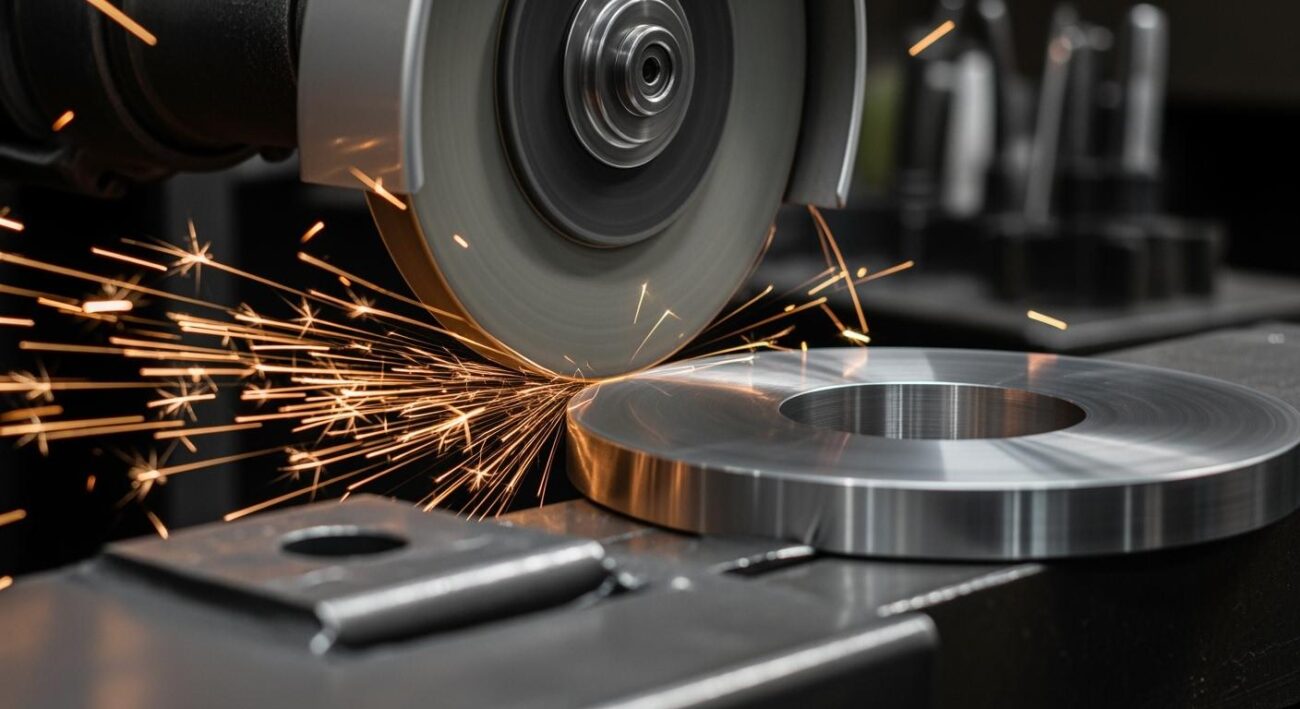
You want the best results when you work with ceramics. Aimgrind diamond grinding wheels give you a clear advantage. These wheels use advanced diamond abrasives that cut through hard materials with ease. You get high grinding efficiency and a smooth finish every time. The grinding wheel stays sharp longer, so you spend less time on maintenance and more time on your work.
Here is a table that shows why Aimgrind diamond grinding wheels stand out:
| Advantage | Description |
|---|---|
| Hardness | The diamond grinding wheel handles hard ceramics with ease. |
| Wear Resistance | You get longer life and less frequent dressing. |
| Thermal Conductivity | The grinding wheel keeps cool, which protects your ceramic parts. |
You also save money over time. While the initial cost of a diamond grinding wheel is higher than traditional wheels, you get much more use out of each wheel. The cost per hour drops, and you spend less on replacements. Over a 1000-hour cycle, you can save up to $1,200 in labor and downtime. This makes Aimgrind diamond grinding wheels a smart investment for any ceramic grinding job.
Custom Solutions for Ceramic Grinding
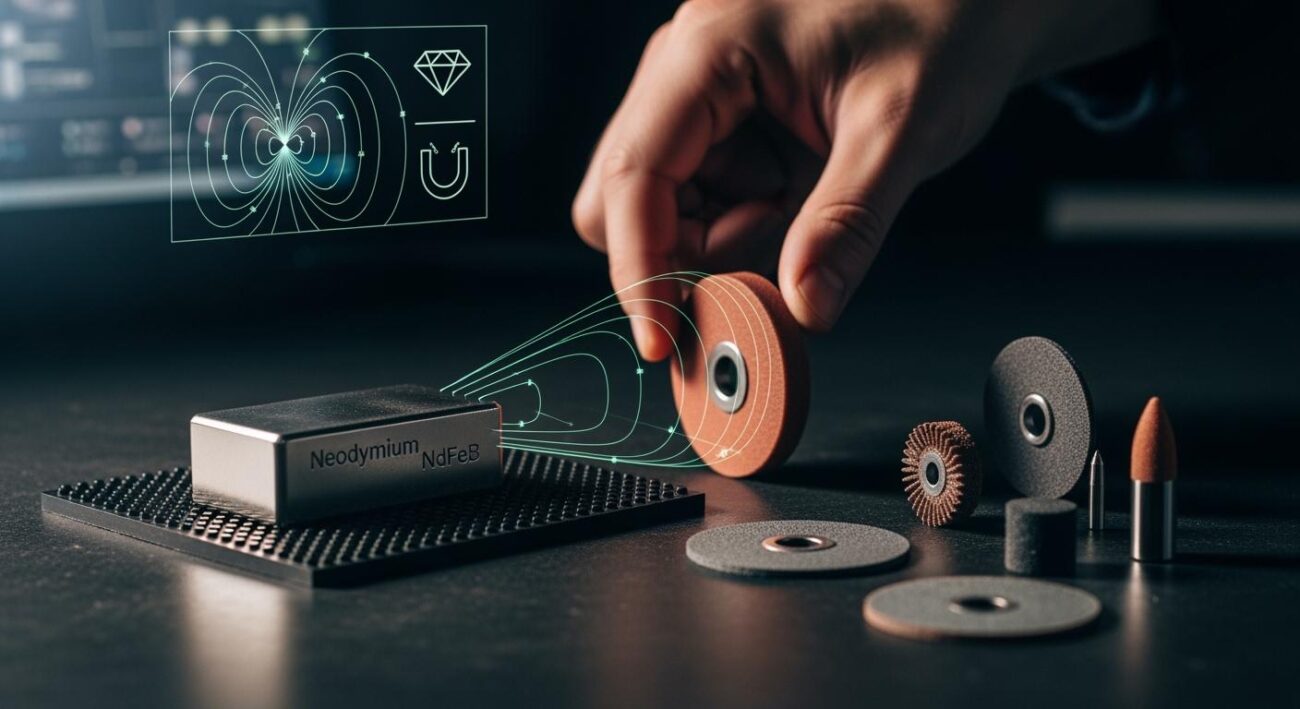
Every ceramic grinding project is different. You need a grinding wheel that matches your material, your process, and your equipment. Aimgrind offers custom solutions for all grinding wheel types, including diamond and cbn wheels. You can choose the grit size, bond type, and wheel shape that fit your needs.
Aimgrind supports you with a full service process:
- You get help with problem diagnosis and parameter matching.
- You receive guidance on selecting the right grinding wheel and grit.
- You can request sample optimization to test the grinding performance.
You also benefit from the latest grinding wheel technology. Aimgrind uses engineered abrasives and microtextured brazed diamond wheels. These innovations boost your grinding speed and keep your surface quality high. You can use Aimgrind diamond grinding wheels for precision grinding in industries like aerospace, glass, and tool manufacturing. You get reliable results, whether you need rough grinding or a fine grit finish.
Tip: For best results, clean and dress your grinding wheel regularly. Use the right coolant and inspect your grinding wheel for wear. Adjust your feed rate and speed to get the most out of your diamond or cbn grinding wheel.
You improve every ceramic step when you match the right grit size to your process. This choice boosts your processing speeds by 35% and extends tool life by 60%. See the benefits in the table below:
| Benefit | Improvement Percentage |
|---|---|
| Processing Speeds | 35% |
| Tool Life | 60% |
You also gain these advantages:
- Improved processing speeds
- Longer tool life
- Better surface finish
- Higher operational efficiency
The right grit size lowers costs and gives you a better surface on every part. Aimgrind’s diamond grinding wheels and expert support help you select the best grit for each ceramic step. You can trust Aimgrind to help you achieve a flawless surface and reach your production goals. For custom grinding solutions, contact Aimgrind and see how you can improve your surface quality and efficiency.
FAQ
What grit size should you use for rough grinding ceramics?
You should start with a coarse grit, such as 80 or 100. This grit removes material quickly and shapes your ceramic part. Always check your ceramic type before choosing the grit.
How do you know when to switch to a finer grit?
You should switch when the surface looks even and most defects are gone. Finer grits help you get a smoother finish and prepare for polishing.
Can you use the same grinding wheel for all ceramic types?
No, you should match the wheel and grit to your ceramic type. Harder ceramics need coarser grits at first. Softer ceramics work better with medium or fine grits.
Why choose Aimgrind diamond grinding wheels for ceramics?
| Feature | Benefit |
|---|---|
| High hardness | Handles tough ceramics easily |
| Long life | Reduces wheel changes |
| Custom options | Fits your exact application |
You get better results and save time.
Contact Us
For More Grinding Solution or Customized Abrasive Tools