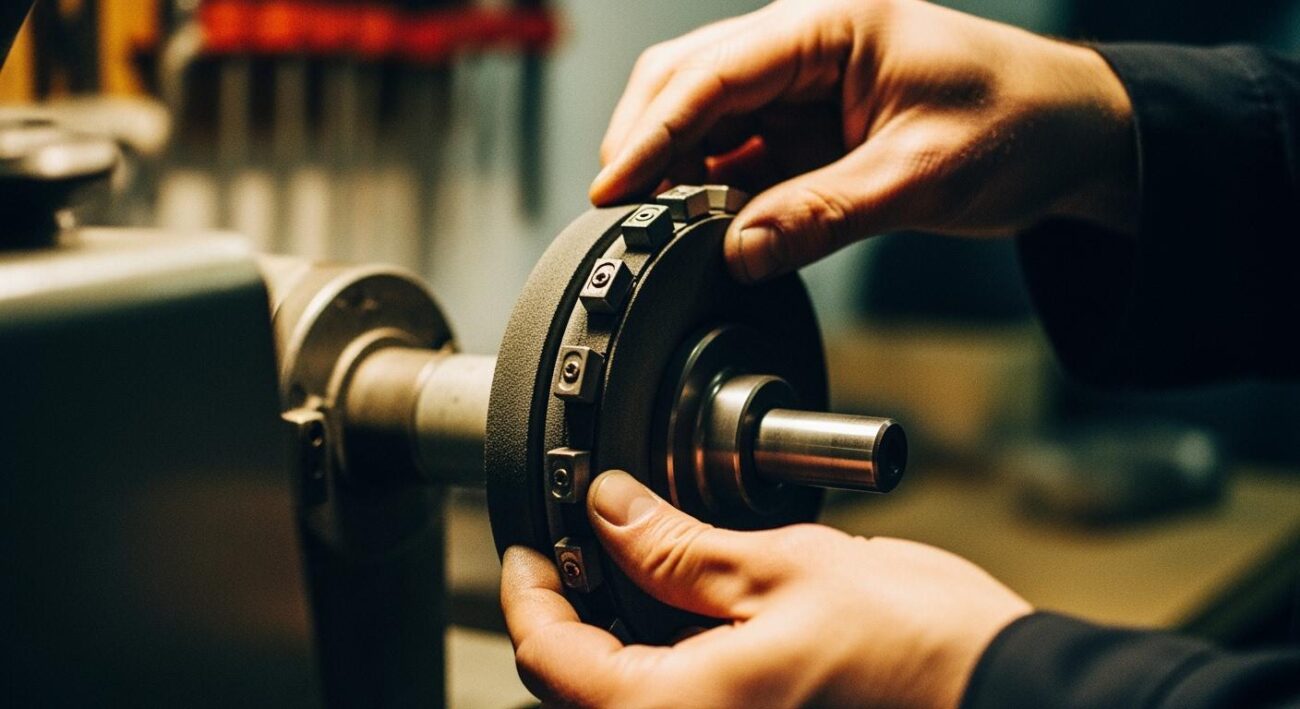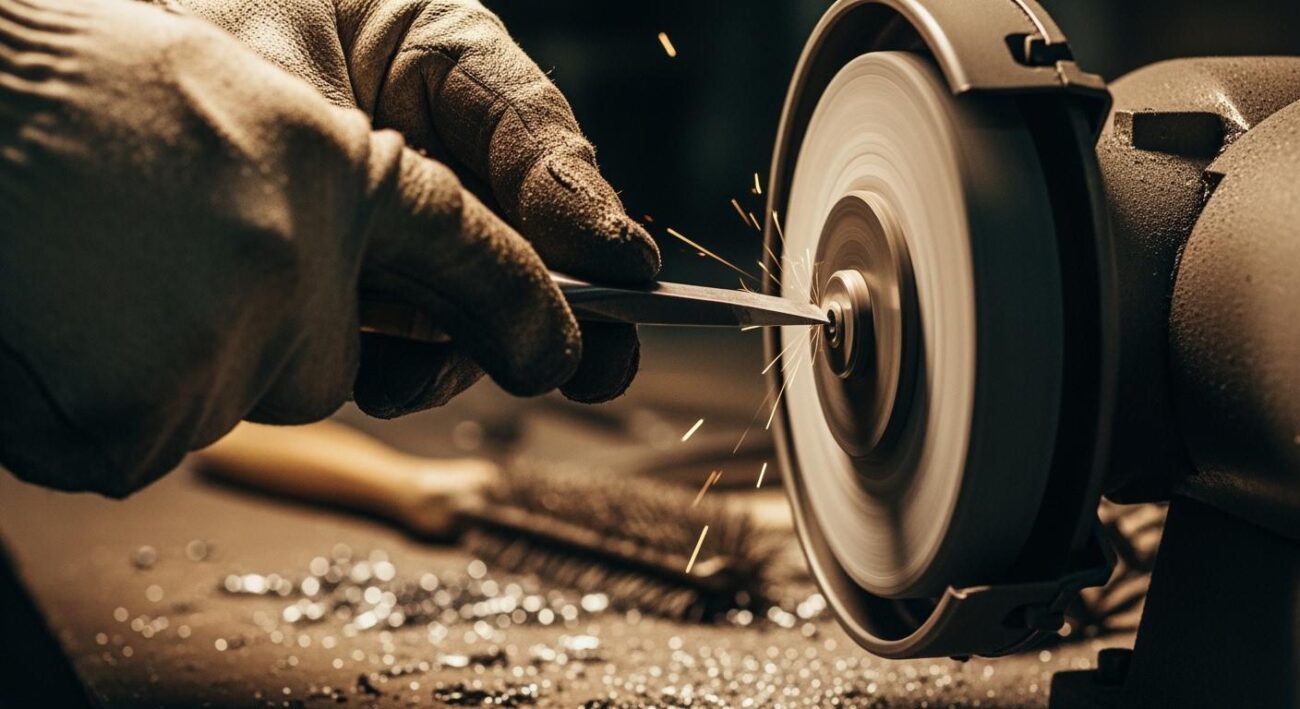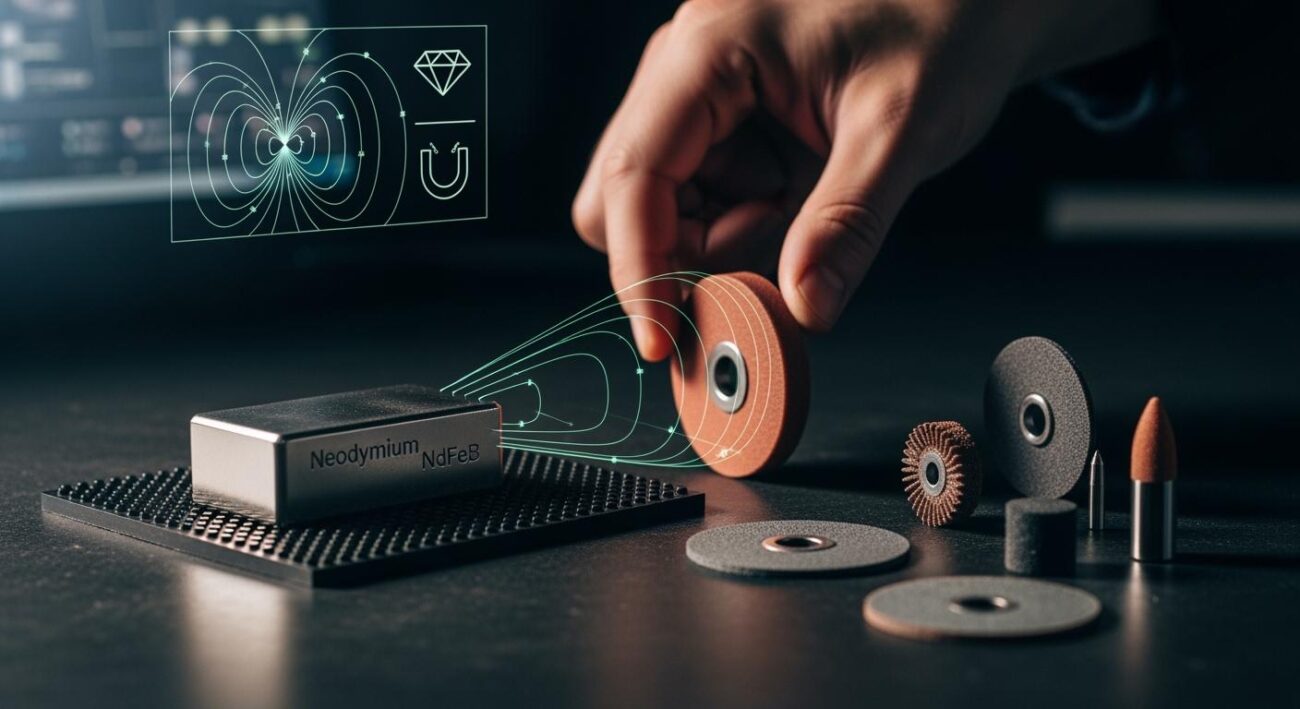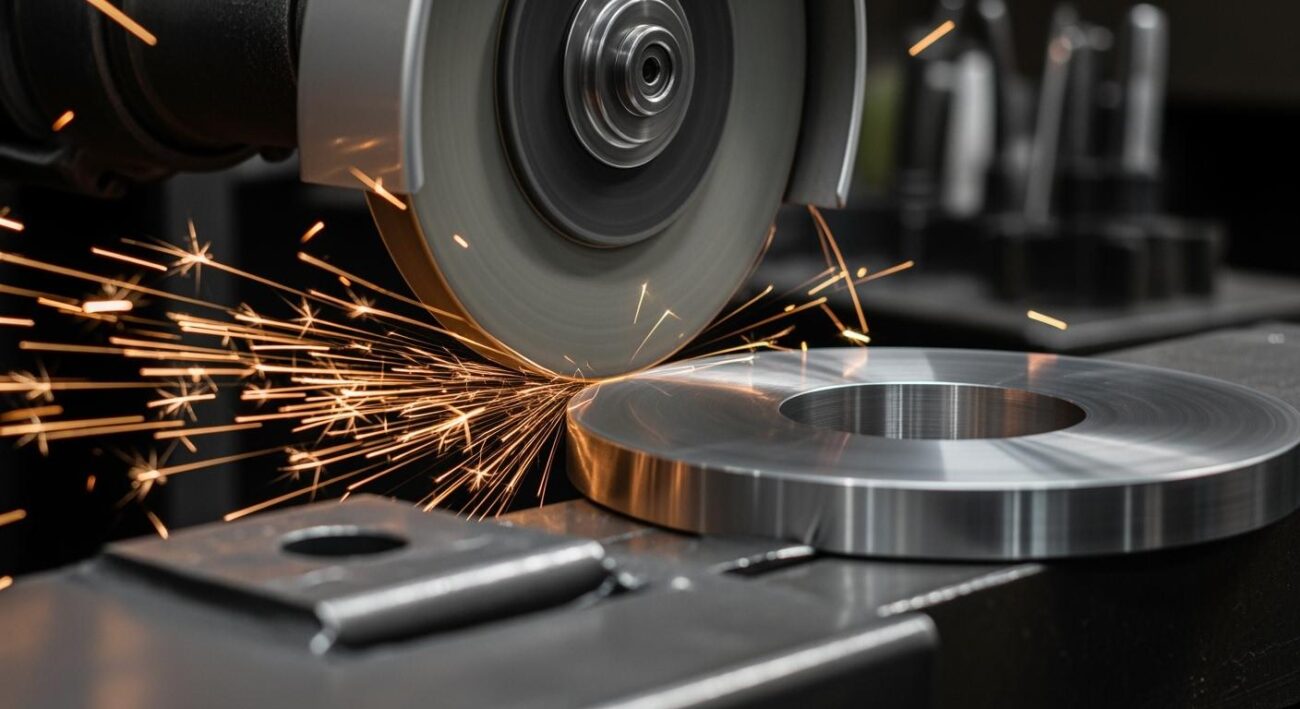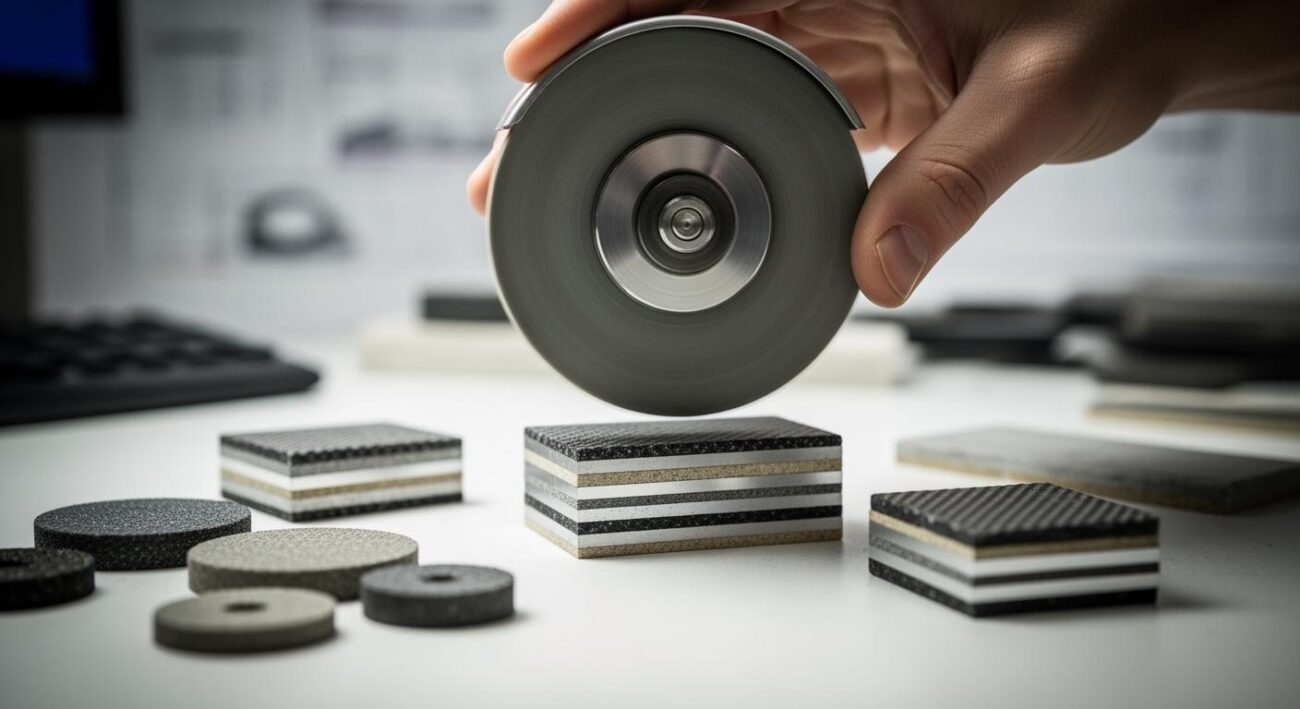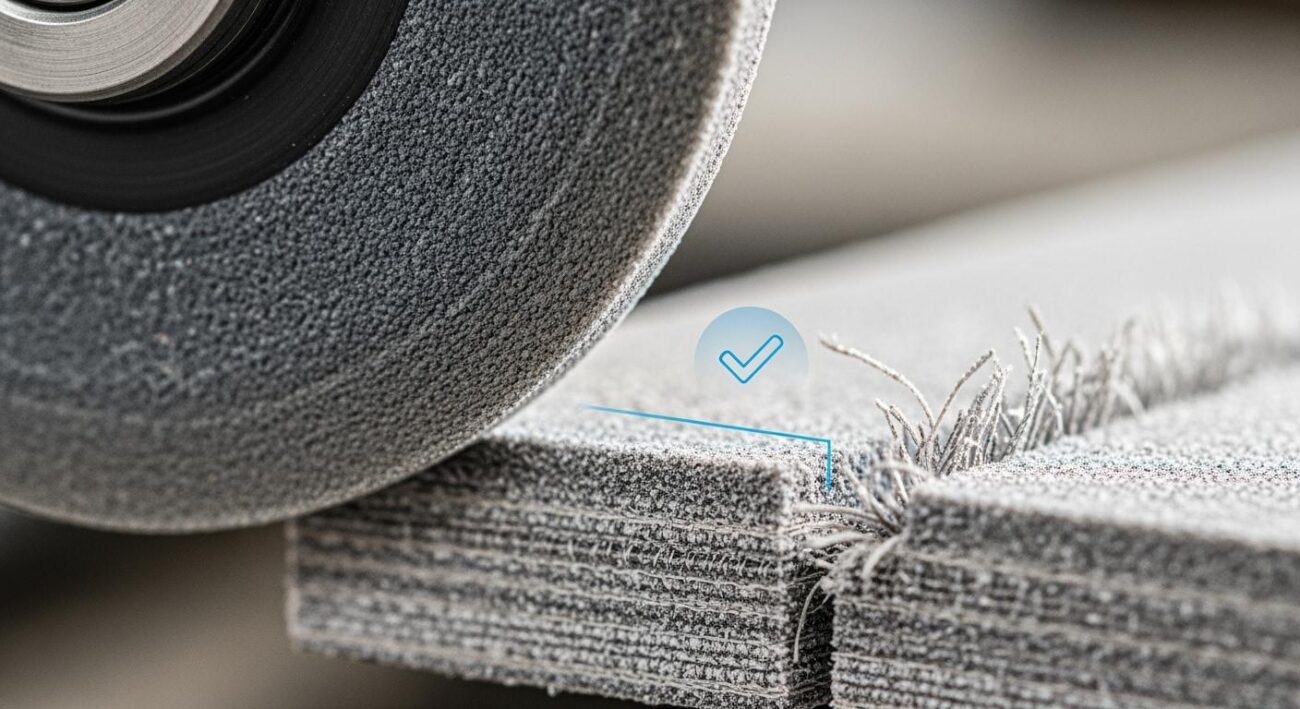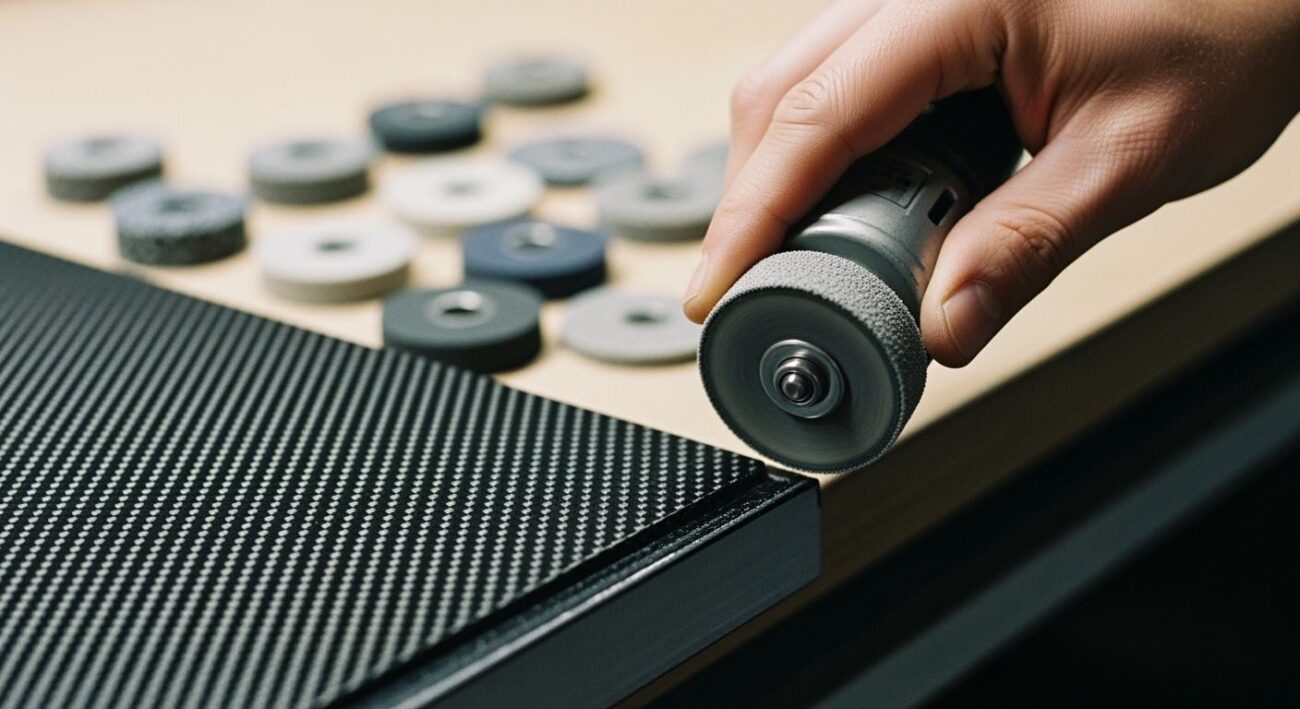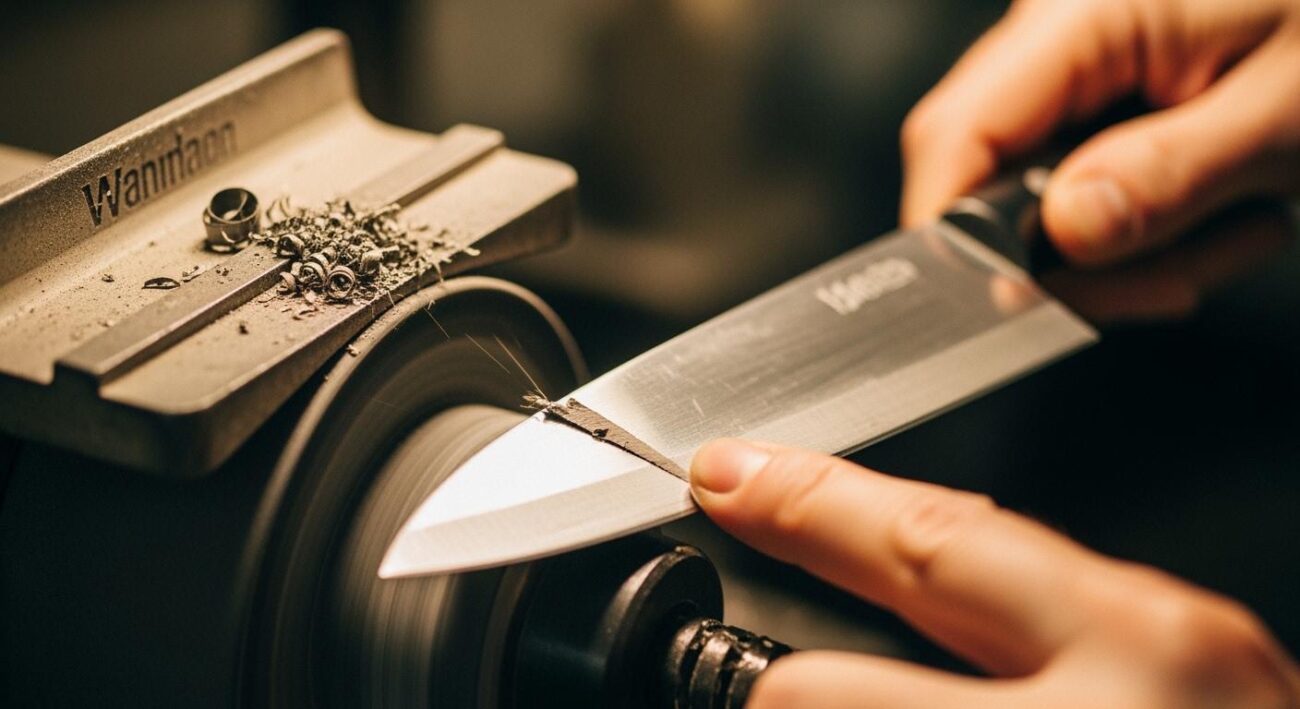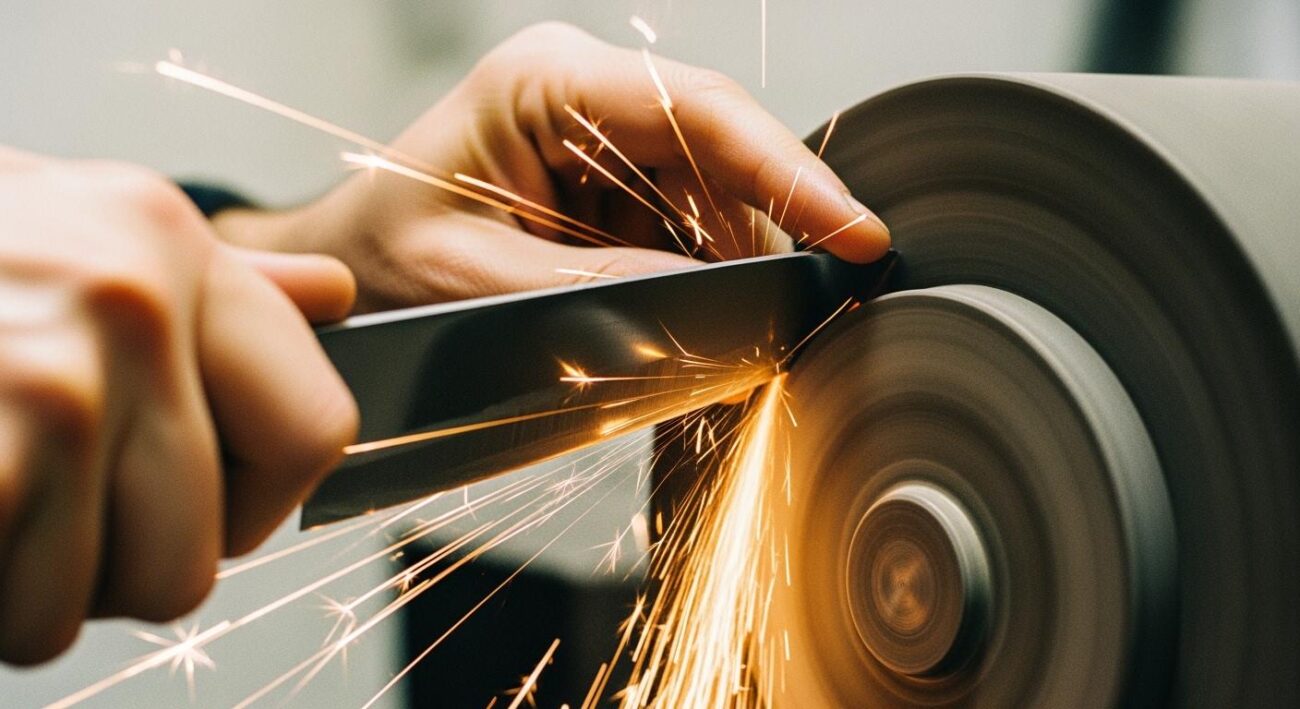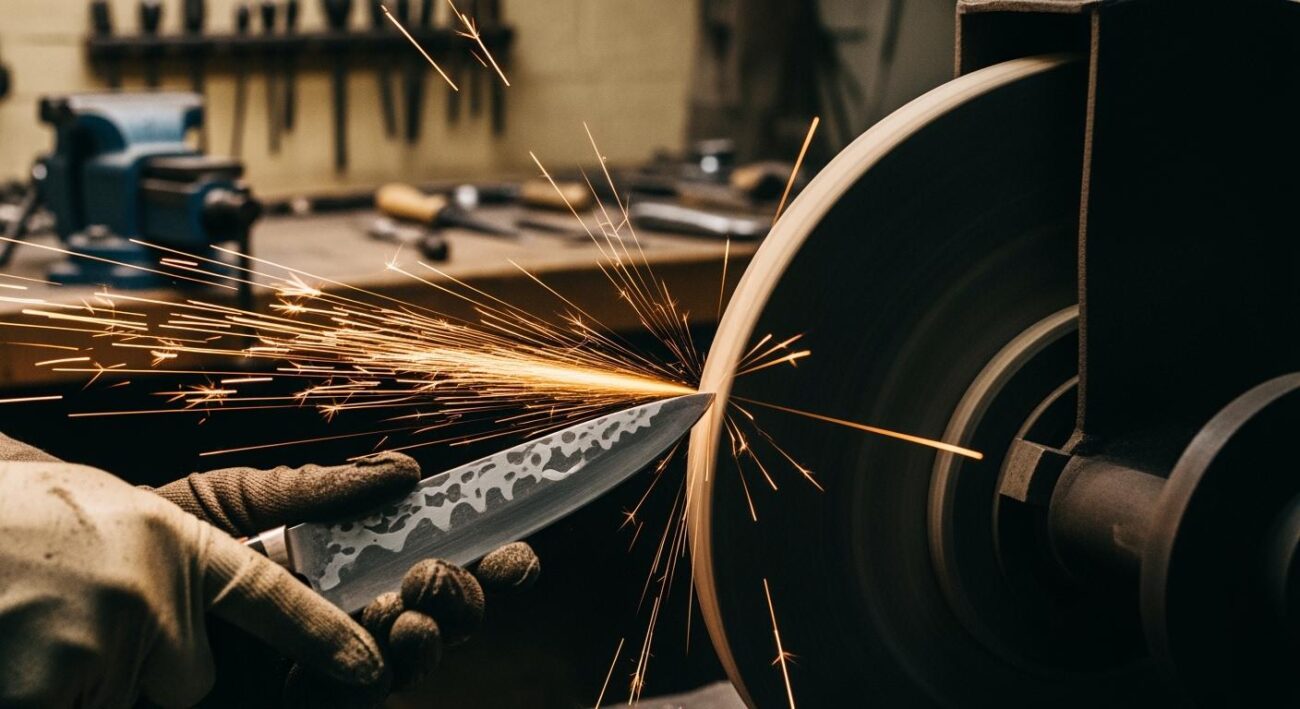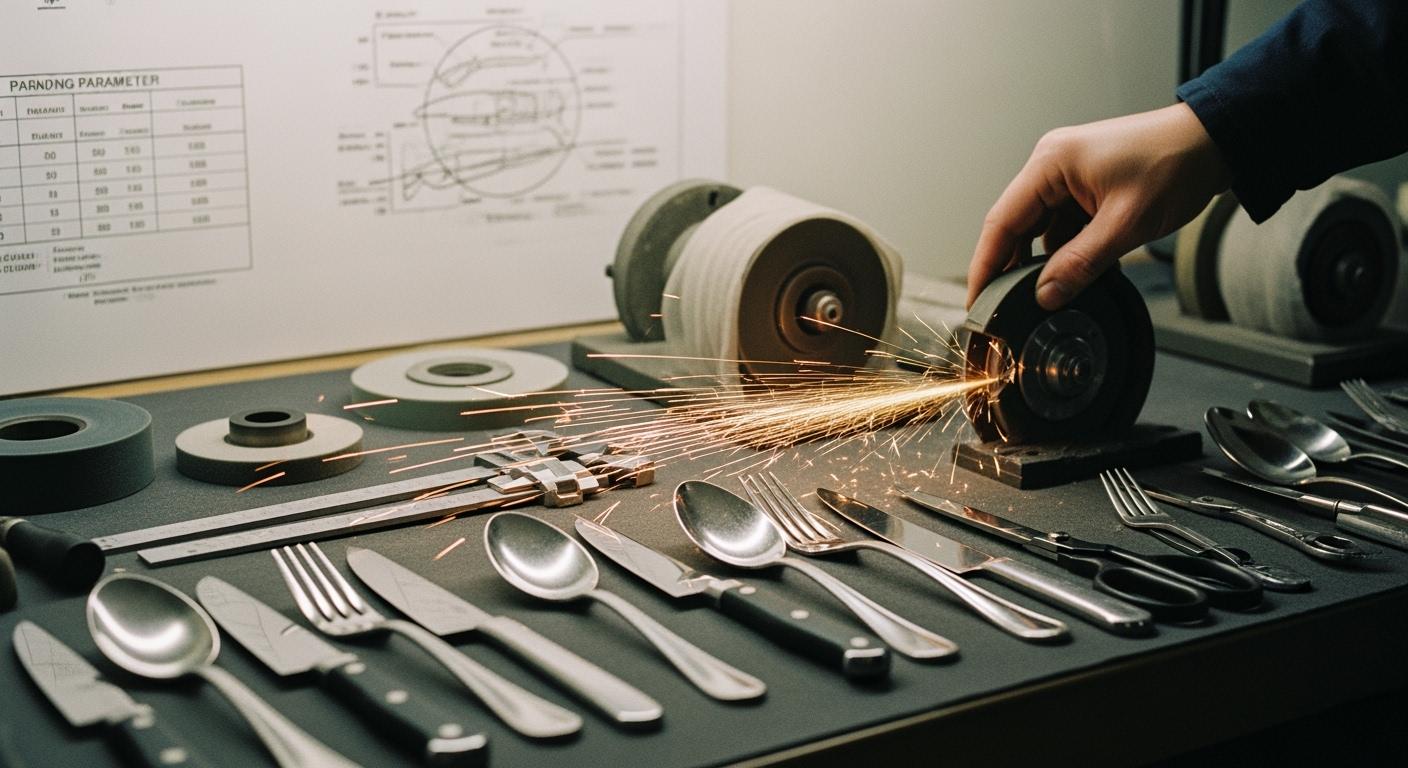
You need to choose grinding wheels by matching the wheel type, grit size, bond, hardness, and shape with the specific needs of knives, forks, spoons, and shears. Each tool requires a different approach for best results. Aimgrind provides customized grinding solutions that help you get the right fit every time. When you know how to Choose Grinding Wheels, you improve both performance and tool life.
Key Takeaways
- Choose the right grinding wheel by matching it to the material of your cutlery. This prevents damage and ensures optimal performance.
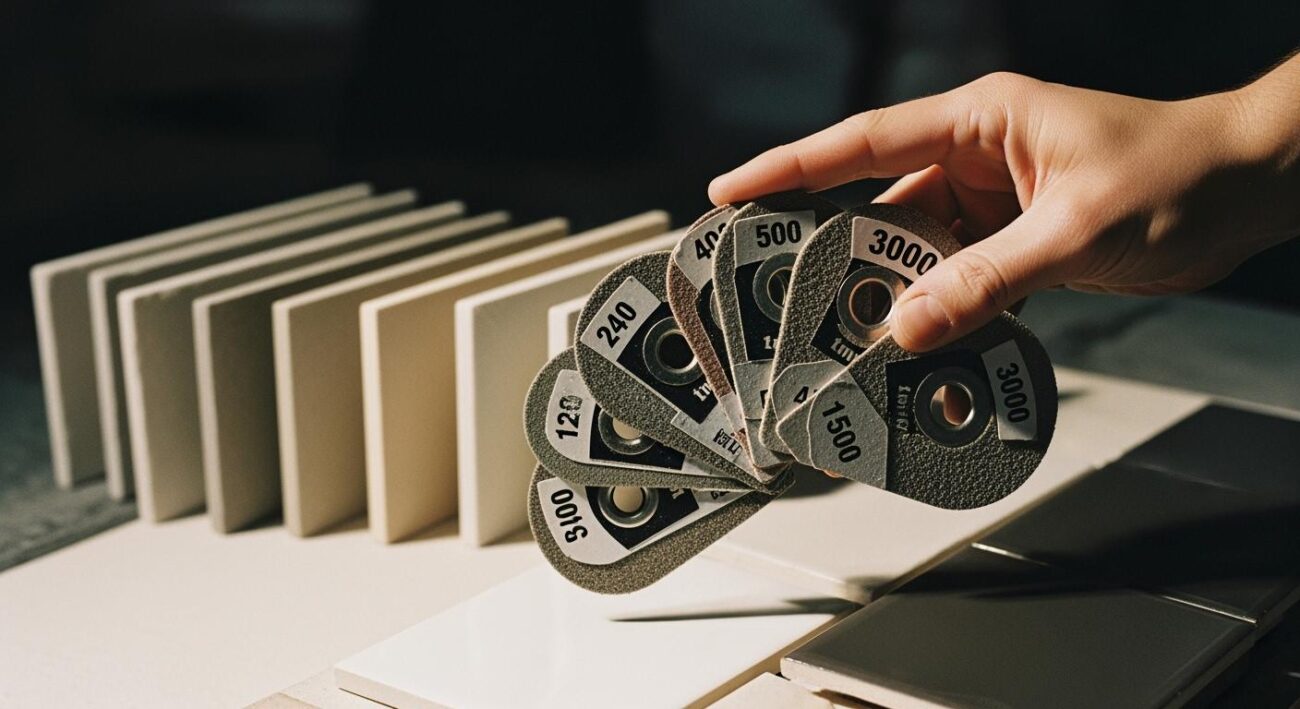
- Select the appropriate grit size for your task. Coarse grits remove material quickly, while fine grits are best for sharpening and polishing.
- Consider the bond type of the wheel. Resin bonds provide smooth finishes, while metal bonds are ideal for hard materials.
- Pay attention to wheel shape and RPM. The right shape matches the tool, and correct RPM ensures safety and effective cutting.
- Regularly maintain your grinding wheels and machine. This extends wheel life and improves the quality of your cutlery.
Grinding Wheel Basics for Cutlery
Types and Materials
When you work with cutlery, you see many types of grinding wheels. Each type uses different materials to match the hardness and toughness of the metal. Here are some common grinding wheel materials you will find in the cutlery industry:
- Ceramic alumina works well for hard-to-grind metals like stainless steel and titanium.
- Zirconia alumina cuts fast and handles steel and stainless steel with ease.
- White aluminum oxide is a good choice for stainless steel and harder-grade steel.
- Aluminum oxide offers a cost-effective solution for steel and iron.
- Silicon carbide is very hard and sharp, making it best for softer metals.
- Silicon carbide/aluminum oxide blends are effective for aluminum and soft alloys.
You need to know the material of your knife, fork, spoon, or shear before you Choose Grinding Wheels. This helps you get the best results and avoid damage.
Abrasives and Bonds
Grinding wheels use different abrasives and bonds. The abrasive does the cutting, while the bond holds the grains together. You can see the main types in the table below:
| Type of Abrasive | Common Bonds Used |
|---|---|
| Aluminium Oxide | Clay, Resin, Glass, Rubber |
| Silicon Carbide | Clay, Resin, Glass, Rubber |
| Tungsten Carbide | Clay, Resin, Glass, Rubber |
| Garnet | Clay, Resin, Glass, Rubber |
The choice of abrasive and bond changes the surface finish and durability of your cutlery. For example, a fine abrasive with a hard bond gives a smooth finish and lasts longer. A coarse abrasive with a soft bond removes material quickly but may not leave a smooth surface.
Relevance to Knives, Forks, Spoons, Shears
Knives, forks, spoons, and shears each have unique grinding needs. Stainless steel cutlery needs wheels that can handle high grinding force and resist work hardening. Carbon steel is easier to grind and less likely to deform. The table below shows the differences:
| Characteristic | Stainless Steel | Carbon Steel |
|---|---|---|
| Grinding Force | High | Lower |
| Work Hardening | Severe | Less |
| Grinding Dust Adhesion | High | Lower |
| Grinding Ratio | 6-12 | 40-80 |
| Surface Burning | Common | Less |
| Surface Scratches | Easily scratched | Less prone |
| Workpiece Deformation | High | Lower |
You should always match your grinding wheel to the type of metal and the tool shape. This ensures you get sharp, smooth, and long-lasting cutlery.
How to Choose Grinding Wheels and Parameters
Material Compatibility
When you choose grinding wheels for knives, forks, spoons, and shears, you must match the wheel to the material. Stainless steel, carbon steel, and alloy steel each need a different approach. If you use the wrong wheel, you can damage your tools or wear out the wheel too fast.
- Abrasive material matters. Aluminum oxide works well for steel and steel alloys. Diamond grinding wheels from Aimgrind are perfect for hard alloys and ceramics.
- The bond type must fit the material. Resin bonds give a smooth finish. Vitrified bonds cut fast and stay cool.
- Wheel speed changes performance. Some wheels work best at high speeds, while others need slower speeds.
- The contact area affects your choice. A large contact area needs a softer grade and coarser grit. A small area works better with finer grit and harder grades.
- Pressure resistance is important. If your grinding machine has high horsepower, you need a wheel that can handle the pressure.
Aimgrind helps you choose grinding wheels that match your material and machine. This ensures you get the best cutting action and a long-lasting wheel.
Tip: Always check the material of your cutlery before you choose grinding wheels. This step saves you time and money.
Grit and Grade Selection
Grit size and grade decide how smooth or rough your finish will be. They also affect how fast you can remove material.
- Coarse grits remove material quickly. Use them when you do not need a fine finish.
- Medium grits give you more control and a better finish during heavy grinding.
- Fine and extra-fine grits are best for sharpening and polishing. They leave a smooth edge on knives and shears.
The grade of the wheel tells you how hard or soft the bond is.
- Soft grades (A-H) break down quickly. They expose new abrasive grains, which is good for hard materials.
- Hard grades (Q-Z) last longer on softer metals. They hold their shape and give a better finish.
If you grind thin cutlery, use a softer wheel to avoid burning the metal. For thick items, a harder wheel gives you a smooth finish. Aimgrind offers diamond grinding wheels in many grit sizes and grades, so you can always find the right match for your job.
Bond Types and Hardness
The bond holds the abrasive grains together. You must choose the right bond for your cutlery and grinding process.
| Bond Type | Advantages |
|---|---|
| Resin Bond | Versatile, works for many methods, great for fine finishes |
| Metal Bond | Holds shape well, lasts long, good for hard materials |
| Vitrified Bond | Strong, lets coolant in, increases grinding speed |
Resin bonds are common for cutlery because they give a smooth finish. Metal bonds are best when you need the wheel to keep its shape for a long time. Vitrified bonds work well when you need fast grinding and good cooling.
The hardness of the wheel also matters. Hard wheels last longer but can glaze and lose their cutting edge. Soft wheels wear faster but keep cutting well. Aimgrind can help you choose grinding wheels with the right bond and hardness for your needs.
Wheel Shape and RPM
Wheel shape affects how you grind each tool. Flat wheels are good for straight edges, like knives and shears. Cup wheels work well for curved surfaces, such as spoons. You must pick the right shape to match the tool and the grinding task.
RPM stands for revolutions per minute. It tells you how fast the wheel spins. Each wheel has a safe speed range. If you run the wheel too fast, it can break. If you run it too slow, it will not cut well. Always check the label and match the RPM to your grinding machine.
Aimgrind offers many wheel shapes and sizes. You can find flat, cup, and custom shapes to fit your equipment. Their diamond grinding wheels work at both high and low speeds, giving you flexibility for different jobs.
Note: When you choose grinding wheels, always consider the shape and RPM. This keeps you safe and helps you get the best results.
If you want to choose grinding wheels that give you sharp, smooth, and long-lasting cutlery, Aimgrind can help. Their experts will match the wheel to your material, machine, and process. You get better performance and less downtime.
Tips, Mistakes, and Safety
Performance Optimization
You can get better results from your grinding process by following a few simple tips. Start by checking your grinding wheel before each use. Look for cracks or chips. Replace damaged wheels right away. Use the right coolant to keep your tools cool and prevent burning. Adjust the feed rate and pressure to match the material and wheel type. Clean your grinding wheels often to remove metal build-up. This keeps the wheel sharp and working well. When you choose grinding wheels, match the grit and bond to your cutlery for the best finish and longest life.
Tip: Keep your grinding machine in good shape. Lubricate moving parts and check for loose bolts. A well-maintained machine gives you smoother results and lasts longer.
Common Errors
Many people make the same mistakes when grinding knives, forks, spoons, and shears. You can avoid these errors by knowing what to watch for:
- Using the wrong wheel for the material. This can cause poor finishes or damage.
- Skipping wheel balancing. An unbalanced wheel vibrates and leaves uneven edges.
- Ignoring wheel speed limits. Running a wheel too fast can cause it to break.
- Forgetting to dress the wheel. A dull wheel cuts poorly and overheats the workpiece.
- Not using enough coolant. This can lead to burning or warping the metal.
If you pay attention to these points, you will get better results and keep your tools in top shape.
Safety Guidelines
Grinding can be dangerous if you do not follow safety rules. You should always protect yourself and your workspace. Here are important safety guidelines:
- Wear eye protection, such as safety glasses or a face shield.
- Use hearing protection to block loud noise.
- Put on gloves and a long-sleeved shirt to guard against sparks and debris.
- Make sure the grinder sits on a stable surface.
- Keep your work area clean to prevent tripping.
- Have a fire extinguisher nearby in case sparks start a fire.
- Store grinder accessories in a safe place.
- Handle belts and discs with care to avoid cuts.
- Keep accessories clean for best performance.
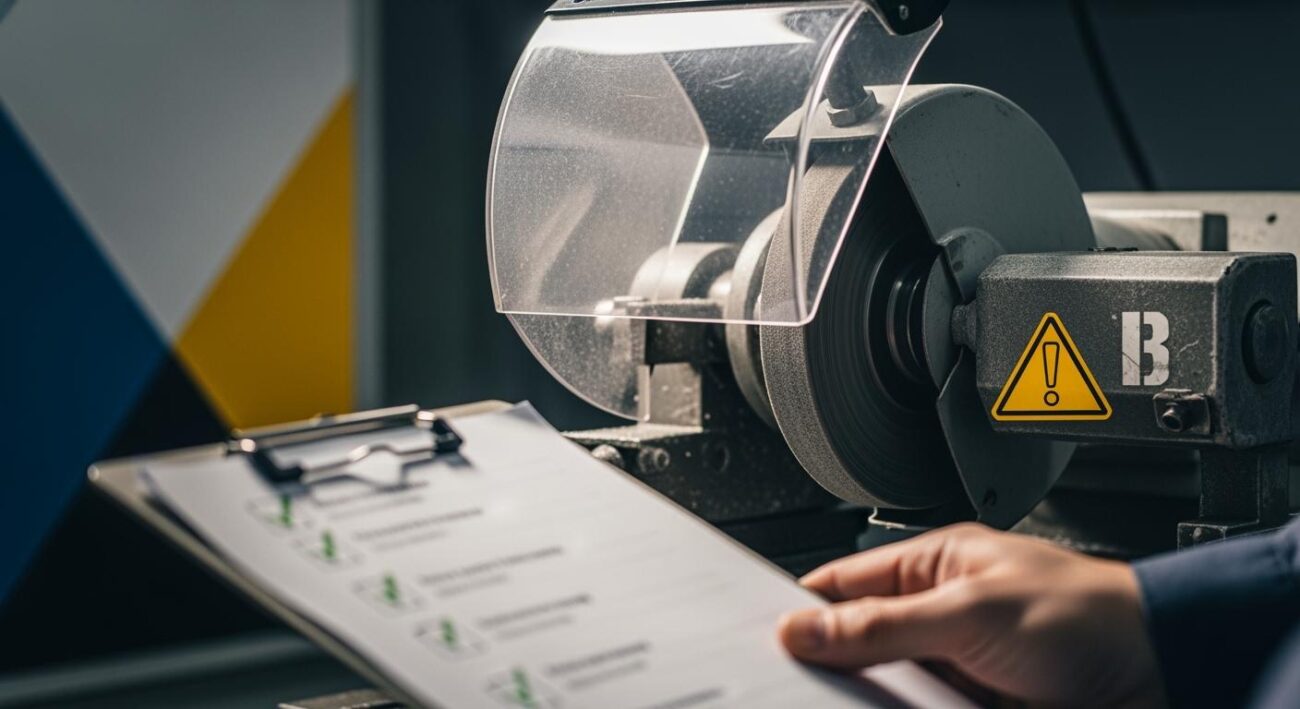
Machine guards play a big role in keeping you safe. They stop flying debris and prevent contact with moving parts. Personal protective equipment (PPE) gives you extra protection. You need to pick the right PPE, make sure it fits, and keep it in good condition. When you follow these steps, you lower your risk of injury and create a safer workspace.
You can choose the right grinding wheels by matching material, grit, bond, hardness, and shape to your cutlery and shears. Aimgrind’s diamond grinding wheels help you achieve precision and efficiency. When you follow best practices, you gain many long-term benefits:
| Benefit | Description |
|---|---|
| Improved Efficiency | The right grit size boosts your productivity. |
| Enhanced Safety | Safe grinding protects you and your team. |
| Increased Longevity of Wheels | Proper care extends wheel life by up to 30%. |
| Cost Savings | Good maintenance reduces replacement costs by 20-40%. |
| Better Quality of Products | Best practices give you a higher quality finish. |
Always put safety first. For custom solutions, reach out to Aimgrind’s experts.
FAQ
What is the best grinding wheel for stainless steel cutlery?
You should use a wheel with ceramic alumina or diamond abrasive. These materials cut hard metals well. Aimgrind’s diamond grinding wheels give you a smooth finish and last longer.
How do I know which grit size to choose?
Check your task. Use coarse grit for fast material removal. Use fine grit for sharpening and polishing. If you want a sharp edge, pick a finer grit.
Can I use one grinding wheel for all cutlery types?
You should not use one wheel for every tool. Knives, forks, spoons, and shears need different wheels. Match the wheel to the tool’s shape and material for best results.
Why does wheel speed (RPM) matter?
Wheel speed affects safety and performance. If you use the wrong RPM, the wheel can break or cut poorly. Always check the label and match the RPM to your machine.
Contact Us
For More Grinding Solution or Customized Abrasive Tools