

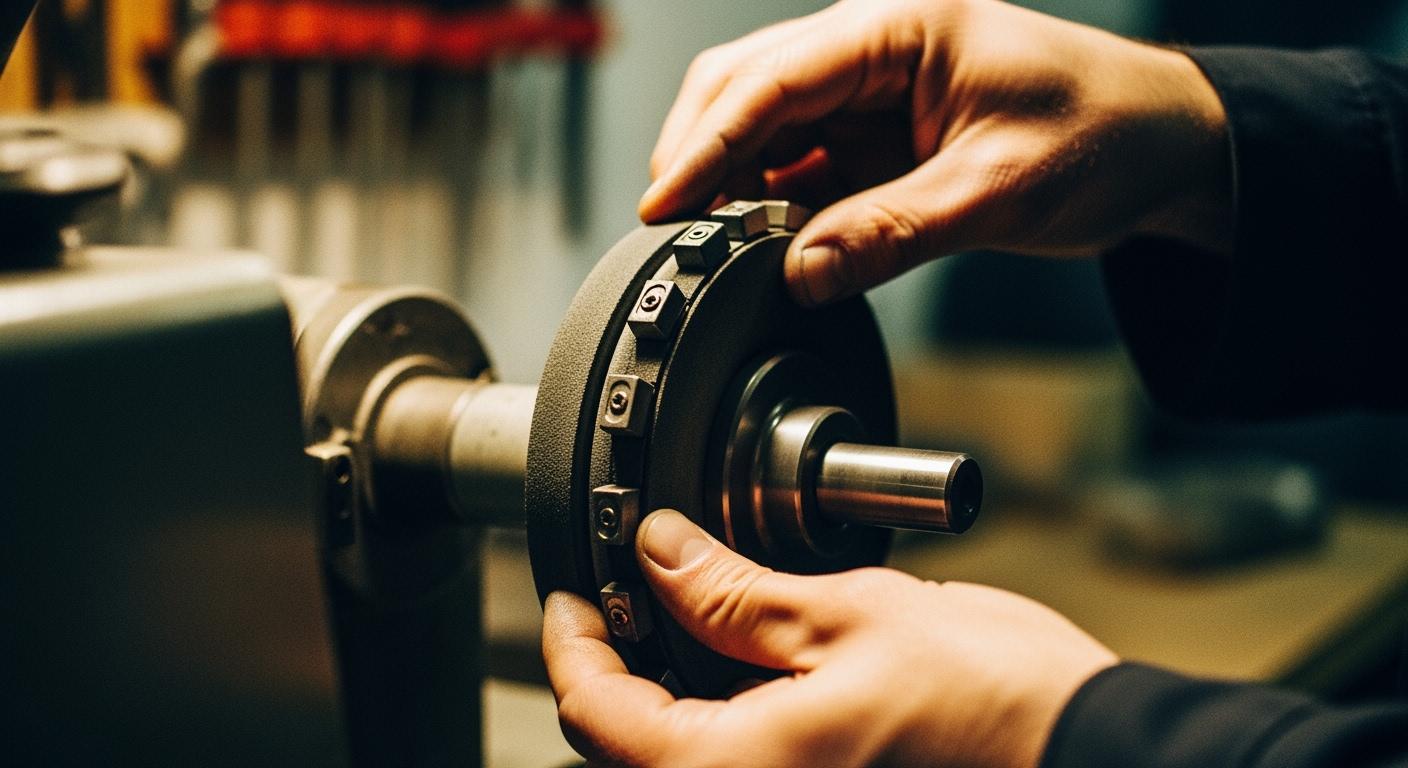
You need to balance a grinding wheel for precision operation by following key steps. First, use the correct size blotters between the wheel and flange. Next, check that the flanges match and are flat. Make sure the mount up arrow faces upward. Tighten bolts in the right sequence and use the proper torque. Balance wheels before mounting if you do not have an automatic system. Always use the right spindle speed and run the wheel without coolant for a minute. Truing and dressing procedures help keep your diamond grinding wheels in top shape. Aimgrind provides expert solutions and tools for safe and accurate grinding.
Key Takeaways
- Balancing a grinding wheel improves precision and surface quality, leading to better results in your grinding operations.
- Regular inspections and maintenance of grinding wheels prevent accidents and extend the lifespan of your equipment.
- Use the correct mounting techniques and follow the right steps to avoid common mistakes that can lead to wheel imbalance.
- Dynamic balancing is essential for high-speed operations to ensure smooth performance and protect your machinery.
- Aimgrind offers expert solutions and tools to help you achieve accurate and safe grinding processes.
Why Balance a Grinding Wheel
Precision and Surface Quality
You achieve high precision grinding when you focus on grinding wheel balance. Balanced wheels rotate evenly, which eliminates vibration and helps you reach tight tolerances. You notice improved processing accuracy because the wheel removes material consistently. If you use precision grinding machines, you see that even small imbalances can cause defects and uneven cuts. You get a consistent surface finish because the wheel moves smoothly across the workpiece. Dimensional accuracy improves, and you avoid problems like accelerated machine wear or shortened wheel life.
- Balanced wheels deliver superior surface finish and accuracy.
- You extend equipment lifespan by reducing stress on machines and wheels.
- You maximize productivity with efficient material removal.
- You maintain unwavering accuracy and uniform cuts.
Safety Considerations
You protect yourself and your equipment when you balance grinding wheels. Unbalanced wheels can spin out of control if you apply excessive pressure or use poor grinding angles. You risk damaging bearings or fracturing the wheel if you ignore balance. Damaged abrasives may fail to mount or tighten properly, which creates safety hazards. You avoid overspeeding the wheel beyond its rated RPM, a leading cause of catastrophic failure. You check for warning signs like unusual noise, excessive vibration, visible cracks, or uneven wear. You use proper mounting techniques, including correct flange size and blotters, to prevent uneven stress.
- You reduce the risk of wheel failure and workplace accidents.
- You prevent damage to machine components and maintain processing accuracy.
- You ensure safe operation by inspecting wheels regularly.
Aimgrind’s Approach
Aimgrind helps you achieve accuracy and processing accuracy by offering customized grinding wheels. You benefit from their expertise in matching wheels to your equipment and process. Aimgrind’s diamond grinding wheels support high precision grinding and consistent surface finish. You receive guidance on balancing techniques and safety practices. Aimgrind’s service process includes diagnosis, parameter matching, and sample optimization, so you always get the right solution for your needs.
Tip: Aimgrind recommends regular balancing checks to maintain dimensional accuracy and maximize the performance of your grinding wheels.
Signs You Need to Balance Grinding Wheels
Vibration and Noise
You can often spot an unbalanced grinding wheel by the way your machine sounds and feels. When you hear unusual noise or feel strong vibration, you should check the wheel balance. Sensors like acoustic emission (AE) devices help detect these vibrations. These sensors pick up chatter and high-frequency sounds that link directly to wheel imbalance. You may notice that the machine shakes or the grinding process becomes louder. These signs show that the wheel does not rotate smoothly. If you ignore these warnings, you risk damaging your equipment and lowering your grinding performance.
Tip: Always pay attention to new or increased vibration. It can signal a problem before you see any damage.
Poor Finish and Performance
You will see changes in your workpiece when the grinding wheel loses balance. The surface may look rough or uneven. You might find that part dimensions start to drift. This means you cannot keep tight tolerances. You may also notice that you spend more time troubleshooting or fixing issues. The wheel and spindle bearings can wear out faster. Operator fatigue can increase because you need to control the process more closely. All these problems reduce your overall performance and make it harder to get quality results.
Here are some common signs that show you need to balance your grinding wheel:
- Inconsistent parts production
- Rough surface finish
- Drifting dimensional accuracy
- Increased troubleshooting time
Inspection Tips
You can catch imbalance early by using simple inspection methods. Start with a visual check. Look for cracks, chips, or uneven wear on the wheel. Use a ring test to find hidden cracks that could cause failure. Balance testing helps you spot problems before they affect your work. Regular inspections keep your grinding wheel safe and effective. You should always check the wheel before each use. This habit protects your equipment and ensures top performance.
Note: A quick inspection can prevent costly downtime and keep your grinding process running smoothly.
Static Balancing Steps for Diamond Grinding Wheels
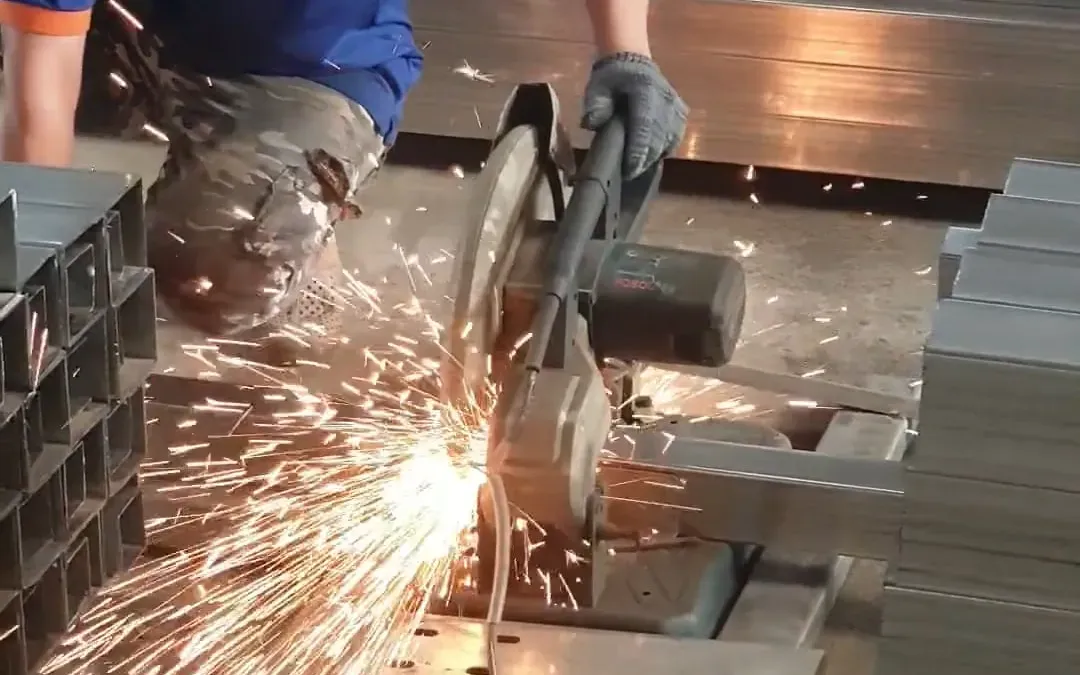
Prepare the Wheel and Equipment
You need to start with the right setup for static balancing. This step helps you achieve the best accuracy and keeps your grinding process safe. Begin by gathering all the tools and equipment you need for static balancing. Make sure you have a clean and dry diamond grinding wheel. Remove any dust or debris from the wheel and the tools. Place your balancing stand on a stable foundation. Avoid using rubber pads under the stand because they can affect the static balance. Adjust the stand with a level so it sits perfectly flat. This setup gives you a solid base for the static balancing procedure.
Here is a checklist for your preparation:
- Use a leveled balance stand, adjusted with a level.
- Clean and dry the grinding wheel and all tools.
- Set the balancing stand on a stable, hard surface.
- Avoid rubber pads under the stand.
You should also inspect the wheel before you begin. Look for cracks, chips, or other damage. If you find any problems, do not use the wheel. This inspection step protects your accuracy and safety.
Adjust the Balance of a Grinding Wheel
You can now adjust the balance of a grinding wheel using the static balancing method. This procedure helps you find and correct any heavy spots on the wheel. Follow these steps for the static balancing process:
- Place the diamond grinding wheel on the balancing stand. Make sure the wheel rotates freely.
- Let the wheel come to a stop on its own. The heavy point will settle at the bottom.
- Mark the bottom point with a pencil or chalk.
- Remove the wheel and add small balancing weights to the opposite side of the heavy point.
- Place the wheel back on the stand and repeat the process. Let it stop and check if the same spot returns to the bottom.
- Continue to adjust the balance of a grinding wheel by moving or adding weights until the wheel no longer settles at the same point.
- When the wheel stops at random positions, you have achieved static balance.
You should use a wheel dresser to true the wheel surface before and after static balancing. This tool helps you maintain the accuracy of the wheel shape. Repeat the static balancing steps if you notice any changes after dressing. The grinding wheel balancing procedure ensures your wheel runs smoothly and delivers precise results.
Tip: Always check wheel balance after mounting the wheel and before starting your grinding operation. This habit helps you maintain accuracy and extend the life of your Aimgrind diamond grinding wheels.
Safety Tips
You must follow safety tips during static balancing to protect yourself and your equipment. Wear personal protective equipment such as safety glasses, gloves, and hearing protection. These items keep you safe from flying debris and loud noise. Disconnect the machine from its power source before you begin static balancing. This step prevents accidental starts. Always inspect the wheel for cracks or damage before handling it. Never use a damaged wheel for static balancing or grinding.
Here are some important safety reminders:
- Wear safety glasses, gloves, and hearing protection.
- Disconnect the machine before starting the static balancing procedure.
- Inspect the wheel for cracks or damage before handling.
- Use a wheel dresser only when the wheel is securely mounted.
Aimgrind diamond grinding wheels offer high accuracy and long life. You get the best results when you follow the static balancing procedure and safety guidelines. Balancing the wheels regularly helps you achieve consistent accuracy and a smooth finish.
Note: Static balancing is a key step for precision grinding. Aimgrind recommends regular static balance checks to keep your wheels in top condition.
Dynamic Balancing Steps with Aimgrind Wheels
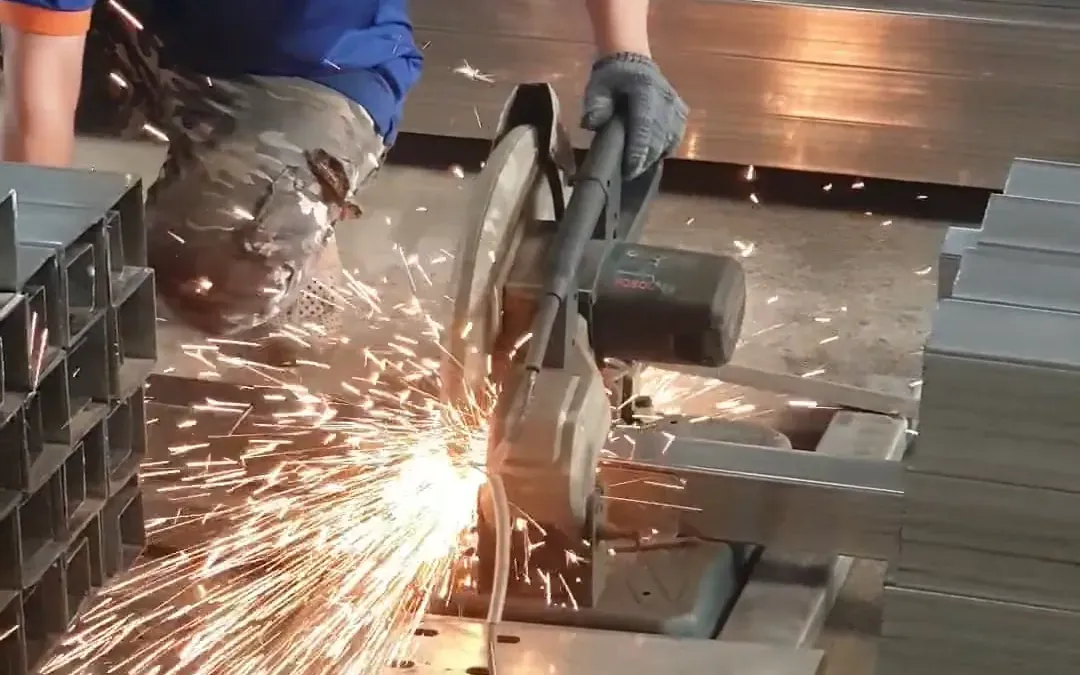
When to Use Dynamic Balancing
You need to use dynamic balancing when you want the highest accuracy in your grinding process. This method becomes important when you run your grinding wheel at high speeds or work with large or heavy wheels. You should also use dynamic balancing if you notice vibration or changes in the shape and position accuracy of your workpiece. These problems can affect roundness, flatness, and cylindricity.
Here are some signs that show you need dynamic balancing:
- You see increased vibration during grinding.
- You notice poor surface finish or uneven wear.
- You use a slow speed grinder, but still feel vibration at higher speeds.
- You want to protect your grinding machine from damage.
- You need to maintain stable grinding performance for precision parts.
Dynamic balancing helps you correct unbalance that happens during high-speed operation or after the wheel wears down. You keep your grinding wheel running smoothly and protect your equipment from extra stress.
Tip: Always check for vibration and surface finish changes. These signs tell you when to balance a grinding wheel dynamically.
Balance a Grinding Wheel Dynamically
You can balance a grinding wheel dynamically by using a balancing machine or a balancing system attached to your grinder. This process measures the unbalance while the wheel spins at working speed. You add or move weights on the wheel to correct the unbalance. Here is a simple step-by-step guide:
- Mount the Aimgrind diamond grinding wheel on your machine spindle.
- Attach the dynamic balancing device or use a built-in system if your grinder has one.
- Spin the wheel at the speed you use for grinding.
- The system will measure vibration and show where the unbalance is.
- Add or adjust balancing weights on the wheel flanges as the system guides you.
- Repeat the measurement until the vibration drops to a safe level.
- Check the accuracy of your workpiece after balancing.
You should always follow the instructions for your balancing equipment. Aimgrind diamond grinding wheels work well with dynamic balancing systems. You get better accuracy and a smoother finish. You also extend the life of your grinding wheel and machine.
Note: Dynamic balancing is important for high-speed grinding and for wheels that need the best accuracy. You should balance a grinding wheel dynamically after each wheel change or if you notice vibration.
Equipment and Product Recommendations
You need the right equipment for dynamic balancing. Some surface grinders come with built-in dynamic balancing systems. Others need an external balancing machine. Here is a table with some recommended models and their advantages:
| Model | Key Advantages |
|---|---|
| SGA3063 | Compact and high-rigidity surface grinder ideal for small to medium parts; suitable for shops needing precise flatness and stable finishing. |
| SGA4080AHR | Equipped with advanced control and coolant system; suitable for shops with higher workloads and frequent grinding, while facilitating correct grinding wheel balancing. |
| M7150 | Cost-effective entry-level grinder — a good choice for small shops or first-time buyers who need a stable grinder without high upfront cost. |
| GM-C2212C | Designed for heavy workpieces or large parts; its sturdy structure ensures stability and wheel balance even under heavy load. |
You can use Aimgrind diamond grinding wheels with these machines for the best results. Aimgrind offers customization options for grinding wheel selection. You can match the wheel to your material, machine, and process. This helps you achieve the highest accuracy and stable grinding performance.
Callout: Contact Aimgrind for help with dynamic balancing and grinding wheel selection. You get expert advice and custom solutions for your grinding needs.
Mistakes to Avoid When Balancing
Balancing a grinding wheel is a careful process. You must avoid common mistakes to keep your grinding safe and precise. Here are the main errors you should watch for and how you can prevent them.
Incorrect Mounting
You might think mounting a wheel is simple, but small errors can cause big problems. If you do not mount the wheel correctly, you create uneven mass distribution. This leads to imbalance and strong vibrations during operation. Your machine may lose accuracy, and the surface finish can suffer. You may feel more tired because of the extra vibration. Tool wear increases, and you may need to stop work for repairs. Always follow the manufacturer’s bolt tightening sequence and torque recommendations. Make sure the wheel is secure but not overtightened. Check for flutter or vibration after mounting. Use a static balancing stand to confirm the wheel sits evenly before you start grinding.
Skipping Steps
You may want to save time, but skipping steps in the static balancing process can lead to mistakes. If you miss cleaning the wheel or the stand, dust or coolant can cause errors. You must rotate the wheel several times and make small adjustments. This helps you find the true balance point. If you skip these steps, you risk poor results and possible damage. Place the grinding wheel on a level static balancing stand. Keep all contact surfaces clean. Repeat the static balancing process until the wheel stops at random positions. This routine ensures you get the best accuracy every time.
Tip: Take your time with each static balancing step. Careful work now saves you from bigger problems later.
Using Damaged Wheels
You should never use a damaged wheel for static balancing or grinding. Cracks, chips, or other flaws can turn dangerous. The extreme centrifugal forces generated by imbalance place immense stress on the wheel’s structure. In severe cases, this leads to catastrophic wheel failure (bursting), launching high-speed shrapnel that poses lethal risks to operators and severely damages equipment. Always inspect your wheel before starting the static balancing process. If you see any damage, replace the wheel right away.
To avoid these mistakes, follow these practical tips:
- Place the grinding wheel on a level static balancing stand.
- Keep all surfaces clean and dry during static balancing.
- Rotate the wheel several times and adjust as needed.
- Never skip inspection before static balancing.
You protect yourself and your equipment when you follow each static balancing step. You also get the best performance from your Aimgrind diamond grinding wheels.
You keep your grinding process safe and precise when you balance your wheels. Aimgrind diamond grinding wheels help you achieve high accuracy. Follow these steps for proper balancing:
- Mount the wheel and let it rotate freely.
- Adjust weights until the wheel stops at random spots.
- Use dynamic balancing for high-speed or heavy wheels.
Check your wheels often. Regular checks reduce vibration, extend wheel life, and improve control.
Balanced wheels give you a smoother finish and safer operation.
| Safety Guideline | Description |
|---|---|
| Dress the Wheel | Dress the wheel often to keep it sharp and prevent accidents. |
| Wheel Balance | Balance wheels to avoid damage and ensure precision. |
| Regular Truing | True the wheel regularly to keep it balanced and safe. |
Avoid skipping steps or using damaged wheels. Always follow safety rules for the best results.
FAQ
How often should you balance a grinding wheel?
You should check and balance your grinding wheel before each use. If you notice vibration or poor finish, balance the wheel again. Regular checks help you keep your grinding process safe and accurate.
Can you use Aimgrind diamond grinding wheels for both static and dynamic balancing?
Yes, you can use Aimgrind diamond grinding wheels for both static and dynamic balancing. These wheels work well with balancing stands and dynamic balancing systems. You get reliable performance and high precision.
What tools do you need for static balancing?
You need a static balancing stand, balancing weights, a level, and a wheel dresser. Clean all tools before use. Inspect the wheel for damage. These tools help you achieve accurate balance.
Tip: Always keep your balancing tools clean and dry for best results.
Why is wheel inspection important before balancing?
Wheel inspection helps you spot cracks, chips, or uneven wear. You avoid using damaged wheels, which keeps you safe. Inspection protects your equipment and ensures you get a smooth finish.