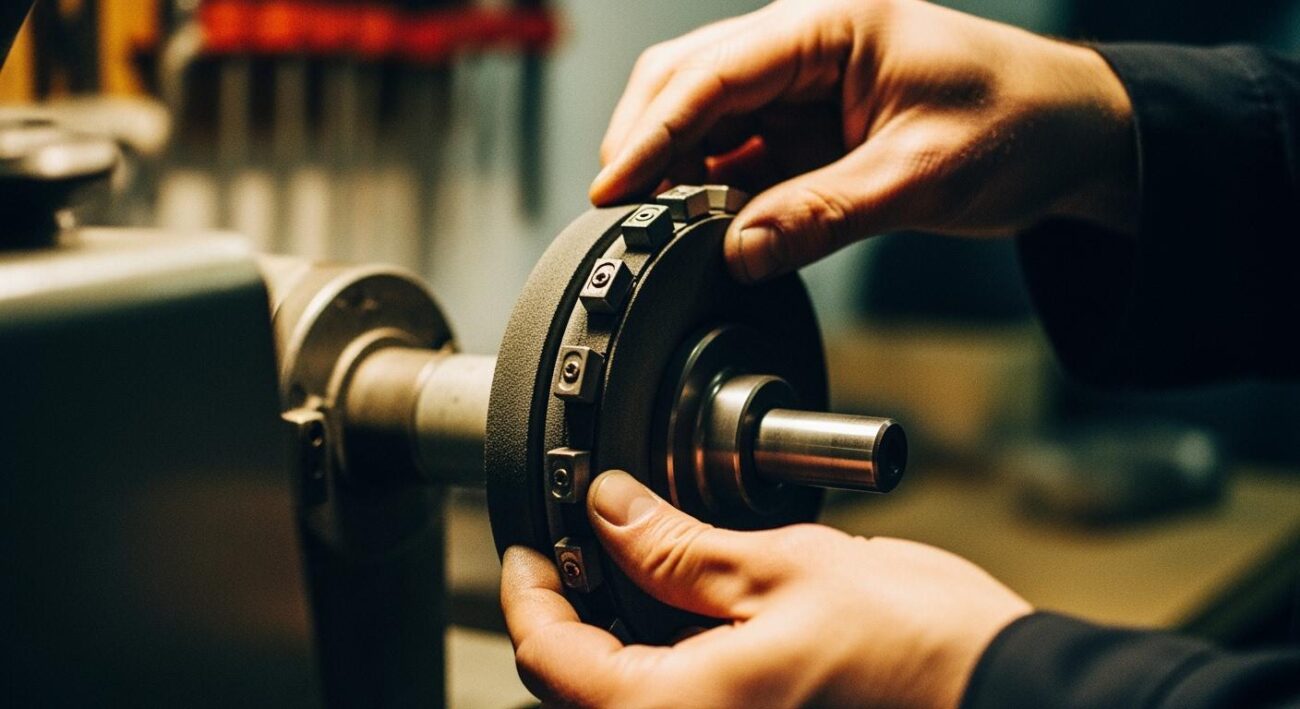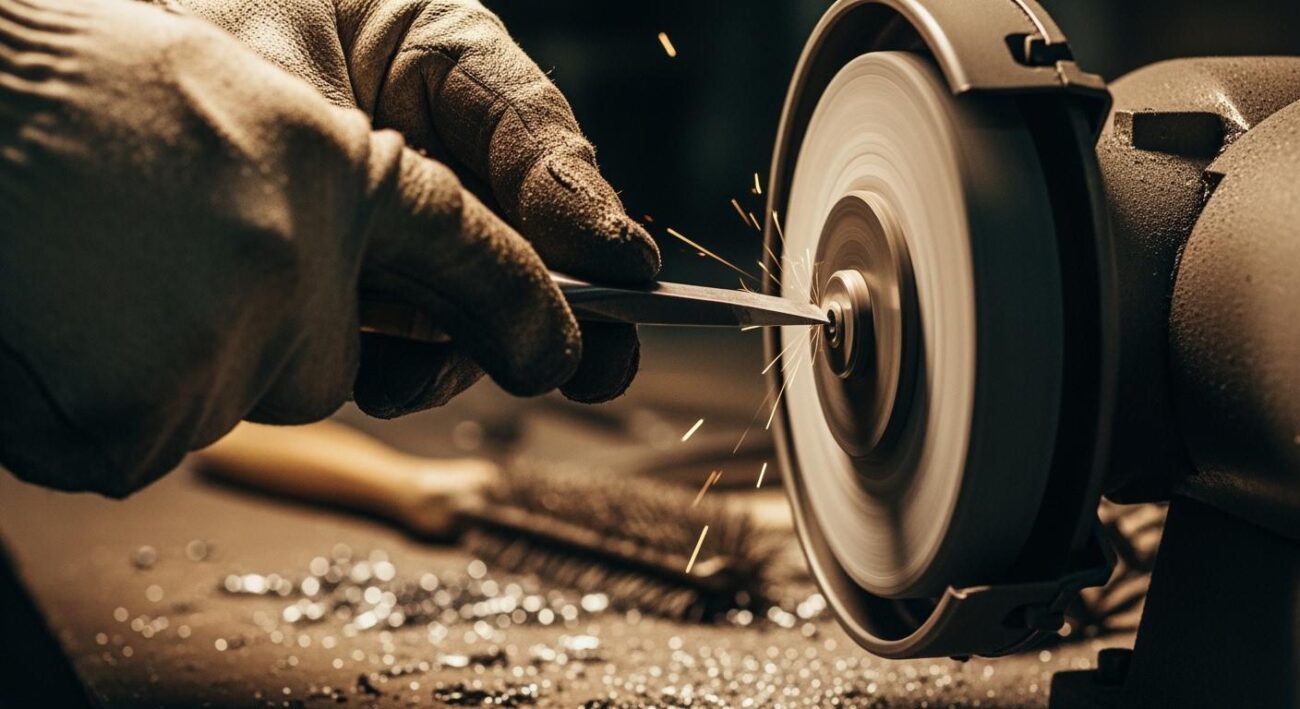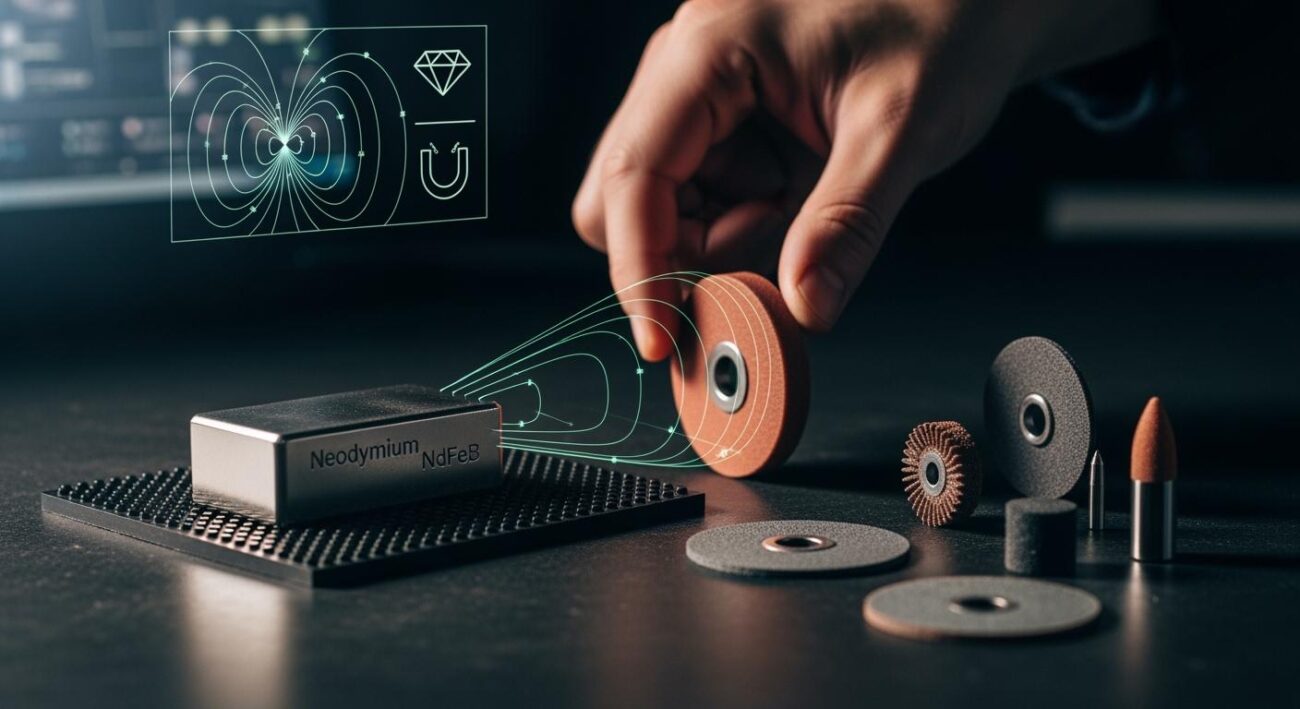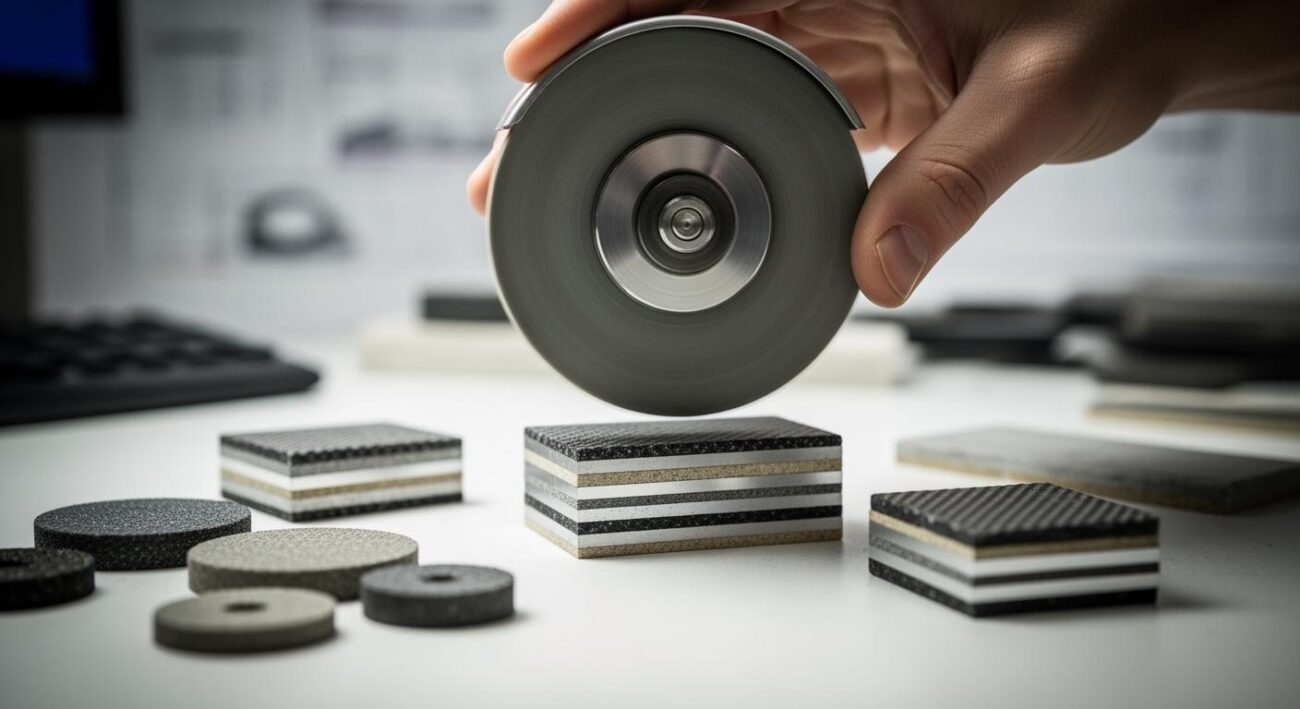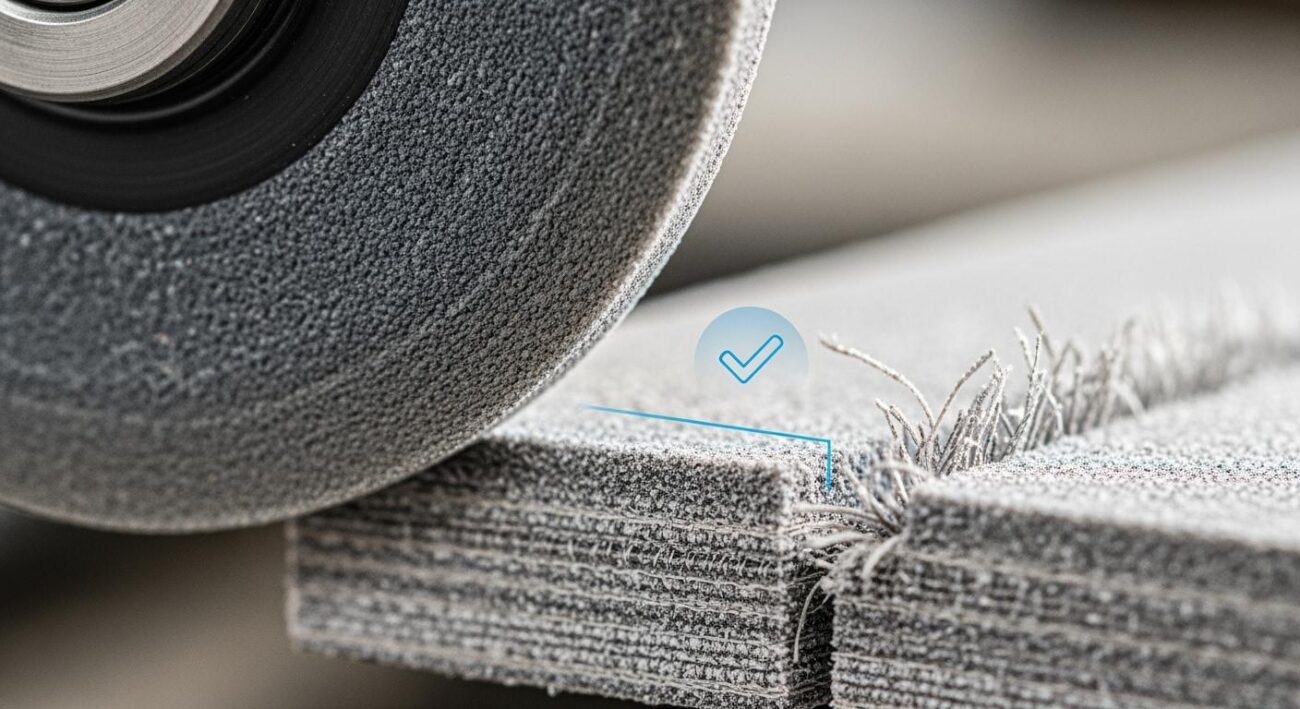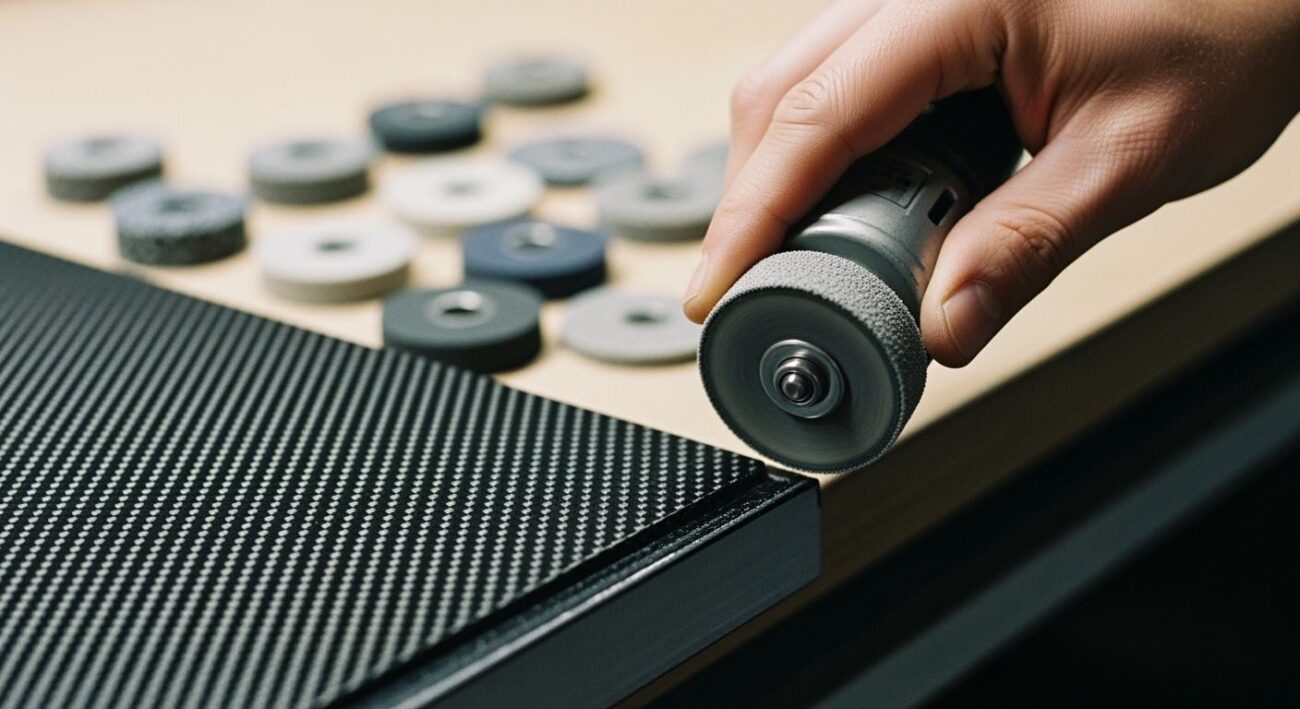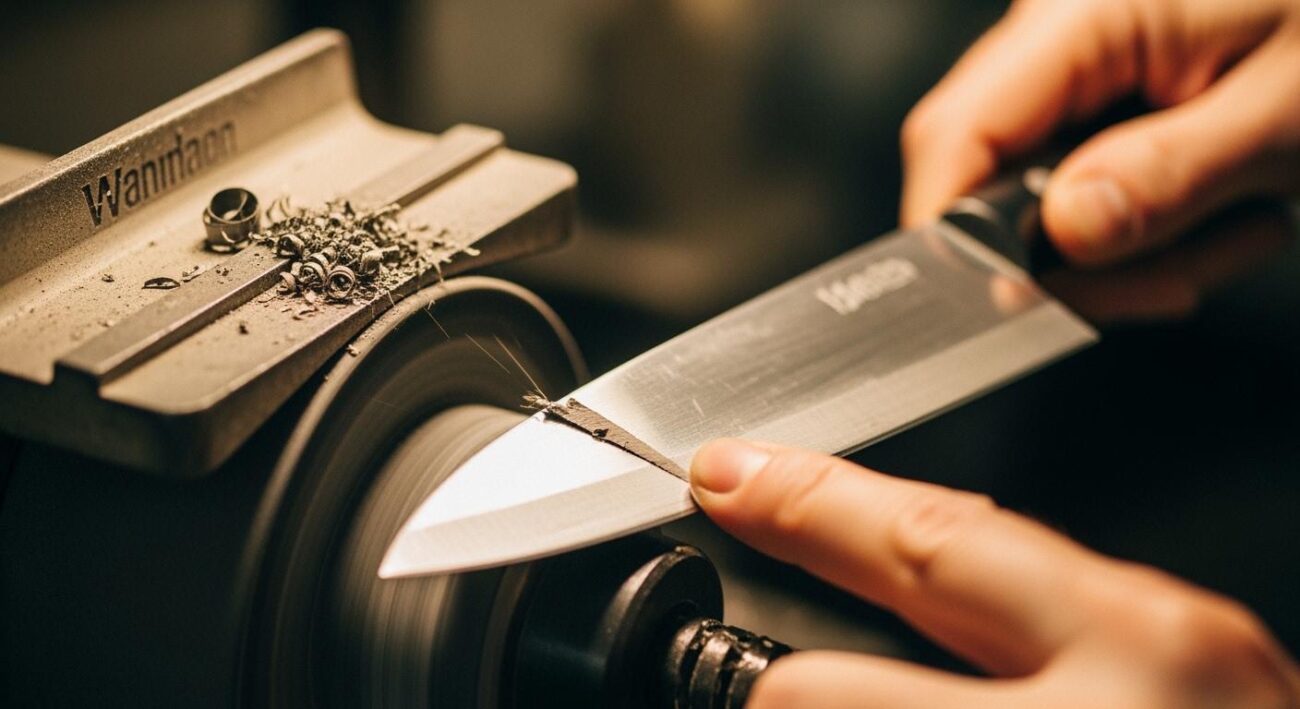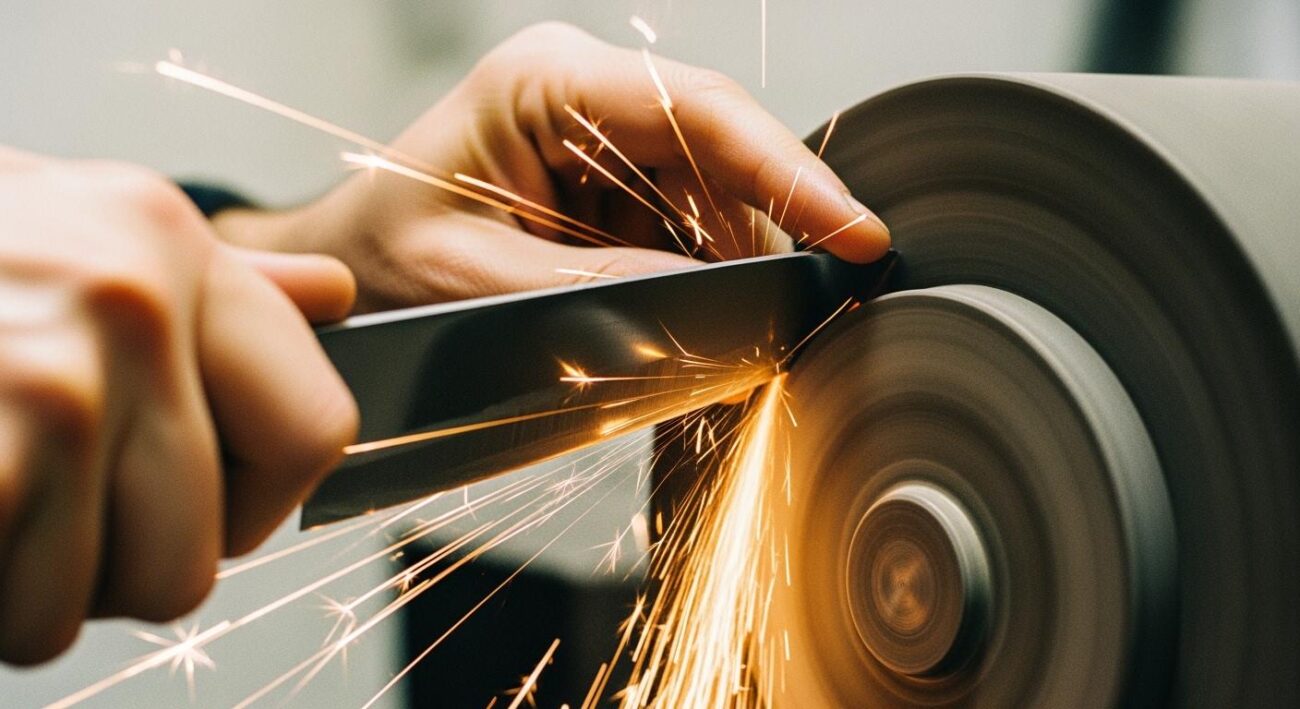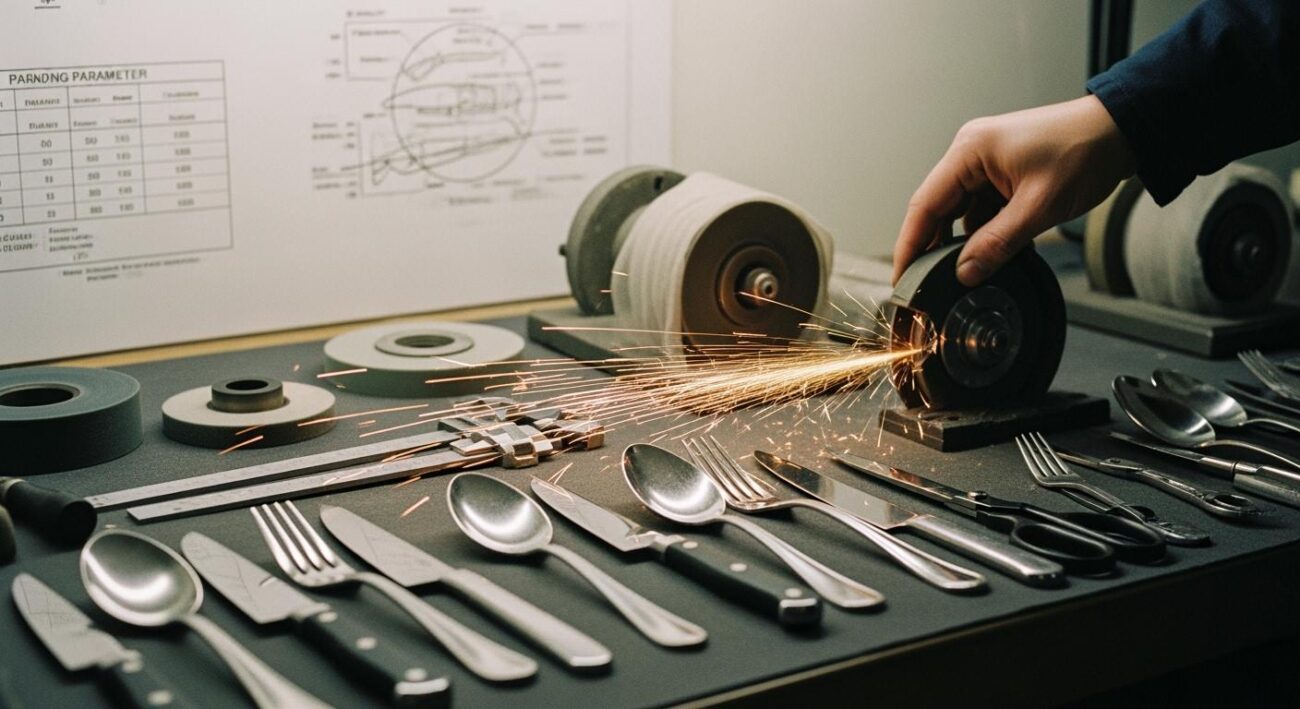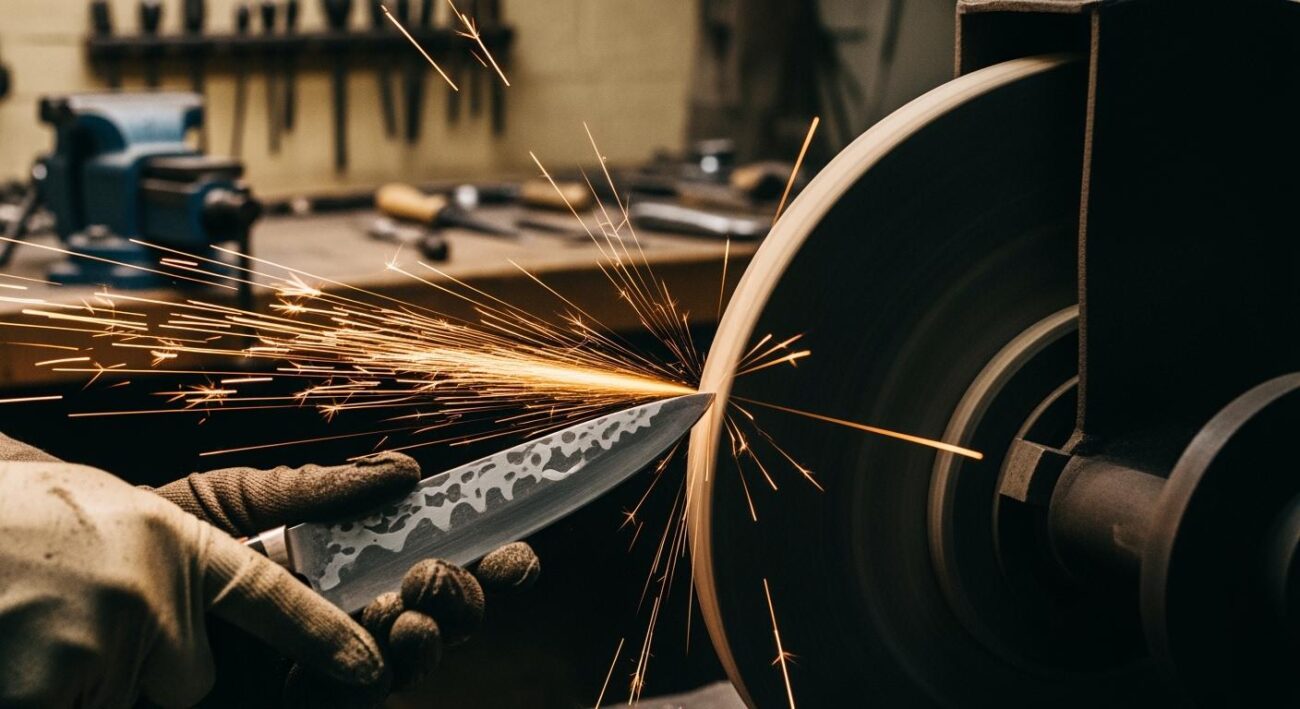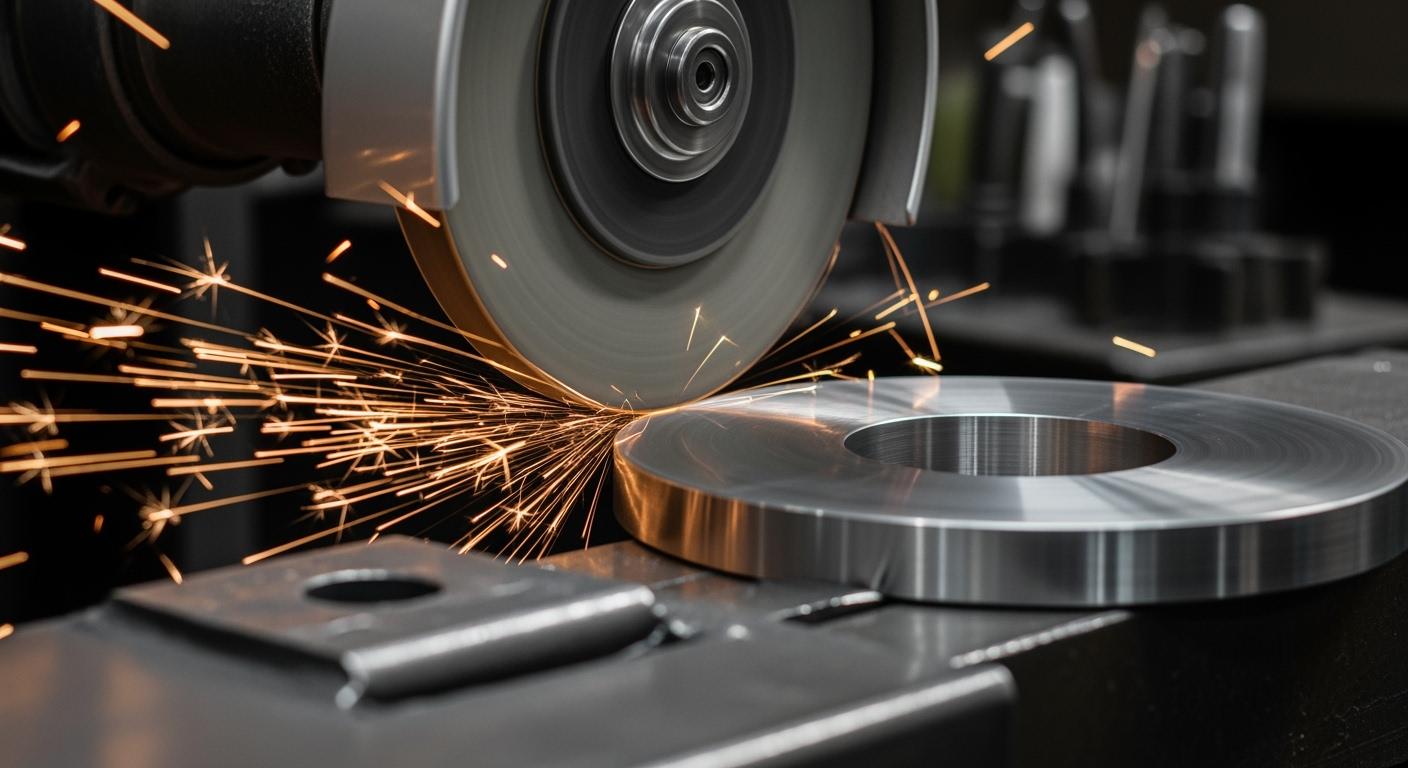
To prevent fuzzing and rapid wear, you need to choose grinding wheels with the right abrasive, bond, and hardness for your specific material and process. Aimgrind offers customized grinding wheel solutions designed for your needs. Matching the grinding wheel to your application is essential for safety and performance.
- The correct wheel type keeps your process safe.
- Proper matching improves results and avoids problems.
- Each component in a grinding wheel, such as abrasive grains and bond, affects how well it works.
Key Takeaways
- Choose the right abrasive type for your material to reduce fuzzing and wear.
- Match the grit size to your application for optimal surface finish and efficiency.
- Select the appropriate bond type to enhance wheel durability and performance.
- Regularly dress your grinding wheels to maintain sharpness and prevent overheating.
- Consult with experts like Aimgrind for customized grinding wheel solutions tailored to your needs.
Abrasive Types for Grinding Wheels
Choosing the right abrasive makes a big difference in your grinding results. Each abrasive type affects how much fuzzing and wear you see on your workpiece. You need to match the abrasive to your material and your grinder for the best finish.
Aluminum Oxide and Ceramic
You often use aluminum oxide and ceramic abrasives for general grinding. Aluminum oxide works well on steel and softer metals. It gives you a smooth finish and helps prevent fuzzing. Ceramic abrasives have sharp abrasive grains that cut fast and stay cool. You get less heat and less risk of burning your material. Both types last a long time if you keep your grinding wheels clean and use proper dressing. Dressing a grinding wheel removes dull grains and exposes new ones, so you keep your grinding sharp.
Zirconia Alumina Blends
Zirconia alumina blends give you a tough abrasive for heavy-duty jobs. You can use these grinding wheels for fast material removal. They work best on hard metals and alloys. The grit in these wheels stays sharp longer, so you see less wear and fewer fuzzy edges. You get a good balance of speed and surface quality. If you need to grind tough materials, try a zirconia alumina wheel.
Diamond Abrasives by Aimgrind
Diamond abrasives stand out for grinding hard alloys, ceramics, and composites. Aimgrind’s diamond grinding wheels give you high precision and long life. You get fast removal rates and a smooth finish. These wheels resist wear, so you spend less time changing wheels and more time working. You can use them for both wet and dry grinding. Aimgrind offers custom diamond wheels to fit your machine and your process. If you want the best results for hard materials, choose a diamond grinding wheel from Aimgrind.
Tip: Always check your grinding wheel for the right abrasive before starting your project. The right choice means less fuzzing, less wear, and better results.
Grit Size and Surface Quality
Fine Grits for Less Fuzzing
You can use fine grit sizes when you want a smooth surface and less fuzzing. Fine grits help you achieve a polished finish on your workpiece. The abrasive grains are smaller, so they cut gently and leave fewer scratches. You see less fuzzing because the grinding wheel removes material slowly and carefully. Fine grits work well for finishing tasks and delicate materials. If you need a high-quality surface, choose a fine grit for your grinder.
Tip: Fine grits are best for final dressing and polishing. You avoid deep scratches and get a clean look.
Coarse Grits for Fast Grinding
Coarse grits are ideal for quick material removal. You use them for rough grinding and shaping large pieces. The abrasive grains are bigger, so they cut faster and remove more material. Industry research shows that coarse grits help you shape thick metal plates quickly, but they leave a rough surface with deep scratches. You may need extra steps to finish the surface after using coarse grits. Coarse grits also reduce wheel wear because they stay sharp longer.
- Coarse grits are great for stock removal.
- They work well for shaping hard materials.
- You get fast results, but the surface needs more finishing.
Choosing Grit for Application
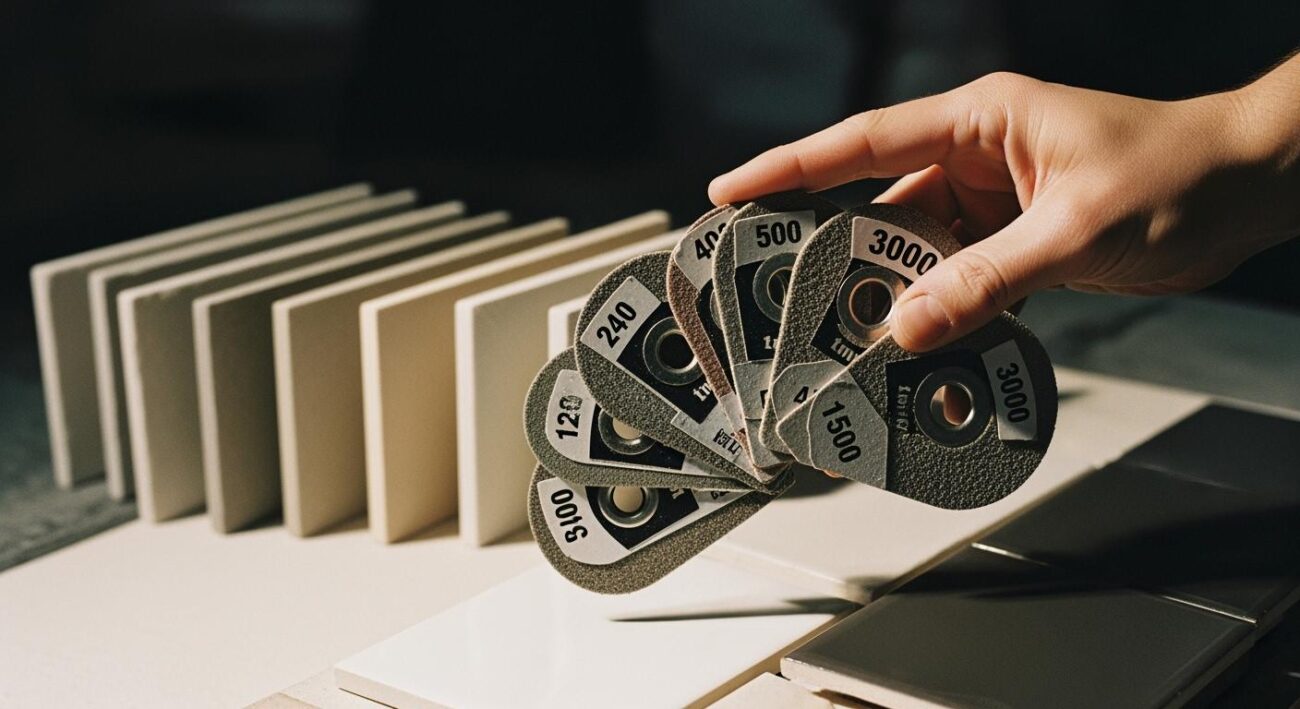
You need to match the grit size to your material and your grinding operation. Grit size affects the cutting ability, stock removal rate, and surface finish. Hard materials need coarser grits, while softer materials can use finer grits. If you want a polished surface, start with coarse grits for removal, then switch to fine grits for finishing. The power and speed of your machine also influence your choice. Always check your grinding wheels for the right grit size before you begin.
| Grit Size | Best Use | Surface Finish |
|---|---|---|
| Coarse | Rapid removal, shaping | Rough, deep scratches |
| Medium | Balanced tasks | Moderate finish |
| Fine | Polishing, finishing | Smooth, clean |
Note: Selecting the right abrasive and grit size improves grinding efficiency and reduces wear. You get better results and save time.
Bond Types in Grinding Wheels
The bond in a grinding wheel holds the abrasive grains together. The type of bond you choose affects how the wheel performs, how long it lasts, and the quality of your surface finish. You need to match the bond type to your material and your grinding process for the best results. Aimgrind offers custom options for each bond type, so you can get the right wheel for your needs.
Vitrified Bonds for Durability
Vitrified bonds use glass-like materials to hold abrasive grains. These bonds make grinding wheels strong and durable. Laboratory tests show that wheels with higher vitrified bond content have greater hardness, density, and strength. They also have lower porosity and wear rates. For example, a wheel with 20% vitrified bond shows the highest hardness and the lowest wear rate. This means you get a wheel that lasts longer and keeps its shape during grinding. Vitrified bonds work well for precision tasks and stock removal. The bond erodes slowly, exposing fresh abrasive grains and keeping your grinding sharp. You can use these wheels for both rough and fine grinding.
| Bond Type | Vitrified Bond Percentage | Wear Rate (g/cm²) | Hardness (MPa) | Surface Finish Quality |
|---|---|---|---|---|
| Vitrified | 20% | 0.088 | 517 | High |
Tip: Use vitrified bond wheels when you need a durable wheel for long grinding sessions.
Resin Bonds for Tough Materials
Resin bonds use synthetic resins to hold abrasive grains. These wheels work well for grinding tough materials like stainless steel and titanium. Resin bonds soften under heat, which helps create a smooth finish and reduces the risk of burning your workpiece. They are great for fast grinding and for jobs where you need a clean surface. You can also dress resin bond wheels easily to keep them sharp. Aimgrind can customize resin bond wheels for your specific grinder and material.
Metal Bonds for Precision
Metal bonds use metal powders to hold abrasive grains. These wheels are best for high-precision grinding. Metal bond wheels keep their shape and profile, which is important when you need tight tolerances. They last much longer than resin bonds, sometimes three to ten times longer. Metal bonds are ideal for grinding hard materials and for jobs where you need consistent results across many parts. Aimgrind offers metal bond wheels for applications that demand accuracy and durability.
- Metal bond wheels maintain their form during grinding.
- They provide excellent durability and reduce the need for frequent wheel changes.
- You get precise results, especially on hard or brittle materials.
Note: Choosing the right bond type helps you control wheel wear, surface finish, and grinding efficiency. Aimgrind can help you select or customize the best bond for your application.
Wheel Hardness and Wear Resistance
Hard Wheels for Tough Materials
You need hard grinding wheels when you work with tough materials. Hard wheels keep their shape and last longer during heavy grinding. They resist wear, so you do not have to replace them often. You can see the differences in abrasive materials and their uses in the table below:
| Abrasive Material | Key Characteristics | Typical Applications |
|---|---|---|
| Aluminum Oxide | Tough, withstands high temperatures | General steel grinding |
| Silicon Carbide | Hard, aggressive | Non-ferrous metals grinding |
| Zirconia Alumina | High toughness, long wheel life | Heavy stock removal |
| Ceramic Alumina | High cutting efficiency, durable | Precision grinding, high-performance |
If you use coarse grit, you remove material quickly. This works well for rough grinding jobs. Hard wheels are best for steel, alloy, and other strong metals. You get a clean cut and less fuzzing.
Soft Wheels for Delicate Grinding
Soft wheels help you when you need gentle grinding. These wheels break down faster, so they always expose fresh abrasive grains. This keeps your work smooth and prevents damage to delicate parts. Many case studies show that resin bond, very fine grit, and medium concentration work best for delicate grinding. You can see the recommended values here:
| Specification | Recommended Value |
|---|---|
| Bond Type | Resin |
| Grit Size | Very Fine (400/500 Mesh+) |
| Concentration | Medium (C75) |
- Resin bond lets the abrasive break easily, so you avoid too much heat.
- Very fine grit gives you a smooth, shiny finish.
- Medium concentration helps you control the grinding and keeps the part safe.
You should use soft wheels for glass, ceramics, or other brittle materials. You also need to dress these wheels often to keep them sharp.
Matching Hardness to Process
You must match the wheel hardness to your process and material. If you use a wheel that is too hard, it may not cut well. If it is too soft, it may wear out too fast. The table below shows how to choose the right hardness grade:
| Hardness Grade | Material Type | Application Characteristics |
|---|---|---|
| A-H | Aluminum / Non-ferrous | Soft materials, good self-sharpening |
| I-P | General Steel Parts | Balanced for semi-finishing and finishing |
| K-L | Medium-hard Alloy Steel | Good balance of efficiency and quality |
| M-P | High-hardness Alloy Steel | High efficiency and surface finish |
| Q-Z | Very Hard Materials | Strong shape retention, needs careful use |
You should check your grinder and the material before you pick a wheel. Always think about the type of abrasive, the grit, and the process. This helps you get the best results and keeps your grinding wheels working longer.
Tip: The right wheel hardness improves your grinding, reduces wear, and gives you a better finish.
Selecting the Right Grinding Wheel
Material and Application Match
You need to match your grinding wheel to both your material and your application. This step helps you get better performance and reduces wear. Each abrasive material has special properties. When you choose the right one, you avoid problems like overheating or rapid wear. For example, white fused alumina works well for hardened alloys because it stays cool and sharp. Brown fused alumina is tougher and fits heavy-duty jobs with carbon steel. Silicon carbide is best for non-ferrous metals and brittle materials.
Here is a table to help you choose the right grinding wheel for your job:
| Grinding Wheel Type | Suitable Applications |
|---|---|
| Green silicon carbide grinding wheel | Hard and brittle materials such as tungsten carbide, optical glass, and ceramics. |
| Pink fused alumina grinding wheel | Tools, measuring tools, instruments, threads, and other workpieces with high surface quality requirements. |
| Monocrystalline fused alumina grinding wheel | Stainless steel, high vanadium high-speed steel, and other workpieces with high toughness and hardness. |
| Microcrystalline fused alumina grinding wheel | Stainless, bearing steel, and special ductile iron for forming, cut-in, and mirror grinding. |
| Fused zirconia alumina grinding wheel | Austenite, titanium alloy, heat-resistant alloy, especially for heavy load grinding. |
Tip: Always match the abrasive’s properties to your workpiece. This step prevents thermal damage and gives you a better finish.
Aimgrind’s Custom Solutions
You may need a wheel that fits your unique process or machine. Aimgrind offers custom grinding solutions for many industries. You can get help with problem diagnosis, parameter matching, and sample optimization. Aimgrind’s team works with you to design the right wheel formula for your needs. You can choose from different bonds, grit sizes, and wheel shapes. Aimgrind also helps you select the best wheel for your grinder and your material removal goals.
If you work with special materials like ceramics, glass, or hard alloys, Aimgrind can create a wheel just for you. You get a product that fits your machine and your process. This service helps you save time and improve your results.
Note: Aimgrind’s experts can help you with dressing, maintenance, and wheel selection. You get support from start to finish.
Step-by-Step Selection Guide
You can follow these steps to pick the right grinding wheel for your job:
- Identify your workpiece material. Check if it is hard, soft, brittle, or tough.
- Choose the right abrasive. Match the abrasive to your material’s strength and type.
- Select the wheel type. Use the table above to find the best fit for your application.
- Pick the right grit size. Start with a coarse grit for rough surfaces. Use finer grits for smooth finishes.
- Decide on the bond type. Vitrified bonds work for high efficiency and low wear. Resin bonds fit special applications.
- Set the wheel hardness. Use harder wheels for soft materials. Use softer wheels for hard materials.
- Plan your grinding steps. Begin with the finest grit to make a flat surface. For rough surfaces, use coarser grits first. Each step should use a finer grit than the last.
- Use wet grinding when possible. This step keeps your wheel clean and prevents overheating.
- Check your grinder settings. Make sure your machine matches the wheel’s size and speed.
- Inspect and dress your wheel before use. Dressing exposes fresh abrasive grains and keeps your grinding sharp.
Callout: Each step helps you get better results and longer wheel life. Careful selection and regular maintenance keep your process safe and efficient.
Best Practices for Grinding
Wheel Maintenance
You keep your grinding wheels in top shape by following a few simple steps. Dress your wheels after every 15–20 cycles. This process restores the abrasive grain exposure and helps prevent thermal damage. Always use a consistent work angle between 25° and 35°. This spreads out the wear and keeps your wheel balanced. Apply moderate pressure during grinding. Too much force can cause heat and make grains fall out. Before you start, check your wheels for cracks or color changes. Clean your wheels with non-metallic brushes and avoid acidic cleaners. Proper coolant use lowers the temperature and protects the wheel.
- Dress wheels every 15–20 cycles.
- Keep a 25–35° work angle.
- Use moderate pressure.
- Check for cracks and color changes daily.
- Clean with non-metallic brushes.
- Apply coolant to reduce heat.
Tip: Regular maintenance extends the life of your grinding wheels and improves your results.
Machine Settings
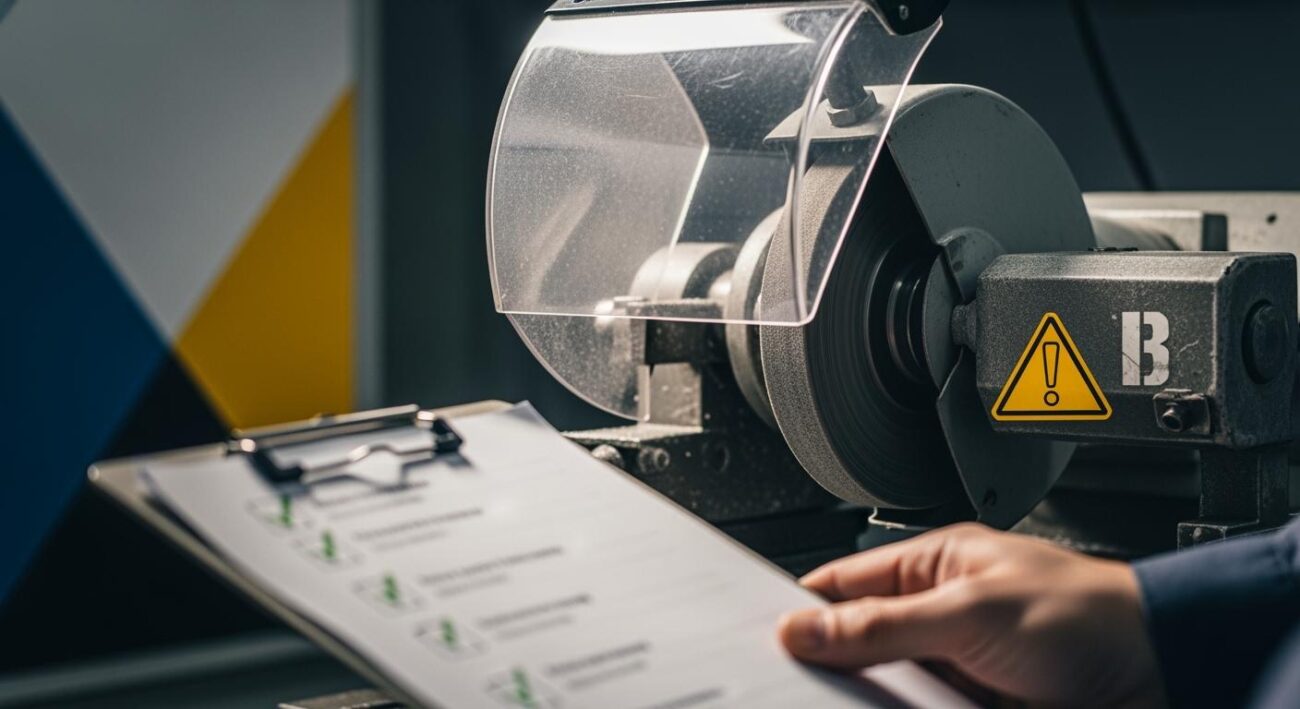
Set your grinder to match the wheel and the job. Adjust the speed to fit the wheel’s size and type. Make sure the wheel is mounted securely and aligned with the spindle. Use the right amount of coolant to keep the grinding area cool. Check that the guards and covers are in place before you start. Always follow the manufacturer’s instructions for your machine and abrasive tools.
- Set the correct speed for your wheel.
- Align the wheel with the spindle.
- Use enough coolant.
- Secure all guards and covers.
Note: Proper machine settings help you avoid accidents and get a better finish.
Inspection and Replacement
You should inspect your grinding wheels often to keep your work safe and accurate. Follow these steps:
- Turn off and unplug the grinder before inspection.
- Remove the wheel and look for cracks, chips, or uneven wear.
- Check the surface for uniform abrasive thickness.
- Make sure the label matches your specifications.
- Tap the wheel gently with a non-metallic object. Listen for a clear ringing sound. A dull sound may mean internal cracks.
- Inspect mounting flanges for damage.
- Store wheels in a dry, safe place and check the expiry date.
Regular inspection and timely replacement prevent accidents and keep your grinding process smooth.
Callout: A quick check before each use can save you from costly mistakes and keep your workspace safe.
Quick Checklist for Grinding Wheel Selection
Choosing the right grinding wheels can help you get the best results and avoid problems. Use this checklist to make sure you select the right wheel for your job.
Material Compatibility
- Check the exact material you want to grind.
- Hard materials need harder bonds. Softer materials work better with softer bonds.
- Tough materials create more force, so you need a strong bond.
- Some materials, like aluminum, need a softer grade wheel.
- Think about heat. Poor thermal conductors need wheels that cut cooler.
- Watch for chemical reactions between the abrasive and your workpiece.
Tip: Always match the wheel to your material for better performance and longer life.
Application Fit
| Evidence Type | Statistic | Description |
|---|---|---|
| Incorrect Wheel Choices | 70% | Lead to inefficiency and safety issues |
| Overlooked Finish Requirements | 60% | Result in unsatisfactory outcomes |
| Performance Issues | 70% | Stem from mismatched wheel and workpiece |
| Increased Grinding Time | 40% | Due to improper wheel selection |
You should always check if the wheel fits your grinder and your process. Make sure the wheel matches your speed, wet or dry grinding needs, and machine setup.
Surface Finish
- Decide if you want a smooth or rough finish.
- Fine grit wheels give you a polished look.
- Coarse grit wheels remove material quickly but leave scratches.
- Dressing the wheel often helps keep the surface finish high.
Note: If you need a shiny or smooth surface, use a fine abrasive and dress your wheel regularly.
Wear Resistance
- Look for wheels that last longer and need fewer changes.
- Think about long-term savings, not just the first price.
- A good wheel saves you time and money by reducing maintenance.
- Talk to an expert supplier if you have special needs.
Callout: The right grinding wheel gives you better wear resistance and helps your work stay safe and efficient.
Checklist for Quick Reference:
- Confirm your material type.
- Identify your main goal (finish, speed, or wheel life).
- Check your grinder and machine setup.
- Compare long-term value, not just cost.
- Ask an expert for advice if needed.
You can prevent fuzzing and rapid wear by choosing the right grinding wheels for your material and process. Always check your grinder settings and follow proper dressing steps. Use the checklist to guide your grinding choices. Aimgrind helps you find the best solution for your needs. Good habits keep your tools sharp and your results strong.
FAQ
What causes fuzzing during grinding?
Fuzzing happens when abrasive grains tear fibers or particles from the workpiece surface. You can prevent this by choosing the right abrasive type, grit size, and bond for your material.
How do I know if my grinding wheel is wearing too fast?
You notice rapid wear if the wheel loses shape quickly or needs frequent dressing. Check for uneven surfaces or reduced cutting ability. Using the correct wheel type and hardness helps reduce wear.
Can I use one grinding wheel for all materials?
No, you should match the wheel to your material. Hard alloys, ceramics, and soft metals each need different abrasives and bonds. Using the wrong wheel can cause poor results and faster wear.
How often should I dress my grinding wheel?
You should dress your wheel every 15–20 cycles or when you see reduced performance. Dressing keeps the wheel sharp and helps prevent fuzzing.
Does Aimgrind offer custom grinding wheel solutions?
Yes! Aimgrind provides custom grinding wheels for your specific material and process. You get expert advice, formula design, and sample optimization for the best results.
Contact Us
For More Grinding Solution or Customized Abrasive Tools