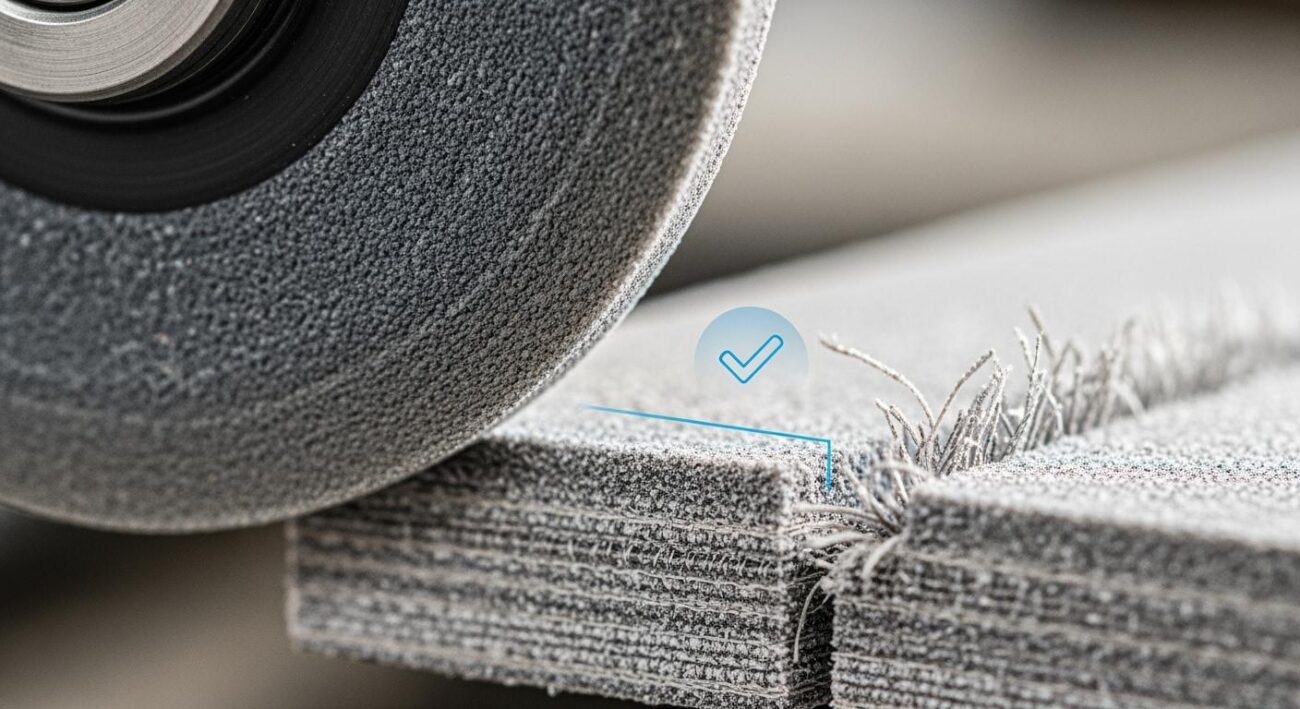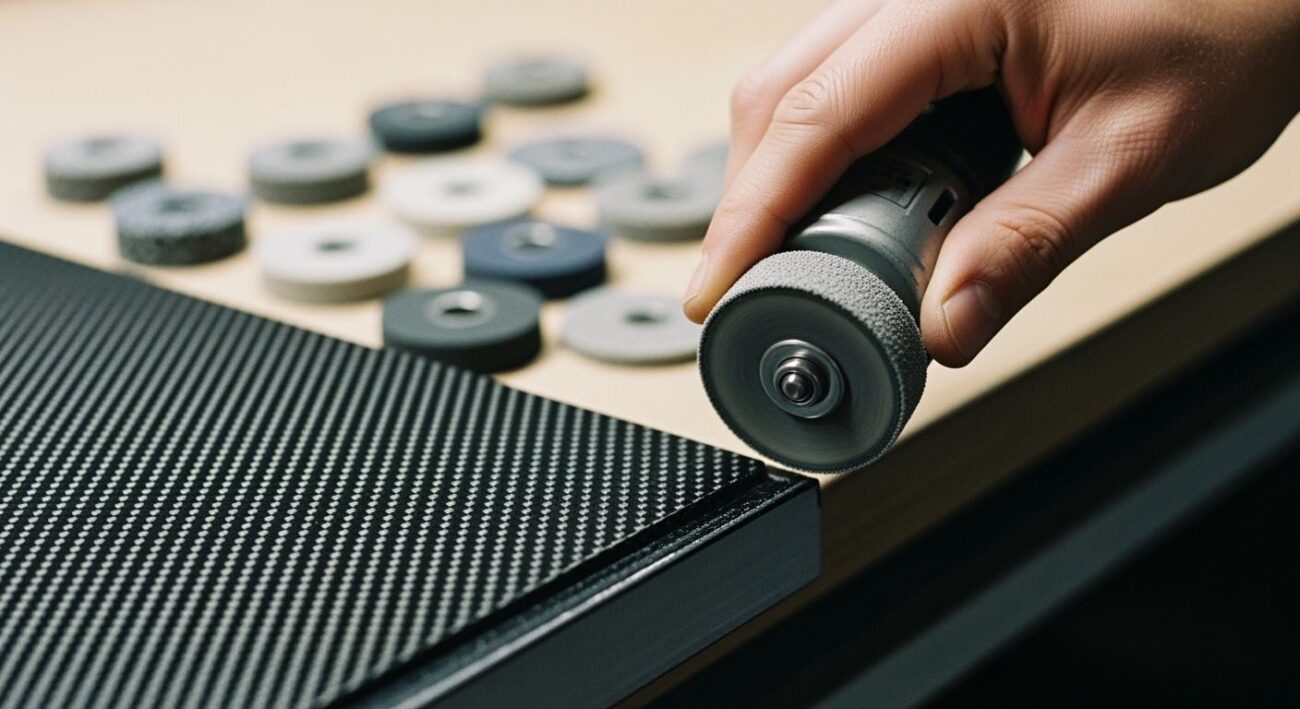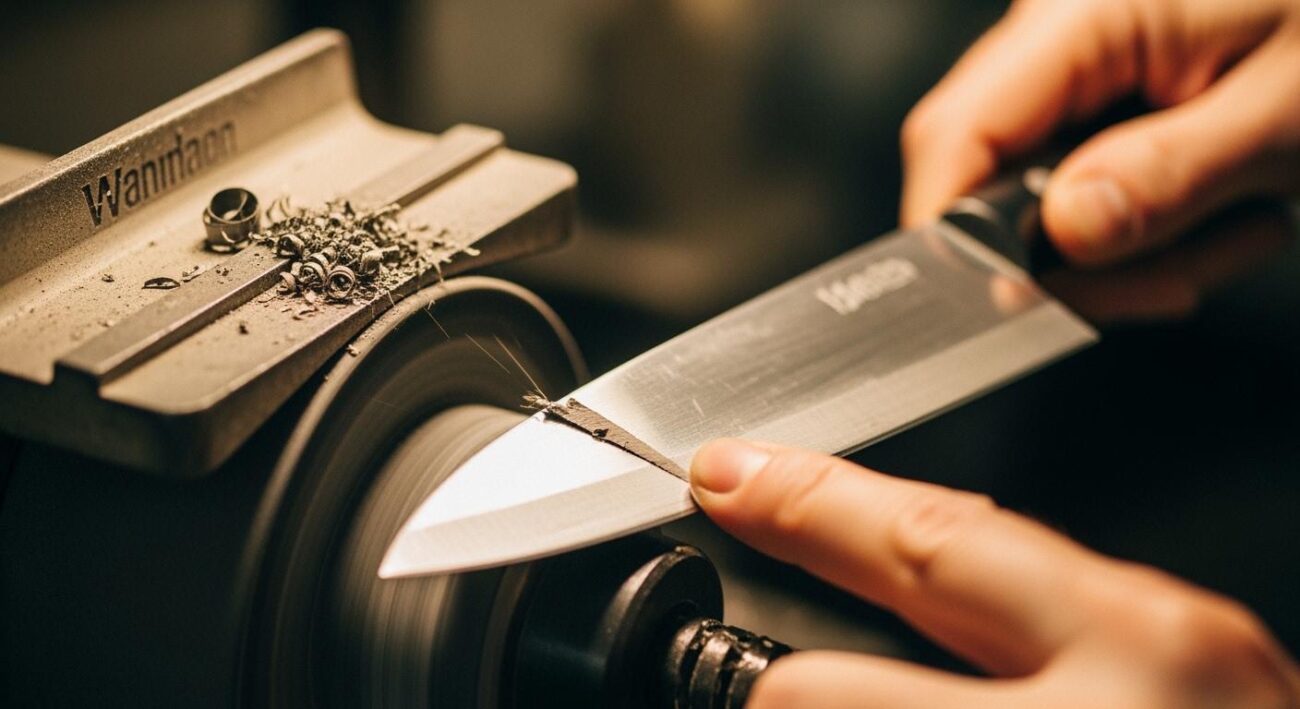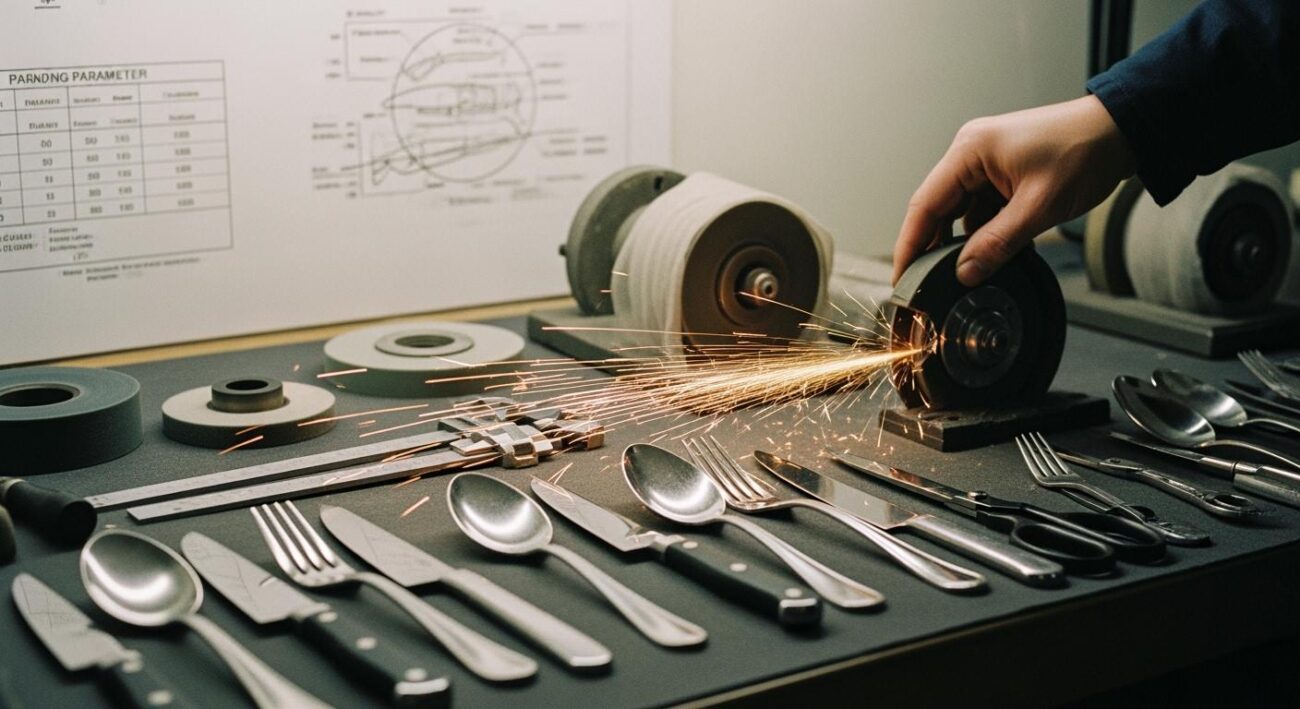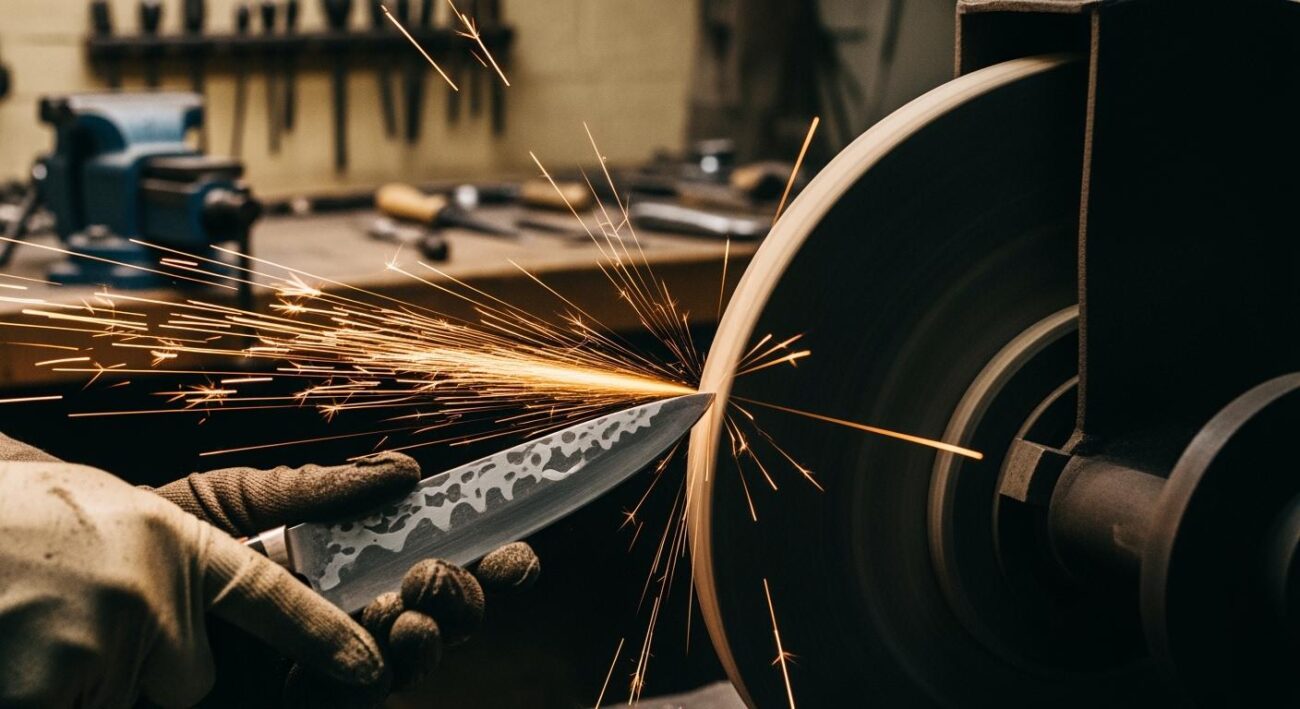
You face real danger when you use an angle grinder without proper safety measures. Grinding wheel burst can cause severe injury or damage in industrial settings. You must follow strict angle grinder safety rules and always check for risk signs. Aimgrind offers high-quality diamond grinding wheels that help you control safety hazards. You protect yourself and your workplace when you choose reliable tools.
Key Takeaways
- Always inspect grinding wheels for cracks, chips, and damage before use. This step helps prevent accidents and injuries.
- Follow proper mounting procedures and ensure safety guards are in place. This practice reduces the risk of wheel bursts during operation.
- Use high-quality diamond grinding wheels that meet safety standards. Reliable tools enhance safety and performance in your work.
- Be aware of warning signs like unusual vibrations or changes in sound. Recognizing these signs can prevent dangerous situations.
- Regularly train and remind your team about safety practices. A strong safety culture helps everyone stay protected while using angle grinders.
Grinding Wheel Burst Hazards
Causes of Grinding Wheel Burst
You face several significant hazards identified by occupational safety organizations when you use an abrasive wheel. Grinding wheel burst can happen for many reasons. The most common causes include:
- Heat generation during grinding. Excessive heat can cause the wheel to expand unevenly. If foreign materials are present, this can lead to shattering.
- Damage and microfractures. Poor handling or manufacturing defects can create invisible cracks. These cracks increase the risk of breakage and bursting.
- Improper wheel speed. If you operate an angle grinder above the maximum RPM, you raise the risk. The centrifugal force can make the wheel lose integrity.
You must always follow angle grinder safety rules. Never use a damaged abrasive wheel. Always check the speed rating before mounting the wheel.
Safety guards shall be strong enough to withstand the effect of a bursting wheel.
Signs of Imminent Failure
You can spot warning signs before a grinding wheel burst. Look for these clues:
- Unusual vibrations or wobbling during operation.
- Visible cracks, chips, or uneven wear on the abrasive wheel.
- A change in sound when you tap the wheel lightly. A dull sound can mean hidden damage.
If you notice any of these signs, stop using the wheel. Replace it right away to avoid the risk of breakage and contact with projectiles.
Environmental and Operational Risks
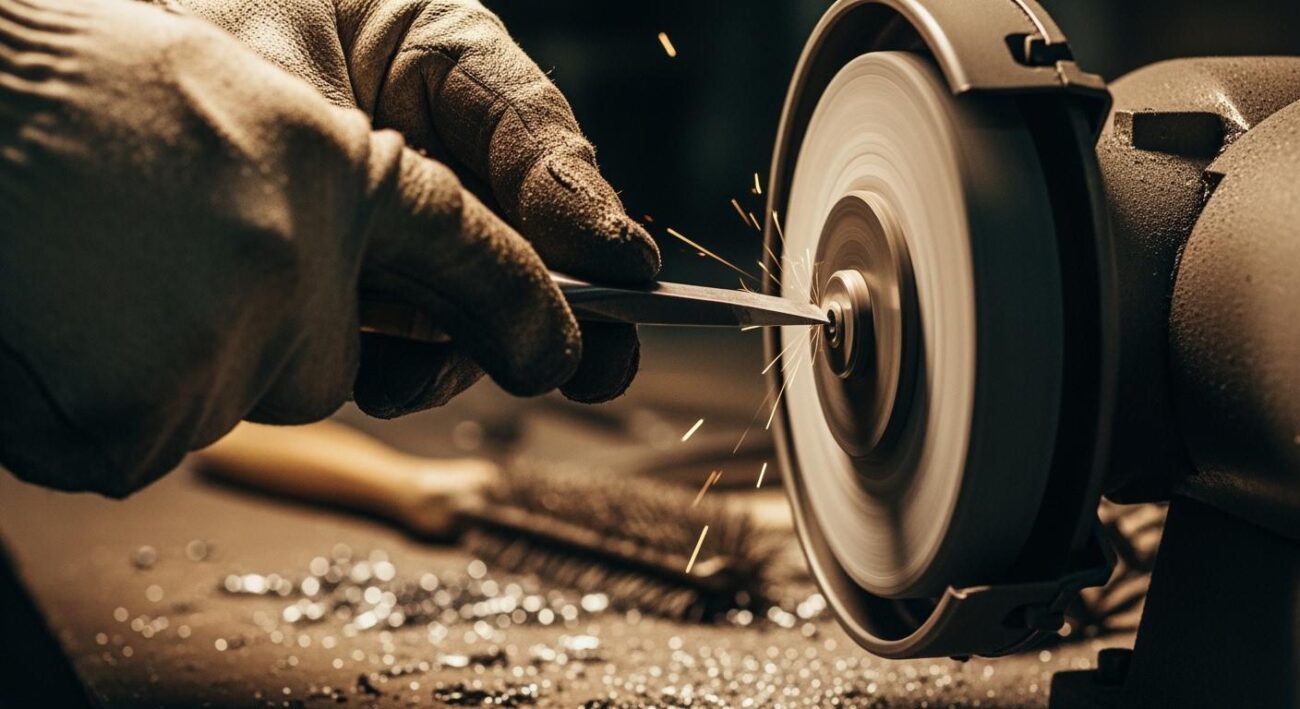
You must consider the environment and how you use your angle grinder. Dust, moisture, and temperature changes can weaken an abrasive wheel. Poor lighting or cluttered workspaces increase the safety risk associated with abrasive wheels. Unsafe handling or mounting also raises the risk. You should always protect yourself from contact of the body part with an abrasive wheel. Use proper guards and follow all safety instructions. Grinding wheels can cause serious injury if you ignore these risks.
Risk Assessment Abrasive Wheels
Inspection and Testing Steps
You must inspect and test every abrasive wheel before you use it. This process helps you prevent grinding wheel burst and other hazards. Industry standards recommend a series of steps for risk assessment abrasive wheels:
- Visual inspection. Look for cracks, chips, or any visible damage.
- Check the RPM rating. Make sure the wheel matches or exceeds your angle grinder’s speed.
- Inspect guards. Confirm that all safety guards work properly.
- Wear personal protective equipment. Use goggles, gloves, and hearing protection.
- Look for chips or cracks. Replace the wheel if you find any.
- Conduct a ring test for bonded wheels. Tap the wheel gently and listen for a clear sound.
You should follow a schedule for these checks. Inspect wheels before each use. Clean and check for loose parts daily. Perform detailed evaluations monthly. Certified technicians should inspect wheels semi-annually or annually. You must also check raw materials and perform quality checks during manufacturing. Balance, vibration, hardness, and density tests help you ensure safe operation.
Tip: Always follow ANSI B7.1, ISO 16057, and EN 12413 standards for safety testing and certification.
| Standard | Description |
|---|---|
| EN 12413 | Safety requirements for bonded abrasives |
| EN 13236 | Safety requirements for superabrasives |
| EN 13743 | Safety requirements for coated abrasives |
Testing involves increasing the speed of tools until they break. You compare the breaking speed with the maximum working speed to calculate the safety factor. Hand-held machines require higher safety factors than stationary machines.
Evaluating Operator Safety Practices
You play a key role in preventing abrasive wheel burst. Operator error often causes accidents. You must check the condition of grinding wheels regularly. Only use wheels within their expiry date and speed limits. Mount wheels correctly on compatible angle grinders. Use tools designed for the specific type of disc.
Many workplace inspections reveal common violations. Excessive angular exposure happens when guards are not adjusted properly. Guard positioning too high is another frequent issue. Damaged or missing guard sections increase risk. You must avoid these mistakes to protect yourself and others.
Note: Angle grinder safety depends on your actions. Always follow safety rules and check your equipment.
Aimgrind’s Approach to Risk Assessment
Aimgrind helps you reduce risk with expert abrasive wheels risk assessment. The team diagnoses grinding wheel issues and matches parameters for safety. Aimgrind follows global standards, including OSHA regulations and CE certification requirements. You receive wheels tested for balance, vibration, and density. Aimgrind checks raw materials and performs in-process quality checks.
Risk assessment abrasive wheels should happen regularly. You must consider the manufacturer’s recommendations, usage level, and associated risks. Aimgrind supports you with ongoing assessment and compliance. The brand’s commitment to quality ensures you get safe, reliable products. You benefit from Aimgrind’s expertise in angle grinder risk assessment and customized solutions.
Safety starts with the right assessment. Aimgrind helps you grind with passion and achieve with aim.
Burst Prevention and Safety Controls
Selecting Quality Diamond Grinding Wheels
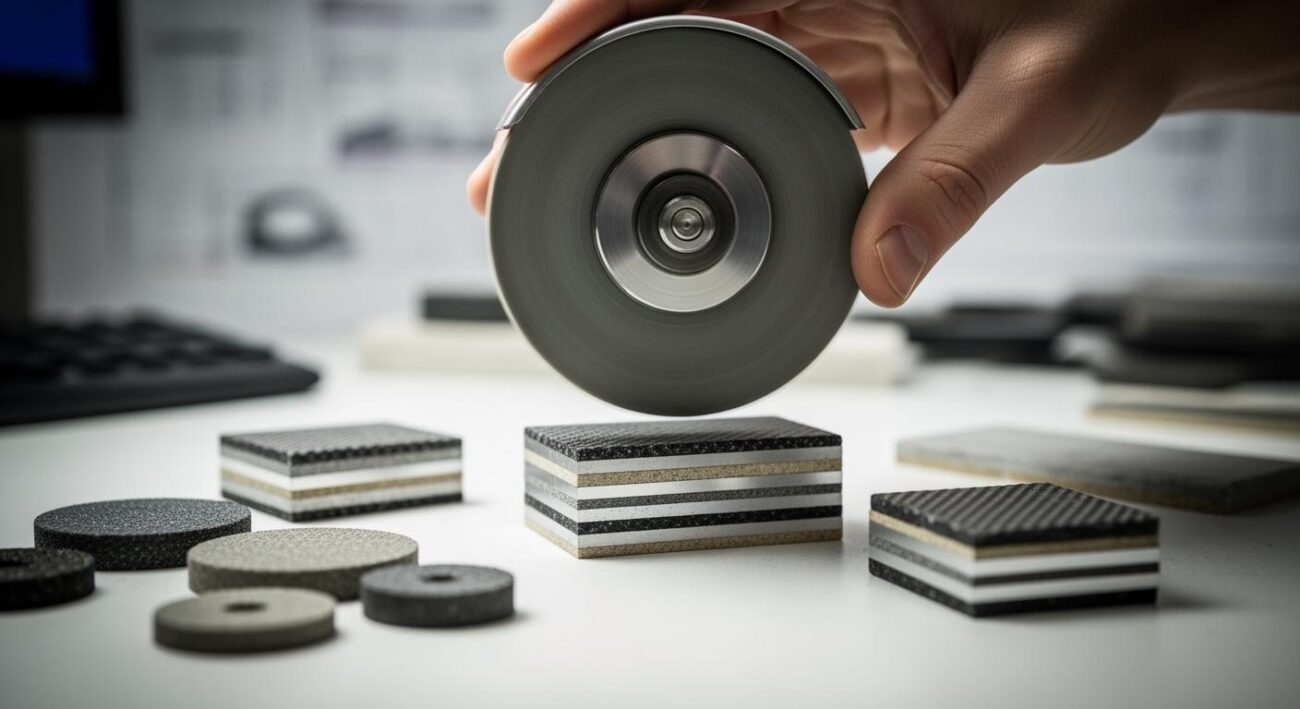
You need to choose the right diamond grinding wheels to reduce the risk of grinding wheel burst. High-quality wheels give you better protection and help you follow angle grinder safety rules. When you select a wheel, you should check several key indicators. These indicators show if the wheel meets safety standards and can handle tough jobs.
| Key Indicator | Description |
|---|---|
| Abrasive Material and Grain Specifications | The type of abrasive and grain size affect performance; diamond is for hard materials, CBN for high-speed steel. |
| Maximum Operating Speed and Safety Ratings | Essential to check these to prevent accidents and ensure compliance with safety standards. |
| Safety Testing and Certification Standards | Compliance with ANSI B7.1, ISO 16057, and EN 12413 ensures safety and quality in grinding wheels. |
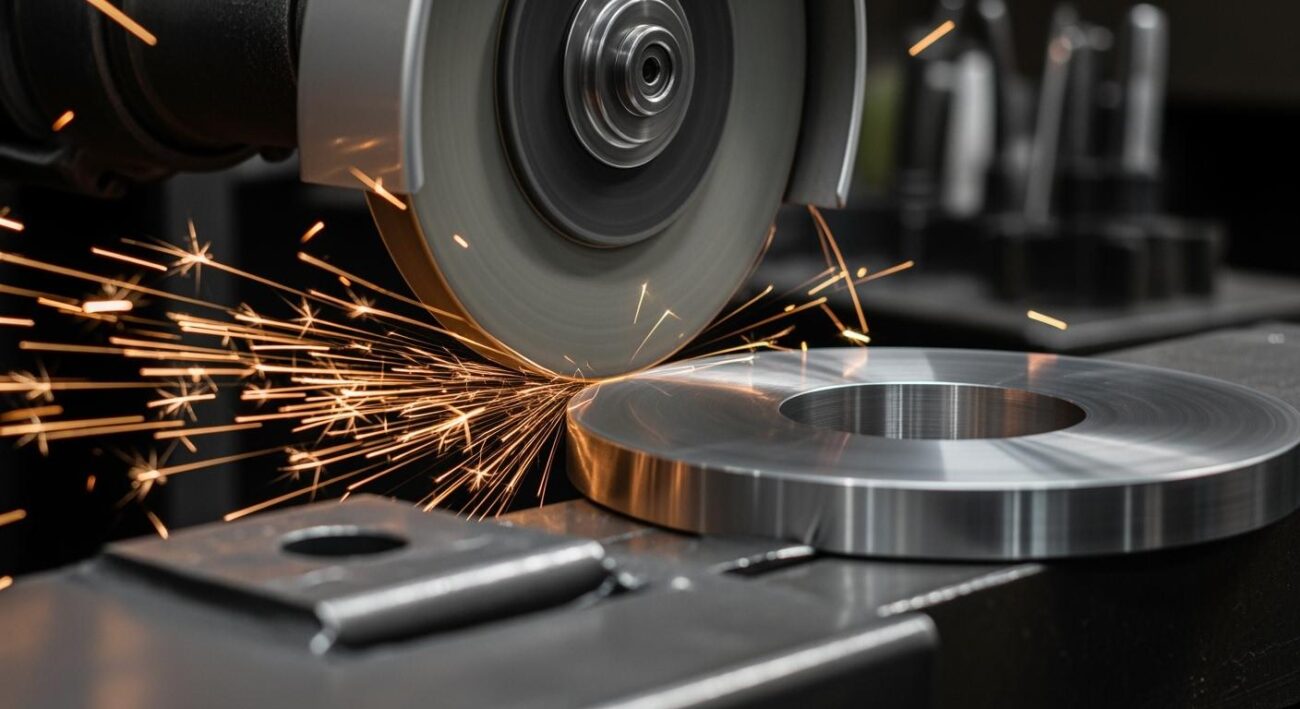
Aimgrind diamond grinding wheels stand out because they use premium diamond abrasives and advanced bonding technology. You get wheels that last longer and resist breakage. Aimgrind tests every wheel for balance, vibration, and density. This process helps you avoid hazards and ensures you meet risk assessment abrasive wheels requirements. You also benefit from Aimgrind’s custom solutions, which match the wheel to your machine and process. This match gives you better control and safety.
Recent advancements in grinding wheel design also help you prevent bursts. For example, inclined symmetrical twin grinding-wheels improve efficiency and reduce defects. Electric-discharge in situ dressing keeps the wheel sharp without removing it from the machine. Self-adaptive strategies, like grinding force feedback and spindle vibration detection, help you spot problems early and take action.
| Advancement | Description |
|---|---|
| Inclined Symmetrical Twin Grinding-Wheels Design | Enhances grinding efficiency and contributes to burst prevention through improved material handling and reduced defects. |
| Electric-Discharge In Situ Dressing (EDID) | Keeps grinding-wheels sharp without the need for loading, unloading, or calibration, ensuring consistent grinding edges. |
| Self-Adaptive Strategies | Includes grinding force feedback and spindle vibration detection to improve efficiency and prevent deterioration during grinding. |
Proper Mounting and Handling
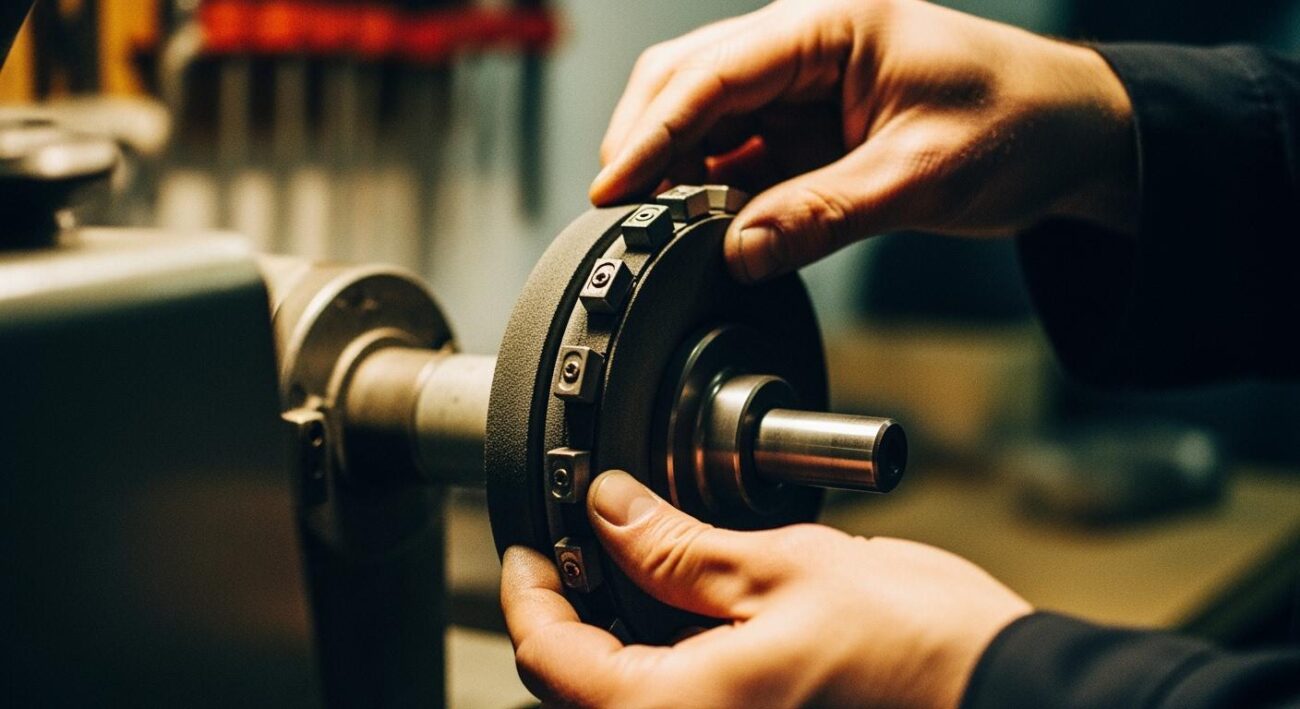
You must follow strict procedures when you mount and handle an abrasive wheel. These steps help you avoid accidents and keep your workplace safe. Always inspect the wheel for cracks or chips before you use it. Use the ring test to check for hidden defects. Remove flammable materials from your work area to lower fire risk. Secure loose clothing to prevent it from catching on the wheel.
Tip: Stand to one side when you turn on the angle grinder. Let it reach full speed before you start grinding.
You should always check that the safety guard is in place and working. Adjust the tool rest so it just clears the wheel and sits above the center line. Never adjust the tool rest while the wheel is turning. Apply your work gradually to let the wheel warm up. Keep your work moving across the wheel to avoid grooves. Do not grind on the side of the wheel. This practice can cause breakage. Maintain good footing because the floor may get slippery. Always follow the manufacturer’s instructions and use the right hardware for mounting. Check the speed rating of both the wheel and the angle grinder. Tighten the spindle nut just enough to hold the wheel without damaging it.
Proper storage also protects your wheels from damage. Do not roll wheels across hard surfaces. Use padded carts or the original box for transport. Discard any wheel that has been dropped. Store wheels in a climate-controlled area between 15°C and 25°C and below 60% humidity. Use a First-In, First-Out system to use older stock first. Elevate cartons off the floor and limit stacking to five layers. Store depressed center wheels flat and avoid leaning thin wheels to prevent warping.
Aimgrind’s Safety Solutions
Aimgrind gives you a complete safety solution for grinding wheel burst prevention. The brand’s diamond grinding wheels meet strict safety standards and pass all required tests. You get wheels that fit your equipment and process, reducing the risk of accidents. Aimgrind’s team helps you with risk assessment and control measures. You receive guidance on proper mounting, handling, and storage. Aimgrind also supports you with ongoing training and updates on the latest safety technology.
You can trust Aimgrind to help you build a safer workplace. The brand’s commitment to quality, innovation, and customer satisfaction means you get the best protection. You lower your risk and improve your results when you choose Aimgrind’s products and services. Always use protective equipment, follow safety guard rules, and keep up with regular assessment. These measures help you control hazards and keep your team safe.
Emergency Response and Best Practices
Immediate Actions After a Burst
If a grinding wheel bursts, you must act quickly to reduce the risk of further injury. First, stop the angle grinder and move away from the machine. Check yourself and others for any signs of physical injury. If someone is hurt, call for medical help right away. Do not touch the broken wheel or try to clean up until you know it is safe. Make sure the power is off before you inspect the area.
Immediately before mounting, all wheels shall be closely inspected and sounded by the user (ring test) to make sure they have not been damaged in transit, storage, or otherwise. The spindle speed of the machine shall be checked before mounting of the wheel to be certain that it does not exceed the maximum operating speed marked on the wheel.
You should always wear proper protection to shield yourself from flying debris. This step helps prevent accident-related injuries.
Reporting and Investigation
After a burst, you need to report the accident to your supervisor or safety officer. Give details about what happened, including the type of angle grinder and the grinding wheel used. Take photos of the scene if possible. Save any broken parts for later assessment. Your workplace should have a clear process for reporting and investigating these incidents.
A good investigation looks for the root cause of the risk. It checks if the wheel was mounted correctly and if the speed matched the rating. The team reviews safety procedures and training records. This process helps you control future hazards and improve your safety program.
Continuous Safety Improvement
You can prevent future accidents by learning from each incident. Review your safety rules and update them as needed. Hold regular training sessions for all workers who use an angle grinder. Remind everyone to inspect wheels before use and follow all safety steps. Use high-quality wheels and keep up with regular assessment.
Keep records of all incidents and share lessons learned with your team. This habit builds a culture of safety and risk control. When you focus on protection and best practices, you help everyone avoid physical injury and keep your workplace safe.
You protect yourself from accident and injury when you follow the right risk assessment steps for your angle grinder. Use this table to remember the essentials:
| Step | Description |
|---|---|
| 1 | Fit grinding disks correctly. |
| 2 | Inspect disks for damage. |
| 3 | Replace overdue disks. |
| 4 | Secure guards before use. |
| 5 | Tighten the disc properly. |
| 6 | Check cable and plug. |
| 7 | Test the switch. |
| 8 | Listen for odd vibrations or noise. |
Choose Aimgrind diamond grinding wheels for better safety and risk control. Keep up with training and regular assessment. A strong safety culture helps you avoid injury and keeps your angle grinder running safely.
FAQ
What should you do before using a new grinding wheel?
You should inspect the wheel for cracks or chips. Check the speed rating. Perform a ring test. Make sure the wheel fits your machine. Always wear safety gear.
How often should you inspect your grinding wheels?
You should inspect wheels before each use. Schedule daily checks for cleanliness and loose parts. Plan detailed inspections monthly. Certified technicians should check wheels at least once a year.
Why choose diamond grinding wheels from Aimgrind?
Aimgrind diamond grinding wheels offer high durability and precision. You get custom solutions for your equipment. Each wheel passes strict safety tests. You improve safety and efficiency with Aimgrind products.
What are the signs of a grinding wheel about to burst?
You may notice vibrations, wobbling, or odd noises. Cracks, chips, or uneven wear can appear. A dull sound during a ring test signals hidden damage. Stop using the wheel if you see these signs.
Can you use the same grinding wheel for all materials?
No, you should match the wheel to the material. Diamond wheels work best for hard alloys, ceramics, and composites. Using the wrong wheel increases risk and reduces performance.
Contact Us
For More Grinding Solution or Customized Abrasive Tools