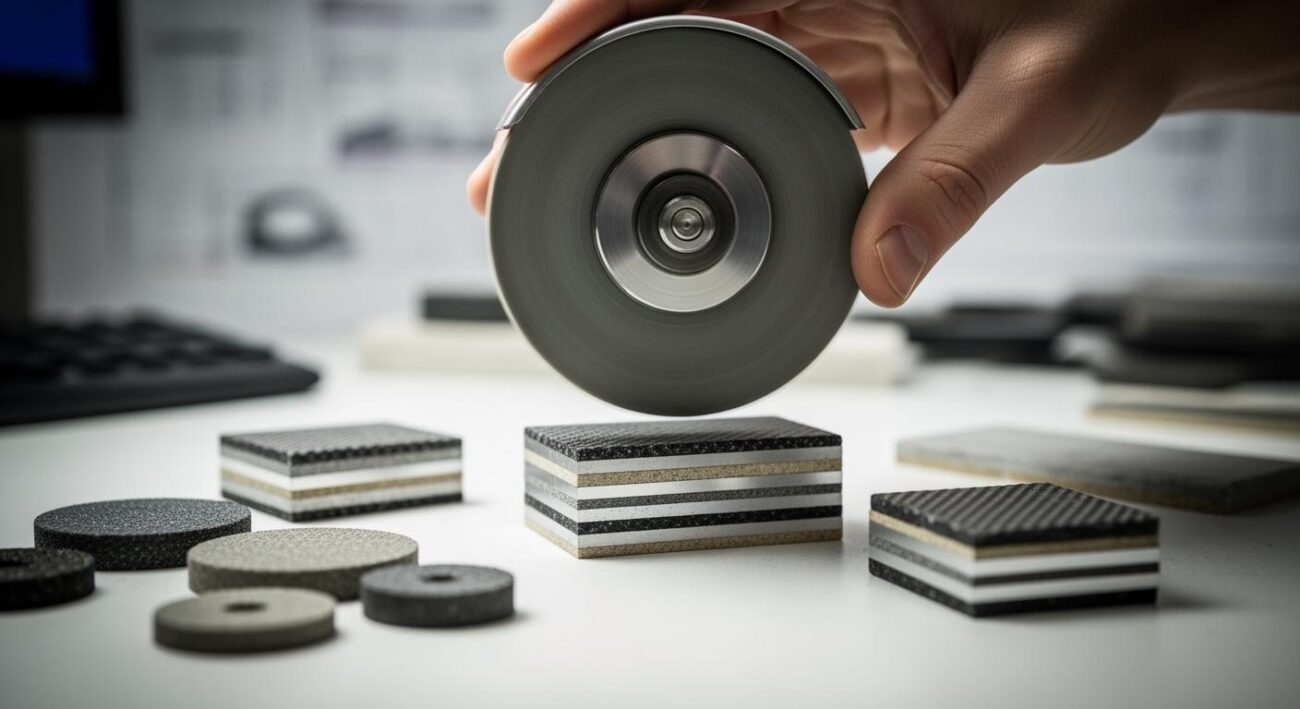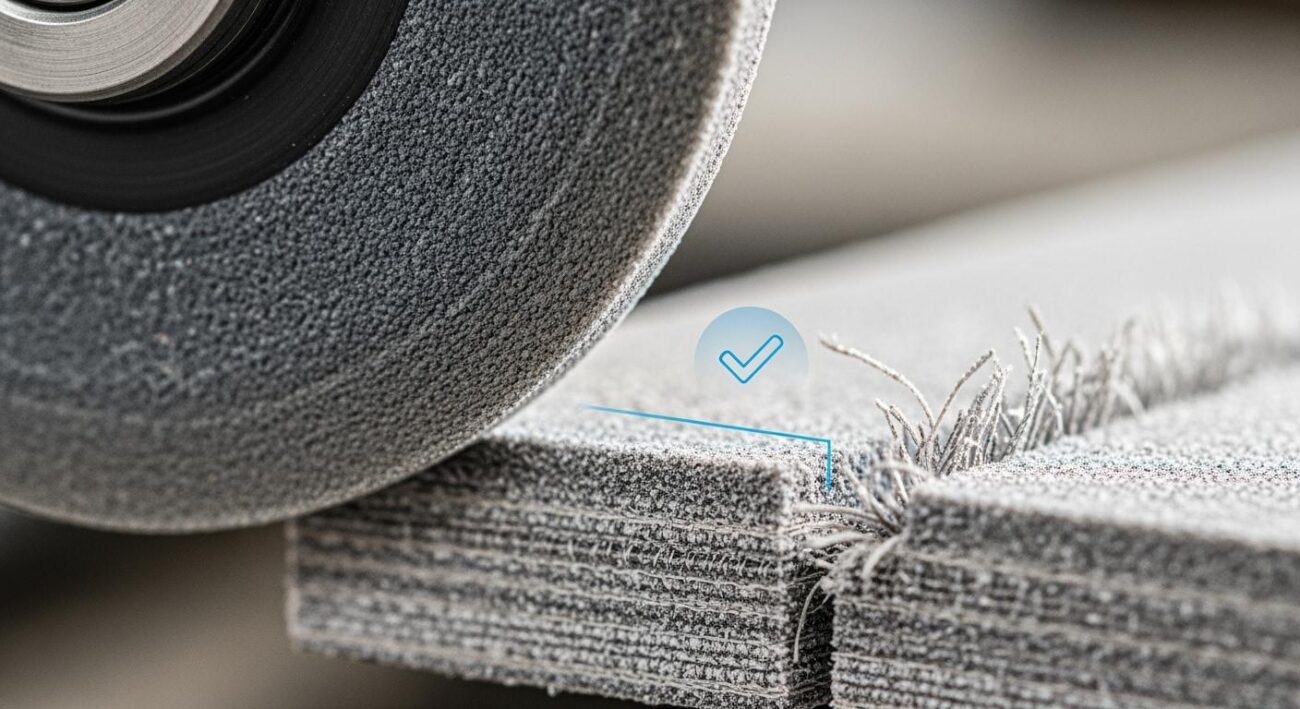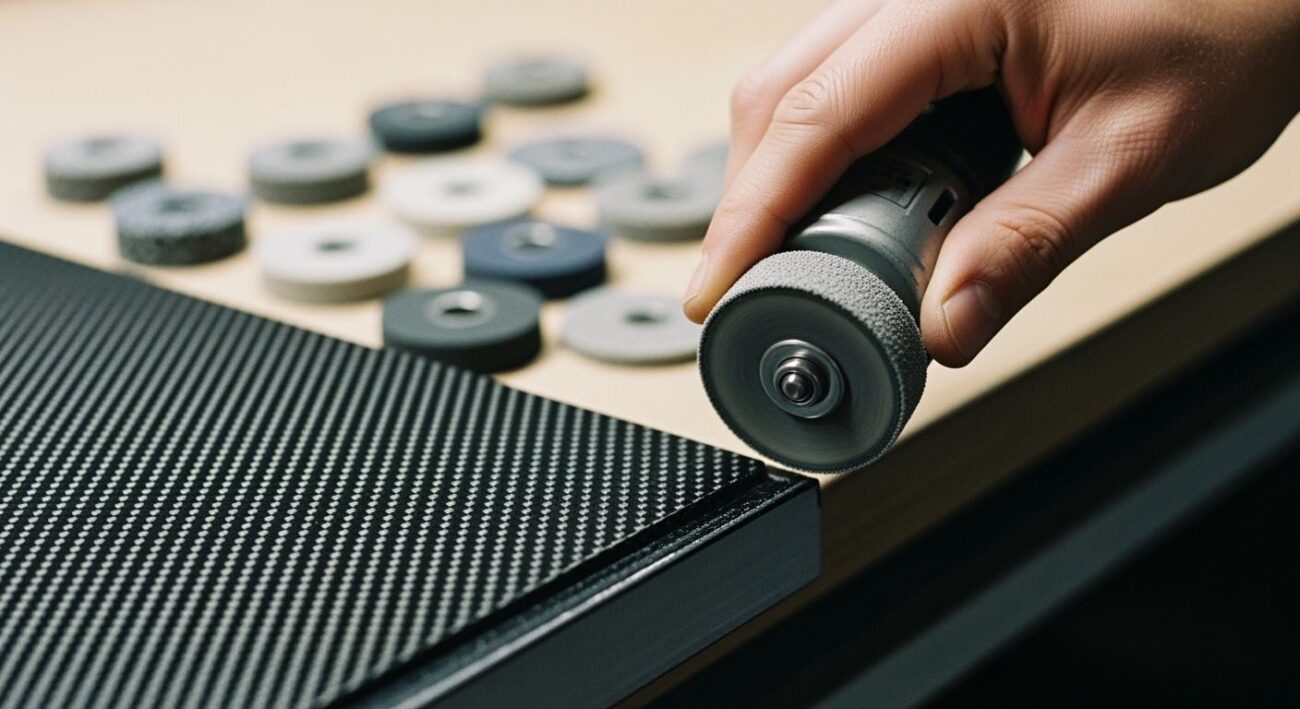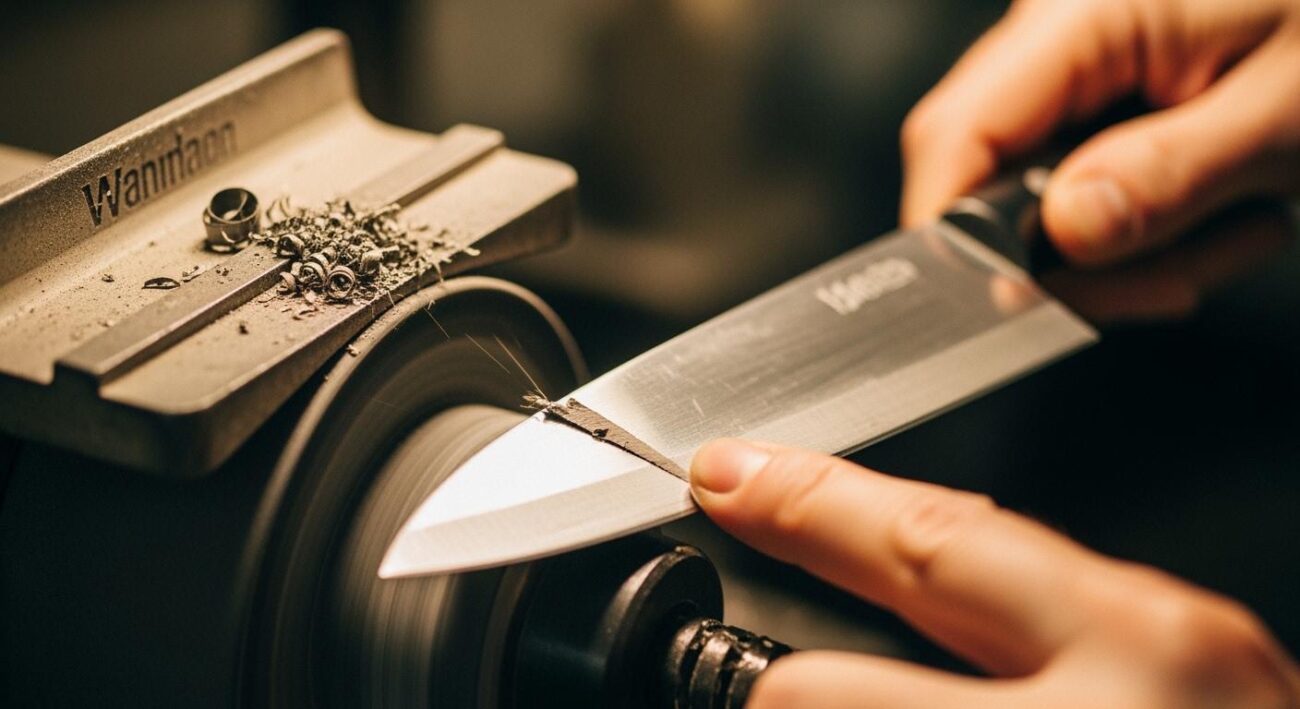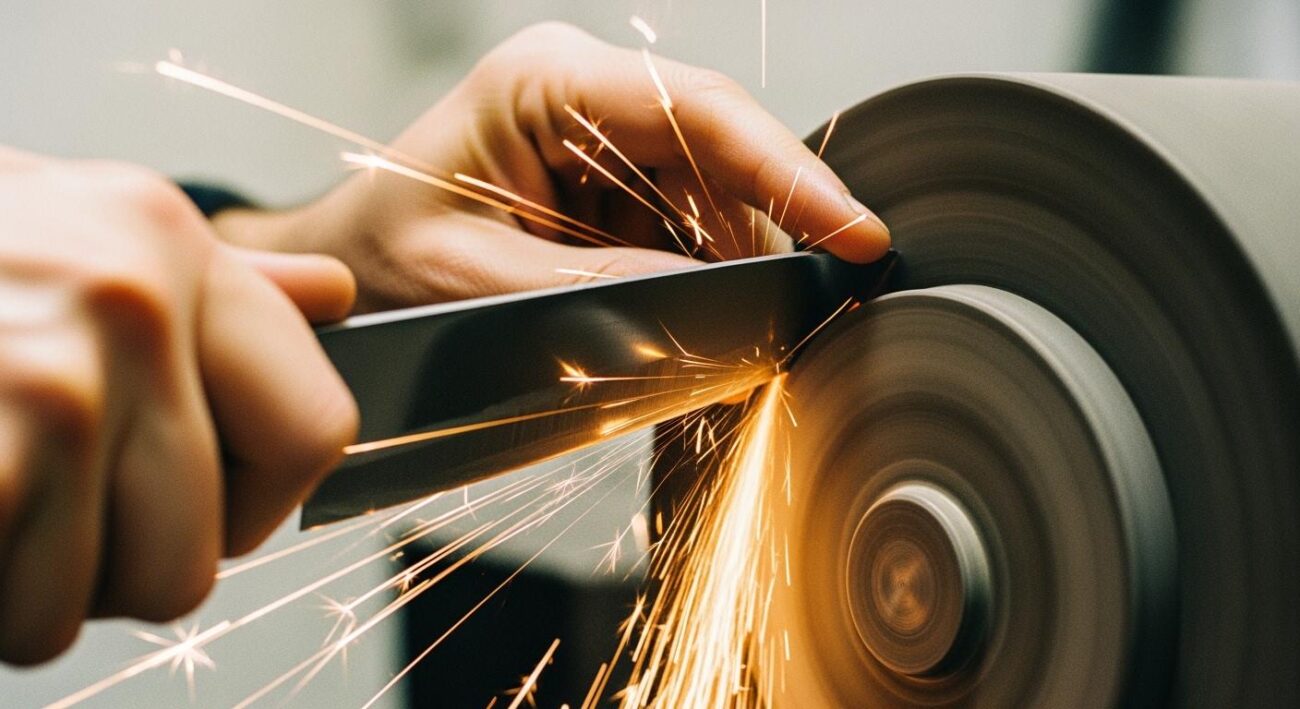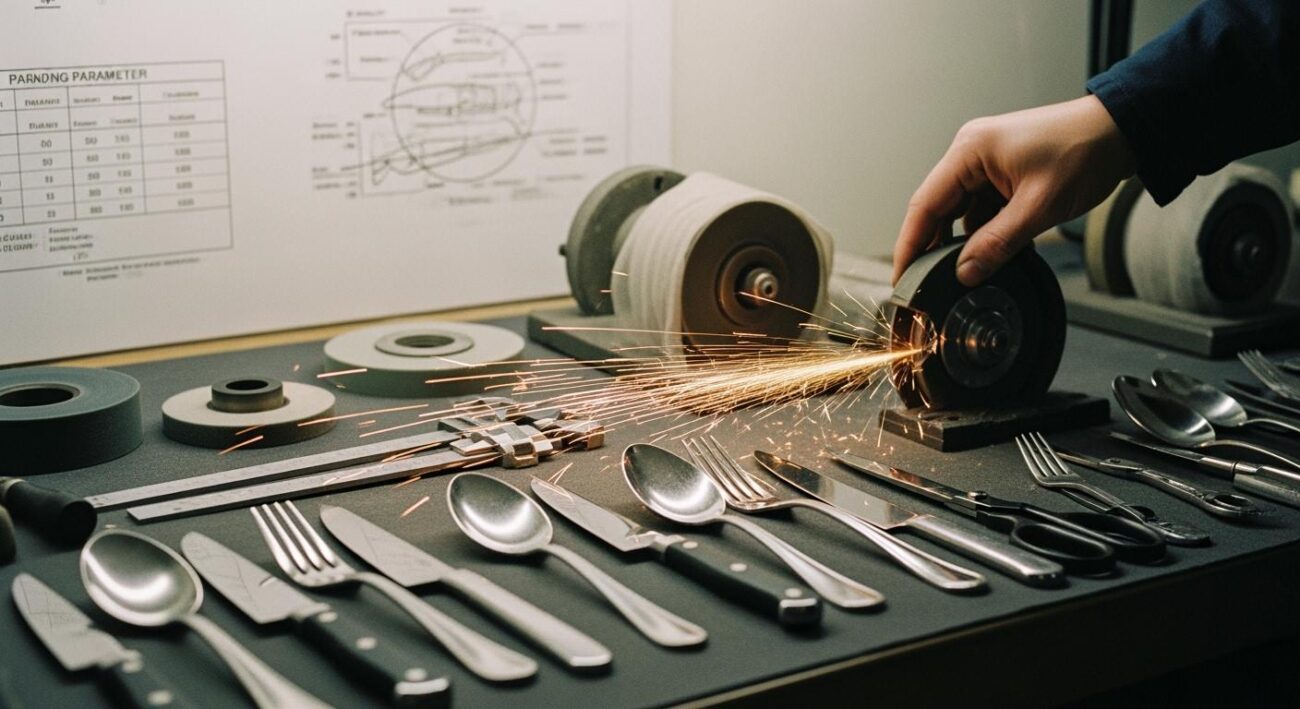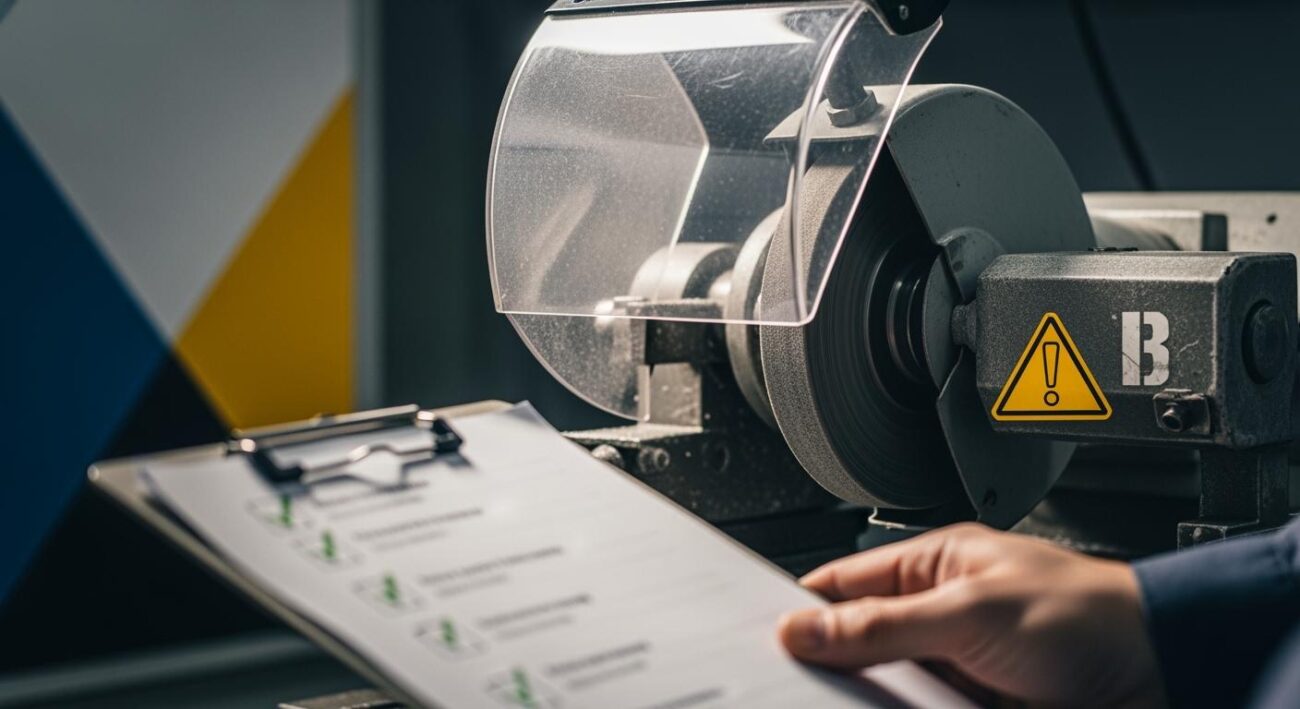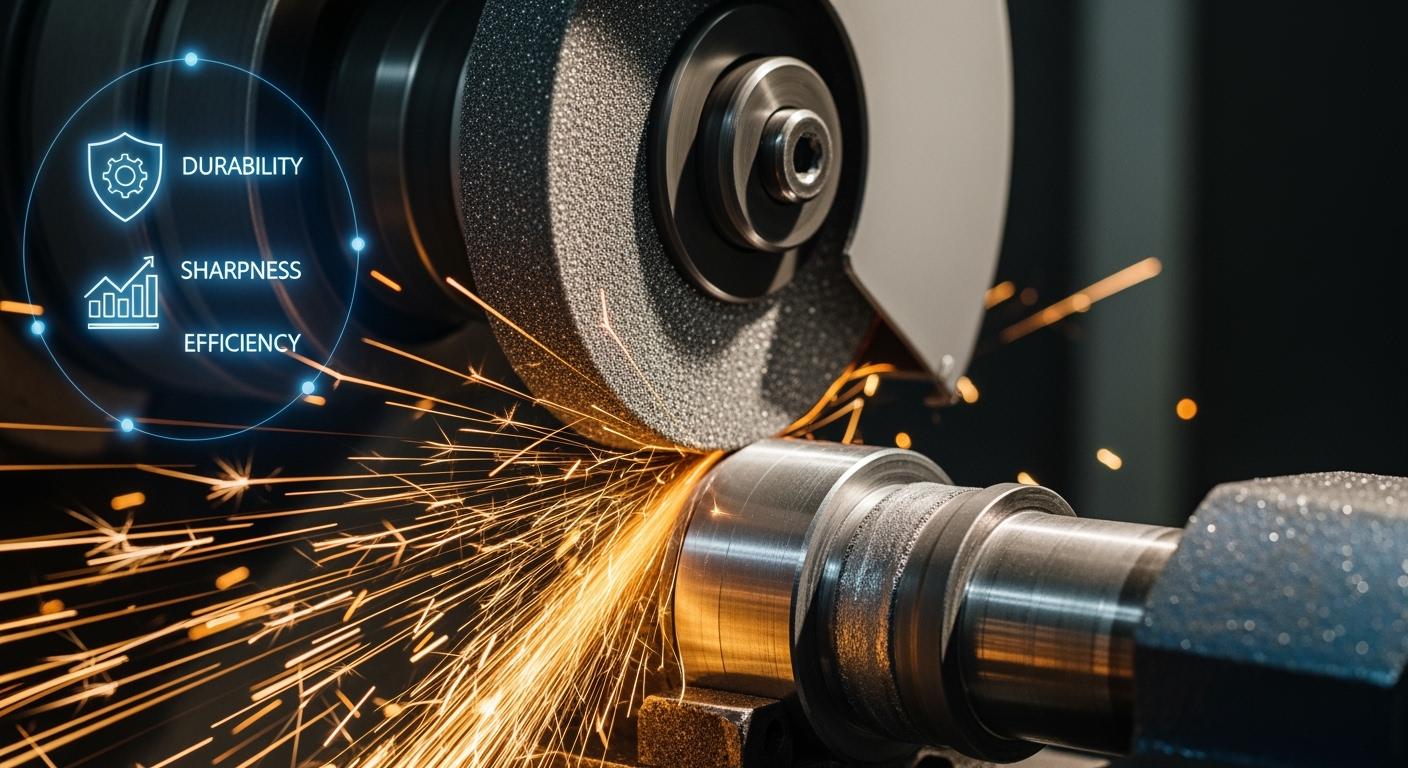
You achieve success in high-efficiency deep grinding by selecting grinding wheels with the right Grinding Wheel Attributes. You need to match these attributes to your material and process. Aimgrind helps you customize wheels for your unique requirements. You gain practical insights that improve your results and boost productivity.
Key Takeaways
- Select the right grain type for your material to improve cutting efficiency and wheel longevity.
- Choose the appropriate bond type to match your grinding conditions for optimal performance.
- Adjust wheel hardness based on the material being ground to achieve better finishes and longer wheel life.
- Monitor and maintain your grinding wheels regularly to prevent wear and ensure consistent results.
- Consult with experts like Aimgrind to customize grinding wheels for your specific needs and processes.
Essential Grinding Wheel Attributes
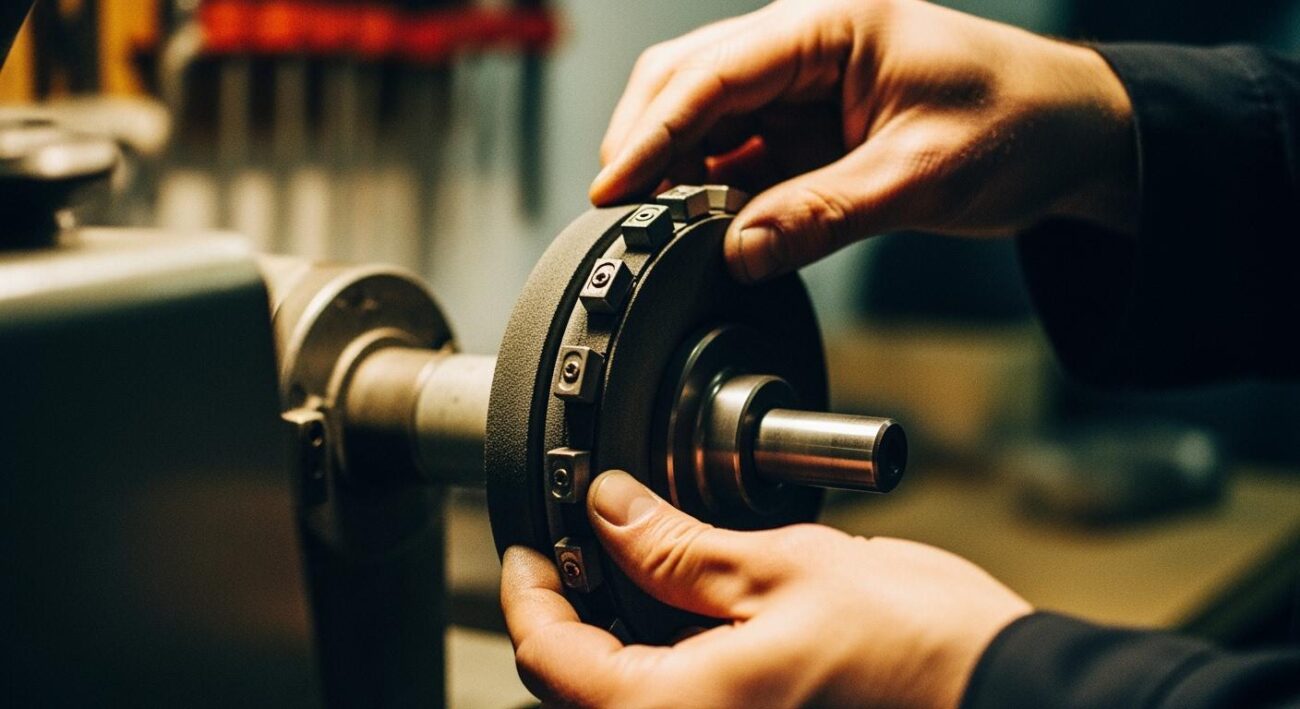
When you want to achieve high-efficiency deep grinding, you must understand the core Grinding Wheel Attributes. Each attribute plays a unique role in how your grinding wheel performs. You can optimize your results by selecting the right combination for your material and process. Aimgrind offers you the ability to customize each attribute for your specific needs.
Grain Type and Quality
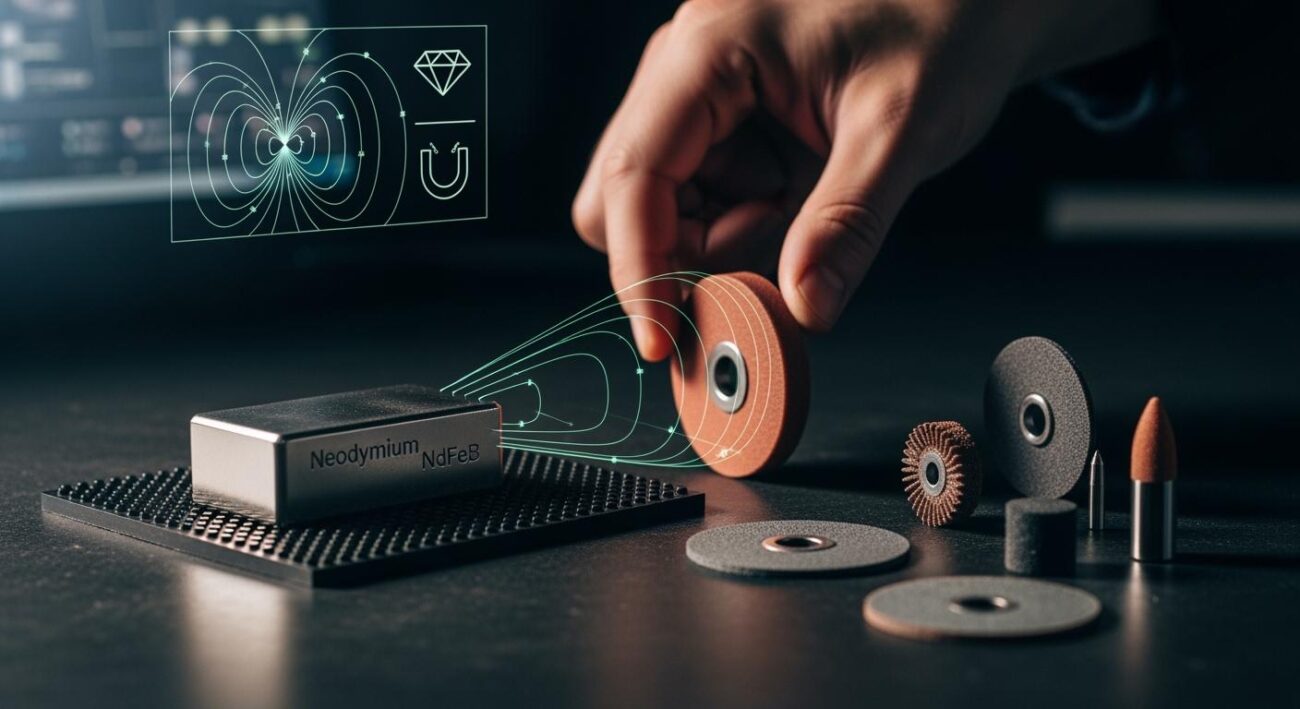
The abrasive grain is the heart of any grinding wheel. You choose the grain based on the material you need to grind and the finish you want to achieve. Porous diamond grains are popular for ultra-precision machining. They help reduce cutting force and heat, which protects both your wheel and your workpiece. These grains have many micro-edges and multi-edges, which means they cut efficiently and stay sharp longer. Corrosion pore sizes between 2 μm and 5 μm help reduce cutting damage.
You can see how different grains compare in the table below:
| Abrasive Type | Best For | Durability Level | Thermal Resistance |
|---|---|---|---|
| Aluminum Oxide | Steel, Iron, General Metal | High | Moderate to High |
| Silicon Carbide | Non-Ferrous Metals, Rubber, Stone | Moderate | Moderate |
| Diamond | Carbide, Ceramics, Concrete | Very High | Very High |
| CBN | Hardened Steel, Superalloys | Very High | Exceptional |
Thermal resistance and wear resistance are important. They help your wheel last longer and keep your grinding process stable. Aimgrind can help you select the right grain for your application, whether you need aluminum oxide for steel or diamond for ceramics.
Bond Type Selection
The bond holds the abrasive grains together. You must choose the right bond to match your grinding conditions. The main bond types are vitrified, resin, and metal. Each has its own strengths.
| Bond Type | Characteristics | Applications |
|---|---|---|
| Vitrified | Rigid, porous, durable, stable; allows coolant flow and chip clearance | Tool and cutter grinding, cylindrical grinding |
| Resin | Flexible, shock-resistant, customizable | Cutoff wheels, heavy-duty, surface grinding |
| Ceramic | Extremely rigid, thermally stable, excellent grain retention | High-performance grinding of hardened steels |
Vitrified bonds give you free-cutting ability and high porosity. This helps with coolant flow and chip removal. Resin bonds are flexible and can be customized for special tasks. Metal bonds hold diamond grains well, which is important for hard materials. Aimgrind offers all these bond types and can help you match the bond to your grinding needs.
Wheel Hardness
Wheel hardness tells you how strongly the bond holds the grains. Softer wheels release worn grains quickly. This is good for grinding hard materials because it keeps the wheel sharp and prevents overheating. Harder wheels hold grains longer, which is better for softer materials. This gives you a smoother finish and longer wheel life.
You should:
- Use a softer grade and fine grit for hard materials.
- Choose a harder grade and coarser grit for soft materials.
- Make sure the wheel’s speed matches your grinder.
Aimgrind can adjust the hardness of your wheel to fit your workpiece and process.
Structure and Porosity
Structure and porosity describe how open or dense your wheel is. An open structure helps clear chips and lets coolant reach the grinding zone. This keeps temperatures low and prevents burning. If the wheel is too dense, chips get trapped, heat builds up, and the finish suffers. If the wheel is too open, it may lose support and control.
Segmented and laser-structured wheels can reduce grinding forces by up to 30%. This lowers the temperature and reduces stress on your parts. Aimgrind can design the right structure for your application, balancing chip clearance and dimensional control.
Size and Shape
The size and shape of your grinding wheel must match your machine and the part you want to produce. In automotive and aerospace industries, you need wheels that fit large cylindrical grinders and can handle complex profiles. The right size and grit help you achieve the surface finish and tolerance you need.
Here is a guide for matching grain size to surface roughness:
| Surface roughness, Ra (μm) | Abrasive grain size (U.S. mesh size) |
|---|---|
| 0.7−1.1 | 46 |
| 0.35−0.7 | 60 |
| 0.2−0.4 | 80 |
| 0.17−0.25 | 100 |
| 0.14−0.2 | 120 |
| 0.12−0.17 | 150 |
| 0.1−0.14 | 180 |
| 0.08−0.12 | 220 |
Aimgrind can provide wheels in many sizes and shapes, or create custom solutions for your special requirements.
Tip: You can boost your grinding performance by working with Aimgrind to customize these Grinding Wheel Attributes for your exact material, machine, and finish needs.
How Grinding Wheel Attributes Affect Performance
Material Removal and Surface Finish
You can boost your grinding efficiency by choosing the right Grinding Wheel Attributes. Studies show that increasing the depth of cut and using structured wheels can raise material removal rates and reduce tool wear. For example, Aimgrind diamond grinding wheels help you remove more material quickly while keeping the surface smooth. If you use a coarse grit, you remove material faster but get a rougher finish. Finer grits give you a smoother surface, which is important for precision work. The bond type also matters. Vitrified bonds work well for fast stock removal, while resin bonds help you achieve a fine finish.
Heat Control and Coolant Use
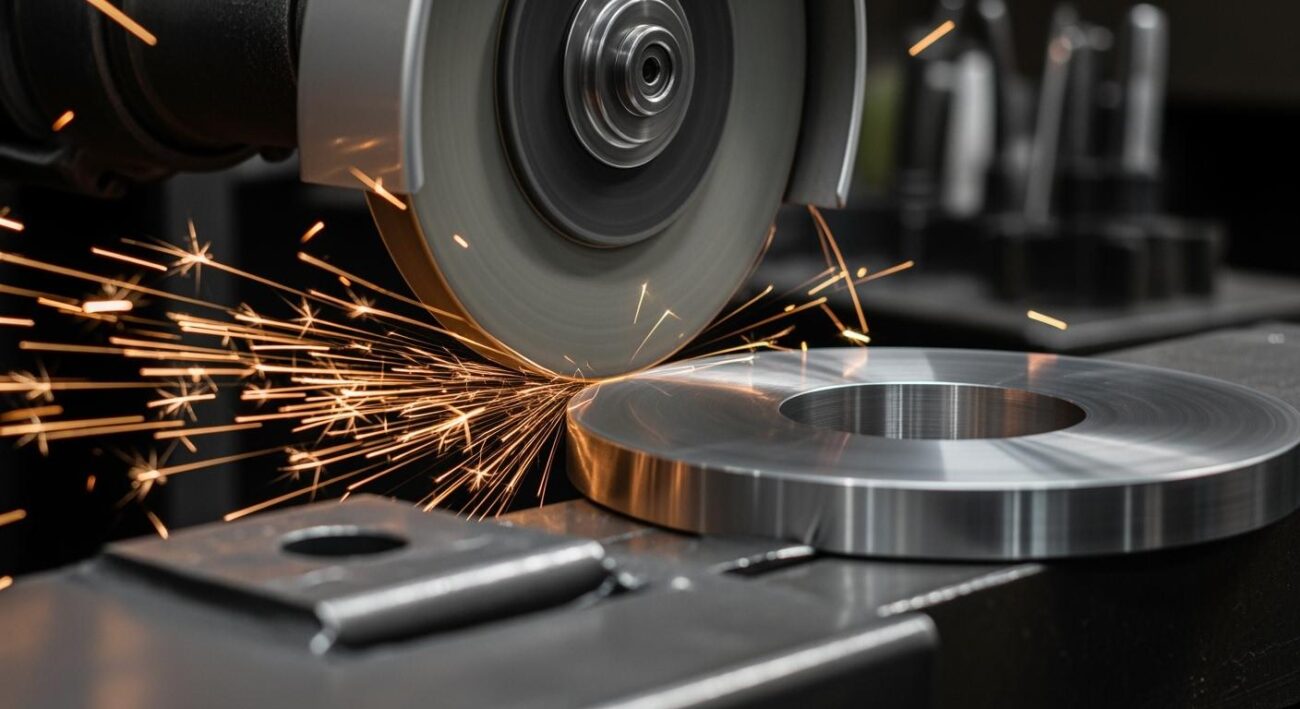
Heat can damage your workpiece and shorten wheel life. You need to control heat during deep grinding. Wheels with high porosity and special bond types let coolant reach the grinding zone better. This reduces heat and helps chips clear away. Research shows that porous wheels with advanced bonds lower grinding energy and keep temperatures down. Aimgrind offers wheels with these features, so you can grind longer without burning your parts.
Wheel Life and Consistency
The composition of your wheel affects how long it lasts and how consistent your results are. Diamond and CBN wheels, like those from Aimgrind, last longer and stay sharp in tough jobs. They work well on hard materials and keep your process stable. Wheels with strong bonds and the right structure resist chipping and wear. This means you spend less time changing wheels and more time grinding.
Machine Compatibility
You need to match your wheel to your machine for the best results. If your wheel fits your machine’s speed and power, you get reliable performance and less downtime. Studies show that good compatibility reduces wear on both the wheel and the machine. Regular checks and maintenance, like dressing and inspection, help you keep everything running smoothly. Aimgrind can help you choose wheels that fit your equipment and process.
Tip: Always check that your grinding wheel matches your machine and application. This helps you get the best performance and longest wheel life.
Selecting and Optimizing Grinding Wheels
Application Matching with Aimgrind
You need to match your grinding wheel to your task for the best results. Start by looking at the material you want to grind and the finish you need. Check the wheel profile and make sure it fits the shape of your part. Always read the technical data sheets from the manufacturer. These sheets give you important information about wheel selection. Use proper dressing tools to keep the wheel sharp and accurate. Monitor the wheel for wear and surface condition during use. Train your team on safe handling and inspection.
Aimgrind supports you with a complete service process:
- Problem diagnosis: You share your grinding challenges.
- Parameter matching: Aimgrind experts select the right wheel formula for your needs.
- Sample optimization: You test the wheel and give feedback for further improvement.
This process helps you get a wheel that fits your machine and your application.
Handling and Storage Best Practices
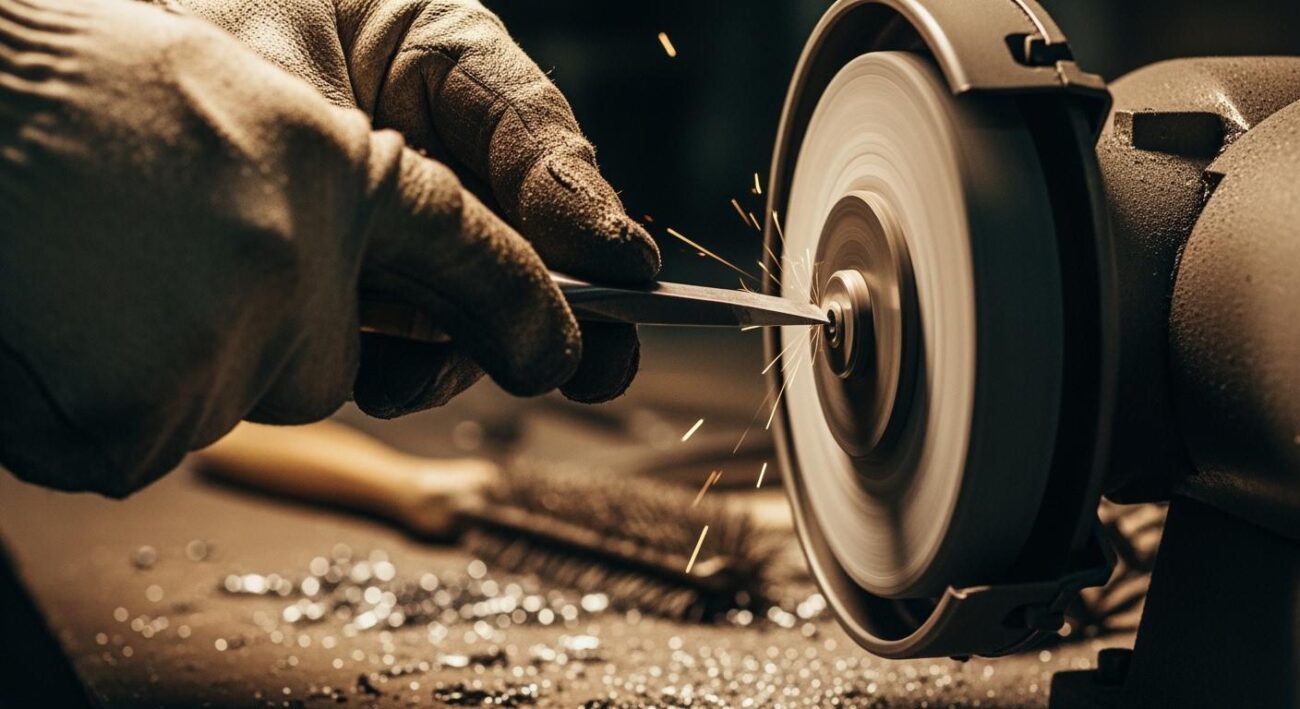
Proper handling and storage keep your grinding wheels safe and effective. Store wheels vertically in a dry, climate-controlled room. Keep them away from sunlight and heat. Do not stack wheels or put heavy objects on them. Always handle wheels gently to avoid cracks or chips. Keep wheels in their original packaging until you need them. Let wheels reach room temperature before use to prevent thermal shock. Check your inventory often and rotate stock using the first-in, first-out method.
Monitoring and Adjusting Performance
You should monitor your grinding wheels during operation. Use sensors to track wheel wear, vibration, and power use. Acoustic emission signals can help you spot wear early. Regular checks help you avoid problems and keep your process stable. Adjust grinding parameters as needed. The table below shows how changes can affect your results:
| Parameter | Effect on Efficiency and Quality |
|---|---|
| Spindle Speed | Changes cutting accuracy and surface finish |
| Feed Rate | Alters edge chipping and material removal rate |
| Dicing Depth | Controls cut precision and surface integrity |
| Intelligent Systems | Improve real-time monitoring and adjustments |
Tip: Regular monitoring and small adjustments help you get the best performance and longest life from your grinding wheels.
Common Mistakes to Avoid
You can improve your grinding results by avoiding common mistakes in wheel selection and use. Many professionals face issues because they overlook key factors. Here are the most frequent errors and how you can prevent them.
Ignoring Attribute Compatibility
You must match the grinding wheel attributes to your material and machine. If you use silicon carbide on tough metals, the wheel dulls quickly and burns the workpiece. Standard aluminum oxide wheels often load fast and generate heat, causing micro-cracks. Choosing the wrong abrasive or bond type leads to poor performance and safety risks. Research shows that mismatched wheels and materials cause most grinding problems. Always consider the hardness and type of your workpiece. Select the right grain, grit, and bond for each job.
Tip: Consult Aimgrind experts to help you choose the best wheel for your material and process.
Neglecting Maintenance
Grinding wheels need regular care. If you skip maintenance, you get inaccurate finishes and higher costs. Worn wheels increase scrap rates and machine downtime. You should inspect wheels often, dress them properly, and replace them when needed. Poor wheel condition leads to premature wear and more production expenses.
- Check wheels for cracks or chips before use.
- Dress wheels to keep them sharp.
- Replace wheels that show signs of excessive wear.
Improper Storage
Storing wheels incorrectly creates hazards. Wheels can crack or shatter if exposed to moisture or stacked carelessly. Malfunctioning wheels may explode, causing injuries. Sparks from grinding can ignite nearby combustibles. Dust buildup leads to health risks and housekeeping issues. Always store wheels vertically in a dry, clean area. Make sure the wheel’s RPM rating matches your grinder. Inspect wheels regularly to prevent accidents.
Overlooking Process Changes
Grinding conditions change over time. If you adjust coolant use, machine horsepower, or surface finish requirements, your old wheel may not work well. Vitrified wheels soften with more coolant, while resin wheels harden. Higher horsepower needs harder wheels and durable grains. You must review wheel selection when your process changes. Check grit size, grade, and bond to keep your grinding efficient.
Note: Aimgrind can help you review and optimize your grinding wheels when your process or equipment changes.
By avoiding these mistakes, you protect your equipment, improve quality, and reduce costs. Aimgrind offers expert guidance to help you select, maintain, and optimize your grinding wheels for high-efficiency deep grinding.
You improve your grinding results when you focus on the right wheel attributes. The table below shows why each aspect matters:
| Key Aspect | Importance |
|---|---|
| Temperature Control | Keeps product quality high and reduces wheel wear. |
| Fracture Toughness | Lowers chipping risk and boosts machining safety. |
| Thermal Stability | Prevents deformation and keeps quality steady at high temperatures. |
| Brazed Interface Strength | Stops diamond particles from falling off, making tools last longer. |
Aimgrind gives you custom solutions and diamond grinding wheels that help you reach your goals. Review your grinding process and talk with experts to get the best results.
FAQ
What materials can you grind with Aimgrind diamond grinding wheels?
You can grind hard alloys, ceramics, and composite materials. These wheels work well for tough jobs in aerospace, tooling, and electronics.
How do you choose the right grinding wheel bond?
You look at your material and grinding process. Resin bonds suit high-speed jobs. Metal bonds work for hard materials. Vitrified bonds give you stability and chip clearance.
Can you use Aimgrind wheels for both wet and dry grinding?
Yes, you can use Aimgrind diamond grinding wheels for wet or dry grinding. Wet grinding helps control heat and dust.
How do you store grinding wheels safely?
Store wheels upright in a dry, cool place. Keep them in their original packaging. Avoid stacking heavy items on top.
Tip: Always inspect your wheels before use to prevent accidents.
Contact Us
For More Grinding Solution or Customized Abrasive Tools