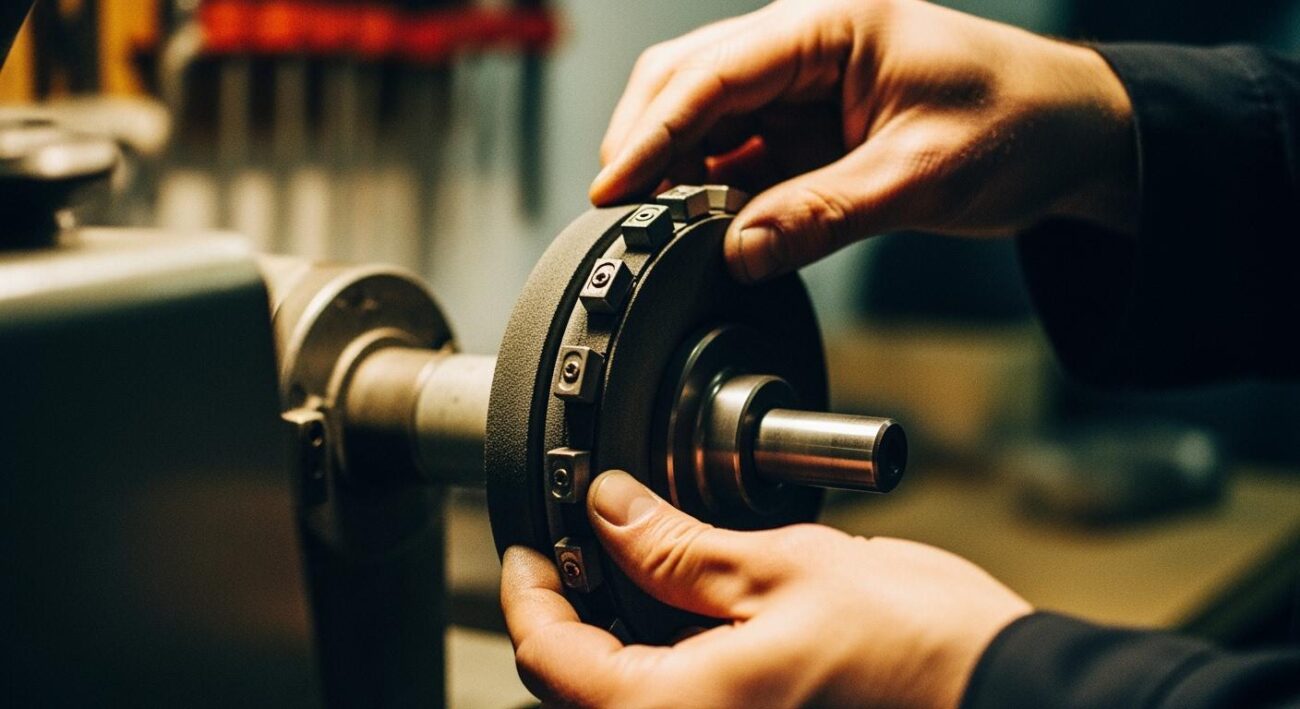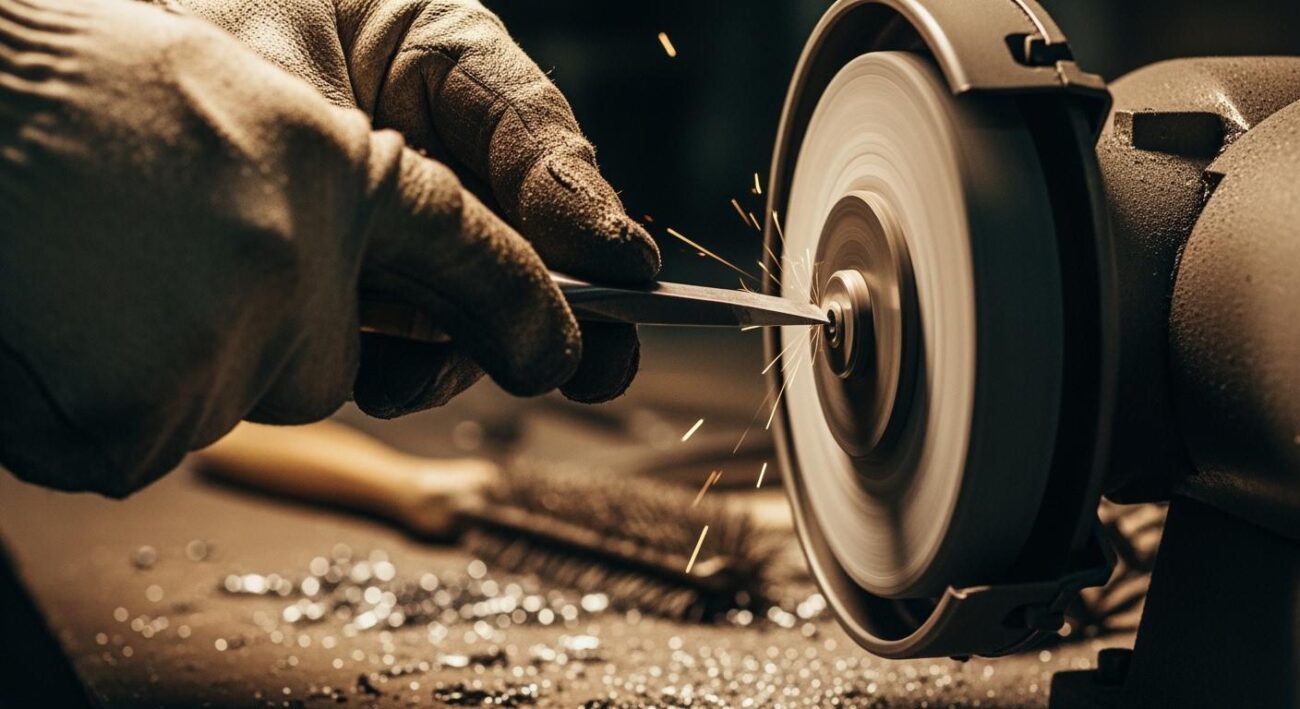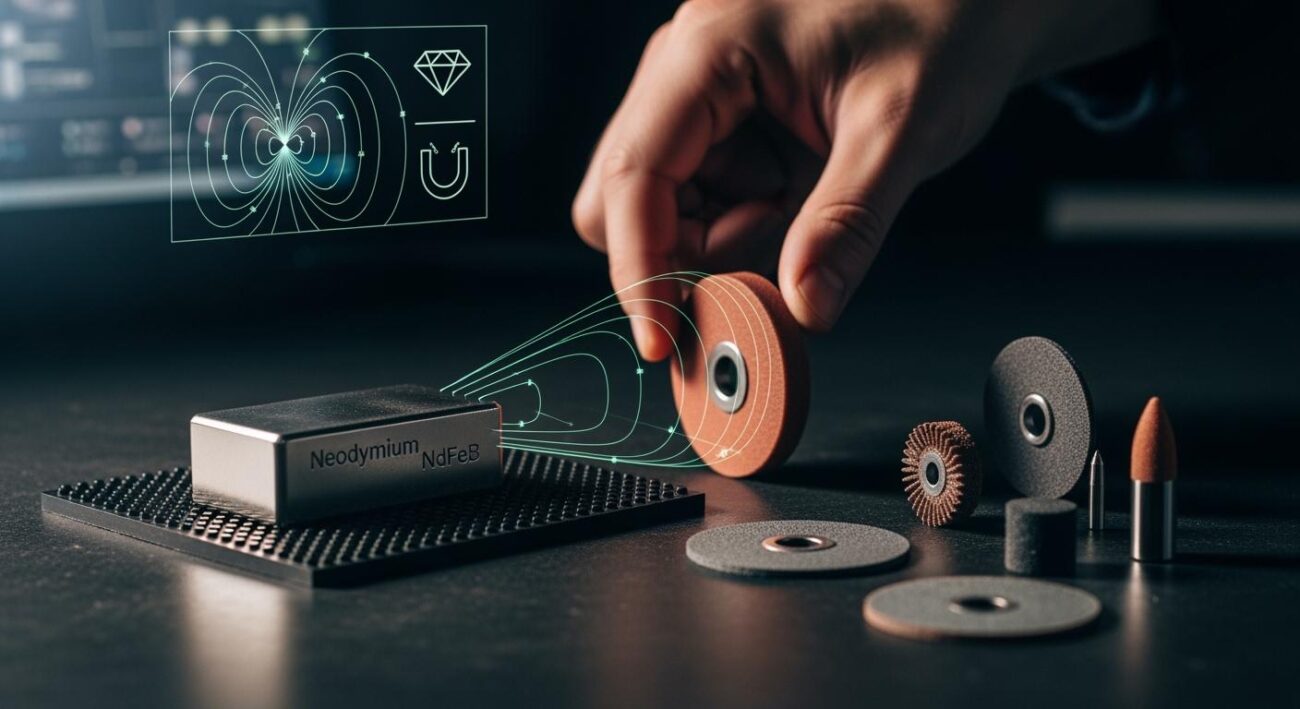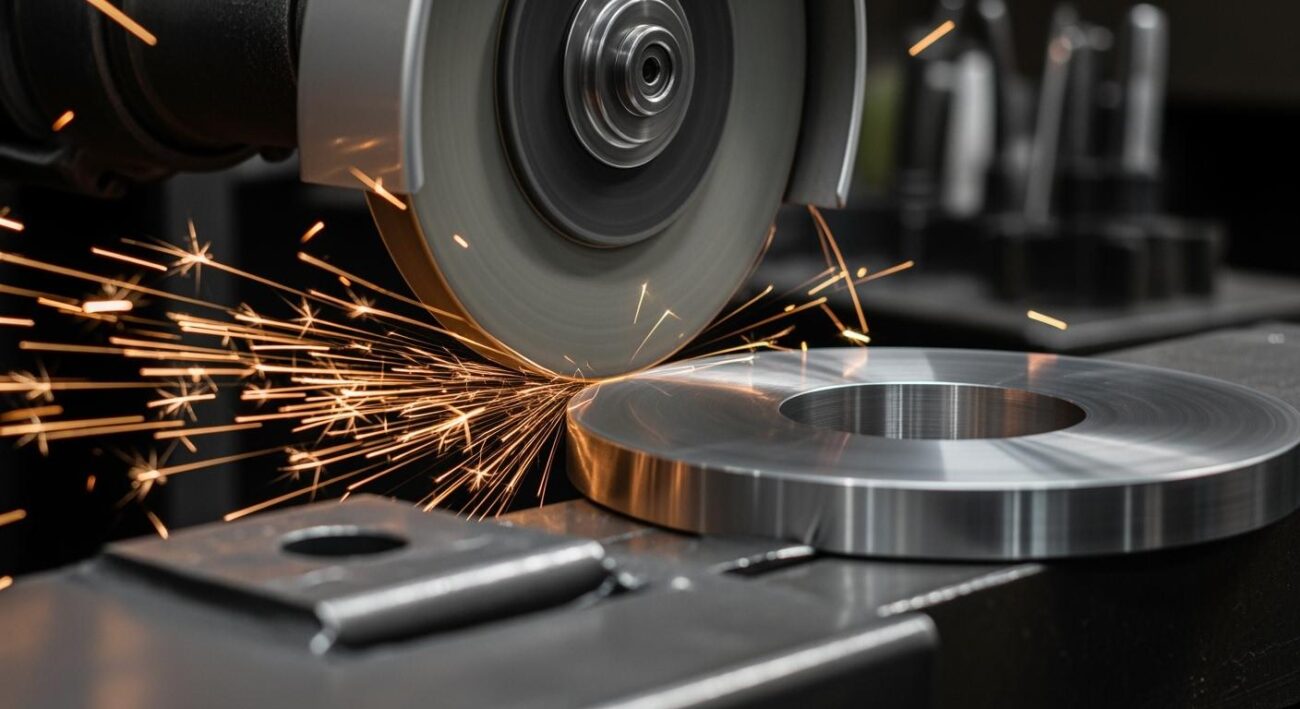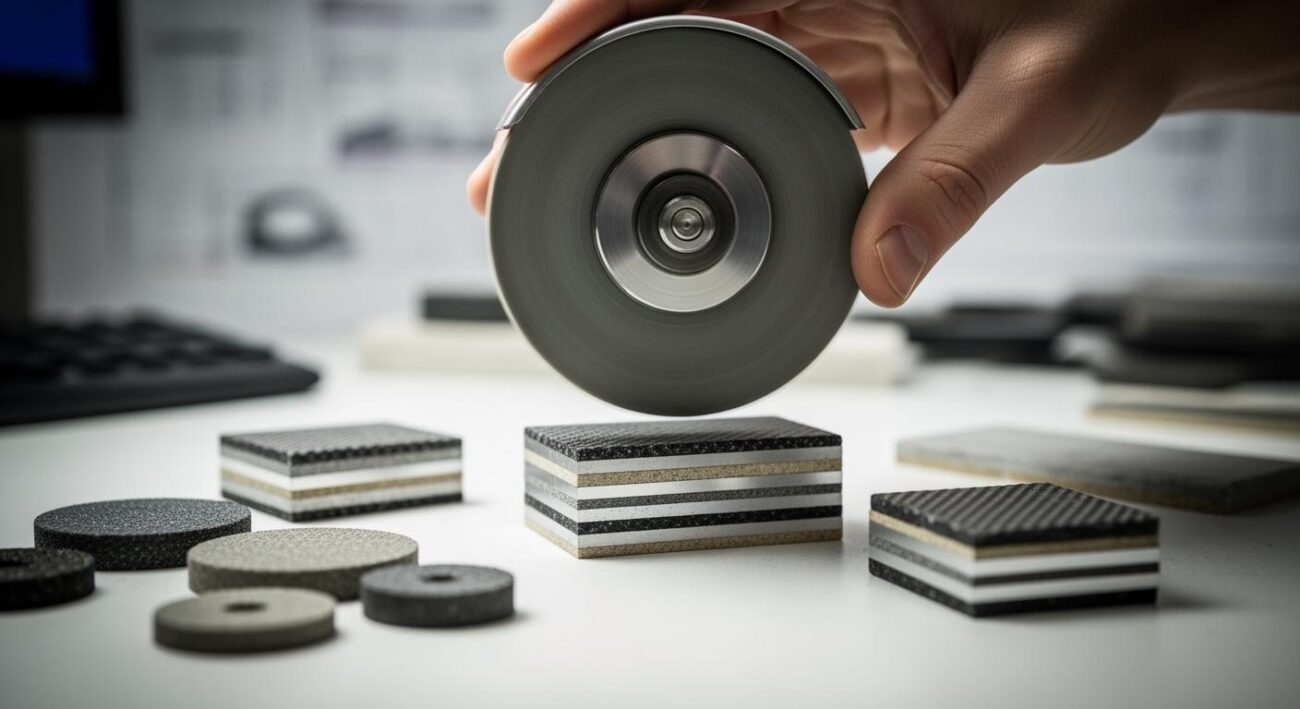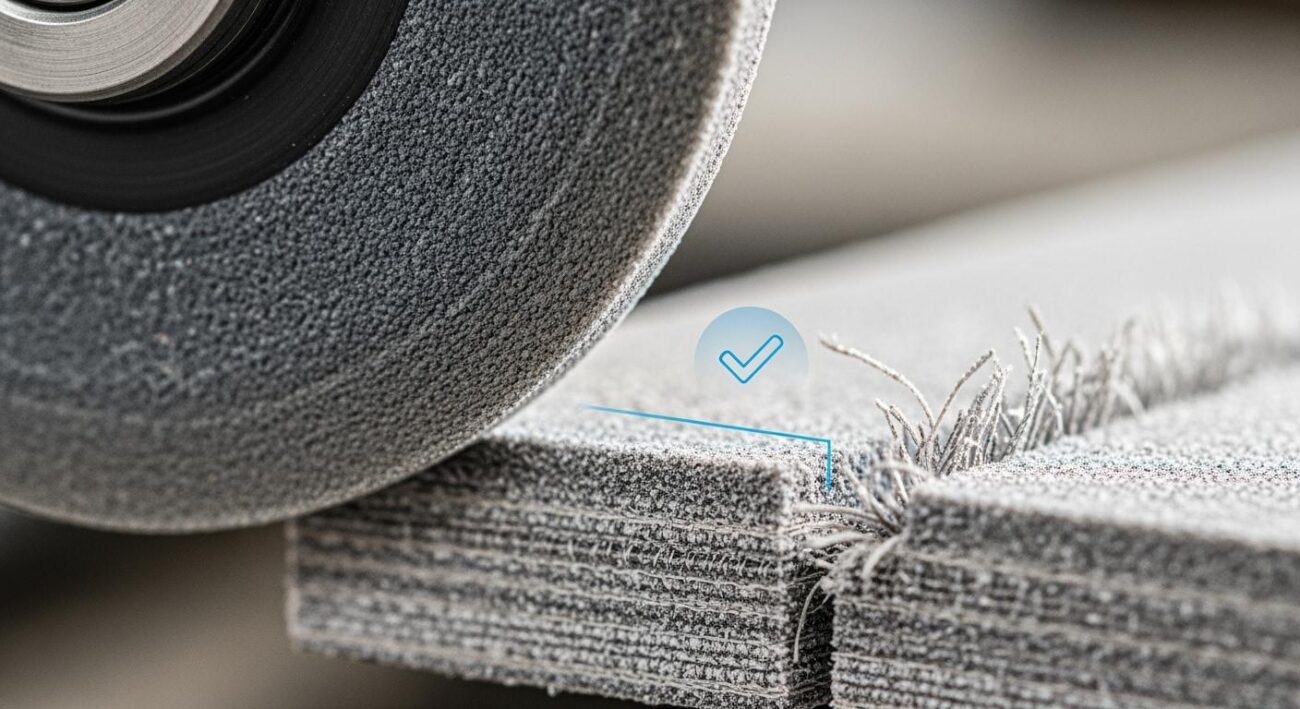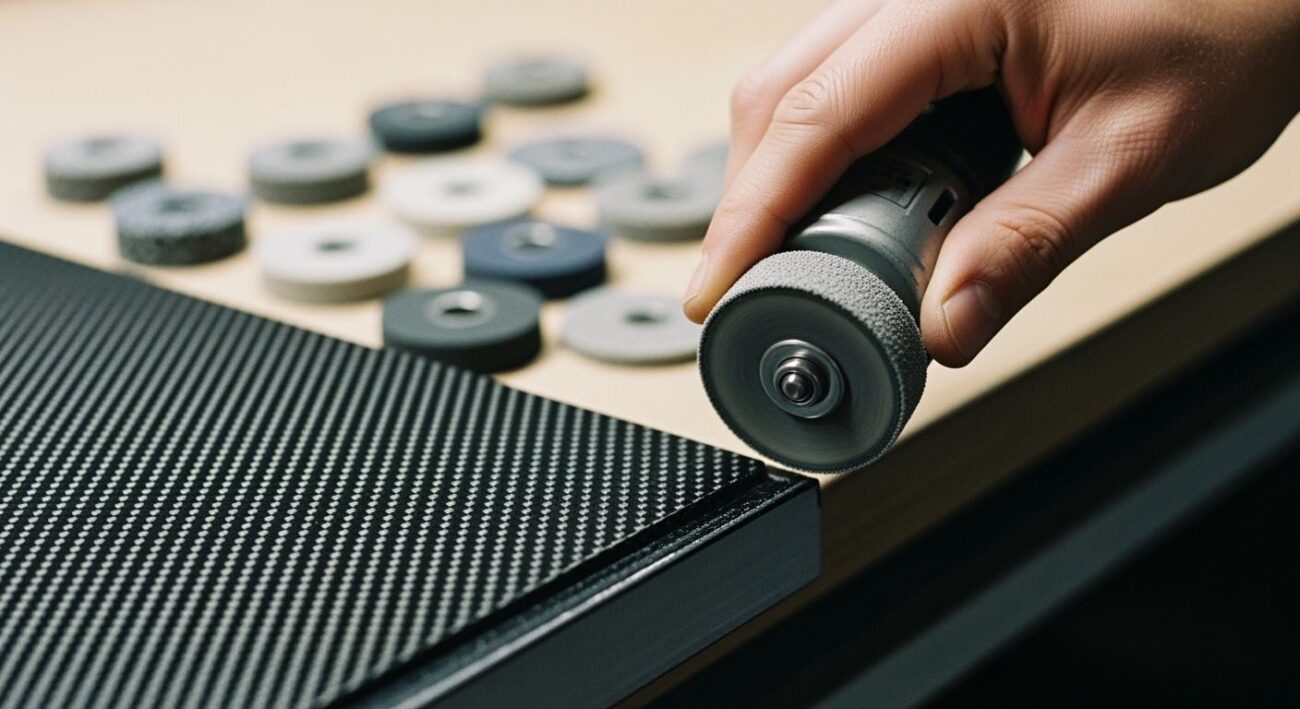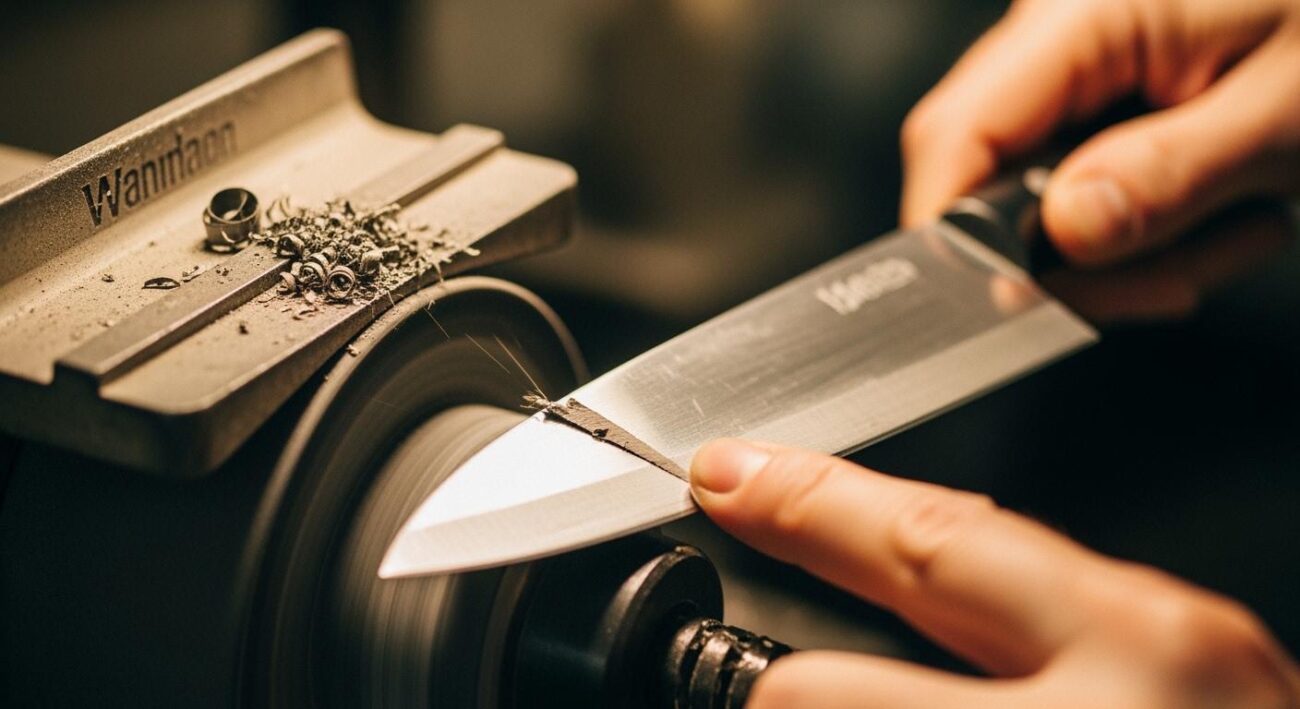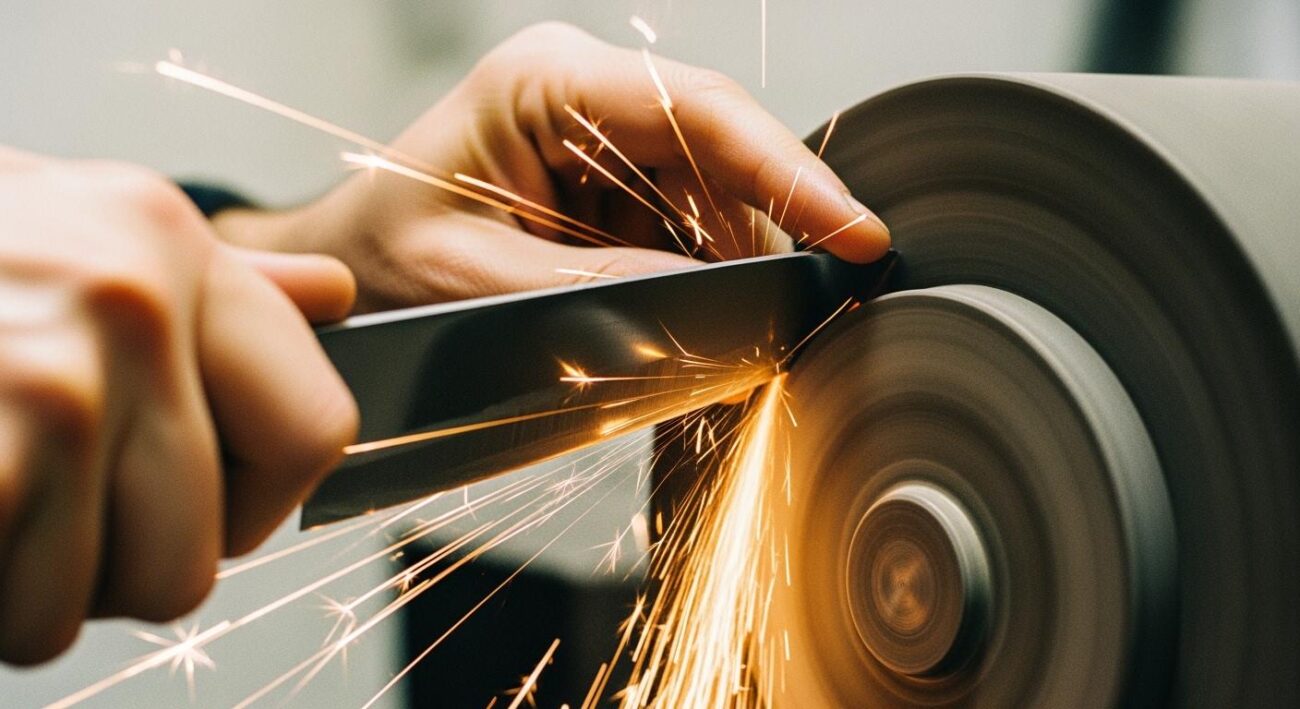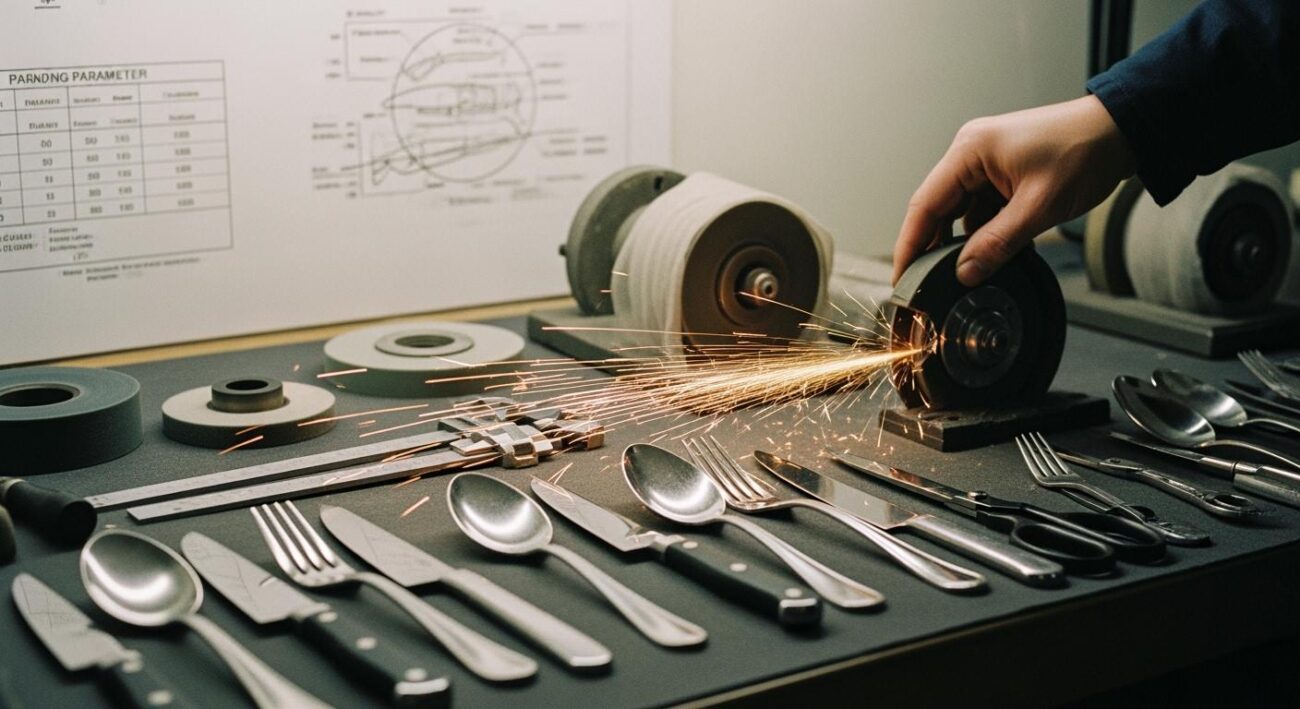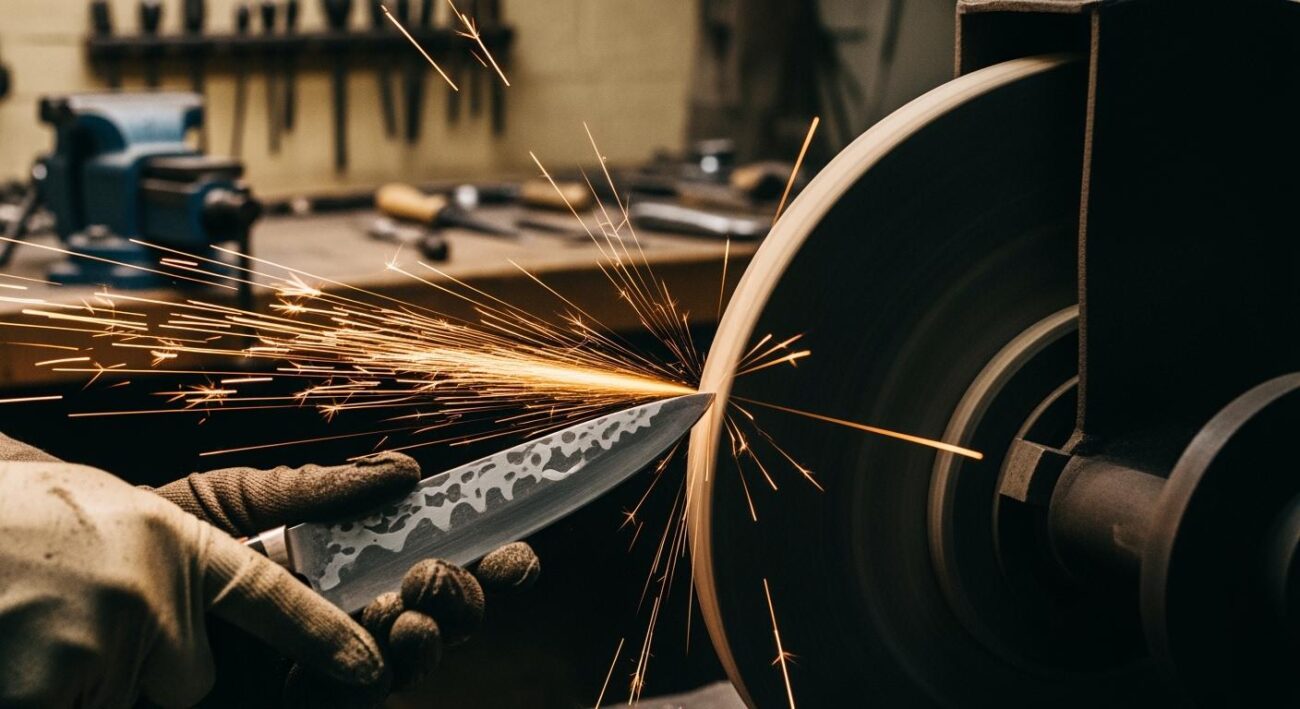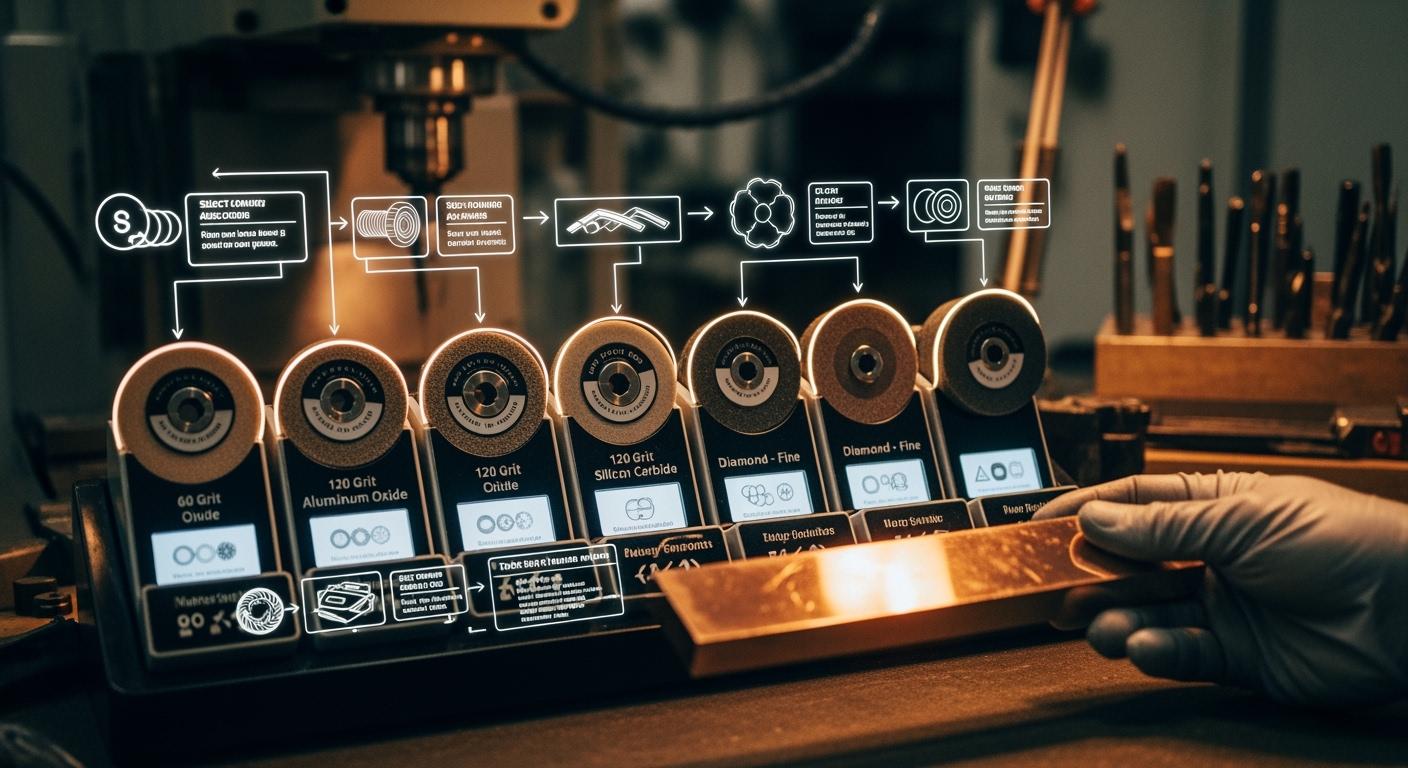
You achieve the best results with non-ferrous metals when you use the right grinding wheel configuration. Choosing the correct wheel boosts performance and keeps your workpiece in top shape. Studies show that matching the grinding wheel to the specific non-ferrous material improves grinding efficiency and gives you a better surface finish. For example, silicon carbide wheels cut faster and generate less heat, which helps protect delicate metals. Aimgrind offers you customized solutions, including advanced diamond grinding wheels, to make sure your setup matches your needs. Use this guide to make smart choices and solve common grinding problems.
Key Takeaways
- Choose silicon carbide wheels for non-ferrous metals like aluminum and brass. They cut efficiently and reduce heat buildup.
- Always match the grinding wheel to the specific metal type. This prevents issues like glazing and overheating.
- Use the right grit size for your needs. Coarse grits remove material quickly, while fine grits provide a smoother finish.
- Regularly check and maintain your grinding wheel. Inspect for damage and clean to ensure optimal performance.
- Consider custom solutions from Aimgrind. Tailored grinding wheels can enhance efficiency and improve surface quality.
Grinding Challenges with Non-Ferrous Metals
Material Properties and Issues
You face unique challenges when you work with non-ferrous metals in grinding. These metals, like aluminum, brass, and bronze, have different properties compared to steel. You must understand these properties to choose the right grinding wheel for your application. Non-ferrous metals are softer and more ductile. This means they can clog the grinding wheel quickly. You may notice that the wheel loads up with metal particles. This loading reduces grinding efficiency and can damage the workpiece.
Operators in industrial settings must know how these metals behave during grinding. If you do not match the grinding wheel to the metal, you may see poor results. The table below shows how abrasive types fit different materials and applications:
| Abrasive Type | Suitable Materials | Characteristics |
|---|---|---|
| Silicon Carbide (SiC) | Non-ferrous metals (aluminum, brass, bronze) | Sharp cutting action, brittle compared to aluminum oxide |
| Aluminum Oxide (Al₂O₃) | Ferrous metals (carbon steel, alloy steel) | Good toughness, wear resistance, versatile choice |
You should select silicon carbide wheels for most non-ferrous metal grinding applications. These wheels cut cleanly and help prevent loading.
Heat and Loading Concerns
Grinding non-ferrous metals creates heat. Too much heat can cause burns on the metal surface. You may see discoloration or warping if the temperature gets too high. Researchers have studied heat generation and loading in grinding applications. The table below lists some findings:
| Study | Findings |
|---|---|
| Su et al. | Developed a model to study temperature of grinding burns and proposed solutions to prevent them. |
| Heinzel et al. | Analyzed thermal effects in grinding processes to characterize limits for grinding burns. |
| Guerrini et al. | Proposed a dry grinding process and optimized parameters to avoid grinding burns. |
| Dychtońet et al. | Simulated effects of grinding burns and investigated their impact on microstructure and residual stresses. |
| Wang et al. | Studied characteristics of grinding burns in steel gears and analyzed changes in hardness and residual stresses. |
| Kang et al. | Observed microstructure evolution in steel gears under different grinding parameters. |
You can reduce heat and loading by using the right grinding wheel and adjusting your process. Always check the wheel for loading during your application. If you see buildup, clean the wheel or change your grinding parameters. This helps you keep your grinding application efficient and your metal parts in good condition.
Grinding Wheel Configuration for Non-Ferrous Metals
Choosing the right grinding wheel configuration is essential when you work with non-ferrous metals. You need to match the grinding wheel to the material and the application. This choice affects your results, including surface finish, tool life, and productivity. If you use the wrong configuration, you may see poor finishes, excessive heat, or rapid wheel wear.
Tip: Always check the grinding wheel configuration before starting a new job. This step can save you time and prevent costly mistakes.
The table below shows how different grinding wheel types impact non-ferrous metals:
| Grinding Wheel Type | Key Features | Impact on Non-Ferrous Metals |
|---|---|---|
| Aluminum Alloy Wheels | Lightweight, superior heat dissipation | Enables high-speed grinding with minimal thermal distortion, enhancing precision in finishing critical engine parts. |
| Heat-Resistant Nickel/Copper | Excellent oxidation resistance | Minimizes thermal damage during grinding, crucial for aerospace-grade components to prevent warping or micro-cracking. |
| Advanced Alloy Composition | Tailored for specific applications | Ensures efficiency, prolongs tool life, and enhances surface finish quality, directly impacting productivity and cost-effectiveness. |
You can see that the right grinding wheel configuration helps you control heat, improve finish, and extend tool life. Aimgrind diamond grinding wheels give you even more advantages. These wheels offer exceptional wear resistance, high thermal conductivity, and the ability to produce fine finishes. You get better results and less downtime.
Grain Materials and Bond Types
You must pay attention to grain materials and bond types when you select grinding wheels. The grain material determines how the wheel cuts and how long it lasts. The bond type holds the grains together and affects the wheel’s strength and cutting action.
- Diamond: This is the hardest natural material. You should use diamond for grinding non-ferrous metals like aluminum-silicon alloys, ceramics, and glass. Diamond grains cut cleanly and resist wear.
- CBN (Cubic Boron Nitride): This grain works best for ferrous metals. You do not need CBN for most non-ferrous grinding.
The table below explains the main bond types you will find in grinding wheels:
| Bond Type | Properties | Applications |
|---|---|---|
| Metal Bonds | High wear resistance, high thermal resistance, form-holding ability | Non-ferrous metals, but poor dressability and higher costs |
| Vitrified Bonds | Free-cutting ability, good dressability | Primarily used for ferrous materials |
| Resin Bonds | Versatile, cool cut, can be used in wet and dry grinding | Commonly used for both rough grinding and finishing operations, with various resin types available |
| Phenolic Resin | Most common resin bond, used for roughening or interrupted cuts | General applications in grinding |
| Polyimide/Polyamide | Higher toughness, thermal resistance, and elasticity than phenolic | Similar applications to phenolic, but more expensive |
| Epoxy/Urethane | Very soft, used for fine-finishing processes | Camshaft production and ultrafine grinding |
| Additives | Can enhance bond properties (strength, porosity, lubrication) | Used to modify resin bonds for specific applications |
You should choose a resin bond for most non-ferrous grinding jobs. Resin bonds give you a cool cut and work well for both rough and finish grinding. Metal bonds are also good for non-ferrous metals when you need high wear resistance.
Grit Sizes and Wheel Shapes
Grit size and wheel shape play a big role in grinding outcomes. Grit size tells you how coarse or fine the abrasive grains are. Coarse grit removes material quickly but leaves a rougher finish. Fine grit gives you a smoother finish but removes less material.
| Grit Size | Surface Finish Quality | Material Removal Rate |
|---|---|---|
| Coarse | Rougher finish | Higher removal rate |
| Fine | Smoother finish | Lower removal rate |
- Coarse CBN grit, such as 100 grit, is best for heavy stock removal.
- Finer micron sizes, like 400 grit, help you achieve strict geometric tolerances and superfinishing.
- Fine diamond grits are perfect for a smooth, mirror-like finish on sensitive parts.
You also need to pick the right wheel shape. Flat wheels are common for surface grinding. Cup wheels work well for tool sharpening. Special shapes help you reach tight spaces or grind complex profiles.
Several technical factors affect your grinding results. Bond hardness, coolant delivery, and machine rigidity all matter. A harder bond holds the grit longer and can give you a finer finish. Proper coolant use flushes away debris and prevents scratches. Machine rigidity stops vibrations and helps you avoid chatter marks.
Aimgrind Diamond Grinding Wheels Overview
Aimgrind diamond grinding wheels stand out in the market. You get exceptional wear resistance, which means you spend less time dressing the wheel and more time grinding. These wheels can produce fine finishes, which is important for non-ferrous metals. High thermal conductivity helps move heat away from the workpiece, so you avoid burns and warping.
| Advantage | Description |
|---|---|
| Exceptional Wear Resistance | Diamond grinding wheels maintain their edge longer than conventional wheels, leading to less frequent dressing and higher productivity. |
| Ability to Produce Fine Finishes | They are capable of achieving superior surface finishes, which is crucial for non-ferrous metals. |
| High Thermal Conductivity | This property helps in dissipating heat during grinding, reducing the risk of damage to the workpiece. |
Aimgrind uses advanced grinding wheel materials and bonding systems. You benefit from the latest technology, including ceramic abrasives and structured abrasives. These advancements give you better durability, improved chip evacuation, and enhanced surface quality.
You can use Aimgrind diamond grinding wheels for many types of grinding wheels and applications. Surface grinding, electrochemical grinding, and double disk grinding all benefit from the right grinding wheel configuration. You can achieve surface finishes as fine as Ra 8 µin (0.20 µm) with the correct setup.
When you choose Aimgrind, you get expert support and custom solutions. You can match your grinding wheel configuration to your exact needs. This approach helps you achieve the best results for non-ferrous metals every time.
Selecting the Right Size Grinding Wheel
Application-Based Selection Guide
You need to follow a few steps when selecting the right size grinding wheel for your job. This process helps you get the best results and keeps your grinding safe and efficient.
- Think about the diameter. Choose a wheel diameter that matches your tool’s RPM rating. Larger diameters last longer and help you finish grinding faster.
- Look at the thickness. Standard wheels are about a quarter-inch thick. Thinner wheels work better for detailed grinding or when you need to reach tight spots.
- Check your workspace. If you have a small area, pick a smaller grinding wheel. This gives you better control and access.
Tip: Always check the grinding wheel’s label for size and speed ratings before you start.
Matching Wheel to Material Type
You must match the grinding wheel to the type of non-ferrous metal you are working with. The right match helps you avoid problems like glazing or overheating. Use the table below to guide your choice:
| Bond Type | Characteristics | Suitable Non-Ferrous Materials |
|---|---|---|
| Rubber Bonds | Flexible, great for fine finishes | Aluminum, brass, copper |
| Electroplated | Aggressive, good for complex shapes | Soft non-ferrous metals, ceramics |
| Material Type | Recommended Abrasive | Key Characteristics |
|---|---|---|
| Non-ferrous metals | Silicon Carbide (SiC) | Sharp, best for aluminum, brass, bronze |
| Various materials | Aluminum Oxide | Tough, less sharp than SiC |
| Soft/sticky materials | Open structure wheels | Reduces loading, ideal for aluminum alloys |
- The material you grind is the most important factor.
- Using the wrong abrasive can cause glazing and too much heat.
- The bond type changes the wheel’s strength and heat resistance.
Aimgrind Custom Solutions
You can get help from Aimgrind when you need a special grinding wheel. Aimgrind offers personalized selection and formula design services. You tell Aimgrind about your grinding needs, and they match the wheel to your machine and material. This service helps you solve grinding problems and improve your results. Aimgrind’s experts can design a grinding wheel for any non-ferrous metal, workspace, or application.
Note: Aimgrind’s team can help you with grinding wheel selection, parameter matching, and even sample testing.
You get better grinding performance and longer wheel life when you use a wheel made for your job. Aimgrind’s custom solutions make grinding easier and more productive.
Grinding Wheel Applications and Troubleshooting
Common Use Cases for Non-Ferrous Metals
You will find many grinding wheel applications when working with non-ferrous metals. These metals include aluminum, brass, copper, and bronze. Each metal needs a specific grinding wheel for the best results. The table below shows which grinding wheel works best for each metal:
| Non-Ferrous Metal | Grinding Wheel Type |
|---|---|
| Aluminum | Silicon Carbide (SiC) |
| Brass | Silicon Carbide (SiC) |
| Copper | Silicon Carbide (SiC) |
| Bronze | Silicon Carbide (SiC) |
You use grinding to shape, smooth, or finish these metals in industries like aerospace, automotive, and electronics. Grinding helps you achieve tight tolerances and smooth surfaces. You can also use grinding to remove burrs or prepare parts for further processing.
Preventing Loading and Clogging
Grinding non-ferrous metals can cause loading and clogging. This happens when metal particles stick to the wheel. You can prevent these problems by following a few simple steps:
- Use open-coat or anti-loading abrasives made for non-ferrous metals.
- Apply light, steady pressure and keep your tools clean.
- Choose grinding wheels designed for aluminum to reduce clogging.
- Use wet grinding or a good dust collection system to control heat and dust.
- Apply a suitable coolant or lubricant during grinding.
- Never mix aluminum and steel dust in the same collection system.
These steps help you keep your grinding wheel clean and working well. Coolant or lubricant also helps your grinding wheel last longer and keeps your workspace safe.
Tips for Optimal Performance
You can improve your grinding results and extend wheel life by following these tips:
- Mount the grinding wheel on clean flanges and spindles.
- Run the wheel at the correct speed for its size.
- Dress and true the wheel before use to keep it sharp and even.
- Perform regular maintenance on your grinding machine, especially the spindle bearings.
- Inspect the grinding wheel for cracks or chips before each use.
- Handle and store your grinding wheels with care.
- Use the right wheel for your material and application.
- Apply constant, moderate force while grinding.
- Keep your grinding area clean and free of contaminants.
If you face problems like wheel loading, material contamination, or poor surface finish, check your grinding process. Make sure you use the right wheel, apply coolant correctly, and keep your equipment in good shape. You can solve most grinding issues with these simple steps.
Tip: Regular maintenance and proper grinding wheel selection help you achieve the best results and avoid costly downtime. 🛠️
Quick-Reference Table and Checklist
Recommended Configurations Summary
You need a clear guide when you select a grinding wheel for non-ferrous metals. The table below gives you a quick summary. It shows the best abrasive, grit range, and common uses for each material type. This helps you make fast decisions during any grinding operation.
| Material Type | Recommended Abrasive | Optimal Grit Range | Common Applications |
|---|---|---|---|
| Aluminum & Brass | Silicon Carbide | 80–120 | Light grinding, finishing |
| Copper & Bronze | Silicon Carbide | 80–120 | Surface finishing, deburring |
| Alloys | Diamond | 120–400 | Fine grinding, precision work |
You see that silicon carbide works well for most non-ferrous metals. Diamond wheels give you the best results for alloys that need fine grinding and a smooth surface. Always check the grit size and wheel thickness for your grinding process. The right choice improves performance and extends wheel life.
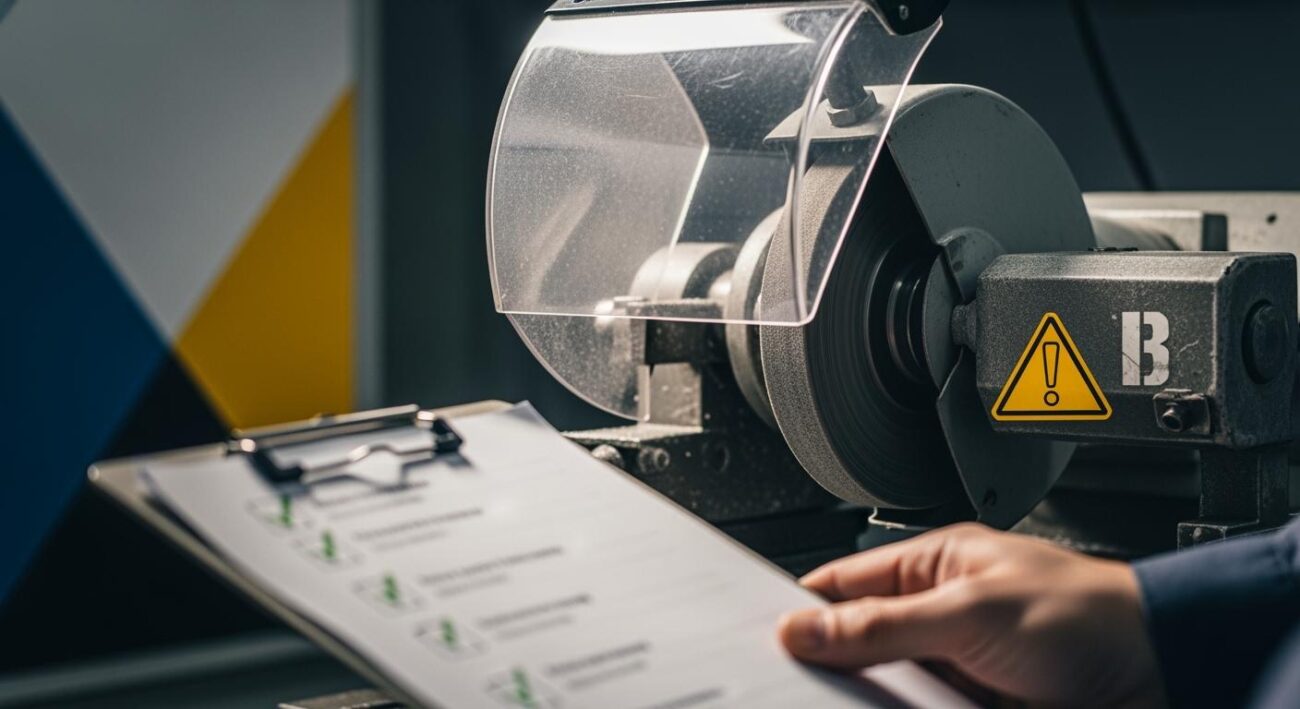
Selection Checklist
You can use this checklist before every grinding operation. It helps you avoid mistakes and keeps your grinding process safe and efficient.
- Check the grinding wheel diameter and thickness for your machine.
- Match the abrasive to your metal type.
- Choose the right grit size for your surface finish.
- Confirm the wheel bond type for your grinding process.
- Inspect the wheel for cracks or damage before mounting.
- Set the correct speed for your grinding operation.
- Use coolant or lubricant to protect the surface and wheel life.
- Dress the wheel before fine grinding.
- Monitor the material removal rate during grinding operations.
- Replace the wheel when you see reduced performance or life.
Tip: A good checklist improves your grinding process and protects your equipment. You get better surface quality and longer wheel life.
You can print this table and checklist for your workspace. This keeps your grinding operation organized and helps you achieve the best results every time.
You improve grinding results for non-ferrous metals when you focus on abrasive type, grit size, and bond material. The table below shows the most important points for grinding wheel configuration:
| Aspect | Details |
|---|---|
| Abrasive Type | Aluminum Oxide, Silicon Carbide, Zirconia Alumina, Ceramic Aluminum Oxide |
| Grit Size | Lower grit sizes for material removal, higher grit sizes for a finer finish |
| Bond Material | Vitrified bonds are strong; match bond strength to material and finish needs |
Aimgrind’s diamond grinding wheels give you durability, clean cuts, and custom design for every finish. You get better surface finish and higher quality. Custom solutions help you meet tight tolerances and improve productivity. You can use the quick-reference table to select the right wheel for your finish and design needs. This tool helps you achieve the best surface finish and quality every time. For expert support, contact Aimgrind and let their team help you design the perfect grinding solution for your finish and surface finish requirements.
- Quick-reference tables give you clear guidelines for abrasive, bond, and grit.
- You find the best options for your finish and design.
- You improve efficiency and surface finish quality.
For the best finish and surface finish, trust Aimgrind’s design expertise and quality solutions.
FAQ
What is the best abrasive for grinding non-ferrous metals?
You should use silicon carbide or diamond abrasives. Silicon carbide works well for aluminum, brass, and copper. Diamond wheels give you the best results for alloys and precision work.
How do you prevent grinding wheel loading?
You can prevent loading by using open-structure wheels, applying coolant, and choosing the right abrasive. Clean your wheel often. Use light pressure during grinding.
Can Aimgrind customize a grinding wheel for my application?
Yes! You can contact Aimgrind for custom grinding wheel design. Their experts match the wheel to your material, machine, and process. You get a solution that fits your needs.
How do you know when to replace a grinding wheel?
Check for cracks, chips, or reduced performance. If you see uneven wear or the wheel does not cut well, replace it. Always inspect your wheel before each use.
Contact Us
For More Grinding Solution or Customized Abrasive Tools