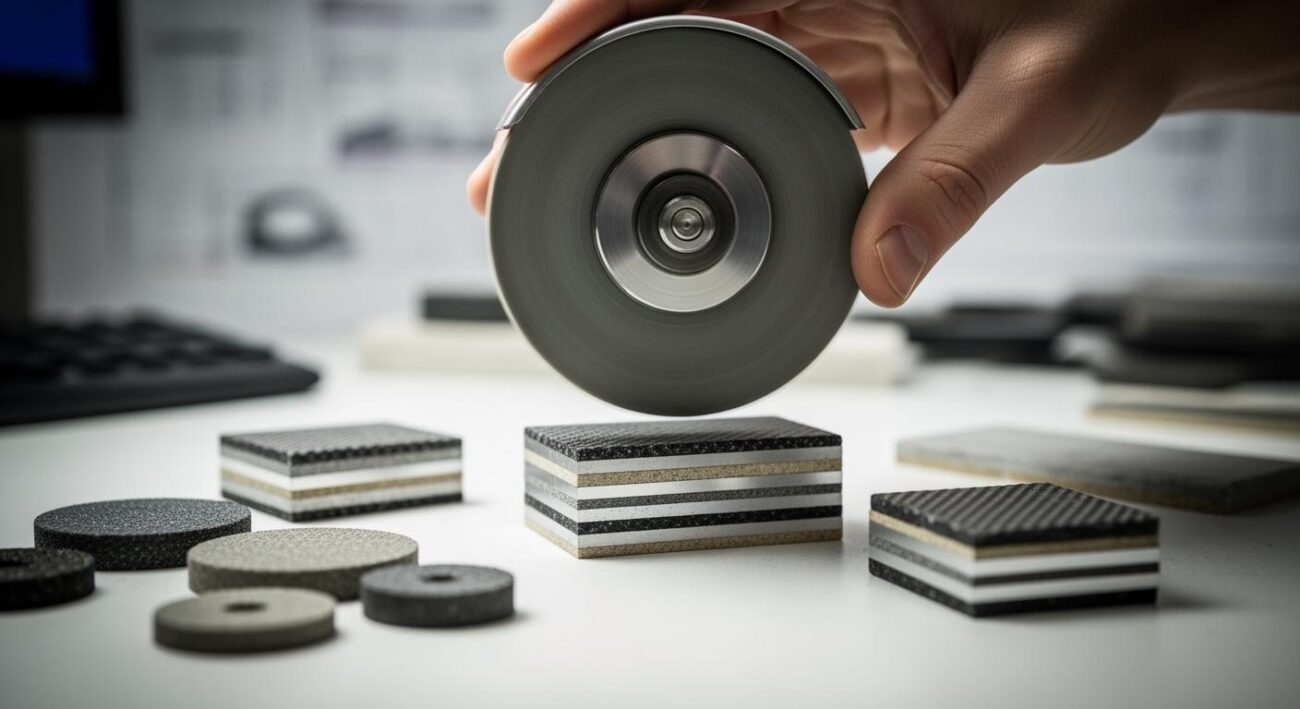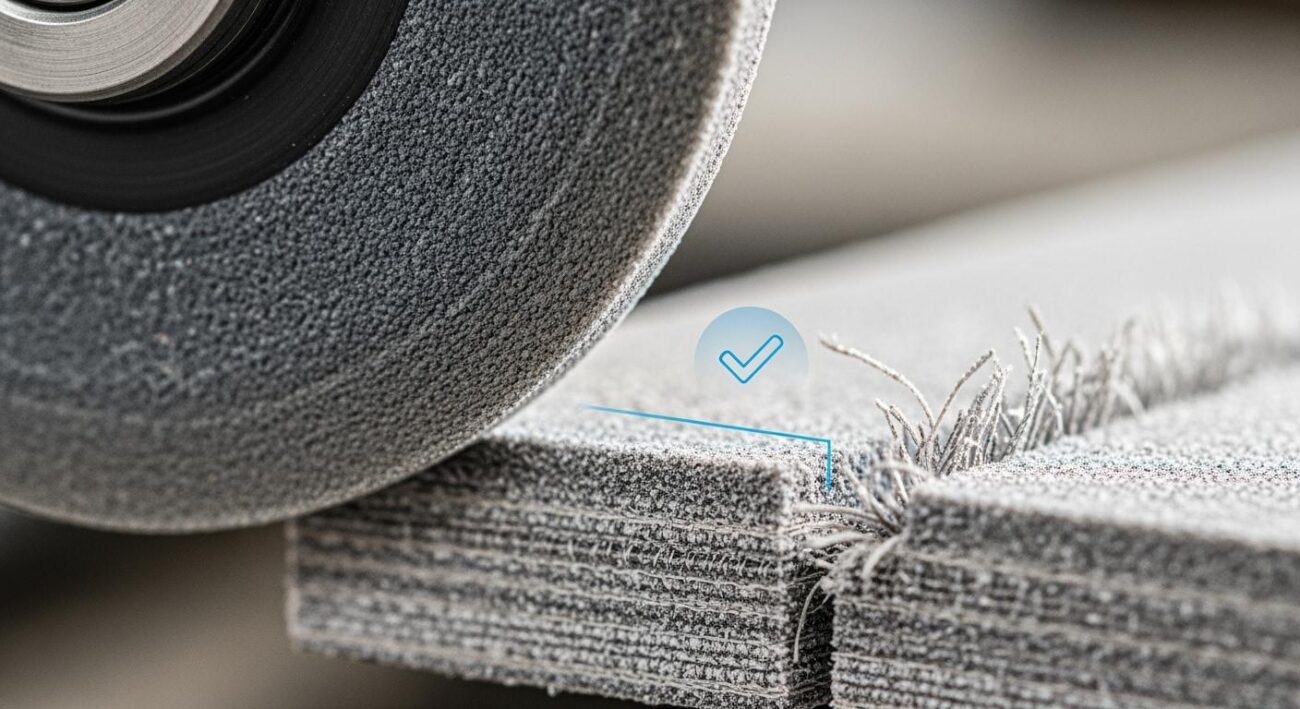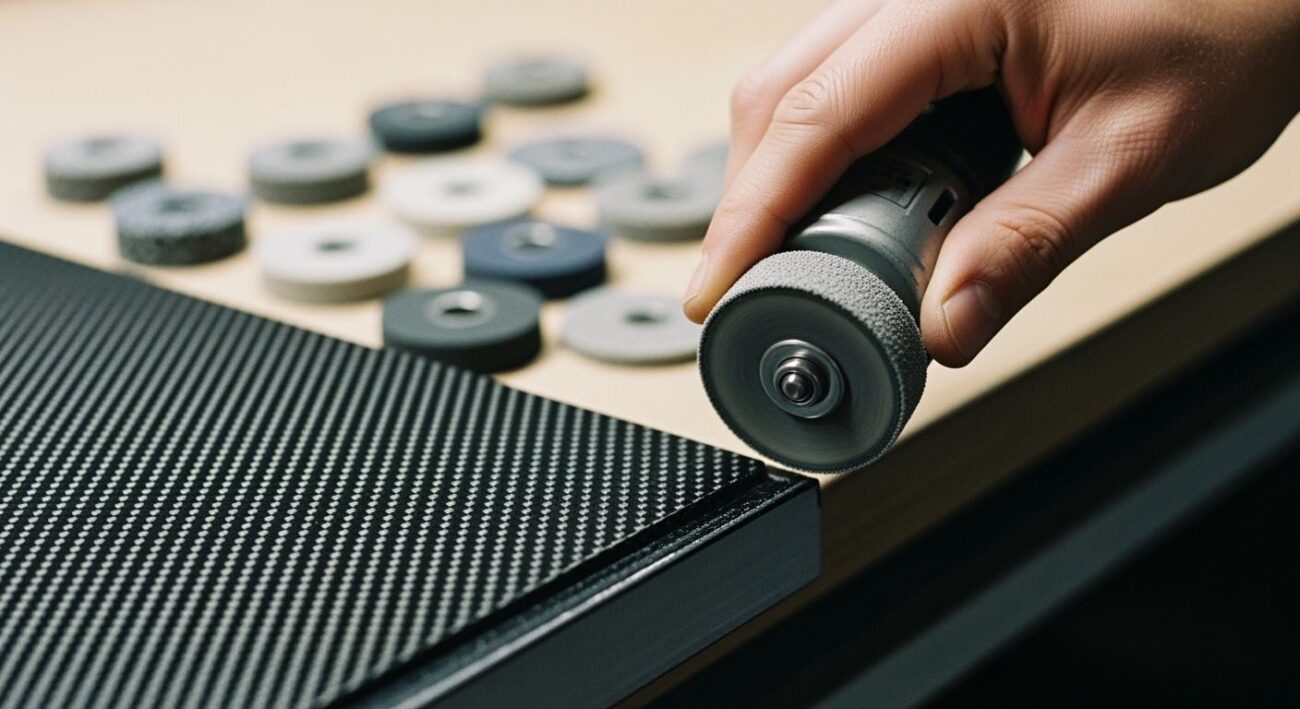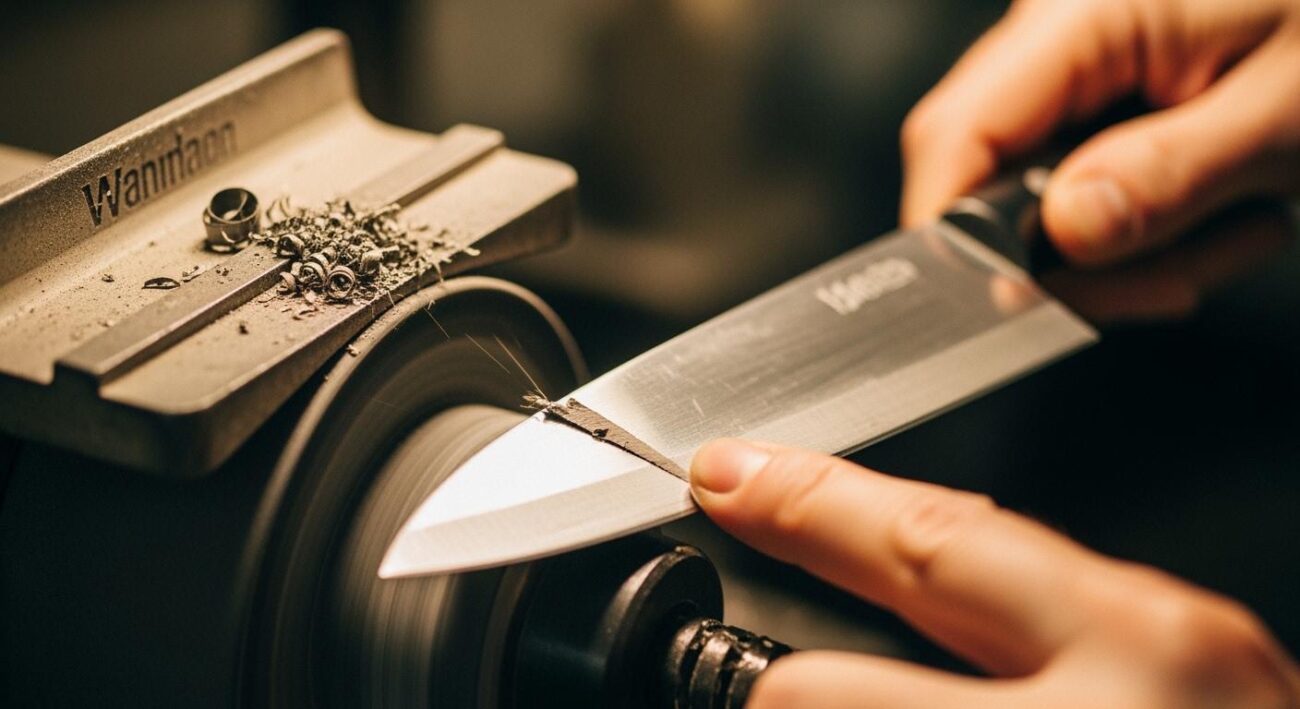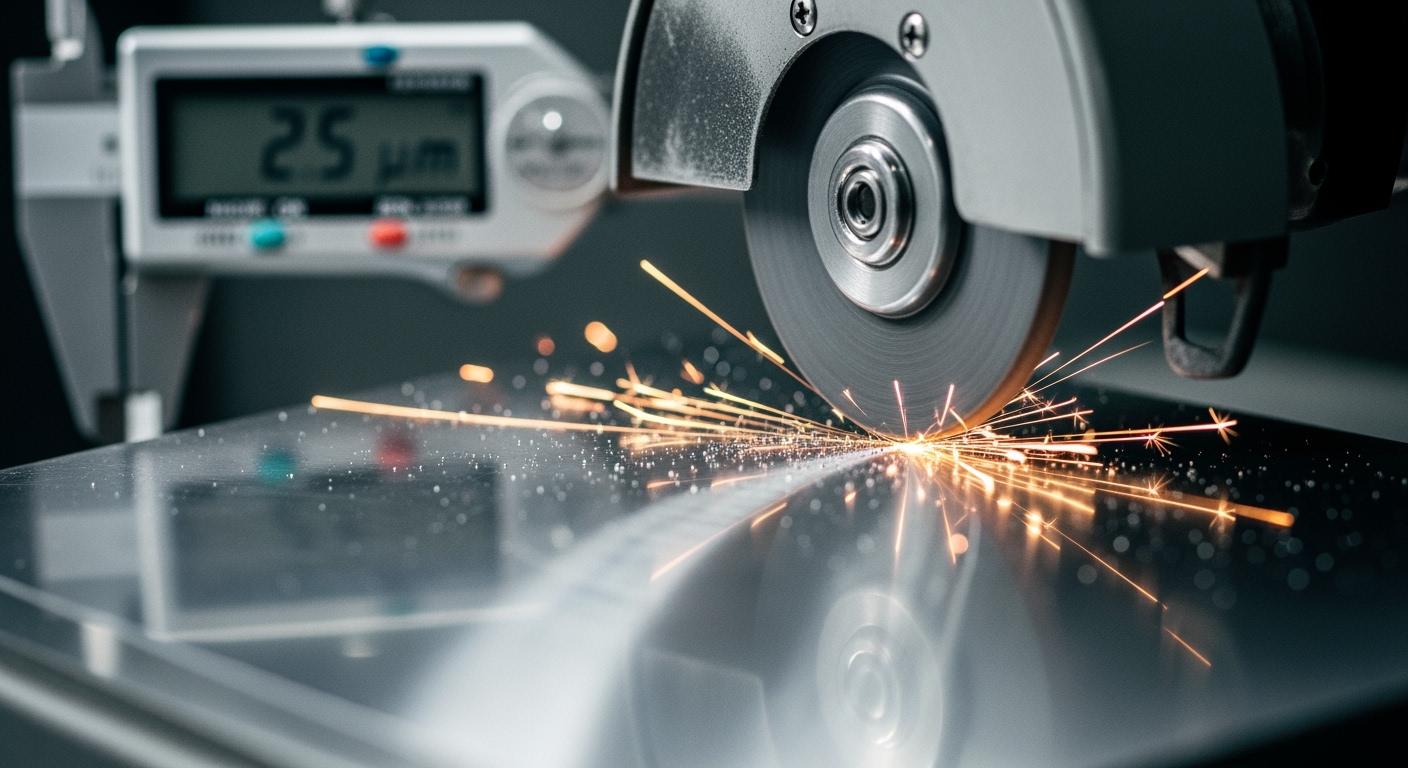
You achieve micron-level surface roughness by using an ultra-fine grinding wheel with careful selection and setup. Aimgrind’s diamond grinding wheels play a critical role in precision grinding for high accuracy and machining accuracy. You improve surface finish and roughness with proper grinding techniques. Precision and quality drive manufacturing success. Innovation and customization help you boost productivity and reach micro-level precision in every manufacturing process.
Key Takeaways
- Select the right ultra-fine grinding wheel based on material and process for optimal results.
- Maintain a slow feed rate of 1-10 mm/min to achieve micron-level surface roughness and reduce defects.
- Regularly dress your grinding wheel to keep it sharp and improve surface quality.
- Monitor coolant quality and flow to ensure effective cooling and extend tool life.
- Calibrate your grinding machine before each session to avoid errors and enhance precision.
Ultra-Fine Grinding Wheel Selection
Selecting the right ultra-fine grinding wheel is the first step toward achieving ultra-precision grinding results in manufacturing. You need to match the wheel to your material and process for the best outcome. Aimgrind helps you with custom wheel selection and formula design. This support ensures you get the right tool for every grinding application.
Grit Size and Bond Types
You must pay attention to grit size and bond type when you want a micron-level surface finish. Finer grits help you reach tighter tolerances and smoother surfaces. The bond type affects how the wheel wears and cuts. The table below shows the key factors you should consider:
| Factor | Description |
|---|---|
| Grit Size | Finer grits are necessary for achieving tighter tolerances and better surface finishes. |
| Bond Type | Different bonds (e.g., resin, vitrified) affect wear rate and cutting efficiency. |
| Material Removal Rate (MRR) | Coarser grits can increase MRR but may compromise finish quality. |
| Tolerances | Tighter tolerances require finer grits for precision. |
| Dressing Tools | The condition of the wheel’s surface impacts the effectiveness of the grit. |
| Coolant Use | Wet grinding improves surface finish and wheel life, while dry grinding may be used in specific cases. |
| Grinding Wheel Speed | Higher speeds can enhance finishes but require appropriate wheel design to handle forces. |
Wheel Shape and Material Compatibility
You need to choose the right wheel shape and abrasive material for ultra-precision grinding. Here are some important points:
- The correct abrasive material, such as diamond, is essential for high-precision grinding.
- The right grit size and bond type improve the cutting action and surface quality.
- Regular wheel dressing keeps the wheel sharp and consistent during the process.
Why Choose Aimgrind Diamond Grinding Wheels
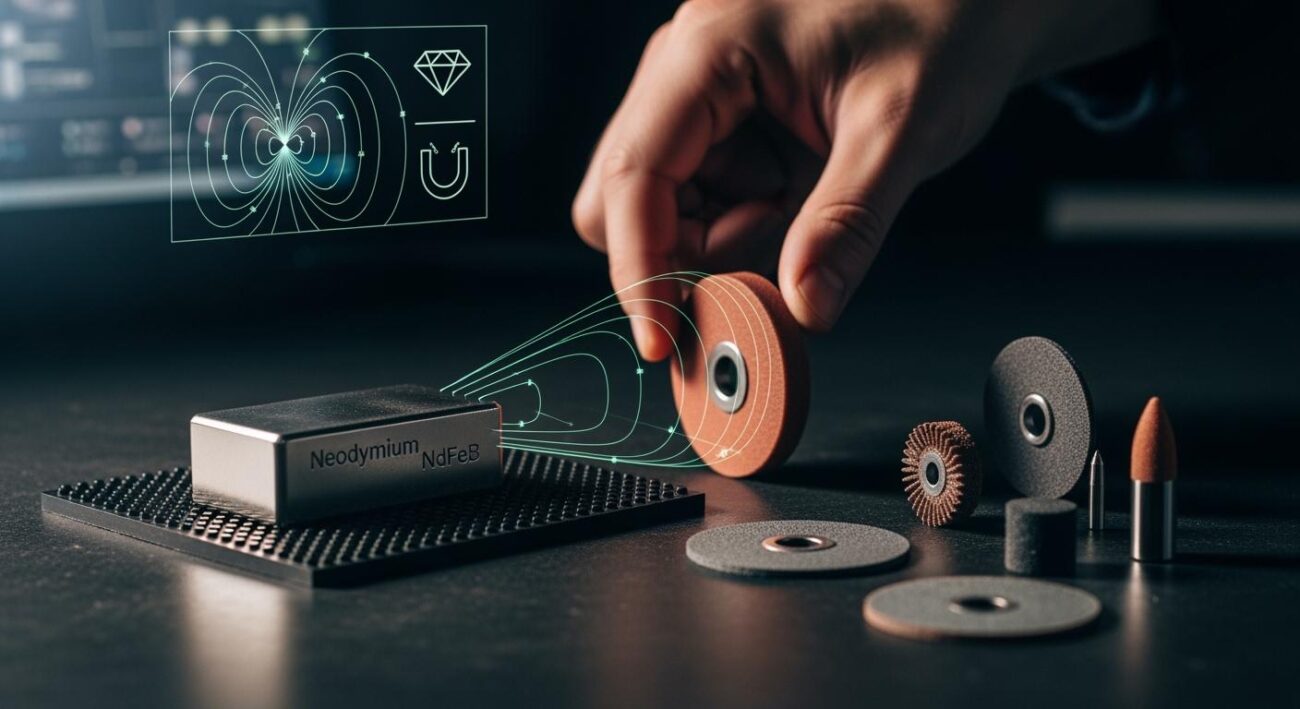
Aimgrind diamond grinding wheels give you an edge in ultra-precision grinding. You get wheels that last longer and cut more efficiently. These wheels work well with hard alloys, ceramics, and composites. You can use them for both wet and dry grinding. Aimgrind offers custom solutions for your manufacturing needs. You benefit from expert support in parameter matching and sample optimization. This helps you achieve the best results in every grinding process.
Grinding Machine Setup and Preparation
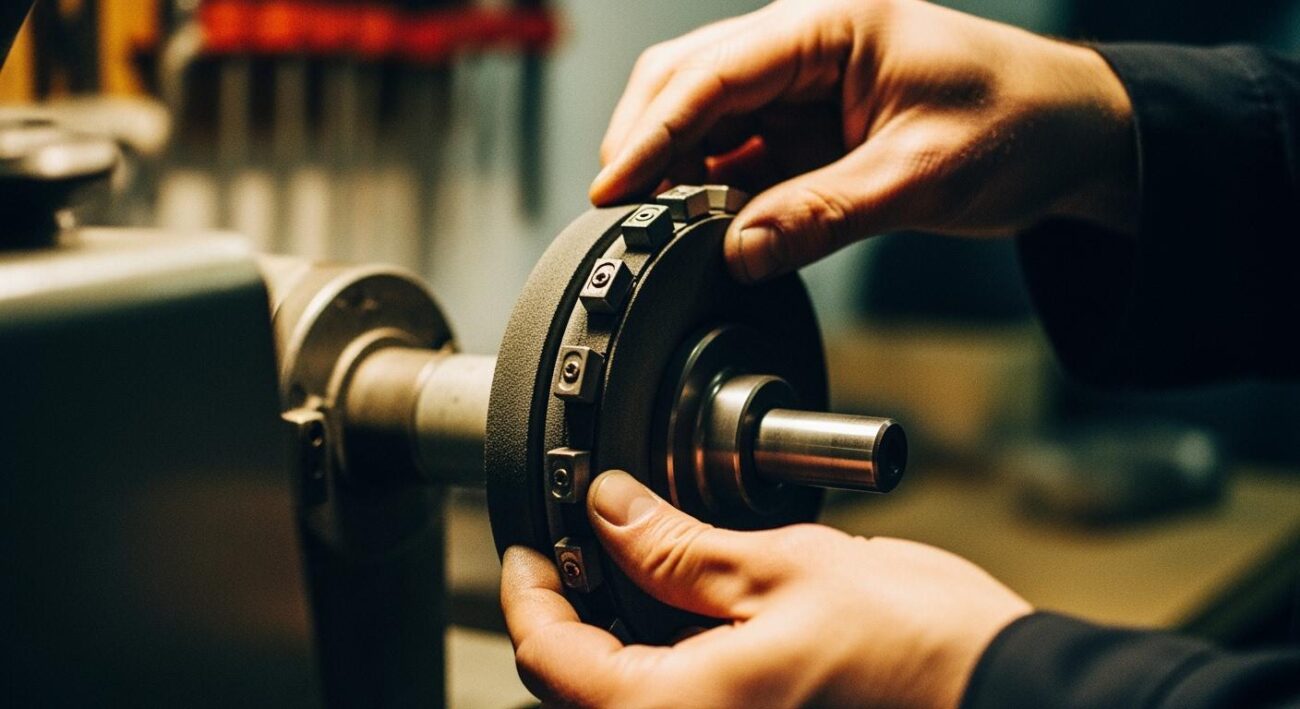
Proper setup of your ultra-precision grinding machine is the foundation for achieving micron-level surface roughness. You must pay attention to every detail before you start the grinding process. Aimgrind supports you with parameter matching and sample optimization, so you can get the best results from your grinding equipment.
Calibration and Spindle Condition
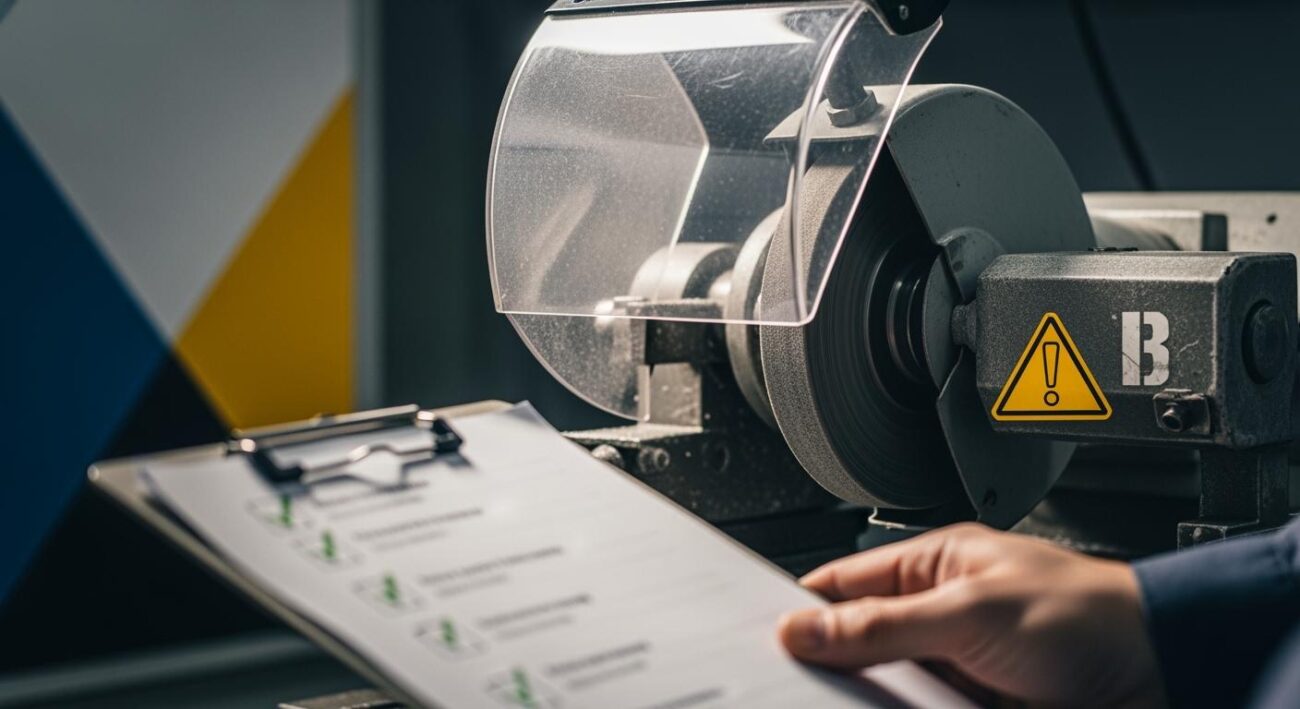
You need to calibrate your grinding machine before each grinding session. Follow these steps for the best results:
- Balance your diamond grinding wheel using a balancer and adjust the balance nuts and screws.
- Set the grinding speed between 2300 and 2800 r/min. Adjust coolant concentration and grinding pressure as needed.
- Clean the diamond grinding wheel regularly with a silicon carbide grindstone or ultrasonic cleaning.
Tip: A well-calibrated machine helps you avoid errors and keeps your grinding process smooth.
The spindle condition also affects your surface finish. Check the table below to see how spindle factors impact your grinding results:
| Spindle Condition | Impact on Surface Roughness |
|---|---|
| Spindle Runout | Keep below 0.002 mm to prevent uneven contact, which can increase Ra by 0.1–0.2 µm. |
| Machine Rigidity | Good stability and no vibrations give you the best surface finish. |
| Wheel Balancing | Balance within 0.1 g·mm to minimize vibrations that harm the finish. |
Vibration Control and Coolant Use
You must control vibration during the grinding process. Try these methods:
- Use vibration absorbers and anti-vibration adapters.
- Wear vibration-reducing gloves for comfort.
- Adjust the grinding interface hardness and workpiece mass.
- Lower feed force and material stiffness to reduce vibration.
Coolant choice also matters. The table below shows two good options for ultra-fine grinding:
| Coolant Type | Description |
|---|---|
| Water-based emulsions | Good for most grinding with 5–10% oil concentration. |
| Synthetic coolants | Better heat dissipation for high-speed grinding. |
Machine Compatibility with Ultra-Precision Grinding
Check your machine for these features before starting the grinding process:
- Make sure the grinding wheel fits your CNC grinder brand.
- The machine’s RPM must stay below the wheel’s maximum rating.
- The arbor hole must match the spindle exactly.
- The wheel should handle your machine’s power and torque.
- The coolant system must work well with your grinding wheel.
- The wheel must meet balancing needs for vibration-free operation.
Aimgrind helps you match parameters and optimize samples for your grinding machine. You get support for vibration control, burn prevention, and longer tool life. This ensures your grinding process is efficient and precise.
Ultra-Precision Grinding Process Parameters
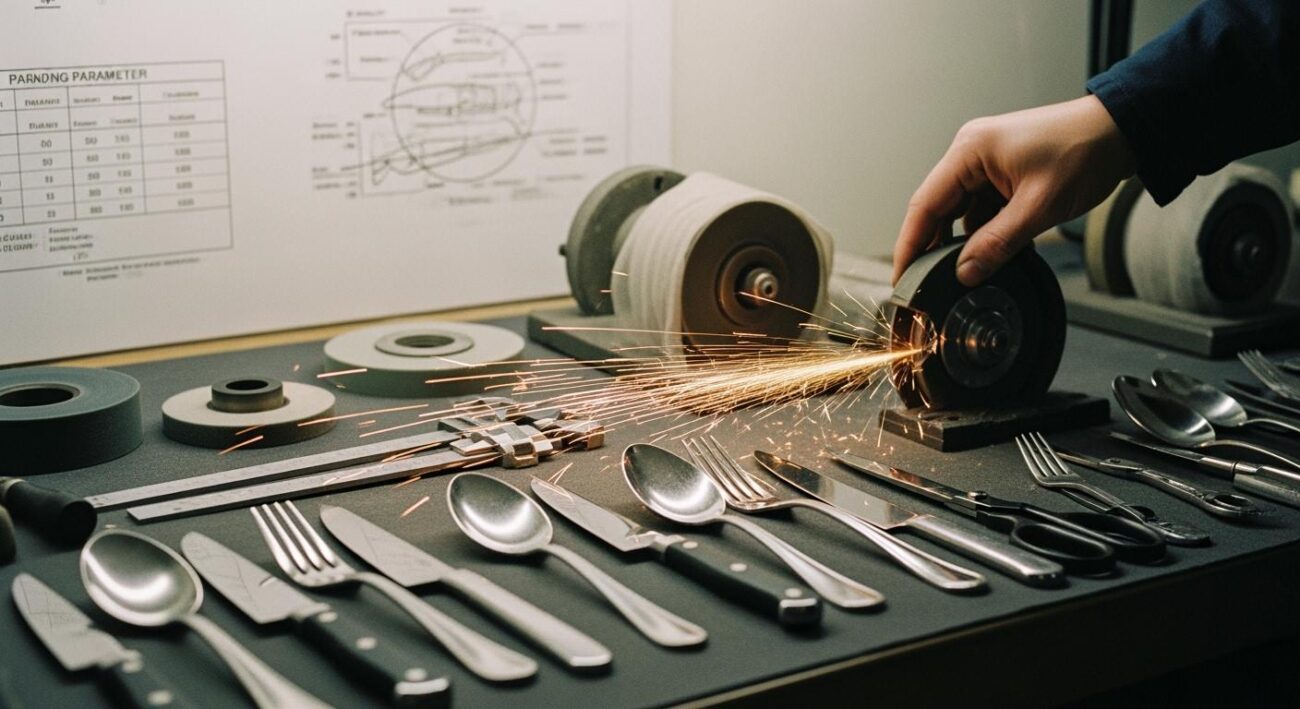
You achieve the best results in ultra-precision grinding by controlling key process parameters. These parameters shape the quality, accuracy, and efficiency of your manufacturing. Each setting, from feed rate to coolant delivery, plays a role in reaching micron-level surface roughness. Aimgrind provides guidance to help you optimize these parameters for different applications, so you can meet your precision grinding goals.
Feed Rate and Wheel Speed
You control the feed rate to manage how quickly the ultra-fine grinding wheel moves across the workpiece. A slower feed rate gives you higher accuracy and a smoother surface. For ultra-precision grinding, you should use a very low feed rate. The optimal range is between 1 and 10 mm/min. This slow movement helps you achieve micron-level surface roughness and reduces the risk of surface defects.
- The optimal feed rate for ultra-fine grinding wheels is very low, typically between 1-10 mm/min to achieve micron-level surface roughness.
- The feed rate has the strongest effect on surface roughness during machining processes.
- Slower rates allow for more accurate grinding but take longer; faster rates increase productivity but may reduce precision.
Wheel speed also affects your results. You need to keep the speed within a certain range to balance efficiency and quality. The table below shows how different wheel speeds influence the surface finish in ultra-precision grinding:
| Wheel Speed (m/s) | Effect on Surface Finish | Notes |
|---|---|---|
| 30–40 | Reduces surface roughness | Excessive speeds may cause thermal damage |
| 25–35 | Optimal for precision grinding | Maintain within this range for best results |
Aimgrind recommends you monitor both feed rate and wheel speed closely. These two factors have the greatest impact on achieving sub-micron surface roughness and high accuracy in your manufacturing process.
Depth of Cut and Pass Strategy
You set the depth of cut to control how much material the ultra-fine grinding wheel removes in each pass. For ultra-precision grinding, you want to keep the depth of cut very shallow. The ideal range is between 0.005 mm and 0.01 mm. Shallow depths help you reduce surface irregularities and improve the surface finish.
- The ideal depth of cut for ultra-fine grinding is between 0.005 mm and 0.01 mm.
- Shallow depths help reduce surface irregularities and enhance the surface finish.
- Smaller depths provide better control but are slower; deeper depths are faster but require a stiffer machine for accuracy.
You should use multiple light passes instead of one heavy pass. This approach helps you maintain control and achieve the best possible finish. Aimgrind suggests you adjust the pass strategy based on your material and the requirements of your ultra-precision grinding machine. This method supports high accuracy and consistent quality in your manufacturing.
Coolant Delivery and Fluid Control
Coolant delivery is a key part of the ultra-precision grinding process. You need clean coolant to extend the life of your fluid, tool, and ultra-fine grinding wheel. Proper coolant placement ensures your process stays consistent and reduces the chance of part rejections. You must select the right type of coolant for your application. Oil-based and water-miscible coolants both work well, but you should choose based on your material and grinding needs.
- Clean coolant is essential as it extends fluid, tool, and wheel life.
- Proper coolant placement ensures consistent processes and reduces part rejections.
- Selecting the right type of coolant (oil or water miscible) is crucial for effective cooling.
- Regularly check for signs that coolant needs replacement, such as increased viscosity or bad odors.
- Use appropriate coolant line types based on pressure requirements: modular plastic for low pressure, swivel nozzles for medium pressure, and stainless steel for high pressure.
- Aim coolant nozzles precisely at the hot point where wheel and material meet to regulate temperatures effectively.
The table below shows how coolant type and flow rate impact your final surface finish in ultra-fine grinding:
| Evidence Type | Details |
|---|---|
| Coolant Type | Water-based emulsions (5–10% oil concentration) are effective; synthetic coolants provide better heat dissipation. |
| Flow Rate | A flow rate of 10–20 L/min is optimal for cooling and chip removal; insufficient flow can cause burn marks and roughness. |
| Application Method | High-pressure coolant delivery (5–10 bar) enhances penetration and reduces friction and heat. |
| Performance Example | Using high-pressure coolant at 8 bar with a 5% emulsion can reduce surface roughness (Ra) by 15–25% compared to lower pressure flood cooling. |
Aimgrind recommends you monitor coolant quality and flow at all times. You should aim coolant nozzles directly at the grinding zone for the best cooling and chip removal. This practice helps you maintain high accuracy and quality in your ultra-precision grinding process.
Tip: Always check your coolant system before starting a new grinding job. Clean and adjust as needed to keep your process stable and your results consistent.
You can achieve micron-level surface roughness and high accuracy by following these best practices for process parameters. Aimgrind’s expertise in parameter optimization helps you reach your manufacturing goals with confidence and precision.
Surface Finish Techniques and Measurement
Wheel Dressing and Approach
You must keep your grinding wheel in top condition to achieve ultra-precision results. Dressing the wheel shapes and sharpens it, which is necessary for high accuracy and machining accuracy. You can choose manual or automated dressing methods. The table below shows how these two approaches compare:
| Aspect | Manual Dressing | Automated Dressing |
|---|---|---|
| Method | Hand-operated using sticks or dressers | Machine-programmed dressing cycles |
| Control | Detailed manual control | Consistent programmed control |
| Speed | Time-consuming | High efficiency and speed |
| Skill Needed | High skill and experience | Minimal operator interaction |
| Initial Cost | Lower investment | Higher investment |
| Best For | Small or specialized jobs | High-volume manufacturing |
Manual dressing works well for small batches or complex shapes. Automated dressing gives you consistent results in high-output environments. Regular dressing exposes sharp abrasive particles, which improves the quality of your grinding and helps you reach micro-level surface roughness.
Consistency and Error Avoidance
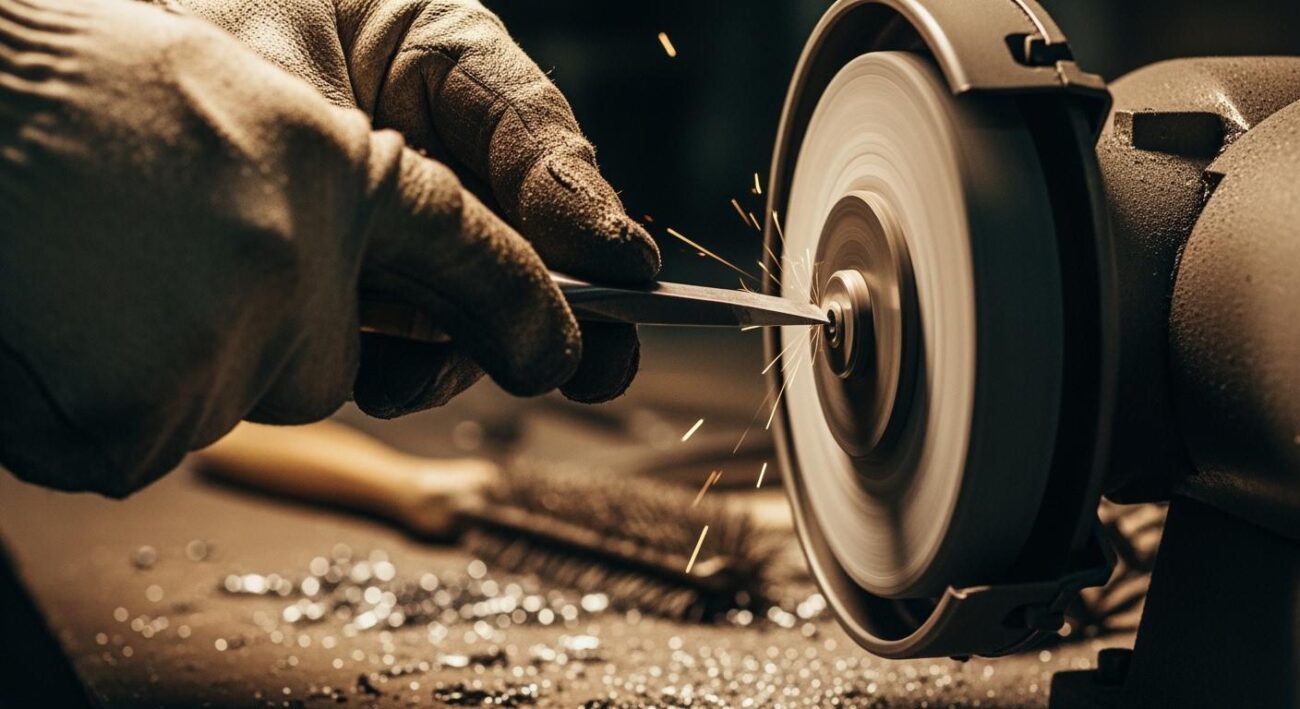
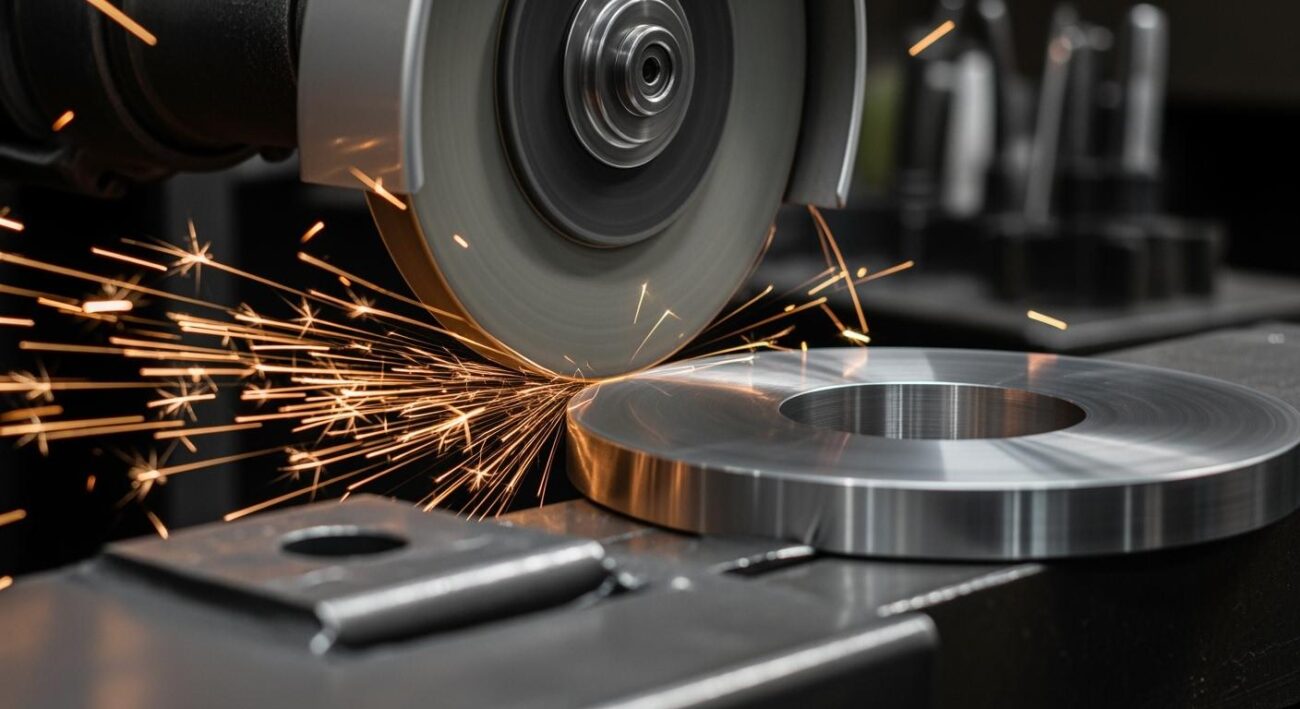
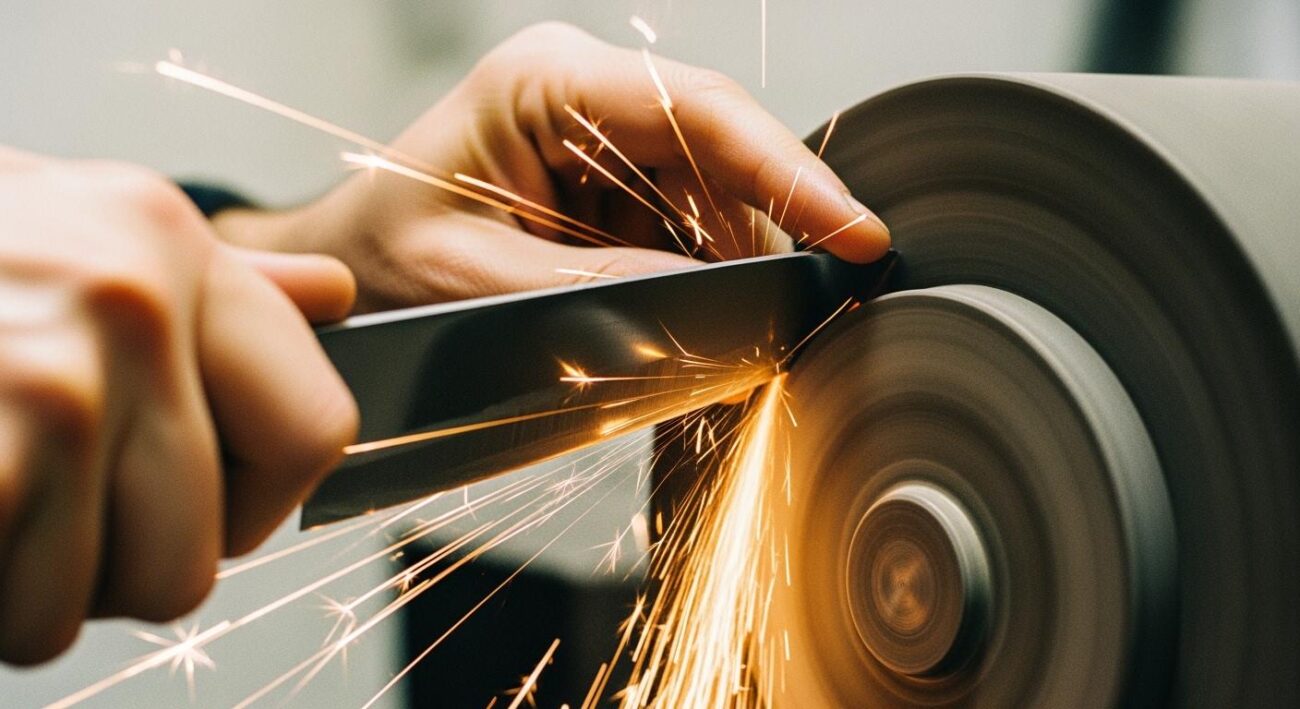
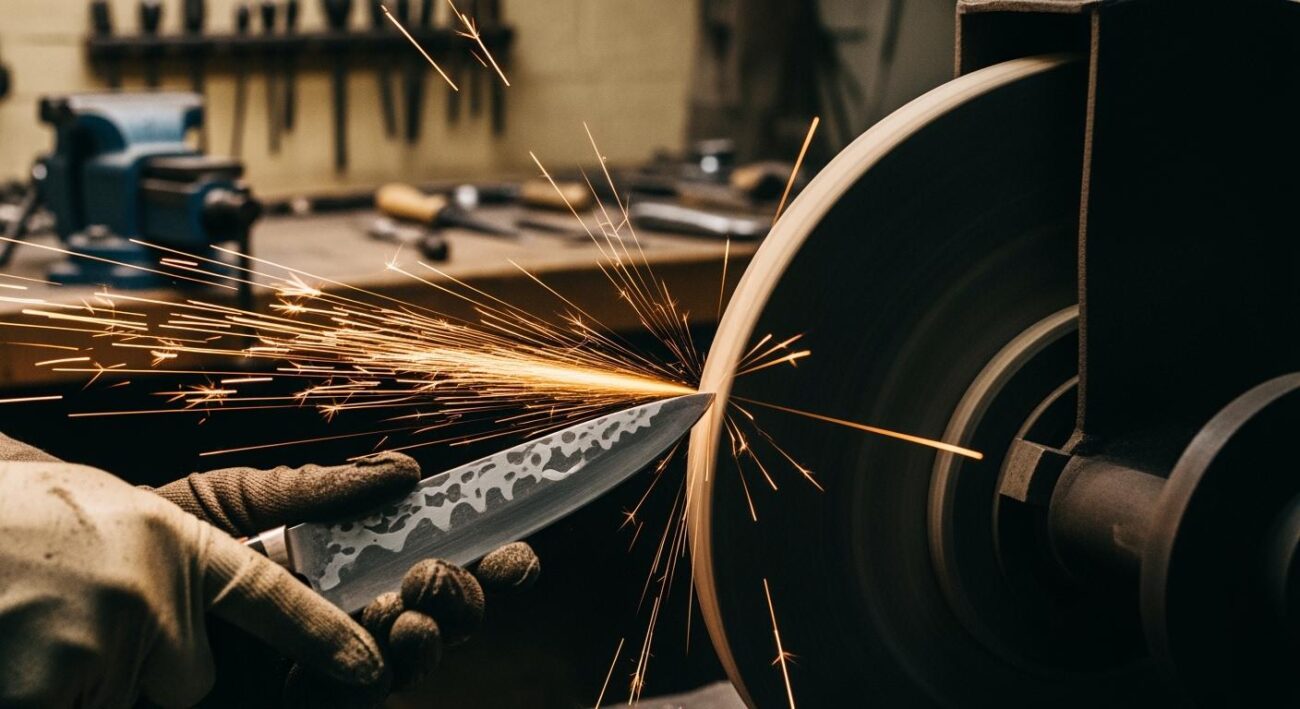
You need to keep your grinding process consistent to achieve the best precision grinding results. Always start with lighter passes and increase depth only if needed. Monitor spark patterns during grinding. Bright, steady sparks show good control, while blue or uneven sparks mean you need to adjust your process. Dress the wheel often to prevent loading or glazing, which can cause uneven cutting and reduce machining accuracy. Clean your equipment regularly to avoid contamination and maintain quality. Check grinding media for wear and replace it when needed. Use the right amount of media for efficient grinding.
Surface Roughness Measurement Tools
You must measure surface roughness with high accuracy to confirm your grinding meets ultra-precision standards. You can use several tools:
- Contact profilometers use a diamond stylus to scan the surface.
- Non-contact profilometers use lasers or digital holography for fast, precise readings.
- Atomic force microscopy gives you nanometer-level accuracy for very smooth surfaces.
- 3D scanning creates detailed maps of the surface.
Devices like the SRG-4000 tester give you sensitive readings down to 0.001 microns. Tools such as the Mitutoyo SJ-401 and Pocket Surf gauge are reliable and easy to use in shop environments. These tools help you check roughness and ensure your process delivers the required finish.
Interpreting and Adjusting Results
You must understand your measurement results to improve your grinding process. The table below explains common surface roughness parameters:
| Parameter | Description | Application |
|---|---|---|
| Ra | Arithmetic average roughness | Bearings and precision parts (as low as 0.05 µm) |
| Rz | Maximum height of the profile | Used for precision grinding applications |
| Ry | Maximum peak-to-valley height | Checks surface quality in grinding |
If your results do not meet your target, you can adjust your process. Use portable testers for quick feedback and make real-time changes to feed rate, coolant flow, or dressing frequency. You can also use post-processing methods like polishing or abrasive flow machining to further reduce roughness. Aimgrind supports you with troubleshooting and optimization, helping you maintain high accuracy, quality, and productivity in every grinding job.
Tip: Always use feedback from your measurements to fine-tune your grinding process for the best possible surface finish.
You achieve ultra-precision grinding by following a system engineering approach. You select superabrasive grinding wheels for their strength and temperature resistance. You use ultra-fine cutting to remove minimal material and reach micron-level surface roughness. You calibrate your machine and control vibration for precision. You measure surface roughness and adjust your process for accuracy. You rely on Aimgrind diamond grinding wheels for consistent micro-level results in manufacturing. You improve productivity by optimizing every stage. You consult Aimgrind for custom ultra-precision solutions.
- System engineering ensures precision in manufacturing.
- Superabrasive grinding wheels deliver ultra-precision and micro-level accuracy.
- Ultra-fine cutting achieves surface roughness in microns.
- Machine calibration and vibration control support ultra-precision grinding.
- Surface measurement and process adjustment maintain accuracy.
- Aimgrind diamond grinding wheels provide reliable ultra-precision performance.
Tip: You boost manufacturing quality by optimizing ultra-precision grinding and consulting Aimgrind for tailored solutions.
FAQ
What materials can you grind with ultra-fine diamond grinding wheels?
You can grind hard alloys, ceramics, glass, and composite materials. These wheels work well for metals and non-metals. You get smooth finishes on tough surfaces.
How often should you dress the grinding wheel?
You should dress the wheel before each new job. For long runs, check the wheel every hour. Dressing keeps the wheel sharp and helps you get a better finish.
Why does coolant matter in ultra-precision grinding?
Coolant keeps your grinding wheel and workpiece cool. It removes chips and prevents burns. You get a smoother surface and longer tool life with the right coolant.
Can you use Aimgrind diamond grinding wheels on any grinding machine?
You can use Aimgrind wheels on most CNC and manual grinders. Make sure the wheel size, speed, and arbor hole match your machine. Check your machine’s manual for details.
How do you measure surface roughness after grinding?
You can use a contact profilometer or a non-contact laser device. These tools scan the surface and show roughness values. You compare the results to your target finish.
Contact Us
For More Grinding Solution or Customized Abrasive Tools