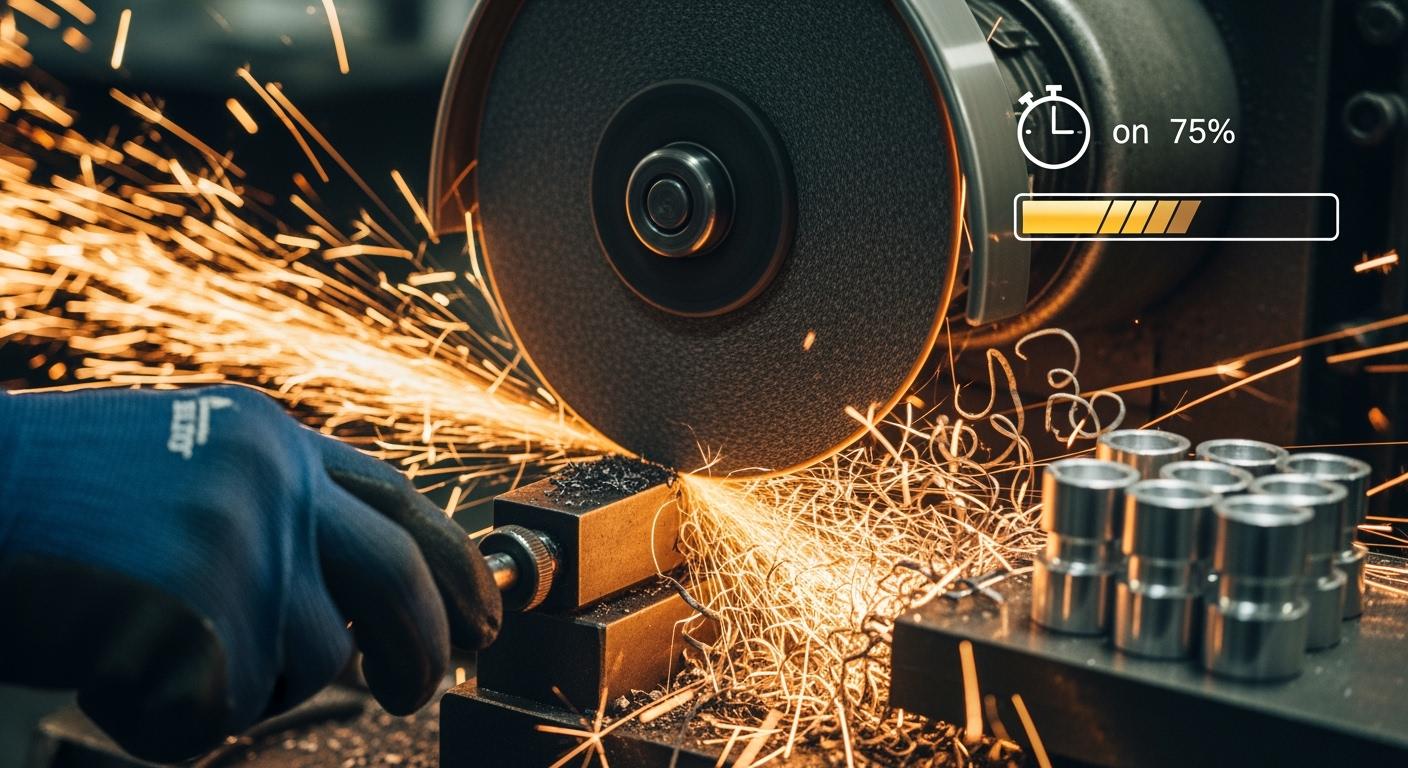
You can improve efficiency and extend grinding wheel life in non-ferrous metal grinding by choosing the right grinding wheel, using proper grinding techniques, and maintaining your equipment. Aimgrind offers customized solutions that match your needs. You should follow safety practices and look for actionable tips. Aimgrind’s expertise helps you achieve immediate results and long-term benefits.
Key Takeaways
- Select Aimgrind diamond grinding wheels for non-ferrous metals. Their unmatched hardness and wear resistance improve efficiency and extend wheel life.
- Use steady movements and moderate pressure while grinding. This prevents overheating and maintains a free-cutting surface for better results.
- Regularly inspect and clean your grinding wheels. This helps identify damage early and keeps your wheels sharp and effective.
- Match your grinding wheel to the specific task. Using the right wheel type enhances performance and ensures safety during grinding.
- Implement cooling techniques like wet grinding or dust collection. These methods control heat and protect both the wheel and workpiece.
Grinding Wheel Selection
Aimgrind Diamond Grinding Wheels for Non-Ferrous Metals
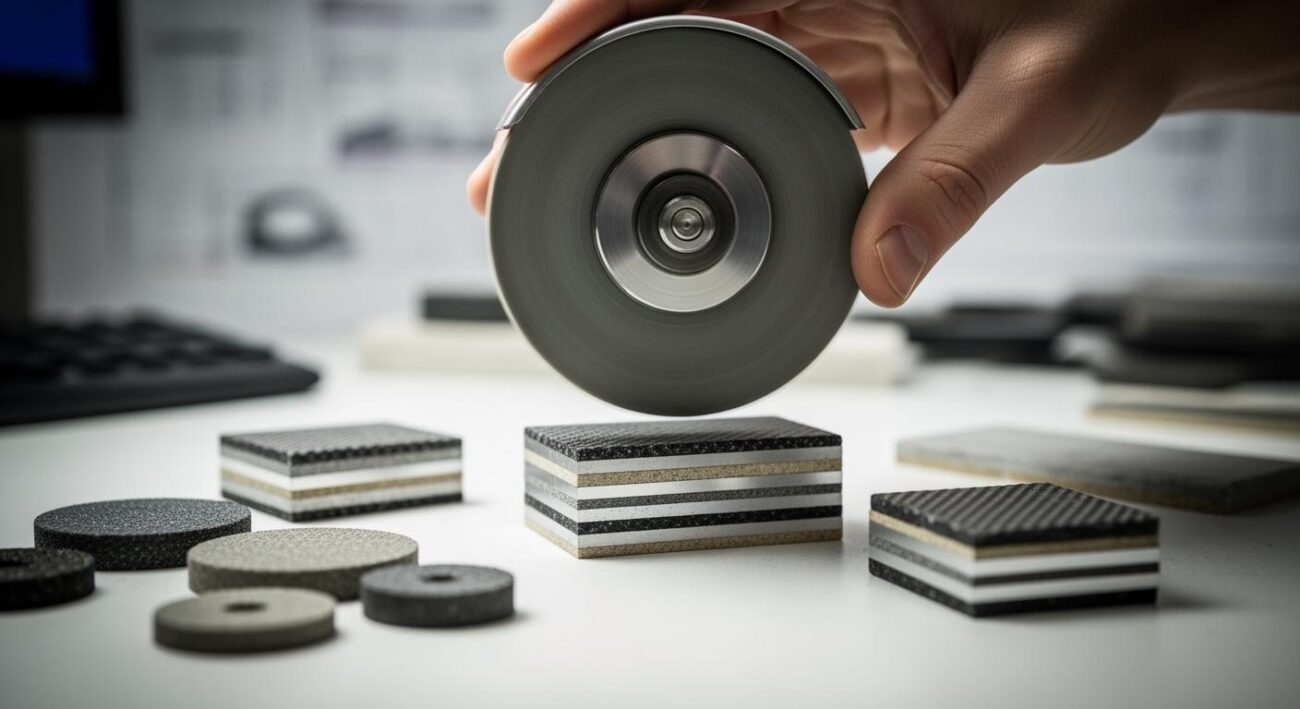
You need to select the right grinding wheel to improve efficiency in non-ferrous metal grinding. Aimgrind diamond grinding wheels stand out because they use diamond, the hardest material known. This makes them perfect for grinding tough metals like aluminum and copper. You get a longer wheel life and better surface finishes. The table below shows why Aimgrind diamond wheels are a smart choice:
| Property | Description |
|---|---|
| Unmatched hardness | Diamond is the hardest known material, ideal for grinding abrasive-resistant non-ferrous materials. |
| Wear resistance | Synthetic diamonds offer the longest service life among abrasives. |
| Superior performance | Excellent for ceramics, carbides, and ultra-hard non-ferrous materials, producing excellent surface finishes. |
Tip: Using Aimgrind diamond wheels helps you improve efficiency and reduce downtime.
Grain, Bond, and Wheel Type Choices
You should pay attention to grain size, bond type, and wheel type. Diamond grinding wheels excel in grinding non-ferrous materials such as ceramics and glass. They do not react chemically with these materials. You benefit from exceptional wear resistance, which means the wheel keeps its edge longer and boosts productivity. High thermal conductivity helps dissipate heat, so you avoid damaging your workpiece.
- Choose resin or vitrified bonds for consistent performance.
- Select a grain size that matches your material and desired finish.
- Use wheels designed for non-ferrous metals to improve efficiency.
Wheel Shape and Size
The shape and size of your grinding wheel affect how well you grind non-ferrous metals. Open-structure wheels cut cleanly and do not clog easily. This is important for soft metals like aluminum. Softer bond types help maintain cutting efficiency and extend wheel life. Advanced bond matrices, such as vitrified or resin bonds, resist loading and keep performance steady.
- Open-structure wheels minimize loading.
- Softer bonds improve efficiency and wheel life.
- Specialized abrasives like silicon carbide work better than standard aluminum oxide.
Note: Matching the wheel shape and size to your task helps you improve efficiency and get the best results.
Improve Efficiency in Non-Ferrous Metal Grinding
Steady Movements and Heat Control
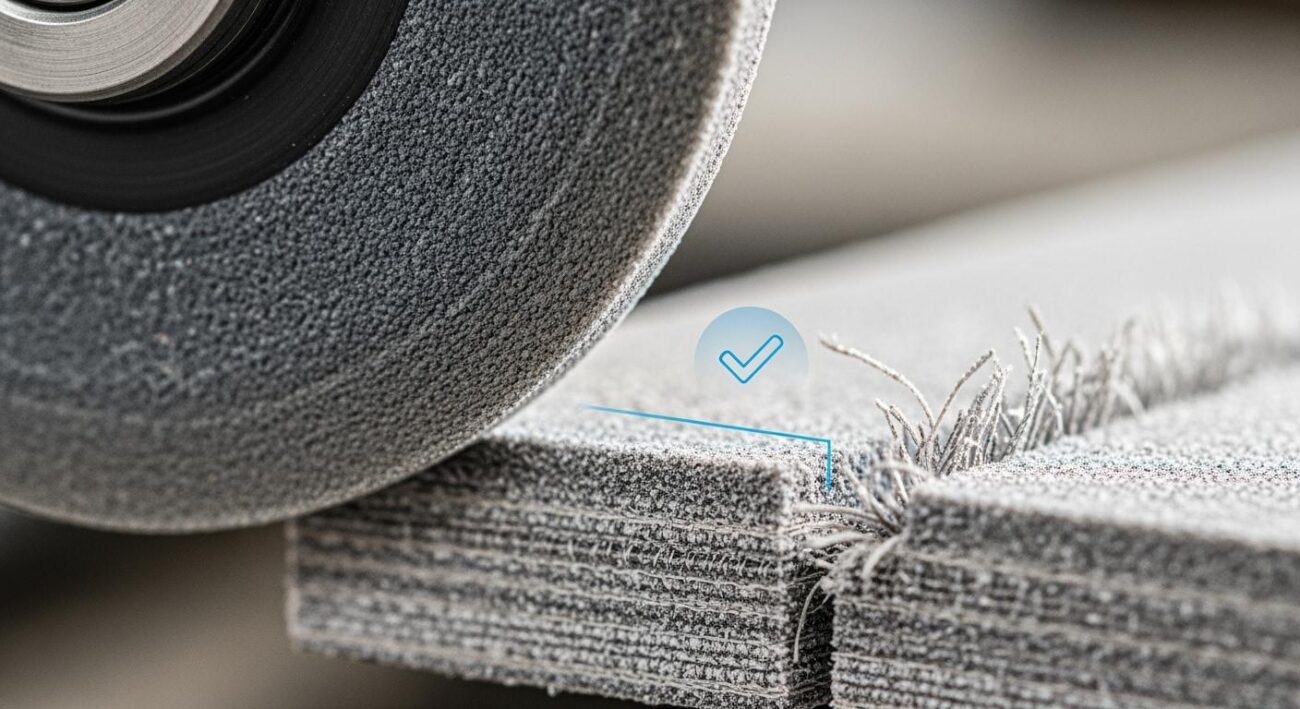
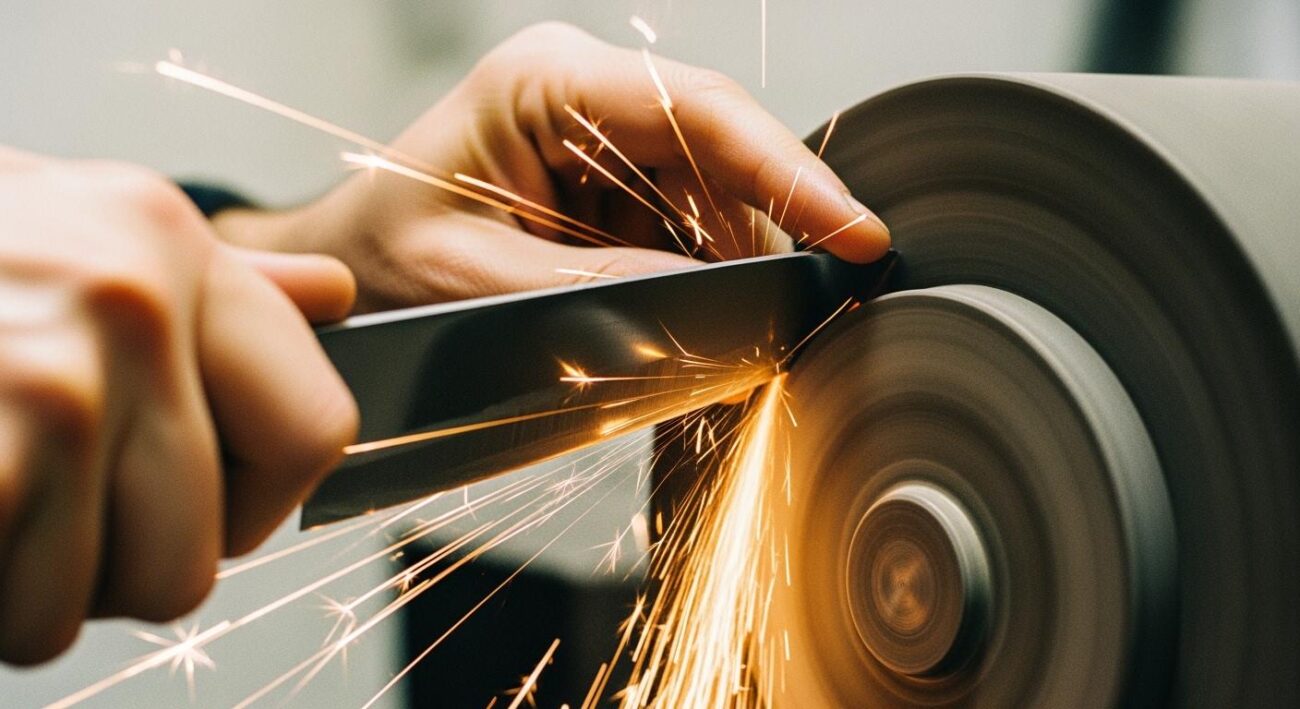
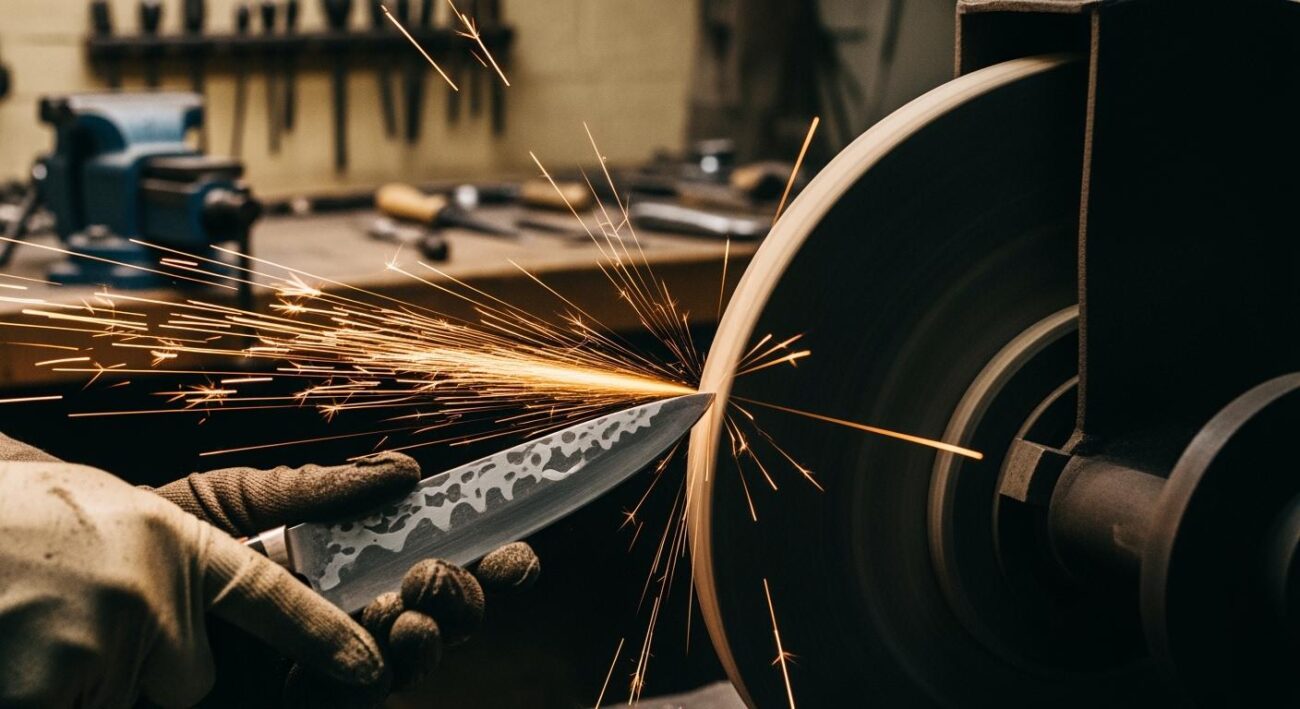
You can improve efficiency in non-ferrous metal grinding by focusing on steady movements and controlling heat. When you use open-coat or anti-loading abrasives, you prevent clogging and keep your grinding wheel working smoothly. You should apply light, steady pressure and keep your tools clean. This helps you maintain a free-cutting surface and avoid overheating.
Wet grinding or using a dust collection system helps manage heat and keeps your workspace safe. You must never mix aluminum and steel dust in the same collection system because this can cause fire hazards.
Here are some practical steps you can follow:
- Use open-coat or anti-loading abrasives designed for non-ferrous metals.
- Apply light, steady pressure to avoid loading and overheating.
- Keep your grinding tools clean for a free-cutting surface.
- Use wet grinding or dust collection to control heat.
- Separate aluminum and steel dust to prevent fire risks.
Excessive heat can cause several problems during grinding. The table below shows how heat affects your grinding wheel and workpiece:
| Effect | Description |
|---|---|
| Excessive Heat Buildup | High temperatures can warp thin materials and change their properties. |
| Reduced Wheel Life | A loaded wheel wears unevenly, which increases costs and downtime. |
| Increased Risk of Wheel Failure | Overheating creates internal stresses, raising the risk of cracking or disintegration. |
You can improve efficiency by keeping your grinding process cool and steady.
Pressure, Angle, and Stroke Optimization
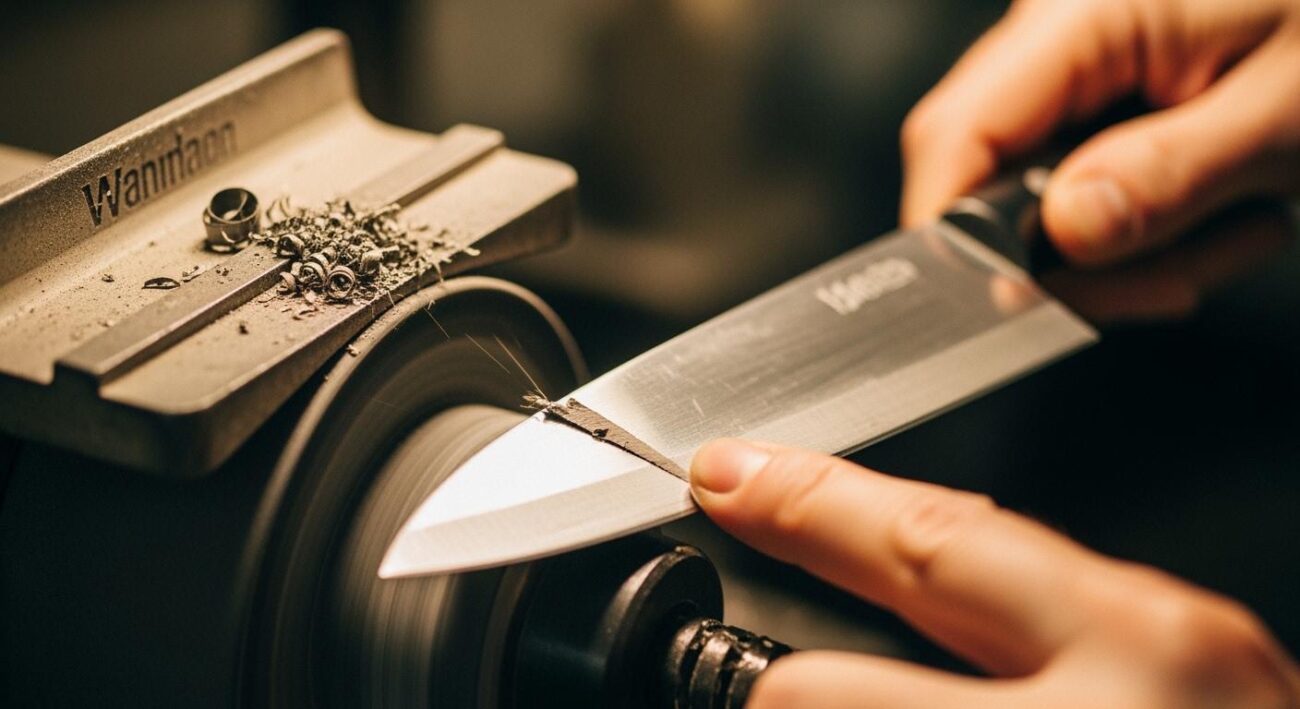
You need to optimize pressure, angle, and stroke to improve efficiency in non-ferrous metal grinding. If you start with a backstroke, you prevent gouging and reduce kick-back. Using the right pressure helps you minimize heat and protect your grinding wheel. You should grind at a lower angle, around 10 degrees, to extend wheel life. Grinding at a higher angle, like 35 degrees, may cut faster but reduces durability.
Follow these tips for best results:
- Start with a backstroke to avoid gouging.
- Use moderate pressure to minimize heat and wheel wear.
- Grind at a lower angle (about 10 degrees) for longer wheel life.
- Avoid grinding at a high angle unless you need faster material removal.
Aimgrind diamond grinding wheels help you optimize these techniques. Their design allows you to use steady pressure and proper angles, which improves efficiency and extends wheel life.
Anti-Loading Abrasives and Open-Coat Solutions
You can improve efficiency by using anti-loading abrasives and open-coat solutions. Stearate coatings act as a dry lubricant, preventing soft materials from sticking to the abrasive. Open-coat designs maximize airflow, keeping the abrasive cooler and reducing loading. These features extend the life of your grinding wheels, speed up your work, and prevent heat buildup.
- Stearate coatings stop soft materials from embedding in the abrasive.
- Open-coat designs increase airflow and keep the wheel cooler.
- These features help you grind faster and keep your wheels working longer.
Aimgrind’s anti-loading abrasives deliver documented efficiency gains. The table below shows how Aimgrind products help you improve efficiency:
| Efficiency Gain | Description |
|---|---|
| Improved Cutting Performance | Specialized grinding wheels cut cleanly without loading, enhancing overall grinding efficiency. |
| Reduced Heat Buildup | Anti-loading abrasives minimize heat generation, preventing damage to both the wheel and the workpiece. |
| Enhanced Durability | Premium wheels last longer and require less frequent dressing, leading to lower operational costs. |
| Consistent Cutting Profile | Uniform wear characteristics maintain cutting efficiency, especially in precision applications. |
| Lower Total Cost of Ownership | Investing in high-quality wheels reduces scrap and improves part quality, leading to long-term savings. |
You can improve efficiency and grinding wheel life by choosing Aimgrind’s advanced solutions. These products help you achieve better results and save money over time.
Maintenance and Handling
Storage and Handling Best Practices
Proper storage and handling keep your diamond grinding wheels safe and ready for use. You should always store wheels in a clean, dry, and ventilated area. This prevents moisture from causing damage. Use racks or cabinets to keep wheels organized and avoid stacking them randomly. Label each wheel with its specifications for easy identification. Thin slice wheels need spacers between them to prevent cracks. For resin and rubber wheels, do not stack them higher than 200mm. Use protective plates to avoid pressure damage. Magnesia-bonded wheels need extra care to stay dry. Check rubber and resin wheels often, as their properties can change over time. Try to use them within one year for best results.
| Practice | Description |
|---|---|
| Controlled Environment | Store in a special room away from workshop dust and vibration. Keep temperature and humidity low. |
| Suitable Storage | Use racks and cabinets. Avoid stacking. Label wheels clearly. |
| Stacking Limitations | Do not stack resin and rubber wheels higher than 200mm. Use protective plates. |
| Thin Slice Handling | Place spacers between thin wheels to prevent damage. |
| Magnesia Wheels | Keep magnesia-bonded wheels dry to avoid moisture problems. |
| Monitoring Duration | Check rubber and resin wheels regularly. Use within one year. |
Routine Inspection and Cleaning
You should inspect and clean your grinding wheels regularly. This helps you spot cracks, chips, or other damage before they cause problems. Clean the wheel surface to remove dust and metal particles. Truing and dressing the wheel before each use keeps it balanced and sharp. Regular maintenance prevents issues like chatter and ensures smooth grinding. Make inspection and cleaning part of your routine to keep your wheels in top shape.
- Inspect wheels for cracks, chips, or wear.
- Clean the wheel surface to remove debris.
- True and dress the wheel before use.
- Maintain a regular inspection schedule.
Dressing Aimgrind Diamond Wheels
Dressing your Aimgrind diamond wheels keeps them sharp and efficient. Use a dressing tool to restore the wheel’s shape and expose fresh diamond particles. This improves cutting performance and extends the wheel’s life. Clean the wheel often to remove metal chips and debris. A clean and dressed wheel grinds faster and lasts longer. You get better results and save money by following these steps.
- Clean the wheel to remove chips and dust.
- Use a dressing tool to true the grinding surface.
- Expose fresh abrasive particles for better cutting.
- Dress the wheel regularly to maintain efficiency.
Tip: Regular maintenance and proper handling help you get the most out of your Aimgrind diamond grinding wheels. 🛠️
Safety and Application
PPE and Machine Setup
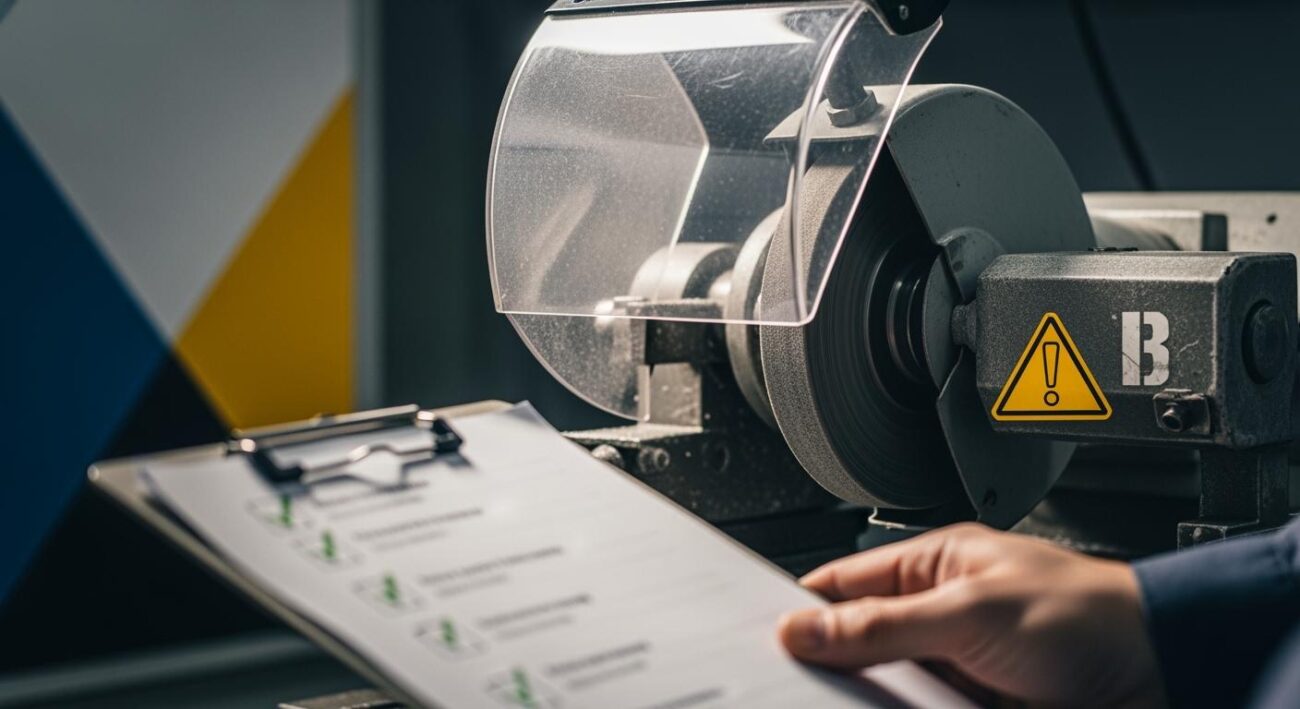
You must protect yourself when grinding non-ferrous metals. Always wear the right personal protective equipment. Safety goggles or face shields protect your eyes from flying particles. Hearing protection keeps your ears safe from loud noise. Gloves designed for metalworking shield your hands. Respirators help you avoid breathing in metal dust or fumes.
- Safety goggles or face shields
- Hearing protection
- Metalworking gloves
- Respirators
Machine setup plays a big role in both efficiency and safety. You need to choose the correct grinding wheel for your task. The wheel type affects how smooth your workpiece becomes. Precision depends on the wheel you use. Coolant systems help prevent overheating and keep your workpiece strong. Always check your grinding wheel for cracks before starting. Wear your safety gear every time.
| Factor | Description |
|---|---|
| Grinding Wheel Choice | The type of grinding wheel affects efficiency, surface finish, and precision. |
| Machine Specifications | Includes size, power requirements, speed, and control type (CNC or manual). |
| Coolant Systems | Essential for preventing overheating and maintaining workpiece integrity. |
| Safety Precautions | Wearing safety goggles and checking wheels for cracks are crucial for safety. |
Tip: Coolants reduce heat, minimize damage, and help remove debris from the grinding area.
Matching Wheel to Task
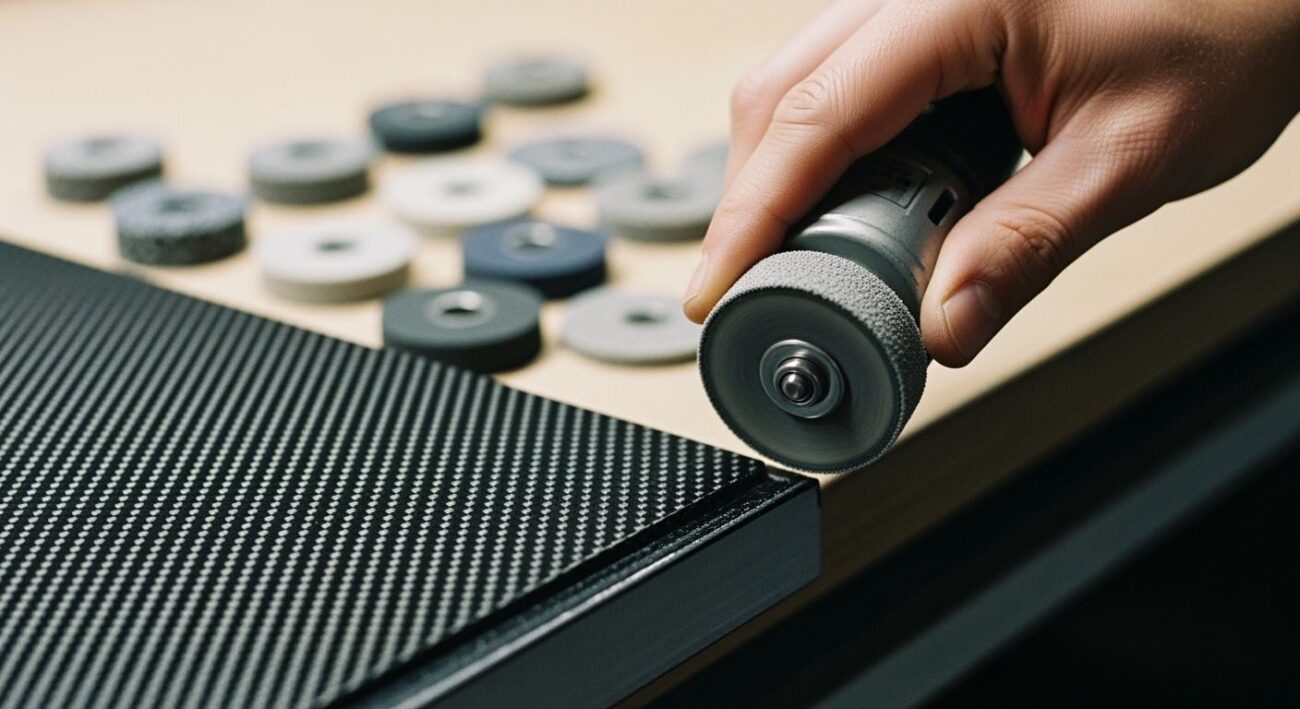
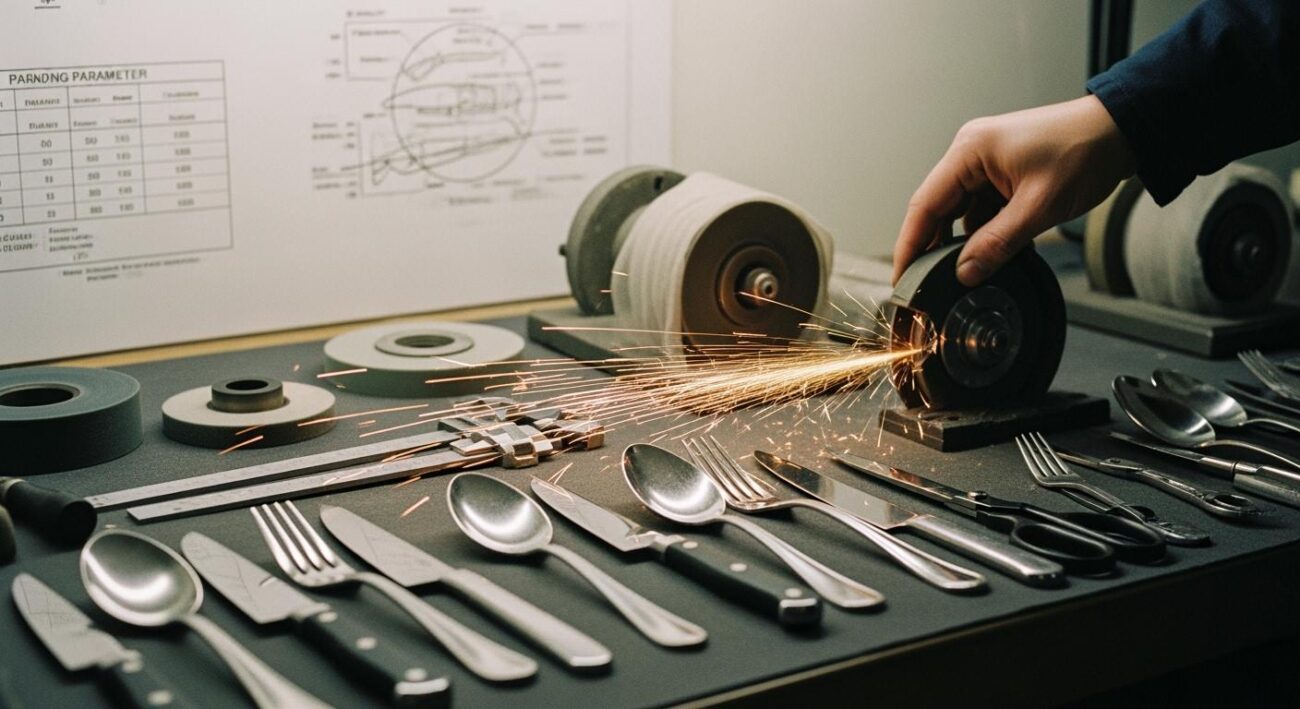
You need to match your grinding wheel to the job. Open structure wheels with silicon carbide and friable grains work best for aluminum, copper, and brass. Premium bond systems last longer and save money in high-volume production. Reinforced resinoid or vitrified bonds suit heavy-duty grinding. Always check the speed rating to match your machine’s RPM. Choose wheels made for non-ferrous metals to avoid contamination. Even grain distribution means less dressing and better results.
| Selection Factor | Recommended Features | Best Applications |
|---|---|---|
| Efficiency | Open structure, silicon carbide, friable grains | Aluminum, copper, brass |
| Cost Effectiveness | Premium bond systems, longer life | High-volume production |
| Wheel Base | Reinforced resinoid or vitrified bonds | Heavy-duty grinding |
| Speed Rating | Matched to machine RPM, safety certified | All applications |
| Material Compatibility | Non-ferrous specific, contamination-free | Precision finishing, reactive alloys |
| Wear Uniformity | Even grain distribution, minimal dressing | CNC, automated systems |
Note: Matching the wheel to your task improves performance and keeps your grinding safe.
Monitoring Parameters
You must monitor key parameters during grinding. Check the grinding wheel condition often. Watch for heat generation to protect your tool and workpiece. Keep an eye on vibration levels. Too much vibration can lower surface quality and wear out your tools. Make sure coolant application is effective to prevent overheating.
| Parameter | Description |
|---|---|
| Grinding Wheel Condition | Assess the properties of the grinding wheel surface and its wear. |
| Heat Generation | Monitoring heat is essential for optimal performance and tool life. |
| Vibration Levels | Excessive vibration can lead to reduced surface quality and increased tool wear. |
| Coolant Application Effectiveness | Proper coolant application is crucial for maintaining grinding efficiency and preventing overheating. |
- Heat generation affects tool life and performance.
- Vibration levels impact precision and machine health.
- Overheating needs proper setup and regular maintenance.
- Vibration issues can be fixed by inspecting and dressing the wheel.
Stay alert to these parameters. You will achieve consistent results and keep your grinding process safe. 🛡️
Maximizing Performance
Quick Actionable Tips
You can boost grinding efficiency and extend wheel life by following these steps:
- Choose tools with enough power and torque for your grinding wheel.
- Start with a pull motion for the first few strokes. This breaks in the wheel and prevents gouging.
- Keep steady movements. Do not dwell in one spot to avoid overheating.
- Apply moderate pressure and use an angle between 25 and 35 degrees for best results.
- Use the wheel for its full life. This reduces costs and downtime.
- Always check that the wheel’s maximum rpm is higher than your tool’s speed. Keep guards in place for safety.
- Select wheels designed for your specific task, such as contaminant-free wheels for sensitive materials.
Tip: Aimgrind’s diamond grinding wheels help you achieve these steps with their advanced design and reliable performance.
Long-Term Strategies
You can maximize grinding wheel performance over time by using proven methods. Select grinding wheels based on the material and application. Use advanced materials for better results. Implement cooling and lubrication techniques to manage heat. Minimum quantity lubrication (MQL) uses a small amount of oil with compressed air. This method matches traditional flood cooling and lowers CO2 emissions. MQL works well with Aimgrind’s wheels and supports green manufacturing.
- Choose wheels that match your material and task.
- Use advanced abrasives for improved durability.
- Apply cooling and lubrication to control heat and extend wheel life.
Note: Aimgrind offers personalized selection and formula design to help you reach your long-term goals.
Common Mistakes to Avoid
You should avoid these mistakes to keep your grinding process efficient:
- Using the wrong wheel for your material reduces efficiency and wheel life.
- Forcing the wheel or applying too much pressure can damage both the wheel and the workpiece.
- Skipping regular maintenance checks leads to worn or damaged wheels, which are less effective and unsafe.
| Mistake | Impact |
|---|---|
| Wrong wheel selection | Lower efficiency, shorter life |
| Improper technique | Wheel and workpiece damage |
| Poor maintenance | Unsafe, less effective grinding |
Stay alert to these mistakes. Aimgrind’s comprehensive service helps you avoid them and keeps your grinding process running smoothly.
You improve grinding efficiency and wheel life by selecting the right abrasive, using optimized techniques, and maintaining your equipment. Regular inspections, proper RPM checks, and wearing PPE keep you safe. Industry standards like ANSI B7.1-1988 guide best practices. Aimgrind’s customized solutions address vibration, burn prevention, and lifespan enhancement. You save costs over time with durable wheels and fewer replacements.
| Standard | Description |
|---|---|
| ANSI B7.1-1988 | Use and maintenance of abrasive wheels |
| FEPA | European abrasive material standards |
Aimgrind helps you achieve reliable results with quality and innovation. 🛠️
FAQ
What materials can you grind with Aimgrind diamond wheels?
You can grind hard alloys, ceramics, composites, and non-ferrous metals like aluminum and copper. Aimgrind diamond wheels work well for precision tasks in many industries.
How do you extend the life of your grinding wheel?
You should use steady movements, apply moderate pressure, and keep your wheel clean. Regular dressing and proper storage help your wheel last longer.
Can you use Aimgrind diamond wheels for wet and dry grinding?
Yes, you can use Aimgrind diamond wheels for both wet and dry grinding. Wet grinding helps control heat and keeps your workspace safer.
Why should you choose Aimgrind for non-ferrous metal grinding?
Aimgrind offers customized grinding solutions. You get wheels matched to your equipment and materials. Aimgrind’s expertise helps you improve efficiency and achieve better results.
Contact Us
For More Grinding Solution or Customized Abrasive Tools