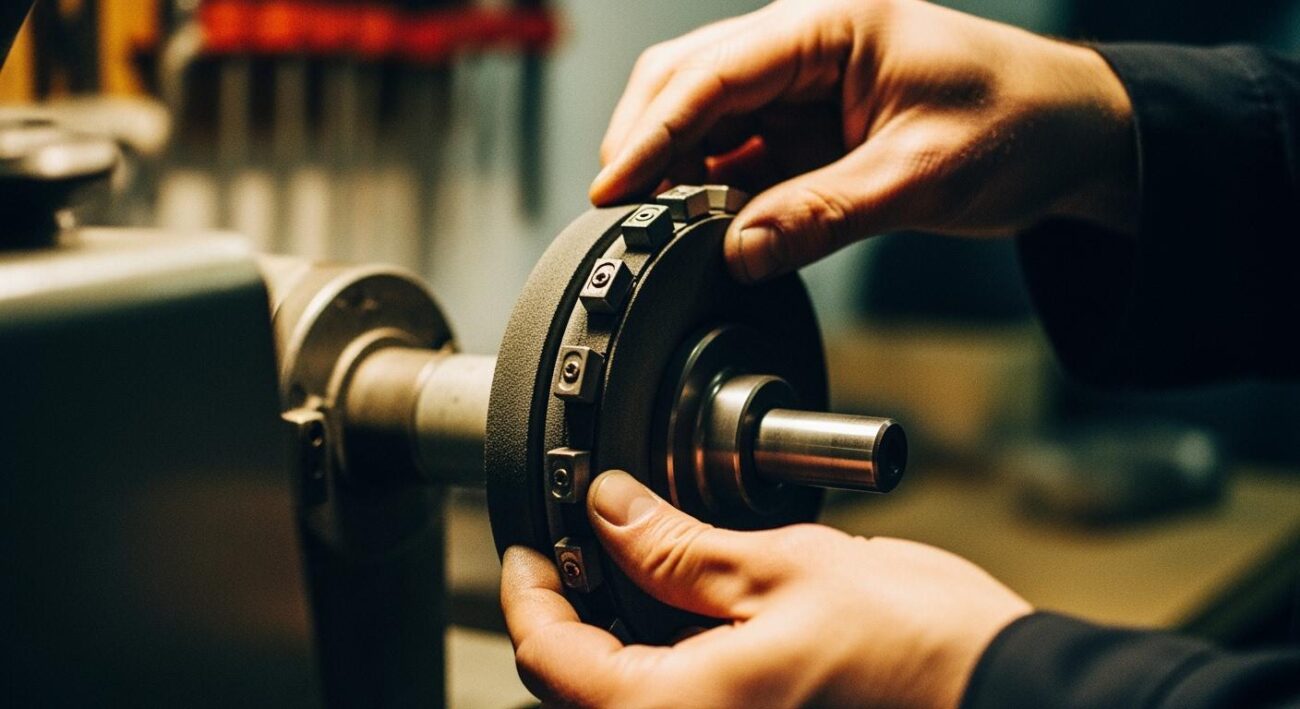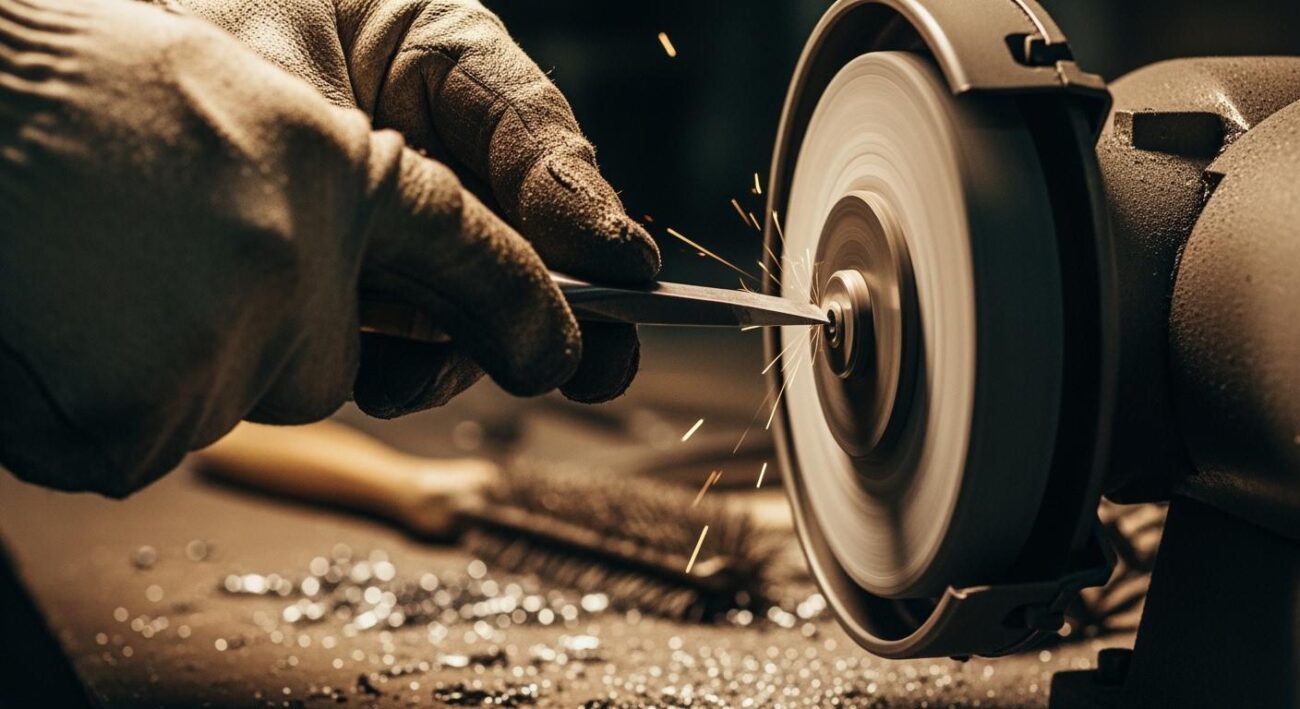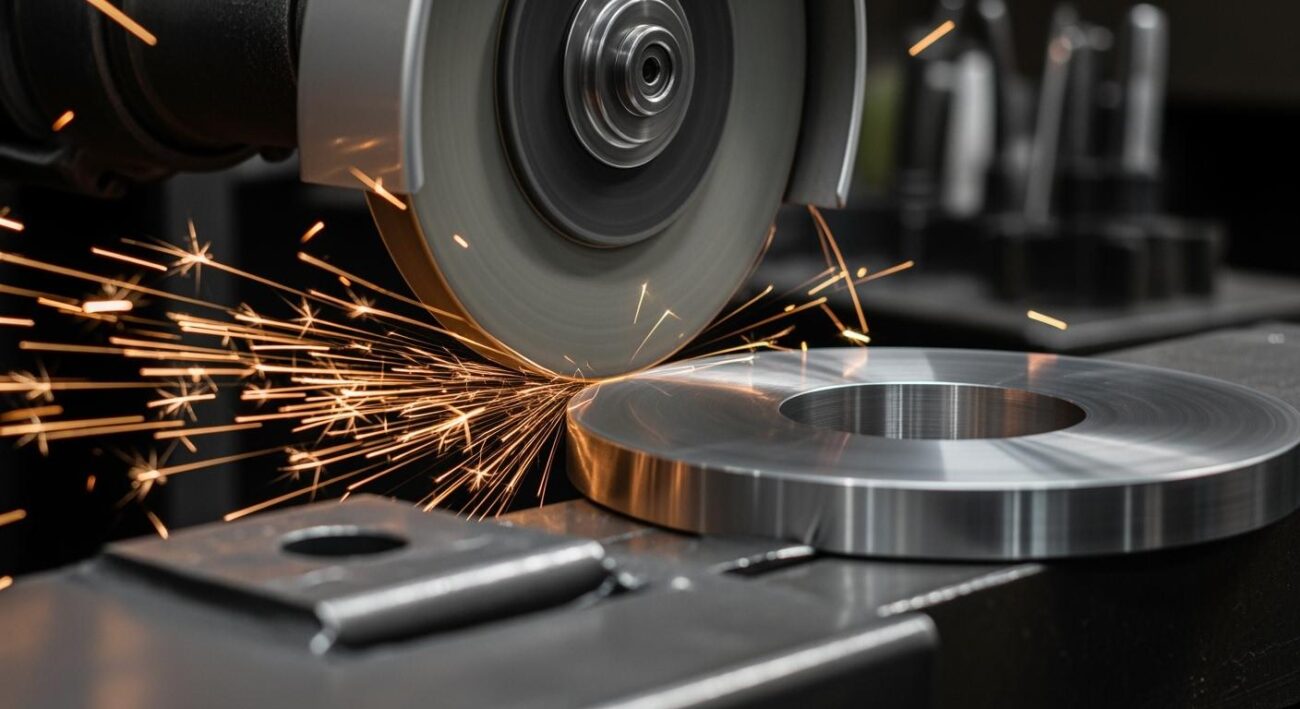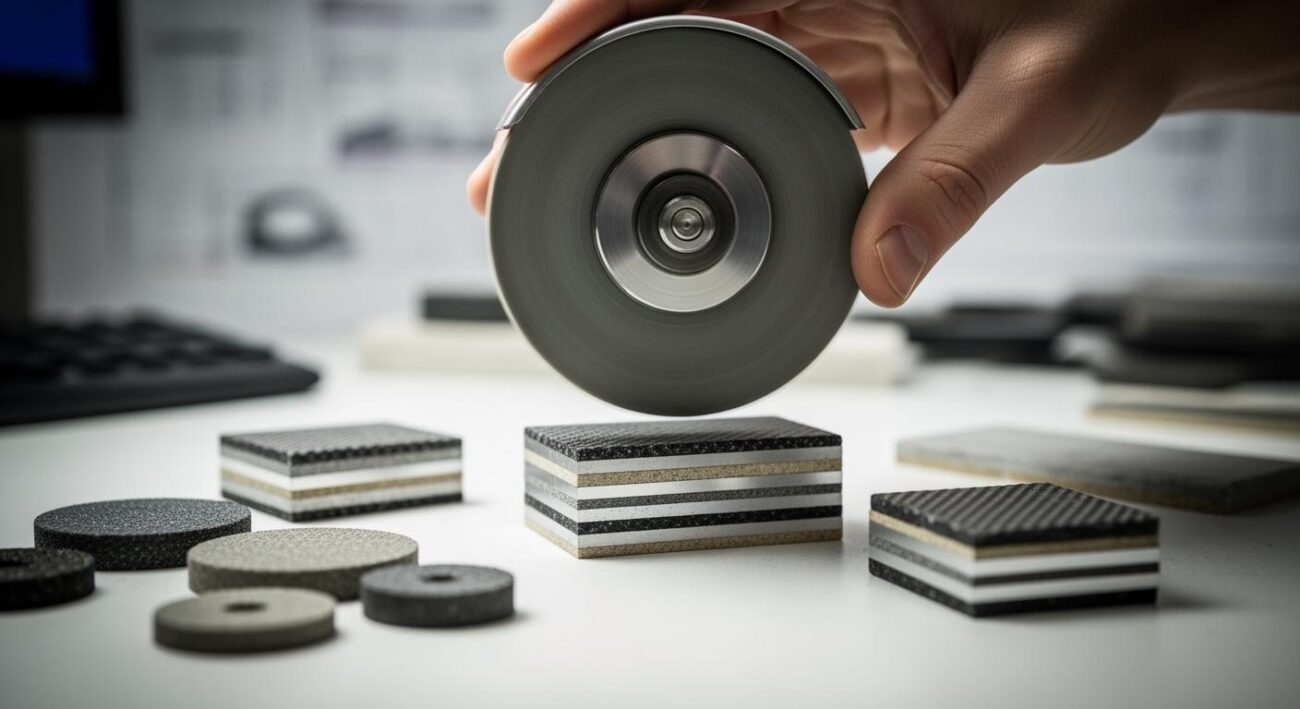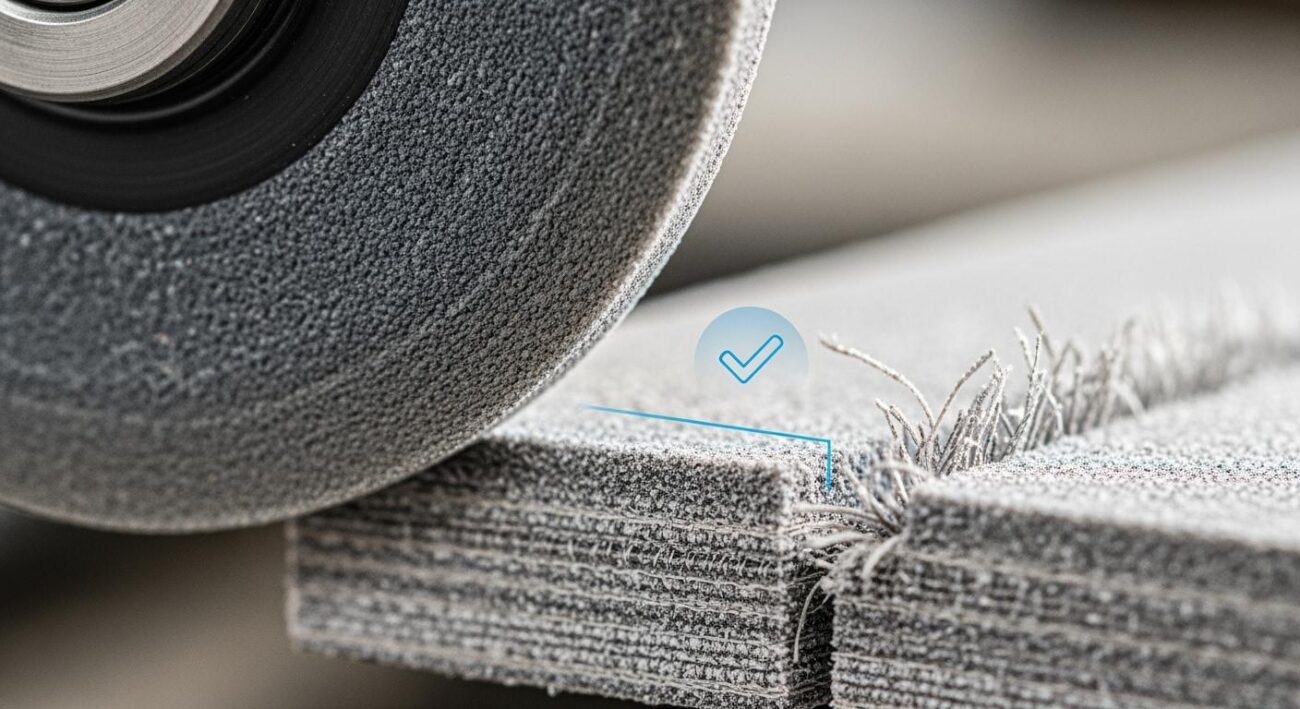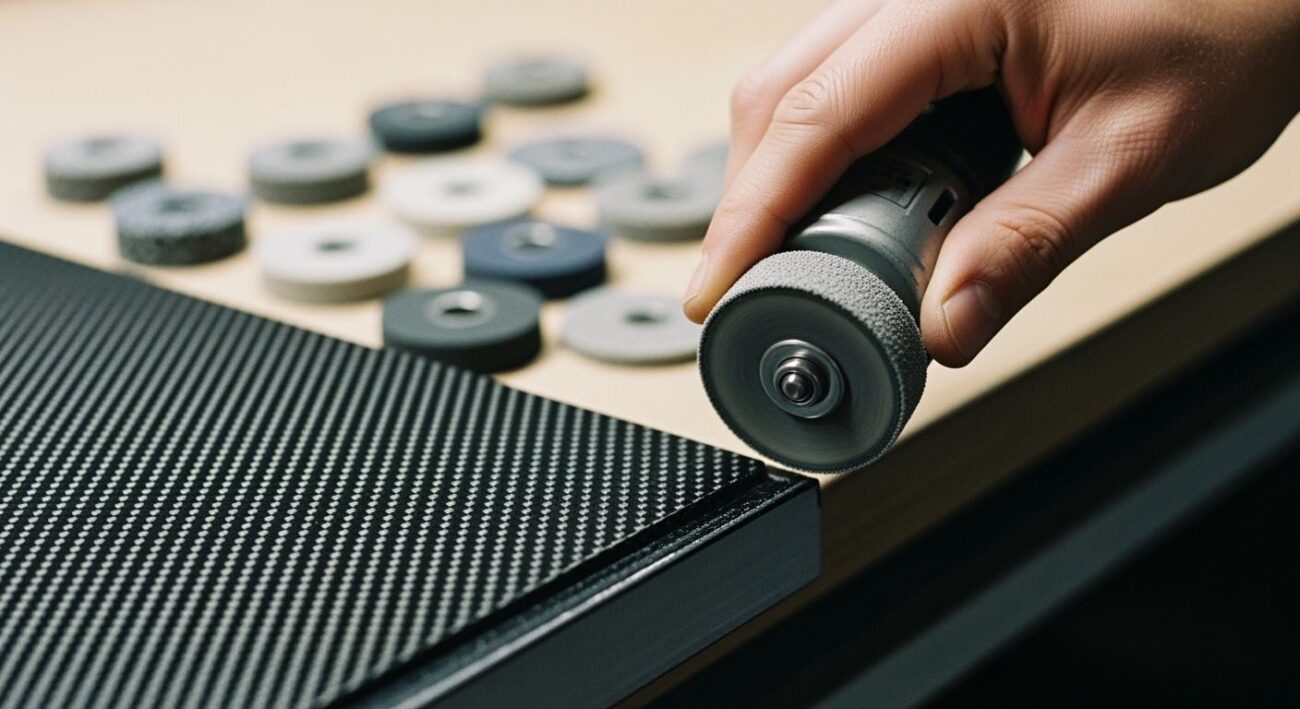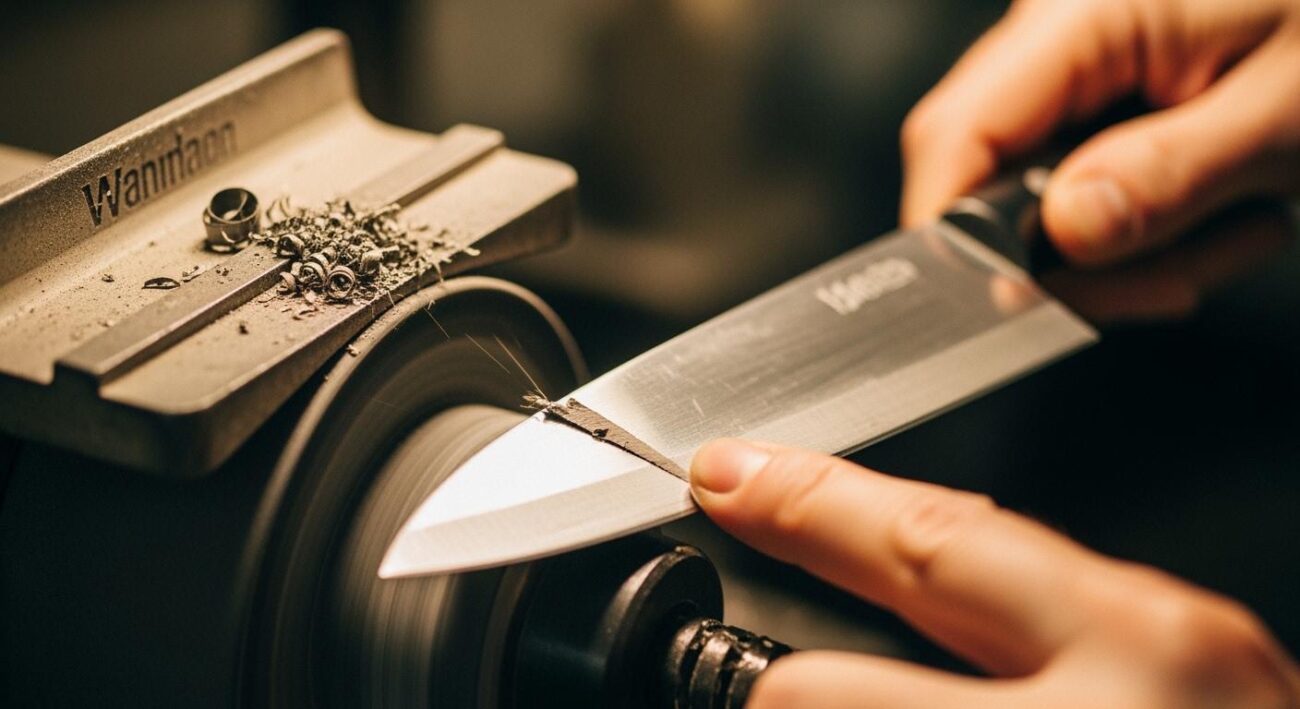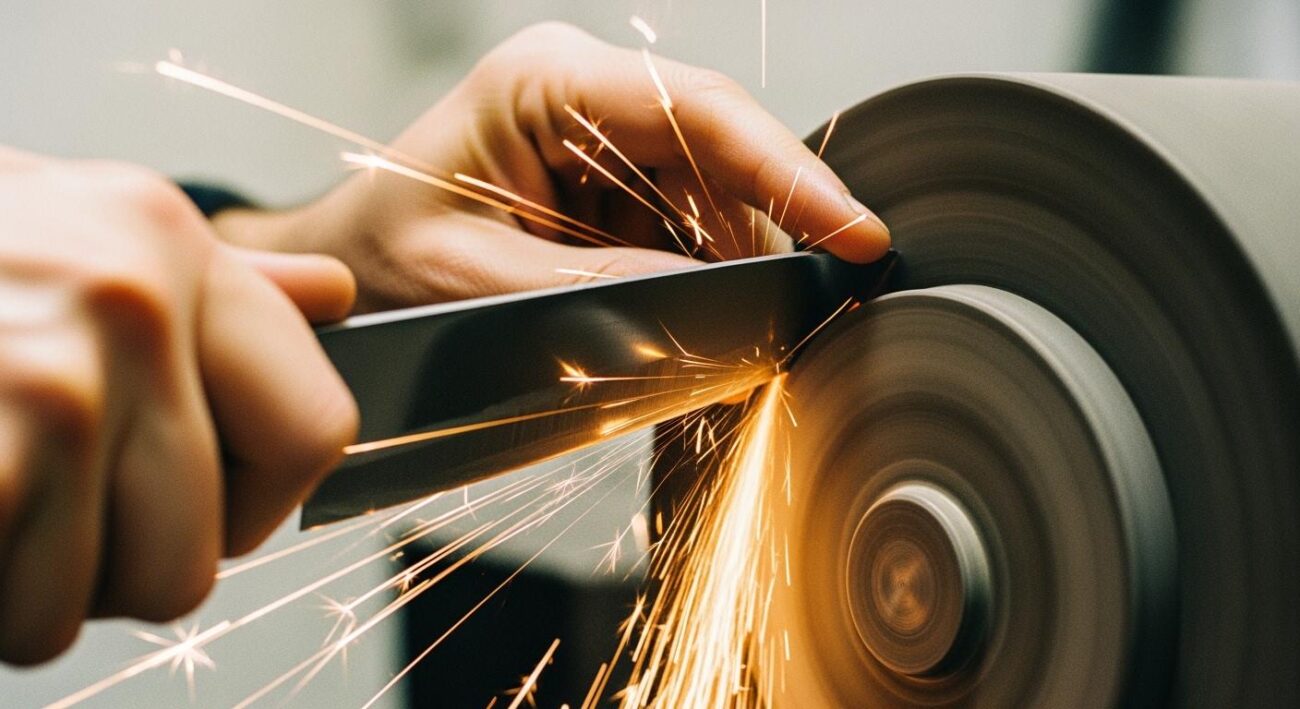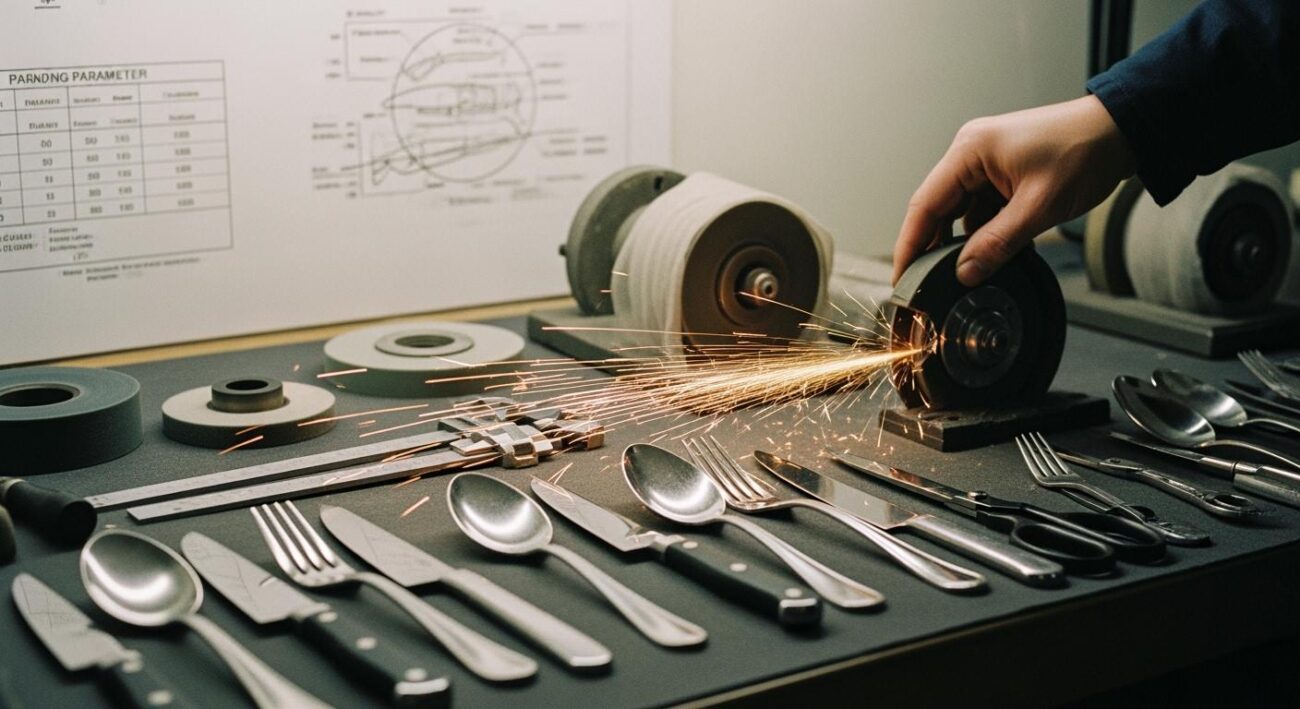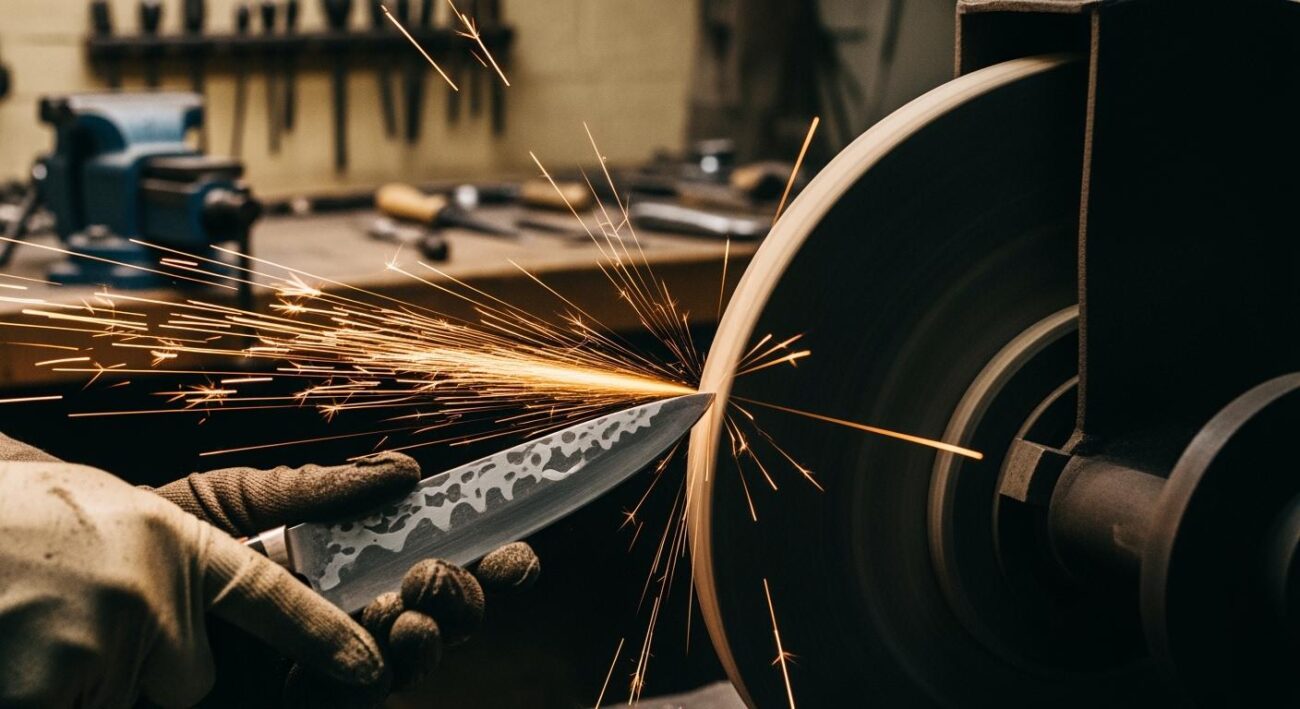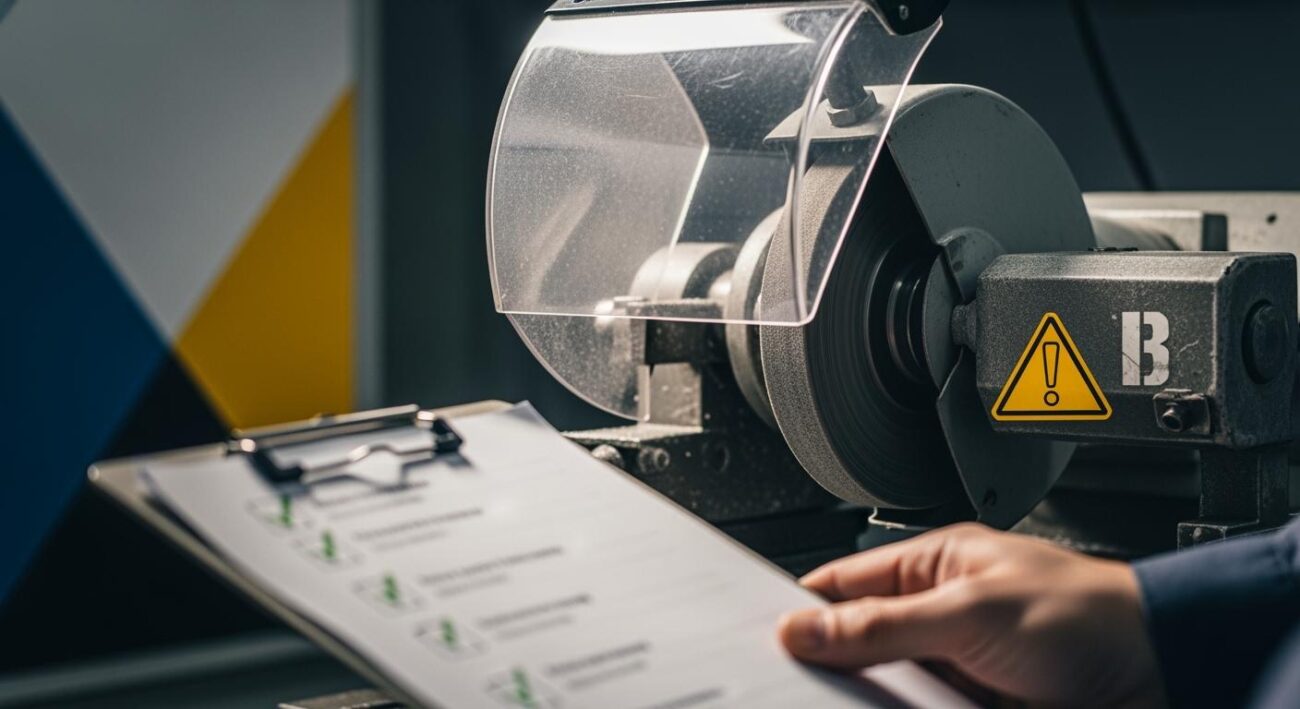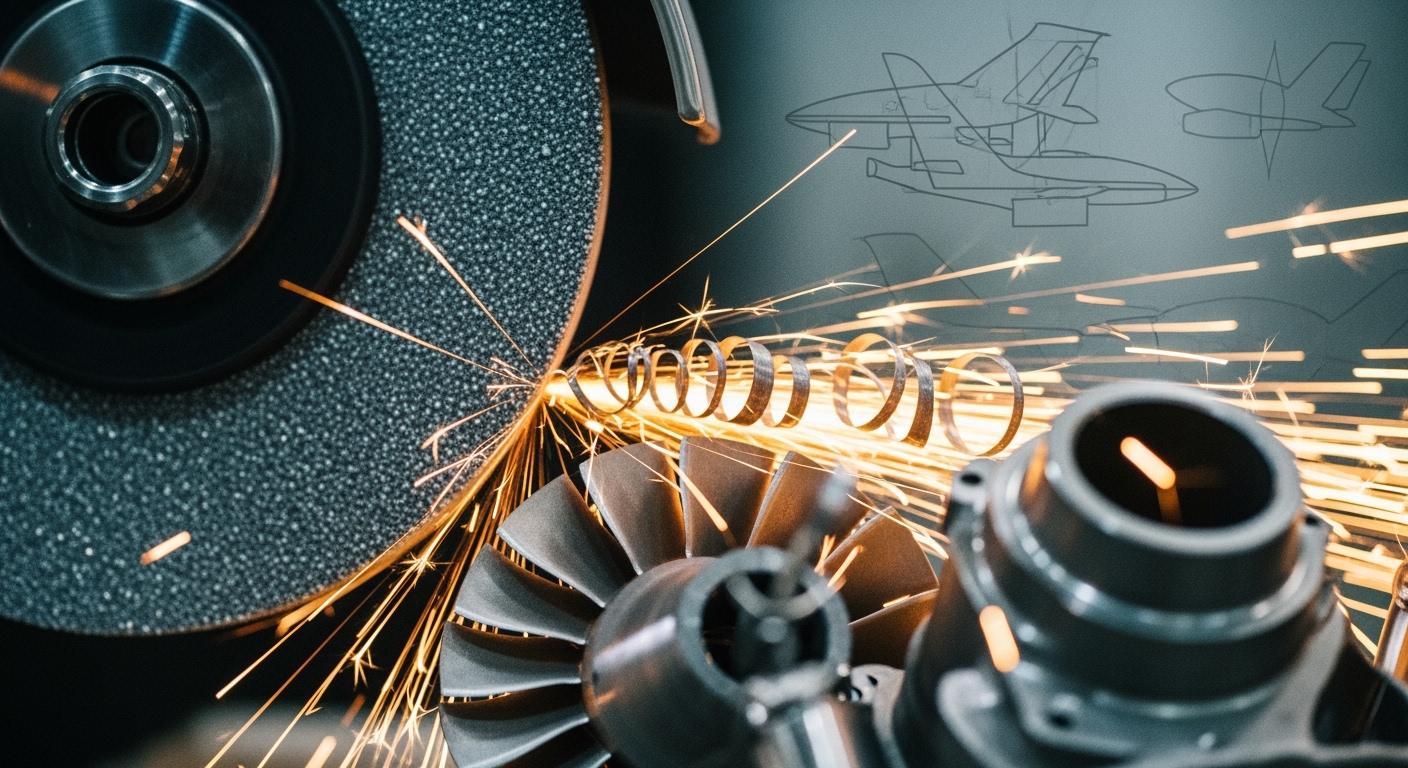
You face unique challenges when working with titanium in aerospace manufacturing. Specialized titanium alloy grinding wheel solutions help you handle these challenges. Titanium alloys require careful grinding because they generate heat quickly and can wear down tools. You need diamond or CBN wheels to achieve precision and extend tool life. Demand for titanium in aerospace keeps rising as new aircraft designs emerge and airlines seek fuel efficiency. Aimgrind provides custom diamond grinding wheels that support your need for advanced grinding solutions.
Key Takeaways
- Manage heat effectively when grinding titanium alloys to protect tools and ensure part quality.
- Choose the right abrasive materials, like silicon carbide, for better performance in titanium grinding.
- Optimize grinding parameters and coolant use to improve surface quality and extend wheel life.
- Utilize Aimgrind’s custom diamond grinding wheels for tailored solutions that meet aerospace standards.
- Follow best practices for maintenance to enhance grinding efficiency and achieve superior finishes.
Challenges in Titanium Alloy Grinding
Heat Management in Aerospace Applications
You face several challenges when you work with titanium alloys in aerospace manufacturing. Titanium has low thermal conductivity. This causes heat to build up in the grinding zone. High temperatures can damage your tools and the workpiece. You must control heat to protect the quality of aerospace parts.
- High cutting temperatures lead to heat accumulation in the contact area.
- This heat speeds up tool wear and can reduce machining precision.
- The heat-affected layer becomes thicker, which can make the surface brittle and less elastic.
You can use special grinding wheels and cooling methods to manage heat. Electroplated grinding wheels and diamond rotary dressers help reduce heat during grinding. Hybrid cooling systems combine minimum quantity lubrication (MQL) with liquid CO2. These systems improve surface quality and lower grinding force. Cryogenic cooling with LN2 or CO2 jets also reduces grinding temperature and improves surface finish. You need these solutions to meet tight tolerances, often ±0.013 mm, for critical aerospace components.
Wheel Wear and Surface Quality
Grinding titanium alloys for aerospace parts causes rapid tool wear. The material reacts with the grinding wheel at high temperatures. Work hardening makes the material stronger as you grind it, which complicates the process.
- Low thermal conductivity leads to heat concentration at the cutting zone.
- High chemical reactivity causes rapid tool wear.
- Work hardening increases difficulty during grinding.
Surface quality is important for aerospace safety and performance. You must achieve a smooth finish to boost fatigue strength and preserve ductility. The table below shows how different machining processes affect aerospace parts:
| Machining Process | Effect on Fatigue Strength | Effect on Ductility | Effect on Residual Stress |
|---|---|---|---|
| Finish-Cut | Boosts fatigue strength | Preserves ductility | Lowers residual stress |
| Rough-Cutting | Lowers cyclic durability | N/A | N/A |
You must select the right grinding wheel and cooling method to achieve precision grinding and meet aerospace manufacturing standards. Different titanium grades, such as Grade 5 (Ti-6Al-4V), require special attention because they are harder to machine. You need to match your grinding solution to the specific grade and application in aerospace.
Key Features of Titanium Alloy Grinding Wheels
Abrasive Materials and Bond Types
You need to choose the right abrasive materials for grinding wheels in aerospace manufacturing. Silicon carbide abrasives work much better than aluminum oxide when you grind titanium alloys. In fact, silicon carbide is about ten times more effective than aluminum oxide in an organic fluid. This happens because silicon carbide forms sharper cutting edges. You get lower cutting forces and keep a good material removal rate.
- Silicon carbide (SiC) gives you sharper edges.
- SiC works well in organic fluids.
- Aluminum oxide (Al2O3) is less effective for titanium.
Bond types also matter for aerospace. Vitrified bonded grinding wheels give you free-cutting ability and work with many materials. You can use these wheels for both brittle and softer metals. The bond type affects how well your grinding wheel performs. You need to think about porosity and whether you use conventional abrasives or superabrasives. Good grinding wheel selection helps you get the best results in aerospace manufacturing.
Structure and Porosity for Aerospace Needs
Grinding wheel structure and porosity play a big role in aerospace. Titanium alloys are important in aerospace because they have low density and high strength-to-weight ratio. You want to keep the surface strong and smooth for engine parts. Good grinding parameters improve surface roughness, hardness, and compressive stress. This helps your parts last longer.
A high porosity level is best for grinding wheels in aerospace. A porosity of 45% works well and keeps the wheel strong. If the wheel has low porosity, it cannot get rid of heat. This can block the surface and hurt the part. You also want the right pore shape to store chips and help the wheel sharpen itself.
| Aspect | Impact on Grinding Wheel Performance |
|---|---|
| Pore Morphology | Good design helps store chips and keeps the wheel sharp. |
| Low Porosity | Poor heat control can damage the surface and block the wheel. |
| Dressing | Dense wheels are hard to dress and cost more, so they are not the best for aerospace. |
You need to focus on structure and porosity to get the best grinding results for aerospace parts. This helps you achieve precision grinding and meet strict aerospace standards.
Aimgrind Diamond Grinding Wheels for Aerospace
Product Advantages and Custom Solutions
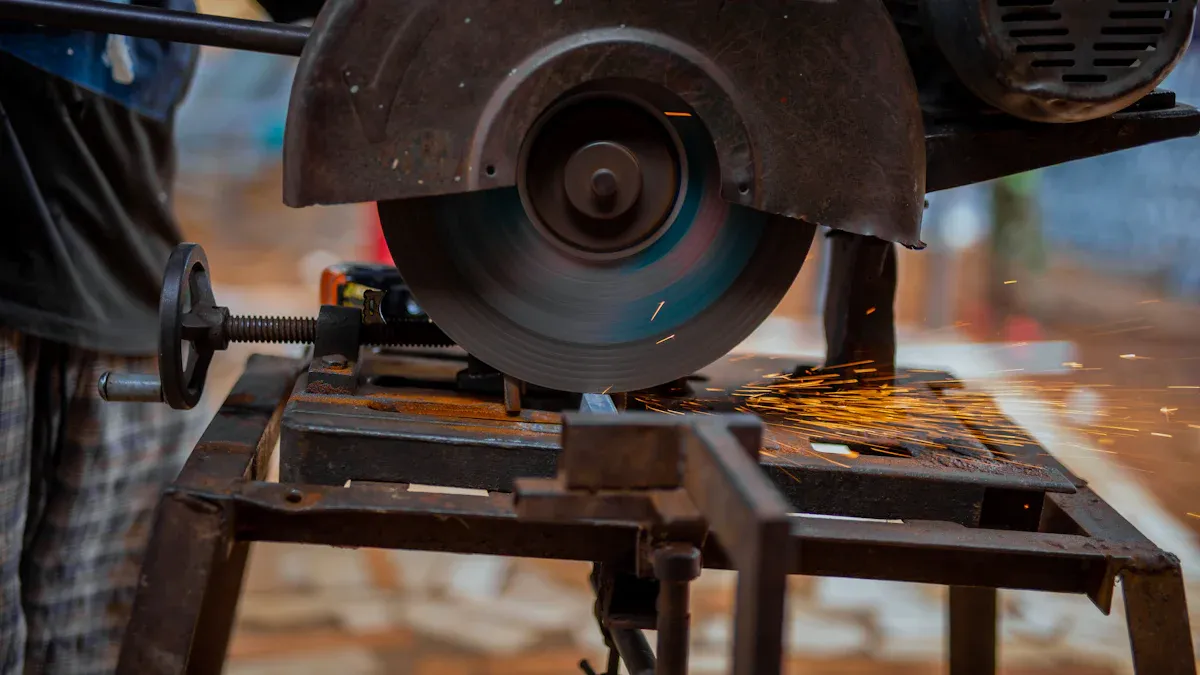
You need reliable titanium alloy grinding wheel solutions when you work in aerospace. Aimgrind gives you diamond grinding wheels that help you solve tough grinding problems. These wheels use a strong diamond abrasive layer. You get high cutting efficiency and a long service life. You can use them for both wet and dry grinding. You can choose from resin, metal, or vitrified bonds. Each bond type fits different grinding needs in aerospace manufacturing.
Aimgrind lets you customize your grinding wheels. You can select the size, grit, and bond type. You can match the wheel to your equipment and process. Aimgrind helps you with grinding wheel selection. You get support for grinding parameters and machine settings. You can ask for sample optimization. Aimgrind checks your needs and gives you grinding solutions that fit your aerospace parts.
Tip: Custom grinding solutions from Aimgrind help you reduce downtime and improve productivity. You can achieve a superior surface finish and extend tool life.
You get these advantages when you use Aimgrind diamond grinding wheels:
- Fast material removal rates
- Reduced grinding forces
- Consistent performance over time
- Superior surface finish for high-performance components
- Less wheel wear and fewer wheel changes
You can trust Aimgrind to deliver grinding solutions that meet strict aerospace standards. You get wheels that help you make high-precision parts for aerospace components.
Application Examples in Aerospace Parts
You use titanium alloy grinding wheel solutions for many aerospace applications. Aimgrind diamond grinding wheels help you grind engine blades, landing gear, and structural parts. You need precision grinding to meet tight tolerances. You can achieve a superior surface finish for parts that must withstand stress and fatigue.
Here are some examples of how you use Aimgrind grinding solutions in aerospace:
| Aerospace Part | Grinding Solution Used | Benefit Achieved |
|---|---|---|
| Engine Blades | Diamond grinding wheel | Superior surface finish, long tool life |
| Landing Gear | Custom resin bond wheel | High-precision parts, reduced wear |
| Structural Components | Metal bond wheel | Consistent grinding, improved durability |
You can use Aimgrind diamond grinding wheels for titanium alloys like Grade 5 (Ti-6Al-4V). You get reliable grinding solutions for parts that need high strength and low weight. You can optimize grinding parameters and machine settings to get the best results.
Note: Aimgrind supports you with technical advice and custom grinding solutions. You can contact Aimgrind for help with your aerospace manufacturing needs.
You can improve your grinding process with Aimgrind. You get wheels that help you make high-performance components for aerospace. You can achieve a superior surface finish and meet strict quality standards.
Best Practices for Titanium Alloy Grinding Solutions
Optimizing Parameters and Coolant Use
You need to optimize your grinding parameters and coolant use to achieve the best results in aerospace manufacturing. Proper grinding solutions help you control heat and improve surface quality. Minimum Quantity Lubrication (MQL) works well for titanium alloys. MQL applies small amounts of lubricant directly to the grinding zone. This reduces friction and heat. You save on operational costs and energy. MQL also improves surface smoothness and helps you meet tight tolerances.
The table below shows how coolant type affects grinding performance and part quality:
| Coolant Type | Surface Roughness (Ra) | Hardness (HRC) | Material Removal Rate (g/min) |
|---|---|---|---|
| Flood Coolant | 0.594 µm | 61.7 HRC | 0.09 g/min |
| Minimum Quantity Lubrication (MQL) | 0.32 µm | 72 HRC | 0.42 g/min |
You get smoother surfaces and higher hardness with MQL. You also increase your material removal rate. Aimgrind supports you with grinding solutions that match your coolant system and grinding wheel selection. You can ask for advice on parameter settings and coolant types.
Tip: Always direct a generous supply of high-quality coolant at the grinding zone. This lowers temperatures and flushes away chips.
Extending Wheel Life and Improving Finish
You can extend the life of your grinding wheels and improve the finish of aerospace parts by following simple maintenance strategies. Clean your wheels regularly with suitable solvents. Inspect them for cracks or chips. Reduce grinding depth to decrease wear. Use grinding fluids effectively to keep temperatures low.
You need to select the right grinding solutions based on abrasive nature and wheel structure. Regular maintenance, like online cleaning and dressing, keeps your wheels sharp. Aimgrind offers support for grinding wheel selection and maintenance practices.
You must achieve surface quality standards for aerospace parts. Engine components need a mirror polish with Ra values between 4-8 μin. Structural parts require a standard polish. Interior components use a utility finish. The chart below compares Ra values for different aerospace applications:
You can follow these steps for finishing:
- Start with coarse grinding using 80-grit abrasives.
- Move to fine grinding with 120, 240, and 400 grit.
- Finish with specialized titanium polishing compounds.
Aimgrind provides grinding solutions and expert advice to help you meet aerospace standards. You get reliable support for every step of your grinding process.
You need specialized grinding solutions to meet strict aerospace standards. Aimgrind gives you diamond grinding wheels that help you achieve precision and durability. You can trust Aimgrind for custom solutions that fit your grinding needs. You improve your grinding process and get reliable results for aerospace parts.
- You boost productivity with advanced grinding solutions.
- You get ongoing support from Aimgrind for every grinding challenge.
Contact Aimgrind for expert advice and tailored grinding solutions.
FAQ
What materials can you grind with Aimgrind diamond wheels?
You can grind titanium alloys, hard metals, ceramics, and composites. Aimgrind diamond wheels work well for aerospace parts and other precision applications.
How do you choose the right bond type for your grinding wheel?
You select resin bonds for high-speed grinding. Metal bonds suit tough materials. Vitrified bonds offer free-cutting ability. Aimgrind helps you match the bond to your process.
Can you use Aimgrind diamond wheels for both wet and dry grinding?
Yes, you can use Aimgrind diamond wheels for wet and dry grinding. Wet grinding helps control heat and improves surface finish. Dry grinding works for quick material removal.
How does Aimgrind support you with custom grinding solutions?
| Service | Benefit |
|---|---|
| Problem Diagnosis | Solves grinding issues |
| Parameter Matching | Optimizes performance |
| Sample Optimization | Ensures best results |
You get expert advice and tailored solutions for your aerospace needs.