
How to balance efficiency and surface quality when grinding hardened die steel?

Balance efficiency and surface quality in grinding hardened die steel by optimizing abrasives, parameters, and coolant for best results.
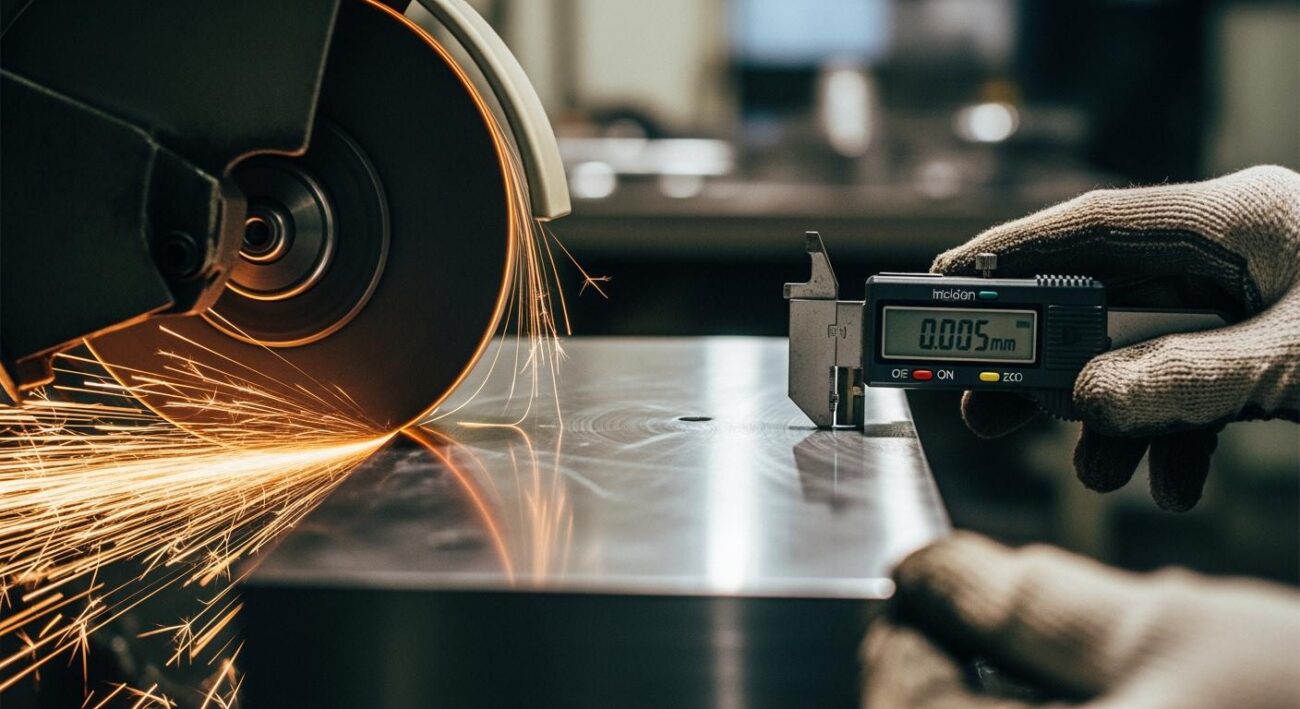
Balance efficiency and surface quality in grinding hardened die steel by optimizing abrasives, parameters, and coolant for best results.
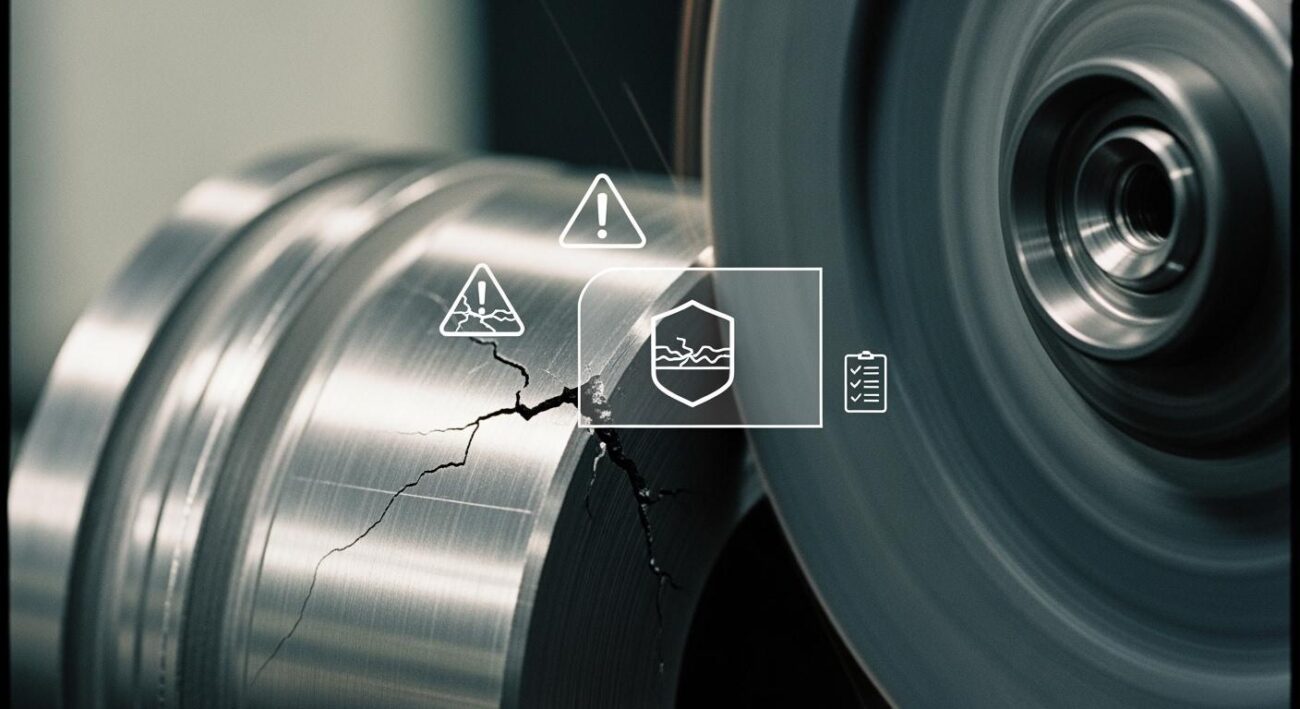
Grinding cracks in hardened steel result from heat and stress. Apply preventive measures like proper wheel choice, cooling, and maintenance to avoid cracks.
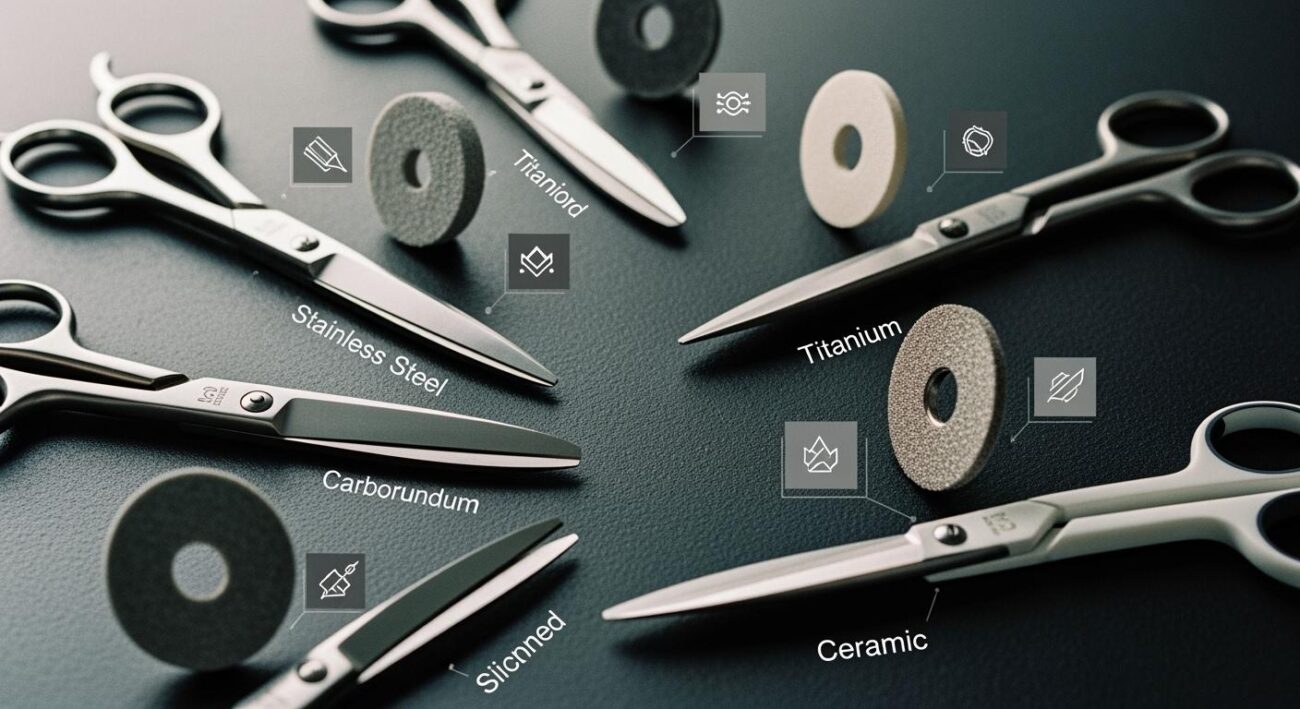
Find out which grinding wheels are best for stainless, carbon, titanium, and ceramic scissors. Get expert tips on grit, bond, and wheel selection for each material.
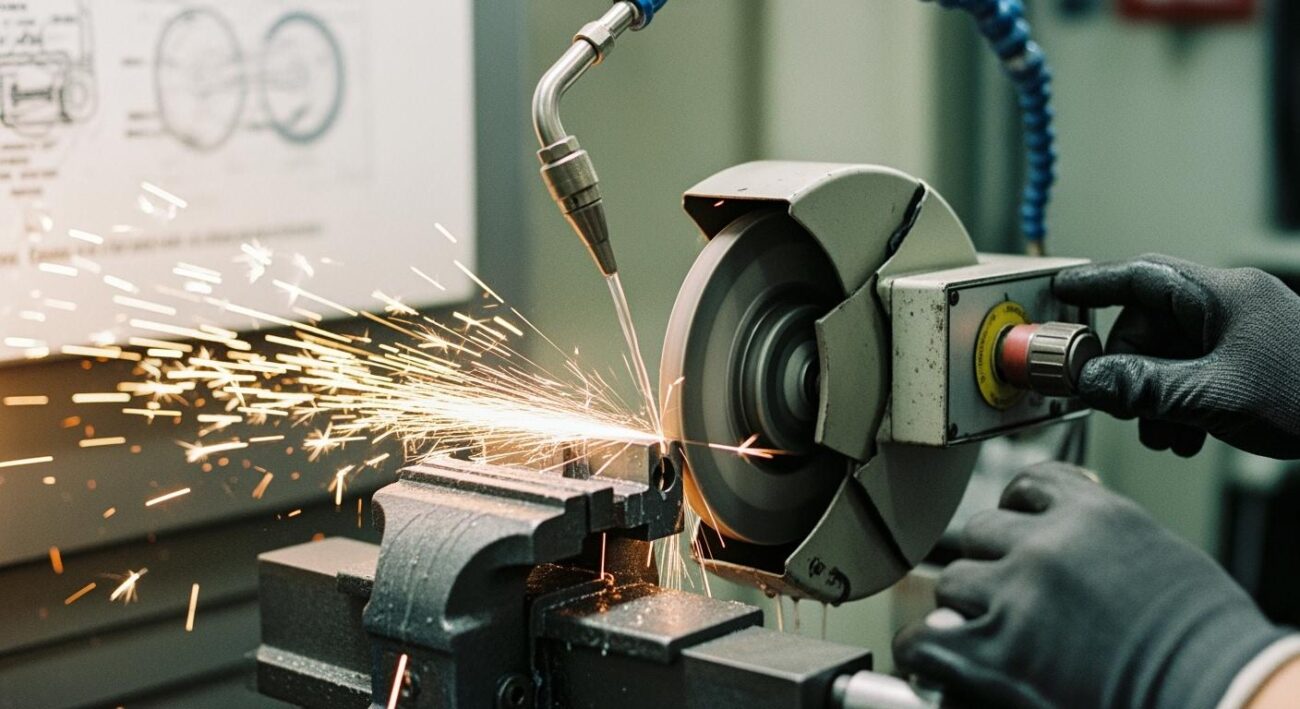
Avoid workpiece burning when grinding hardened steel by optimizing grinding parameters, using strong coolant flow, and selecting CBN grinding wheels.
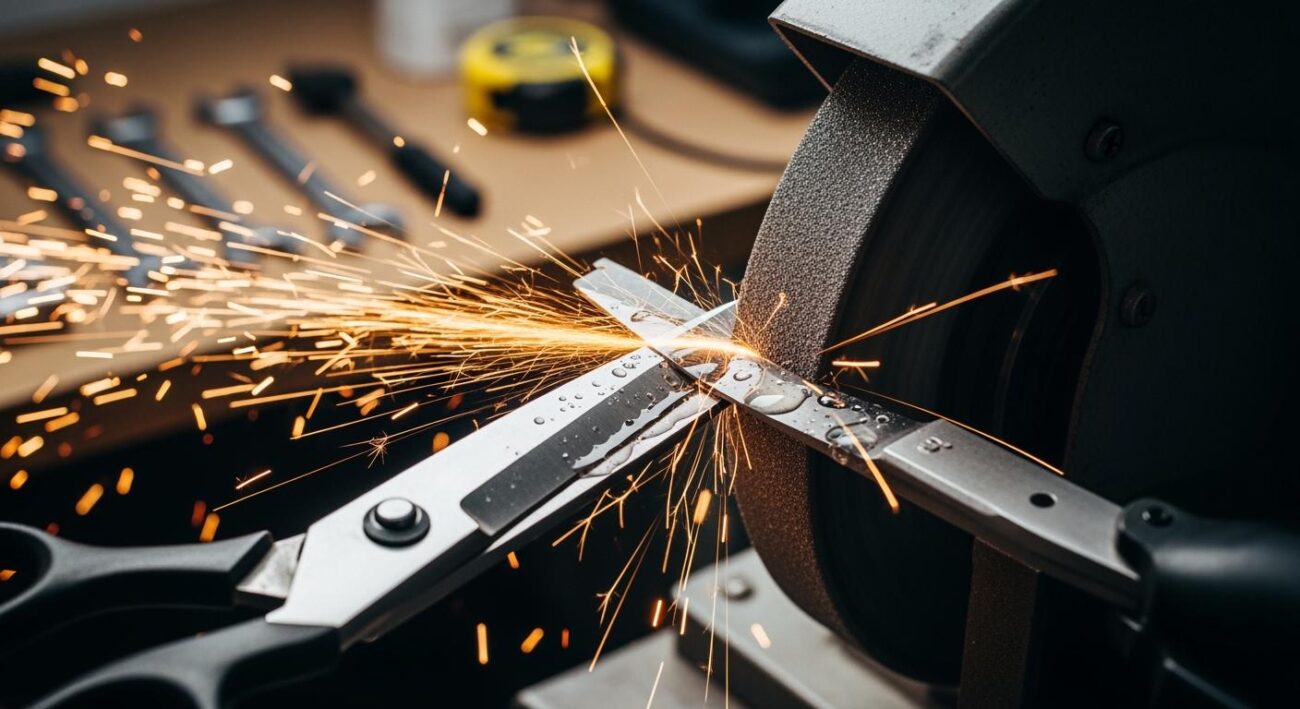
Prevent material adhesion when grinding stainless steel scissors by using proper abrasives, controlling heat, and maintaining clean tools for a smooth finish.
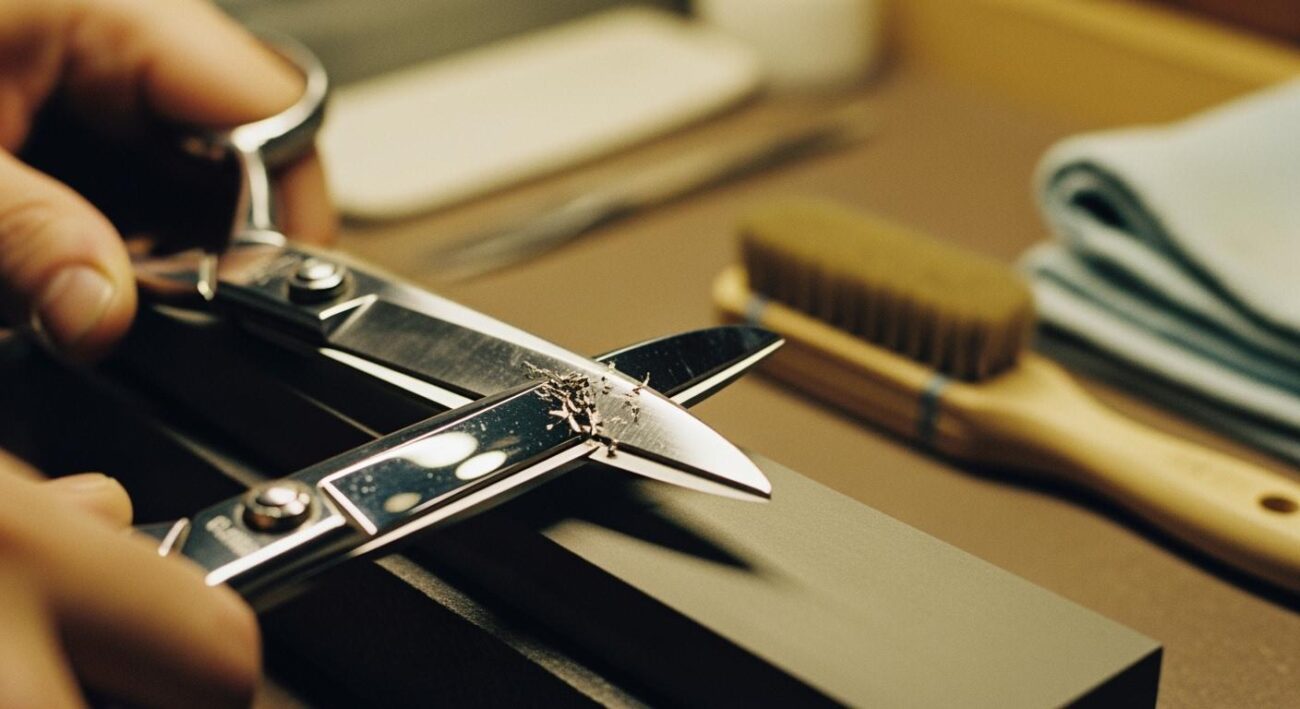
Extend scissor cutting life with effective grinding techniques, proper sharpening, and maintenance tips to keep your scissors sharp and performing longer.
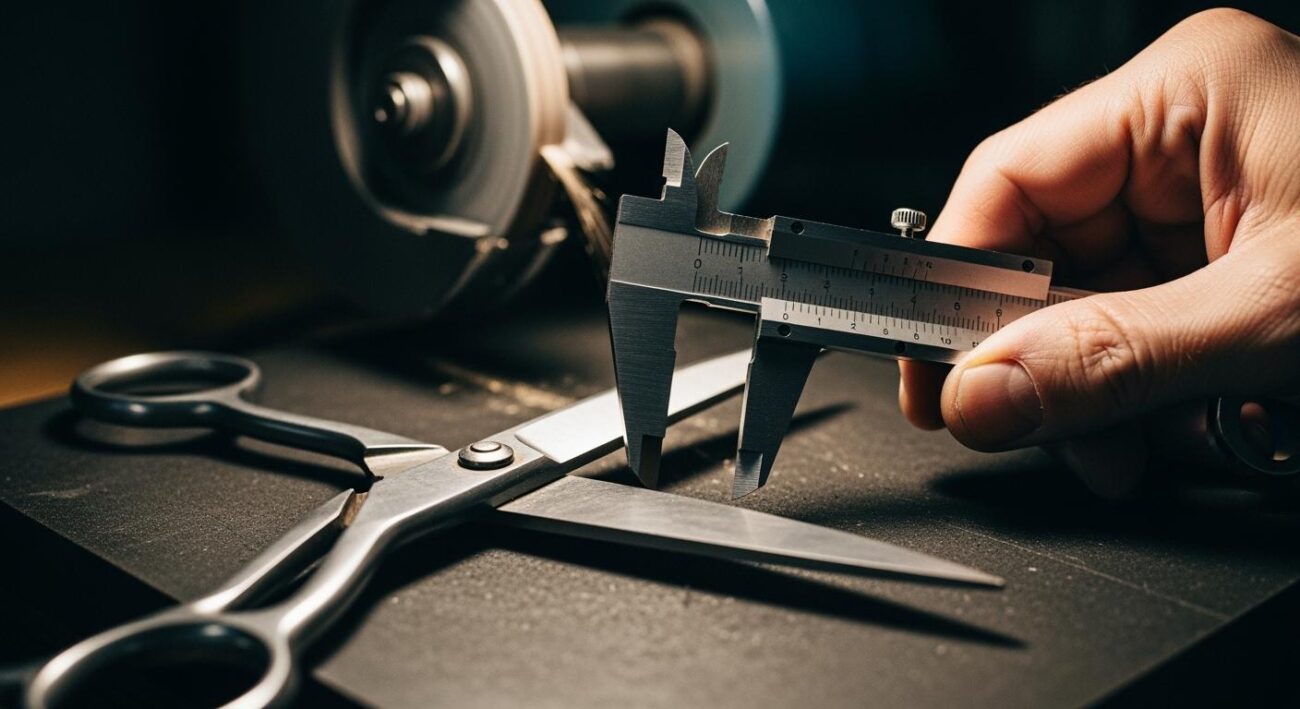
Achieve synchronized grinding accuracy for scissor blades by inspecting, aligning, and using Aimgrind diamond wheels for precise, consistent results.
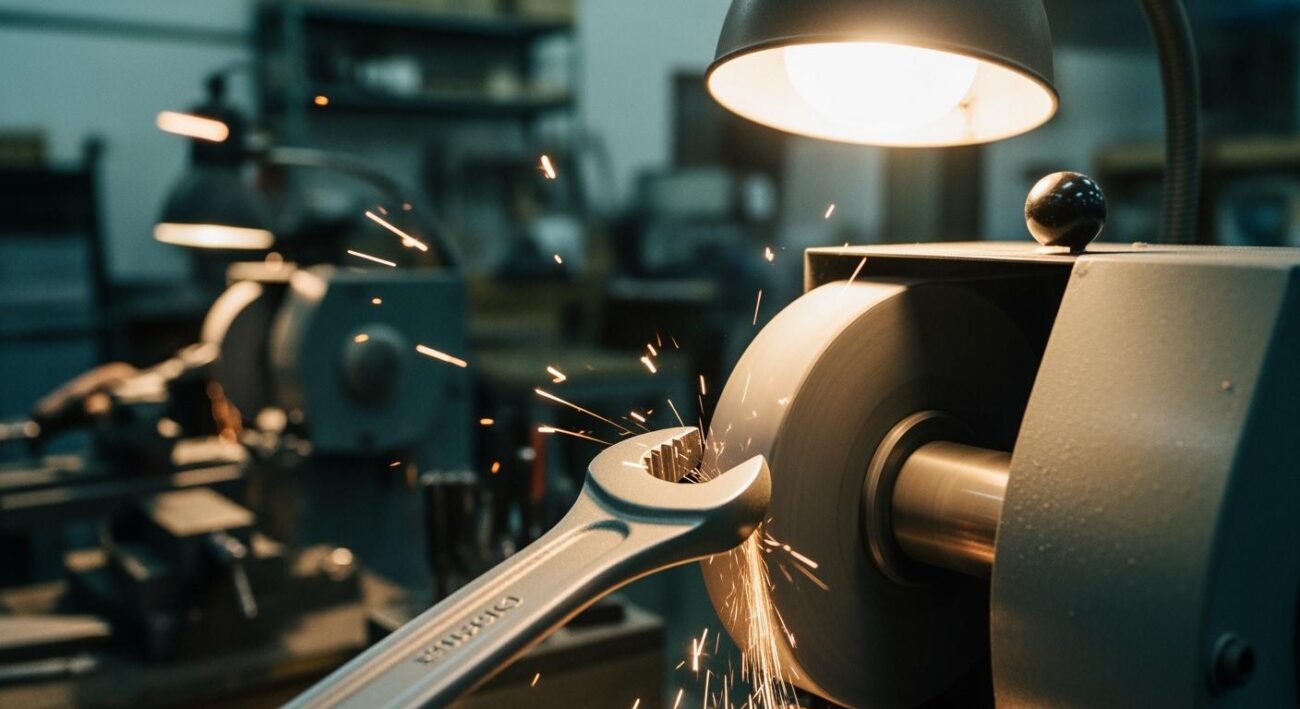
Grinding challenges for titanium hand tools include rapid tool wear, overheating, and fire risks. Specialized abrasives and cooling methods help manage these issues.
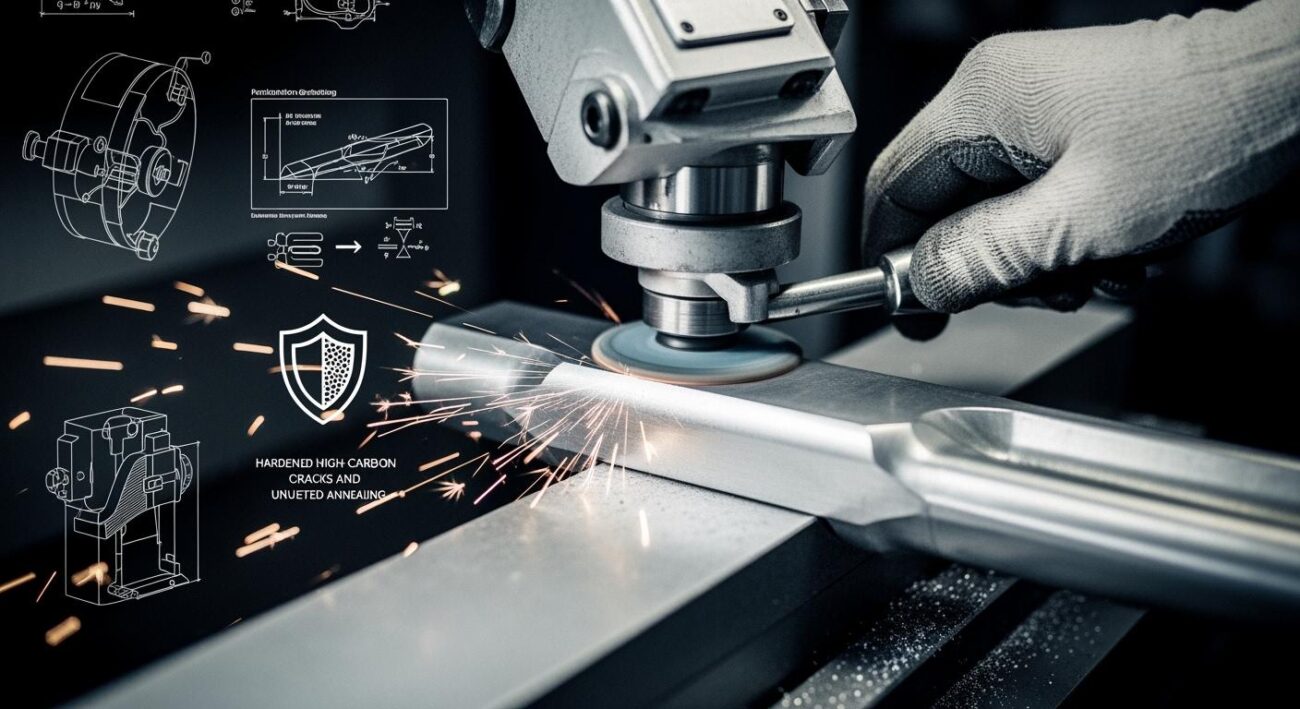
Avoid cracks and annealing when grinding hardened high-carbon tool steel by controlling heat, using proper coolant, and selecting the right grinding wheel.
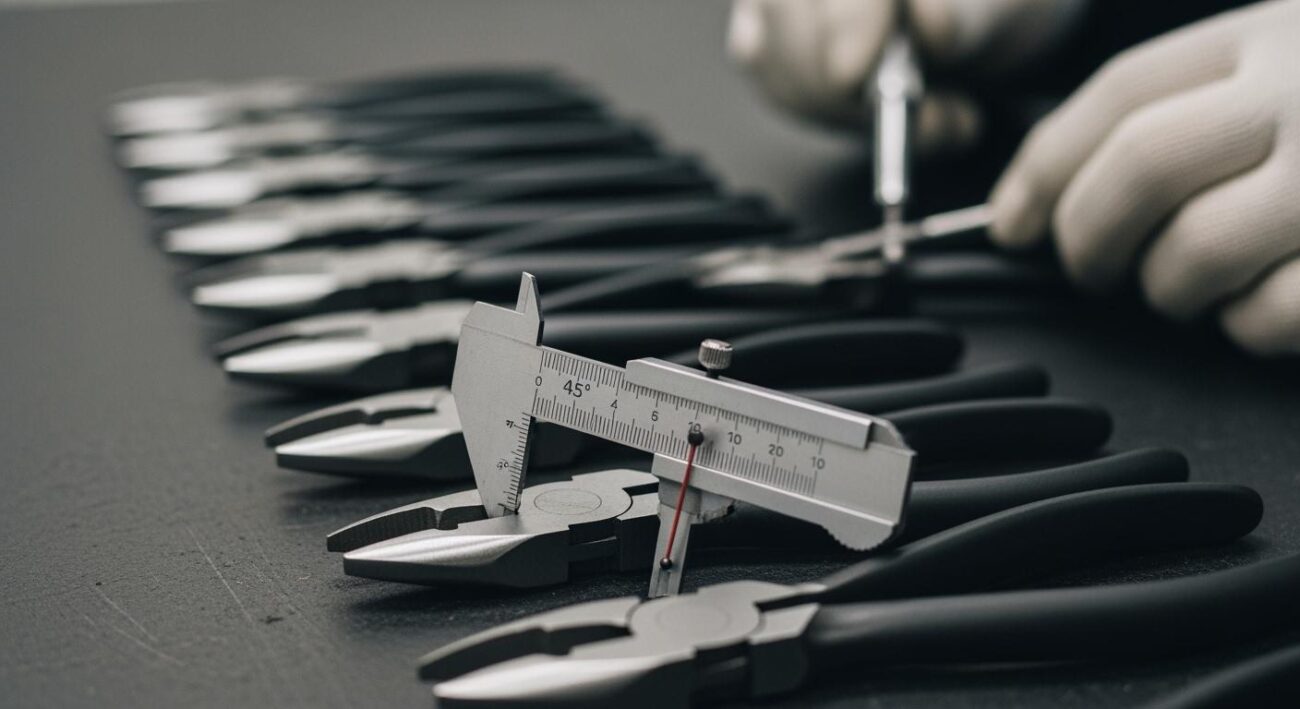
Achieve consistent edge angle in pliers batch production with calibrated machines, quality tools, and standardized process control for uniform results.
No account yet?
Create an Account