

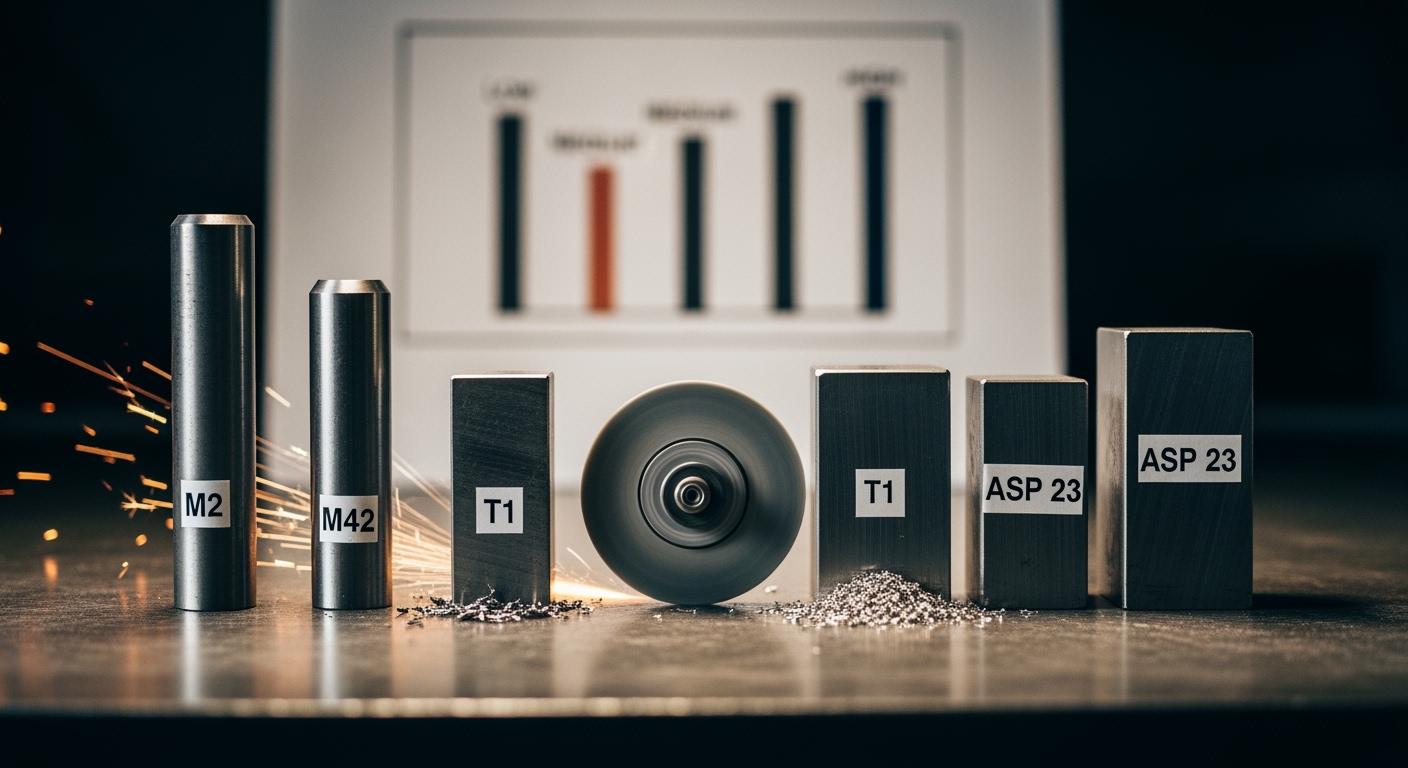
You will notice that grindability differ greatly among tool steel grades. M2 stands out as the most grindable, while M42 presents the most challenges. When you understand how grindability differ among these grades, you can improve your tool manufacturing efficiency and keep tool performance high. Industry reports show that when you know how grindability differ, you can choose materials that are easier to grind, which leads to faster production and less downtime. Powder metallurgy steels, for example, have a fine structure that makes grindability differ from traditional grades and boosts performance. Chemical composition and microstructure make grindability differ, so you must pay attention to these factors. Aimgrind helps you optimize grinding performance by offering customized CBN grinding wheels for all tool steel grades, even those that are hardest to grind. With the right grinding solution, you will see your tool performance and efficiency improve.
Key Takeaways
- M2 is the easiest high speed steel grade to grind, making it ideal for general metalworking.
- Higher cobalt and vanadium content in grades like M35 and M42 increases hardness but makes grinding more challenging.
- Understanding the microstructure of high speed steel helps in selecting the right grinding wheel for better efficiency.
- Using CBN grinding wheels for hard steels like M42 improves grinding performance and extends wheel life.
- Choosing the right high speed steel grade can enhance machining efficiency and reduce overall costs.
Why Does Grindability Differ in High Speed Steel?
Role of Chemical Composition
You will see that the chemical composition of high speed steel controls how easy or hard it is to grind. Each element in high speed steel changes its properties. When you look at high speed steel grades, you find that some have more tungsten, vanadium, or cobalt. These elements make a big difference in grindability.
- Tungsten and molybdenum increase the hardness and strength of high speed steel, especially at high temperatures. They help the steel keep its shape and sharpness during grinding.
- Vanadium forms very hard carbides. These carbides boost wear resistance and keep the steel hard, even when it gets hot.
- Cobalt improves the steel’s ability to stay hard when heated. It helps tools last longer during tough grinding jobs.
Tungsten high speed steel, often called tool steel, contains a lot of tungsten. This makes the steel very hard and wear-resistant. You will notice that high-speed steels with more tungsten or vanadium are harder to grind. The grinding wheel must work harder to cut through these tough carbides. When you choose a high speed steel grade, you need to think about which elements are present. The right choice can make your grinding process faster and smoother.
Impact of Microstructure and Hardness
The microstructure of high speed steel also affects how you grind it. Microstructure means how the steel looks under a microscope. It shows how carbides and other particles are spread out in the steel. If the carbides are large and uneven, grinding becomes much harder. Small, well-distributed carbides make grinding easier and give you a better finish.
A well-designed microstructure can help you grind high speed steel more efficiently. The types of carbides, like MC and M2C, increase wear resistance and hardness. This means the steel can handle tough jobs, but it also means you need a strong grinding wheel.
You may face several challenges when grinding high speed steel with high alloy content:
- Hard carbides can pull out from the steel, leaving tiny holes and making the surface rough.
- Brittle martensite can chip at the edges, which affects how deep you can grind.
- Too much heat during grinding can change the steel’s structure. This can make the steel softer or create new layers that do not match the original heat treatment.
- Some parts of the steel may not have changed fully during heat treatment. Aggressive grinding can change these areas, which affects hardness.
- Carbides in high speed steel can wear down grinding wheels quickly. You may need to change your grinding wheel more often.
- The steel may have a hard outer layer and a softer core. Grinding can create a step between these layers.
You need to understand the microstructure and hardness of your high speed steel. This knowledge helps you pick the right grinding wheel and process. High-speed steels with a fine, even microstructure will give you better results and make your grinding job easier.
How Grades Affect Grindability
Comparing M2, M35, M42, and T1
You will see that different high speed steel grades have unique grindability. Each grade has a special mix of elements that changes how you grind it. When you compare M2, M35, M42, and T1, you notice clear differences in how they respond to grinding and cutting.
Here is a simple way to compare these grades:
- M2 is the most common grade. You use it for general metalworking and cutting mild steel or aluminum. It gives you a good balance of toughness and cutting performance. You will find M2 easier to grind than other grades.
- M35 has more cobalt than M2. This makes it better for cutting stainless steel and titanium alloys. You get a sharper edge that lasts longer. Grinding M35 is harder than M2 because of its higher red hardness.
- M42 has the highest cobalt content. You use it for cutting tough materials like Inconel. It gives you the best heat resistance. You will find M42 the hardest to grind among these grades. The high cobalt and tungsten carbide content make the grinding process slower and more demanding.
- T1 is a classic grade with a lot of tungsten carbide. You use it for cutting tools that need to keep their shape at high temperatures. T1 is tougher to grind than M2 but easier than M42.
Tip: If you want faster grinding and less wheel wear, choose M2. If you need to cut very hard or heat-resistant materials, pick M42, but be ready for a tougher grinding job.
You can also look at this table to see how these grades compare:
| Grade | Red Hardness | Applications | Performance Characteristics |
|---|---|---|---|
| M2 | Baseline | General metalworking, cutting mild steel | Good toughness, easy to grind |
| M35 | Improved | Stainless steel, titanium alloys, cutting harder metals | Sharper edge, harder to grind |
| M42 | Highest | Tough materials, cutting heat-resistant alloys | Superior heat resistance, most difficult to grind |
| T1 | High | Cutting tools for high temperatures | Good wear resistance, moderate grindability |
When you grind these grades, you must match your grinding wheel to the grade. M2 lets you use standard wheels. M42 and M35 need stronger wheels, like CBN grinding wheels, to handle the extra hardness and tungsten carbide content.
Influence of Alloying Elements and Carbides
You will notice that the grindability of high speed steel grades depends on the type and amount of alloying elements. Tungsten carbide and vanadium carbides play a big role in how each grade grinds. These carbides are much harder than the steel around them. They help your cutting tools last longer, but they also make grinding more difficult.
- Vanadium carbides increase wear resistance. When you have more vanadium in your grade, you get a tool that stays sharp longer. You also face more challenges during grinding. The grinding wheel must cut through these hard particles, which slows down the process.
- Tungsten carbide gives your grade high hardness and keeps it strong at high temperatures. You see this in grades like T1 and M42. These grades are great for cutting, but you need more effort and better grinding wheels to shape them.
- Cobalt boosts heat resistance and keeps your cutting edge sharp during tough jobs. M35 and M42 have more cobalt. You get better performance when cutting hot or hard materials. You also find these grades harder to grind because cobalt makes the steel matrix stronger.
You can see how these elements affect grindability:
- More vanadium and tungsten carbide mean higher wear resistance but lower grindability.
- More cobalt means better heat resistance and cutting performance, but grinding takes longer.
- Grades with fewer carbides, like M2, are easier to grind and shape.
When you choose a grade for your cutting tool, think about what you need most. If you want easy grinding and fast production, pick a grade with less tungsten carbide and vanadium. If you need a tool that cuts hard materials and stays sharp, choose a grade with more carbides and cobalt, but plan for a tougher grinding process.
Note: Powder metallurgy can improve grindability by making carbides smaller and more even. This helps you get better results, even with grades that have a lot of tungsten carbide.
You must match your grinding wheel to the grade you use. For grades with high tungsten carbide and cobalt, like M42, you need CBN grinding wheels. These wheels cut through hard carbides and keep your grinding process efficient. For grades like M2, you can use standard wheels and still get good results.
You will see that understanding the differences between grades helps you choose the right tool steel for your job. It also helps you pick the best grinding solution for your cutting tools.
Tool Steel Properties and Grinding Solutions
Matching Grinding Wheels to HSS Grades
You need to understand tool steel properties before you choose a grinding wheel. Each property, like wear resistance, strength, and toughness, changes how the steel reacts during grinding. When you work with high speed steel, you see that wear resistance is very important. It keeps your grinding wheel sharp and helps it last longer. Toughness matters when you grind steels that face interrupted cuts or abrasive materials. If you pick a wheel that matches the steel’s strength and wear resistance, you get better results.
- Wear resistance helps your grinding wheel stay sharp and last longer.
- Toughness is important for steels that face rough treatment or sudden impacts.
- High hardness and strength make grinding more difficult, so you need a wheel that can handle these properties.
- Extreme wear resistance in some grades means you must use a wheel with even higher wear resistance.
- The right grinding wheel improves grindability and keeps your process efficient.
You also need to think about heat treatment. Proper heat treating gives the steel the right balance of strength and wear resistance. If the steel has a good heat treatment response, you will see better cutting ability and longer tool life. Treatment affects the microstructure, which changes how the steel grinds. Always match your grinding wheel to the tool steel properties and the treatment used.
Aimgrind CBN Grinding Wheels for Hard HSS
When you grind hard high speed steel, you need a wheel that can handle high hardness and strength. Aimgrind offers CBN grinding wheels that match these tool steel properties. CBN wheels give you many advantages over conventional wheels.
| Feature | CBN Grinding Wheels | Conventional Wheels |
|---|---|---|
| Hardness | Superior hardness, cuts tough materials easily | Lower hardness, struggles with hard materials |
| Thermal Stability | High thermal stability, reduces thermal damage | Lower thermal stability, prone to damage |
| Material Removal Rate | Faster material removal rates | Slower material removal rates |
| Wheel Life | Longer wheel life, less wear | Shorter wheel life, more frequent replacements |
| Precision and Consistency | High precision, tight tolerances | Variable precision, less consistent finishes |
CBN grains have much higher thermal conductivity than regular abrasives. This means your grinding stays cool, and you avoid thermal damage to the cutting edge. You get long wheel life, even at high material removal rates. CBN wheels keep their sharpness, so you get burr-free cutting edges every time. Aimgrind designs each CBN wheel to match your tool steel properties, wear resistance, and treatment needs. You can trust Aimgrind to help you grind even the hardest HSS grades with ease.
Tip: If you want to boost your grinding efficiency and keep your wheels lasting longer, choose Aimgrind CBN grinding wheels for steels with high wear resistance and strength.
Practical Impact on Manufacturing and Maintenance
Grinding Time, Wheel Wear, and Finish
You will find that grindability differences among high speed steel grades directly affect your production time, wheel wear, and surface finish quality. Grades like M2, which have fewer hard carbides, allow faster machining and grinding. This reduces your grinding time and extends the life of your grinding wheels. On the other hand, grades such as M42 with high cobalt and carbide content require more grinding effort. You will notice slower material removal and faster wheel wear when working with these steels.
Grinding harder grades without the right wheel can cause overheating. This damages the cutting tools and lowers surface quality. Using wheels designed for tough steels, like CBN grinding wheels, helps you maintain a cool grinding process. This keeps your cutting tools sharp and produces a smooth finish. You will also reduce the risk of thermal cracks or surface burns that hurt tool performance.
Here is a quick look at how different HSS grades affect your costs and grinding effort:
| HSS Grade Type | Cost Comparison |
|---|---|
| Standard M2 | Baseline pricing |
| Cobalt-bearing grades | 30-60% premium over M2 |
| Super-high vanadium grades | 40-80% more than M2 |
| Powder metallurgy grades | 2-4 times more than conventional HSS |
Selecting HSS Grades for Efficiency
Choosing the right high speed steel grade can improve your machining efficiency and lower overall costs. You should consider the hardness, wear resistance, and machinability of the grade. Experts recommend selecting grades with room-temperature hardness between HRC 63 and 70 and red hardness around HRC 50–55 at 600°C. These properties help maintain cutting tool sharpness during metal cutting applications.
| Property | Value Range | Notes |
|---|---|---|
| Room-temperature hardness | HRC 63–70 | Optimal heat treatment required. |
| Red hardness | HRC 50–55 at 600°C | Retains hardness at elevated temperatures, enabling higher cutting speeds. |
| Wear resistance | Correlates with vanadium content | Grades with 2.0–5.0% V show superior abrasion resistance. |
To maximize machinability, follow these steps:
- Align material attributes with your product needs.
- Consider your machining process and cost goals.
- Evaluate hardness compatibility and sensitivity to contamination.
Tip: If you want easier grinding and faster machining, pick grades with lower vanadium content and fewer hard carbides. For tougher metal cutting applications, choose cobalt-bearing or powder metallurgy grades but prepare for longer grinding times and higher wheel wear.
By understanding these factors, you will select cutting tools that balance performance and machinability. This approach helps you optimize your grinding process, reduce downtime, and improve the quality of your machining.
You have seen that grindability changes with each HSS grade. M2 grinds easily, while M42 needs more effort. Your choice of grinding solution matters. Aimgrind’s CBN grinding wheels help you handle even the toughest steels. You can improve your results by adjusting wheel specs, grinding parameters, and coolant use. The table below shows key strategies for better grinding:
| Strategy | Description |
|---|---|
| Wheel Specifications | Choose the right grit size, concentration, and bond type for your CBN wheel. |
| Grinding Parameters | Adjust wheel speed, work speed, and infeed rates for best results. |
| Wheel Truing and Dressing Techniques | Keep your wheel in shape for consistent performance. |
| Coolant Application | Use coolant to prevent heat damage and get a smooth finish. |
You can always talk to grinding experts for custom solutions that fit your needs.
FAQ
What makes M2 easier to grind than M42?
You will find M2 has fewer hard carbides and less cobalt. This makes grinding smoother and faster. M42 contains more cobalt and vanadium carbides, which increase hardness and slow down the grinding process.
Why should you use CBN grinding wheels for hard HSS grades?
CBN grinding wheels cut hard materials like M42 efficiently. You get cooler grinding, longer wheel life, and a better finish. These wheels help you avoid thermal damage and reduce downtime.
How do you choose the right grinding wheel for your HSS grade?
- Check the steel’s hardness and carbide content.
- Use CBN wheels for high-cobalt or high-vanadium grades.
- For standard grades like M2, you can use conventional wheels.
Does powder metallurgy HSS improve grindability?
Yes. Powder metallurgy creates smaller, evenly spread carbides. You will notice easier grinding, less wheel wear, and a smoother finish compared to traditional HSS.