

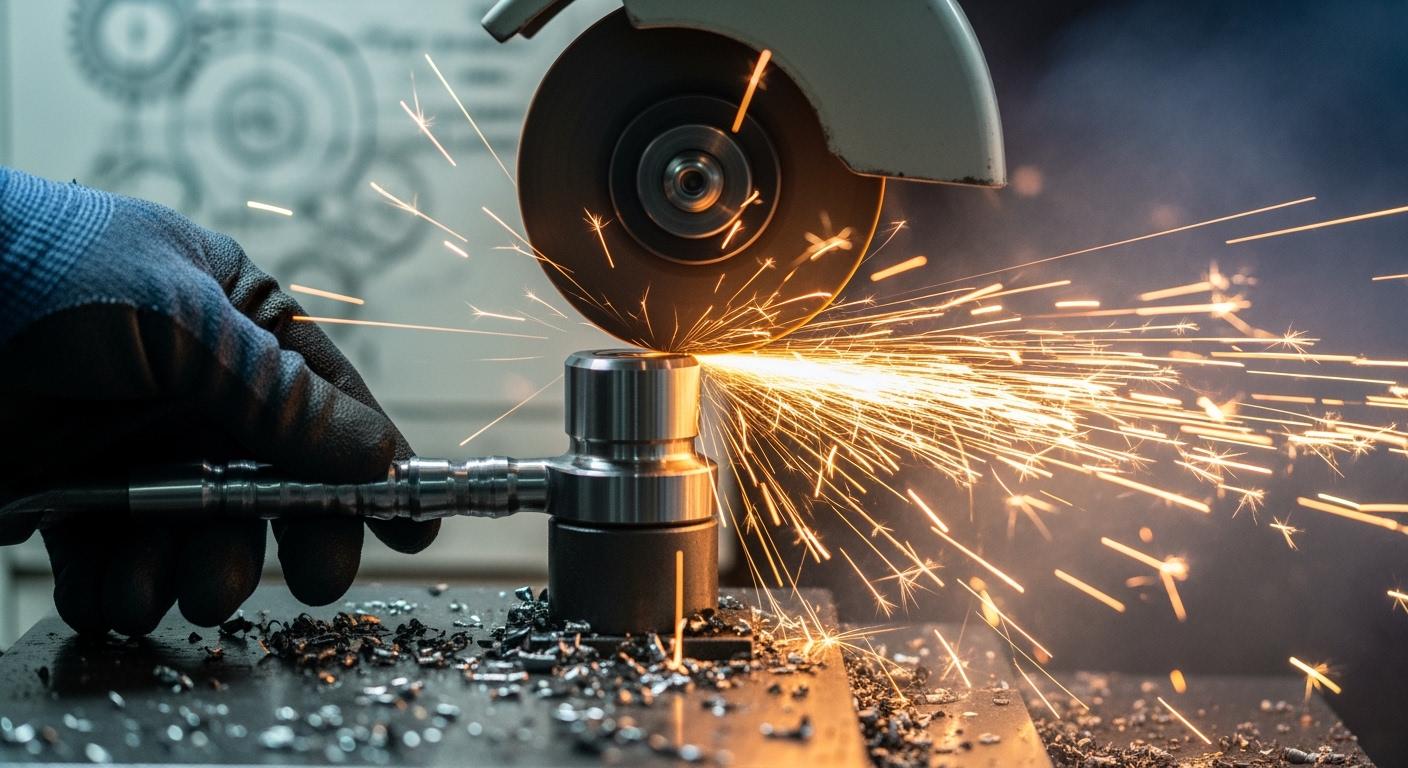
You face several main difficulties when grinding high-speed steel. The hardness of the material makes it tough to shape and wears down tools fast. High-speed steel can also get very hot, which can damage the surface and reduce tool life. Surface quality often suffers if you do not use the right technique. Understanding these challenges helps you choose better tools and methods. Specialized solutions from Aimgrind can help you solve these problems and improve your grinding results.
Key Takeaways
- High-speed steel is very hard, wearing down grinding tools quickly.
- Heat from grinding can damage tools and workpieces if not controlled.
- Achieving a smooth surface finish requires careful tool and speed selection.
- Choosing the right grinding wheel improves productivity and surface quality.
- Aimgrind offers custom solutions to enhance grinding results and reduce costs.
Main Difficulties in Grinding High-Speed Steel
Hardness and Wear Resistance
You face one of the main difficulties right away when you try to grind high-speed steel. This material is much harder than most other tool steels. The high hardness means your grinding tools wear out faster and need more frequent replacement. You must use grinding wheels that can handle this challenge.
Here is a comparison of hardness values for different steels:
| Type of Steel | Hardness (Rockwell C) |
|---|---|
| High-speed steel (HSS) | 63 to 70 |
| High-carbon steel | Below 60 |
| Common tool steels | Generally below 60 |
You can see that high-speed steel stands out for its hardness. This property gives it great cutting ability but makes grinding more difficult. You need to choose the right grinding wheel and keep your equipment in top shape to avoid extra costs and downtime.
Heat Generation Issues
Another of the main difficulties comes from the heat produced during grinding. When you grind high-speed steel, the temperature at the contact point can reach between 800°C and 1200°C. This high heat can cause several problems:
- The grinding process can quickly wear down your tools.
- High temperatures can lead to thermal damage, such as flank face wear and thermal degradation.
- The steel can develop a thermally affected layer, called the Grinding-Induced Layer (GIL), which changes the properties of the surface.
- Overheating can cause workpiece burn, which you may notice as discoloration or bluing on the steel. This means the steel has absorbed too much heat and may have internal damage.
If you do not control the heat, you risk damaging both your tools and your workpiece. You must pay attention to cooling and use the right grinding parameters to avoid these issues.
Surface Finish Challenges
Achieving a smooth surface finish is another of the main difficulties in grinding high-speed steel. The hardness and heat sensitivity of the material make it tough to get a perfect finish. The type of grinding tool you use has a big impact on the final result.
Here is a table showing average surface roughness values for different grinding tools and how they compare to the turning process:
| Grinding Tool Type | Average Surface Roughness (µm) | Comparison to Turning Process (%) |
|---|---|---|
| Vitrified Tool | 4.9 | -63% |
| Electroplated Tool | 55.1 | +420% |
| Turning Process | 13.1 | N/A |
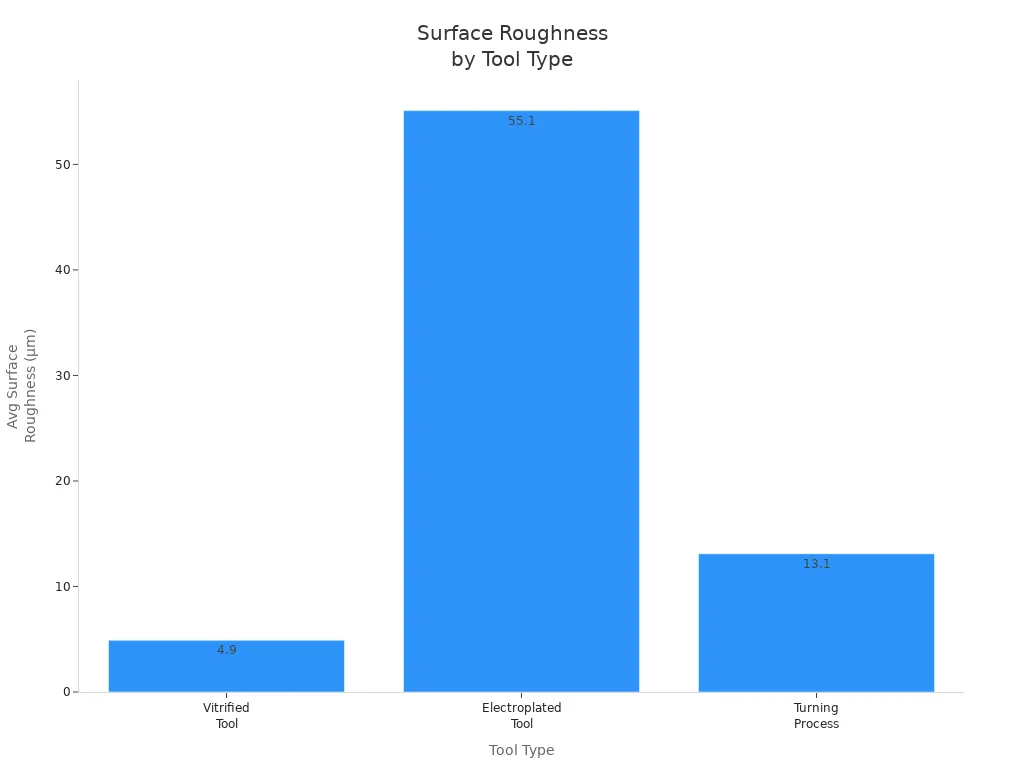
You can see that vitrified tools give a much smoother finish than electroplated tools. The choice of tool, cutting speed, and grit size all play a role in the final surface quality.
- Cutting speed affects how much material you remove and how smooth the surface becomes. Higher speeds can make the finish rougher, while slower speeds can make it smoother.
- The size of the abrasive grains (grit size) also matters. Coarse grits remove material faster but leave a rougher surface. Fine grits give you a smoother finish.
You must balance these factors to get the best results. If you do not, you may end up with a surface that does not meet industry standards.
Grinding high-speed steel brings several main difficulties. You must deal with extreme hardness, high heat, and the challenge of getting a smooth surface. Each of these problems can affect your tool life, workpiece quality, and overall costs. By understanding these challenges, you can make better choices and improve your grinding results.
Grinding Wheel Selection and Wear
Choosing the Right Wheel
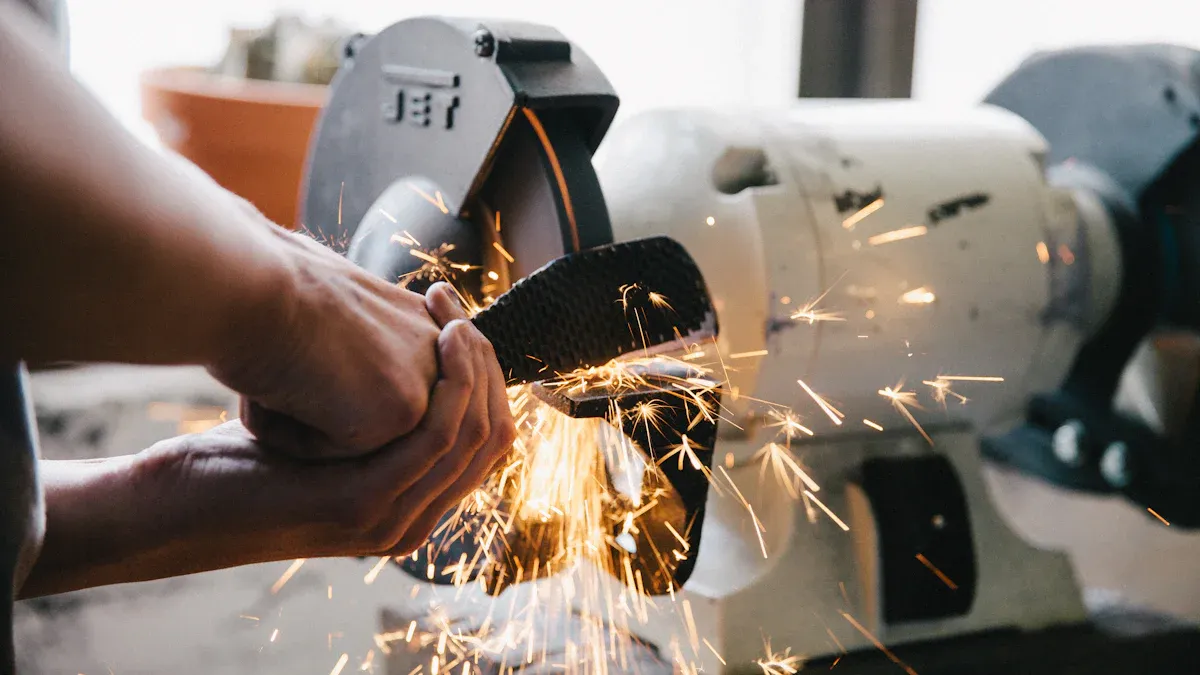
You need to select the correct grinding wheel for high-speed steel to achieve the best results. The hardness and heat sensitivity of high-speed steel demand a wheel that can handle tough conditions. Aimgrind offers a wide range of grinding wheels designed for different materials and applications. You can choose from abrasive types like White Fused Alumina (WA) or Silicon Carbide (SiC), but CBN wheels stand out for high-speed steel.
Here is a table showing common grinding wheel options and their features:
| Abrasive Type | Application | Key Features |
|---|---|---|
| White Fused Alumina (WA) | Hardened steels | Friable, maintains sharp edges under light pressure |
| Silicon Carbide (SiC) | Tungsten carbide, ceramics | Micro-fractures easily, presents sharp edges |
| Grit Size | 60 to 120 grit or higher | Finer grits provide superior surface finish and accuracy |
You should consider grit size as well. Finer grits help you achieve a smoother surface and higher accuracy. Aimgrind’s experts can help you match the right wheel to your equipment and process.
CBN Grinding Wheels by Aimgrind
CBN grinding wheels give you several advantages when working with high-speed steel. You get faster cutting speeds and superior material removal rates. These wheels resist wear and maintain their shape, so you spend less time replacing them. CBN wheels also deliver exceptional surface finishes and tight tolerances, making them ideal for precision work.
Here is a comparison between CBN and conventional grinding wheels:
| Feature | CBN Grinding Wheels | Conventional Grinding Wheels |
|---|---|---|
| Speed | Faster cutting, superior material removal | Slower cutting, less efficient on hard materials |
| Durability | High resistance to wear, fewer replacements | Wears out quickly, frequent maintenance |
| Quality | Exceptional surface finish, tight tolerances | Good finish, less consistent and precise |
- CBN wheels show excellent thermal stability and wear resistance when grinding high-speed steel.
- You do not need to dress CBN wheels, and they keep their shape over time.
- CBN wheels are effective for sharpening hard steel tools, and the grinding dust is only tool steel, showing less abrasive wear.
Aimgrind’s CBN grinding wheels help you overcome the main difficulties in grinding high-speed steel. You achieve better productivity, longer tool life, and improved surface quality.
Solutions and Best Practices
Optimizing Parameters
You can improve grinding results by adjusting key parameters. Grinding speed, feed rate, and depth of cut all play important roles. Higher grinding speeds remove material faster but may cause more heat and vibration. Slower feed rates give you better accuracy, while faster rates boost productivity. Smaller depths of cut allow for more control, but deeper cuts speed up the process and require a stiffer machine.
Here is a table showing optimal ranges for high-speed steel:
| Parameter | Optimal Range |
|---|---|
| Grinding Speed | > 80 m/s |
| Depth of Cut | > 0.3 mm |
You should also pay attention to how these factors affect tool life and surface quality.
| Key Factor | Effect on Tool Life and Surface Quality |
|---|---|
| Cutting Speed | Increased tool wear due to material adhesion and fractures. |
| Feed Rate | Second most significant factor. |
| Depth of Cut | Least effect on tool life. |
Tip: Adjusting feed rates and speeds helps you avoid rough surfaces and excessive tool wear.
Cooling and Burn Prevention
You need to control heat to prevent burns and surface defects. Enhanced cooling and lubrication systems remove heat from the grinding zone. Improved coolant delivery, specialized cutting fluids, and better heat transfer mechanisms keep temperatures low. Cryogenic cooling with liquid nitrogen (LN2) reduces grinding forces and surface stresses. Hybrid cooling approaches combine traditional and advanced methods for better performance.
- Proper coolant application and circulation maintain lower temperatures.
- High-pressure coolant systems improve tool longevity and surface quality.
- Eco-friendly grinding fluids and coolant recycling systems help reduce waste.
Note: Cooling methods not only protect your tools but also improve the environment by reducing waste and energy use.
Aimgrind’s Custom Solutions
Aimgrind offers a comprehensive service process to help you overcome the main difficulties in grinding high-speed steel. You get problem diagnosis, parameter matching, and sample optimization. Aimgrind’s experts select the right grinding wheel for your equipment and process. CBN grinding wheels from Aimgrind deliver faster cutting, cooler operation, and longer life. You benefit from improved productivity, better surface finishes, and reduced downtime.
- Aimgrind’s team helps you optimize grinding parameters for your specific needs.
- Custom solutions ensure your grinding wheels match your process and material.
- Real-time quality monitoring and process automation enhance efficiency.
Callout: Aimgrind’s custom solutions make grinding high-speed steel easier and more reliable. You achieve better results and save costs.
You face tough challenges when grinding high-speed steel. Hardness, heat, and surface finish problems can affect your results. Choosing the right grinding wheel makes a big difference.
- Grinding wheels use different grains and bonds. Each type changes how well you grind and how long your tools last.
- High-performance wheels help you work faster and keep your tools in good shape.
- The wheel you pick affects the quality of your finished parts.
You can boost productivity and get better surface finishes with Aimgrind’s CBN grinding wheels. Try these specialized solutions to make your grinding process easier and more reliable.
FAQ
What makes high-speed steel hard to grind?
You deal with high-speed steel because it is very hard. This toughness wears down grinding wheels quickly. You need special wheels to handle this challenge.
How can you prevent overheating during grinding?
You can use coolants and proper grinding speeds. Coolants remove heat from the grinding area. Lower speeds help keep temperatures down. This prevents burns and protects your tools.
Why should you choose CBN grinding wheels for high-speed steel?
CBN grinding wheels cut faster and last longer. You get a smoother finish and less tool wear. These wheels work well with tough materials like high-speed steel.
What are the main difficulties in grinding high-speed steel?
You face problems with hardness, heat, and surface finish. These issues affect tool life and workpiece quality. You need the right grinding wheel and process to solve them.
How does Aimgrind help you improve grinding results?
Aimgrind offers custom grinding wheels and expert advice. You get wheels matched to your equipment and process. This helps you achieve better productivity and surface quality.