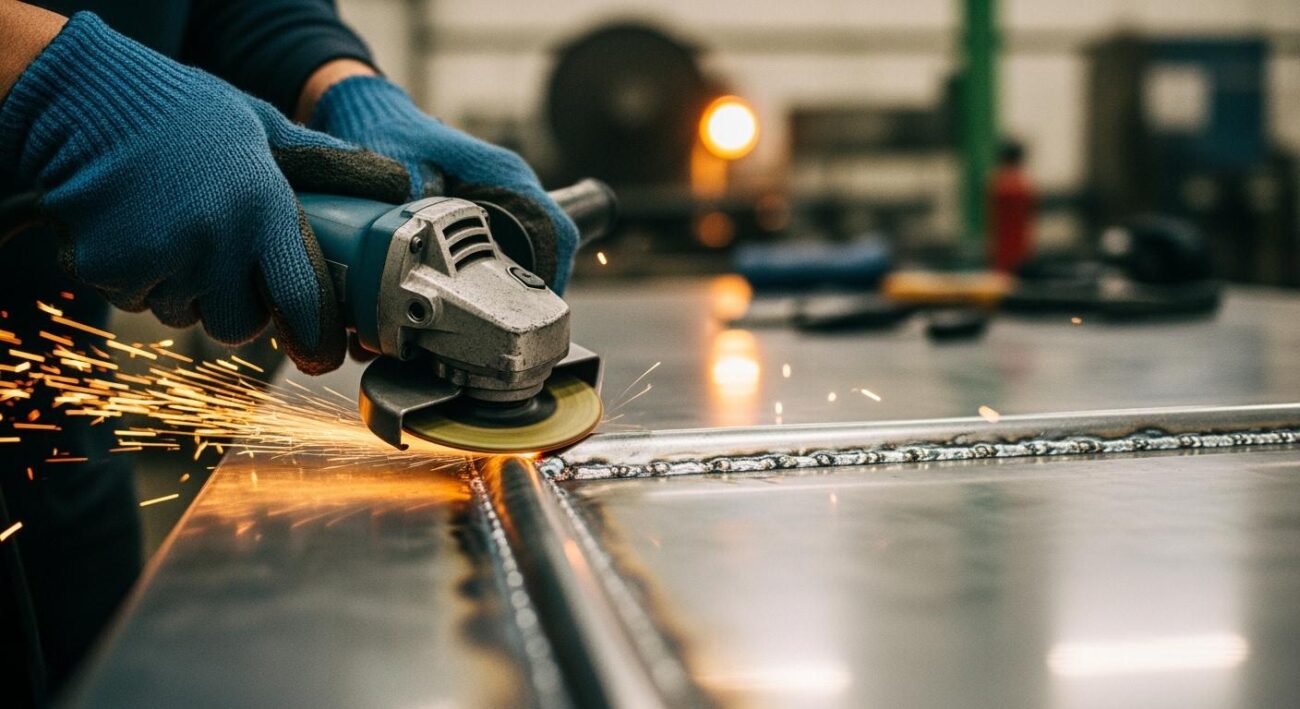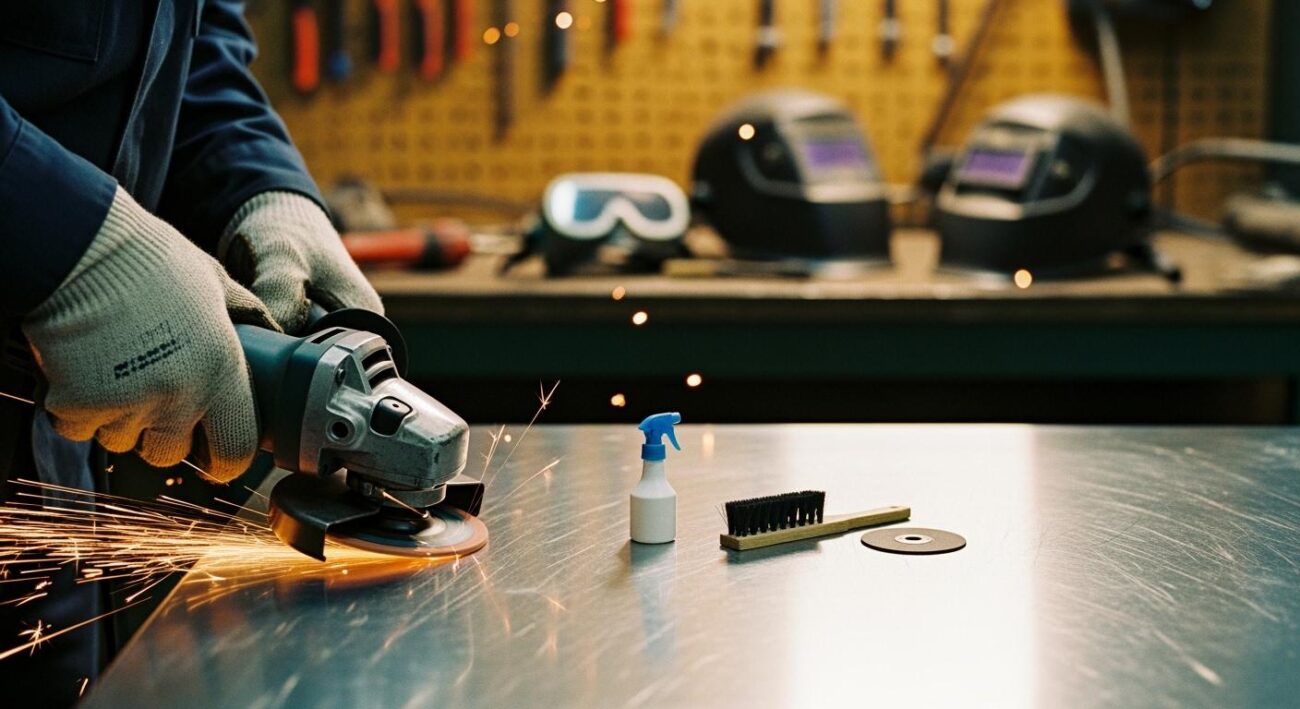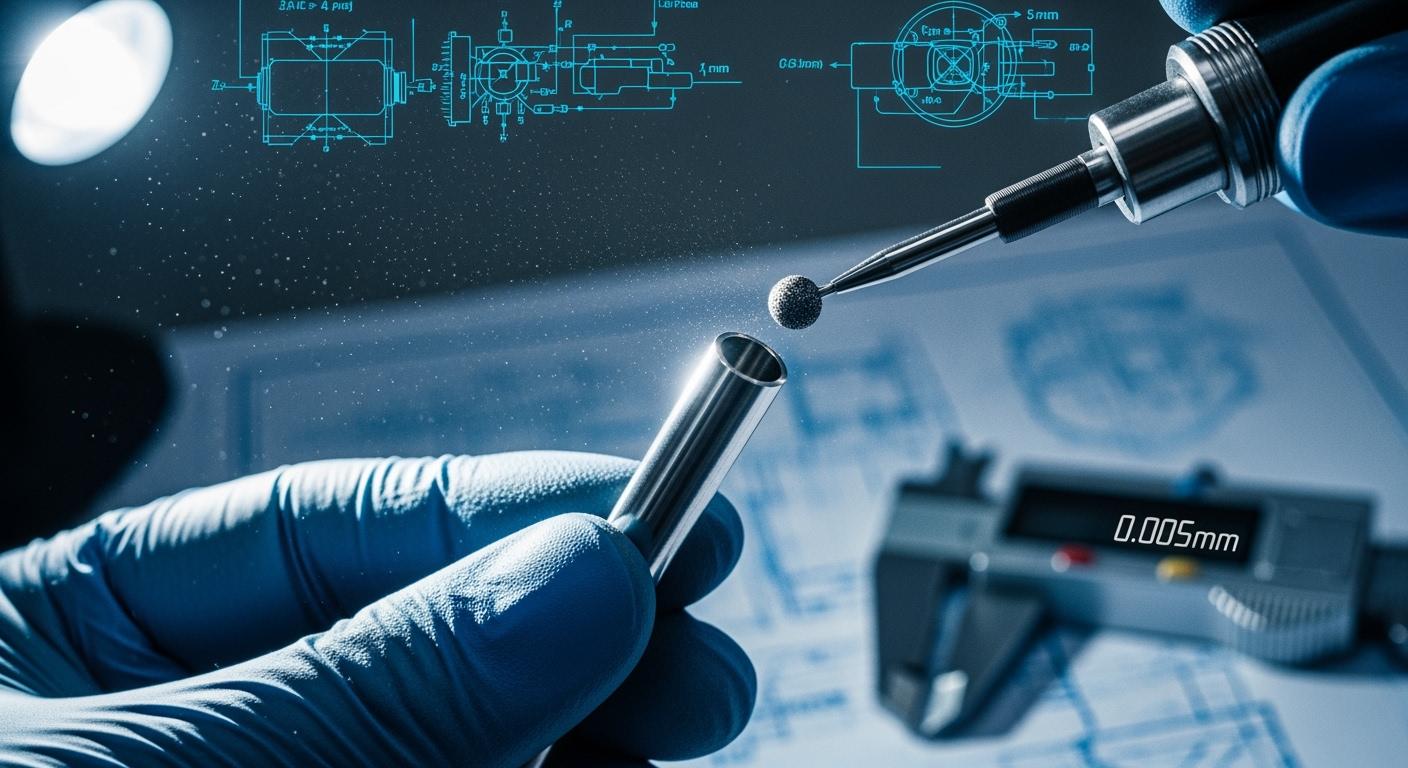
You can control deformation in thin-walled stainless steel grinding by focusing on practical solutions. Start with fixturing that supports your part during grinding. Choose grinding parameters that help you keep deformation low. Use advanced tools like Aimgrind diamond grinding wheels to maintain dimensional accuracy and surface quality. Pay attention to deformation control methods that protect accuracy and prevent loss of shape. These steps help you achieve thin-walled parts with the best results.
Key Takeaways
- Use proper fixturing to support thin-walled parts during grinding.
- Choose grinding parameters that minimize deformation and maintain accuracy.
- Apply stress relief methods like annealing to prevent deformation.
- Manage heat with coolant to avoid warping and surface damage.
- Select Aimgrind diamond grinding wheels for precision and reduced force.
Causes of Deformation in Thin-Walled Parts
Material Properties and Residual Stress
You need to understand how material properties affect thin-walled stainless steel during cnc machining and cnc turning. Stainless steel has high tensile strength, usually between 515 and 750 MPa. This means it can handle a lot of force before breaking. The yield strength is about 205 MPa, which shows when the metal starts to bend and not return to its original shape. The Young’s modulus is around 193 GPa, so the material is stiff and resists elastic deformation. Hardness measures 80–90 HRB, which affects how easy it is to machine and how well it resists wear.
Residual stress can build up in thin-walled parts during cnc turning or cnc machining. This stress comes from earlier manufacturing steps or from uneven cooling. If you do not relieve this stress, it can cause the part to warp or change shape during grinding. You may see clamping deformation when you use too much pressure to hold the part. This happens because thin walls bend easily under force.
- Key factors that lead to deformation:
- Clamping deformation from holding pressure
- Residual stress from previous processes
- High strength and stiffness of stainless steel
Machining Forces and Thermal Effects
When you use cnc turning or cnc machining on thin-walled parts, you create forces that can bend or move the material. High cutting energy and reactive forces can push the part out of place. This can cause errors like tapered walls or holes that drift from their position. You can reduce these problems by using strong fixturing and keeping the tool stick-out short.
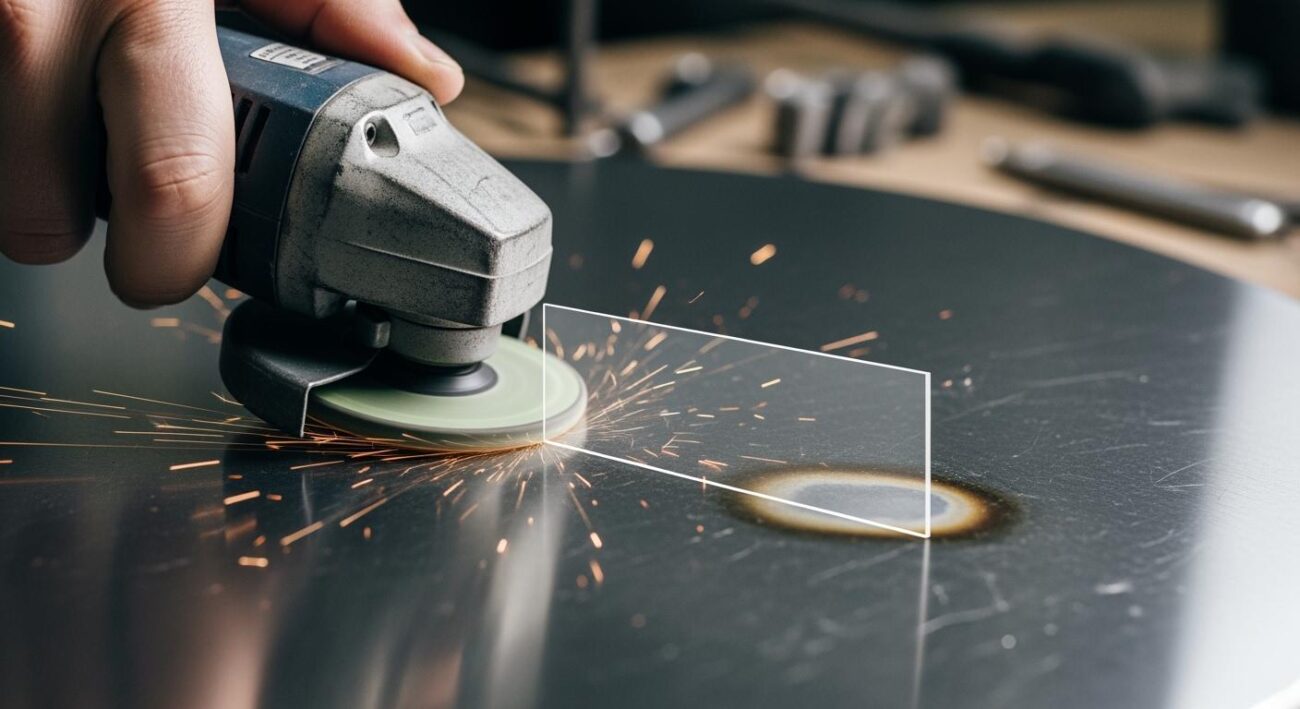
Heat is another big cause of deformation. Grinding can make temperatures rise to 1000℃ or more. Stainless steel does not let heat escape easily, so the heat stays in the part. This can cause the surface to burn or become harder. The metal can expand and change shape because stainless steel has a large linear expansion rate. If you do not control the heat, you may see warping or surface damage.
- Common thermal effects:
- High grinding temperatures
- Poor heat dissipation
- Surface burns and work hardening
- Expansion and warping
Tip: Always use proper cooling and check your machining sequence to keep deformation low in thin-walled cnc parts.
Pre-Grinding Deformation Control
Material Selection and Stress Relief
You need to start with the right material for thin-walled stainless steel parts. Choose grades that offer good machinability and low residual stress. This step helps you with deformation control before you begin cnc machining or cnc turning. Stress relief is important for preventing deformation. You can use different methods to reduce stress in the metal. The most common method is annealing. You heat the part to a specific temperature and let it cool slowly. This process makes the metal softer and easier to machine. Vibratory stress relief uses vibration to spread out stress without high heat. Cryogenic treatment works for some alloys and changes the structure of the metal.
| Method | Description | Temperature Range (°C) | Timing Considerations |
|---|---|---|---|
| Annealing | Common method for stress relief through controlled heating and slow cooling. | 550–650 | Pre-machining improves machinability. |
| Vibratory Stress Relief | Uses controlled vibration to redistribute residual stress without high heat. | N/A | Easier for large or intricate parts. |
| Cryogenic Treatment | Relevant for certain alloys, linked to microstructural changes. | N/A | Depends on alloy and prior heat treatment. |
Tip: You can improve your results by using stress relief before cnc machining or cnc turning. This step helps you avoid deformation during grinding.
Fixturing and Support for Thin-Walled Parts
Proper fixturing and clamping play a big role in deformation control. You must support thin-walled parts with the right fixturing. Full-contact soft jaws give you almost 360-degree contact. This spreads out the force and keeps the part from bending. Tapered mandrels use a tight fit to hold the part steady. These methods help you keep the geometry stable during cnc turning and cnc machining.
| Fixturing Technique | Description | Effect on Deformation |
|---|---|---|
| Full-Contact Soft Jaws | Creates near 360-degree surface contact area, distributing clamping forces evenly. | Virtually eliminates radial deformation. |
| Tapered Mandrels | Utilizes controlled interference to balance holding power and minimize geometric deformation. | Stabilizes workpiece geometry during grinding. |
You can reduce deformation by using fixturing that supports the whole part. Clamping and fixturing should not create extra stress. Always check your setup before you start cnc machining or cnc turning. This step helps you with preventing deformation and keeps your thin-walled parts accurate.
Process Control for Thin-Walled Grinding
Optimizing Grinding Parameters
You can achieve better deformation control by adjusting grinding parameters during cnc machining and turning. Spindle speed, cut depth, and stepover play a big role in keeping thin-walled parts stable. When you increase spindle speed, you lower cutting forces and reduce heat. Shallow cuts help you protect the part from bending or warping. Smaller stepover gives you a more uniform cut and prevents tool deflection. These steps help you maintain accuracy and avoid surface defects.
| Parameter | Effect on Thin-Walled Parts | Benefit for Deformation Control |
|---|---|---|
| Spindle Speed | Reduces cutting forces and heat | Keeps part stable |
| Cut Depth | Lowers force on the workpiece | Prevents bending and warping |
| Stepover | Ensures uniform cutting | Minimizes tool deflection |
Tip: Monitor your grinding parameters in real time. You can spot changes in force or temperature and adjust settings to protect dimensional accuracy.
Coolant and Thermal Management
You need to manage heat during cnc machining and turning to keep thin-walled parts from deforming. Coolant application is essential for controlling workpiece temperature and reducing thermal expansion. Cooling fluids lower cutting temperatures and help you avoid thermal deformation. You should keep coolant temperature steady within 2-3 degrees to maintain dimensional accuracy. Adequate flow rates remove heat quickly and prevent surface burns.
- Optimizing tool geometry, machining parameters, and coolant reduces machining temperatures.
- Cooling fluids are the best way to lower cutting temperatures and control deformation.
- Consistent coolant temperature helps you keep the part stable.
- Proper flow rates remove heat from the workpiece.
- Strategic coolant application controls workpiece temperature during grinding.
- Cryogenic cooling, like liquid nitrogen, reduces tool wear and improves efficiency.
- Effective cooling lowers high temperatures and minimizes thermal deformation.
Note: Always check your coolant system before you start cnc machining or turning. You can prevent warping and keep your thin-walled parts accurate.
Tool Choice: Aimgrind Diamond Grinding Wheels
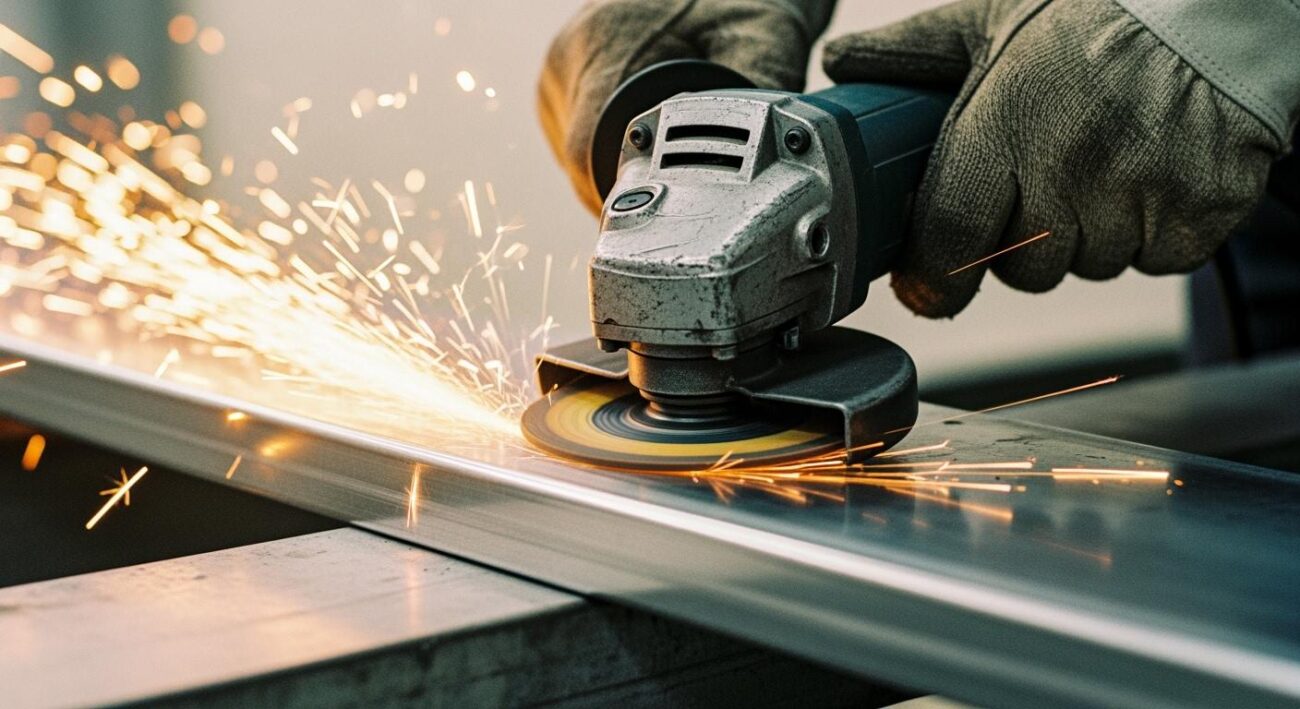
You can improve deformation control and surface quality by choosing the right grinding tools. Aimgrind diamond grinding wheels offer high precision and durability for thin-walled stainless steel parts. These wheels use a diamond abrasive layer that keeps its shape and sharpness over time. You get faster material removal and less force on the part, which helps you avoid deformation during cnc machining and turning.
Aimgrind provides customized grinding wheels for different materials and processes. You can match the wheel to your equipment and fixturing needs. The wheels work for both wet and dry grinding, so you can use them in many applications. Aimgrind’s service includes parameter matching and sample optimization, which helps you achieve the best results for thin-walled parts.
| Feature | Benefit for Thin-Walled Parts |
|---|---|
| Diamond abrasive layer | High cutting efficiency, less force |
| Customizable bond types | Matches your process and material |
| Consistent performance | Maintains dimensional accuracy |
| Wet and dry grinding options | Flexible for different setups |
Callout: Aimgrind diamond grinding wheels help you achieve precision and reduce deformation. You can visit Aimgrind’s official website for more information.
Post-Grinding Deformation Solutions
Stress Relief and Correction
After you finish cnc machining or cnc turning, you may still see deformation in thin-walled parts. You can use stress relief methods to fix this problem. Heat treatment, like annealing, helps remove leftover stress from the material. This process makes the metal more stable and keeps the shape you want. Sometimes, you need to use mechanical correction. You can gently press or tap the part to bring it back to the right shape. For small changes, you can use low-force straightening tools.
You can also use temporary supports during cnc turning or cnc machining. For example, you can fill the inside of a part with a bismuth-based alloy. This support keeps the walls from moving. After grinding, you melt the alloy and remove it. This method helps you keep deformation under control and protects accuracy.
Tip: Always check for stress before you move to the next step. Early correction saves time and keeps your parts within tolerance.
Inspection and Quality Assurance
You need to inspect every thin-walled part after cnc and turning. Inspection helps you find any deformation or errors. Use tools like micrometers, calipers, or coordinate measuring machines. These tools give you accurate measurements. You can compare the finished part to your design and see if it meets your standards.
Quality assurance uses special fixturing to hold the part in the right position. Custom fixtures with adjustable clamps help you avoid extra stress during inspection. Soft jaws or special supports spread out the force and stop the part from bending. In the aerospace industry, you see these methods used to keep accuracy high.
- Key quality assurance practices:
- Use custom-designed fixtures for precise positioning.
- Apply temporary supports to stabilize thin walls.
- Choose soft jaws or special fixtures to avoid stress.
- Perform stress relief before cnc machining or cnc turning.
You can keep your process reliable by following these steps. Careful inspection and quality checks help you deliver thin-walled parts with the right shape and accuracy.
Practical Tips and Common Mistakes
Actionable Tips for Deformation Control
You can improve deformation control in thin-walled stainless steel grinding by following a few simple steps. These tips help you keep your parts accurate and strong during cnc machining and turning.
- Divide your workpiece into rough parts. This step helps you manage clamping force and reduces the risk of bending during cnc.
- Lower the clamping force when you finish machining. Less force means less chance of warping or shape change.
- Pick the right geometric parameters for precision work. Use sharp blades and keep your setup rigid.
- Use high-quality fixtures with strong construction. Good fixturing stops your part from moving or vibrating during cnc turning.
- Choose fixtures that allow for thermal expansion. This step helps you avoid warping when the part heats up.
Tip: Always clean your part before inspection. Dirt or oil can cause errors in your measurements.
Errors to Avoid with Thin-Walled Parts
You can prevent many problems by knowing the most common mistakes in cnc machining and turning. The table below shows what to watch out for and how to avoid them.
| Factor Type | Description |
|---|---|
| Material Factors | High yield strength and low thermal conductivity can cause elastic rebound and thermal deformation. |
| Stress Deformation | Uneven clamping force and cutting forces may lead to warping or local shape changes. |
| Process Factors | Too much material left for finishing or too much heat can change the part’s shape. |
| Auxiliary Factors | Skipping pretreatment or misalignment can make deformation worse. |
You should also check your environment and process:
- Inspect your parts in a room with steady temperature and humidity. This step keeps your measurements accurate.
- Support and align your part well during measurement. Poor support can bend the part and give wrong results.
- Clean the surface before you measure. Even small bits of dirt can change your readings.
- Take several measurements to make sure your results match.
- Write down your measurement data. This record helps you spot trends and fix problems early.
Note: Preventing deformation in thin-walled parts starts with careful planning and ends with good inspection habits.
You can achieve high accuracy in thin-walled stainless steel grinding by using deformation control methods. Start with best practices in cnc machining, such as careful fixturing and stress relief. During turning, choose grinding parameters that protect dimensional accuracy. Aimgrind diamond grinding wheels help you reach your goals. These wheels work well with stainless steel, offer medium grit sizes for precision, and use ceramic bonds for heat resistance. You get reliable accuracy and efficiency in turning and grinding.
Remember, you improve productivity and keep your parts true to shape when you follow these steps.
- Diamond grinding wheels:
- Suit hard materials like stainless steel
- Provide a fine surface finish
- Balance performance and durability
FAQ
What causes thin-walled stainless steel parts to deform during grinding?
You see deformation when high heat, strong clamping, or uneven forces act on thin walls. Stainless steel holds heat and stress. These factors make the part bend or warp if you do not control them.
How do Aimgrind diamond grinding wheels help reduce deformation?
Aimgrind diamond grinding wheels cut with less force and stay sharp. You get smoother surfaces and less heat. This helps you keep your thin-walled parts in shape and improves accuracy.
What is the best way to support thin-walled parts during grinding?
You should use full-contact soft jaws or tapered mandrels. These tools spread out the holding force. They keep your part steady and stop it from bending.
Why is coolant important in thin-walled grinding?
Coolant keeps your part cool and removes heat fast. You avoid burns, warping, and surface damage. Always check your coolant flow and temperature for the best results.
Can you use Aimgrind diamond grinding wheels for both wet and dry grinding?
Yes, you can use Aimgrind diamond grinding wheels for wet or dry grinding. You choose the method that fits your process and material. Wet grinding often gives better surface quality.
Contact Us
For More Grinding Solution or Customized Abrasive Tools