

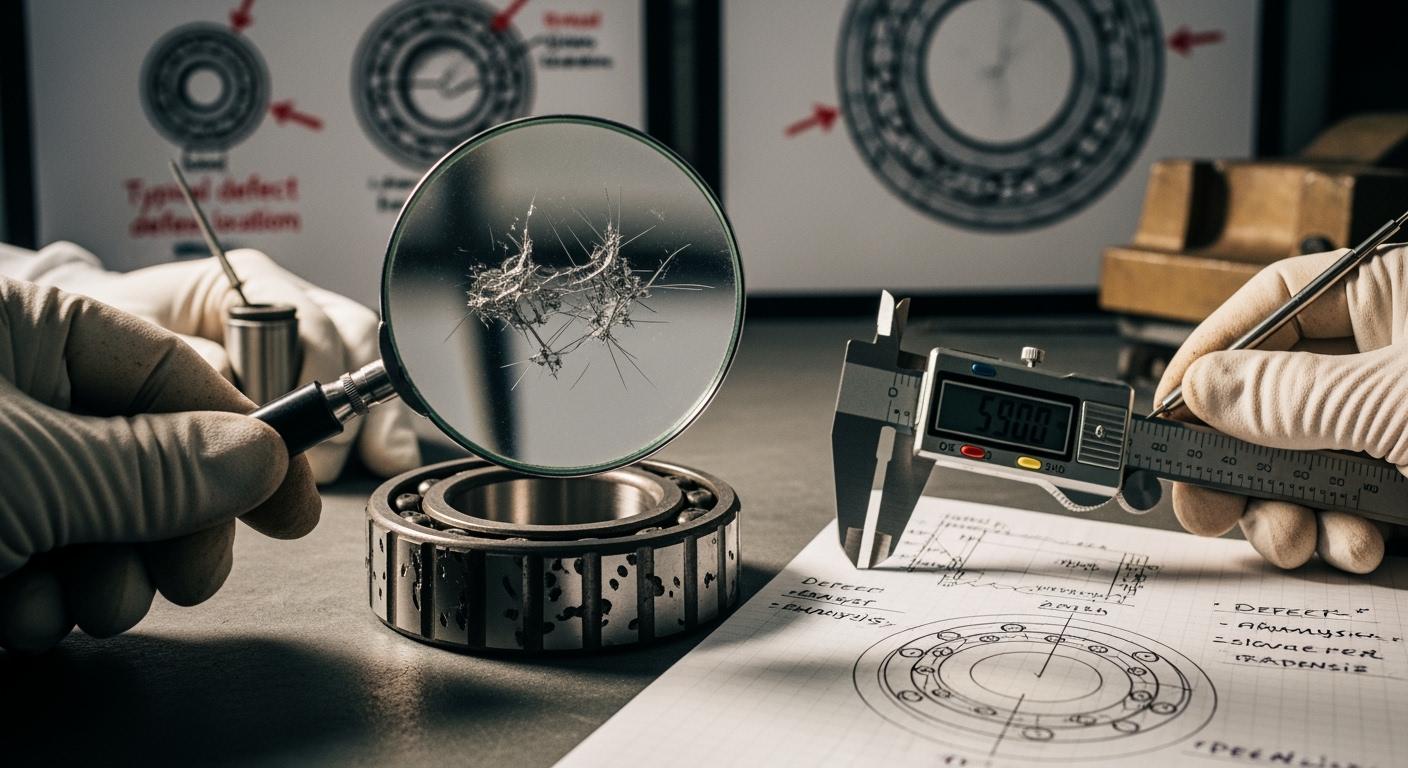
You need to analyze causes of grinding defects in bearing production to ensure high quality. When you find a defect in a bearing, you should look for patterns and document every detail. A systematic approach helps you find the root cause of each bearing issue. Careful analysis lets you improve bearing performance and prevent future problems. You will see better results in bearing quality and higher manufacturing efficiency. Every step you take to examine a bearing defect brings you closer to a lasting solution. This process protects your bearings from failure and saves costs.
Key Takeaways
- Analyze grinding defects systematically to improve bearing quality and prevent future issues.
- Use a combination of machine vision and traditional inspection methods to catch defects early.
- Implement root cause analysis techniques like the 5 Whys and fishbone diagrams to identify and fix problems.
- Regularly maintain machines and choose the right grinding wheels to enhance performance and reduce failures.
- Document findings and monitor processes to spot trends and improve overall manufacturing efficiency.
Identify and Classify Grinding Defects in Bearings
Visual Inspection Methods
You start the process by using inspection techniques to spot grinding defects in bearing surfaces. Machine vision techniques help you see tiny flaws in real time. Industrial cameras and software scan each bearing for defects. Deep learning approaches, such as YOLOv5, boost accuracy when you inspect surfaces. These algorithms find defects that might escape the human eye. Traditional methods, like thresholding segmentation and contour extraction, let you check for visible marks or cracks. You use these inspection methods to make sure you catch every grinding defect. Inspection also helps you in identifying wear and tear before it causes bearing failure.
Tip: Combine machine vision with traditional inspection to improve your chances of finding defects early.
Common Grinding Defects
You often see certain grinding defects in bearing production. Surface roughness stands out as a major concern. When the surface of a bearing is not smooth, it can lead to friction and early failure. Roundness error is another common issue. This defect means the bearing does not have a perfect circular shape. Excessive roundness error affects how the bearing works and can shorten its lifespan. You must pay attention to these defects during inspection. Grinding errors like these can reduce the quality of each bearing and impact performance.
- Surface roughness affects bearing raceways.
- Roundness error changes the shape and stability of the bearing.
- Excessive roundness error leads to unstable operation and reduced lifespan.
Data Collection and Documentation
You need to record every grinding defect you find during inspection. Consistent procedures help you track defects across batches. You document conditions, measurements, and environmental factors for each bearing. This information helps you analyze patterns and find the root cause of grinding problems. You can use maintenance management systems to store and review your data. Proper documentation lets you compare results and improve grinding processes over time.
Note: Good records make it easier to spot trends and prevent future bearing defects.
Analyze Causes Using Root Cause Techniques
When you want to analyze causes of grinding defects in bearing production, you need to use special tools and methods. These root cause analysis techniques help you find out why defects happen. You can then fix problems and stop them from coming back. Let’s look at three important ways to analyze causes of grinding defects in bearing manufacturing.
Fishbone Diagram
You can use a fishbone diagram, also called an Ishikawa diagram, to organize your ideas. This tool helps you break down all possible reasons for a grinding defect in a bearing. You draw a large arrow, which is the “spine” of the fish. Then, you add smaller arrows for each main category, such as machine, material, method, and man (operator). Under each category, you list possible causes.
For example, if you see a surface roughness problem in a bearing, you can use the fishbone diagram to look at:
- Machine: Is the grinding machine worn out or not set up right?
- Material: Is the bearing material too hard or too soft?
- Method: Are you using the wrong grinding speed or feed rate?
- Man: Did the operator make a mistake or skip a step?
This diagram helps you see all the possible causes at once. You can then focus on the most likely reasons and analyze causes in detail.
Tip: Use a fishbone diagram during team meetings. Everyone can share ideas and help you find the root cause faster.
5 Whys Technique
The 5 Whys technique is a simple but powerful way to analyze causes of grinding defects in bearing production. You start with the problem and ask “Why?” five times. Each answer leads you closer to the real reason for the defect.
Let’s say you find a roundness error in a bearing after grinding. You might ask:
- Why is there a roundness error?
The grinding wheel did not follow the correct path. - Why did the wheel not follow the path?
The machine alignment was off. - Why was the alignment off?
The machine was not checked before grinding. - Why was it not checked?
The operator skipped the inspection step. - Why did the operator skip the step?
There was no checklist for the grinding process.
By asking “Why?” five times, you can analyze causes and find the root problem. You can then fix the process, such as by making a checklist, to prevent the same defect in future bearings.
Note: Sometimes you need to ask “Why?” more or fewer times. The goal is to reach the real cause, not just the first answer.
Process Mapping and FMEA
Process mapping helps you analyze causes of grinding defects by showing every step in the bearing production process. You draw a map of each stage, from loading the bearing to final inspection. This lets you see where things can go wrong.
- You can break the grinding process into small steps. This makes it easier to find out where a defect starts.
- You can check each step for mistakes or changes in the grinding cycle.
- You can see if the grinding machine keeps the right size and shape for the bearing.
Grinding is a very precise job. Even small mistakes can cause defects in bearings. You need to keep every step exact to avoid problems.
Failure Mode and Effects Analysis (FMEA) is another tool you can use. FMEA helps you list all the ways a grinding machine or process can fail. You then rate each failure by how bad it is, how often it happens, and how easy it is to find. This helps you focus on the most serious problems first.
- FMEA lets you find possible failure modes in grinding machines that can cause bearing defects.
- You can use FMEA to plan actions that stop defects before they happen.
- FMEA is a proactive tool. It helps you improve reliability by looking at how parts can fail and what happens if they do.
- You should always fix high-risk problems first to make your grinding process better.
When you use process mapping and FMEA together, you can analyze causes of grinding defects in a clear and organized way. You can then make changes that improve the quality of your bearings.
Tip: Review your process maps and FMEA results often. This helps you catch new problems early and keep your grinding process strong.
Evaluate Factors Contributing to Bearing Failure
Machine and Equipment Condition
You must check your machine and equipment often to prevent bearing failure. Problems with spindle bearings can cause grinding defects and may look like grinding wheel issues. Poor coolant systems lead to overheating and bearing problems. Clamping and fixturing mistakes cause vibrations and rapid wheel deterioration. Belt drive systems with bad maintenance create uneven grinding. CNC machine calibration errors result in poor grinding quality. Lubrication systems that do not work cause overheating and tear. Environmental stability matters. Changes in temperature and humidity affect machine precision and bearing failure.
| Condition | Impact on Grinding Defects |
|---|---|
| Spindle Bearings | Failure leads to grinding problems, often mistaken for wheel issues. |
| Coolant System | Inadequate coolant causes overheating and inefficient grinding. |
| Clamping and Fixturing | Poor clamping causes vibrations and instability, leading to rapid wheel deterioration. |
| Belt Drive System | Poor maintenance causes inconsistent wheel speeds and uneven grinding. |
| CNC Machine Calibration | Misalignment leads to uneven wheel wear and poor grinding quality. |
| Lubrication System | Insufficient lubrication causes overheating and wear, affecting grinding quality. |
| Environmental Stability | Changes in temperature and humidity impact machine precision and stability. |
Grinding Wheel Selection and Condition
You need to choose the right grinding wheel for each bearing. Aimgrind diamond grinding wheels help you achieve high precision and reduce bearing failure. You must check wheel condition before every grinding job. Incorrect wheel selection leads to bearing problems and tear. Rapid wheel deterioration happens when you use the wrong wheel or ignore maintenance. Always match the grinding wheel to the bearing material and grinding process.
Coolant and Lubrication
Coolant and lubrication play a big role in preventing bearing failure. You must use enough cooling lubricant to stop grinding burn. The coolant jet stream should reach 30-50% of the grinding wheel speed. Choose a coolant with high lubricity and increase the flow. Always check the quantity and quality of coolant. Improper lubrication causes overheating and tear, leading to bearing failure.
- Use adequate cooling lubricant.
- Ensure coolant jet stream speed matches grinding wheel.
- Choose coolant with increased lubricity.
- Check coolant quality and quantity.
- Avoid improper lubrication.
Material and Environmental Factors
Material properties affect bearing failure. The steel composition, especially carbon content, changes hardness and grinding results. Heat treatment, like quenching and tempering, impacts microstructure and bearing quality. Environmental conditions, such as cooling rates, cause variations in hardness and defects. You must control these factors to prevent bearing failure.
- Steel composition affects hardness.
- Heat treatment changes microstructure.
- Environmental conditions during manufacturing cause defects.
Operator Practices
Operator practices influence bearing failure. Improper work holding or indexing creates spacing errors. Out-of-roundness in clamping fixtures transfers to the bearing. Minor alignment mistakes change geometry and surface finish. Incorrect wheel specification causes grinding defects. Improper dressing techniques affect wheel cutting and thermal behavior. You must optimize wheel dressing intervals. Operator expertise is key to high precision and preventing bearing failure. Skilled operators understand gear geometry, grinding wheel characteristics, and quality standards.
Tip: Train your operators well and review their work often to reduce bearing failure.
Verify Findings and Implement Corrections
Defect Replication and Testing
You need to confirm the cause of each grinding defect in a bearing. Start by replicating the failure in a controlled setting. Use the same machine, material, and grinding wheel that produced the original defect. Adjust the process step by step until you see the same failure. This method helps you understand how the defect forms. You can then test changes to see if they prevent the problem. For example, you might change the grinding wheel or adjust the coolant flow. If the failure does not appear after a change, you know that step helps prevent bearing failure.
Testing also involves monitoring the bearing during grinding. Use sensors to check for vibration, temperature, and surface finish. If you notice sudden performance deterioration, stop the machine and inspect the bearing. This approach helps you catch failure early and avoid more damage. Always record your findings in your maintenance log. Good records help you spot patterns and improve your preventative maintenance plan.
Corrective Action and Monitoring
You must take action to fix the root cause of each bearing failure. Start with these steps:
- Check lubricant quality. Make sure the lubricant has the right viscosity and enough additives. This prevents metal-to-metal contact and reduces failure.
- Optimize surface roughness. Measure the bearing surface and compare it to the standard. Use super-finishing if needed to remove asperities and prevent micropitting.
- Improve load distribution. Adjust the bearing geometry to spread the load evenly. Look at shaft deflections and bearing clearances to reduce stress.
- Install an efficient filtration system. Remove debris from the lubricant to stop micropitting and prevent bigger failures.
After you make corrections, monitor the bearing and machine closely. Use vibration monitoring to find any new anomalies. Compare these signals with your maintenance records and asset history. If you see a problem, use root cause analysis to find out why. Adjust your lubrication schedule or realign the machine if needed. Regular maintenance, temperature checks, and operator training help prevent bearing failure. These steps keep your machine running smoothly and reduce the risk of failure.
Tip: Stay proactive with your maintenance and monitoring. Early action helps you avoid costly bearing failure and keeps your production line strong.
Practical Tips and Case Examples
Best Practices
You can improve bearing quality by following proven best practices. Industry experts recommend optimizing the grinding process to eliminate defects. You should reduce grinding speed when you want higher quality, even though productivity may decrease. Always identify defective bearing parts before final assembly. This step protects the lifetime and safety of each bearing.
| Tip | Description |
|---|---|
| Grinding wheel | Choose according to material, hardness, shape, size, finish, and type of bearing and operation. |
| Dressing tool | Shape and sharpen the grinding wheel to improve performance and prevent bearing defects. |
| Coolant | Reduce friction and heat to minimize thermal damage and wheel wear in bearing grinding. |
| Grinding parameters | Adjust speed, feed, depth of cut, and direction to optimize bearing quality and efficiency. |
| Machine and accessories | Inspect and maintain equipment regularly to avoid vibration and instability during bearing grinding. |
You can also use trending feedback and process control to prevent grinding burn in bearings. Aimgrind’s customized diamond grinding wheels help you match the wheel to your bearing material and process. This reduces defects and improves the finish of each bearing.
Tip: Always match your grinding wheel to the bearing material and check wheel condition before every job.
Common Pitfalls
You may encounter several pitfalls during bearing grinding defect analysis. Inadequate lubrication causes most bearing failures. Overheating and premature wear often result from poor lubrication. Incorrect installation leads to bearing misalignment and imbalance. Contamination from dust, dirt, or water severely affects bearing performance and causes corrosion. You must avoid these mistakes to protect your bearings.
- Inadequate lubrication causes overheating and bearing wear.
- Improper installation leads to misalignment and bearing imbalance.
- Contamination damages bearing surfaces and causes corrosion.
Alert: Always check lubrication, installation, and cleanliness to prevent bearing defects.
Case Examples
You can learn from real-world bearing defect cases. One manufacturer noticed rough surfaces on bearings after grinding. The team used process mapping and found that the grinding wheel did not match the bearing material. They switched to Aimgrind’s diamond grinding wheels, which improved surface finish and reduced defects.
Another case involved bearing failures due to overheating. The company increased coolant flow and used a dressing tool to sharpen the grinding wheel. These changes prevented thermal damage and extended bearing life.
A third example showed that regular machine maintenance stopped vibration and instability during bearing grinding. The company inspected spindle bearings and accessories, which helped prevent defects and improved bearing quality.
Note: You can solve bearing defects by matching grinding wheels, improving coolant, and maintaining machines.
You can reduce bearing failure by following a clear process.
- Check for excessive clearance, spindle wear, and grinding wheel issues.
- Monitor workpiece speed and grinding wheel balance.
- Use proper dressing and cooling methods to prevent failure.
- Apply data-driven tools to spot early signs of bearing failure and track patterns.
- Use real-time monitoring to control grinding and avoid sudden failure.
Practical methods and Aimgrind’s diamond grinding wheels help you prevent bearing failure and improve long-term reliability. Keep improving your process to stop failure before it starts.
FAQ
What causes grinding defects in bearings?
You often see grinding defects when machines are not calibrated, wheels are worn, or operators make mistakes. Poor coolant and wrong wheel selection also lead to problems. You must check each factor to find the cause.
How can you prevent bearing grinding defects?
You can prevent defects by choosing the right grinding wheel, keeping machines in good condition, and training operators. Regular maintenance and proper coolant use help you avoid most issues.
Why is surface roughness important in bearing grinding?
Surface roughness affects how the bearing works. If the surface is rough, friction increases and the bearing may fail early. You must aim for a smooth finish to ensure long life.
What tools help you analyze grinding defects?
You can use fishbone diagrams, the 5 Whys technique, and process mapping. These tools help you find the root cause and fix problems quickly.
How do Aimgrind diamond grinding wheels improve quality?
Aimgrind diamond grinding wheels offer high precision and durability. You can match the wheel to your material and process. This reduces defects and improves the finish of each bearing.
Contact Us
For More Grinding Solution or Customized Abrasive Tools