
Strategies for Solving Edge Chipping in Precision Glass Grinding

Solve edge chipping in precision glass grinding with proven strategies, tool selection, and process optimization for stronger, defect-free glass edges.
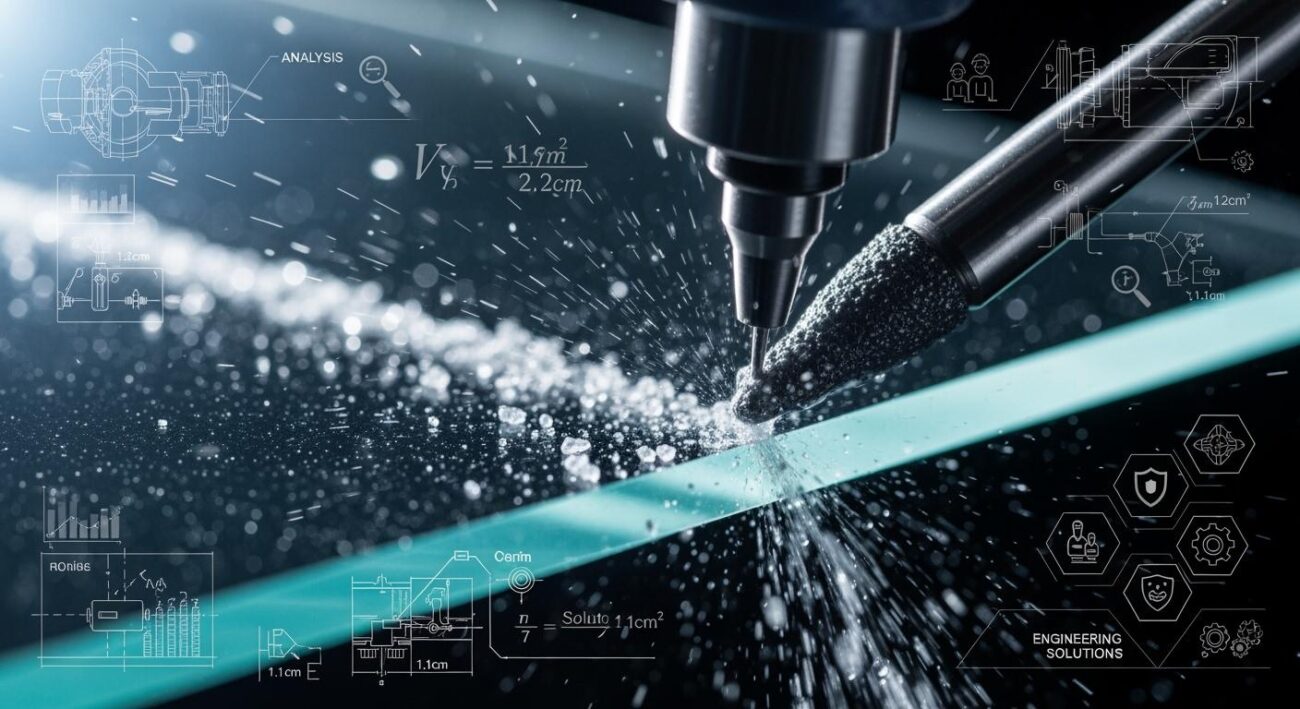
Solve edge chipping in precision glass grinding with proven strategies, tool selection, and process optimization for stronger, defect-free glass edges.
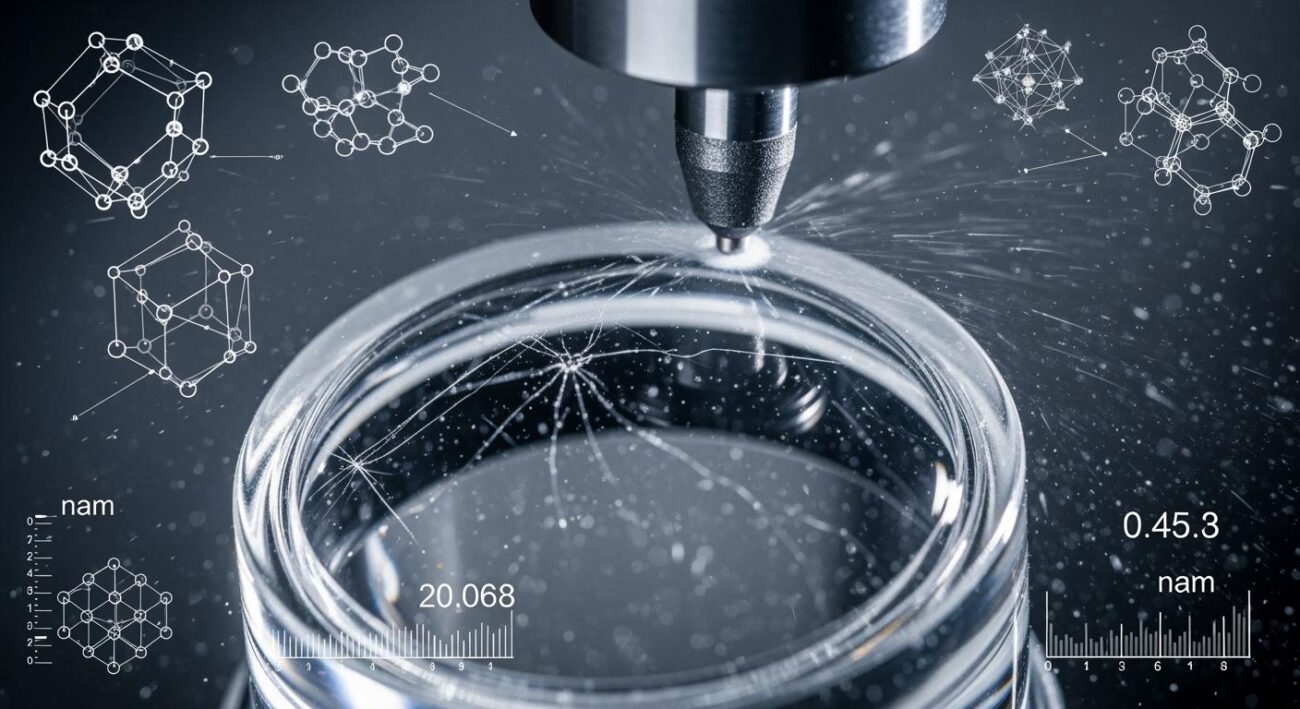
Control subsurface damage in optical glass grinding by optimizing abrasive size, process parameters, and using quality tools for improved optical performance.
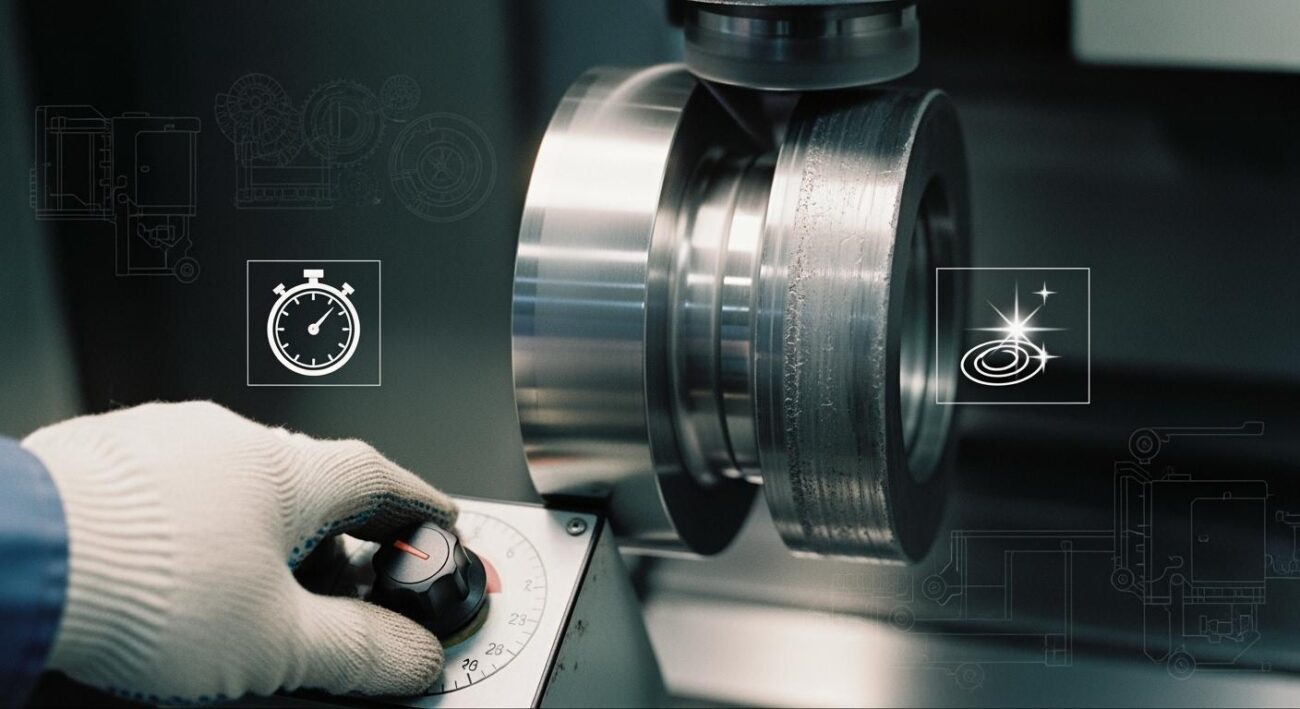
Balancing efficiency in stainless steel grinding means choosing the right tools, process, and skills to achieve both speed and a quality surface finish.
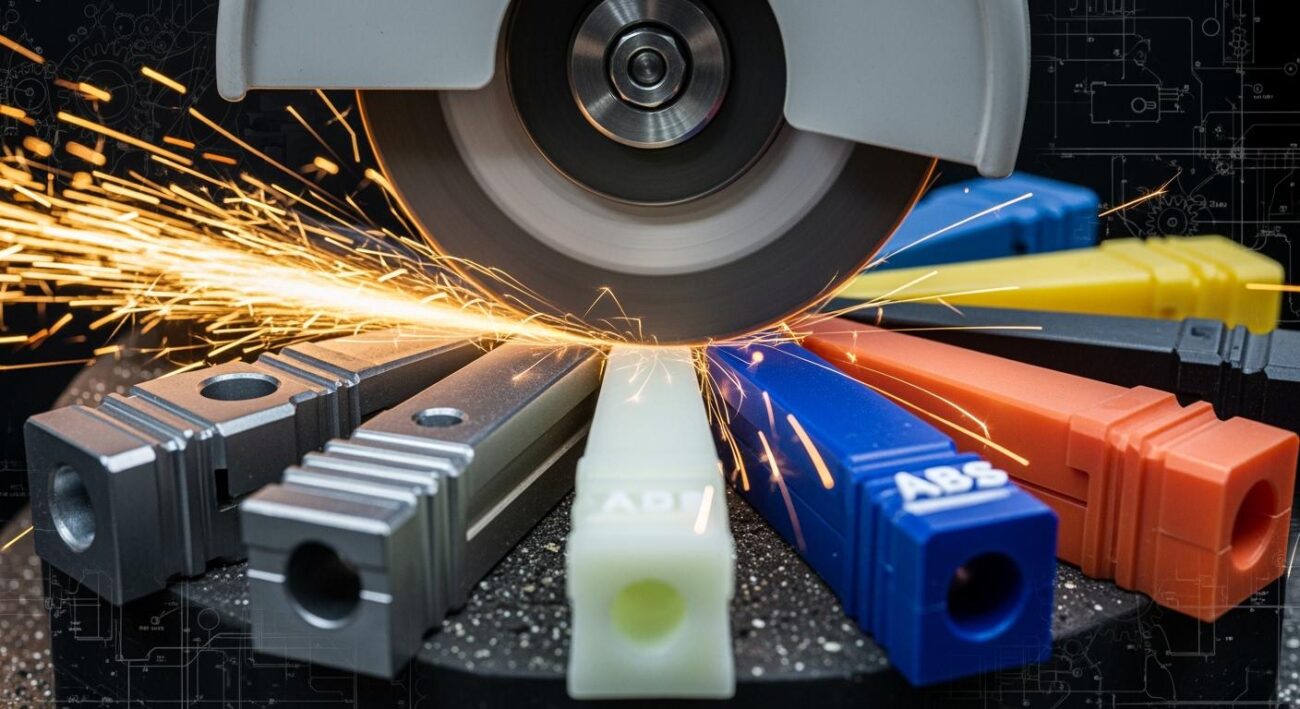
Multi-Material Grinding solutions address surface quality, tool wear, and process inefficiency for improved productivity and reduced manufacturing costs.
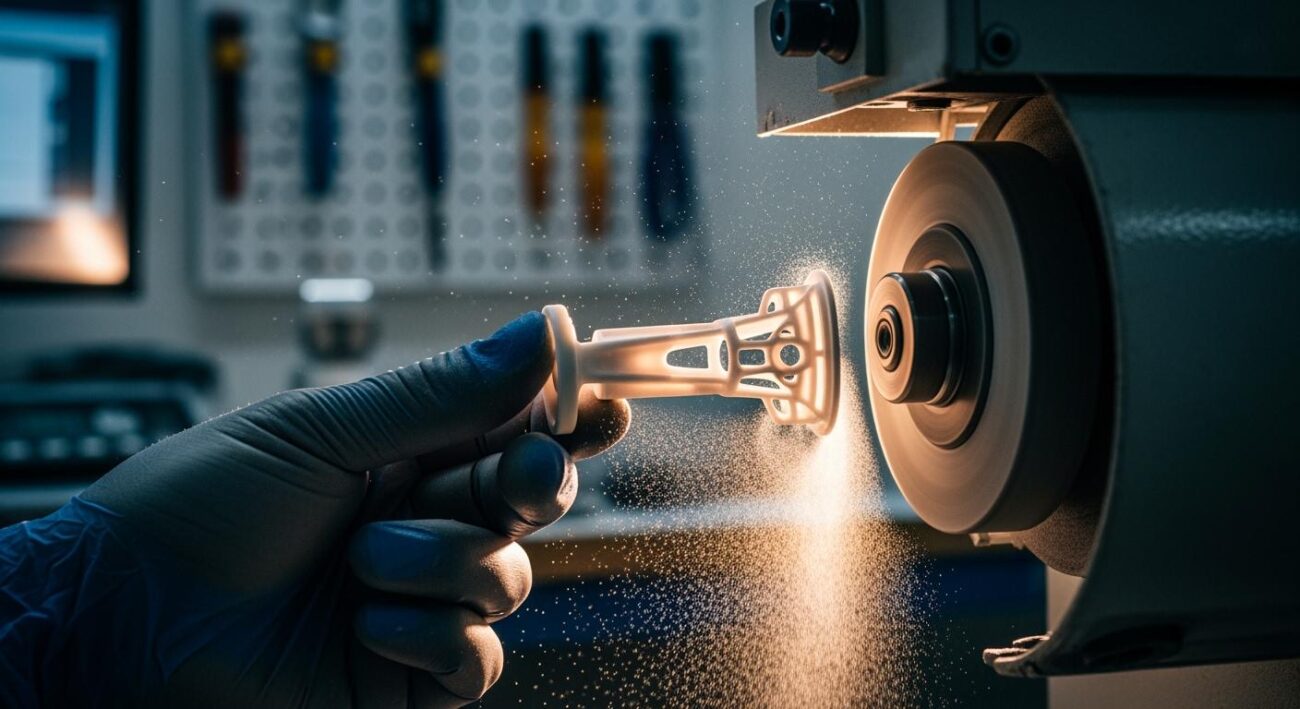
Grind thin-walled ceramic parts safely by using diamond wheels, slow speeds, coolant, and proper support to prevent cracks and breakage.
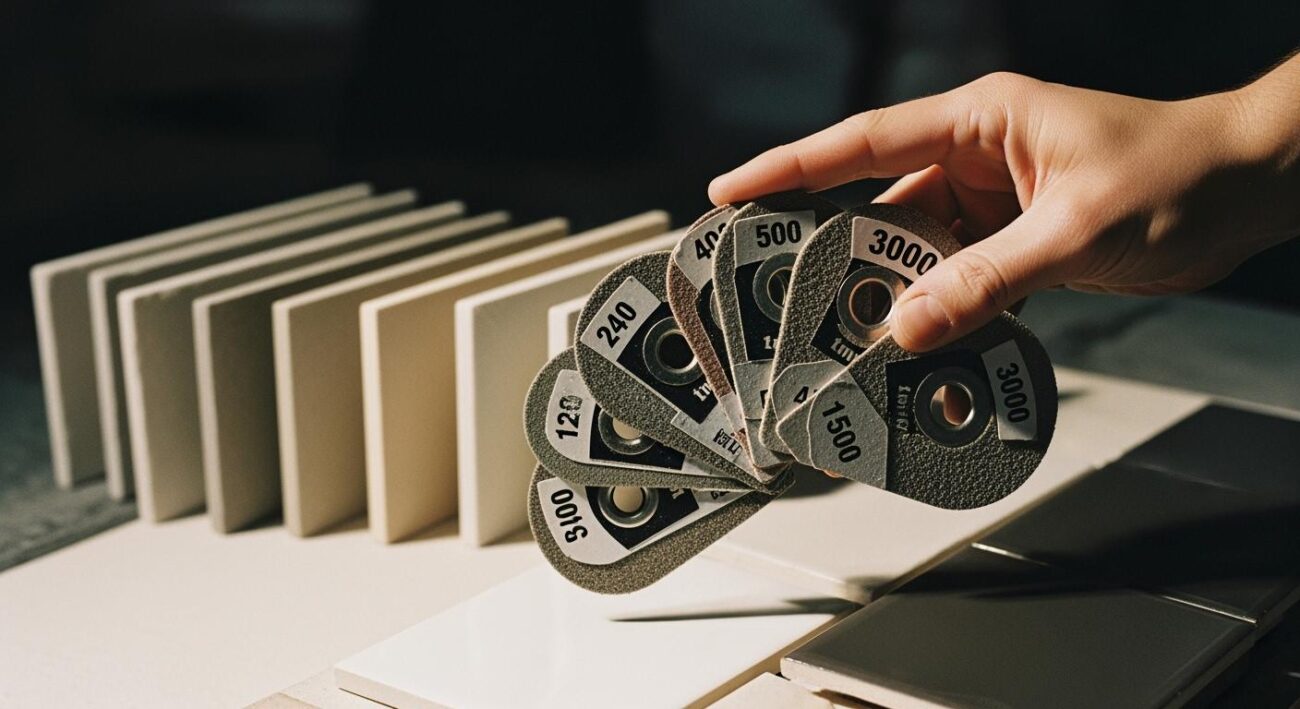
Choose the right Grinding Wheel Grit for each ceramic step to boost surface finish, reduce defects, and improve grinding efficiency every time.
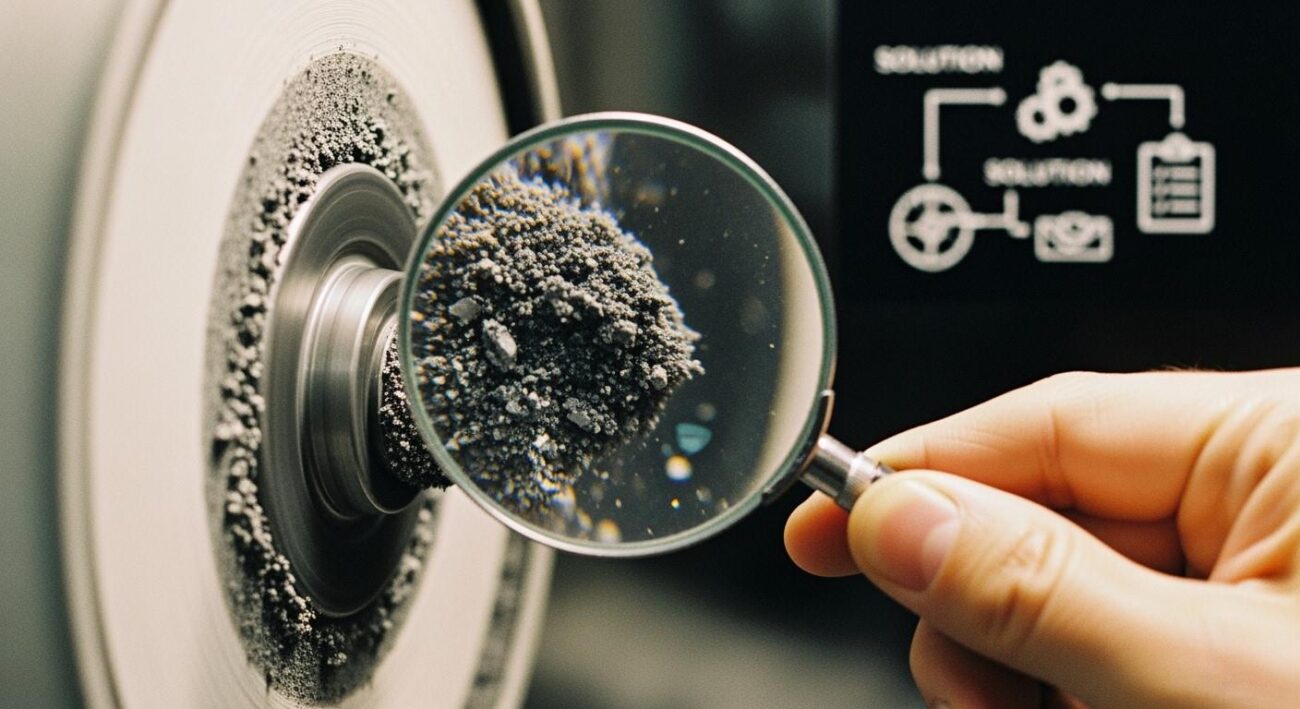
Grinding Wheel Loading in ceramic grinding reduces efficiency and quality. Identify causes, adjust parameters, and use proper wheels to prevent loading.
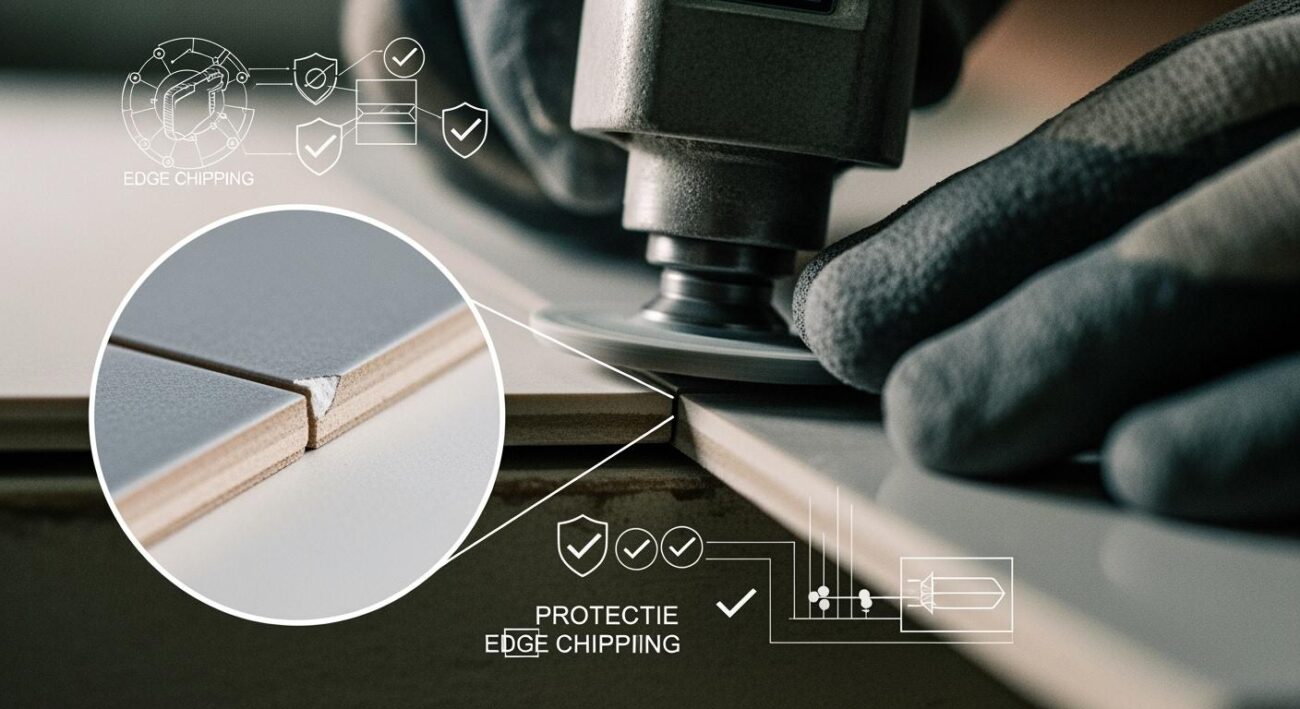
Minimizing edge chipping in ceramic grinding requires the right tools, optimized parameters, and advanced techniques for smooth, durable ceramic edges.
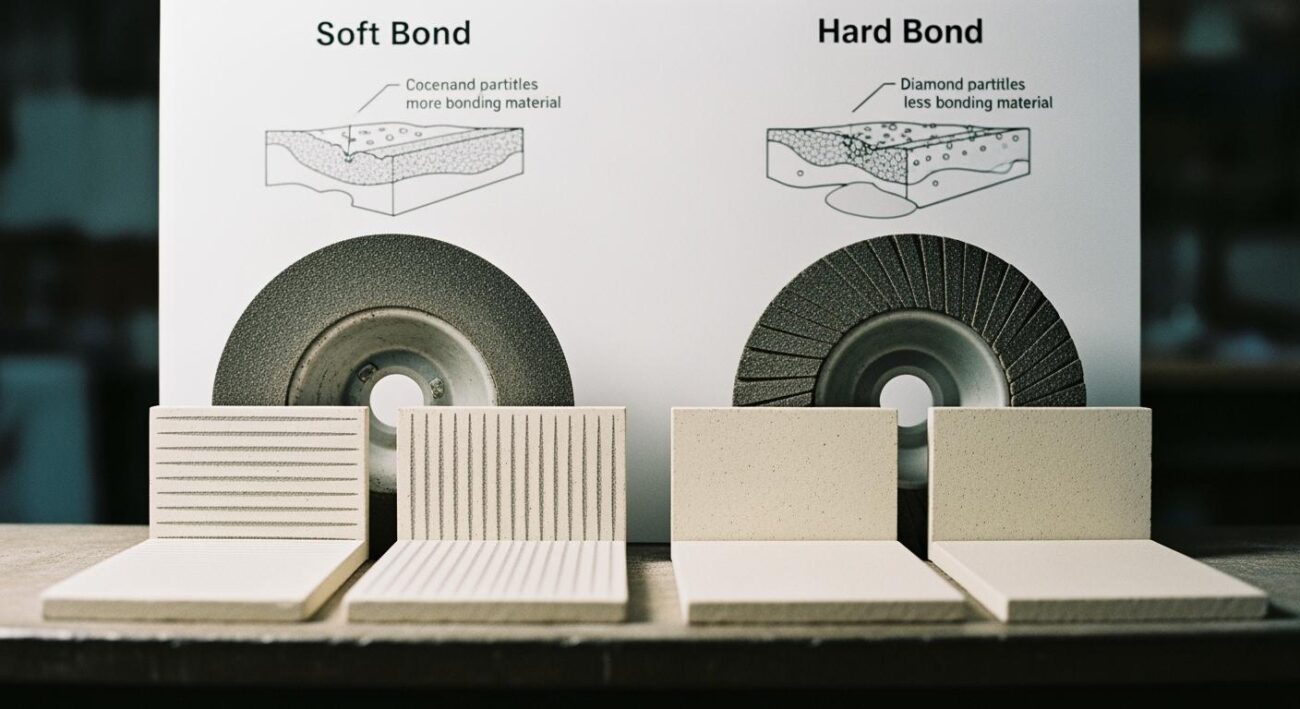
Bond hardness in Diamond Wheels determines ceramic grinding speed, surface finish, wheel lifespan, and risk of cracks. Choose the right bond for your needs.
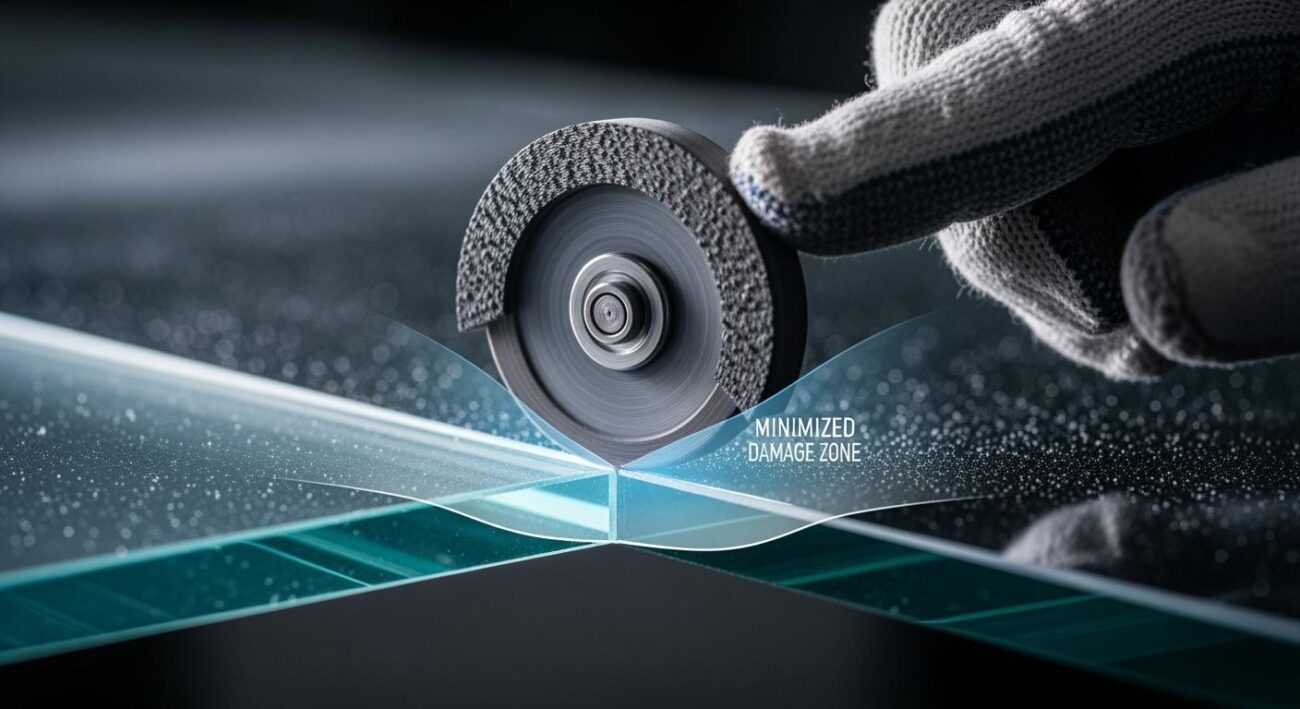
Select diamond wheels with optimal bond type, grit size, and profile to minimize the damage layer in glass machining and enhance surface quality.
No account yet?
Create an Account