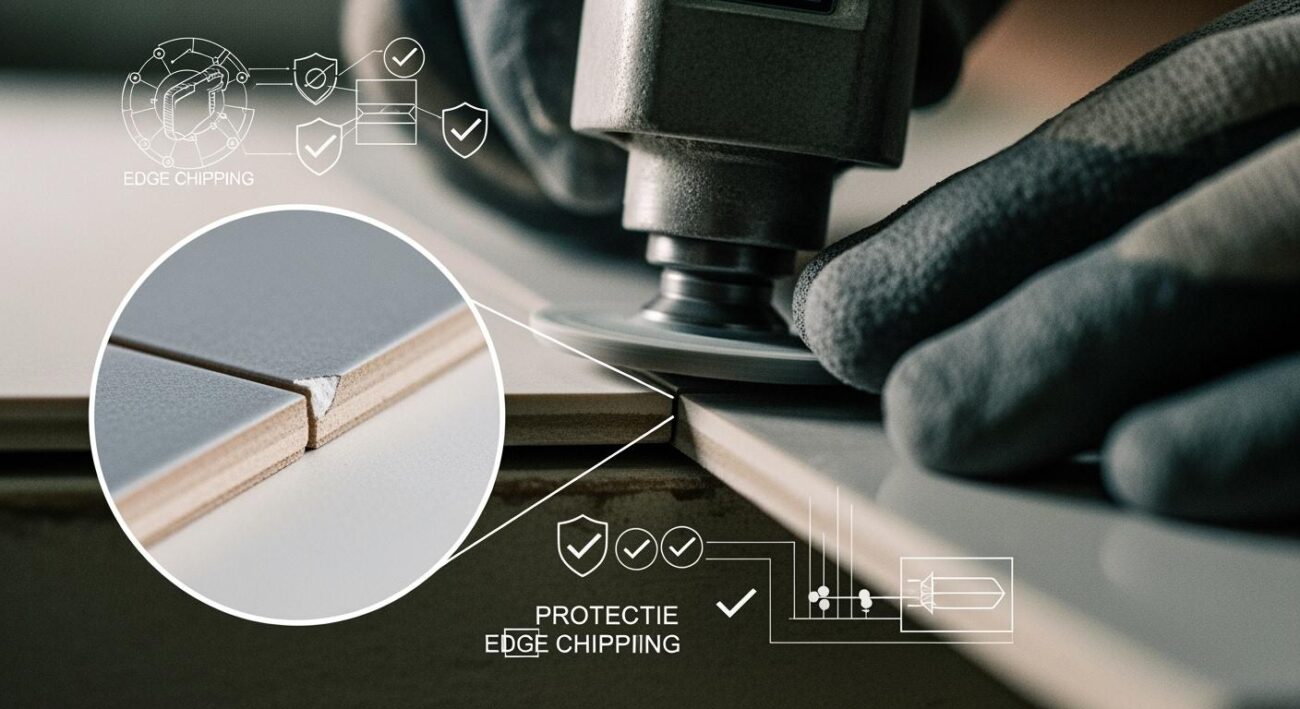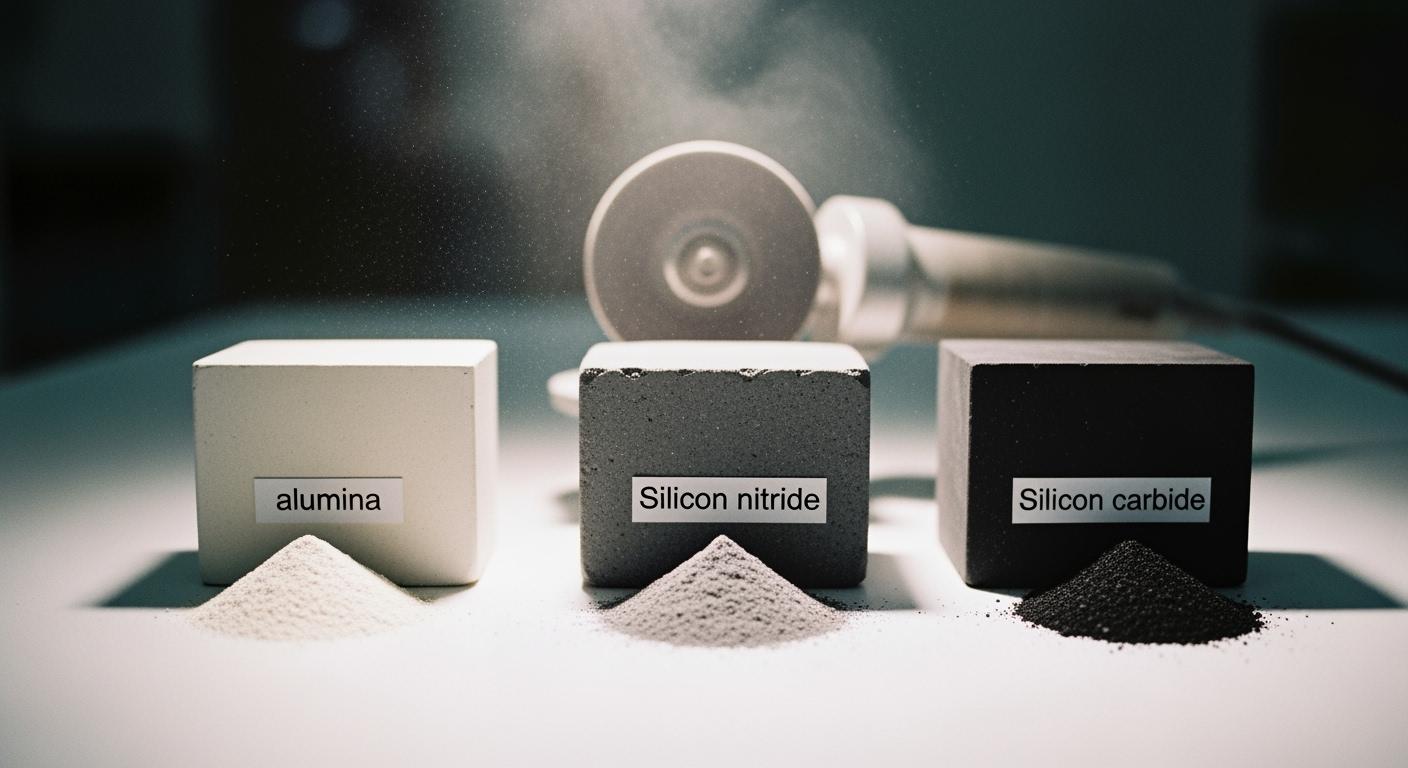
You face many choices when working with ceramics. Grinding differences among alumina, silicon nitride, and silicon carbide matter for your results. Each ceramic has its own hardness and thermal conductivity. For example, alumina has a lower hardness than silicon nitride. The table below shows how these properties affect machining speeds and feed rates:
| Ceramic Material | Hardness (HV) | Thermal Conductivity (W/m·K) | Machining Parameters (RPM) | Feed Rate (mm/min) |
|---|---|---|---|---|
| Aluminum Nitride | 1800 | 170-200 | >20,000 | 10-50 |
| Silicon Nitride | 1200-1300 | 30-35 | >20,000 | 10-50 |
| Alumina | 180-220 | N/A | 1,000-3,000 | 10-30 |
| Mullite | 1000-1200 | N/A | 1,000-3,000 | 10-30 |
Understanding these numbers helps you pick the right ceramic for your project. Advanced grinding solutions from Aimgrind help you solve these challenges with precision tools and expert support.
Key Takeaways
- Understand the hardness of ceramics. Alumina, silicon nitride, and silicon carbide have different hardness levels. Choose the right grinding wheel based on these differences for better results.
- Consider toughness when grinding. Silicon nitride offers high toughness, making it ideal for high-stress applications. Use gentler methods with silicon carbide to avoid fractures.
- Abrasiveness affects tool wear. Silicon carbide is very abrasive but wears out quickly. Silicon nitride lasts longer under tough conditions, while alumina provides a balance of performance and cost.
- Select the right grinding method. Match your grinding tools to the specific ceramic material for effective grinding. Aimgrind offers customized solutions to enhance your grinding process.
- Balance performance and cost. Alumina is cost-effective and durable, while silicon carbide is harder but more expensive. Choose based on your project needs and budget.
Ceramics Overview and Key Properties
Alumina Ceramics: Hardness and Applications
You often see alumina ceramics in industries that need strong materials. Alumina ceramics have high hardness, ranging from 1,500 to 2,000 HV. This hardness gives you excellent wear resistance and abrasion resistance. You can use alumina ceramics in places where constant friction and impact happen. Bearings, valves, and rotors rely on alumina ceramics for durability. You also find alumina ceramics in pharmaceuticals and food processing. These ceramics prevent contamination because they are inert. Alumina ceramics resist high temperatures up to 1750°C. You get strong adhesion and good electrical conductivity from alumina ceramics. The hardness of alumina ceramics improves grinding performance and makes them ideal for tough jobs.
- Alumina ceramics offer:
- High hardness
- Excellent wear resistance
- High temperature resistance
- Good electrical conductivity
- Strong adhesion
Silicon Nitride Ceramics: Toughness and Use Cases
Silicon nitride ceramics give you toughness and reliability. These ceramics have better fracture toughness than silicon carbide ceramics. You can use silicon nitride ceramics in mechanical parts like pumps, bearings, valves, shafts, plungers, and cylinders. Processing tools such as cutting tools, grinding pads, balls, and beads also use silicon nitride ceramics. These ceramics handle rapid temperature changes and mechanical stress. Silicon nitride ceramics work well in harsh environments that need high wear resistance and mechanical strength. You get superior thermal shock resistance from silicon nitride ceramics compared to alumina ceramics. Silicon nitride ceramics perform better in high-temperature settings than zirconium oxide ceramics.
- Silicon nitride ceramics excel in:
- Mechanical parts manufacturing
- Processing tools manufacturing
- Harsh environments
Silicon Carbide Ceramics: Abrasiveness and Performance
Silicon carbide ceramics stand out for their abrasiveness and performance. You notice high flexural strength and excellent oxidation and corrosion resistance in these ceramics. Silicon carbide ceramics maintain strength at high temperatures up to 1600°C. These ceramics have low density and high wear resistance. You use silicon carbide ceramics for grinding ultra-hard, brittle materials like tungsten carbide. The sharper cutting edges of silicon carbide ceramics enhance precision grinding. You see faster tool wear with silicon carbide ceramics, so you need to replace tools more often. Silicon carbide ceramics show strong initial cutting ability but weaker continuous cutting ability.
| Performance Metric | Description |
|---|---|
| Surface Microstructure | Examines the characteristics of the surface at a microscopic level. |
| Surface Roughness | Measures the texture of the surface, indicating the quality of the grinding process. |
| Grinding Force | Assesses the force applied during the grinding process, which impacts efficiency and wear. |
- Silicon carbide ceramics provide:
- High flexural strength
- Excellent oxidation and corrosion resistance
- High wear resistance
- Low friction coefficient
You can choose the right ceramic for your needs by understanding these key properties. Ceramics play a vital role in many industries, and each ceramic offers unique benefits for grinding and manufacturing.
Grinding Differences Among Ceramics
Hardness and Grinding Behavior
You notice grinding differences right away when you work with ceramics. Hardness plays a big role in how each ceramic responds to grinding. Alumina, silicon nitride ceramics, and silicon carbide all have different hardness levels. This affects how you choose your grinding wheels and set your process.
Hardness is easier to understand than friability. When grinding hard materials, hard abrasives are preferred. For example, ruby aluminum oxide and ceramic abrasives are harder than white aluminum oxide, making them more suitable for grinding hard materials.
You see that silicon carbide ceramics have extreme hardness. This allows them to cut through dense materials quickly. Silicon nitride ceramics have lower hardness than silicon carbide, but they still offer strong grinding performance. Alumina sits between these two in terms of hardness. You need to match the grinding wheel to the ceramic’s hardness for the best results.
- Hardness and toughness both influence how well your grinding wheels perform.
- Hardness lets the abrasive grains penetrate the surface.
- Toughness helps the grains resist breaking during grinding.
Silicon carbide stands out for its sharp, needle-like grains. These grains can cut into hard surfaces with ease. However, the low toughness of silicon carbide means the grains can break down faster under heavy loads. You must adjust your grinding parameters to avoid rapid tool wear.
Toughness and Fracture Resistance
Toughness is another key factor in grinding differences. Silicon nitride ceramics show high toughness. This property helps them resist cracking and chipping during grinding. You can apply more force to silicon nitride ceramics without causing damage. This makes them ideal for parts that face high stress.
Alumina has moderate toughness. You need to use careful grinding techniques to avoid fractures. Silicon carbide ceramics have low toughness. They can fracture or chip if you use too much force. You must use gentle grinding methods with silicon carbide to prevent damage.
- Diamond abrasives are necessary for grinding these ceramics. Conventional silicon carbide abrasives do not work well.
- Excessive force can cause intergranular fracture and grain pull-out. This creates voids and weakens the ceramic.
- Subsurface microcracking can occur during grinding. These microcracks may not be visible at first but can lead to failure later.
- Material removal rates are low for all these ceramics. Grinding takes longer than with metals.
You need to balance grinding speed and force to protect the ceramic’s structure. Silicon nitride ceramics give you more flexibility because of their toughness. Silicon carbide requires more caution to avoid wear and fractures.
Abrasiveness and Tool Wear
Abrasiveness describes how well a ceramic can grind other materials. Silicon carbide ceramics are very abrasive. You use them to grind ultra-hard materials like tungsten carbide. Their sharp crystal structure increases grinding efficiency. However, their brittleness can cause rapid wear when you grind tougher materials.
| Material Type | Lifespan Comparison |
|---|---|
| Black Silicon Carbide | More than 30% longer lifespan than corundum |
| Ordinary Corundum | Standard lifespan without enhancements |
Silicon carbide ceramics have self-sharpening properties. This helps maintain cutting efficiency over time. Still, you may see faster tool wear with silicon carbide than with silicon nitride ceramics or alumina. Silicon nitride ceramics offer better wear resistance. They last longer under tough grinding conditions. Alumina provides a balance between wear resistance and grinding efficiency.
- High hardness and sharp grains in silicon carbide ceramics boost grinding speed.
- Brittleness leads to faster wear when grinding hard or tough materials.
- Self-sharpening keeps the grinding action effective.
- Silicon nitride ceramics resist wear and maintain their shape longer.
- Alumina offers moderate wear resistance and steady performance.
You must consider these grinding differences when you select ceramics for your application. The right choice helps you achieve better results and longer tool life.
Practical Grinding Considerations
Grinding Methods and Tool Selection
You need to choose the right grinding method and tool for each type of ceramic materials. The hardness and brittleness of alumina, silicon nitride, and silicon carbide affect your tool selection. You can see the impact in the table below:
| Factor | Impact on Tool Selection and Grinding Quality |
|---|---|
| Type of Ceramic Material | Different ceramic materials need specific tools for effective grinding. |
| Desired Surface Finish | The finish you want will guide your tool choice. Some tools give finer finishes. |
| Tool Durability | Harder ceramic materials require stronger tools to last longer and keep quality high. |
You can use Aimgrind’s customized grinding wheels to match the needs of each ceramic. Aimgrind’s CBN grinding wheels work well for tough jobs. These wheels help you grind with precision and keep your tools sharp for longer periods.
Surface Finish and Quality
You want a smooth surface finish for many application needs. Silicon carbide can give you a mirror-like finish. Alumina provides stable and consistent surface quality for general industrial use. When you increase grinding speed for silicon carbide, you get a finer surface. You can use different grinding processes, such as precision grinding and polishing, to reach the finish you need. Aimgrind helps you select the right wheel grit size and bond type for your application. This ensures you get the best results for your ceramic materials.
Surface finishing is important because it affects how your final product looks and works. You need to control grinding speed, force, and coolant flow. This prevents cracks and keeps the surface smooth. Aimgrind’s expertise helps you optimize these parameters for every application.
Application-Specific Challenges
You face special challenges when you grind ceramic materials for advanced application areas like aerospace or medical devices. These challenges include energy use, waste management, and keeping air and water clean. You also need to meet strict size and quality standards. Achieving high precision can be hard, especially after sintering. You may need extra machining steps, which adds cost and complexity.
Aimgrind supports you by offering grinding solutions that meet these tough requirements. Their wheels help you maintain tight tolerances and high surface quality. You can trust Aimgrind to help you solve the unique problems of each application.
Choosing the Right Ceramic and Grinding Solution
Matching Material to Application
You need to match the right ceramic to your application. Start by looking at the properties of each material. Alumina ceramics offer high hardness and wear resistance. Silicon nitride gives you toughness and thermal shock resistance. Silicon carbide provides extreme hardness and abrasiveness. Use the table below to compare important properties:
| Property | Description |
|---|---|
| Hardness | Resistance to abrasion and surface wear |
| Density | Mass per unit volume driving impact force |
| Wear Resistance | Rate of material loss under milling |
| Chemical Inertness | Ability to avoid contaminating the milled product |
Follow these steps to choose the best ceramic:
- Identify your project needs, such as exposure to heat or chemicals.
- Consider the environment, including temperature and physical shock.
- Evaluate performance, like abrasion resistance and electrical insulation.
- Analyze cost and longevity.
- Select quality suppliers.
- Test samples before large purchases.
Alumina ceramics work well in many industries because they resist wear and keep surfaces clean. You can use alumina ceramics for bearings, valves, and medical devices.
Balancing Performance and Cost
You must balance performance and cost when choosing ceramics. Alumina ceramics are more affordable and easier to process than silicon carbide. Silicon carbide is harder but more brittle and expensive to machine. Alumina gives you a good mix of durability and value. Silicon nitride sits between alumina and silicon carbide in both cost and toughness. Your choice should fit your engineering goals and budget.
| Material | Sample Compatibility | Grinding Efficiency | Durability | Cost |
|---|---|---|---|---|
| Alumina ceramics | High | High | High | Moderate |
| Silicon carbide | High | High | High | High |
| Silicon nitride | High | High | High | High |
Aimgrind CBN Grinding Wheels for Ceramics
Aimgrind helps you find the right grinding solution for alumina ceramics, silicon nitride, and silicon carbide. You get customized grinding wheels that match your needs. Aimgrind’s CBN grinding wheels give you fast cutting, cooler operation, and long life. These wheels work well with alumina ceramics and other hard materials. You can trust Aimgrind to help you achieve high precision and surface quality. Aimgrind supports you from problem diagnosis to sample optimization. You get a grinding solution that fits your equipment and process. Choose Aimgrind to improve your productivity and product quality.
You see clear grinding differences among alumina, silicon nitride, and silicon carbide ceramics. The table below highlights their key properties:
| Ceramic Type | Hardness | Toughness | Thermal Stability | Applications |
|---|---|---|---|---|
| Silicon Carbide | High | Low | High | High-temperature parts |
| Silicon Nitride | Medium | High | Medium | Bearings, structural components |
| Alumina | Medium | Low | Medium | Cost-effective, general uses |
You improve results when you match the right ceramic and grinding tool. Explore Aimgrind’s customized grinding solutions for your next project.
FAQ
What makes silicon nitride ceramics unique for grinding?
You find silicon nitride ceramics offer high toughness and thermal shock resistance. These materials resist cracking and chipping. You can use silicon nitride in high temperature conditions. Their impact resistance and oxidation resistance make them ideal for demanding environments.
How do wear resistant ceramics compare in grinding?
You see wear resistant ceramics like silicon nitride and alumina perform well. Silicon nitride gives you high wear-resistant properties. These ceramics resist abrasion and maintain shape. You get longer tool life and consistent results when you use high wear-resistant materials.
Why is brittleness important in ceramic grinding?
You notice brittleness affects grinding. Silicon nitride has lower brittleness than silicon carbide. This means you can apply more force without causing fractures. You get smoother surfaces and fewer chips when you choose ceramics with high toughness and low brittleness.
What benefits do ceramics with corrosion resistance provide?
You gain corrosion resistance with silicon nitride and alumina. These ceramics withstand harsh chemicals and moisture. You can use them in environments where oxidation resistance matters. Their durability helps you avoid frequent replacements.
Can silicon nitride ceramics handle high temperature wear resistant applications?
You can rely on silicon nitride for high temperature wear resistant tasks. These ceramics maintain strength and performance under extreme heat. Their high toughness and thermal shock resistance let you use them in high temperature conditions without losing quality.
Contact Us
For More Grinding Solution or Customized Abrasive Tools