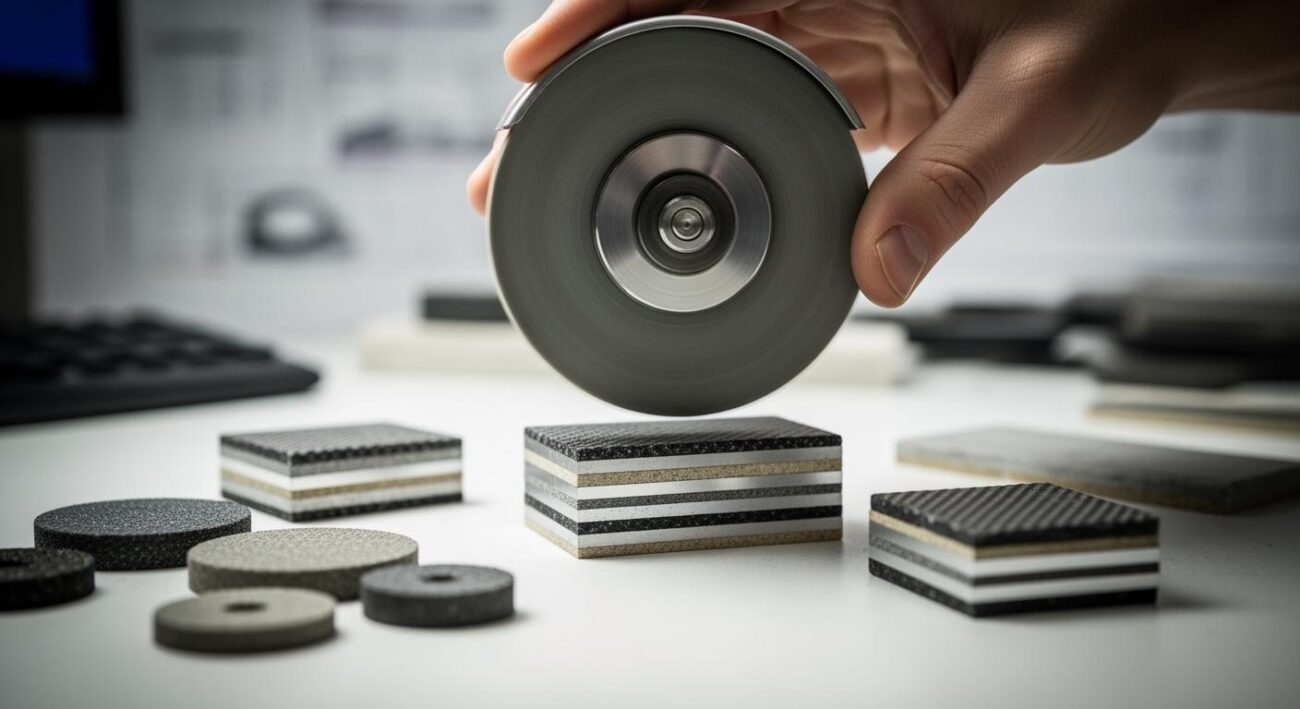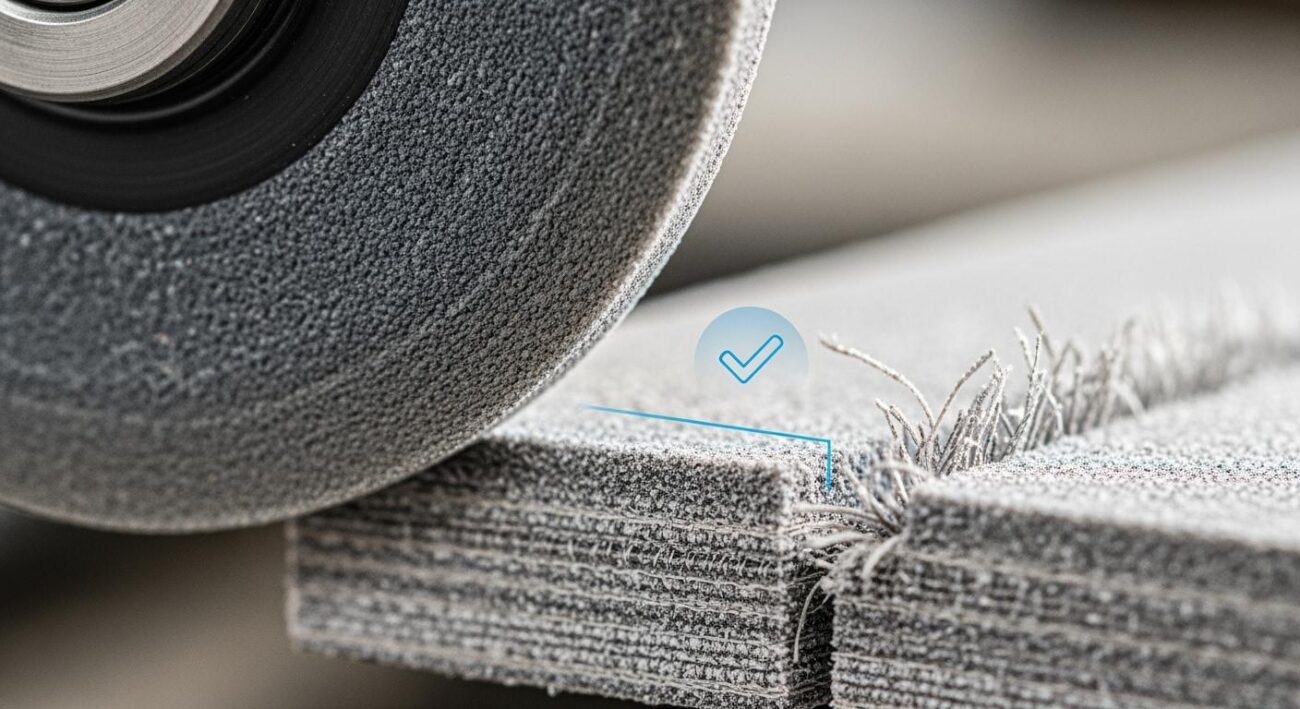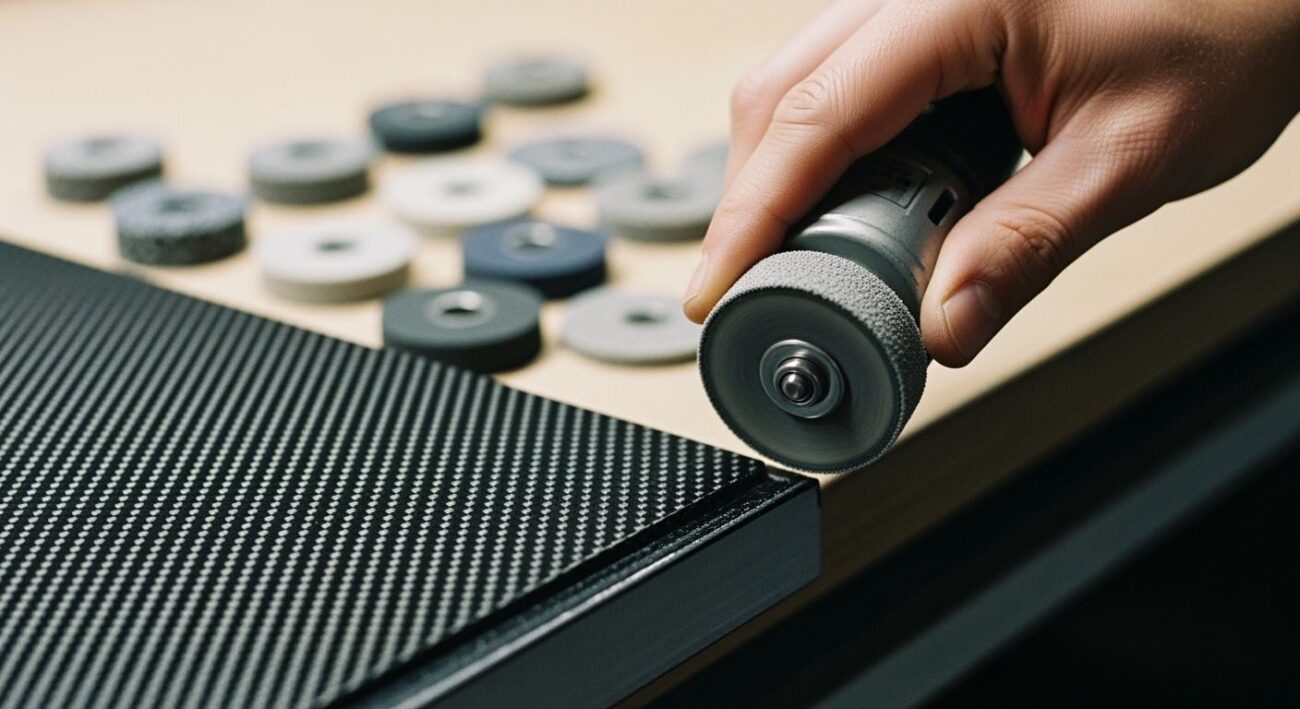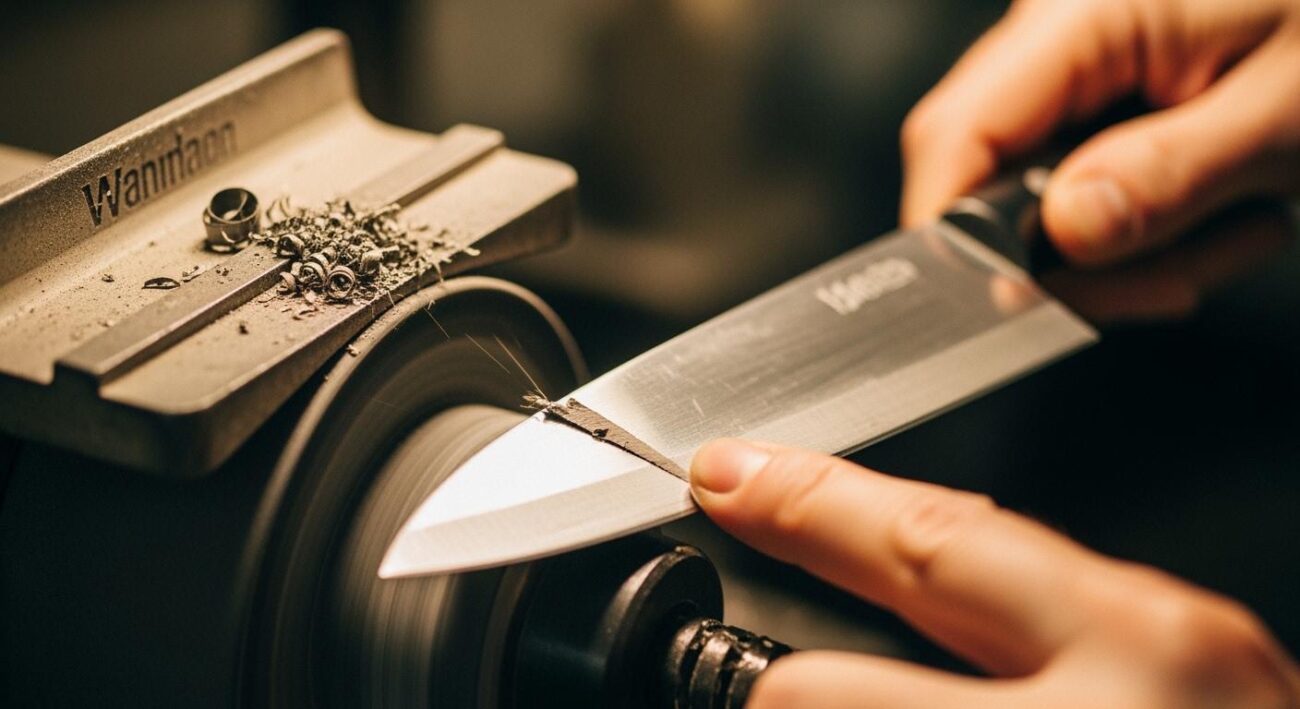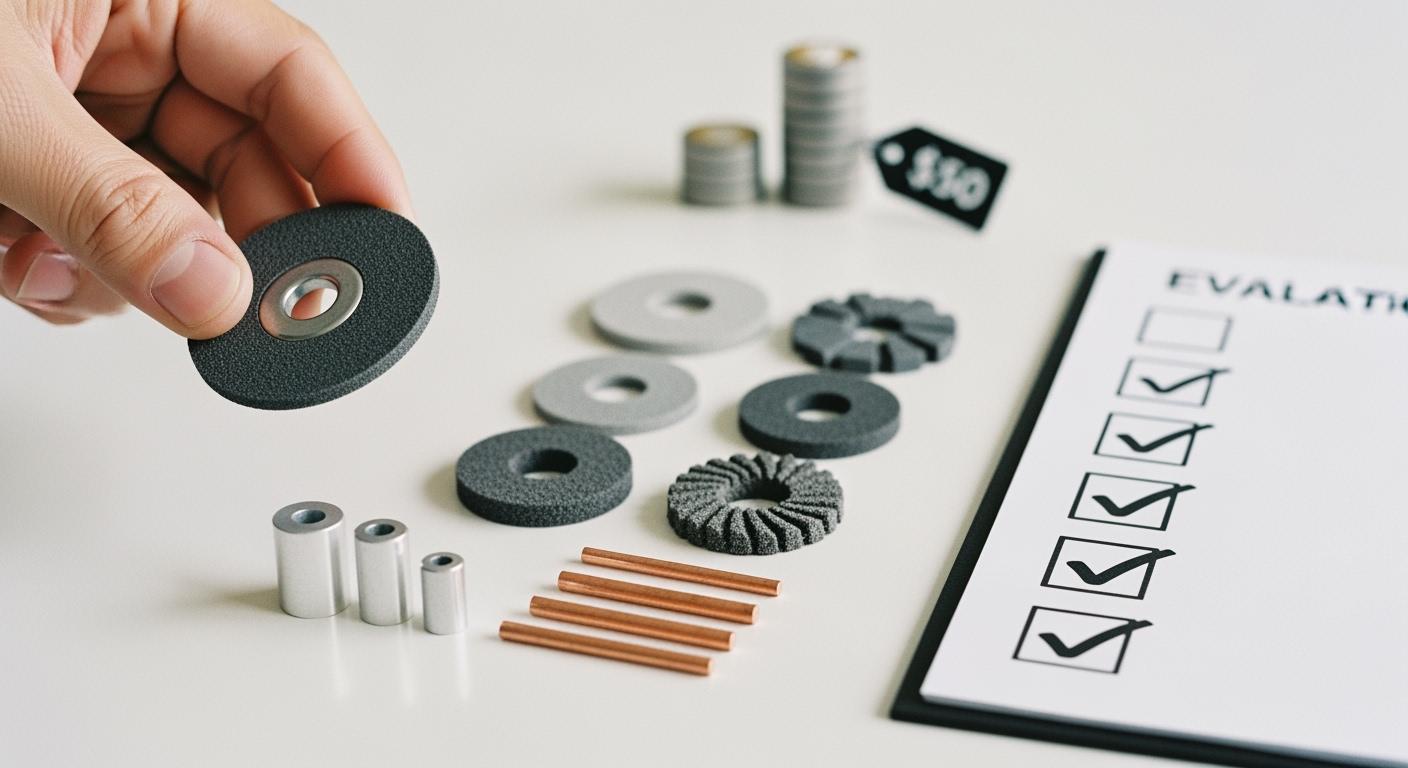
You often find that economical grinding wheels for non-ferrous metals include silicon carbide and aluminum oxide. These options cut costs while delivering solid performance. In some cases, Aimgrind diamond grinding wheels give you even more value over time, especially if you need high precision. Each grinding wheel works best when you match it to the metal and the job. You can improve performance and save money by choosing the right wheel. Aimgrind helps you get the most out of your grinding with custom solutions.
Key Takeaways
- Choose silicon carbide wheels for non-ferrous metals like aluminum and brass. They resist clogging and provide efficient cutting.
- Match the grit size to your project needs. Use medium grit (60-80) for general tasks and fine grit for smoother finishes.
- Select the right bond type for your application. Resin bonds work well for durability, while rubber bonds offer smoother cuts.
- Consider wheel thickness based on your cutting tasks. Thinner wheels provide precision, while thicker wheels offer durability for heavy-duty jobs.
- Utilize Aimgrind’s custom solutions for tailored grinding wheels. This ensures optimal performance and cost-effectiveness for your specific needs.
Understanding Grinding Wheels for Non-Ferrous Metals
Grinding Wheel Basics
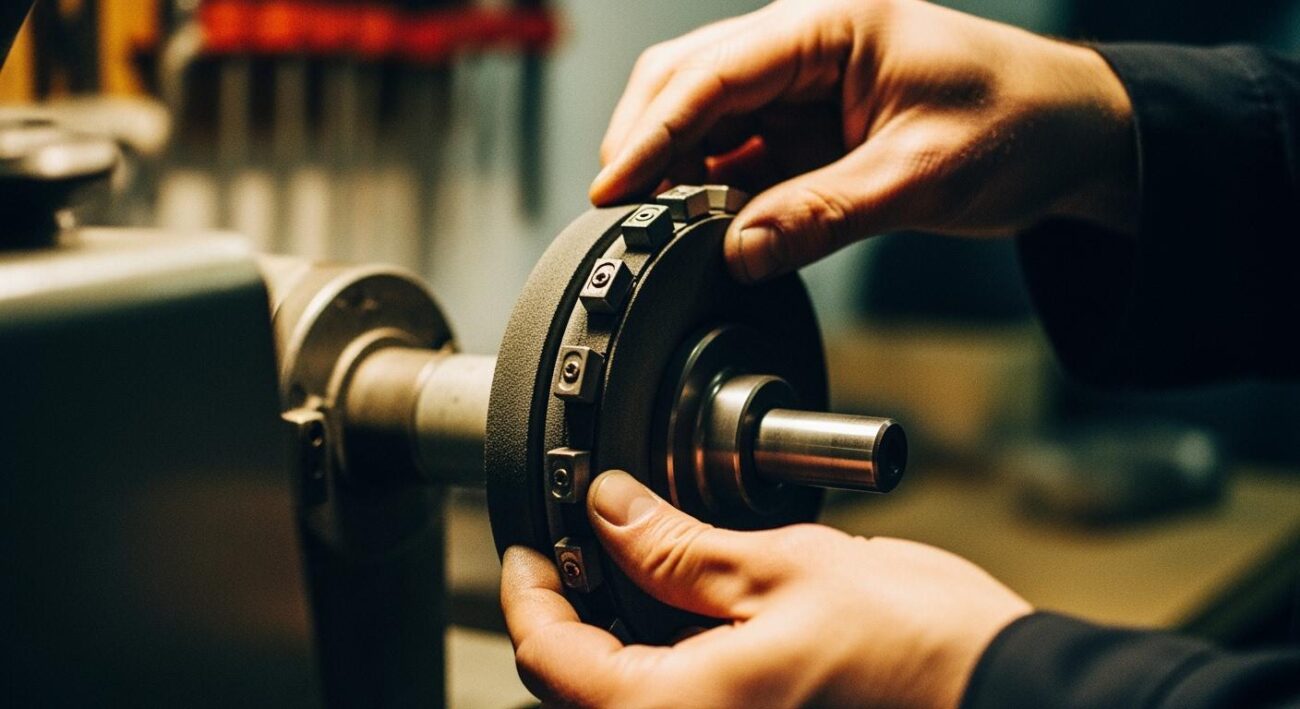
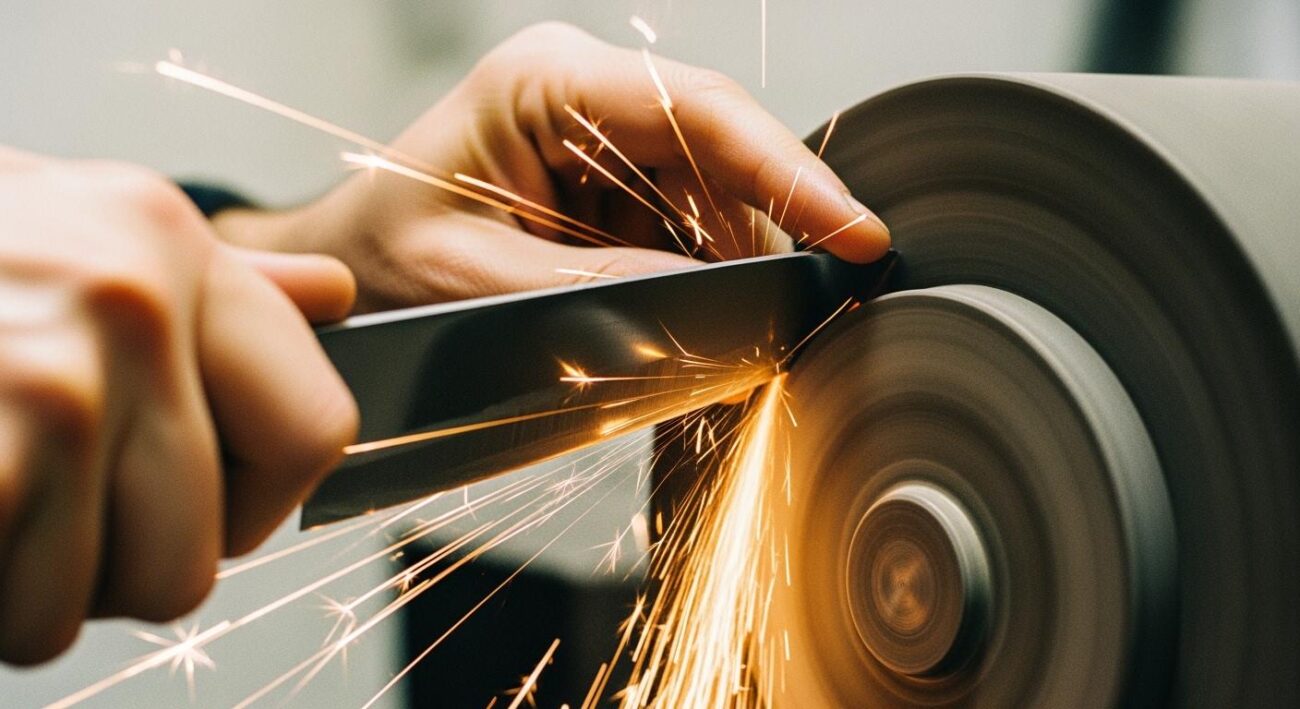
You use a grinding wheel to shape, smooth, or finish metal parts. Each wheel has a mix of abrasive grains, a bonding material, and a certain structure. The grains do the cutting, while the bond holds everything together. When you choose a grinding wheel, you look at its hardness, grit size, and bond type. These features affect how well the wheel removes material and how smooth the surface becomes.
For non-ferrous materials, you need a wheel that stays sharp and does not clog. The table below shows how grinding wheels for non-ferrous metals differ from those for ferrous metals:
| Specification | Recommended for Non-Ferrous Metals | Reasoning |
|---|---|---|
| Wheel Hardness | Soft to Medium | Allows self-sharpening action; prevents loading and overheating |
| Structure | Open (Structure 8–12) | Improves chip clearance and reduces clogging |
| Bond Type | Rubber or Shellac | Softer bonds reduce heat and improve finish |
| Grain Size | Medium (60–80 grit) | Balances material removal and surface finish |
| Abrasive Type | Silicon Carbide | Sharp, hard abrasive ideal for soft, non-ferrous materials |
Why Non-Ferrous Metals Need Special Wheels
You face unique challenges when grinding non-ferrous metals. These metals, like aluminum or copper, tend to clog regular wheels. Special wheels help you avoid this problem. They resist loading, manage heat, and give you a better finish. The table below highlights the benefits of using the right grinding wheel for these tasks:
| Feature | Benefit |
|---|---|
| Resist loading | Prevents wheel clogging, ensuring consistent cutting performance |
| Manage heat | Minimizes heat generation to avoid warping or damage to the workpiece |
| Enhance surface finish | Delivers smoother finishes by maintaining sharp abrasive grains |
| Improve efficiency | Enables faster material removal rates without compromising tool life |
You get better results and save time when you use the right grinding wheel for non-ferrous metals. Newer wheels, like diamond grinding wheels, offer even more advantages. They last longer and work well for high-precision grinding. You can find these wheels in many industries, from electronics to medical devices.
Types of Economical Grinding Wheels and Cutting Wheels
Silicon Carbide and Aluminum Oxide Wheels
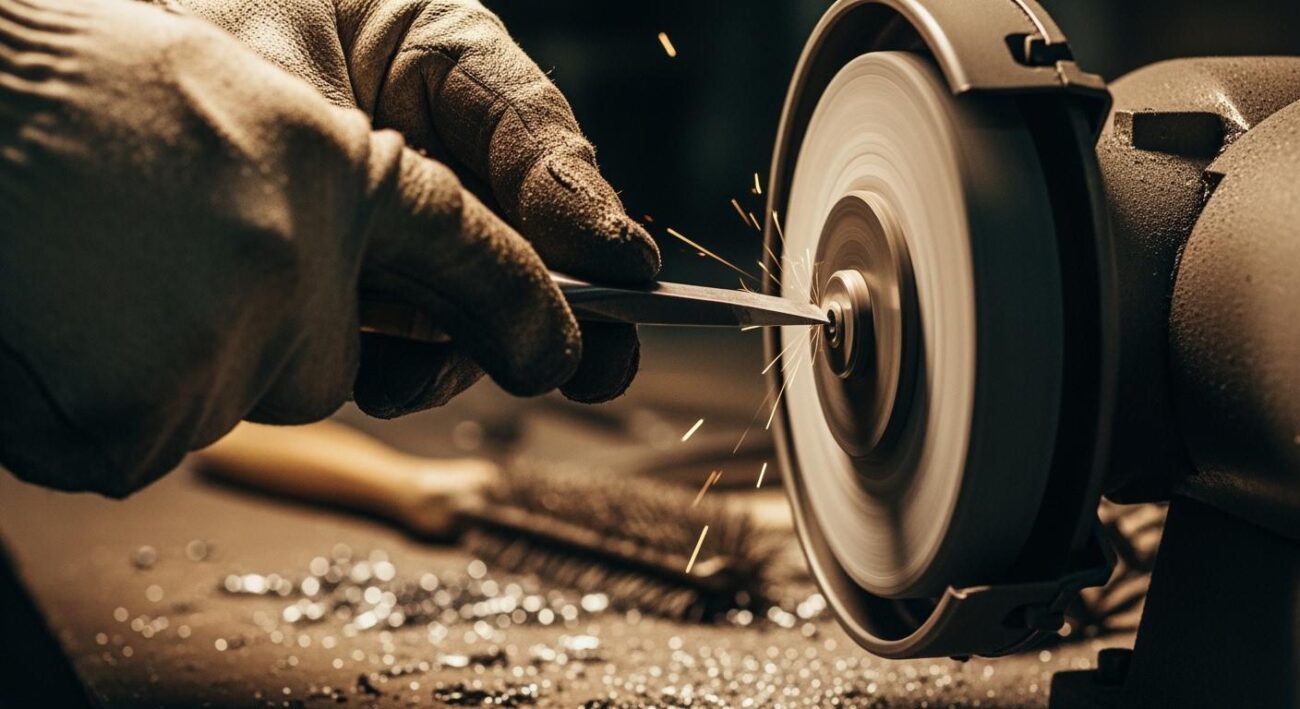
You often see silicon carbide and aluminum oxide as the main types for grinding and cutting non-ferrous metals. Silicon carbide wheels work best for non-ferrous materials like aluminum, brass, and titanium. You can use black silicon carbide for softer, ductile metals and green silicon carbide for hard, brittle materials. These wheels give you fast cutting and resist loading, which means less clogging during grinding.
- Silicon carbide wheels are great for:
- Grinding aluminum, brass, and copper
- Cutting softer non-ferrous metals
- Fast, efficient material removal
Aluminum oxide wheels are more common for steel and steel alloys. You may use them for some non-ferrous metals, but they do not match the performance of silicon carbide for these tasks.
When you look at cutting wheel materials, silicon carbide stands out for non-ferrous metals. It gives you sharp, clean cuts and helps you finish jobs quickly.
Aimgrind Diamond Grinding Wheels for Precision
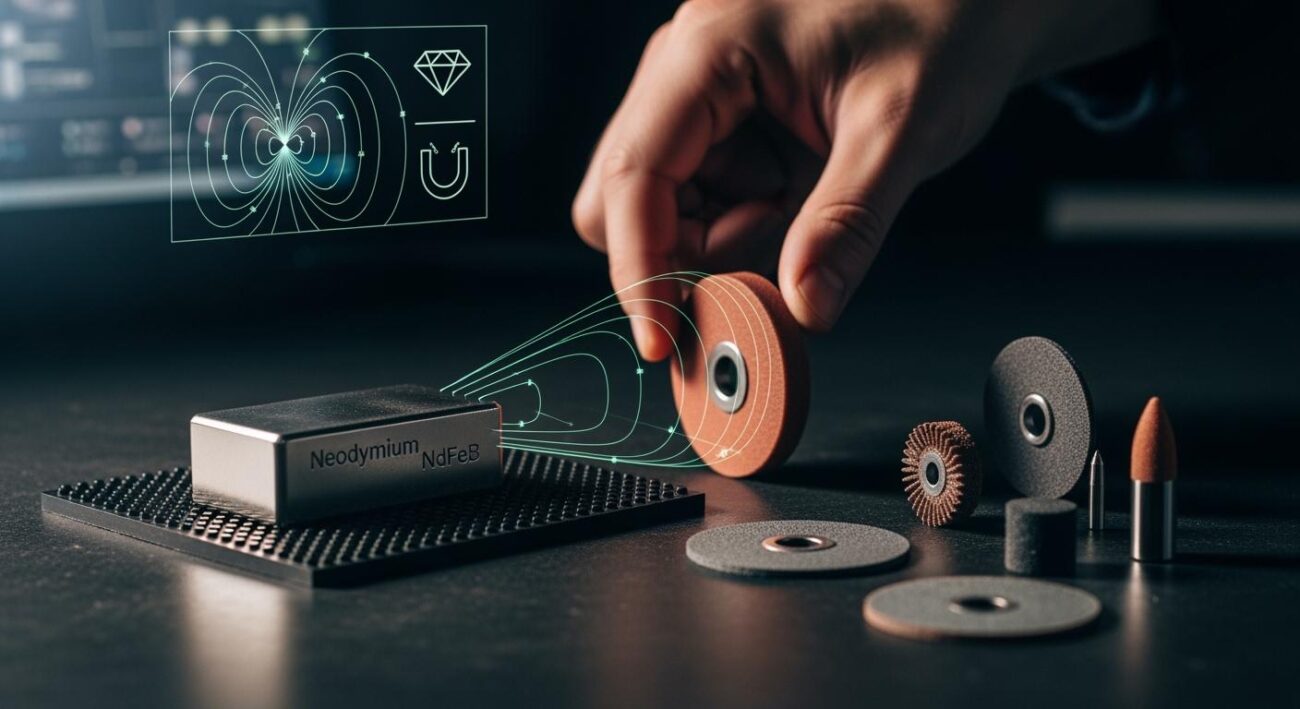
If you need high precision and long-lasting performance, you should consider Aimgrind diamond grinding wheels. These wheels use ultra-hard abrasives and advanced bonds. They work well for hard alloys, ceramics, and composites. You get stable dimensions and a smooth finish, even in high-speed or high-precision grinding.
| Feature | Description |
|---|---|
| Ultra-hard abrasive | Handles extreme materials and boosts grinding capability |
| Long service life | Lasts up to 80 times longer than resin wheels |
| High grinding efficiency | Removes material quickly and with precision |
| Stable dimensions | Keeps size and shape for precision work |
| Eco-friendly | Produces less dust, odor, and heat during grinding |
| High-speed use | Perfect for precision cutting in many industries |
Aimgrind offers diamond grinding wheels in many types and sizes. You can choose resin, metal, or vitrified bonds to match your grinding needs. Aimgrind also provides custom solutions for your equipment and process.
Choosing the Right Cutting Wheel
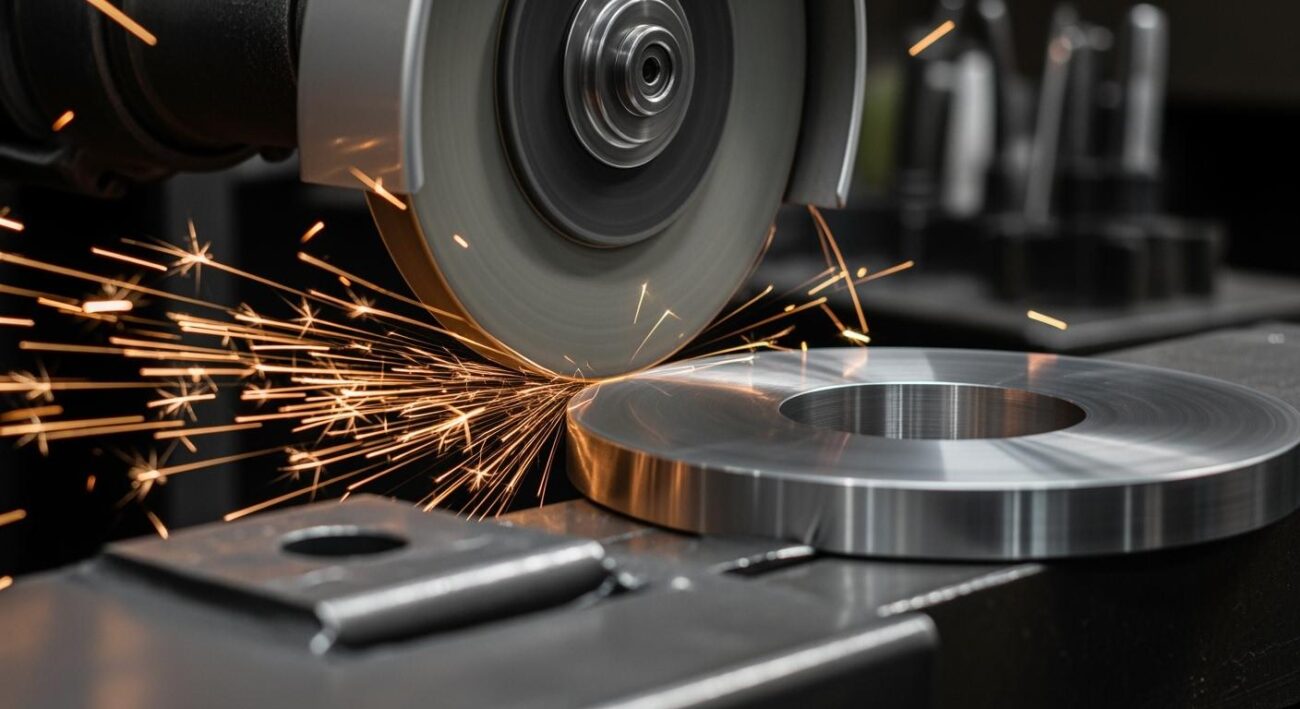
Choosing the right cutting wheel helps you save money and get better results. For non-ferrous metals, you should pick silicon carbide cutting wheels. These wheels cut fast and stay sharp. You can also look for resin-bonded cutting wheels with fine grit for smoother finishes. Some cutting wheel types have special coatings or lubricants to prevent loading and improve performance.
- Tips for choosing the right cutting wheel:
- Select silicon carbide for non-ferrous metals
- Use resin-bonded wheels with fine grit (46-60)
- Try wax or lubricant-coated wheels for tough jobs
- Match the cutting wheel materials to your project
The use of eco-friendly grinding wheels and fluids can help reduce dust, odor, and heat, making your workspace safer and cleaner.
Aimgrind supports you with a wide range of grinding wheel and cutting wheel types. You can ask for custom designs to fit your exact needs. This way, you get the best balance of cost, precision, and durability for every grinding and cutting job.
Key Factors for Selecting Economical Grinding Wheels
Wheel Thickness and Durability
You need to think about wheel thickness when you plan your cutting or grinding project. Thinner wheels give you precise cutting and help you control costs. Thicker wheels offer more durability and last longer during heavy-duty cutting. If you want to save on costs, match the wheel thickness to your job. For example, use thin wheels for fine, detailed cutting and thick wheels for tough, repeated cutting tasks. Durability matters because it affects how often you replace wheels and how much downtime you face. Always check the manufacturer’s safety guidelines before using any grinding wheels.
Tip: Choose the right thickness for your cutting wheel to balance precision, durability, and costs.
Grit Size and Surface Finish
Grit size affects both the quality of your finish and the speed of material removal. A medium grit works well for most cutting and grinding jobs. Fine grit gives you a smoother finish, while coarse grit removes material faster. The table below shows how different wheels perform in terms of surface quality and durability:
| Grinding Wheel Type | Passes | Ra Values Recorded | Observations |
|---|---|---|---|
| Green Silicon Carbide Wheel | 2-36 | 18 | Consistent low surface roughness, superior cutting action, stable Ra values until pass 36. |
| Aluminium Oxide Wheel | 2-22 | 11 | Gradual increase in Ra values, significant wear after 22 passes, requires more frequent maintenance. |
You get better quality and longer durability with the right grit size. Always match the grit to your cutting needs and the finish you want.
Bond Types and Application Fit
The bond type in your grinding wheel affects performance, durability, and costs. Each bond works best for certain cutting and grinding applications. The table below helps you see which bond fits your needs:
| Bond Type | Key Properties Impacting Performance | Suitable Applications |
|---|---|---|
| Vitrified | Hardness, Thermal Conductivity, Dimensional Accuracy | Precision grinding of hard materials |
| Resinoid | Toughness, Stock Removal Rate, Surface Finish | Snagging tough castings, rapid material removal |
| Rubber | Flexibility, Surface Finish | Fine finishes on softer materials |
| Metal | High tensile strength, Dimensional Accuracy | Extreme precision applications with superabrasives |
| Shellac | Flexibility, Surface Finish | Specialized fine grinding |
You should always match the bond type to your project. For example, use vitrified bonds for high-precision cutting and resinoid bonds for fast material removal. Here are some practical tips for wheel selection:
- Use wheels designed for the specific metal you are cutting to improve quality and durability.
- Pick thinner wheels for precision cutting and thicker wheels for jobs that need more durability.
- Choose the right grit size for your material and the finish you want. Medium grit is a good choice for general cutting.
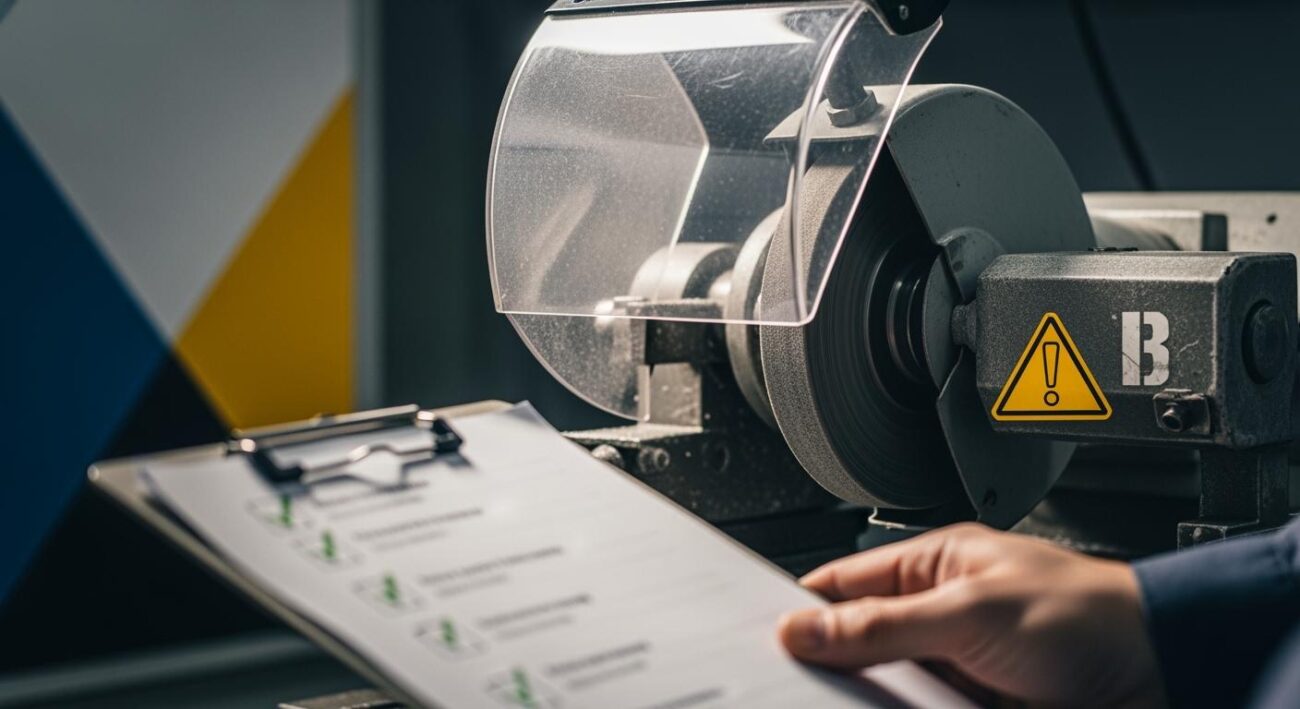
Note: Always follow the manufacturer’s safety guidelines to protect yourself and maintain wheel quality.
You can improve performance, control costs, and get the best quality by focusing on thickness, grit, and bond type during grinding wheel selection. This approach helps you achieve the right balance of durability, material removal, and cutting quality for your grinding applications.
Step-by-Step Guide to Choosing the Right Grinding Wheel
Assess Your Equipment and Metal Type
You start by checking your equipment and the metal you want to process. This step helps you avoid mistakes and ensures you get the best grinding results. Follow these steps to assess compatibility:
- Confirm that the grinding wheel fits your CNC grinder or other machine.
- Check that your machine’s RPM stays below the wheel’s maximum rating.
- Make sure the wheel’s arbor hole matches your spindle exactly.
You also need to identify the type of non-ferrous metal. Aluminum, copper, and brass each require different grinding wheels. Soft metals like aluminum clog easily, so you need wheels with open structure and good chip clearance. Harder alloys may need wheels with tougher bonds. You avoid rapid loading and uneven wear by matching the wheel to the metal.
Tip: Always check your machine’s manual and the wheel’s specifications before starting any cutting or grinding job.
Match Wheel Material to Application
You must choose the right wheel for your cutting and grinding application. The table below shows how different wheel types fit various non-ferrous metals:
| Grinding Wheel Type | Characteristics | Suitability for Non-Ferrous Metals |
|---|---|---|
| Open Structure | Better chip clearance and coolant penetration | Ideal for soft, gummy metals like aluminum |
| Rubber Bonds | Elastic, smoother cut, less heat transfer | Preferred for precision finishing |
| Shellac Bonds | Softer structure, excellent for fine finishes | Suitable for soft metals |
| Vitrified Bonds | Rigid, heat-resistant, prone to loading | Generally too hard for non-ferrous applications |
You select a medium grit size, usually between 60 and 80, for most non-ferrous metals. This grit size gives you efficient stock removal and a good surface finish. If you use a cutting wheel with too fine a grit, you risk rapid loading. If you use a coarse grit, you may damage the metal surface.
When you choose the right wheel, you consider not only material removal but also precision, safety, and consistency. The wheel’s composition, bond type, and grit size all affect grinding outcomes and extend your equipment’s life.
Note: Avoid generic wheels and always use wheels designed for non-ferrous metals to maintain quality and performance.
Balance Cost, Precision, and Longevity
You need to balance cost, precision, and longevity when selecting a grinding wheel. Follow these steps to make the best choice:
- Identify the material you want to grind. Hardness and type matter for wheel selection.
- Decide on the grinding operation. Surface grinding and cylindrical grinding need different wheels.
- Choose wheel specifications. Focus on grit size, grade, abrasive type, and wheel shape.
- Check machine compatibility. Make sure the wheel fits your machine’s power and size requirements.
- Evaluate bond type. Resin, vitrified, and ceramic bonds affect performance and wheel life.
- Consider safety and quality. Use wheels that meet safety standards and come from trusted brands.
- Consult experts. Ask for advice to get tailored recommendations.
- Test and evaluate. Run trial jobs before buying in bulk.
You avoid common mistakes by matching the abrasive to the metal, choosing the right wheel for the task, and using advanced bonds to manage heat. You get better cutting performance and longer tool life by following these steps.
Tip: Testing and expert advice help you achieve the best balance between cost and precision for your grinding and cutting jobs.
Aimgrind’s Custom Solutions
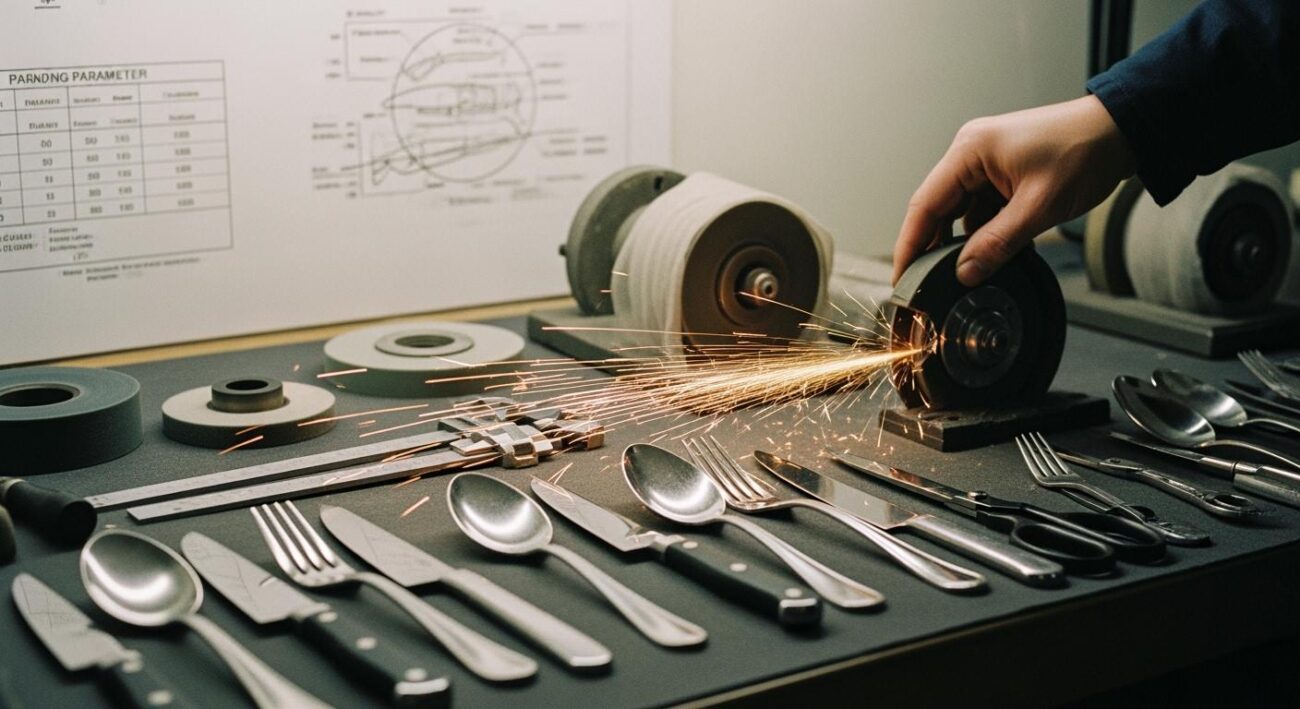
Aimgrind gives you custom grinding wheel solutions for non-ferrous metal processing. You can request wheels designed for your equipment and your specific cutting needs. Aimgrind offers worm grinding wheels, silicon carbide grinding wheels, and SG grinding wheels. Each product delivers high precision, smooth finishes, and long service life.
| Product Type | Key Features | Benefits |
|---|---|---|
| Worm Grinding Wheels | Precision-formed abrasive profiles, excellent form retention, minimal vibration | Exceptional accuracy, smooth surface finishes, long service life |
| Silicon Carbide Grinding Wheels | Ultra-sharp abrasive grains, excellent heat conductivity | High productivity, burn-free grinding performance, outstanding surface finish |
| SG Grinding Wheel | Extremely durable, high removal rate, precise control | 5–10x longer life, superior cutting efficiency, consistent surface finish |
You get support from Aimgrind’s experts who help you choose the right wheel for your project. You can optimize your grinding and cutting wheel selection for quality, performance, and cost-effectiveness. Aimgrind’s custom solutions help you achieve the best results in precision grinding and cutting.
Callout: Aimgrind’s team works with you to diagnose problems, match parameters, and optimize samples. You get wheels that fit your equipment and your process perfectly.
You improve productivity and quality by using Aimgrind’s custom grinding wheels. You achieve reliable performance and consistent precision in every cutting job.
You can select economical grinding wheels for non-ferrous metals by following these steps:
- Identify the material you need for cutting.
- Choose the right abrasive type for cutting aluminum or brass.
- Match grit size to your cutting needs.
- Pick the best bond type for cutting tasks.
- Check wheel thickness for cutting precision.
- Assess your machine for cutting compatibility.
- Decide on coolant use for cutting jobs.
| Factor | Description |
|---|---|
| Abrasive Type | Silicon carbide works well for cutting aluminum and brass. |
| Grit Size | Fine grit gives smooth cutting finishes. |
| Bond Type | Organic bonds improve cutting durability. |
| Wheel Hardness | Soft wheels help with cutting tough materials. |
| Application | Match the wheel to your cutting task for best results. |
Ongoing evaluation of your cutting wheel performance leads to longer tool life, higher material removal rates, and less downtime. You can rely on Aimgrind’s custom solutions for cutting jobs. Regular maintenance and review of your cutting wheels help you save money and improve cutting quality.
FAQ
What grinding wheel works best for aluminum?
You should use a silicon carbide wheel for aluminum. This wheel stays sharp and resists clogging. It helps you get a smooth finish and saves time.
How do you choose the right grit size?
Pick medium grit, like 60 or 80, for most jobs. Fine grit gives you a smooth surface. Coarse grit removes material faster. Match grit to your project needs.
Can you use diamond grinding wheels for non-ferrous metals?
Yes, you can use diamond grinding wheels for hard alloys and precision tasks. These wheels last longer and help you achieve high accuracy.
Why does wheel thickness matter?
Wheel thickness affects cutting precision and durability. Thin wheels cut with accuracy. Thick wheels last longer during heavy work. Choose thickness based on your job.
Does Aimgrind offer custom grinding wheels?
Aimgrind offers custom grinding wheels. You can request wheels made for your equipment and materials. Aimgrind experts help you find the best solution.
Contact Us
For More Grinding Solution or Customized Abrasive Tools