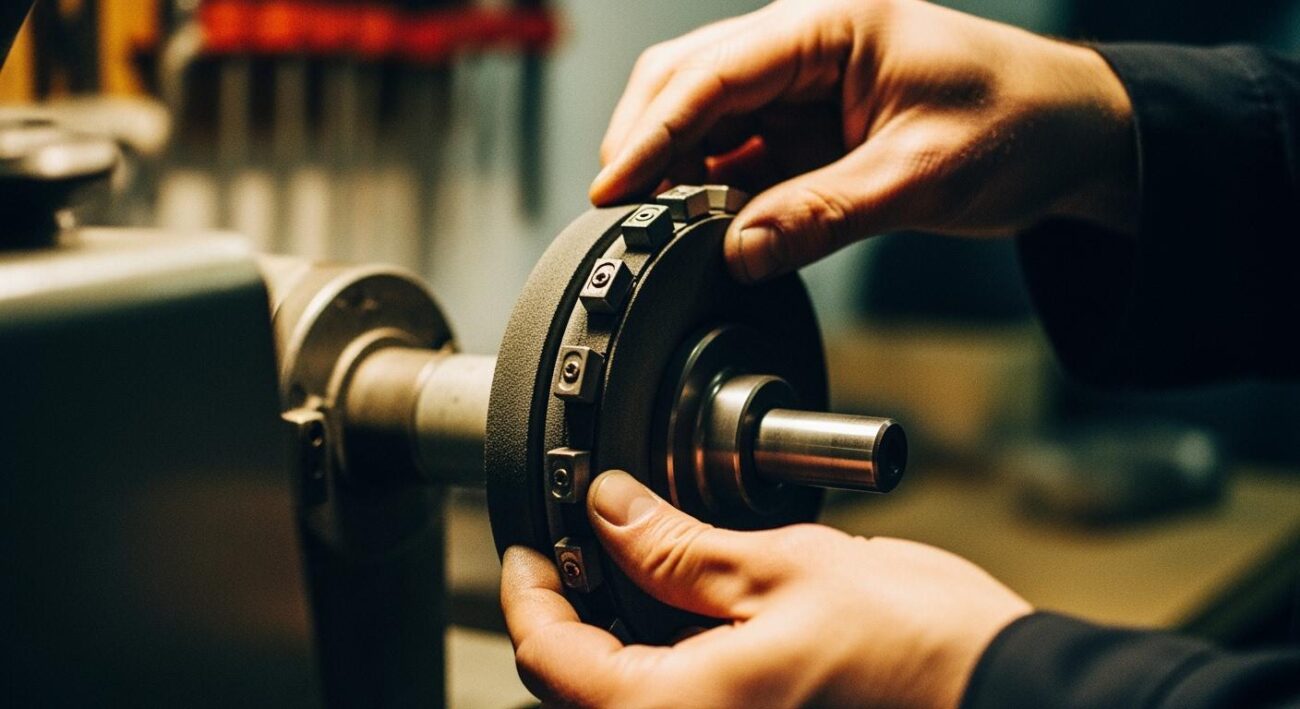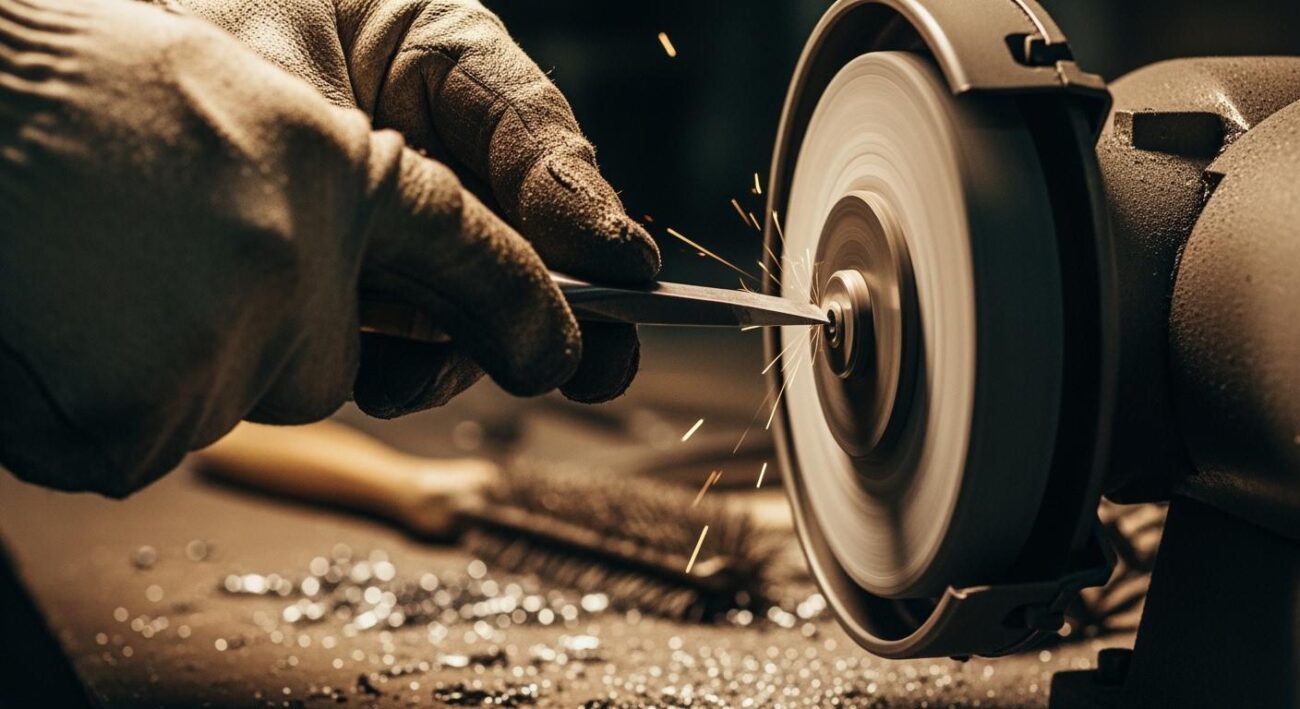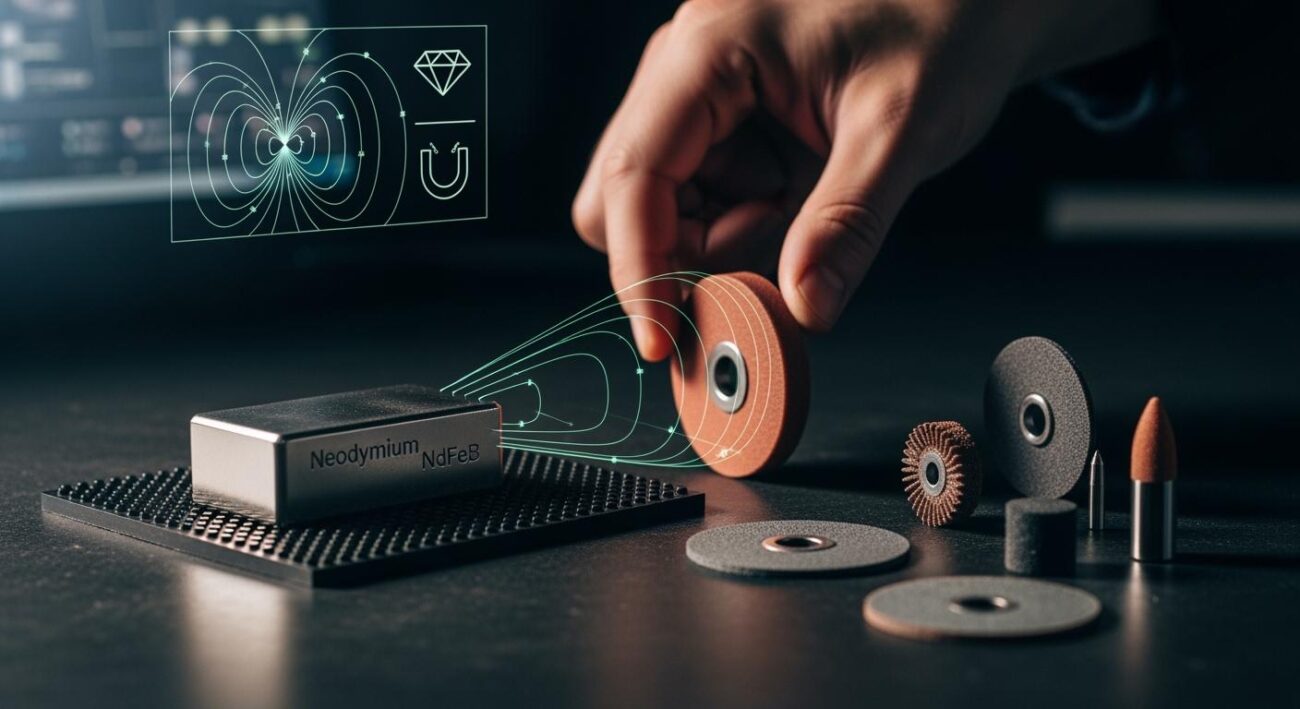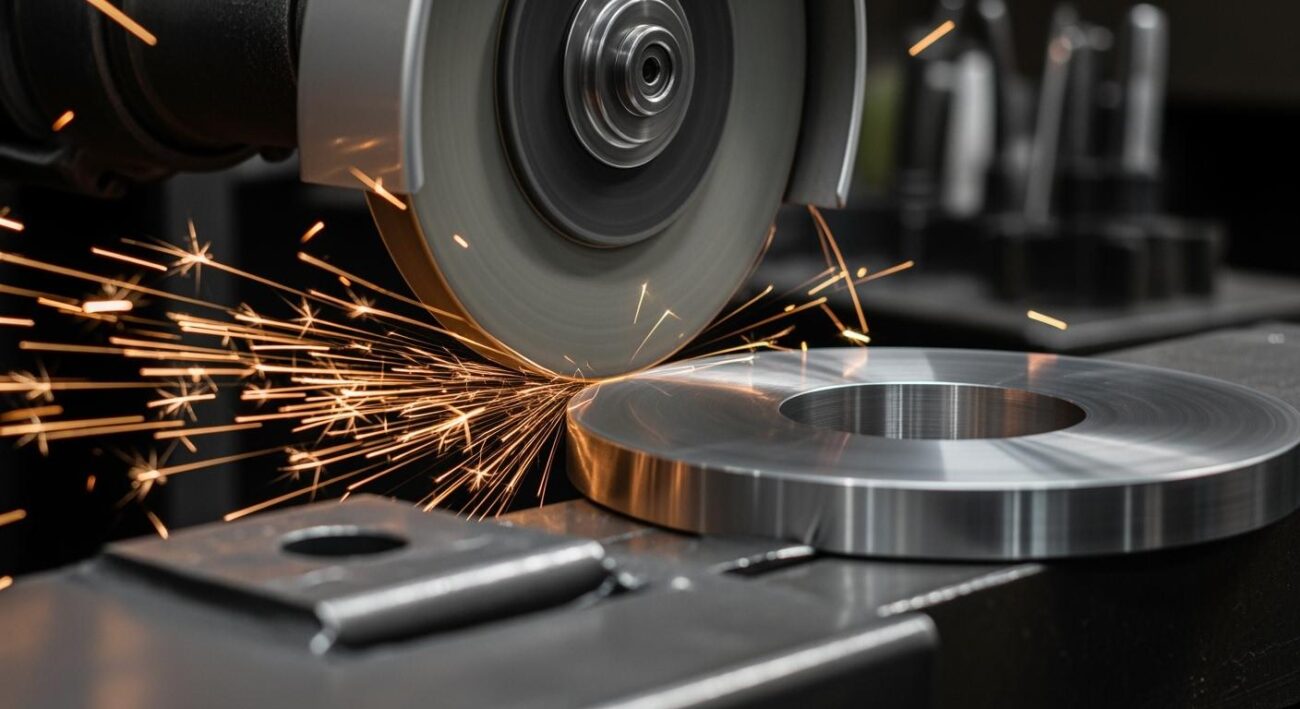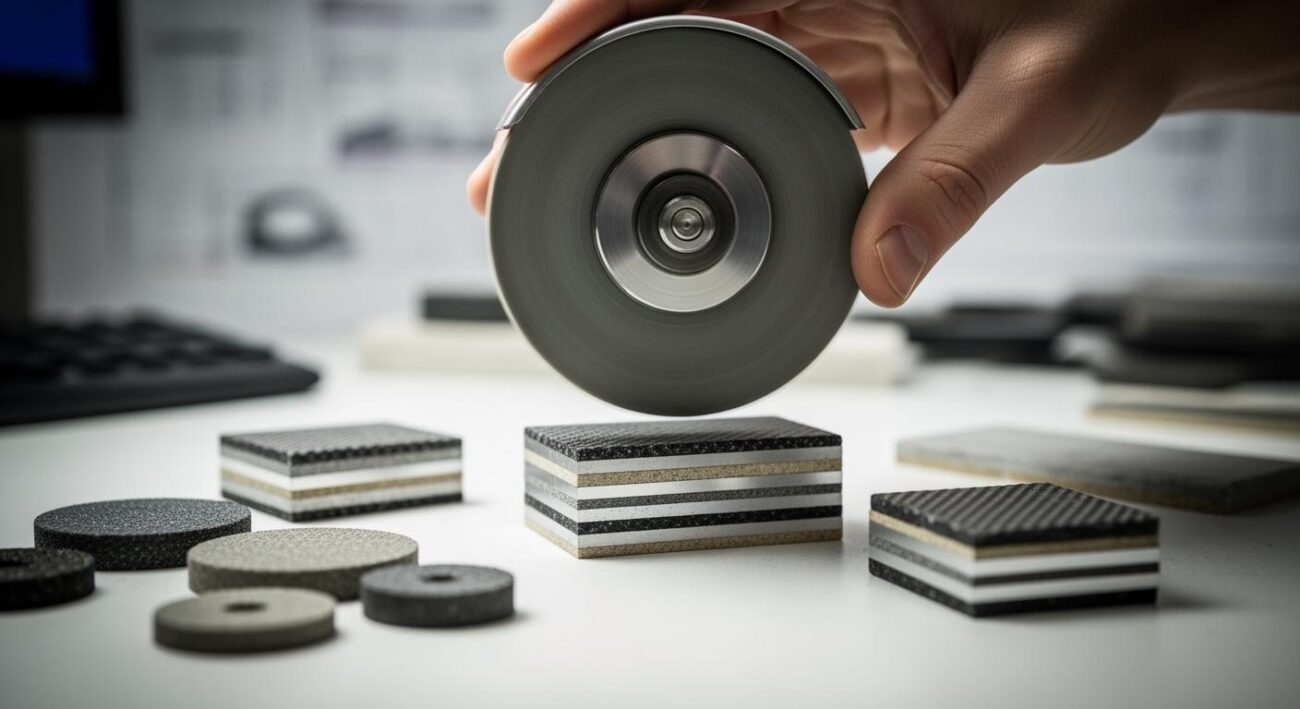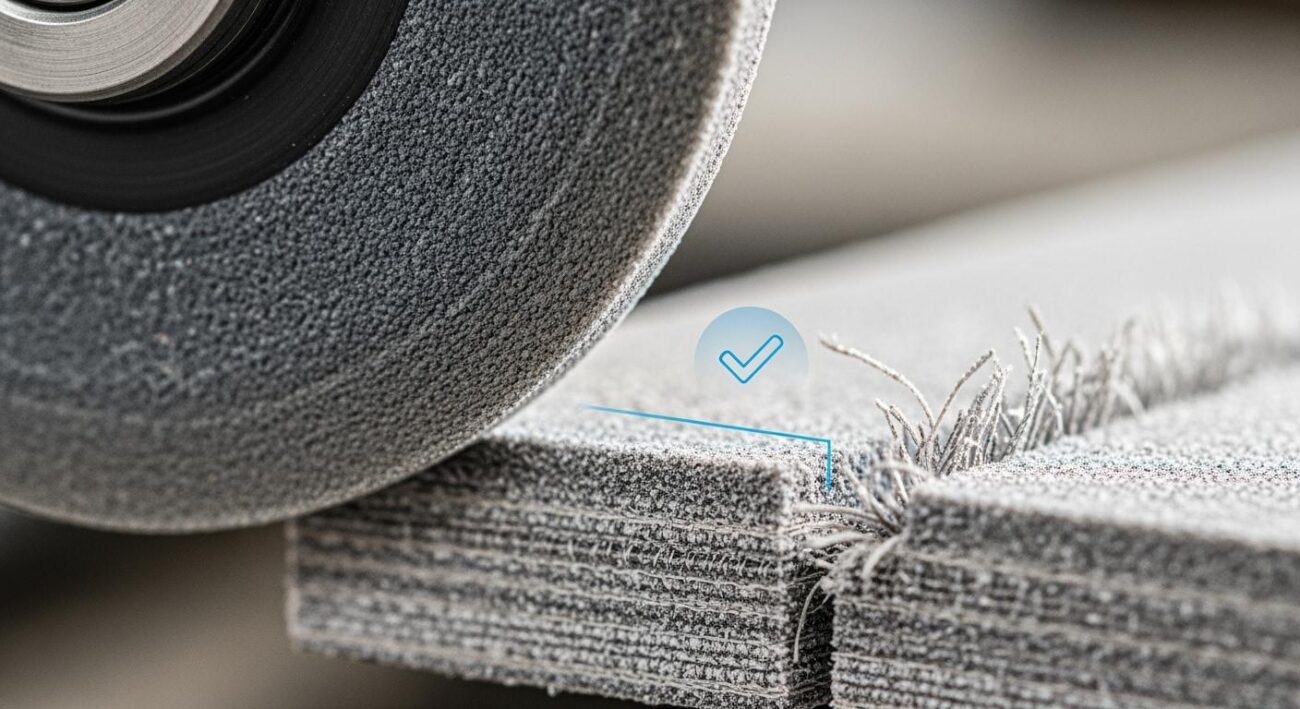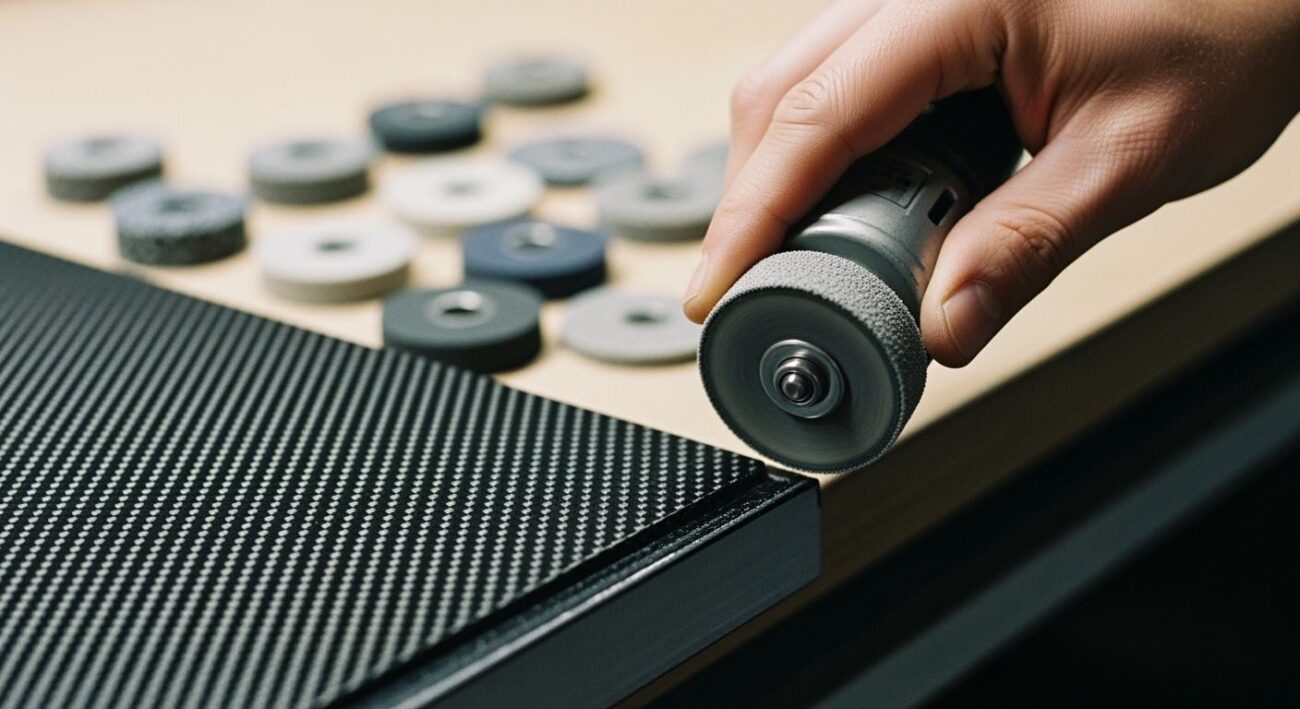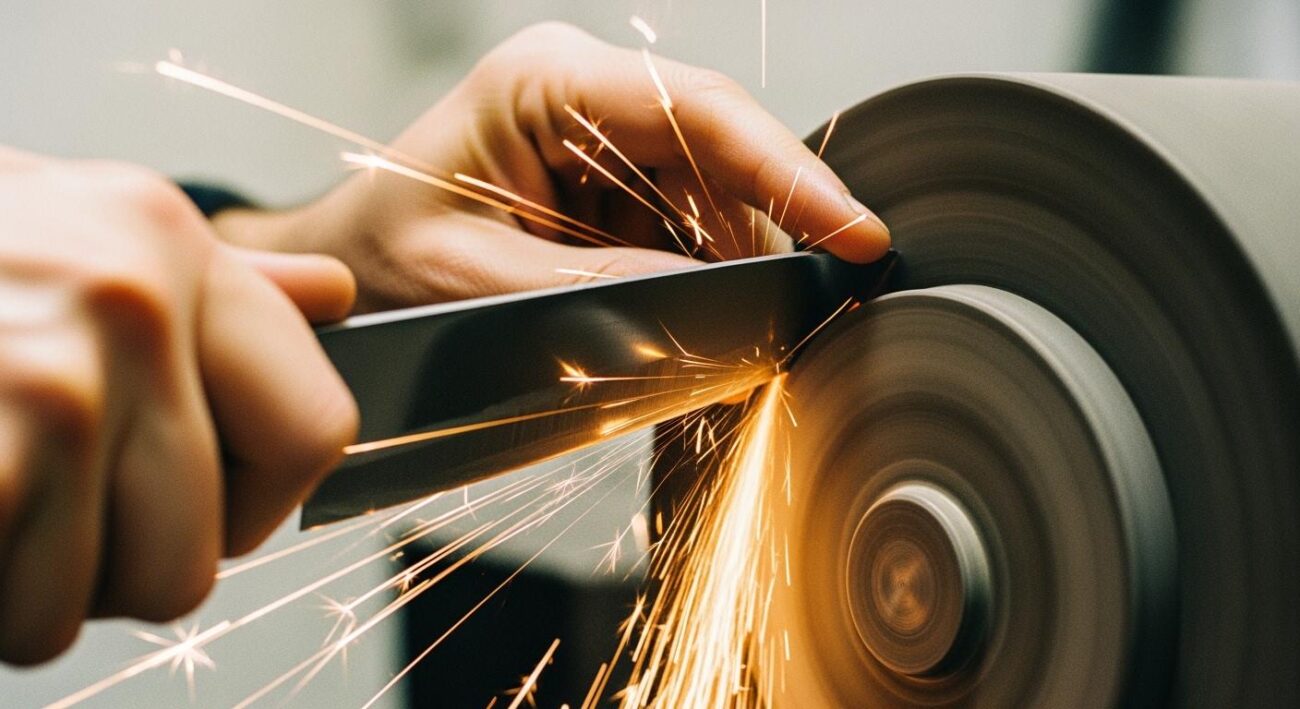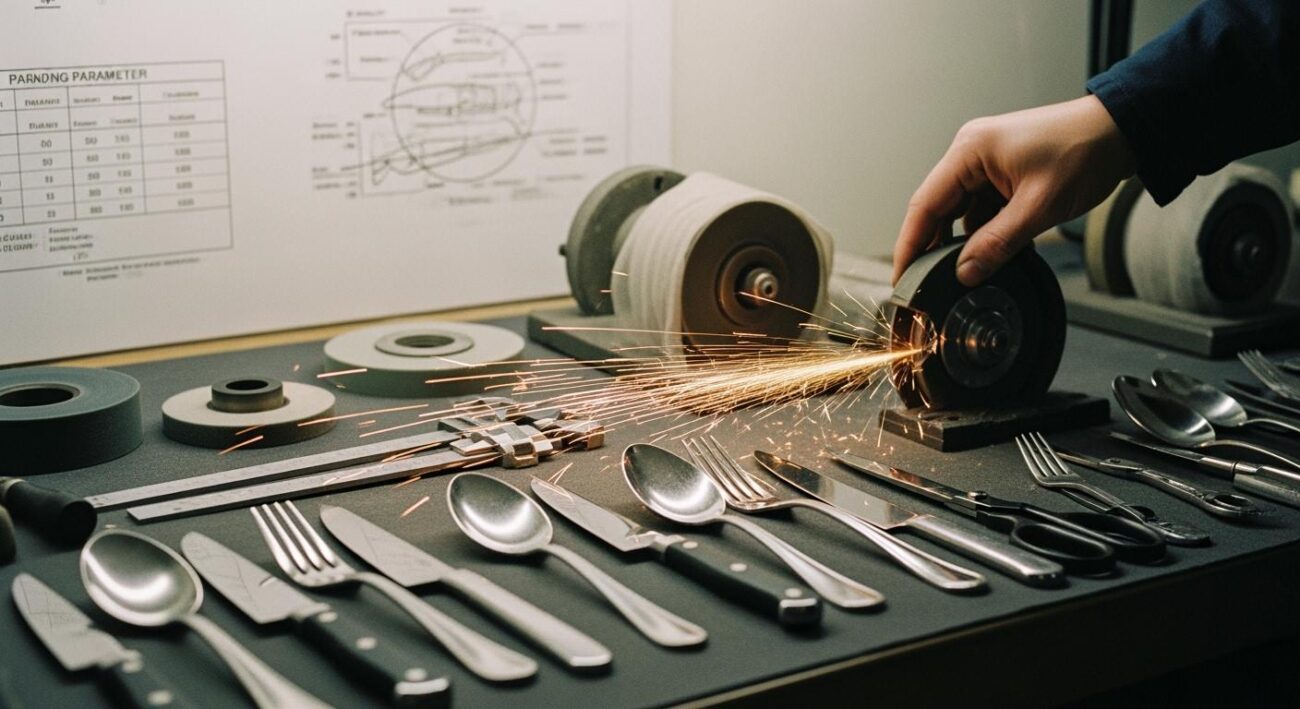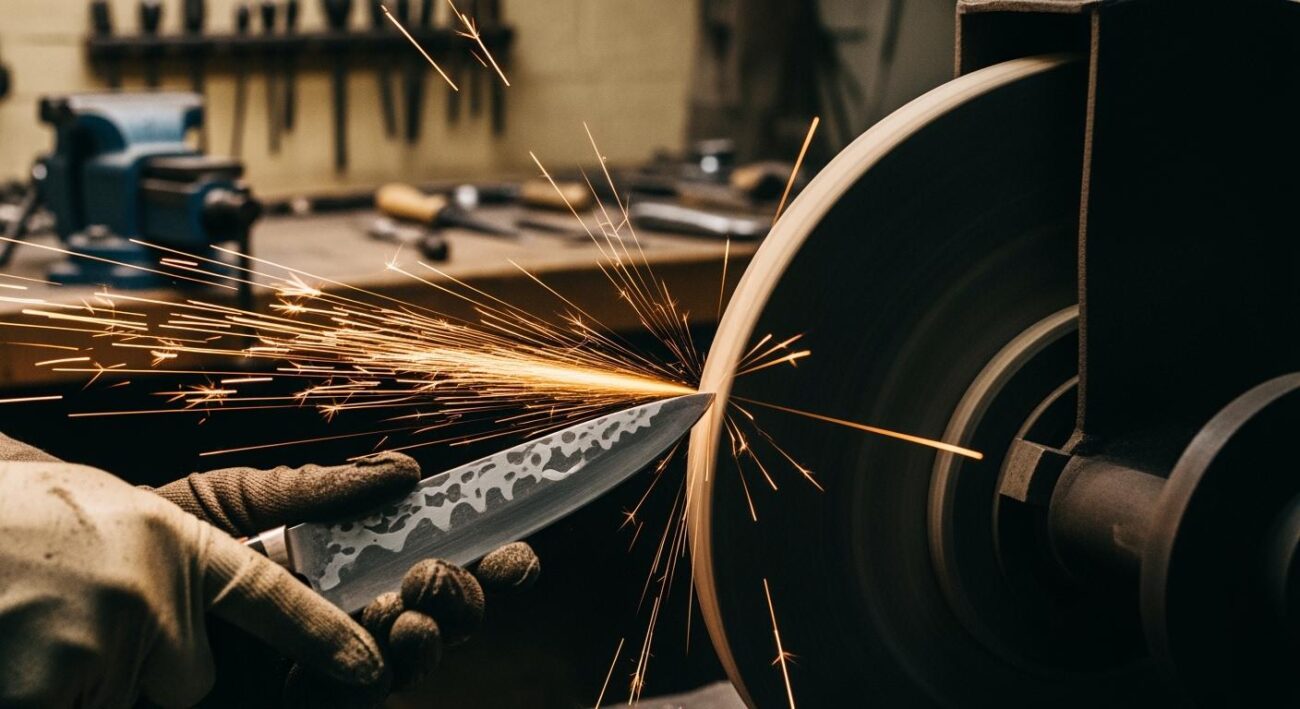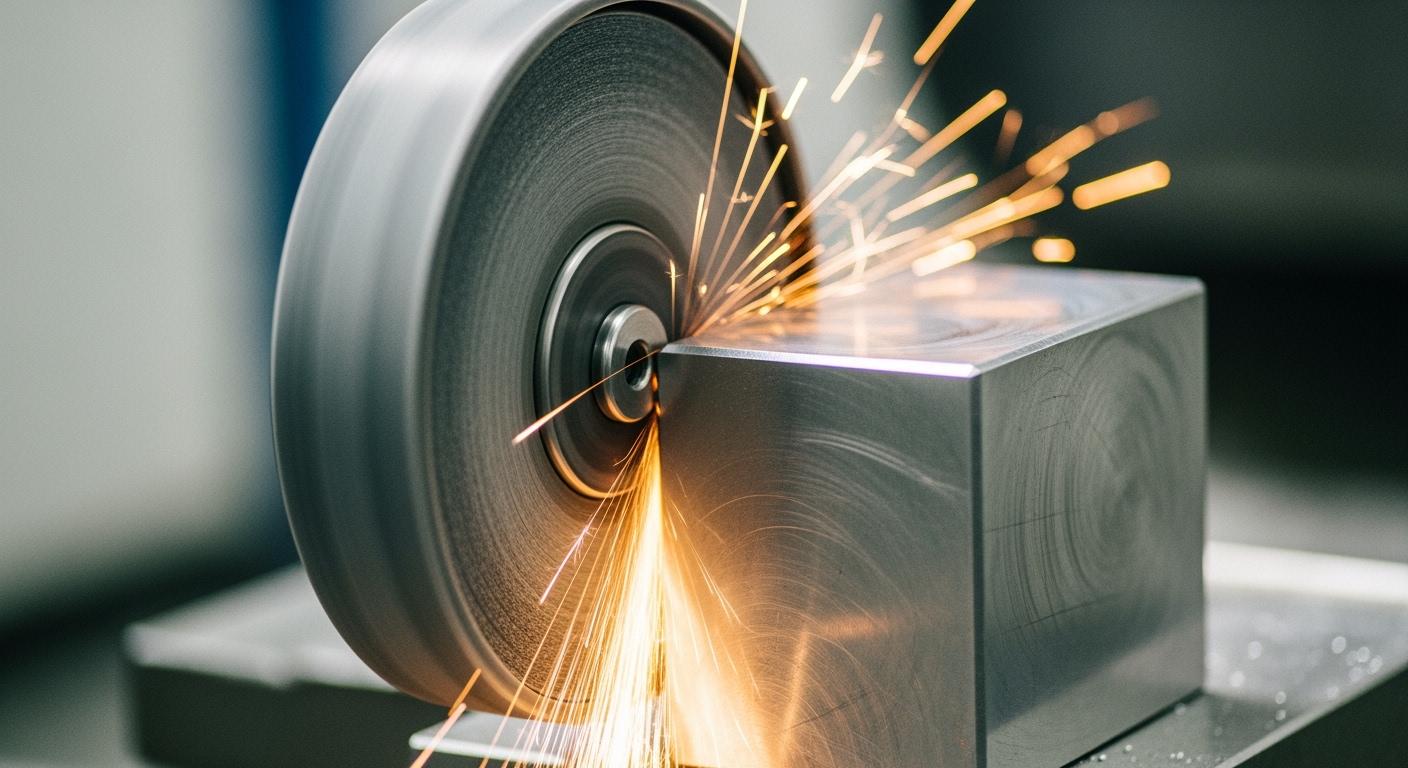
You need the right Grinding Wheel to work with titanium because this metal challenges even the most skilled operators. Aimgrind’s diamond grinding wheels stand out as the top choice for grinding titanium. You face common issues like bonding problems, thermal damage, and even cracking or deformation of your workpiece. The best wheels for titanium have small adhesion, resist wear, and keep grinding temperatures low. Choosing the right wheel helps you avoid clogging and keeps your results precise.
Key Takeaways
- Choose Aimgrind’s diamond grinding wheels for the best results with titanium. They last longer and reduce heat buildup.
- Select the right grit size for your grinding task. Start with coarse grits for heavy material removal and move to finer grits for a smooth finish.
- Use proper coolant systems to control heat during grinding. High-pressure coolant delivery can help prevent thermal damage.
- Always check your grinding wheel for cracks or damage before use. Regular inspections ensure safety and consistent performance.
- Avoid common mistakes like improper tool selection and coolant application errors. Following best practices leads to better results.
Titanium Grinding Wheel Types
Choosing the right titanium grinding wheel makes your job easier and safer. You want a wheel that matches the unique properties of titanium. Below, you will find the main types of wheels you can use for titanium alloys. Each type has its own strengths and best uses.
Diamond Grinding Wheels by Aimgrind
You get the best results for titanium with Aimgrind’s diamond grinding wheels. These wheels use a diamond abrasive layer that cuts through titanium alloys with high efficiency. You will notice less heat buildup and smoother finishes. Aimgrind offers diamond wheels in resin, metal, and vitrified bonds. You can choose the bond type that fits your grinding process. The wheels last up to 20 times longer than conventional wheels. This means you spend less time changing wheels and more time working. You can also request custom sizes and shapes to fit your equipment. Aimgrind’s service team helps you match the right wheel to your needs, so you always get the best performance.
Tip: For large-scale manufacturing, diamond wheels reduce your long-term costs because you replace them less often.
Metal Bond Grinding Wheels
Metal bond grinding wheels give you strong durability and shape retention. You can use these wheels for precision edge grinding on titanium. The metal bond holds the diamond or other abrasive grains tightly. This means you get consistent results, even with tough jobs. You will find these wheels useful when you need a sharp edge or a fine finish.
Resin Bond Grinding Wheels
Resin bond grinding wheels have high strength and elasticity. You can use them for high-speed grinding. They absorb shocks well, which helps when you work with tough materials. However, they do not handle heat as well as other wheels. For titanium, you may want to use resin bond wheels only for light grinding or finishing steps.
- High strength and elasticity
- Good impact resistance
- Not the best for heavy titanium grinding due to lower thermal stability
Silicon Carbide Wheels
Silicon carbide wheels work well for production grinding of titanium alloys. You get good grindability because silicon carbide is hard and chemically stable. These wheels cut titanium efficiently and help you achieve a clean surface. You should pay attention to cooling and grinding force. This helps you avoid tool wear and micro-cracks.
- Enhance grindability for titanium
- Effective for cutting and shaping
- Require careful cooling to protect the workpiece
Aluminum Oxide Wheels
You can use an aluminum oxide wheel for titanium if you want a cost-effective option. These wheels have a lower initial price, but you may need to replace them more often. They work best for general grinding and rough shaping. If you need a sharp corner or a fine finish, you may want to choose a different wheel.
Here is a quick comparison of the main wheel types for titanium:
| Type of Wheel | Features |
|---|---|
| Softer Wheel | Good if the wheel loads up during grinding. |
| Norton 46H | Removes stock well, but may not keep a sharp corner. |
| Silicon Carbide Wheel | Suggested for production work on titanium alloys. |
| Diamond Wheel | Lasts much longer, reduces long-term costs, and gives a fine finish. |
| Aluminum Oxide Wheel | Lower cost, but needs more frequent replacement. |
Note: You should always match the wheel type to your grinding needs and the properties of your titanium alloy.
Grinding Wheel Specifications for Titanium
Grit Size Selection
You need to choose the right grit size to get the best finish on titanium. Grit size tells you how coarse or fine the abrasive particles are on your grinding wheel. Coarse grits remove material quickly, while fine grits give you a smooth surface. You can follow this guide to pick the right grit for each stage:
| Grit Size (Microns) | Application Stage | Expected Result |
|---|---|---|
| 60 | Initial cutting | Remove major imperfections |
| 30 | Secondary cutting | Surface leveling |
| 15 | Pre-polish | Initial shine development |
| 6 | Fine polish | Enhanced luster |
| 1 | Final polish | Mirror finish |
| 0.5 | Ultra-fine finish | Maximum brilliance |
Start with a coarse grit if you need to remove a lot of material. Move to finer grits as you get closer to your final finish. This step-by-step approach helps you avoid scratches and keeps your titanium looking its best.
Wheel Hardness and Bond Types
You should pay attention to wheel hardness and bond type when working with titanium. Hard wheels last longer, but they can cause more heat. Softer wheels wear faster, but they help keep temperatures low. For titanium, you want a balance. Resin bonds work well for fast grinding and shock absorption. Metal bonds give you better shape retention and durability. Vitrified bonds offer high precision and cool grinding. Aimgrind offers all these bond types, so you can match the wheel to your job.
Tip: If you notice your wheel loading up or burning the workpiece, switch to a softer bond or a coarser grit.
Wheel Shape and Size
You need to pick the right shape and size for your grinding job. Straight wheels work for flat surfaces. Cup wheels help you grind edges or contours. Large wheels cover more area and speed up big jobs. Small wheels give you control for detailed work. Aimgrind can customize wheel shapes and sizes to fit your machine and your process. This ensures you get the best results every time.
Why These Wheels Work for Grinding Titanium
Performance and Efficiency
You want your grinding process to be fast and smooth. The right grinding wheel helps you remove titanium quickly and with less effort. Studies show that diamond wheels, especially those with resin bonds, improve the grindability of titanium alloys. For example, researchers found that using cryogenic treatment with resin-bonded diamond wheels made titanium easier to grind. You get better surface quality, lower cutting forces, and a finer finish. Different wheels also work best at different speeds. Vitrified bonded wheels handle hard grinding jobs well. Aluminum oxide wheels perform best at lower speeds, while silicon carbide wheels work at higher speeds. You can choose the right wheel for your machine and your job.
- Diamond wheels give you high efficiency and a smooth finish.
- Vitrified wheels work well for tough grinding.
- Aluminum oxide wheels are good for slower speeds.
- Silicon carbide wheels handle faster grinding.
Heat Resistance and Safety
Grinding titanium creates a lot of heat. You need a wheel that can handle high temperatures without breaking down. Diamond wheels resist heat and keep your workpiece safe from burns or cracks. Safety is very important when you grind titanium. If a wheel fails at high speed, it can be dangerous.
In ultra-high-speed grinding, the speed of the grinding wheel can reach 150–300 m/s or higher, which is comparable to the muzzle velocity of a bullet. If the grinding wheel fails during operation, the debris can travel at speeds exceeding that of a bullet, posing significant safety risks to operators and causing damage to machinery. The study identifies several causes of wheel failure, including defects in the abrasive layer, powder metallurgy issues, fatigue cracks, and adhesive failures.
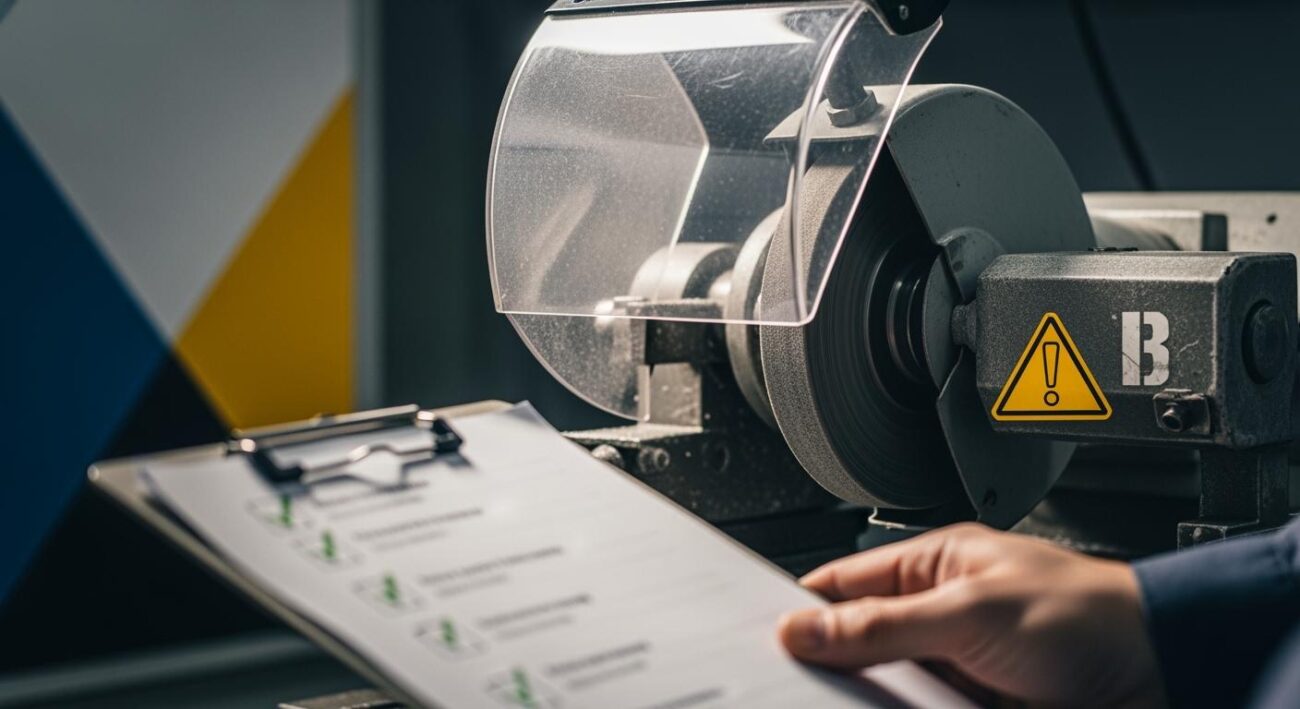
You should always check your wheel for cracks or damage before you start. Use the right wheel for your speed and grinding method to stay safe.
Wheel Longevity
You want a wheel that lasts a long time. Diamond wheels show less wear than other types, like CBN wheels, when grinding titanium. This means you spend less time changing wheels and more time working. You also save money because you do not need to buy new wheels as often. When you use the right wheel, you get better results and a longer-lasting tool.
- Diamond wheels last longer and keep their shape.
- Less wheel wear means better surface quality.
- You get more value from each wheel.
You can trust these wheels to help you finish your titanium projects with less downtime and more success.
Practical Tips for Grinding Titanium
Coolant Use and Recommendations
You need to control heat when you grind titanium. Using the right coolant system helps you avoid thermal damage and keeps your workpiece safe. Here are some top coolant methods:
- High-pressure coolant delivery targets the cutting area and removes heat fast.
- Through-tool coolant delivery sends coolant right through the tool to the grinding edge.
- Cryogenic cooling uses liquid nitrogen or carbon dioxide to drop the temperature quickly.
Aimgrind can help you match your grinding wheel and coolant system for the best results. You can ask for advice on coolant setup during the service process.
Tip: Always check your coolant system before you start. A good system prevents burns and keeps your grinding smooth.
Safety Precautions
You must protect yourself when working with titanium. Follow these safety steps every time:
- Wear personal protective equipment like safety glasses, gloves, masks, and sturdy shoes.
- Keep your grinding area clean and free from flammable items.
- Make sure your machine works well and use coolants safely.
- Keep fire-fighting tools nearby.
You can ask Aimgrind for help with safe grinding setups. Their team can guide you on equipment checks and safe practices.
Wheel Maintenance
You want your grinding wheel to last and perform well. Follow these steps:
- Clean and inspect your machine every day.
- Lubricate moving parts to reduce wear.
- Dress and check your wheel for cracks or damage.
- Keep your coolant system full and working.
- Schedule regular checks by a professional.
Aimgrind offers support for maintenance routines and can customize wheels for easy care.
Common Mistakes to Avoid
You can avoid many problems by watching for these common mistakes:
| Mistake Type | Description | Recommendations |
|---|---|---|
| Improper Tool Selection | Wrong tool causes wear and poor finish. | Use carbide tools with coatings and rigid holders. |
| Cutting Parameter Mistakes | Wrong speeds or feed rates. | Follow recommended speed and feed ranges. |
| Coolant Application Errors | Low pressure or wrong mix. | Use high-pressure systems and keep coolant at 8-10% concentration. |
| Tool Path Strategy Mistakes | Poor tool path causes failures. | Keep chip load steady and avoid sharp turns. |
| Temperature Control Issues | Not enough cooling or chip removal. | Monitor heat and allow cooling time. |
| Quality Control Oversights | Skipping inspections. | Check tool wear and part size often. |
| Machine Setup Problems | Loose workpiece or tool misalignment. | Hold workpieces tight and align tools carefully. |
You can ask Aimgrind for help with setup and troubleshooting. Their team can help you avoid these mistakes and get the best results.
You get the best results for titanium when you choose the right grinding wheel. Aimgrind’s diamond grinding wheels give you long life, high efficiency, and a smooth finish. Customized wheels help you control heat and keep your workpiece safe. Features like coolant slots and strong form retention make your job easier. Always follow safety steps and use the right coolant. For tough jobs, ask for a wheel made for your needs.
FAQ
What makes titanium alloys hard to grind?
You face challenges with titanium alloys because they have low thermal conductivity and high strength. These properties cause heat to build up quickly. You must use the right grinding wheel to avoid damage and get a smooth finish.
Can you grind cp titanium with diamond wheels?
Yes, you can grind cp titanium using diamond wheels. You get a precise finish and reduce the risk of overheating. You should always use coolant to keep the temperature low and protect your workpiece.
When should you choose vitrified bonded wheels?
You should choose vitrified bonded wheels when you need high precision and cool grinding. These wheels work well for detailed jobs. You get better control and a cleaner surface on titanium parts.
How often should you check your grinding wheel?
You should check your grinding wheel before every use. Look for cracks, chips, or uneven wear. Regular checks help you stay safe and keep your grinding results consistent.
Do you need special safety steps for titanium grinding?
Yes, you need special safety steps. Wear protective gear, keep your area clean, and use proper coolant. You should also monitor the grinding temperature to prevent fires or burns.
Contact Us
For More Grinding Solution or Customized Abrasive Tools