
From Profiling to Polishing: A Grinding Wheel Workflow for Chef Knives

Master the grinding wheel workflow for chef knives—profiling, beveling, and polishing—for sharp, durable blades and consistent professional results.
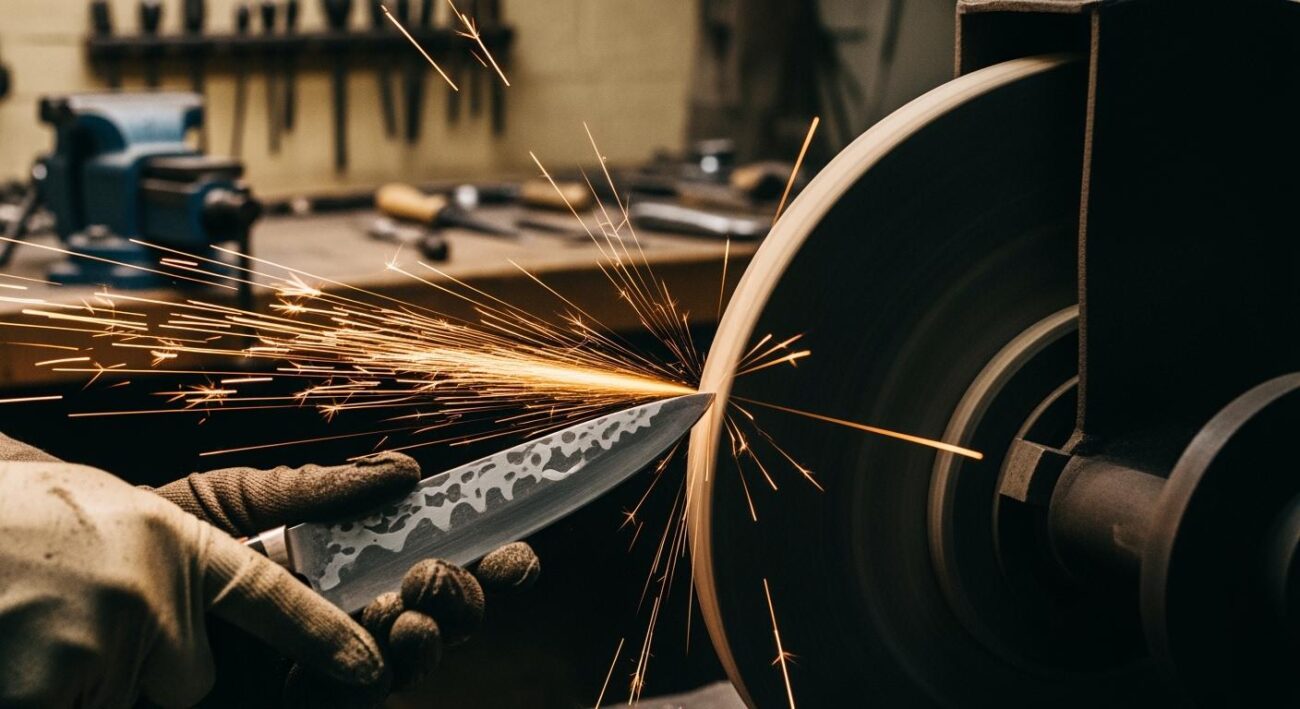
Master the grinding wheel workflow for chef knives—profiling, beveling, and polishing—for sharp, durable blades and consistent professional results.
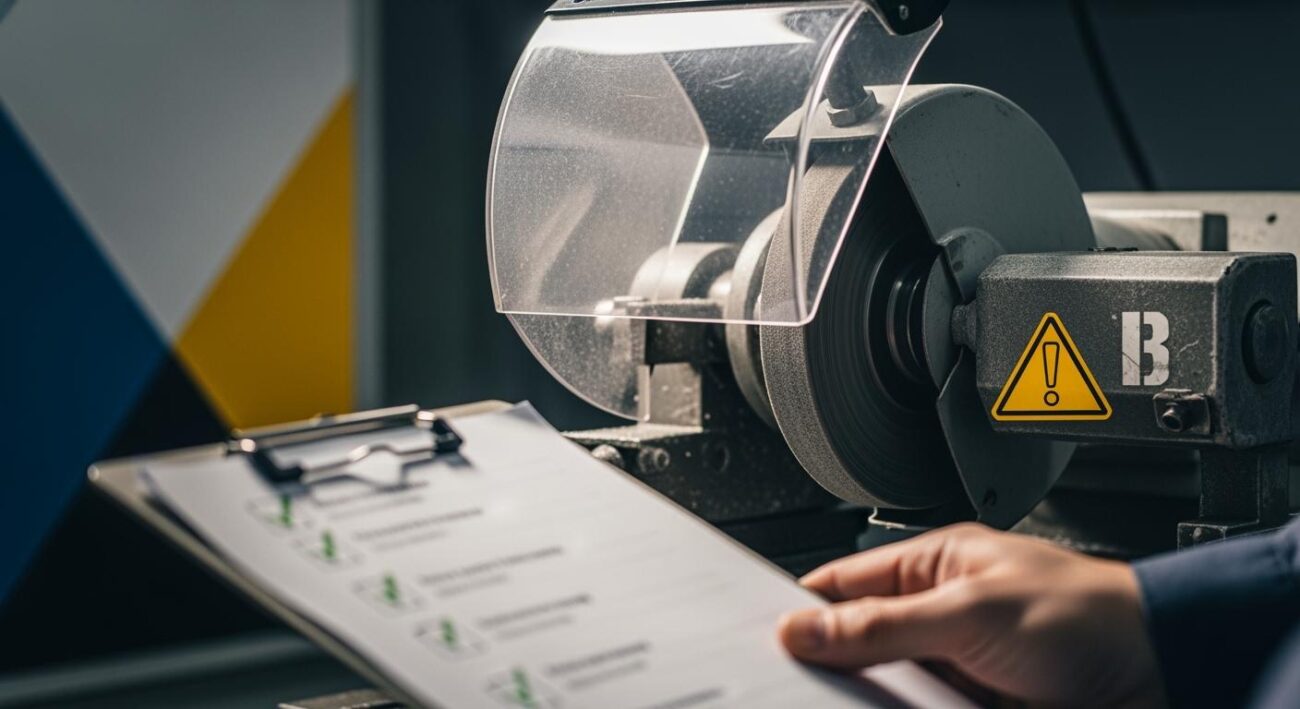
Grinding wheel burst risk assessment and control methods help prevent accidents, ensuring safe angle grinder use with proper inspection and safety practices.
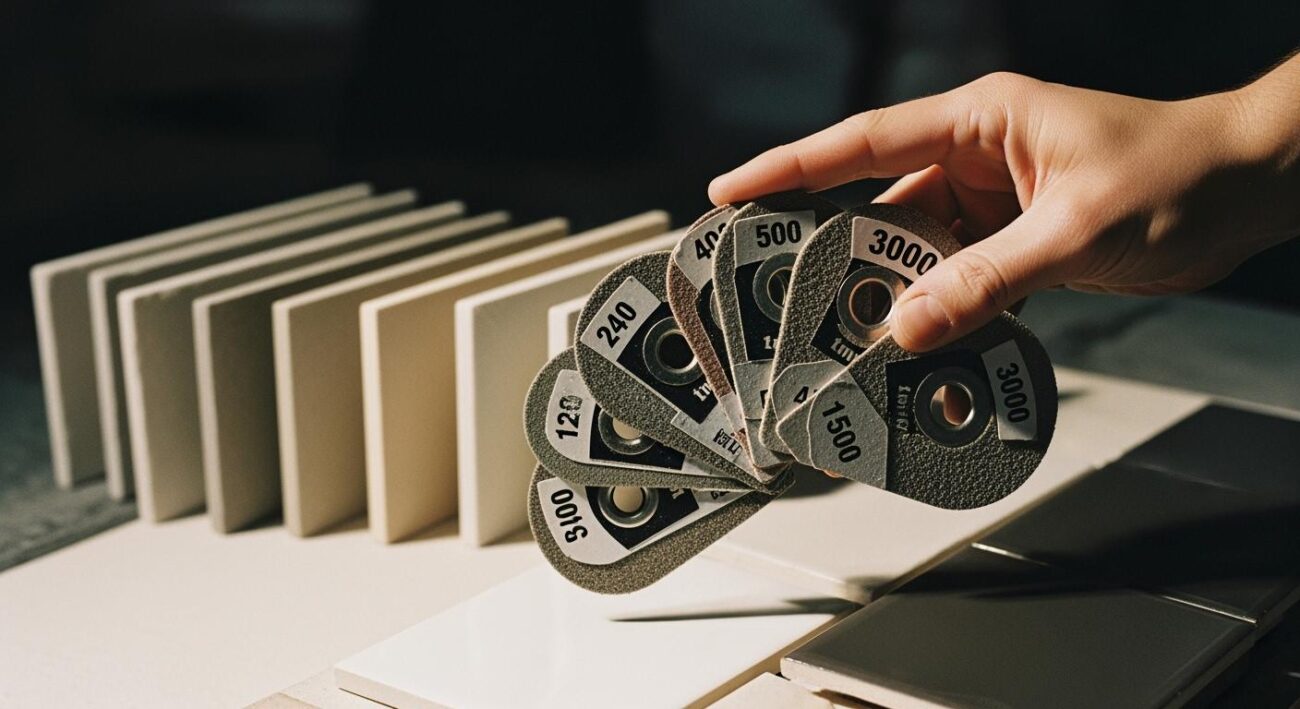
Choose the right Grinding Wheel Grit for each ceramic step to boost surface finish, reduce defects, and improve grinding efficiency every time.
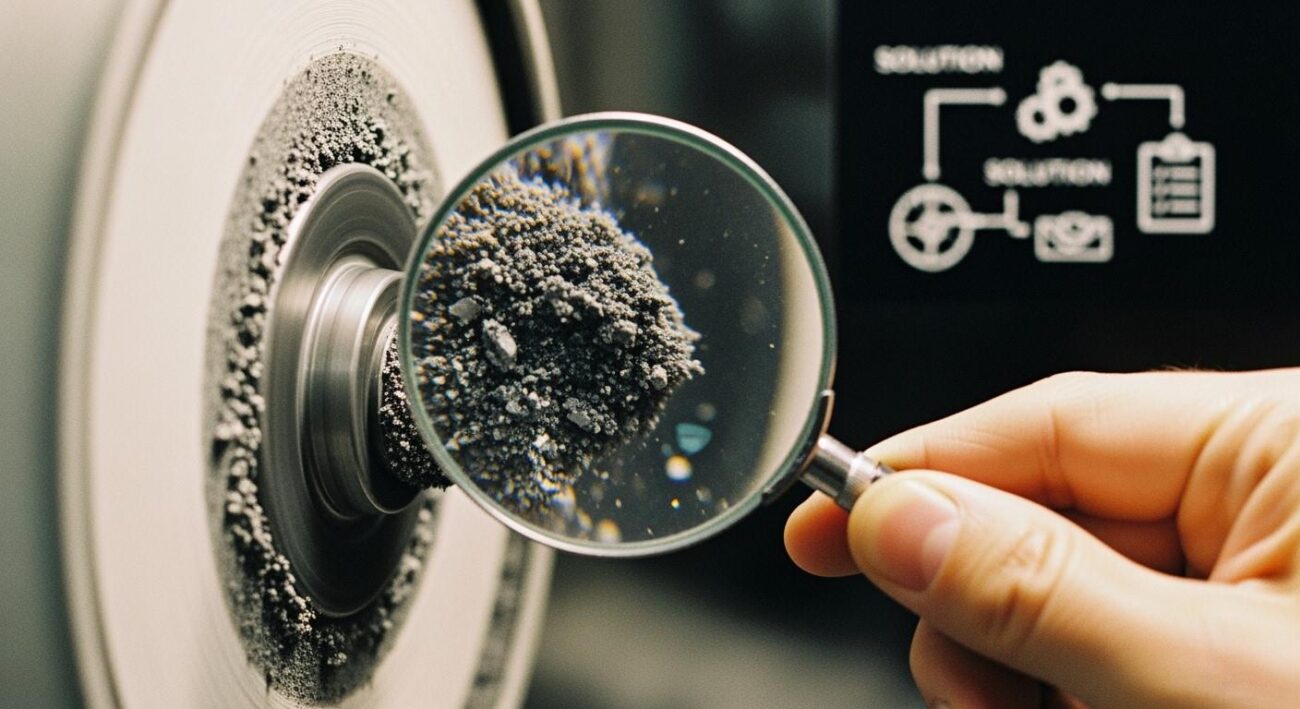
Grinding Wheel Loading in ceramic grinding reduces efficiency and quality. Identify causes, adjust parameters, and use proper wheels to prevent loading.
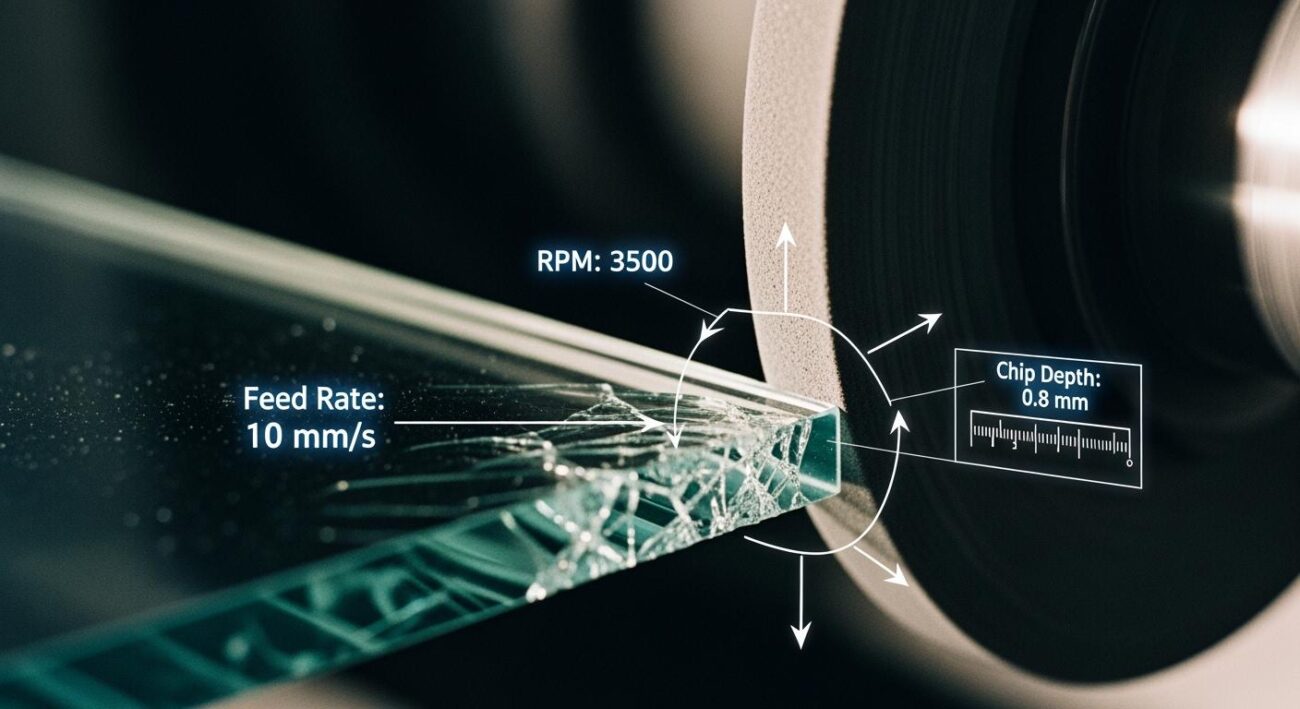
Glass edge chipping is influenced by grinding speed, feed rate, and wheel type. Adjusting these parameters reduces defects and improves glass quality.
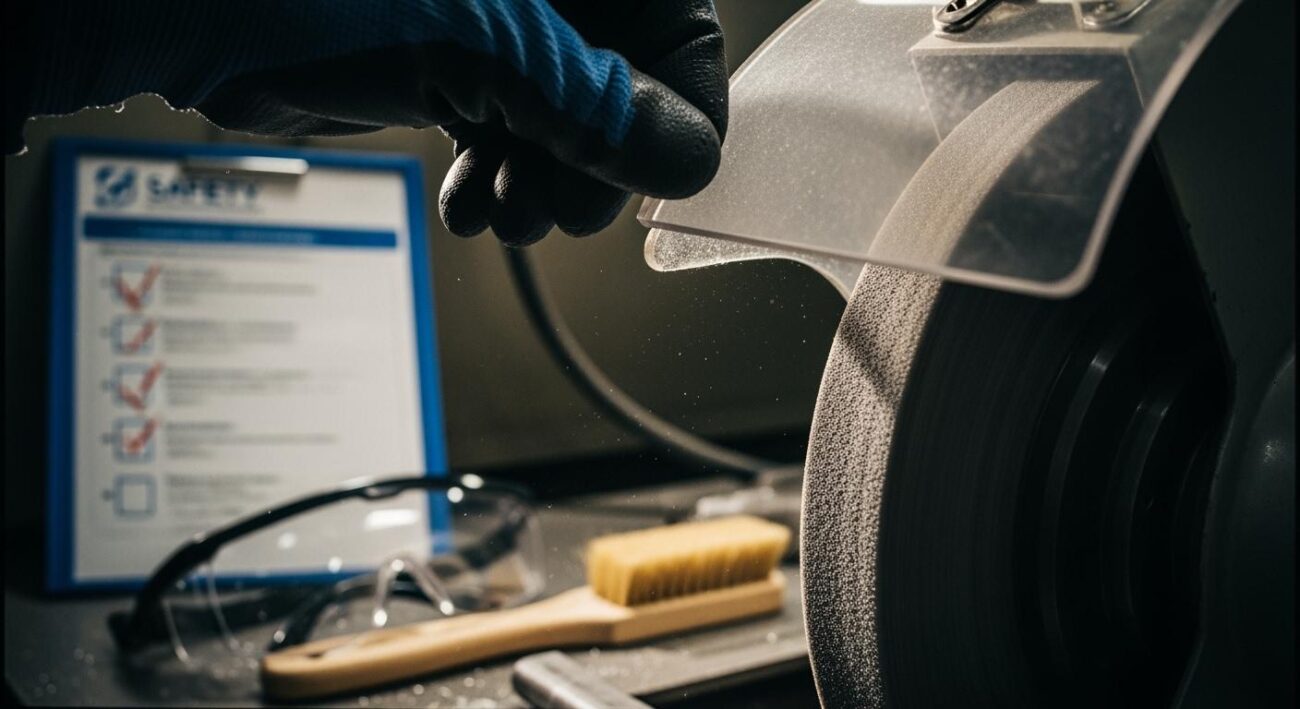
Standard Operating Procedure steps for preventing grinding wheel edge chipping, including inspection, mounting, coolant use, and maintenance for safety.
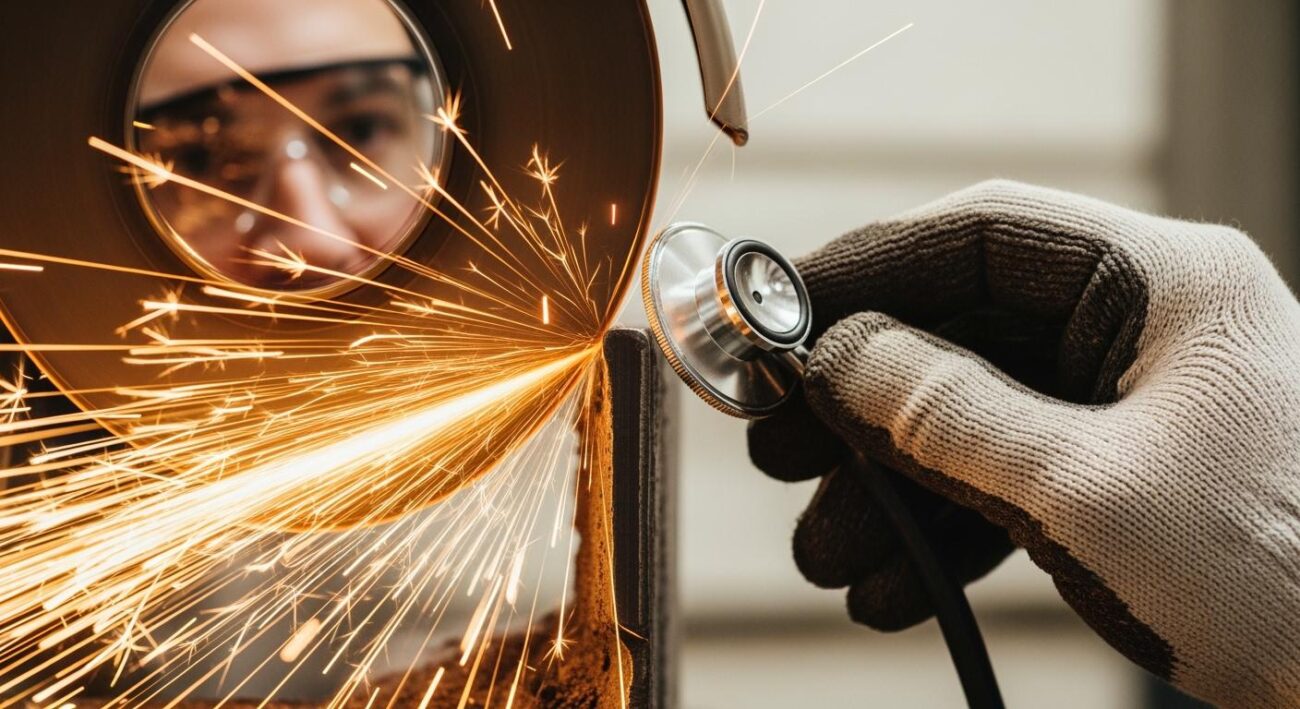
Grinding sounds and spark patterns reveal grinding wheel condition and feed pressure, helping you ensure safe, efficient grinding and prevent wheel damage.
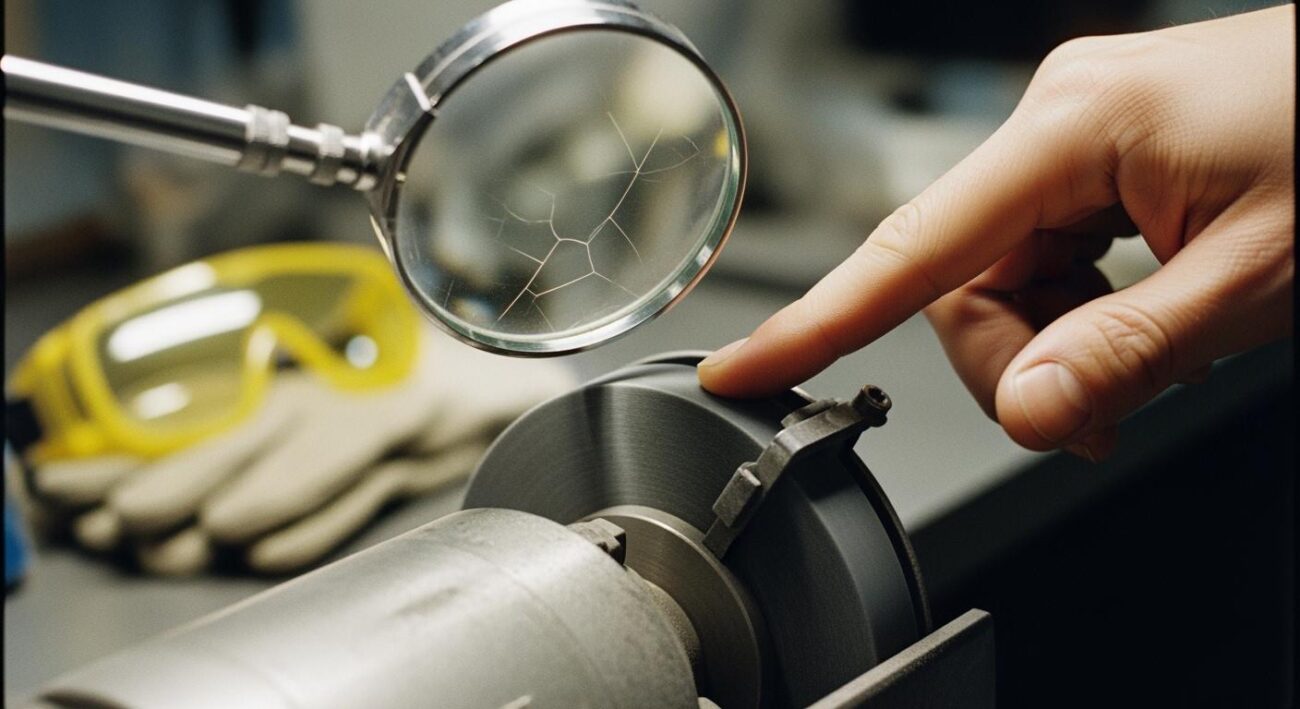
Judge the safety status of a grinding wheel with visual checks, ring test, and compliance steps to ensure safe operation and prevent accidents every time.
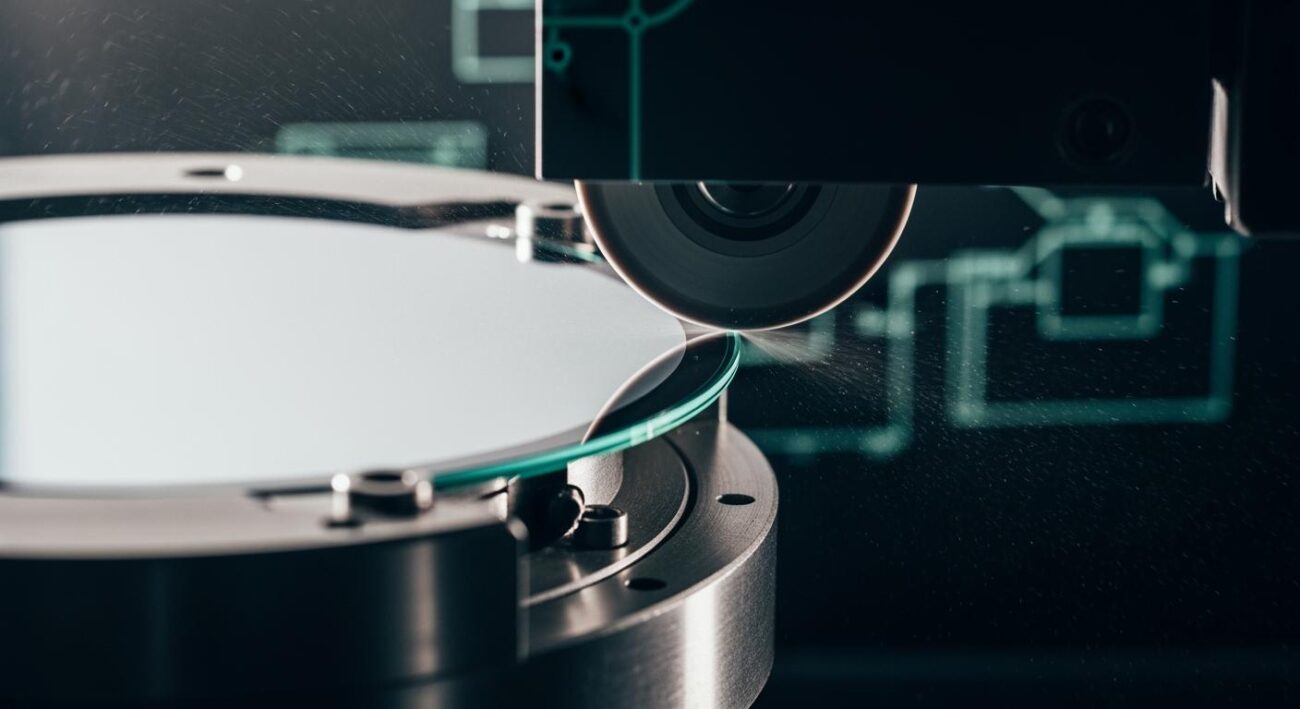
Optimize grinding wheels for low-damage thinning of ultra-thin wafers. Achieve minimal defects, superior surface finish, and high wafer yield in production.
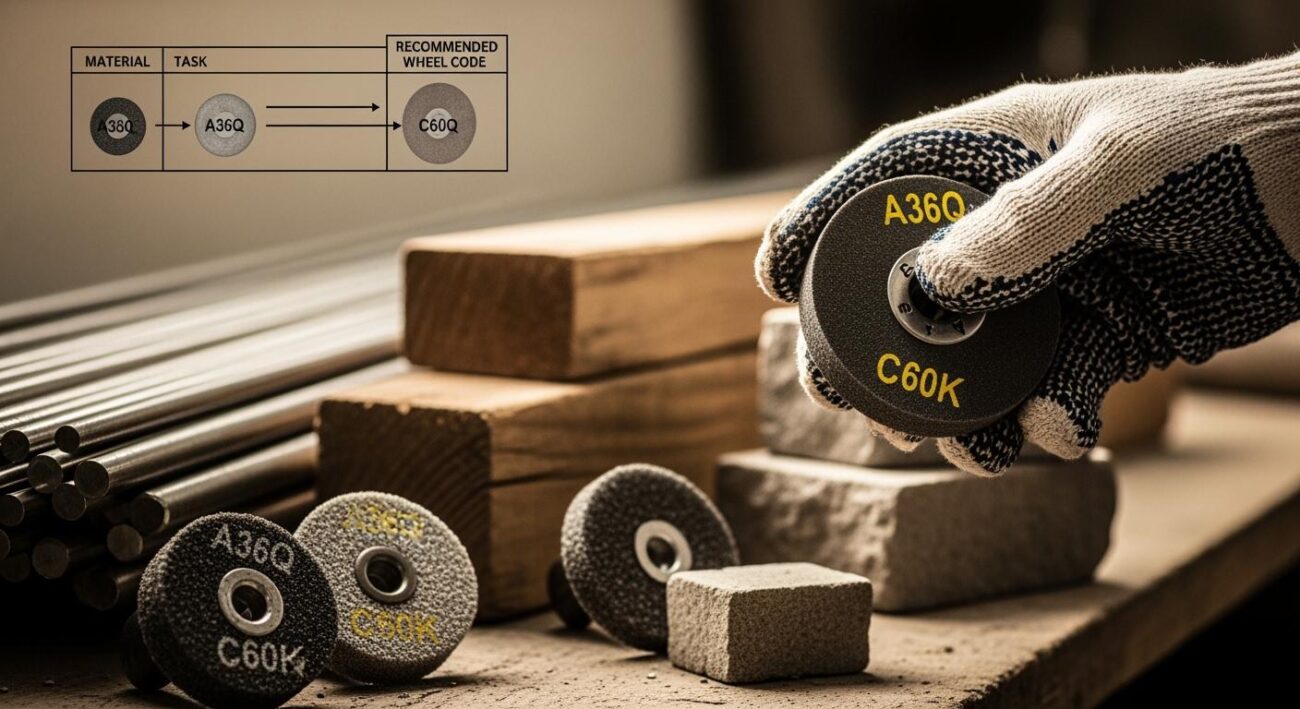
Understand grinding wheel codes to select the right wheel for your job, matching grit, bond, and material for safe, efficient grinding performance.
No account yet?
Create an Account