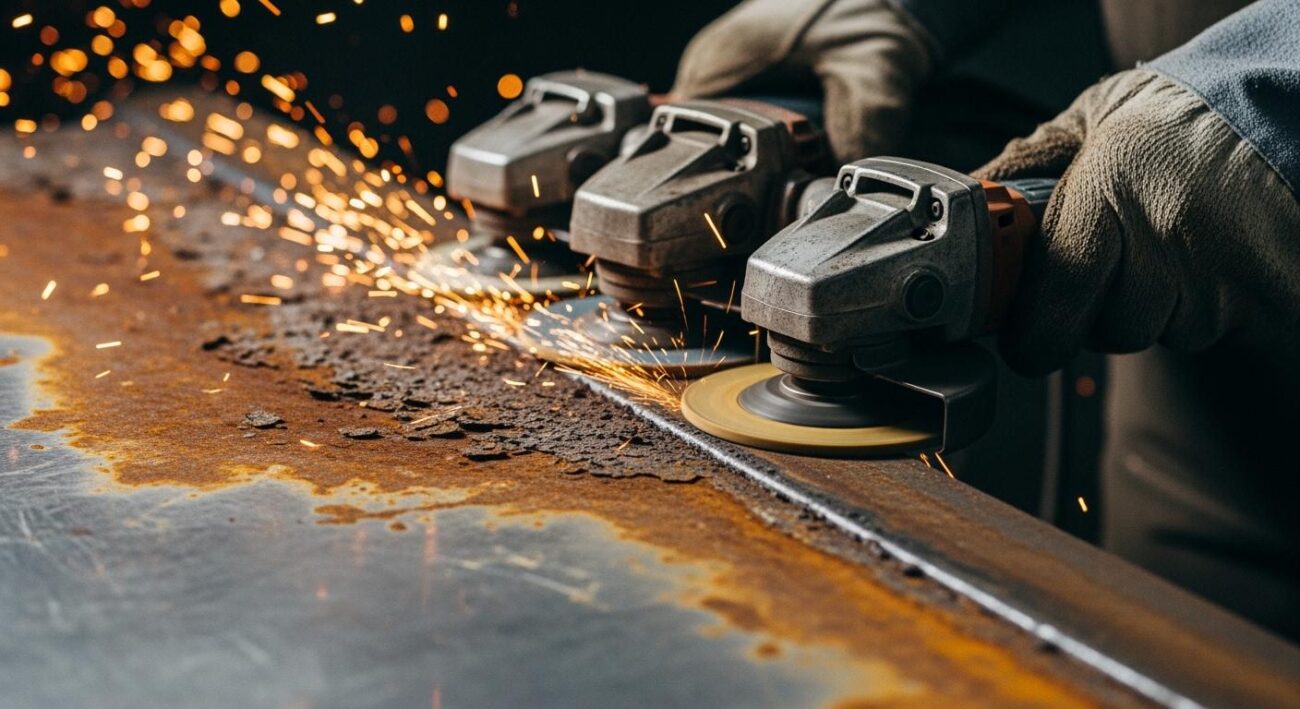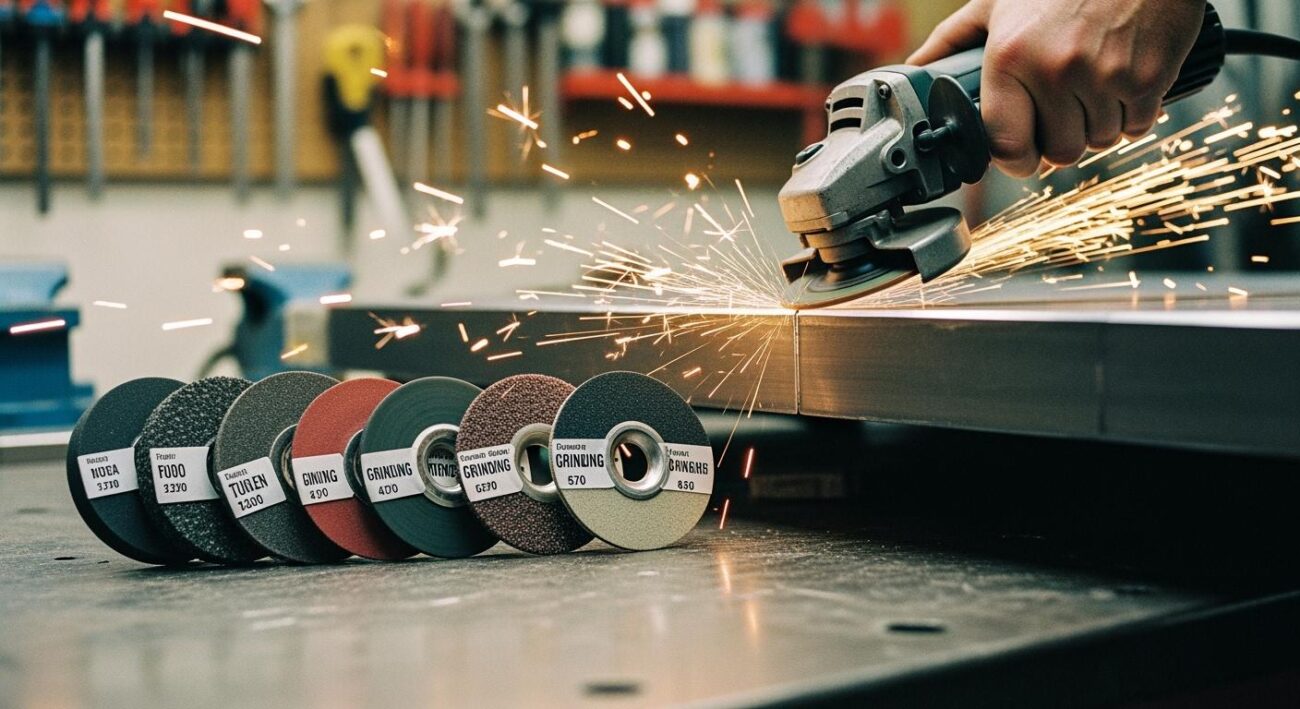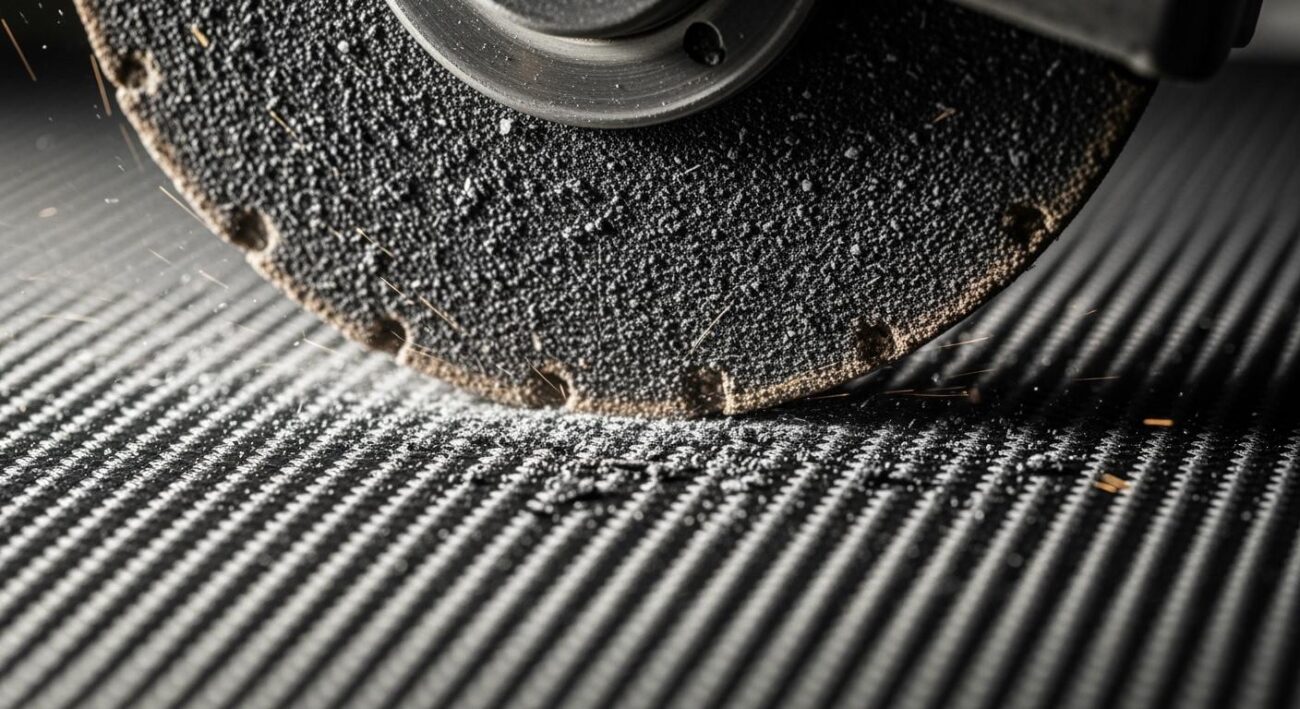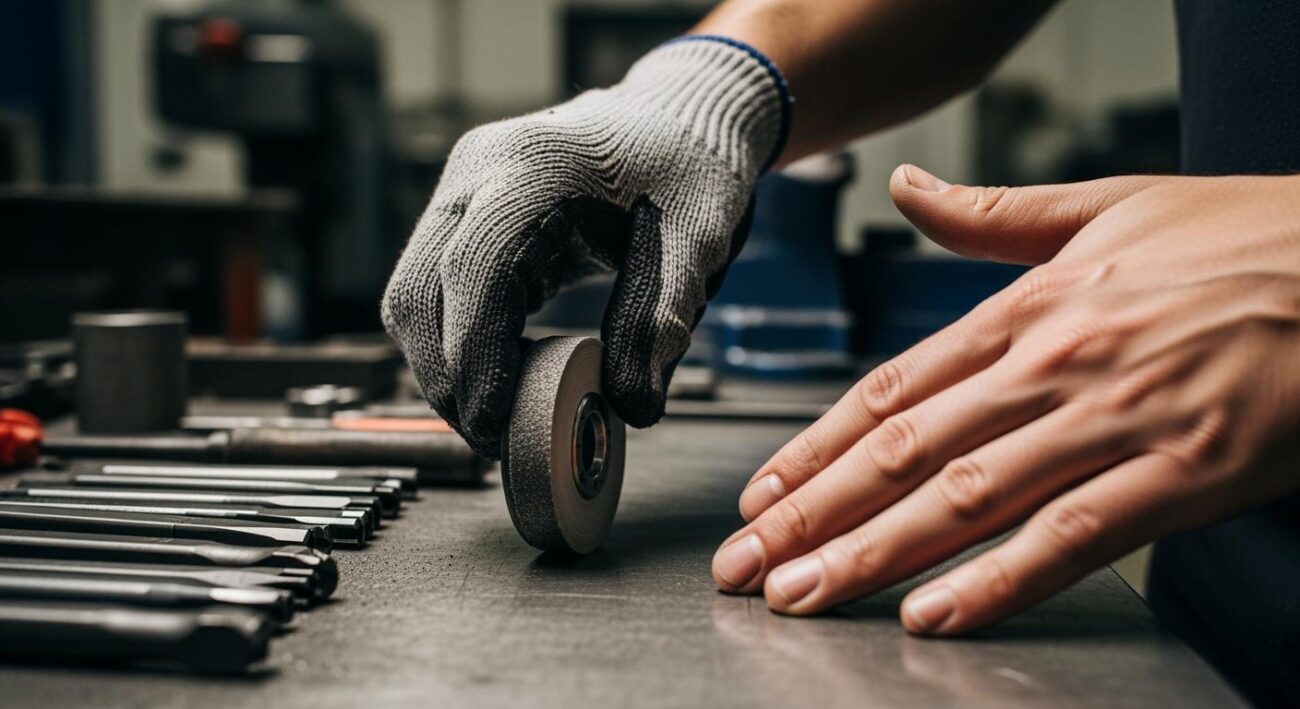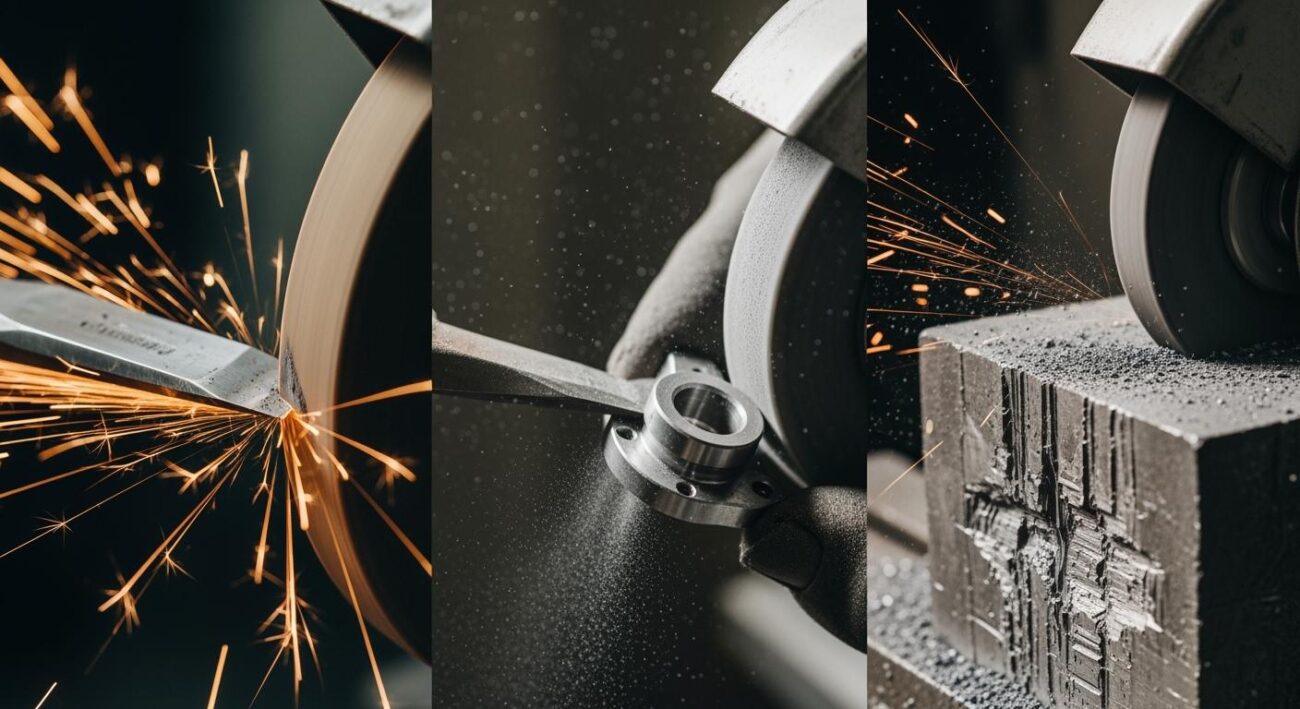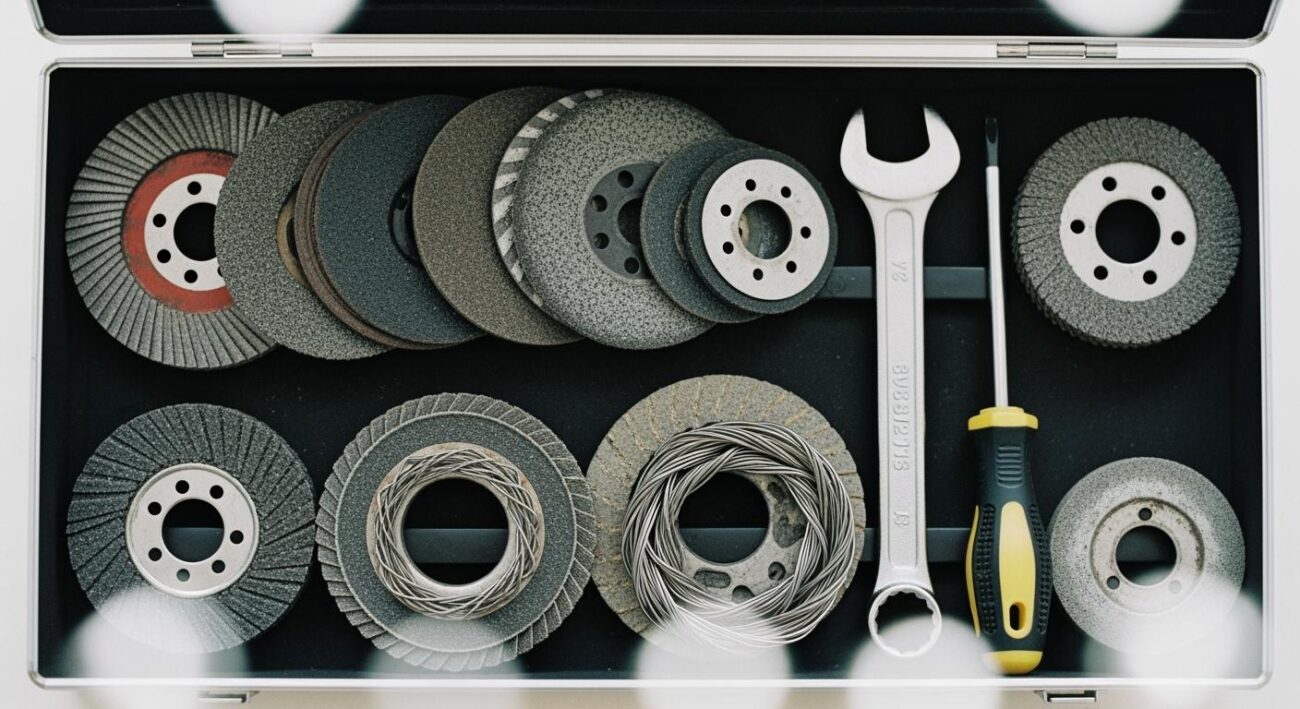
You need to select grinding wheels that match the rail material and the job requirements to keep rail grinding efficient and smooth. When you choose the right wheel, you boost productivity and reduce the chances of rework. For example, using 80–120 grit wheels gives you a high surface finish, which is key for preventive grinding. Profile grinding wheels fit the rail shape, so you get more precise results. Aimgrind provides customized diamond grinding wheels that help you reach your rail maintenance goals.
| Grinding Wheel Characteristic | Impact on Efficiency |
|---|---|
| Grit Size (80–120 grit) | Provides a high surface finish, essential for preventive grinding operations. |
| Profile Grinding Wheels | Designed to match specific rail profiles, improving precision and reducing rework. |
Key Takeaways
- Select grinding wheels based on rail material and condition to ensure efficiency and quality.
- Use 80–120 grit wheels for a high surface finish, essential for preventive rail grinding.
- Match wheel hardness and grit size to the severity of the grinding operation for optimal results.
- Consider machine speed and coolant use when choosing a grinding wheel to enhance performance.
- Aimgrind offers customized solutions to meet specific rail grinding needs, improving efficiency and reducing costs.
Key Criteria to Select Grinding Wheels
Rail Material and Condition
You must always consider the material to be ground when you select grinding wheels for rail maintenance. Most railway tracks use heat-treated alloy steel rails. These rails have a Brinell hardness between 320 and 360, which makes them tough and resistant to corrugation. This hardness means you need grinding wheels that can handle high resistance and keep their shape. Sometimes, you may find rails made from Bessemer steel, but these are less common and softer. The condition of the rail surface also matters. If you see corrugation or surface irregularities, you need to adjust your grinding wheel specifications. You may need a different wheel profile or grit size to match the rail’s needs and keep the grinding process efficient.
Tip: Always inspect the rail before and after grinding. This helps you choose the right grinding wheel and ensures you meet quality standards.
| Abrasive Type | Main Components | Core Characteristics | Abrasion Resistance |
|---|---|---|---|
| Zirconium Corundum | Alumina, Zirconium Oxide | High toughness, wear resistance | Excellent lifespan |
| Brown Fused Alumina | Alumina | High hardness, self-sharpening | Fast wear |
Aimgrind’s team can help you with parameter matching and problem diagnosis, so you always use the best wheel for your rail material and condition.
Grinding Operation Severity
When choosing a grinding wheel, you must think about how severe the grinding operation will be. If you need to remove a lot of material quickly, you should use tough abrasive grains like Brown Fused Alumina. Coarse grit sizes, such as 24 to 46 grit, work best for heavy-duty jobs because they let large metal chips escape. For precision grinding, you need a wheel that cuts with less pressure. This helps you keep tight tolerances and get a smooth finish. Softer wheels cut cooler but may lose their shape faster. Harder wheels hold their form but can cause burning if not used carefully. The right balance depends on your grinding goals and the material to be ground.
- Use coarse grit and tough abrasives for aggressive grinding.
- Choose finer grit and friable abrasives for precision and finishing.
- Adjust wheel hardness based on the pressure and the amount of metal you need to remove.
Aimgrind’s experts can guide you in choosing a grinding wheel that matches your operation’s severity and keeps your process efficient.
Finish, Tolerance, and Contact Area
You need to know the finish and tolerance requirements before you select grinding wheels. Preventive rail grinding removes thin layers of metal at regular intervals. This keeps the rail in good shape and maintains tight tolerances. You must use the right grit size to get the finish you want. Finer grit sizes, like 80 to 120, give you a smoother surface. Coarser grits remove more material but leave a rougher finish.
The contact area between the grinding wheel and the rail also affects your choice. A larger contact area needs a softer grade and coarser grit wheel. A smaller contact area works better with a harder grade and finer grit.
- Use finer grit for smooth finishes and tight tolerances.
- Match wheel grade and grit to the size of the contact area.
Aimgrind can help you select the right superabrasive grinding wheels for your finish and tolerance needs.
Speed, Coolant, and Machine Power
You must consider the speed of your grinding machine, the use of coolant, and the available machine power when choosing a grinding wheel. High rotation speeds require a softer wheel grade. If you use coolant, you can choose a wheel that is 1–2 grades harder than one used for dry grinding. Coolant helps control temperature and keeps the grinding ratio high.
| Parameter | Impact on Grinding Wheel Selection |
|---|---|
| Rotation Speed | High speed needs softer wheel grade |
| Coolant Use | Allows for harder wheel grade, improves temperature control |
| Machine Power | Must match grinding pressure, speed, and control voltage |
Your grinding machine’s mechanical, hydraulic, and control systems all play a role. You need to match the grinding wheel to your machine’s power and capabilities. Aimgrind’s service includes diagnosing your equipment and matching the right wheel to your process.
By focusing on these key criteria, you can select grinding wheels that improve efficiency, extend rail life, and reduce maintenance costs.
Choosing a Grinding Wheel for Rail Materials
Diamond Grinding Wheels by Aimgrind
When you start choosing a grinding wheel for rail maintenance, you need to look at the material you want to grind. Diamond grinding wheels from Aimgrind work well for hard alloys, ceramics, and composite rails. These wheels have extreme hardness. You get faster material removal and a better surface finish compared to traditional grinding wheel types. You also save time because diamond wheels last longer and need fewer replacements. This means less downtime for your rail grinding operations.
| Feature | Diamond Grinding Wheels | Traditional Grinding Wheels |
|---|---|---|
| Hardness and Cutting Efficiency | Extreme hardness allows for faster material removal and better surface finishes. | Lower hardness leads to more passes and potential tool wear. |
| Durability and Longevity | Retain cutting edge longer, reducing replacements and downtime. | Wear out more quickly, leading to inconsistent results. |
| Surface Finish and Precision | Achieve ultra-fine finishes and high precision. | Less effective for fine finishes and high precision. |
You can use superabrasive grinding wheels like these for tough jobs. They help you keep rails in top condition.
Bond Types and Grit Selection
Choosing a grinding wheel means you must check the bond type and grit size. The bond holds the abrasive grains together. Hard bonds last longer but work best on softer metals. Soft bonds break down faster and expose new grains, which helps when you grind hard metals. You should also pick the right grit size. Coarse grits remove more material. Fine grits give you a smoother finish.
| Bond Type | Characteristics | Performance Impact | Durability Impact |
|---|---|---|---|
| Hard Bond | Stronger bond holding abrasive particles, longer lifespan | Better for softer metals, maintains cut rate longer | Extends lifespan if maintained correctly |
| Soft Bond | Breaks down faster, exposes new grains quickly | Performs better on hard metals, smoother grinding | Shorter lifespan but maintains consistent performance |
When choosing a grinding wheel for aluminum or choosing a grinding wheel for stainless steel, you need to match the bond and grit to the rail material. If you work with hard-to-grind metals, you should use superabrasive grinding wheels for the best results.
Application Scenarios and Customization
You will find that different railways need different grinding solutions. Heavy-haul freight lines face severe rail wear and frequent cracks. Small-radius curves need profile grinding to reduce corrugation. Rail turnouts require special wheels to handle switch defects. Rail cutting needs high-precision wheels to keep the track in shape.
| Application Scenario | Description |
|---|---|
| Heavy-Haul Freight Railways | Customized grinding wheels address severe rail wear, frequent fatigue cracks, and track geometry deformation due to heavy axle loads and high traffic volumes. |
| Railway Small-Radius Curves | Personalized profile grinding optimizes wheel-rail contact stress distribution, mitigating rail corrugation and extending rail service life. |
| Rail Turnout Grinding | Grinding solutions mitigate switch defects caused by high-frequency impact loads and abnormal wheel-rail contact. |
| Rail Cutting | High-precision thermal techniques are used for swift rail severing while preserving track geometry and minimizing downtime. |
Aimgrind offers customization for all these scenarios. You get wheels that match your equipment and your rail material. When choosing a grinding wheel for hard-to-grind metals, you can rely on Aimgrind’s expertise. You can also ask for light customization or full design changes. This ensures you always have the right grinding wheel for your job.
Tip: Always check abrasive type, bond type, and grit size when choosing a grinding wheel. This helps you get the best performance and keeps your rail grinding efficient.
Best Grinding Wheel for Performance and Cost
Efficiency vs. Longevity
You want the best grinding wheel for preventive rail grinding. You need to compare efficiency and longevity. Efficiency shows how fast you remove material from the rail. Longevity tells you how long the wheel lasts before you need a replacement. You can use three main metrics to compare grinding wheels:
| Metric | Description |
|---|---|
| Grinding Efficiency | Measures how much material you remove in a set time. |
| Grinding Ratio | Shows the balance between material removed and wheel wear. |
| Surface Roughness | Checks the quality of the rail surface after grinding. |
Diamond grinding wheels from Aimgrind give you high grinding efficiency and a strong grinding ratio. You get a smooth rail surface and fewer wheel changes. This saves you time and keeps your rail system safe.
Cost-Effectiveness and Maintenance
You need to think about cost-effectiveness when you choose the best grinding wheel. Regular maintenance helps you get more value from your grinding wheels. You can:
- Fix surface defects early, which makes your wheels last longer.
- Remove stress cracks before they grow, improving rail safety.
- Repair severe rail damage, so your wheels stay effective.
Preventive rail grinding keeps your wheels in good shape. You spend less money on replacements and repairs. You also keep your rail system running smoothly.
Aimgrind’s Value and Service
Aimgrind gives you the best grinding wheel for your rail needs. You get diamond grinding wheels that last longer and work faster. Aimgrind offers custom solutions for every rail material and grinding job. You can ask for wheels that fit your machine and your rail profile. Aimgrind’s team helps you match the right wheel to your process. You get support from start to finish. You save money and improve rail quality. You achieve better results with Aimgrind’s grinding wheels.
Tip: Choose diamond grinding wheels from Aimgrind when you want maximum value, high efficiency, and long-lasting performance.
You need to select grinding wheels by checking rail material, operation needs, and cost. Industry standards show that rail measurement systems and quality control help you make smart choices.
| Aspect | Description |
|---|---|
| Rail Measurement Systems | Give data for better maintenance and planning. |
| Lifecycle Cost Calculation | Show long-term savings from good grinding programs. |
| Quality Control | Keep grinding efficient and cost-effective. |
| Preventive Maintenance | Extend rail life with the right grinding wheels. |
Many railways succeed when they select grinding wheels carefully:
- CSX Transportation improved grind speed by 40% and doubled units per hour.
- They expanded their program after seeing better results.
Aimgrind helps you select grinding wheels that fit your needs. You get custom diamond grinding wheels and expert support for every rail project.
FAQ
What materials can you grind with Aimgrind diamond grinding wheels?
You can grind hard alloys, ceramics, and composite rails. These wheels work well for tough rail materials. You get fast cutting and a smooth finish.
How do you choose the right grit size for preventive rail grinding?
You should use 80–120 grit for preventive grinding. This grit range gives you a fine surface finish and helps keep rails in top shape.
Tip: Always check your rail’s condition before picking a grit size. This helps you get the best results.
Can you customize grinding wheels for special rail profiles?
Yes, you can request custom grinding wheels from Aimgrind. You get wheels that match your rail profile and machine. This ensures precise grinding and better rail maintenance.
What are the main benefits of using diamond grinding wheels?
| Benefit | Description |
|---|---|
| High Efficiency | You remove material quickly. |
| Long Life | You change wheels less often. |
| Smooth Finish | You get a better rail surface. |
Contact Us
For More Grinding Solution or Customized Abrasive Tools