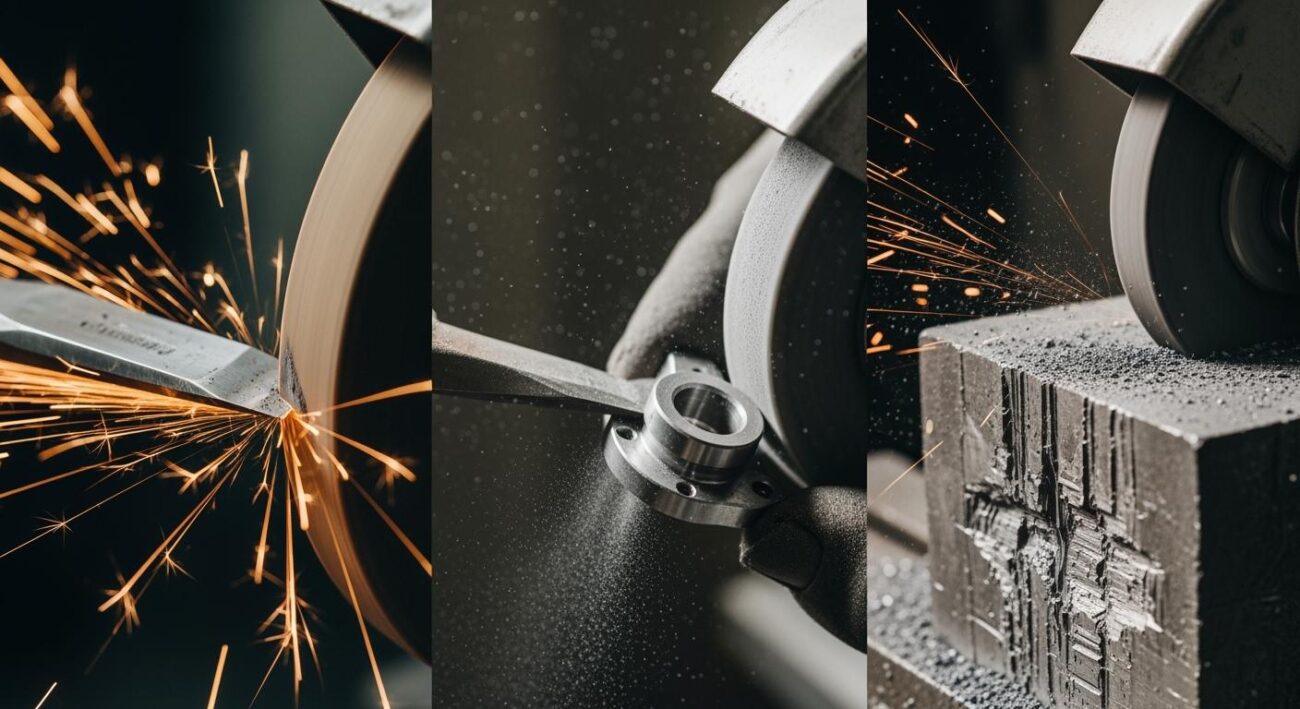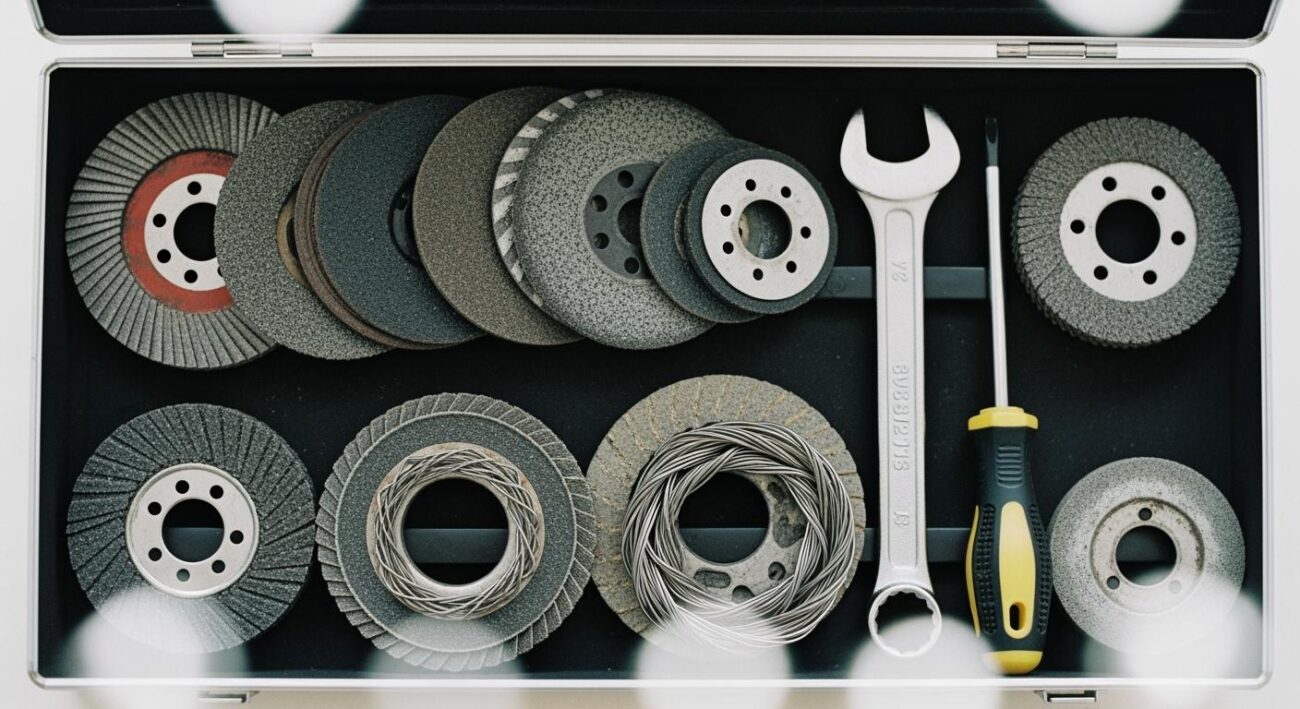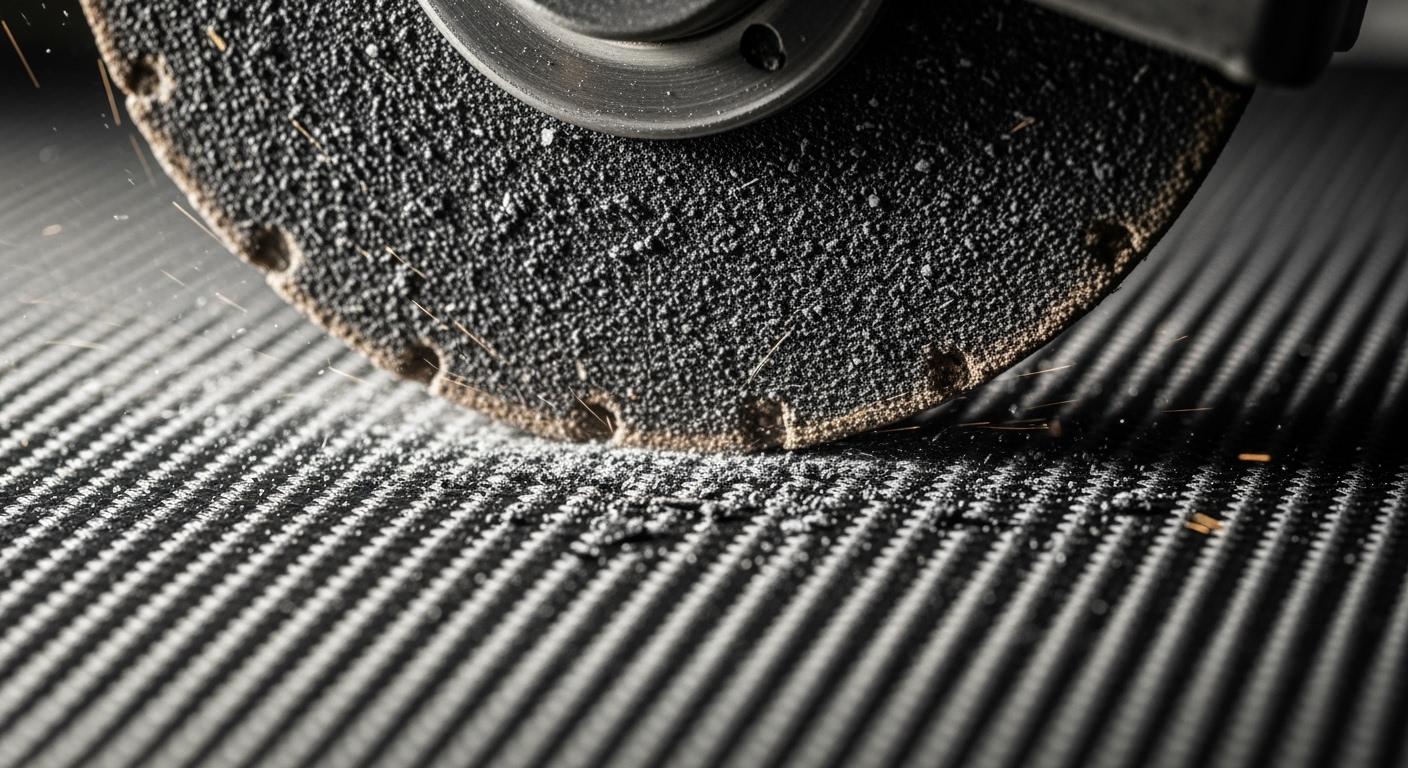
You may notice that grinding wheels wear out much faster when you machine carbon fiber. The unique structure and sharpness of carbon fiber make it very abrasive. This leads to more frequent wheel changes and shorter tool life. When you replace grinding wheels often, you face several challenges:
- Costs per part go up because you need more tools.
- Downtime increases as you stop to change and re-sharpen wheels.
- Using wheels with longer life helps lower these costs and keeps your process running smoothly.
Key Takeaways
- Grinding wheels wear out quickly on carbon fiber due to its hard, sharp fibers that act like sandpaper, leading to increased costs and downtime.
- High temperatures during grinding can soften the resin matrix, causing clogging and further wear on the wheels. Use coolants to manage heat effectively.
- Aimgrind diamond grinding wheels offer superior durability and efficiency, reducing the frequency of wheel changes and improving overall productivity.
- To extend wheel life, maintain stable grinding forces, set the correct feed rate, and regularly check for clogging or damage.
- Custom grinding wheels can enhance performance for specific tasks, providing better finishes and solutions for challenging materials.
Why Grinding Wheels Wear Out on Carbon Fiber
Abrasive Nature of Carbon Fiber
You face a tough challenge when you grind carbon fiber. The fibers in carbon fiber are very hard and sharp. They act like tiny pieces of sandpaper. Each fiber can scratch and cut into the grinding wheel. This makes grinding wheels wear out much faster than when you work with softer materials.
When you use grinding wheels on carbon fiber, you see these effects:
- The hard particles in the fiber quickly break down the surface of the wheel.
- The sharp edges of the fibers keep cutting into the wheel, making it lose its shape.
- If you use the wrong speed or feed rate, the wheel wears out even faster.
- Too much vibration during grinding can also damage the wheel.
Grinding wheels wear out quickly because carbon fiber does not give the wheel a chance to recover. You need to change wheels more often, which increases your costs and slows down your work.
The most common failure modes for grinding wheels used on carbon fiber include:
| Failure Mode | Description |
|---|---|
| Debonding of fiber and matrix | This happens near the cutting edge and leads to cracks in the matrix. |
| Matrix cracking | Cracks form at different stages of chip formation, often with debonding. |
| Fiber fracture | The fibers break apart, which is the final stage of failure. |
Resin Matrix and Heat Effects
You also need to think about the resin that holds the carbon fibers together. The resin matrix can cause more problems for your grinding wheels. When you grind carbon fiber, heat builds up fast. Carbon fiber does not carry heat away well, so the temperature rises quickly.
Here is what happens:
- High grinding temperatures can make the resin matrix soft.
- The soft resin sticks to the grinding wheel and traps fiber debris.
- This debris builds up and clogs the wheel, making it less effective.
- Clogged wheels create more friction, which leads to even more heat and faster wear.
If the temperature gets too high, above 200°C, the resin can break down. This causes the fibers to pull out or the surface to get damaged. You can use coolants to help keep the temperature down. High-speed grinding with lower feed rates can also reduce heat.
Studies show that different grinding wheels reach different temperatures. For example, a resinoid wheel can reach 53.2°C, while a wire mesh wheel stays cooler at 34.3°C. Wheels that stay cooler clog less and last longer.
Grinding wheels wear out quickly on carbon fiber because both the abrasive fibers and the resin matrix work together to break down the wheel. You need to pay attention to heat, speed, and vibration to get the best results.
Comparing Carbon Fiber to Metals
Wear Mechanisms
You see different wear mechanisms when you grind carbon fiber and metals. Carbon fiber has sharp, hard fibers that act like tiny knives. These fibers cut into the grinding wheel and remove material quickly. The resin in carbon fiber can also melt and stick to the wheel. This causes clogging and makes the wheel less effective.
Metals behave differently. When you grind metals, the wheel removes material by cutting and plowing. The metal chips carry away heat, so the wheel stays cooler. You do not see as much clogging because metal particles do not stick to the wheel as much as resin and fiber debris.
Here is a simple table to show the main differences:
| Material | Main Wear Mechanism | Clogging Risk | Heat Dissipation |
|---|---|---|---|
| Carbon Fiber | Abrasive fiber cutting, resin clogging | High | Low |
| Metals | Cutting, plowing | Low | High |
Tip: You should always check the grinding wheel after working with carbon fiber. Look for signs of clogging and uneven wear.
Tool Life Differences
You will notice that grinding wheels wear out much faster on carbon fiber than on metals. The hard fibers and sticky resin in carbon fiber break down the wheel quickly. You may need to change wheels often, which increases your costs and slows your work.
When you grind metals, the wheel lasts longer. The grinding process is smoother, and the wheel keeps its shape for more parts. You can finish more jobs before you need a new wheel.
- For carbon fiber, expect short tool life and frequent wheel changes.
- For metals, expect longer tool life and fewer interruptions.
If you want to improve tool life when working with carbon fiber, you should consider using specialized wheels, like diamond grinding wheels from Aimgrind.
Reducing Grinding Wheel Wear with Aimgrind Diamond Wheels
Advantages of Diamond Grinding Wheels
You can make your grinding process more efficient by choosing Aimgrind diamond grinding wheels. These wheels use diamond particles, which are the hardest known material. This gives you a tool that lasts longer and works better on tough materials like carbon fiber. When you use diamond grinding wheels, you see less downtime and fewer wheel changes.
Here is a table that shows the main advantages:
| Advantage | Description |
|---|---|
| Durability | Diamond grinding wheels have exceptional durability due to their hard diamond particles, leading to longer life and reduced replacements. |
| Efficient Material Removal | They excel in material removal with minimal vibration and noise, enhancing productivity during machining. |
| Versatility | Suitable for various applications including grinding, deburring, and cutting, providing adaptability across tasks. |
| Safety | They do not emit hazardous particles and are constructed to prevent explosions or shattering, ensuring a safer work environment. |
| Time and Cost Savings | Their long lifespan and efficient performance lead to significant time and labor cost reductions. |
Aimgrind offers diamond grinding wheels in different bond types. You can choose resin, metal, vitrified, or electroplated bonds. Each bond type gives you unique benefits. For example:
- Electroplated bonds provide aggressive cutting action. You can use them for complex shapes and forms.
- These bonds work well for carbon fiber reinforced plastics. You get a smooth surface and less risk of delamination.
- Many industries, like aerospace and automotive, use these wheels for trimming and shaping composite parts.
You can also request custom sizes and formulas from Aimgrind. This helps you match the wheel to your machine and your process.
Best Practices for Machining Carbon Fiber
You can extend the life of your grinding wheels by following a few best practices:
- Use stable grinding forces. This keeps the wheel from wearing out unevenly.
- Set the right feed rate. Too fast or too slow can cause problems.
- Check the wheel often for clogging or damage.
- Use coolants or lubricants to reduce heat and friction.
Here is a table with effective lubrication methods:
| Lubrication Method | Friction Coefficient Reduction | Benefits |
|---|---|---|
| CNT Biological Lubricant | 53.47% | Reduces friction, inhibits wheel clogging, improves surface condition, and prevents thermal softening of resin matrix. |
| Minimum Quantity Lubrication | 48.51% | Enhances chip removal, maintains a clean grinding wheel surface, and improves grinding efficiency. |
Tip: You should always use the right coolant or lubricant to keep your grinding wheel cool and clean. This helps you get a better finish and makes your grinding wheels wear out more slowly.
If you want to get the best results when machining carbon fiber, Aimgrind diamond grinding wheels give you the durability, efficiency, and customization you need.
You see grinding wheels wear out quickly on carbon fiber because of the material’s tough fibers and sticky resin. Aimgrind diamond grinding wheels help you achieve better performance and save costs. Custom wheels give you tight tolerances, ultra-fine finishes, and solutions for hard-to-grind materials. You can also solve problems like burning or fast wear.
- Custom wheels boost productivity with faster speeds and longer life.
Stay ahead by choosing innovative grinding technology for your next project.
FAQ
What makes carbon fiber so hard on grinding wheels?
Carbon fiber contains sharp, hard fibers. These fibers cut into grinding wheels quickly. You see faster wear compared to softer materials.
How do Aimgrind diamond grinding wheels help with carbon fiber?
You get longer tool life and better performance. Diamond wheels resist wear from tough fibers. You spend less time changing wheels.
Can you use Aimgrind diamond wheels for other materials?
Yes, you can use Aimgrind diamond wheels on metals, ceramics, and composites. You choose the right bond type for your material.
What is the best way to reduce wheel wear when grinding carbon fiber?
Tip: Use coolants, check wheel condition often, and set proper feed rates. You keep wheels clean and extend their life.
Contact Us
For More Grinding Solution or Customized Abrasive Tools