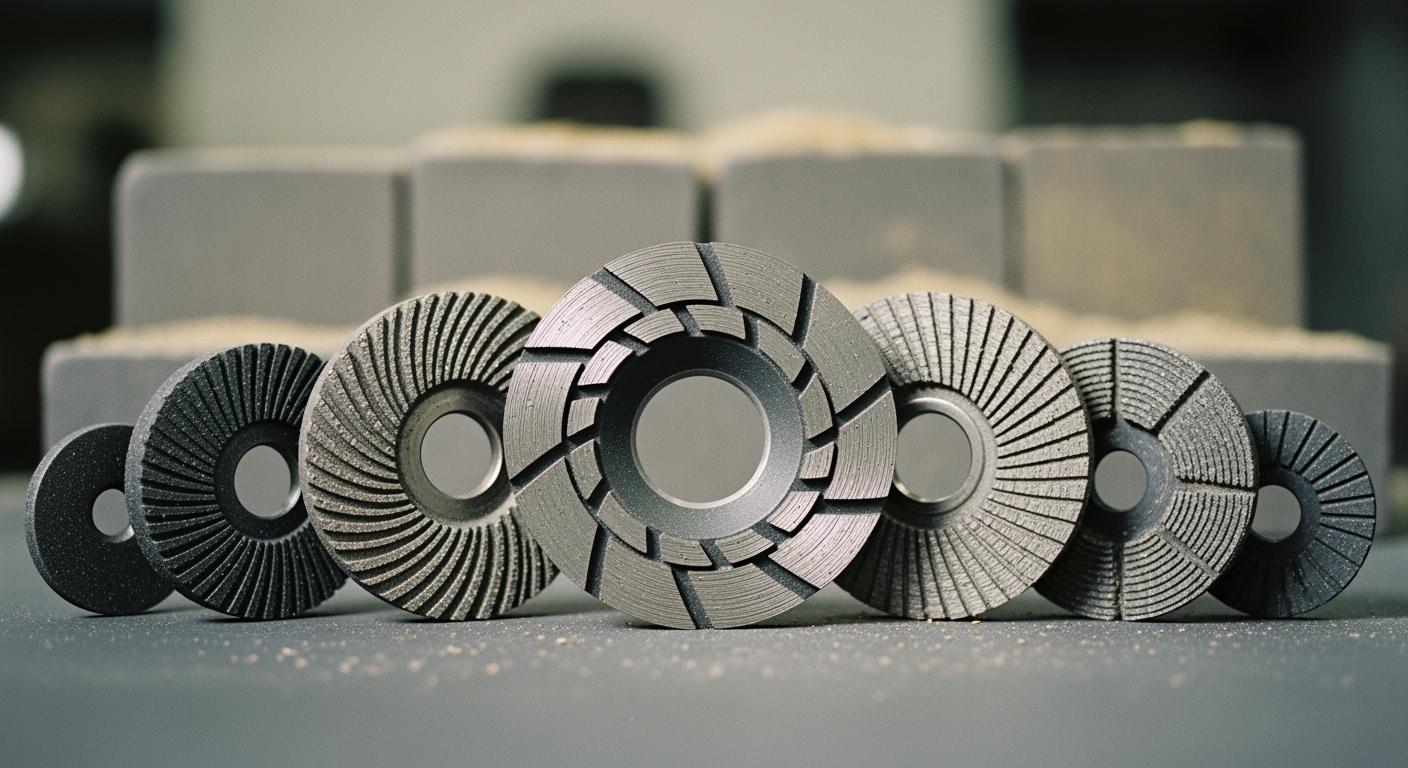
You want the most wear-resistant solution for processing refractory materials. The metal bond diamond wheel stands out as the top choice. This type of diamond grinding wheel gives you exceptional durability and strength. Aimgrind uses advanced formulas and strict quality control to make sure you get long-lasting performance. You can trust Aimgrind to help you achieve efficient grinding with every use.
Key Takeaways
- Choose metal bond diamond wheels for the highest wear resistance in refractory processing. They offer exceptional durability and maintain sharpness over time.
- Sintered diamond wheels provide excellent performance for continuous grinding. They resist wear and keep diamond particles exposed for steady cutting action.
- Select the right bond type based on your material. Hard ceramics need metal or vitrified bonds, while softer refractories work best with resin bonds.
- Regular maintenance, like dressing your wheel, maximizes wear resistance and ensures consistent grinding results.
- Aimgrind offers custom solutions and expert support to help you select the best diamond grinding wheel for your specific needs.
Most Wear-Resistant Diamond Wheel
Metal Bond Diamond Wheel
You want a grinding solution that lasts. The metal bond diamond grinding wheel gives you the highest level of wear resistance for refractory processing. This type of wheel uses a strong metal matrix to hold the diamond particles in place. The metal bond resists heat and pressure during grinding. You can use it for long periods without losing shape or sharpness.
When you choose a metal bond diamond grinding wheel from Aimgrind, you get more than just durability. You get a tool that meets strict industry standards. Organizations like ANSI and OSHA set guidelines for safety and quality. Aimgrind follows these standards to make sure every diamond grinding wheel delivers reliable results.
Tip: Use a metal bond diamond wheel when you need to grind hard, abrasive materials like ceramics or advanced refractories. You will notice less wheel wear and more consistent results.
Aimgrind’s metal bond diamond grinding wheels feature:
- High diamond concentration for longer life
- Stable structure for heavy-duty grinding
- Custom sizes to fit your equipment
You can trust these wheels to keep their shape and deliver smooth finishes. Many industries rely on this type of diamond grinding wheel for tough jobs.
Sintered Diamond Wheel
You may also consider the sintered diamond wheel for refractory processing. This wheel uses a process called sintering, where heat and pressure bond the diamond particles with metal powders. The result is a dense, solid structure that stands up to extreme conditions.
Sintered diamond grinding wheels offer excellent wear resistance. You can use them for continuous grinding without frequent replacements. The dense bond keeps the diamond particles exposed, so you get steady cutting action.
Aimgrind’s sintered diamond grinding wheels give you:
- Uniform diamond distribution for even wear
- Strong bonding for high-speed grinding
- Options for wet or dry use
You will see better performance and less downtime. These wheels work well on hard, brittle materials that would quickly wear out other types of wheels.
Note: Both metal bond and sintered diamond wheels from Aimgrind go through careful quality checks. You get tools that meet industry standards and deliver top performance for refractory processing.
If you want the most wear-resistant diamond wheel, choose either metal bond or sintered types from Aimgrind. You will get reliable, long-lasting tools that help you finish your work with confidence.
Types of Grinding Wheel for Refractory Processing
When you process refractory materials, you need to choose the right diamond grinding wheel. Each type offers unique benefits for different jobs. You can see the main differences in wear resistance and cost in the table below:
| Bond Type | Advantages | Limitations |
|---|---|---|
| Vitrified Bond | Excellent heat resistance, low grinding force, superior shape retention | More brittle than resin or metal bonds, not suitable for flexible grinding |
| Resin Bond | Smooth surface finish, self-sharpening properties, lower cost | Lower thermal resistance, shorter lifespan compared to vitrified and metal bonds |
| Metal Bond | Long life, excellent form-holding, high material removal rate | Generates more heat, may require dressing to maintain sharpness |
| Cost Factor | Diamond Wheels | Silicon Carbide Wheels |
|---|---|---|
| Initial Cost | $150-250 | $35-60 |
| Operating Life (hours) | 300-500 | 50-100 |
| Cost per Hour | $0.30-0.83 | $0.35-1.20 |
| Maintenance Frequency | Low | High |
Resin Bond Diamond Grinding Wheels
You can use a resin bond diamond grinding wheel when you want a smooth finish and easy handling. This wheel works well for softer refractory materials. It has self-sharpening properties, so you get steady performance. The lower cost makes it a good choice for many jobs. However, it does not last as long as other types when you grind very hard materials. You may need to replace it more often if you work with tough refractories.
Vitrified Bond Diamond Grinding Wheels
A vitrified bond diamond grinding wheel gives you excellent heat resistance and shape retention. You can use it for high-precision grinding of hard and brittle refractory materials. This wheel keeps its form even under heavy use. It works best when you need low grinding force and a consistent finish. The vitrified bond diamond grinding wheel is more brittle than resin bond types, so you should avoid using it for flexible or uneven surfaces.
Agglomerated Diamond Wheels
Agglomerated diamond grinding wheels combine diamond grains with a special binder. You can use these wheels for fast material removal and rough grinding. They work well on large surfaces and can handle a range of refractory materials. However, they do not offer the same level of precision as resin or vitrified bond wheels. You may choose this type when you need quick results and do not require a fine finish.
Tip: Aimgrind helps you select the best diamond grinding wheels for your needs. You get expert advice, custom sizes, and formula design for every type of grinding wheel. Aimgrind matches the right wheel to your equipment and material, so you achieve the best performance every time.
You can trust Aimgrind to guide you through the selection process. The team uses years of experience to recommend the ideal diamond wheel for your refractory processing tasks.
Factors Affecting Diamond Wheel Wear Resistance
Bond Type and Structure
You need to understand how the bond type and structure affect the wear resistance of your diamond wheel. Each bond type has unique properties.
- Vitrified bonds give you high chemical stability and good self-sharpening. You get a low wear ratio and higher grinding efficiency.
- Metal bonds offer strong holding power but have poor self-sharpness. They can cause damage if you use them on the wrong material.
- Resin bonds provide elasticity and a smooth finish. They do not perform as well in high-temperature applications because of carbonization.
The structure of the bond also matters. A well-designed bond holds the diamond particles firmly. This keeps the wheel sharp and helps you achieve a longer tool life.
Grit Size and Quality
You should pay attention to grit size and quality. The hardness of the diamond particles determines how well the wheel cuts and how long it lasts.
- Large grit sizes remove material quickly but may wear out faster.
- Small grit sizes give you a finer finish and better control.
- High-quality diamond grains with superior hardness last longer and resist breaking.
If you choose the right grit size and quality, you will see better performance and less downtime. The hardness of the diamond grains is key to grinding tough refractory materials.
Manufacturing and Customization
Manufacturing techniques play a big role in wear resistance. You want a diamond grinding wheel with superior hardness and optimized bonding technology. This gives you high grain retention and stable material removal rates.
- High porosity improves coolant flow and debris removal.
- Superior thermal conductivity helps with heat dissipation.
- Advanced methods like brazing increase structural integrity and can boost wear resistance by up to 30%.
Aimgrind uses personalized formula design and sample optimization to match your needs. You get a diamond grinding wheel that fits your equipment and process. This ensures you achieve the best hardness, durability, and tool life for your application.
Tip: Regular maintenance, such as dressing your wheel and using the correct speed, helps you maximize wear resistance and keep your grinding results consistent.
Selecting Diamond Grinding Wheels for Refractory Materials
Matching Wheel to Material
You need to match the grinding wheel selection to the refractory material you want to process. Hard ceramics require high-precision diamond wheels. Soft refractories work best with resin bond diamond grinding tools. If you process advanced composites, you should use synthetic diamond for better durability. Electroplated diamond grinding wheel suits intricate shapes and delicate edges. You must consider the application and the material’s hardness. Aimgrind helps you choose the right diamond grinding tools for every application. You get advice on grit size, bond type, and wheel shape. This ensures your grinding wheel selection fits your equipment and delivers the best results.
Processing Conditions and Longevity
You must pay attention to processing conditions to extend the life of your diamond grinding wheels. Wet grinding allows you to use harder bonds because coolant manages heat. Dry grinding needs softer bonds to prevent overheating. The type of coolant affects the bond hardness and core material. Operational speed and pressure can cause increased wear or glazing. This reduces the wheel’s lifespan. You should adjust grinding wheel selection based on your application and processing method. Aimgrind recommends the best diamond grinding tools for each application. You get guidance on speed, coolant, and pressure to maximize wheel life.
- Wet grinding enables harder bonds and better heat management.
- Dry grinding requires softer bonds to avoid overheating.
- Coolant type affects bond hardness and core material.
- High speed and pressure increase wear and glazing.
Aimgrind’s Custom Solutions
Aimgrind offers custom grinding wheel selection for every application. You get a full service process that includes problem diagnosis, parameter matching, and sample optimization. Aimgrind uses synthetic diamond and advanced formulas to create diamond grinding tools that fit your needs. You receive support from selection to final application. Aimgrind helps you choose the right diamond grinding wheel for your equipment and material. You can rely on Aimgrind for expert advice and ongoing customer support. Every application gets a tailored solution for maximum efficiency and performance.
Tip: Aimgrind’s team works with you to optimize your grinding wheel selection. You achieve better results and longer tool life for every application.
You learned that metal bond and sintered wheels offer the best wear resistance for refractory processing. Aimgrind gives you custom solutions and expert support. Industry experts highlight these benefits:
- Vitrified bonds keep their shape and help you achieve tight tolerances.
- You get less vibration and better surface finish.
- Thermal stability lets you grind at high temperatures.
- Controlled wear means your diamond grinding wheel lasts longer.
Aimgrind helps you select the right tool for your job. You can rely on Aimgrind for quality and performance.
FAQ
What makes a diamond wheel wear-resistant for refractory processing?
You get wear resistance from the bond type, diamond quality, and wheel structure. Metal and sintered bonds hold diamond particles tightly. High-quality diamonds last longer. A strong structure keeps the wheel sharp during tough jobs.
How do you choose the right diamond wheel for your refractory material?
You should match the wheel bond and grit size to your material’s hardness. Hard ceramics need metal or vitrified bonds. Softer refractories work well with resin bonds. Aimgrind helps you select the best option for your needs.
Can you use diamond wheels for both wet and dry grinding?
Yes, you can use diamond wheels for both wet and dry grinding. Wet grinding helps control heat and extends wheel life. Dry grinding works for quick jobs. Always follow Aimgrind’s recommendations for best results.
Does Aimgrind offer custom diamond grinding wheels?
Yes! Aimgrind designs custom wheels for your equipment and process. You get personalized formulas, sample optimization, and expert support. This ensures your grinding wheel fits your exact needs.
Contact Us
For More Grinding Solution or Customized Abrasive Tools