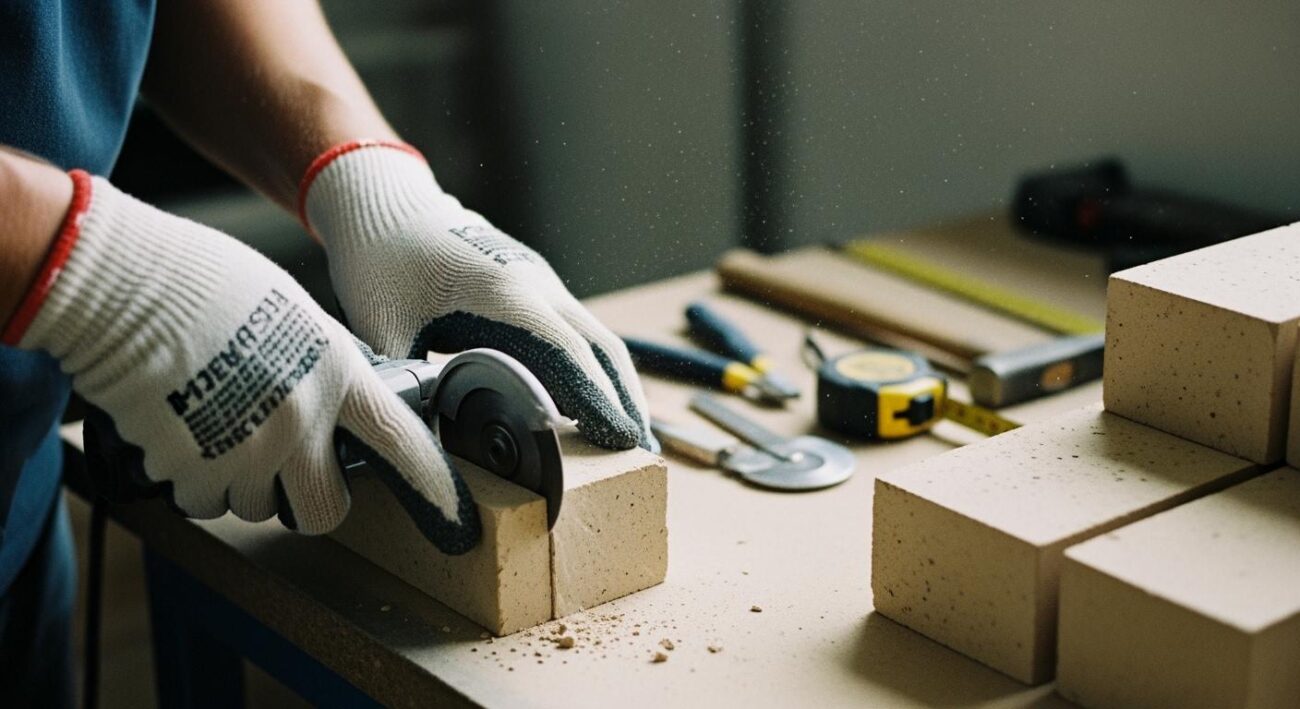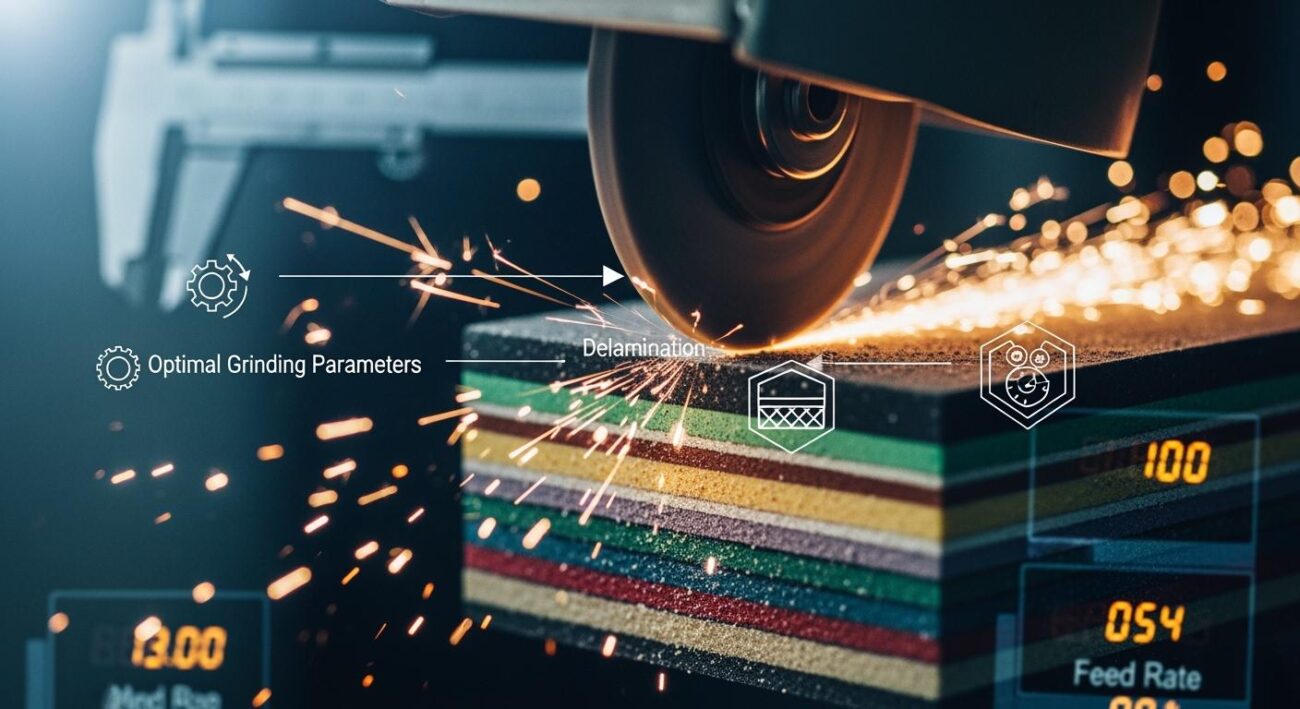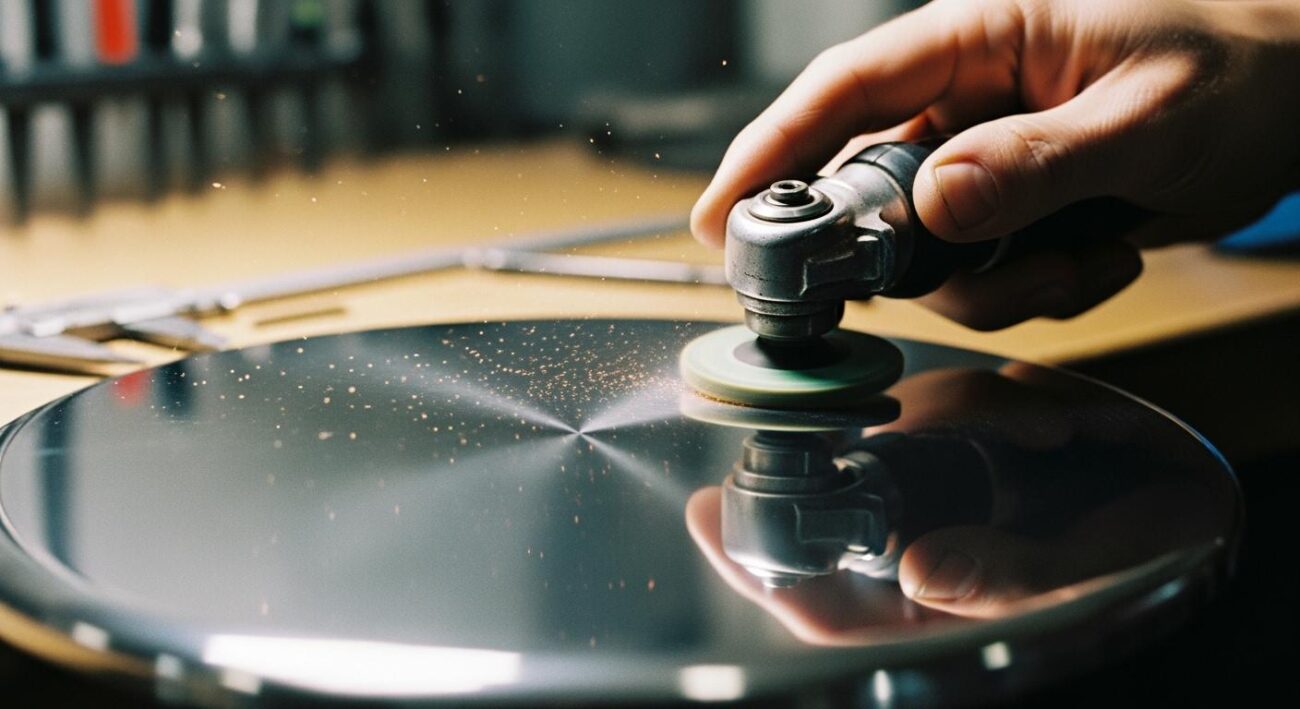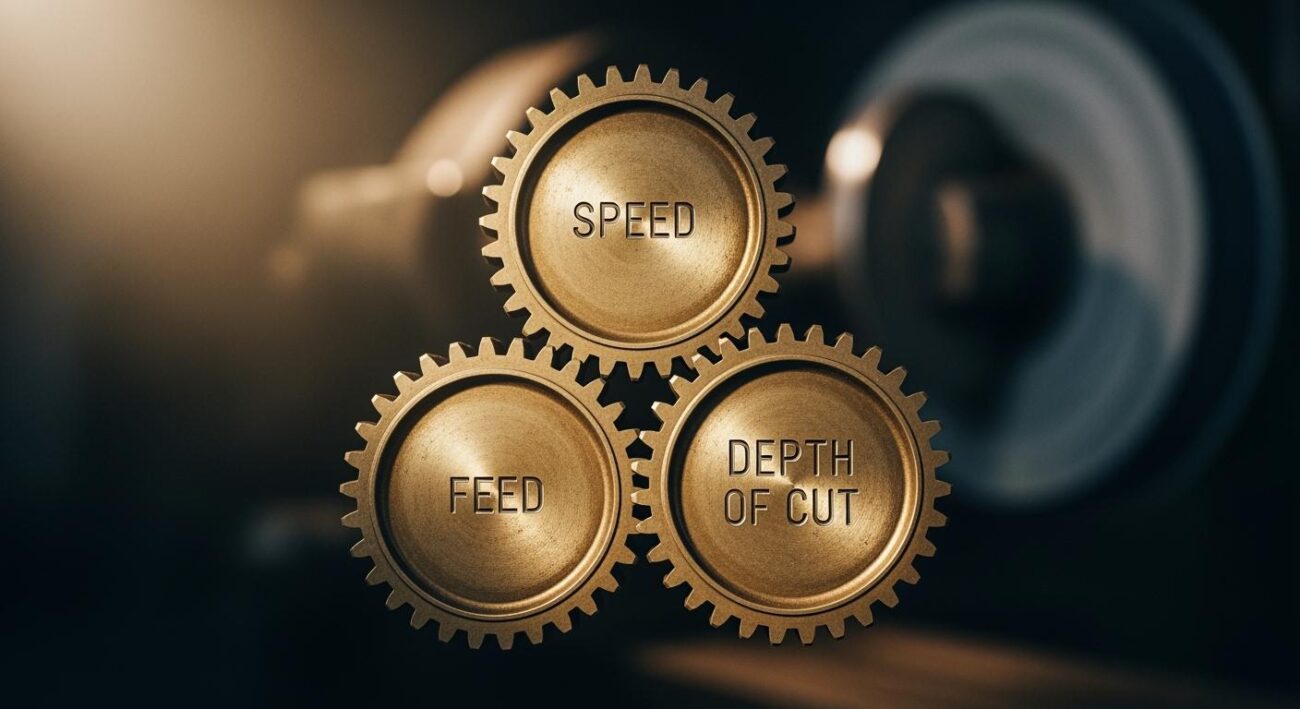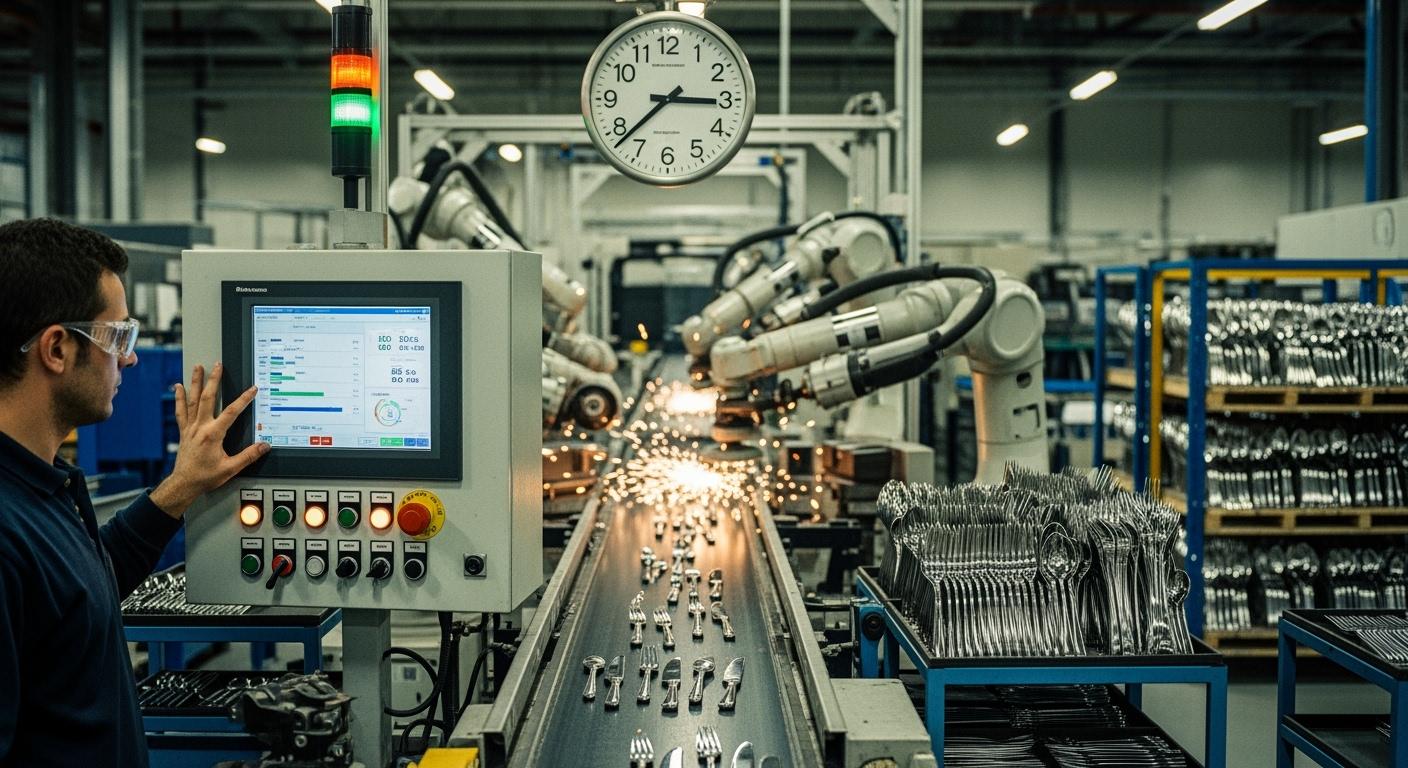
You want to improve efficiency in your cutlery grinding line to reach higher productivity and cost savings. Technology helps you improve efficiency because advanced machines and automation cut downtime. You boost productivity when you use technology and focus on process optimization. Aimgrind offers tailored solutions that use technology and innovation to improve efficiency and deliver cost savings. You gain quality and innovation when you choose tailored solutions and super hard abrasives from Aimgrind. These steps help you improve efficiency and build a strong foundation for your business.
Key Takeaways
- Optimize your layout to enhance workflow. A well-organized workspace reduces wasted steps and boosts productivity.
- Invest in automation to improve efficiency. Automated systems lower labor costs and increase production speed while ensuring consistent quality.
- Choose super hard abrasives for longer tool life and better performance. These abrasives reduce downtime and enhance cutting quality.
- Implement regular training for your team. Skilled operators make fewer mistakes and work more efficiently, leading to higher productivity.
- Track key performance indicators (KPIs) to measure efficiency. Monitoring metrics helps you identify issues early and make informed decisions.
Streamline Workflow for Efficiency
Layout Optimization
You can boost production in your cutlery grinding line by focusing on layout optimization. A well-planned layout helps you move materials smoothly and reduces wasted steps. You see fewer delays and less confusion when you organize machines and workstations in a logical order. This approach increases production because workers spend less time walking and searching for tools. You also improve safety, which means fewer accidents and less downtime.
- A well-planned layout improves productivity.
- It reduces material handling, which is crucial in cutlery grinding to minimize waste and enhance throughput.
- Enhanced safety and workflow lead to fewer disruptions, further increasing efficiency.
You should review your current setup and look for bottlenecks that slow down production. Aimgrind’s team can help you diagnose these issues and design a layout that fits your needs. You get a tailored solution that matches your equipment and production goals.
Material Handling Improvements
You can raise production levels by improving how you handle materials. Automated systems, such as robotic arms, help you move parts quickly and safely. These systems deliver consistent quality and reduce the risk of injury. When you use automation, you cut down on cycle times and keep production moving smoothly.
Material handling improvements also affect your costs. The right equipment may cost more at first, but you save money over time. You use less energy and spend less on maintenance. You should calculate the total cost per ton of material, including energy, tooling wear, and repairs. Reliable machines with durable parts help you avoid unexpected stops and keep production on track.
Aimgrind supports you by offering solutions that fit your workflow and production needs. You get advice on choosing the best equipment and tools for your line. This approach helps you reach higher production and lower costs.
Grinding Solutions & Equipment Upgrades
Automation in Grinding Lines
You can transform your cutlery grinding line with automation. Automated systems help you reach higher uptime and productivity by reducing manual work and errors. Machines handle repetitive tasks, so you see fewer mistakes and more consistent cutting quality. Automation also lowers labor costs and speeds up production. You can produce dozens of pieces each minute, which is much faster than manual work. Automated lines give you uniform thickness, shape, and finish. This means you get fewer defects and less poor finish on blades.
Here is a table that shows how automation impacts your grinding line:
| Evidence Type | Details |
|---|---|
| Labor Cost Reduction | Automation can reduce labor needs by up to 50%, significantly lowering annual labor costs. |
| Increased Production Speed | Automated lines can produce dozens of pieces per minute, greatly surpassing manual production rates. |
| Consistent Quality | Machines provide uniformity in thickness, shape, and finish, leading to fewer defects. |
| Return on Investment | Initial costs of automation can be recouped within 2-3 years through labor savings and increased throughput. |
You should consider advanced technology like AI integration and real-time monitoring. These tools help you adjust grinding processes quickly and avoid downtime. CNC systems also let you perform complex grinding tasks with high precision. When you use these advancements, you get cleaner cuts and enhanced blade quality for your industrial blade sharpening needs.
Aimgrind Super Hard Abrasives for Improved Efficiency
You can boost efficiency in your grinding line by choosing Aimgrind super hard abrasives. These tools use diamond and cubic boron nitride grains. They offer extraordinary hardness and last much longer than traditional abrasives. You spend less time changing wheels and more time grinding. This means less downtime and shorter lead times for your orders.
Here is a table comparing super hard abrasives to traditional abrasives:
| Feature | Super Hard Abrasives | Traditional Abrasives |
|---|---|---|
| Hardness | Extraordinary hardness | Softer materials |
| Lifespan | Longer tool life | Break down faster |
| Thermal Stability | High tolerance to heat | Lower heat tolerance |
| Chemical Inertness | More chemically inert | Can react with metals |
| Material Removal Rates | Higher rates | Lower rates |
You get more wheels on the spindle and can perform multiple operations with smaller wheels. This setup saves floor space and reduces tooling costs. Super hard abrasives also give you consistent surface speed and better throughput. You need fewer machines for industrial blade sharpening, which means you save money and energy. These abrasives help you achieve precision and cutting quality for industrial knives and other tools.
Aimgrind provides custom problem-solving and tailored solutions for your grinding needs. You can match the right abrasive to your equipment and process. This approach ensures you get the best results for industrial blade sharpening and other applications.
Maintenance Best Practices
You can keep your grinding equipment running smoothly by following maintenance best practices. Regular care prevents downtime and keeps your line efficient. Here is a simple list of steps you should follow:
- Clean and inspect your machine every day. This stops buildup that can hurt performance.
- Lubricate important parts often. This reduces wear and keeps everything moving well.
- Check and dress your grinding wheels. This keeps your cuts precise and safe.
- Watch your coolant system. Make sure levels and quality stay high to prevent overheating.
- Schedule professional inspections. Experts can find problems you might miss.
You may face challenges like overheating, vibration, or loading. Overheating often comes from incorrect setup or grinding parameters. You can fix this by adjusting your settings. Vibration usually means uneven wheel wear. Regular inspection and dressing solve this problem. Loading happens with soft materials. You can use a coarser grit wheel to fix it. Uneven grinding comes from poor machine calibration. Regular calibration helps you avoid this issue. Tool holder problems can also cause trouble. Make sure your tool holder is secure and aligned.
You should always focus on precision and cutting quality. Good maintenance leads to higher efficiency and less downtime. You get better results for industrial blade sharpening and grinding of industrial knives. Aimgrind supports you with solutions that match your needs and help you achieve cleaner cuts and enhanced blade quality.
Training & Management for Productivity
Skill Development
You can raise productivity in your cutlery grinding line by focusing on skill development. When you invest in training, you help your team understand how each step affects the final result. Operators learn how to adjust alignment parameters for better grinding quality. This knowledge lets them make smart choices instead of just following instructions. You see fewer mistakes and higher output when your team feels confident.
On-site operator training gives your workers hands-on experience. They practice alignment and setup, which builds their skills and boosts safety. You notice that trained operators work faster and with fewer errors. This leads to better productivity and less downtime. You also create a safer workplace because skilled workers know how to avoid accidents.
Tip: Schedule regular training sessions to keep your team updated on new tools and techniques. This keeps productivity high and supports a culture of safety.
Performance Monitoring
You can improve productivity by tracking performance in your grinding line. Set clear goals for each shift and measure how well your team meets them. Use simple charts or tables to show progress. When you share results with your team, you help everyone stay focused.
You should watch for patterns in errors or slowdowns. If you see a drop in productivity, check if more training is needed. Sometimes, a quick review of safety steps can prevent accidents and keep the line moving. You can use feedback from your team to find better ways to work. This helps you keep safety and productivity at the highest level.
- Track daily output and compare it to your goals.
- Review safety records to spot areas for improvement.
- Hold short meetings to discuss training needs and celebrate wins.
You build a strong team when you focus on skill development, training, and performance monitoring. This approach keeps productivity high and ensures safety in your cutlery grinding line.
Quality Control Integration
In-line Inspection Systems
You can improve your cutlery grinding line by using in-line inspection systems. These systems check each piece as it moves through the process. You spot defects early and stop them from reaching the next stage. This helps you keep your output at a high quality level. In-line inspection systems use sensors and cameras to measure blade thickness, edge sharpness, and surface finish. You get real-time feedback, so you can fix problems right away.
You should focus on three main areas to ensure consistent quality:
- Control grinding parameters to prevent damage and achieve the edge you want.
- Apply coolant effectively to keep tools strong and working well.
- Use strict inspection steps to make sure only the best tools move forward.
When you use these methods, you reduce waste and avoid costly rework. You also build trust with your customers because they know you deliver reliable products.
Feedback Loops for Continuous Improvement
You can make your grinding line even better by setting up feedback loops. These loops let you collect data from inspection systems and use it to improve your process. When you see a pattern of defects, you can adjust your machines or train your team to fix the issue. This keeps your quality high and helps you meet your production goals.
You should hold regular meetings with your team to review inspection results. Share what works and what needs to change. Encourage everyone to suggest ideas for improvement. When you listen to your team, you find new ways to boost quality and efficiency.
Tip: Keep a simple chart to track changes and see how each adjustment affects your results. This helps you make smart decisions and reach higher standards in your cutlery grinding line.
Data-Driven Tailored Solutions
Tracking KPIs for Efficiency
You can improve your cutlery grinding line by tracking key performance indicators (KPIs). KPIs help you measure how well your process works and show where you can make changes. You should focus on metrics that matter most for efficiency and productivity. For example, you can track visits per day and average revenue per visit. These numbers show how much work your line handles and how much value you create.
| KPI Name | Metric Type | Target / Benchmark | Review Frequency |
|---|---|---|---|
| Visits Per Day (VPD) | Operational capacity utilization | 12 VPD in 2026, 40 VPD by 2028 | daily/weekly |
| Average Revenue Per Visit (ARPV) | Pricing power and sales mix effectiveness | $6050 in 2026, $7940 by 2028 | weekly |
You should also keep an eye on other important factors:
- Maintain uniform particle size for consistent performance.
- Reduce contamination risk with sanitary knife designs.
- Minimize waste and rework through accurate cutting.
- Increase throughput by reducing bottlenecks.
- Support regulatory compliance with proper equipment.
When you track these KPIs, you spot problems early and make smart decisions. Real-time KPI tracking gives you instant access to performance metrics. You can act quickly to fix issues and keep your grinding line running smoothly.
Using Analytics to Refine Grinding Processes
You can use analytics tools to refine your grinding process and boost efficiency. Sensor networks monitor equipment performance, product quality, and operational parameters. These sensors track vibration, temperature, and power use. You see problems before they cause downtime.
Platforms like Metso Outotec Metrics help you check equipment health and find mechanical issues early. Metso Outotec RockSense analyzes feed particle size to optimize grinding. MillMapper monitors maintenance and process operations to improve liner life and throughput.
You can use advanced control systems, PLC, and DCS technologies to adjust grinding parameters in real time. Automated feedback loops watch product quality and change settings to keep output consistent.
Aimgrind’s comprehensive service process supports you with parameter matching and sample optimization. You get tailored solutions that fit your equipment and production goals. When you use data and analytics, you make your grinding line more efficient and reliable.
You can improve your cutlery grinding line by focusing on workflow optimization, upgrading equipment, and training your team. Upgrades help you boost uptime and reduce performance losses, as shown below:
| Metric | Improvement Impact |
|---|---|
| Uptime | Improving from 80% to 88% can unlock thousands of additional units per month. |
| Performance Losses | Micro-stoppages can drain 5-10% of total production capacity. |
| Standardization of Settings | Reduces variability, leading to more stable production and higher efficiency. |
Stay committed to continuous improvement. You can rely on Aimgrind’s tailored grinding solutions to reach your goals.
FAQ
What are the main benefits of using super hard abrasives in cutlery grinding?
You get longer tool life, faster grinding, and better surface finish. Super hard abrasives help you reduce downtime and save money. You also achieve higher precision and consistency in your cutlery products.
How often should you check and dress grinding wheels?
You should check and dress your grinding wheels daily. This keeps your cuts accurate and safe. Regular maintenance helps you avoid uneven grinding and extends the life of your wheels.
Can automation improve quality in cutlery grinding lines?
Yes! Automation gives you consistent results and reduces human error. Machines help you keep blade thickness, shape, and finish uniform. You also increase production speed and lower labor costs.
How do you choose the right abrasive for your grinding line?
Tip: Match the abrasive to your material and machine. You can ask Aimgrind for help. They offer custom solutions based on your needs and equipment.
What KPIs should you track to measure grinding line efficiency?
| KPI Name | What It Measures |
|---|---|
| Output per Day | Production volume |
| Downtime Hours | Lost production time |
| Scrap Rate | Quality and waste |
You should review these KPIs weekly to spot trends and make improvements.
Contact Us
For More Grinding Solution or Customized Abrasive Tools