You need to choose the right diamond wheels for crust removal and imperfection trimming. The correct diamond wheel boosts your productivity and improves the finish quality. You save money when you use the best diamond tool for your process. Aimgrind helps you find the perfect diamond solution for your material and machine. Diamond tools work well for grinding, cutting, and polishing applications.
Tip: Using a diamond wheel matched to your needs leads to better results and longer tool life.
Key Takeaways
- Choose the right diamond wheel based on the material you are working with. Matching the wheel to the material ensures better results and longer tool life.
- Select the appropriate grit size for your task. Coarse grits remove material quickly, while fine grits provide a smooth finish.
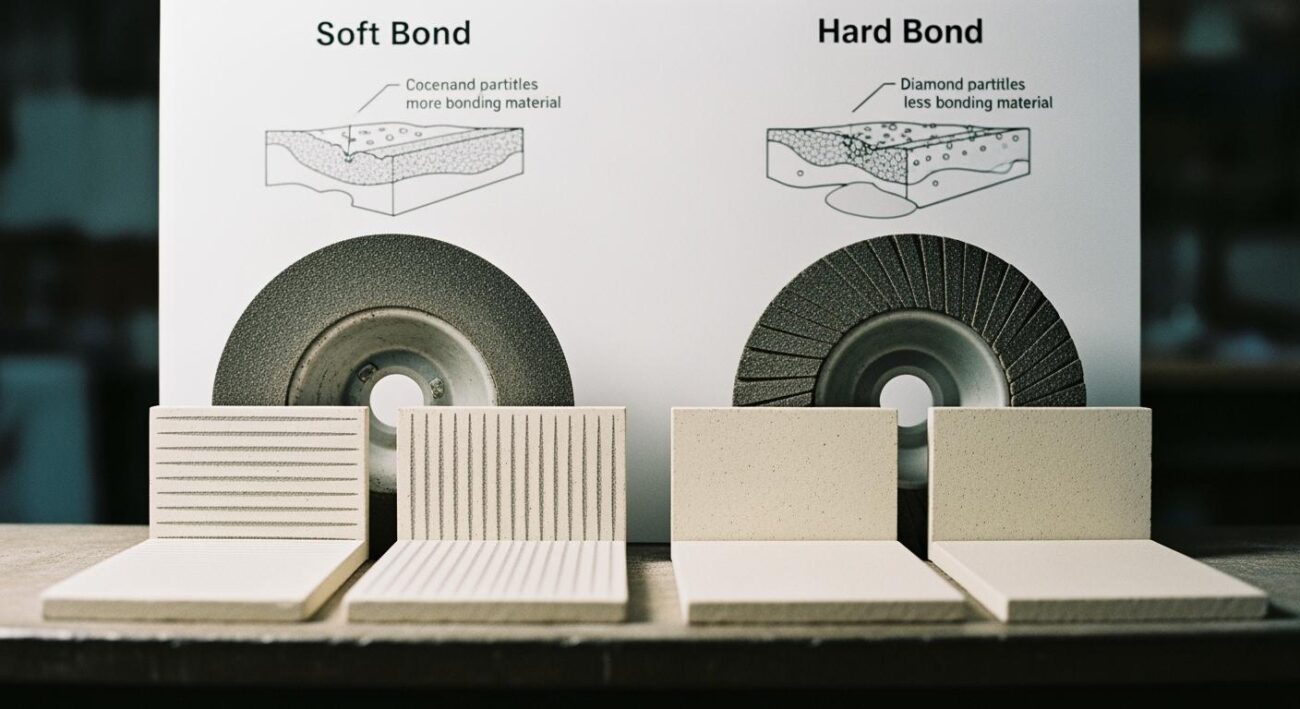
- Consider the bond type of the diamond wheel. Different bonds offer unique strengths, affecting durability and performance.
- Ensure the wheel shape and segment design fit your application. This choice impacts cutting speed and finish quality.
- Regular maintenance, including cleaning and dressing, keeps your diamond tools effective and extends their lifespan.
Types of Diamond Wheels
You can choose from several types of diamond wheels for crust removal and imperfection trimming. Each type offers unique strengths. Aimgrind provides a wide range of options and custom designs to match your needs.
Resin Bond Diamond Wheels
Resin bond diamond wheels use a resin material to hold the diamond particles. You get smooth grinding and a fine finish. These wheels work well for trimming hard materials like ceramics and metals. You can use resin bond diamond wheels for high-speed grinding. They help you remove crust quickly and leave fewer imperfections. Aimgrind offers custom shapes and grit sizes for these wheels.
Note: Resin bond diamond wheels are ideal for jobs that need a gentle touch and a polished surface.
Metal Bond Diamond Wheels
Metal bond diamond wheels use a metal matrix to secure the diamond. You get strong durability and long life. These wheels handle tough crust removal and heavy-duty trimming. You can use metal bond diamond wheels for grinding hard alloys and composites. Aimgrind can customize these wheels for your machine and material.
Vitrified Bond Diamond Wheels
Vitrified bond diamond wheels use a glass-like bond. You get fast cutting and stable performance. These wheels resist heat and wear. You can use vitrified bond diamond wheels for precise trimming and crust removal. Aimgrind offers these wheels in different shapes and sizes to fit your process.
Electroplated Diamond Wheels
Electroplated diamond wheels use a layer of diamond fixed by electroplating. You get sharp edges and high accuracy. These wheels work well for detailed trimming and crust removal. You can use electroplated diamond wheels for intricate shapes and fine work. Aimgrind can design these wheels for special tasks and unique materials.
- You can ask Aimgrind for custom diamond wheels to match your application.
- Aimgrind helps you select the right wheel for your material and machine.
Key Factors in Diamond Wheel Selection
Choosing the right diamond wheels for crust removal and imperfection trimming means you get better results and higher productivity. You need to look at several key factors before you decide. Aimgrind helps you match the right parameters and formulas to your material and machine. This ensures you get the best performance and finish.
Material Compatibility
You must match the diamond wheel to the material you want to process. Different materials have different levels of hardness and toughness. For example, ceramics and hard alloys need wheels with high diamond hardness. Softer materials, like certain composites, require a different approach. If you use the wrong wheel, you can damage your workpiece or reduce the wheel’s life.
- Hard materials (like granite or glazed tiles) need finer diamond grits for a smooth finish.
- Softer materials (like bricks) work better with coarser grits for faster removal.
- The power of your machine must match the demands of the material and the wheel.
Aimgrind uses its experience to help you select the right wheel for your specific material. You get a wheel that fits your needs and boosts your productivity.
Grit Size and Finish
Grit size controls how rough or smooth the grinding action feels. You choose a coarse grit for fast crust removal. You pick a fine grit for a smooth, polished finish. The grit size also affects the efficiency and quality of your work.
- Finer grits work best for hard materials and give you a better finish.
- Coarser grits remove material faster but may leave a rougher surface.
- The right grit size improves both removal efficiency and finish quality.
Studies show that grit size changes how diamond abrasives wear and how much material you can remove. If you optimize grit size, you get better performance and higher productivity. Aimgrind helps you test and select the best grit size for your job.
Bond Type and Durability
The bond holds the diamond particles in place. You need to pick the right bond for your application. Resin, metal, and vitrified bonds each offer different strengths.
- Resin bonds give you a smooth finish and work well for high-speed grinding.
- Metal bonds last longer and handle heavy-duty jobs.
- Vitrified bonds resist heat and wear, giving you stable performance.
The bond type also affects how easy it is to dress the wheel. Dressing removes clogged material and restores cutting efficiency. Specialized tools, like oil stones, help break down the bond and keep your wheel working well. Aimgrind can design the bond formula to match your process, so you get the best durability and performance.
Wheel Shape and Segment Design
The shape and segment design of the wheel affect how it cuts and trims. You can choose from segmented rims, continuous rims, or turbo rims.
- Segmented rims cut faster but may cause chipping.
- Continuous rims give you smoother cuts with less chipping.
- Turbo rims balance speed and finish.
You need to match the wheel shape to your application. Aimgrind offers custom shapes and segment designs to fit your machine and material. This helps you get precise results and maintain high productivity.
Diamond Concentration
Diamond concentration means how much diamond is in the wheel. Higher concentration gives you more cutting points and longer life. Lower concentration can make the wheel cut faster but may wear out sooner.
- There is a linear relationship between diamond concentration and the strength of the wheel.
- Higher concentration improves durability and performance, especially for tough jobs.
- The right concentration helps you balance removal speed and finish quality.
Aimgrind uses advanced formula design to set the best diamond concentration for your needs. You get a wheel that delivers consistent performance and supports your productivity goals.
Tip: Always consult with Aimgrind’s experts to match all these factors. You get a wheel that fits your material, machine, and process for the best results.
How to Choose the Right Diamond Grinding Wheel
You want to get the best results when you use a diamond grinding wheel for crust removal and imperfection trimming. You need to follow a clear process to make the right choice. Aimgrind gives you a step-by-step guide that helps you match the wheel to your needs and boosts your efficiency.
Assessing Application Needs
You start by looking at your application. You need to know what material you want to grind and what finish you expect. You check the hardness of the material. You decide if you need a rough cut or a smooth polish. You look at the size and shape of the workpiece. You think about how much material you need to remove.
- Choose a diamond grinding wheel that matches the hardness of your material.
- Select the wheel based on the finish and precision you want.
- Consider the operational speed and durability for your process.
- Make sure the wheel fits your machine specifications.
- Evaluate the cost-effectiveness for long-term productivity.
Tip: You can ask Aimgrind for sample optimization. You get a wheel that fits your exact needs and improves your efficiency.
Matching Wheel to Machine Specs
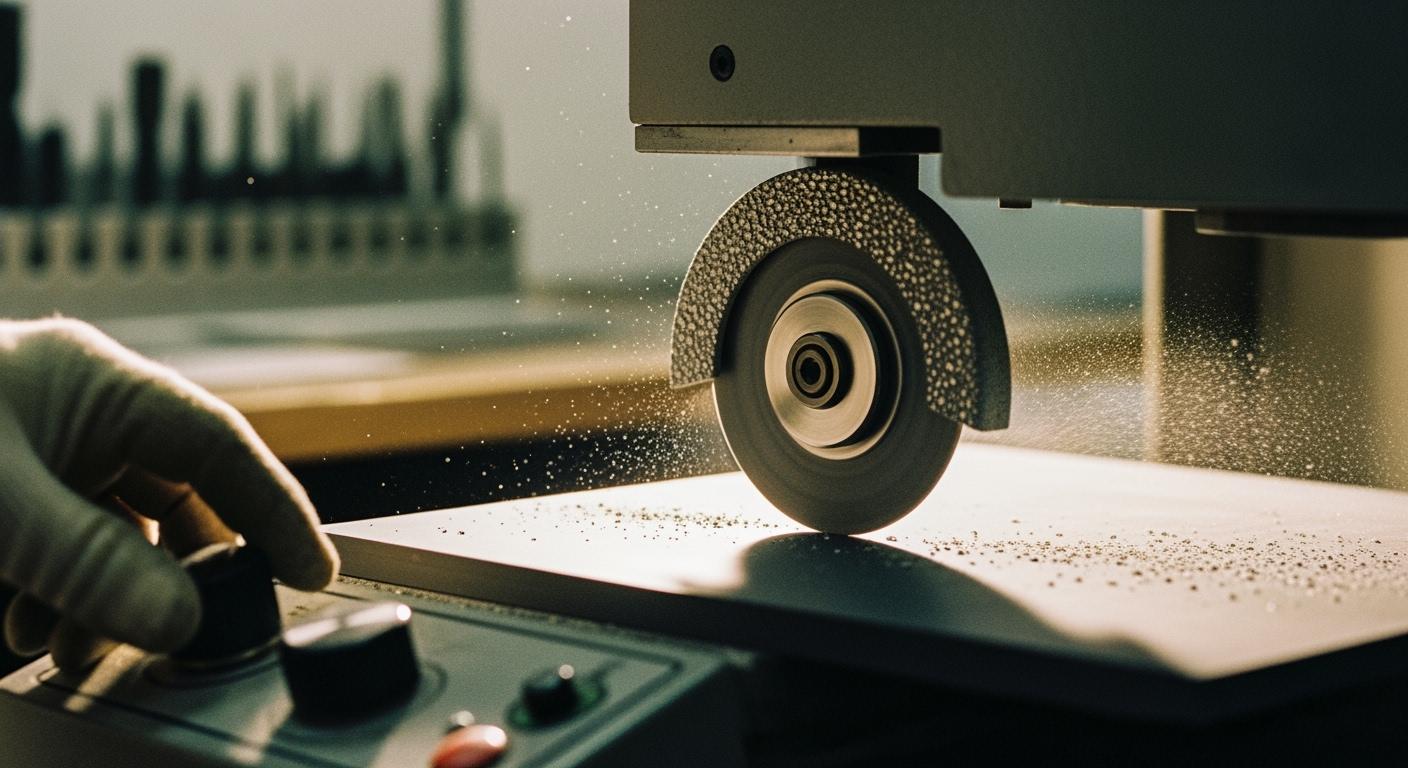
You need to check your machine before you select a diamond grinding wheel. You look at the spindle speed, power, and mounting system. You make sure the wheel size and shape fit your machine. You check if your machine supports wet or dry grinding. You ask Aimgrind to customize the wheel for your equipment.
- You avoid mistakes by matching the wheel to your machine specs.
- You get better performance and longer wheel life.
- You improve your efficiency and reduce downtime.
Considering Wet vs. Dry Grinding
You decide if you want to use wet or dry grinding. Wet grinding uses coolant to keep the wheel cool and clean. Dry grinding does not use coolant. Wet grinding gives you better efficiency and longer wheel life. Dry grinding works well for quick jobs and small batches.
| Grinding Type | Benefits | When to Use |
|---|---|---|
| Wet Grinding | Reduces heat, improves efficiency, extends wheel life | Large jobs, hard materials, high precision |
| Dry Grinding | Fast setup, easy operation | Small jobs, soft materials, quick removal |
You check your machine and material to choose the best method. Aimgrind helps you select the right diamond grinding wheel for wet or dry grinding.
Economic Considerations
You want to save money and get high efficiency. You look at the cost of the diamond grinding wheel and the value it brings. You check how long the wheel lasts. You see how much material you can remove before you need a new wheel. You compare the cost of frequent wheel changes to the cost of a high-quality wheel.
- You choose a wheel that gives you the best performance and efficiency.
- You avoid mistakes that waste money and time.
- You ask Aimgrind for sample optimization to test the wheel before you buy.
Note: Customization and sample optimization help you get the best value. You improve your efficiency and reduce costs.
Common Mistakes and How to Avoid Them
You need to avoid mistakes when you select a diamond grinding wheel. You can see the most common mistakes in the table below.
| Mistake | Description | Consequences | Recommendations |
|---|---|---|---|
| Incorrect Grit Size | Choosing the wrong grit size for your material | Poor surface finish, high cutting forces | Select grit based on material composition |
| Improper Wheel Alignment | Not aligning the wheel correctly | Production errors, unusable batches | Check alignment every 4-6 hours |
| Inappropriate Feed Rates | Using the wrong feed rate | Overheating, wheel clogging | Optimize feed rates for your material |
| Neglecting Coolant Management | Not managing coolant properly | Faster wheel wear, lower efficiency | Inspect coolant every 24 hours |
| Inadequate Wheel Conditioning | Skipping conditioning steps | Damaged wheel, lower quality | Schedule conditioning based on volume |
You avoid these mistakes by following Aimgrind’s comprehensive service process. You get expert advice, parameter matching, and sample optimization. You improve your efficiency and get the best performance from your diamond grinding wheel.
Alert: You can contact Aimgrind for help with customization and sample testing. You get a wheel that fits your material, machine, and process.
Practical Tips for Using Diamond Tools
Maintenance and Dressing
You want your diamond tools to last longer and work better. Regular maintenance helps you get the most from your diamond wheels and other diamond tools. You should clean your diamond tools after each use. Use a soft brush or air to remove dust and debris. Dressing your diamond tools restores their cutting ability. This process exposes fresh diamond particles and removes clogged material. You keep the wheel’s shape correct by dressing it often.
- Clean your diamond tools after every job.
- Dress your diamond wheels to expose new diamond surfaces.
- Remove any loading or glazing to keep the tool sharp.
- Use the right dressing tool for your specific diamond wheel.
- Focus on cleaning and conditioning, not reshaping, for superabrasive diamond tools.
Tip: Regular dressing and cleaning prevent loading and help you get a smooth finish every time.
Safety and Handling
You must stay safe when using diamond tools for crust removal and trimming. Always wear safety goggles and gloves. Use a NIOSH-approved respirator to protect yourself from dust. Wet grinding reduces dust, but you still need good ventilation. Even with wet methods, some dust can become airborne. Keep your workspace clean and free from clutter. Handle diamond tools carefully to avoid dropping or damaging them.
- Wear protective gear, including goggles, gloves, and a respirator.
- Use wet grinding to lower dust levels.
- Make sure your work area has good airflow.
- Store diamond tools in a dry, safe place.
Alert: Safety comes first. Aimgrind offers support if you have questions about safe diamond tool use.
Troubleshooting Common Issues
Sometimes, you may notice your diamond tools are not working as expected. If your diamond wheels lose their cutting power, check for loading or glazing. Dress the wheel to restore performance. If you see uneven wear, make sure you are using the right feed rate and pressure. If you notice chipping or poor finishes, check your grit size and wheel alignment.
- Dress your diamond tools if you see a drop in performance.
- Adjust your grinding speed and pressure for better results.
- Check alignment and mounting before each use.
- Contact Aimgrind’s after-sales service for expert help with any diamond tool problem.
Note: Quick troubleshooting and regular care help you get the best results from your diamond tools.
Aimgrind Solutions for Industry Applications
Aerospace and Precision Tooling
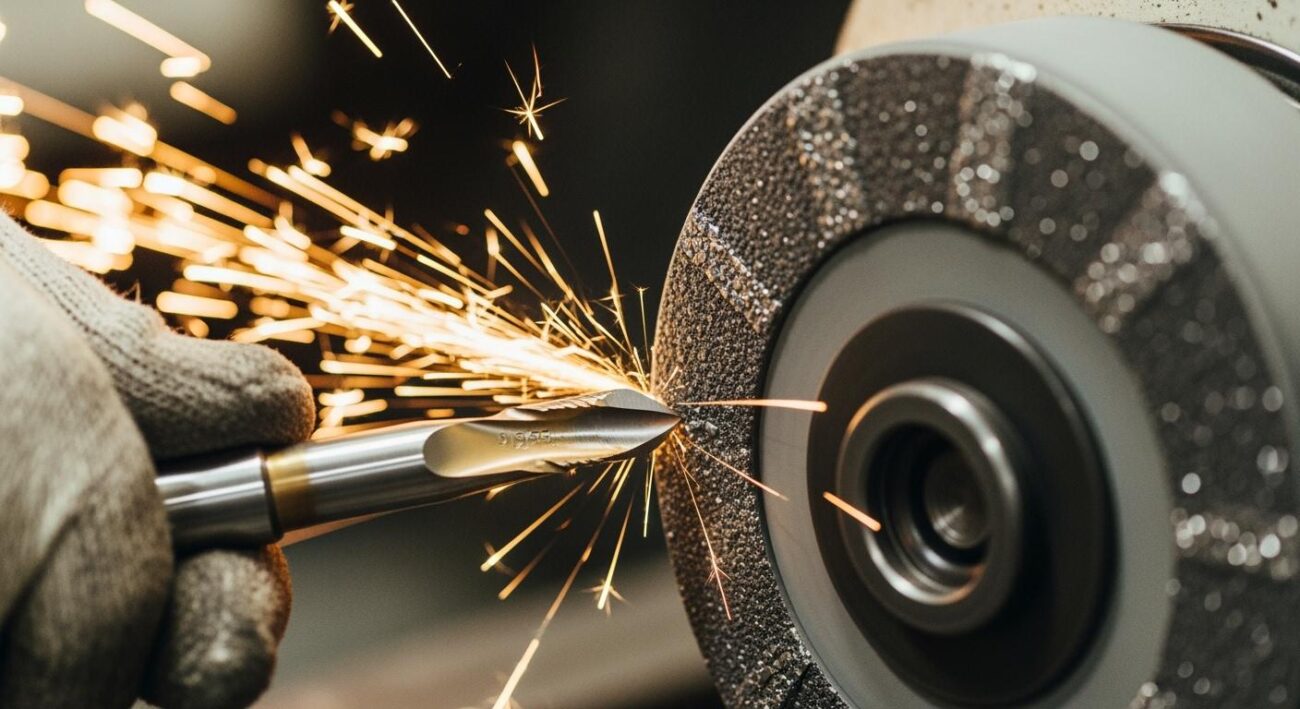
You work in aerospace or precision manufacturing. You need diamond tools that deliver accuracy and reliability. Aimgrind diamond wheels help you grind hard alloys and ceramics. You use diamond tools to sharpen cutting tools for jet engines and precision instruments. You see smoother surfaces and tighter tolerances. You trust Aimgrind diamond tools for shaping turbine blades and trimming composite parts. You get consistent results every time.
Note: Aimgrind diamond tools support your need for high-performance cutting tools in aerospace. You achieve better finishes and longer tool life.
Woodworking and Glass Processing
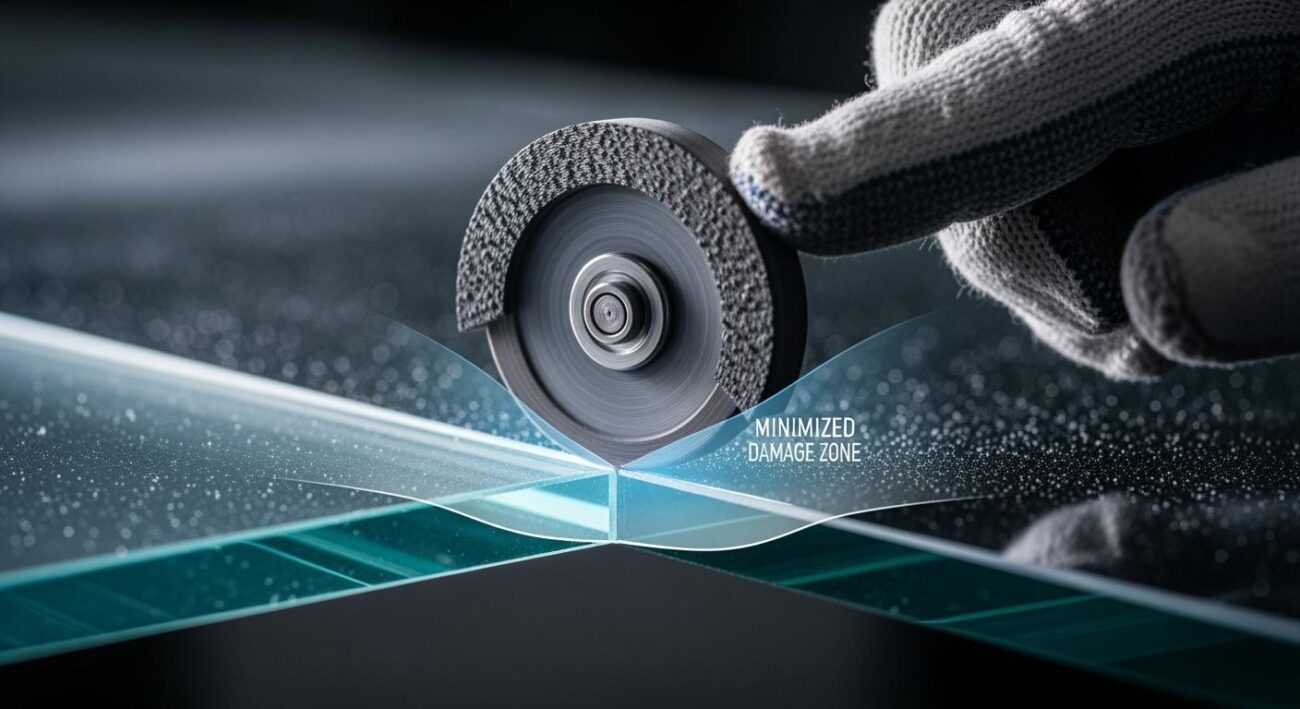
You shape wood and glass for furniture, windows, or decorative items. You rely on diamond tools to grind circular saw blades and band saws made of tungsten. You use diamond wheels to edge, polish, and mill glass for buildings and vehicles. You see clear edges and smooth surfaces. You avoid chipping and cracks. Aimgrind diamond tools help you process optical glass and photovoltaic panels. You finish jobs faster and with higher quality.
- You use diamond tools for sharpening cutting tools in woodworking.
- You depend on diamond wheels for glass processing tasks.
- You get reliable performance and precise results.
Custom Solutions for Unique Needs
You face unique challenges in your industry. You need diamond tools that fit your special requirements. Aimgrind offers custom diamond wheels and diamond tools for unusual materials and shapes. You work with advanced ceramics, composites, or specialty metals. You ask Aimgrind for sample optimization and formula design. You get diamond tools that match your machine and process. You solve problems and improve productivity.
| Industry | Application | Aimgrind Solution |
|---|---|---|
| Electronics | Grinding micro cutting tools | Custom diamond wheels |
| Automotive | Trimming glass and ceramics | Specialized diamond tools |
| Medical Devices | Shaping precision cutting tools | Tailored diamond tools |
Tip: You contact Aimgrind for expert advice. You receive diamond tools designed for your exact needs.
You need to focus on material compatibility, grit size, bond type, wheel shape, and diamond concentration when you select diamond wheels for crust removal and imperfection trimming. Aimgrind gives you quality products and custom solutions. You can trust their team to help you choose the right diamond tool for your job.
For expert advice and tailored grinding solutions, contact Aimgrind today.
FAQ
What materials can you grind with diamond wheels?
You can grind hard alloys, ceramics, glass, and composites. Diamond wheels work best on tough materials that regular wheels cannot handle. You get smooth results and high efficiency.
How do you choose the right grit size?
Pick a coarse grit for fast material removal. Choose a fine grit for a smooth finish. You can ask Aimgrind for help if you are unsure.
Can you use diamond wheels for both wet and dry grinding?
Yes, you can use diamond wheels for wet or dry grinding. Wet grinding keeps the wheel cool and clean. Dry grinding works well for small jobs.
How often should you dress a diamond grinding wheel?
Dress your wheel when you see a drop in cutting performance or notice loading. Regular dressing keeps the wheel sharp and extends its life.
Does Aimgrind offer custom diamond wheels?
Yes! You can request custom sizes, shapes, and formulas. Aimgrind matches the wheel to your machine and material for the best results.
Contact Us
For More Grinding Solution or Customized Abrasive Tools