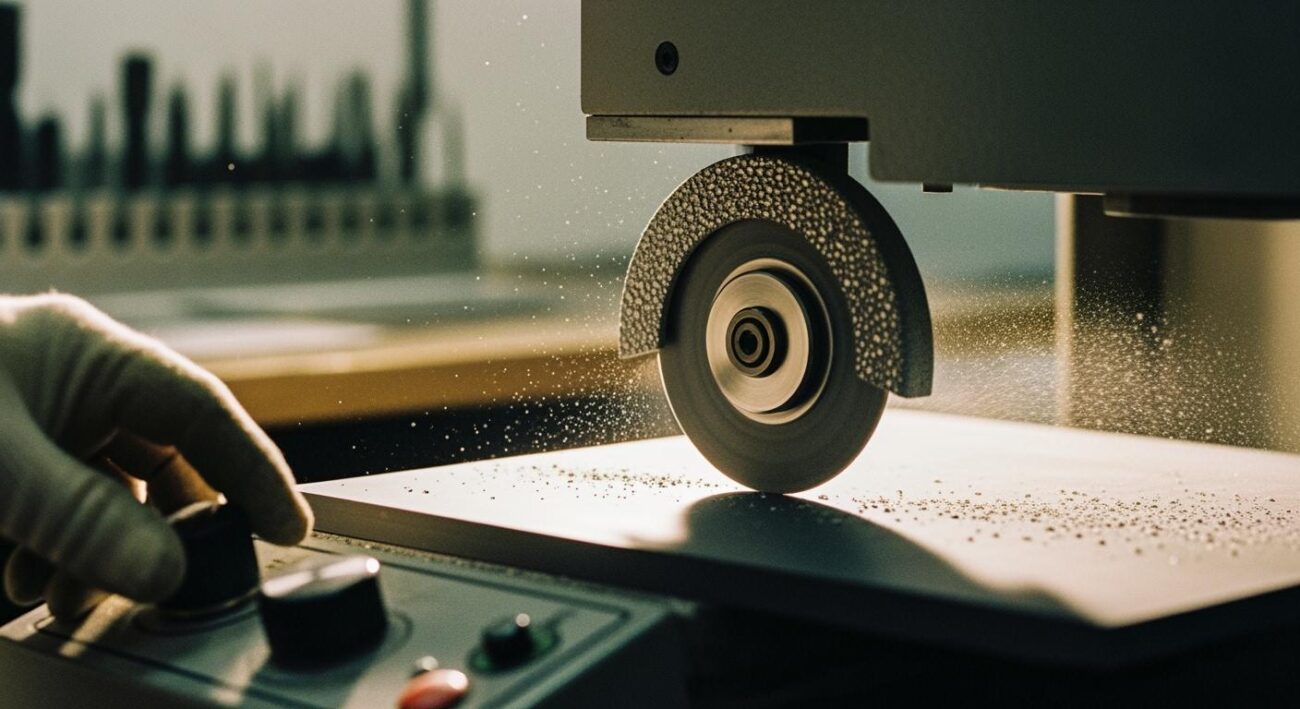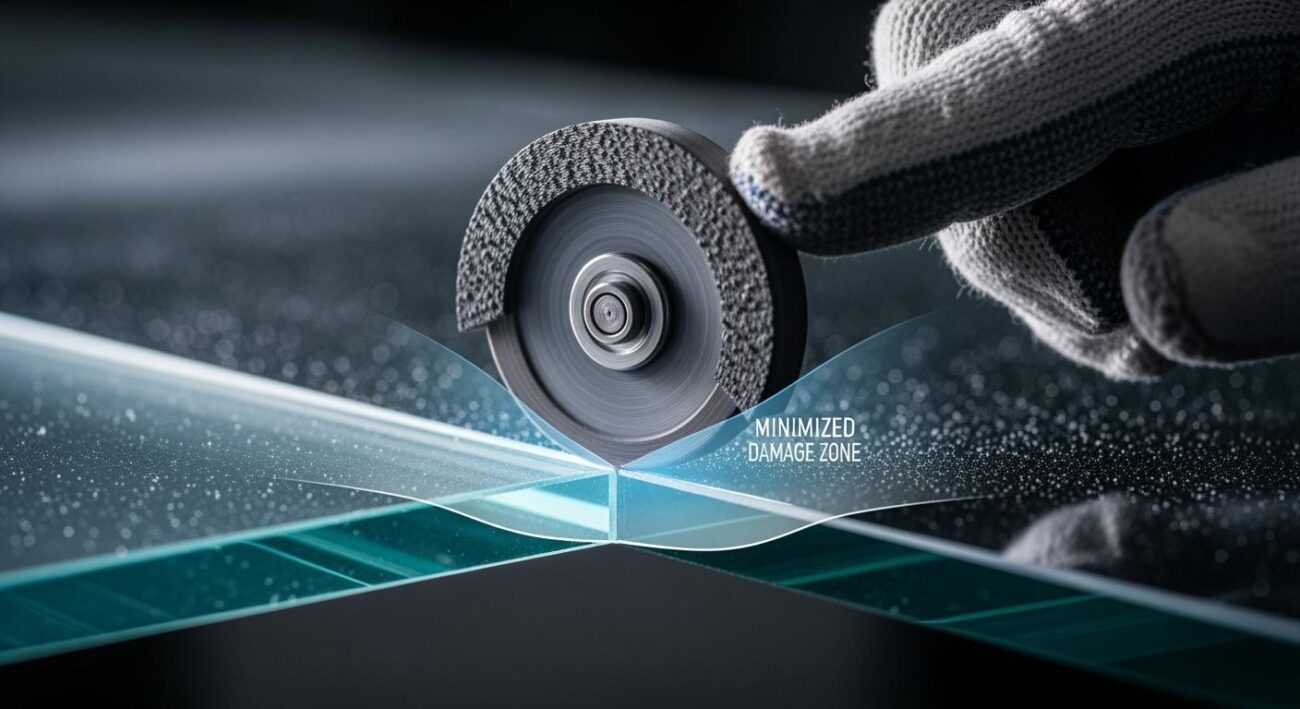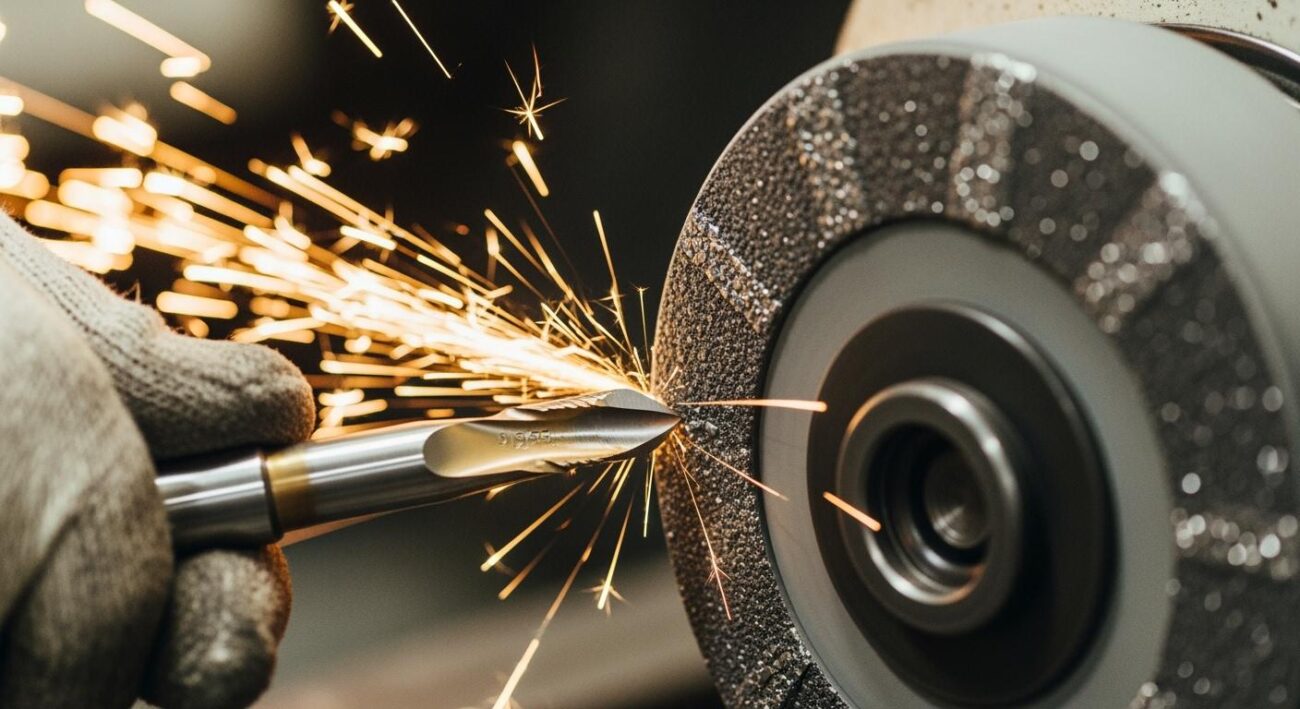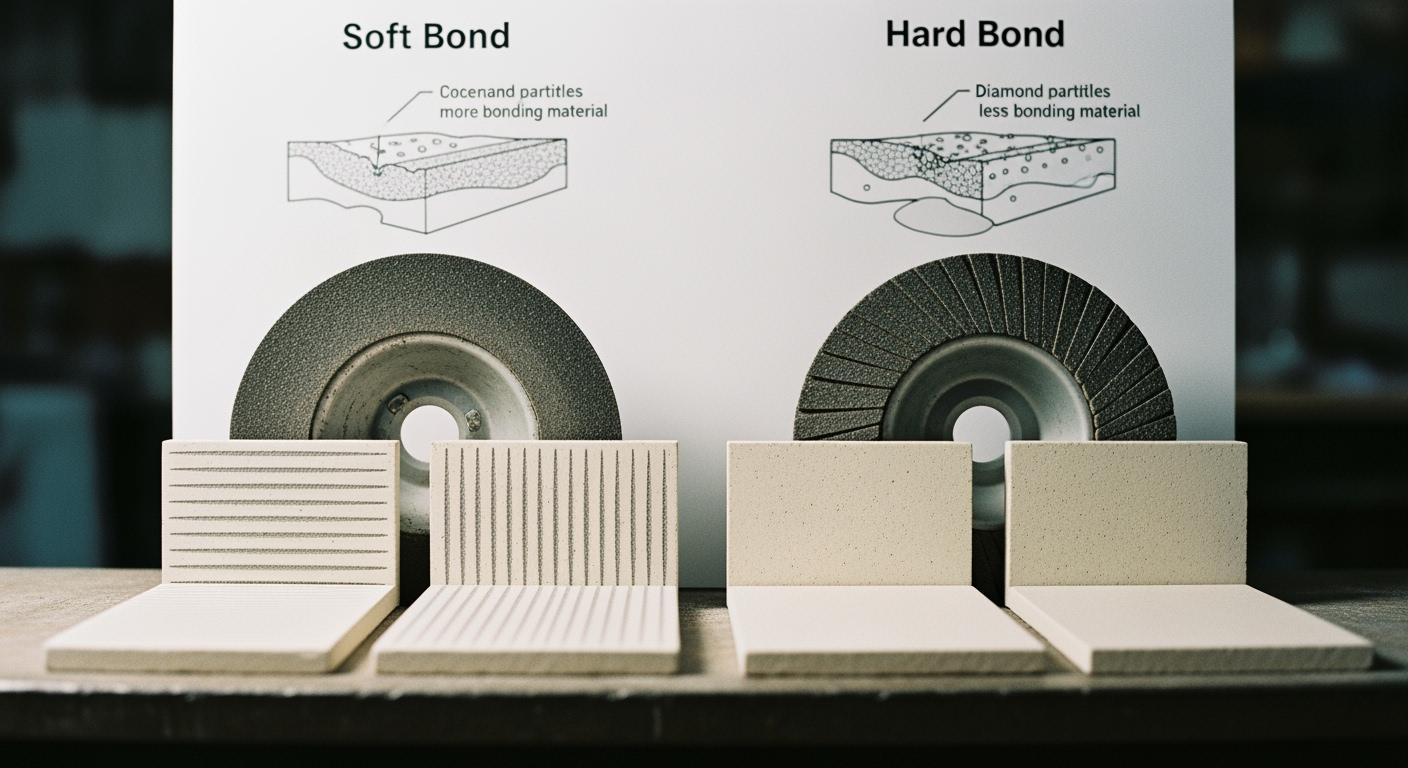
You notice a big difference when you use soft or hard diamond wheel bonds for ceramic grinding. Soft bonds help diamond grains embed and remove material faster, giving you a smoother surface. Hard bonds last longer but may create deeper scratches. Studies show that soft and hard composite wheels can achieve surface roughness as low as 1.35 nm and reduce subsurface damage. Understanding bond hardness helps you choose the right Diamond Wheels for your ceramic work. Aimgrind offers custom grinding solutions to match your needs.
- Soft bonds improve material removal rates and surface finish.
- Hard bonds increase wheel lifespan and resist wear.
Key Takeaways
- Choose soft bonds for fast material removal and smoother finishes. They release diamond grains quickly, ideal for hard ceramics.
- Select hard bonds for longer wheel life and durability. They hold grains longer, making them suitable for softer ceramics.
- Match bond hardness to your ceramic type for optimal results. This prevents rapid wear and ensures a better surface finish.
- Adjust grinding parameters like wheel speed and feed rate to improve efficiency and surface quality. Fine-tuning these settings can enhance your results.
- Avoid common mistakes in wheel selection and usage. Proper pressure and cleaning are crucial for maintaining wheel performance.
Bond Hardness in Diamond Wheels
Soft vs. Hard Bonds Defined
You need to understand bond hardness when choosing Diamond Wheels for ceramic grinding. Bond hardness describes how strongly the bond holds the diamond particles in place. Manufacturers measure hardness using a letter scale from A to Z. Z stands for the hardest bond. The bond type, such as resin, metal, or vitrified, affects the hardness and performance of the wheel.
Here is a simple table showing the differences between soft and hard bonds:
| Bond Type | Characteristics |
|---|---|
| Soft Bond | Releases abrasive grains quickly. Good for aggressive cuts and fast material removal. |
| Hard Bond | Holds abrasive grains longer. Suitable for less aggressive cuts and longer wheel life. |
Soft-grade wheels contain less bond material. This allows the wheel to release diamond grains faster. Hard-grade wheels have more bond material. They keep the diamond grains in place for a longer time.
Bond Role in Ceramic Grinding
Bond hardness plays a big role in how Diamond Wheels perform on ceramics. If you use a soft bond, the wheel wears away quickly. This exposes new diamond crystals and helps you cut tough materials like ceramics. Hard bonds wear slowly. They are best for softer materials and prevent the wheel from wearing out too soon.
The bond acts like glue for the diamond grains. If the bond is too weak, grains fall out fast and the wheel wears down quickly. If the bond is too strong, dull grains stay in place and cutting becomes less efficient. You also need to consider heat. Good bond hardness helps manage heat and prevents damage to both the wheel and the ceramic piece.
Aimgrind offers custom bond solutions. You can choose wheels with resin, metal, or vitrified bonds. Aimgrind matches the bond hardness to your ceramic material and grinding needs. This helps you get the best performance and finish.
Tip: Always match the bond hardness to the ceramic type and grinding speed for the best results.
Bond Hardness Impact on Ceramic Grinding
Grinding Efficiency & Removal Rate
You want to remove ceramic material quickly and efficiently. Bond hardness plays a big role in this process. Harder bonds let you use higher grinding force and lower specific scratch energy. This means you can achieve better material removal efficiency. Take a look at the table below:
| Bond Type | Specific Scratch Energy (J/mm³) | Grinding Force Ratio | Material Removal Efficiency |
|---|---|---|---|
| Steel Bond | 9.2(7) | 0.23(1) | Lower efficiency |
| Iron Bond | 5.4(2) | 0.40(1) | Higher efficiency |
Harder bonds, like iron, help you grind ceramics faster and with less energy. You can finish jobs quicker and save time. Aimgrind Diamond Wheels use advanced bond formulas to boost your grinding efficiency. You get more work done with less effort.
Note: Higher bond hardness increases energy consumption. You need more power to grind tough ceramics. The Bond Work Index shows that harder materials require more energy for grinding.
Surface Finish & Quality
You care about the quality of the surface after grinding. Bond hardness affects the finish you get. Soft bonds release diamond grains faster. This gives you a smoother surface and reduces scratches. Hard bonds hold grains longer. You may see deeper scratches and rougher surfaces.
Aimgrind Diamond Wheels offer different bond types. You can choose a wheel that matches your finish needs. If you want a polished look, pick a softer bond. If you need durability, go for a harder bond.
Tip: Match the bond hardness to your ceramic type and desired finish. Softer bonds work well for fragile ceramics and high-quality surfaces.
Wheel Wear & Lifespan
You want your grinding wheel to last. Hard bonds help you achieve longer wheel life. They hold diamond grains tightly and resist wear. You spend less time changing wheels and more time grinding. Soft bonds wear out faster. They expose new grains quickly but need replacement sooner.
Aimgrind designs Diamond Wheels with both soft and hard bonds. You can select a wheel that fits your grinding schedule. If you need long-lasting performance, choose a hard bond. If you want fast material removal, pick a soft bond.
Heat & Cracking Risks
You must watch out for heat and cracking when grinding ceramics. Hard bonds create higher mechanical loads. This raises the risk of cracks in your ceramic workpiece. The table below shows how bond type affects chipping and cracking:
| Bond Type | Effect on Chipping/Cracking |
|---|---|
| Resin Bond | Minimizes chipping; ideal for fragile ceramics. |
| Metal Bond | Higher risk of chipping due to rigid structure. |
Grinding with hard bonds can also generate more heat. Sintered metallic bonds have fewer active grains. This leads to higher grain contact temperatures and more thermal load. You may see microcracks or phase changes in the ceramic. Lower feed velocities increase thermal load and reduce bending strength.
Aimgrind helps you choose the right bond to reduce heat and cracking risks. You can select resin bonds for fragile ceramics or metal bonds for tough jobs.
Alert: Always monitor grinding speed and feed rate. Adjust your process to prevent overheating and cracking.
Choosing Diamond Wheels for Ceramics
When to Use Soft Bonds
You should use soft bonds when you need fast material removal or a fine surface finish. Soft bonds release dull abrasive grains quickly, exposing sharp ones. This helps the wheel self-sharpen and prevents loading or glazing. Soft bonds work well for grinding very hard ceramics or when you have a large contact area. If you want to avoid scratches and achieve a polished look, soft bonds are a good choice.
- Soft bonds are ideal for:
- Grinding hard materials like zirconia and alumina.
- Applications where wheel loading is a risk.
- Jobs that require a smooth, high-quality finish.
- Large surface areas or fragile ceramics.
Tip: Choose a high concentration for rough grain size and high-efficiency grinding, especially with zirconia ceramics.
When to Use Hard Bonds
You should use hard bonds when you need longer wheel life or must maintain intricate wheel profiles. Hard bonds hold abrasive grains longer, making them suitable for grinding softer ceramics. They help you keep tight tolerances and resist wear. Metal bonds are especially effective for hard and brittle materials, such as industrial ceramics used in aerospace and electronics.
- Hard bonds are best for:
- Grinding softer ceramic materials.
- Maintaining wheel shape for precision work.
- Applications needing durability and dimensional accuracy.
- Industrial ceramics like silicon carbide and silicon nitride.
Note: Conventional abrasive wheels wear out quickly on hard ceramics. Metal bond Diamond Wheels provide efficient grinding and longer life.
Key Selection Factors
You need to consider several factors when choosing the right bond hardness for your ceramic application. The table below shows important criteria:
| Factor | Description | Impact |
|---|---|---|
| Hardness | Resistance to scratching | Hard ceramics need harder bonds |
| Toughness | Ability to resist fracturing | Tough ceramics require strong bonds |
| Thermal Conductivity | How well material conducts heat | Poor conductors need cooler cutting bonds |
| Surface Finish | Desired quality of finished surface | Softer bonds for fine finishes |
| Stock Removal Rate | Rate of material removal | Tougher bonds for high removal rates |
| Dimensional Accuracy | Maintaining tight tolerances | Rigid bonds for precision |
Choosing the wrong bond can cause rapid wheel wear or dull cutting. Aimgrind offers a wide range of Diamond Wheels with resin, metal, and vitrified bonds. You can request custom solutions to match your ceramic type, thickness, and grinding needs. Aimgrind’s experts help you select the best wheel for your process, ensuring high efficiency and quality.
Aimgrind Tips for Diamond Wheel Selection
Matching Bond to Material
You need to match the bond hardness to the ceramic material for the best results. Hard ceramics like zirconia require a softer bond. Softer ceramics like silicon carbide work well with harder bonds. Aimgrind helps you select the right bond by considering the toughness and hardness of your ceramic. You get a wheel that fits your material and grinding needs. If you use the wrong bond, you may see rapid wheel wear or poor surface finish.
Tip: Always check the ceramic’s hardness before choosing a bond. Aimgrind’s experts can help you with material analysis and wheel selection.
Optimizing for Speed & Finish
You can improve grinding speed and surface finish by adjusting key parameters. Aimgrind recommends the following best practices:
| Parameter | Recommendation |
|---|---|
| Wheel Speed | Adjust wheel speed to balance cutting efficiency and wheel wear. |
| Grit Size | Choose the right grit size for your desired surface finish and removal rate. |
| Feed Rate | Lower feed rate for smoother surfaces. |
| Depth of Cut | Set depth of cut to control material removal and surface quality. |
| Diamond Concentration | Higher concentration improves cutting and finish. |
- Use a low feed rate and slow wheel speed for a better surface finish.
- Ensure a high flow of coolant to keep the wheel cool and remove debris.
- Increase wheel speed for more precise grinding.
Aimgrind’s Diamond Wheels let you fine-tune these settings for your process. You achieve the finish and speed you want.
Common Selection Mistakes
You may make mistakes when choosing or using diamond wheels. Some frequent errors include:
- Applying too much or too little pressure during dressing.
- Using the wrong type or grit of dressing tool for the wheel bond.
- Neglecting proper cleaning of the wheel and machine area.
- Applying the dresser inconsistently across the wheel face.
Applying too much pressure can damage the wheel and crack brittle bonds. Too little pressure leads to ineffective dressing and wheel loading. Using an inappropriate dressing tool causes rapid wear and poor performance. Aimgrind offers guidance to help you avoid these mistakes and keep your grinding process efficient.
Note: Aimgrind’s support team can answer your questions and help you optimize your grinding setup.
You can improve ceramic grinding by choosing the right bond hardness. The correct bond helps your wheel last longer and lowers your costs over time. Always match the bond to your needs. Use this checklist:
- Material type: Pick vitrified bonds for hard ceramics, resin for softer ones.
- Surface finish: Choose resin bonds for smooth results.
- Grinding pressure and temperature: Select metal bonds for high force or heat.
- Machine setup: Think about wet or dry grinding, speed, and feed rate.
Aimgrind can help you find the perfect diamond wheel for your project.
FAQ
What is the main difference between soft and hard diamond wheel bonds?
Soft bonds release diamond grains faster. You get a smoother finish and faster material removal. Hard bonds hold grains longer. You get longer wheel life and better shape retention.
How do I know which bond type to choose for my ceramic?
Check your ceramic’s hardness and your finish needs. Use soft bonds for hard ceramics and smooth finishes. Use hard bonds for softer ceramics and longer wheel life.
Can I use the same diamond wheel for different ceramics?
You should not use one wheel for all ceramics. Each ceramic type needs a specific bond and grit. Using the wrong wheel can cause poor results or fast wear.
Why does heat matter in ceramic grinding?
Heat can cause cracks or damage in ceramics. You need to control grinding speed and use coolant. The right bond helps reduce heat and protects your workpiece.
Contact Us
For More Grinding Solution or Customized Abrasive Tools