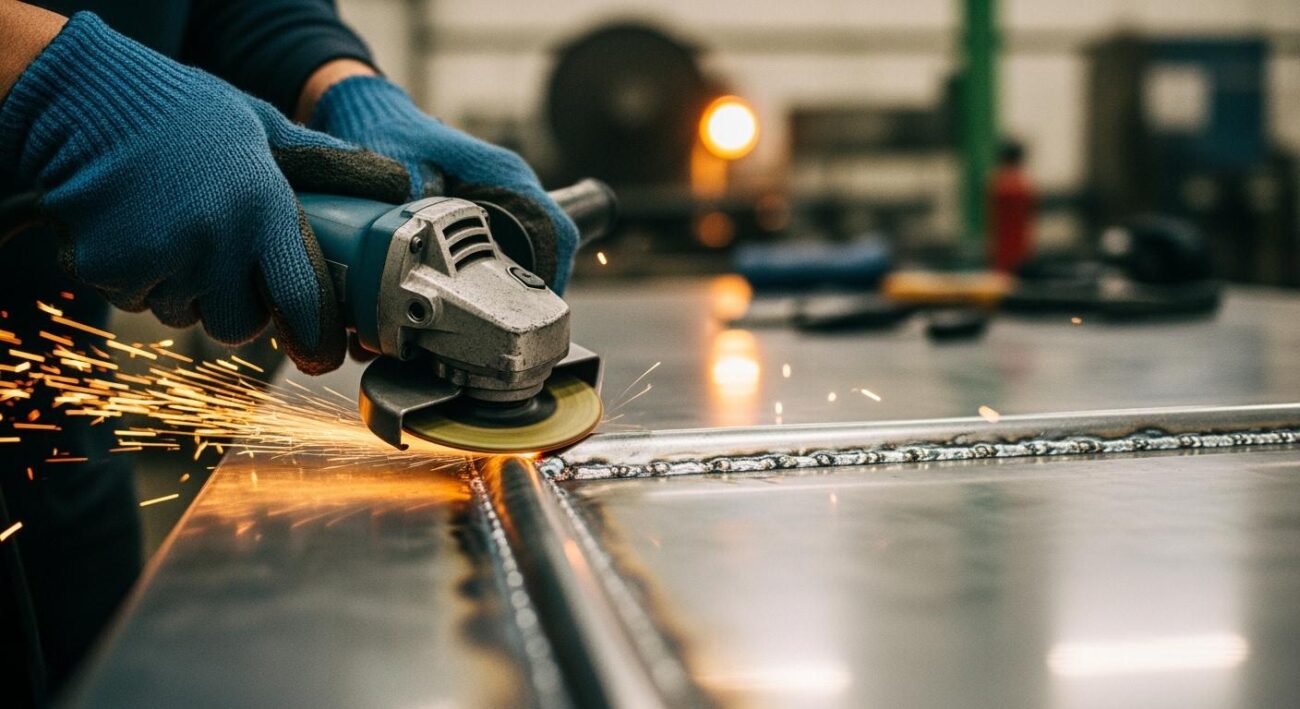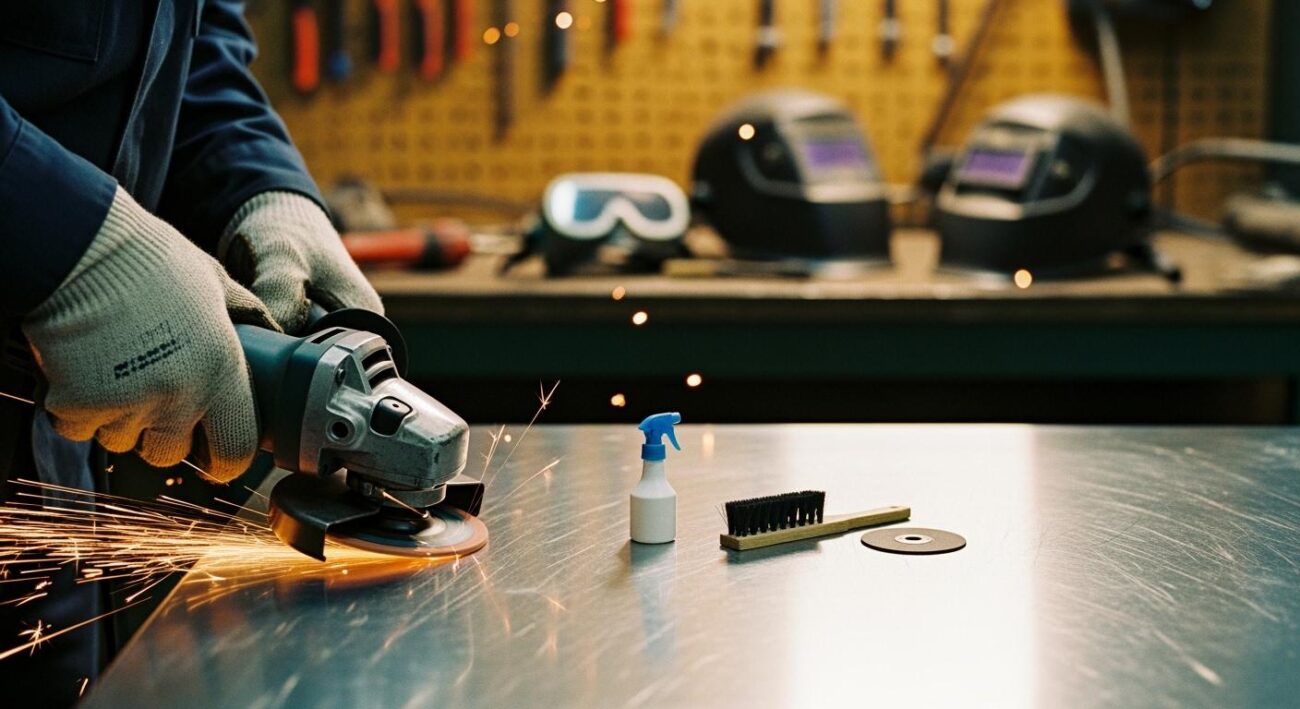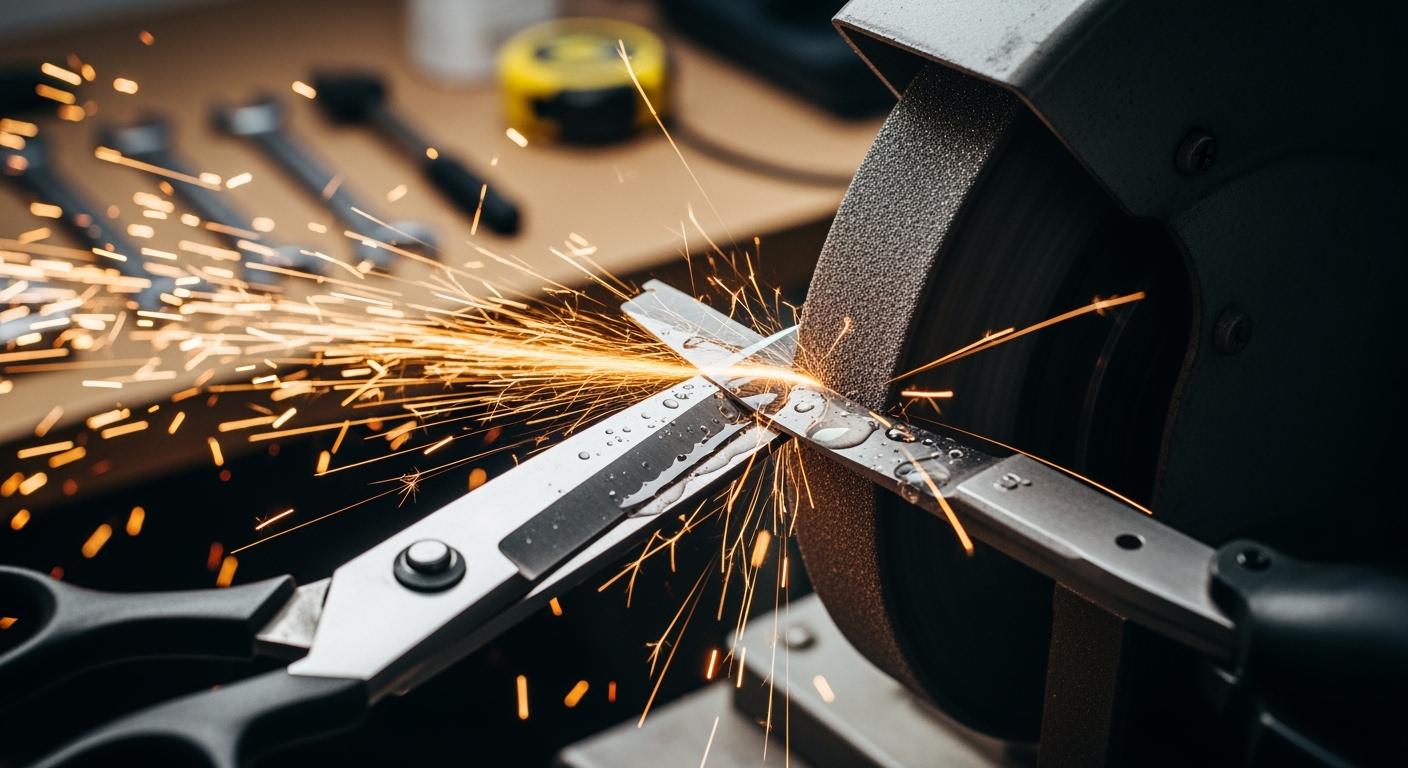
Have you ever noticed stainless steel scissors sticking or dragging after grinding? You can prevent material adhesion by choosing the right abrasives, using proper grinding techniques, controlling heat, and keeping your tools clean. A smooth, high-quality finish matters for every project. Aimgrind offers expert solutions and custom grinding wheels to help you achieve the best results.
Key Takeaways
- Choose the right abrasives for stainless steel. Super hard abrasives like diamond or CBN cut better and last longer.
- Control heat during grinding. Use cooling intervals and lubricants to prevent overheating and material sticking.
- Keep your tools clean. Regularly clean scissors and grinding wheels to avoid contamination and ensure a smooth finish.
- Use steady pressure and consistent speed while grinding. This helps maintain a clean surface and prevents damage.
- Inspect your tools often. Look for signs of wear or overheating to ensure effective grinding and tool longevity.
Main Causes of Material Adhesion
Grinding stainless steel scissors can lead to unwanted sticking or dragging. You need to understand the main causes to prevent material adhesion and achieve a clean finish.
Heat Buildup
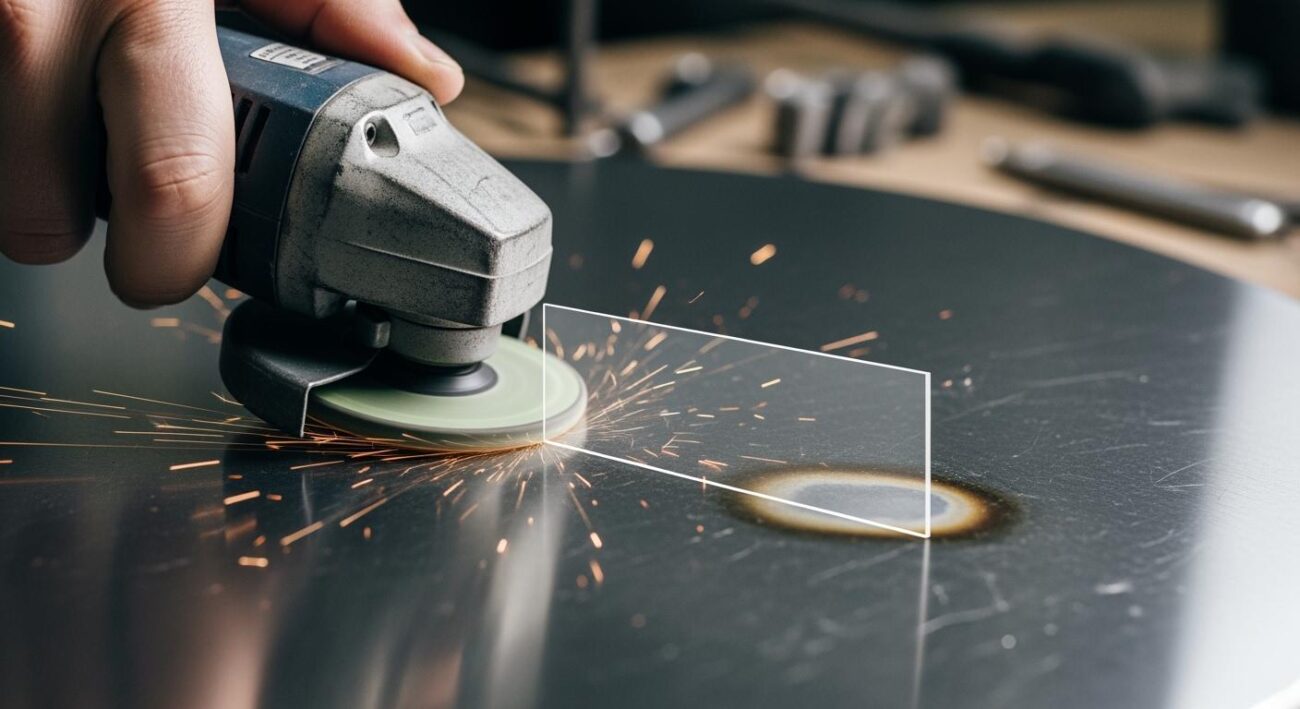
Heat builds up quickly during grinding. Stainless steel holds heat well, so the temperature rises fast. High heat softens the metal surface. This makes it easier for particles to stick to the scissors. You might notice discoloration or rough spots. To avoid this, you should monitor the grinding speed and pressure. Cooling intervals help keep the temperature low. Using coolants or lubricants also reduces heat and keeps the grinding area safe.
Wrong Abrasive Choice
Choosing the wrong abrasive can cause material adhesion. Abrasive grains like Aluminum oxide, Zirconia Alumina, and Ceramic have different hardness and sharpness. If you use a soft or dull abrasive, it will not cut efficiently. The metal will smear and stick to the wheel. The bond strength of the abrasive matters too. Resinoid, rubber, and vitrified bonds affect how grains hold together. Weak bonds can lead to more heat and less effective cutting. You should select abrasives with the right hardness and bond strength for stainless steel.
- Abrasive grain selection impacts cutting ability and material adhesion.
- Bond strength affects heat generation and cutting action.
Contamination Issues
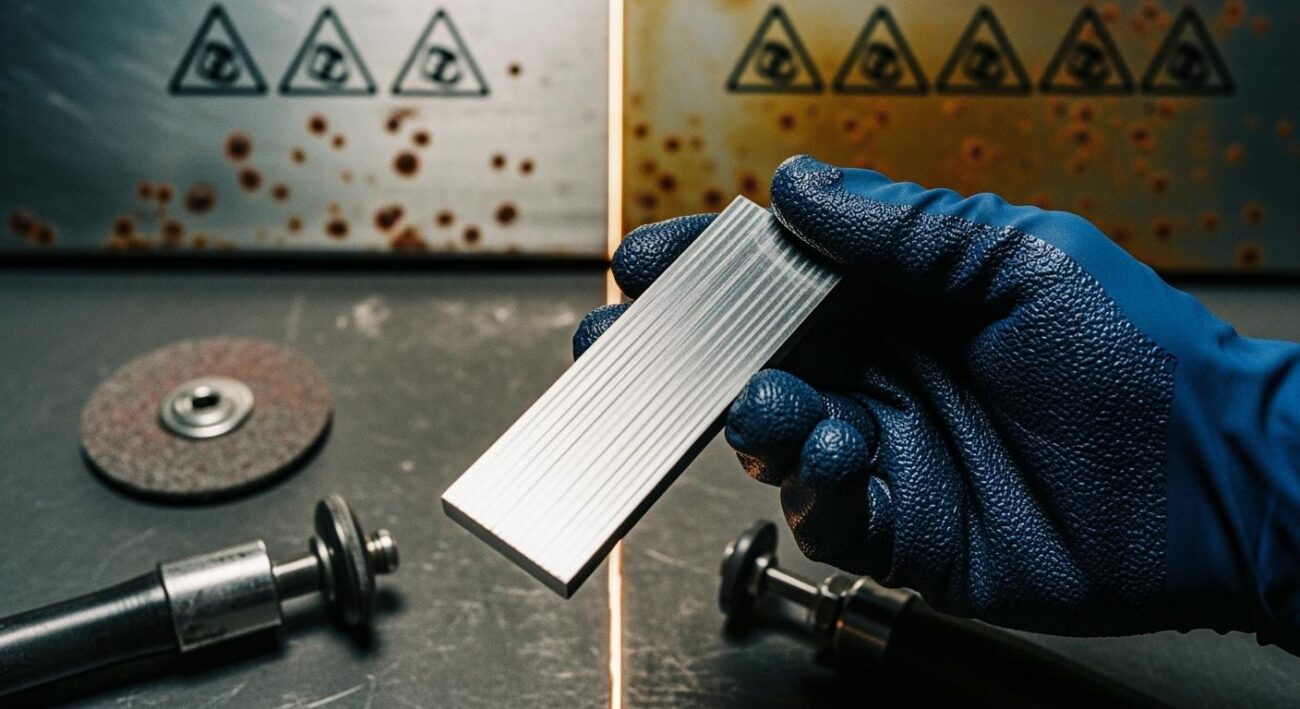
Contamination is another cause of material adhesion. Dust, oil, or old grinding residue can stick to the scissors or grinding wheel. These particles create a barrier and make the grinding process uneven. You should clean your tools before and after grinding. Avoid cross-contamination by using dedicated equipment for stainless steel. Safe handling keeps the grinding area free from unwanted materials.
Tip: Always inspect your grinding wheel and scissors for cleanliness before starting. This simple step helps you prevent material adhesion and ensures a smooth finish.
How to Prevent Material Adhesion
Grinding stainless steel scissors can be tricky. You want a smooth finish without any sticking or dragging. You can prevent material adhesion by following a few important steps. Aimgrind helps you match the right grinding wheel and process for your needs. Here’s how you can get the best results:
Optimize Grinding Parameters
You should always adjust your grinding parameters for stainless steel. Start by choosing products based on the finish you want. This helps you work efficiently and get the right surface quality. Use less pressure when you grind. Too much pressure creates heat, which makes stainless steel soft and sticky. Keep the grinding wheel moving at a steady pace. This spreads out the heat and stops it from building up in one spot. You can also use color-coded abrasives. These help you avoid mixing tools used for carbon steel with those for stainless steel. Color coding keeps your grinding area clean and reduces the risk of cross-contamination.
Tip: Aimgrind offers expert diagnosis and parameter matching. You can ask for help to select the best grinding wheel and settings for your scissors.
Here is a simple checklist to optimize your grinding parameters:
- Select abrasives based on your finish requirements.
- Use color-coded tools to avoid mixing materials.
- Apply gentle, even pressure.
- Move the grinding wheel smoothly across the surface.
Use Lubrication and Coolants
Lubrication and coolants play a big role in grinding stainless steel. You should always use the right coolant or lubricant for your process. These fluids keep the temperature low and wash away metal particles. This helps you prevent material adhesion and protects your scissors from damage. Clean, fresh coolant works best. Dirty or old coolant can cause contamination and poor results. Make sure you apply enough fluid to cover the grinding area. You can use Aimgrind’s guidance to pick the right lubricant for your grinding wheel and material.
Note: Proper lubrication also helps you get a cleaner finish and extends the life of your grinding wheel.
Maintain Sharp Wheels
Sharp grinding wheels cut better and last longer. You should check your wheels often and dress them when needed. A sharp wheel removes metal quickly and does not clog. If your wheel gets dull, chips and metal can stick to the surface. This makes grinding harder and can damage your scissors. Stainless steel is tough, so you need to keep your wheels in top shape. Aimgrind’s super hard abrasives stay sharp for a long time and help you prevent material adhesion.
- Sharp wheels reduce clogging and keep the grinding process smooth.
- Dull wheels cause chips to stick and increase the risk of work hardening.
- Regular maintenance gives you better results and saves time.
By following these steps, you can prevent material adhesion and keep your stainless steel scissors looking and working their best. Aimgrind’s expertise in diagnosis and parameter matching ensures you always have the right tools for the job.
Choosing Abrasives for Stainless Steel
Why Super Hard Abrasives
You need the right abrasive to get a clean, smooth finish on stainless steel scissors. Super hard abrasives, like those from Aimgrind, use diamond or cubic boron nitride (CBN) grains. These grains are much harder than regular abrasives. You can cut through tough stainless steel with less effort. Here are some reasons why super hard abrasives work better:
- They have extreme hardness, so you can grind high-hardness materials that regular abrasives cannot handle.
- Their sharp cutting edges lower the grinding force. This gives you better accuracy and a smoother surface.
- They keep grinding temperatures low. This helps you avoid cracks, burns, and other defects. You can prevent material adhesion more easily.
You get a better finish and longer tool life when you use super hard abrasives.
Aimgrind Product Advantages
Aimgrind offers super hard abrasives that help you achieve top results. You can choose from diamond or CBN wheels, depending on your needs. These wheels stay sharp for a long time. You do not need to replace them often. You save time and money. The wheels also resist heat and pressure. This means you can grind stainless steel scissors without worrying about damage or sticking. Aimgrind customizes each wheel for your equipment and process. You get the best match for your job. You can trust Aimgrind to help you work faster and get a cleaner finish.
Tip: Aimgrind’s expert team can help you select the right abrasive and formula for your scissors.
Selecting the Right Bond Type
The bond type in your abrasive wheel matters. It holds the grains together and affects how the wheel works. You can see how different bonds impact grinding in the table below:
| Bond Type | Characteristics | Impact on Adhesion |
|---|---|---|
| Resinoid | Impact resistance and flexibility, good for forceful cutting actions. | Strong cutting action and flexibility help prevent sticking. |
| Rubber | Strong and flexible, absorbs impacts and adjusts to surfaces. | Reduces wheel breakage and improves cutting, lowering adhesion risk. |
| Vitrified | Strong, heat-resistant, made from ceramic, offers dimensional stability. | Keeps grinding stable and prevents overheating and sticking. |
You should choose the bond type that matches your grinding needs. Aimgrind can help you pick the best option for your stainless steel scissors.
Grinding Techniques for a Clean Finish
Grinding stainless steel scissors requires careful technique. You want to avoid rough edges and keep your tools in top shape. The right approach helps you prevent material adhesion and achieve a smooth, shiny finish.
Proper Movement and Pressure
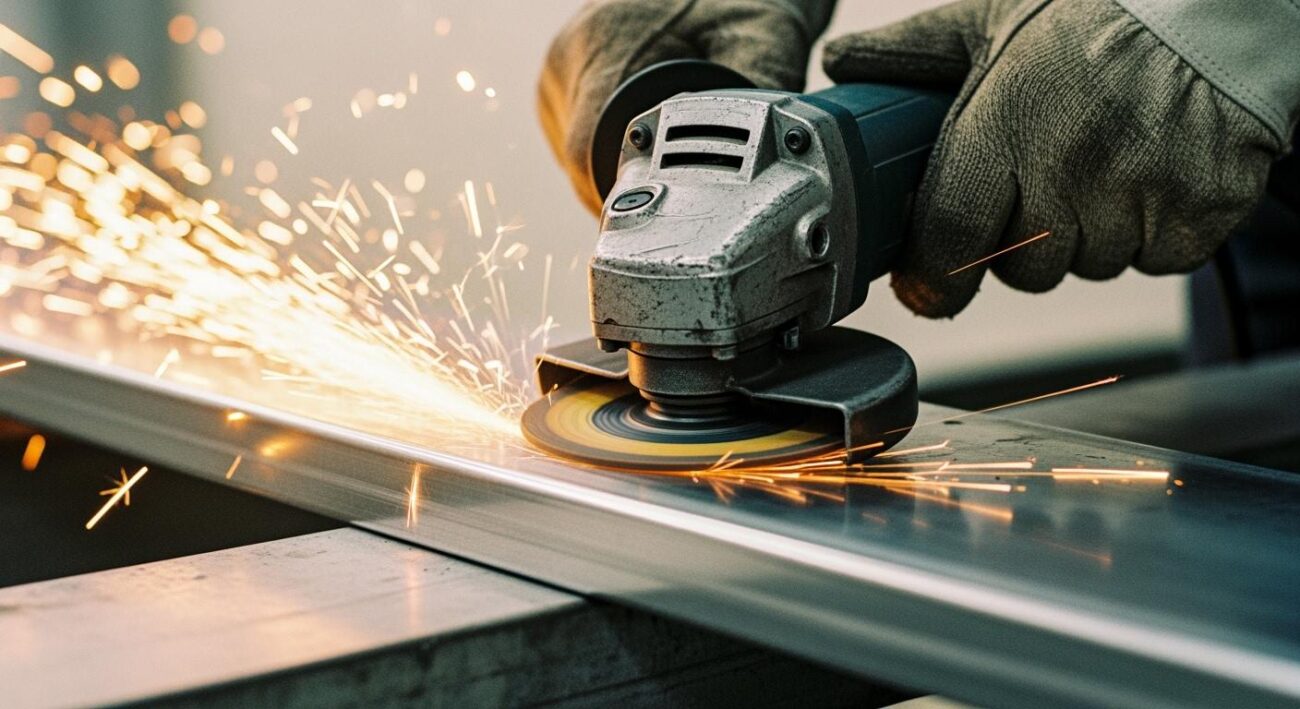
You should always use steady, moderate pressure when grinding. This keeps the grinding tool in good contact with the scissors. If you push too hard, you create too much heat and wear out your tool quickly. If you use too little pressure, the wheel may slip and not grind well. Try to move the grinding wheel in long, fluid strokes. This spreads out the heat and gives you a cleaner finish.
- Steady, moderate pressure keeps grinding even.
- Too much pressure causes overheating and tool damage.
- Too little pressure leads to poor contact and slippage.
Consistent Speed
You need to keep a consistent speed during grinding. Fast, jerky movements can cause uneven surfaces and make the scissors heat up. Slow, smooth movements help you control the process. You should avoid stopping in one spot for too long. This can cause burns or marks on the metal. Using a regular rhythm helps you get the best results.
Tip: If you notice sparks changing color or the metal turning blue, you may be moving too slowly or pressing too hard.
Inspection During Grinding
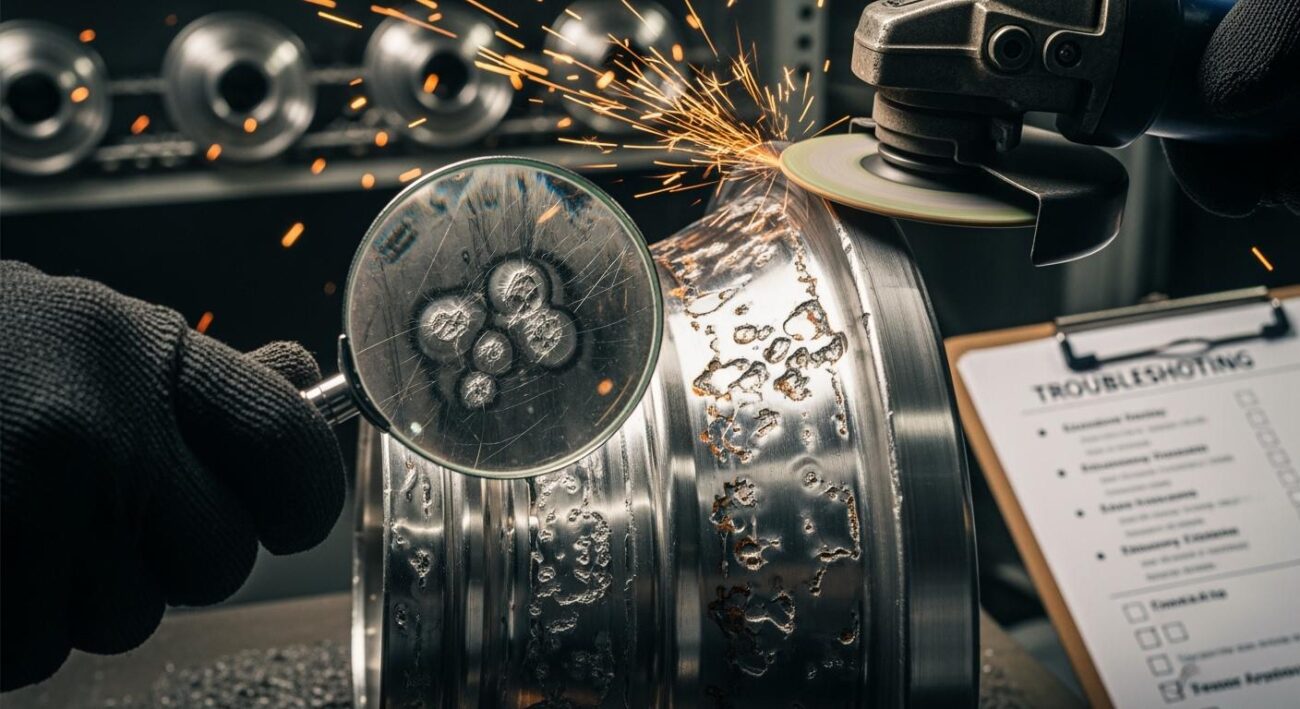
You should check your scissors often while grinding. Look for signs of overheating, such as discoloration or rough spots. Make sure the surface stays clean and smooth. If you see any buildup or sticking, stop and clean your tools. Use contaminant-free products labeled INOX to avoid rust and unwanted reactions. High-performance abrasives with self-sharpening grains also help you maintain a consistent cut.
Here is a table of key recommendations for grinding stainless steel scissors:
| Key Recommendations | Description |
|---|---|
| Use Contaminant-Free Products | Select bonded abrasives labeled INOX to prevent contamination and rust. |
| Employ Fluid Movements | Use constant, fluid movements and longer strokes for a clean finish. |
| Avoid Excessive Pressure | Do not apply too much pressure; use the right product for the job. |
| Choose High-Performance Abrasives | Pick abrasives with ceramic grains that self-sharpen and cut consistently. |
By following these techniques, you can keep your scissors sharp and shiny. You also reduce the risk of damage and make your grinding process safer and more efficient.
Heat Control During Grinding
Grinding stainless steel scissors creates heat. You need to control this heat to keep your tools safe and your finish clean. Good heat control helps you prevent material adhesion and keeps your scissors in top shape.
Cooling Intervals
You should take regular breaks during grinding. These breaks are called cooling intervals. When you pause, the metal cools down and the risk of sticking drops. Using a coolant or fluid during these intervals also helps. Coolant not only lowers the temperature but also changes the metal’s structure.
The high temperature generated during grinding promoted the reaching of the austenitic field followed by rapid cooling, and the cooling fluid contributed to the transformation from the austenite to martensite phase. White layer formation was fundamentally dependent on the thermal and mechanical effects of grinding on the workpiece material, significantly affected by grinding parameters.
If you grind too long without stopping, you may see a white layer or rough surface. This means the metal got too hot and cooled too fast. Always watch your grinding time and let your scissors rest.
Heat Dissipation Methods
You can use several methods to get rid of heat during grinding. Try these steps:
- Use advanced cooling techniques, such as spraying coolant directly onto the grinding area.
- Choose heat-resistant abrasives, like Aimgrind’s super hard abrasives, which stay cool and sharp.
If you press too hard or stay in one spot, you make more heat. Move the wheel smoothly and do not force it. This keeps the temperature low and protects your scissors.
Signs of Overheating
You need to spot overheating early. Look for these signs:
| Indicator | Visual/Diagnostic Observation | Probable Root Cause |
|---|---|---|
| Metal Discoloration | Bluing, straw-colored tint, or blackening | High contact resistance or localized heat |
| Odor | Pungent, “fishy,” or acrid chemical smell | Overheated polymers or resins |
| Surface Changes | Warping, roughness, or cracks | Too much heat or pressure |
If you see blue or black marks, or smell something strange, stop grinding. Let the metal cool and check your process. Quick action helps you avoid damage and keeps your finish smooth.
Cleanliness and Handling
Cleaning Scissors and Tools
You need to keep your scissors and grinding tools clean to get the best results. Dirt and residue can cause problems during grinding. Follow these steps to keep your tools in top shape:
- Remove debris from the scissors and grinding wheels before you start.
- Wipe the blades with a soft, dry cloth. Move from the ridge to the edge.
- Dampen a cloth with white vinegar to clean off grime or sticky spots.
- Rinse the blades with warm water to wash away any leftover cleaner.
- Dry the blades completely. This step helps prevent rust.
- Apply a small amount of scissors oil to the blades and the joint. This protects the metal and keeps movement smooth.
Store your scissors in a dry place. You can use silica gel sachets in your storage area to absorb moisture. Always dry your scissors right away if they get wet. These habits help you prevent material adhesion and keep your tools working well.
Avoiding Cross-Contamination
You must avoid cross-contamination in your grinding area. Mixing materials can lead to poor finishes and tool damage. Use these best practices:
- Use oil-free, dry compressed air for cleaning. This keeps oil and water away from your tools.
- Set up clean-in-place systems with spray nozzles and sloped surfaces. These help remove residue quickly.
- Control feeding and discharge systems. Sealed systems and negative pressure stop dust from escaping.
- Use dedicated lines for grinding stainless steel. This keeps other materials out of your process.
- Train everyone who works in the area. Make sure you follow cleaning procedures and keep records.
These steps help you keep your workspace clean and your results consistent.
Safe Handling Tips
You should always handle your tools and grinding wheels with care. Safety keeps you and your equipment in good condition. Here are some tips:
- Inspect the grinding wheel before use. Look for cracks, chips, or other damage.
- Wear personal protective equipment. Use safety goggles, face shields, gloves, and hearing protection.
- Manage coolant carefully. Use it as needed, and turn it off before stopping the wheel to avoid thermal shock.
- Keep your workspace neat. Remove dust, debris, and anything that could cause accidents.
By following these tips, you protect your tools and yourself. Cleanliness and safe handling help you achieve a smooth finish and prevent material adhesion during grinding.
Final Tips for Quality Results
Post-Grinding Cleaning
You should always clean your scissors and grinding tools after finishing your work. This step helps you keep your tools in top condition and ensures a smooth finish. Use a soft cloth to wipe away any dust or metal particles. Rinse the blades with warm water and dry them completely. Apply a small amount of oil to the blades and joints to protect against rust. Store your grinding wheels in a clean, dry place. Proper storage prevents contamination and keeps your tools ready for the next use.
Tip: Products designed for stainless steel give you a better finish and make your workflow easier.
Common Mistakes to Avoid
Many people make simple mistakes during grinding. You can avoid these errors by following a few important steps:
- Learn about the material you are grinding. Stainless steel needs special care.
- Choose the right process for the material. Do not use the same method for every type of metal.
- Do not over-treat or under-treat the surface. Find the right balance for the best results.
- Clean the surface before you start grinding. Dirt and oil can cause problems.
- Keep the grinding wheel moving. Do not stay in one spot or use too much pressure.
- Do not let the surface age before finishing. Work on it right away for the best outcome.
These steps help you prevent material adhesion and keep your scissors sharp and smooth.
When to Replace Abrasives
You need to know when to change your grinding wheels or discs. Using worn abrasives can damage your scissors and lower the quality of your work. Watch for these signs:
| Criteria for Replacement | Description |
|---|---|
| Decreased material removal rate | Grinding takes much longer than usual |
| Increased specimen heating | The metal gets too hot during grinding |
| Visible paper wear | The abrasive looks glazed or damaged |
| Inconsistent scratch patterns | The surface shows uneven marks or scratches |
Replace your abrasives when you see these signs. Fresh, sharp wheels help you work faster and get a cleaner finish.
You can prevent material adhesion by choosing the right abrasive, using proper grinding techniques, controlling heat, and keeping your tools clean. Aimgrind super hard abrasives give you better results and a longer tool life. Follow these best practices every time you grind stainless steel scissors. You will see a smooth, high-quality finish and protect your tools for future use.
FAQ
What causes stainless steel to stick during grinding?
You see sticking when heat builds up or you use the wrong abrasive. Dirty tools can also cause this problem. Always keep your grinding area clean and use the right wheel for stainless steel.
How do you choose the best abrasive for stainless steel scissors?
Pick super hard abrasives like diamond or CBN. These cut stainless steel well and stay sharp longer. You can ask Aimgrind for help if you are not sure which wheel to use.
Why is coolant important when grinding stainless steel?
Coolant keeps the metal cool and washes away chips. This stops sticking and protects your scissors. You should always use fresh coolant for the best results.
How often should you clean your grinding tools?
You should clean your tools before and after each use. This keeps your grinding wheel sharp and your scissors smooth. Clean tools also help you avoid cross-contamination.
Contact Us
For More Grinding Solution or Customized Abrasive Tools