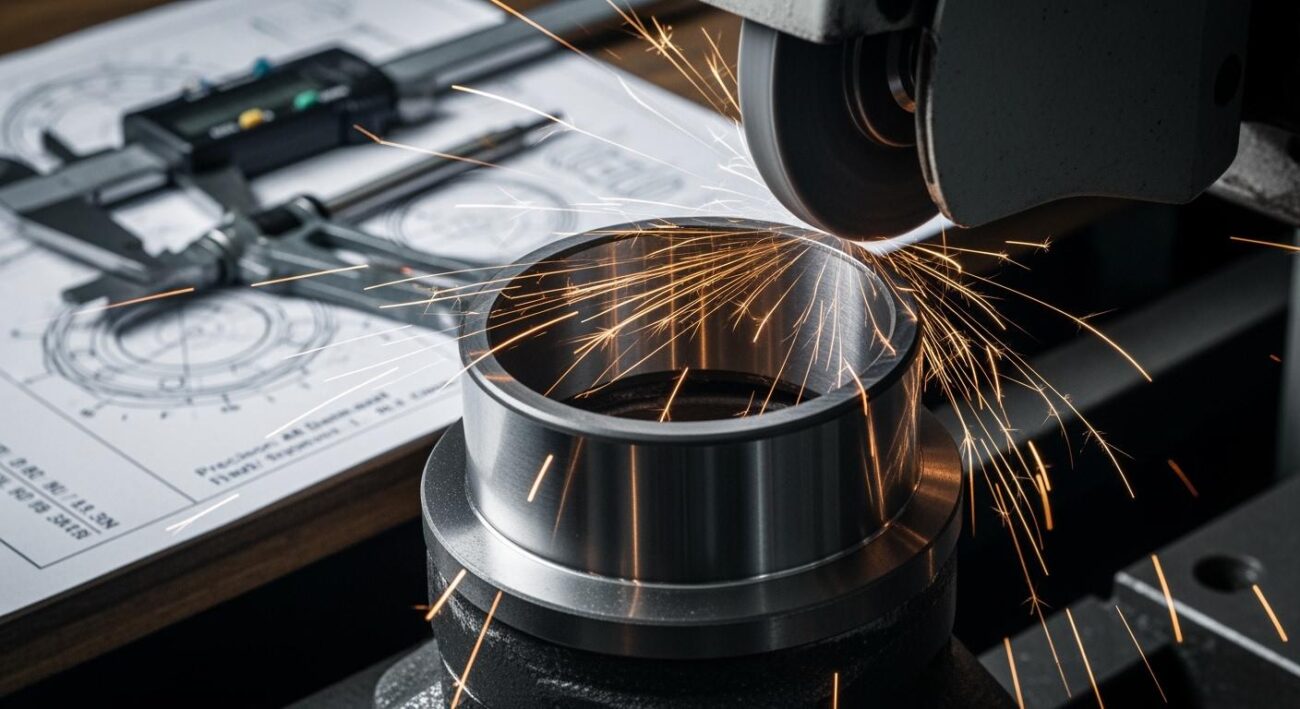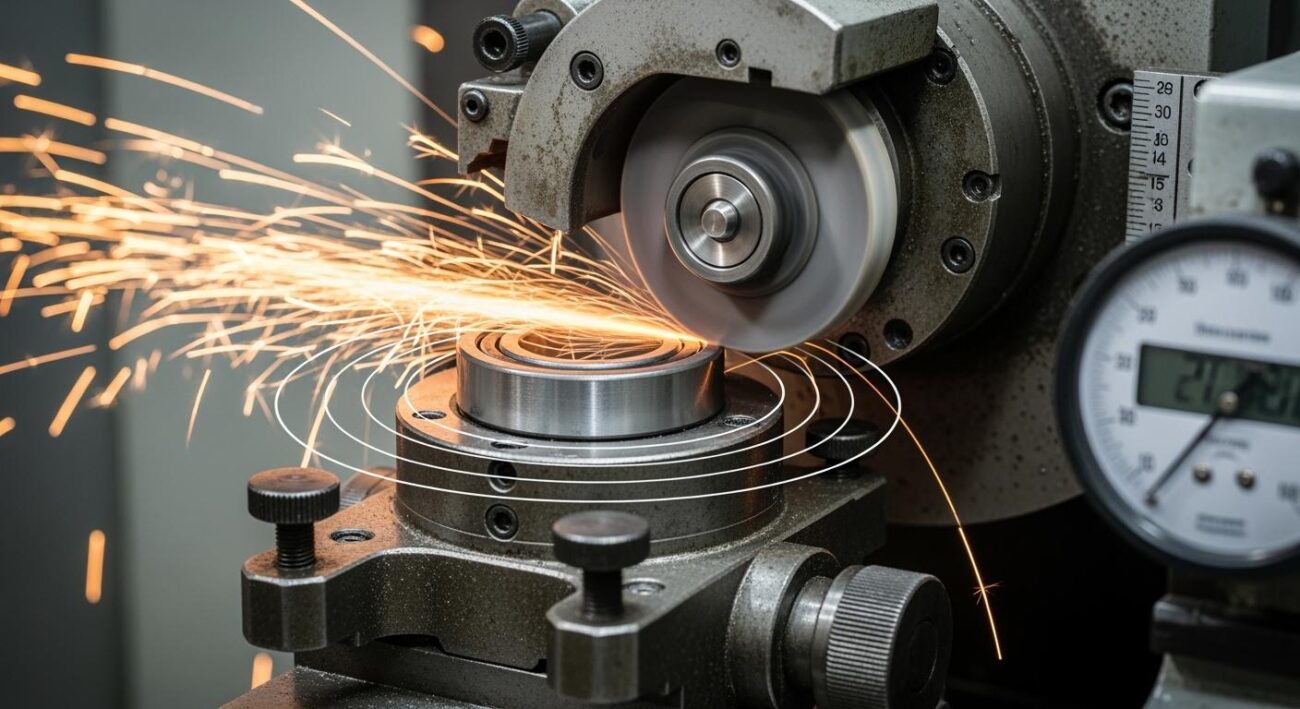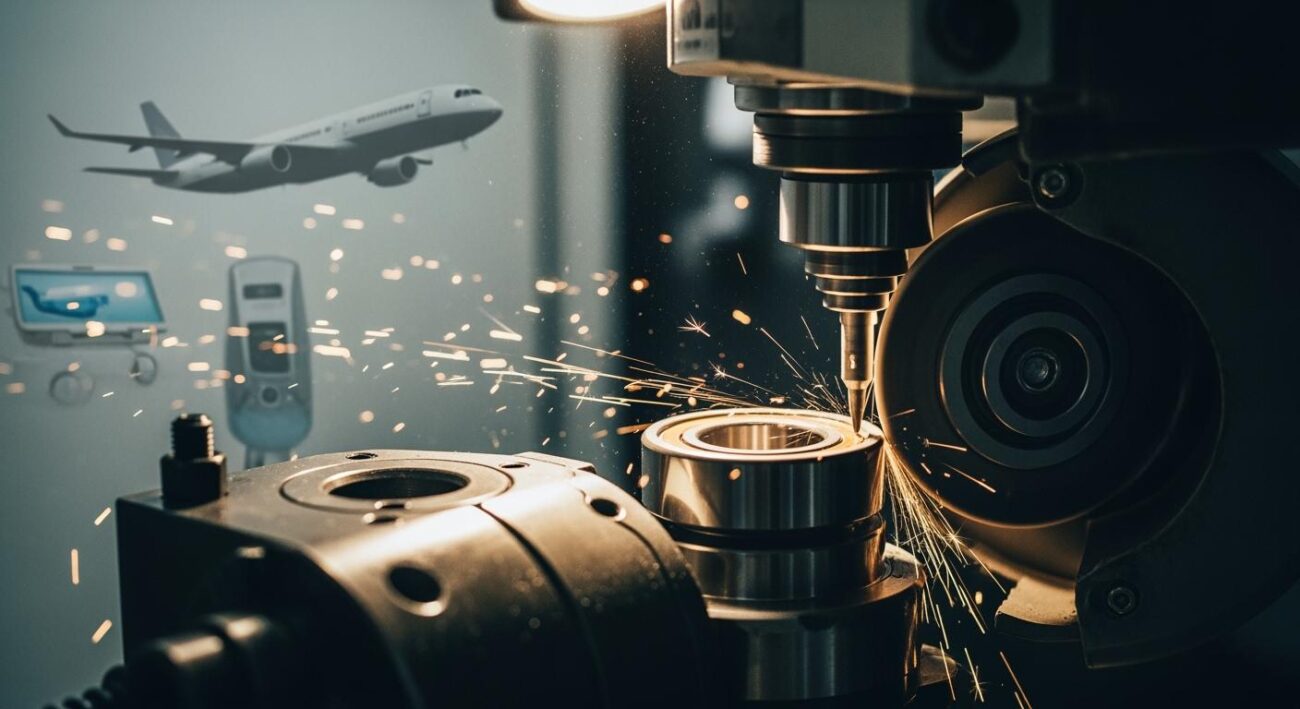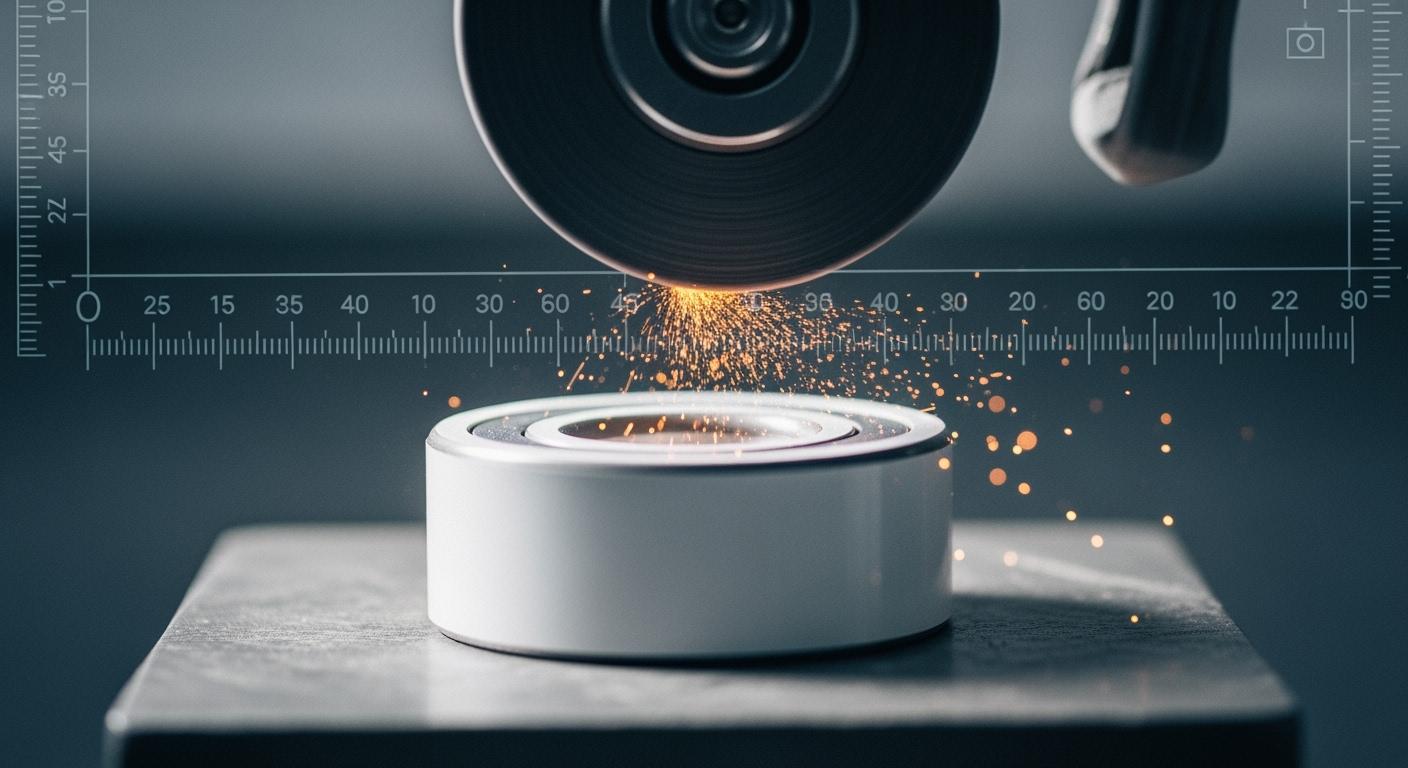
Precision grinding plays a key role in manufacturing ceramic bearings. Meeting strict requirements leads to smoother surfaces and precise shapes. Modern grinding uses computer systems and specialized abrasives. These tools help reduce friction and wear, which keeps bearings running longer and at lower temperatures. Advanced equipment and quality checks make sure every part meets high standards. Aimgrind provides custom solutions that support these high levels of performance and reliability.
Key Takeaways
- Precision grinding ensures ceramic bearings have smooth surfaces and precise shapes, reducing friction and wear.
- Strict dimensional tolerances and surface finish standards help bearings last longer and operate smoothly.
- Advanced grinding techniques like laser-assisted and ultrasonic-assisted methods improve efficiency and surface quality.
- High-precision equipment and diamond wheels from Aimgrind support tight tolerances and reliable bearing performance.
- Quality control and measurement systems ensure ceramic bearings meet industry standards and perform well in demanding applications.
Precision grinding standards for ceramic bearings
Precision grinding sets the foundation for high performance bearings. Manufacturers must meet strict requirements for dimensional tolerances, surface finish, and geometric accuracy. These standards ensure that bearings operate smoothly, last longer, and resist wear even in demanding environments.
Dimensional tolerances in ceramic bearing grinding
Dimensional tolerances define how much a bearing’s size can vary from its intended measurement. Tight tolerances are crucial for ceramic bearings because even the smallest error can affect performance. The American Bearing Engineers Committee (ABEC) grades show how precise these tolerances must be. The table below lists typical dimensional tolerances and surface roughness for different ABEC grades:
| ABEC Grade | Dimensional Tolerance | Surface Roughness |
|---|---|---|
| ABEC 1 | ±0.02 mm | Ra up to 0.2 μm |
| ABEC 3 | ±0.015 mm | Ra up to 0.15 μm |
| ABEC 5 | ±0.01 mm | Ra up to 0.1 μm |
| ABEC 7 | ±0.005 mm | Ra up to 0.05 μm |
| ABEC 9 | ±0.002 mm | Ra up to 0.02 μm |
Ultra precise accuracy in dimensional control helps reduce friction and vibration. This leads to longer bearing life and better operational efficiency. Precision grinding ensures that every bearing meets these tight tolerances, which is especially important for critical roller bearing elements.
Surface finish and smoothness requirements
Surface finish describes how smooth the bearing’s surface feels and looks. A smoother surface reduces friction and helps the bearing move easily. The table below shows typical surface roughness values for ceramic bearing grades:
| Grade | Surface Roughness (Ra) |
|---|---|
| 3 | 0.010 micrometers |
| 5 | 0.014 micrometers |
| 40 | 0.050 micrometers |
| 60 | 0.080 micrometers |
A high-quality surface finish improves wear resistance. Several factors influence how well a bearing resists wear:
- Surface finish
- Lubrication
- Load
- Speed
- Corrosion
- Temperature
- Properties of the opposing surface
Precision grinding creates a surface that meets these requirements. This process helps bearings last longer and perform better under stress.
Roundness and concentricity precision
Roundness and concentricity measure how close a bearing’s shape is to a perfect circle and how well its center matches the intended axis. Outstanding geometry in these areas is vital for high performance bearings. The table below shows standard roundness and concentricity tolerances for top-grade ceramic bearings:
| Specification | Roundness Tolerance | Concentricity Tolerance |
|---|---|---|
| G10 | 60% – 80% tighter | 50% – 67% stricter |
Geometric tolerances like these help bearings spin smoothly and quietly. They also prevent uneven wear and reduce the risk of failure. Precision grinding achieves this level of accuracy and ensures that bearing geometries meet the strictest industry standards.
Note: Manufacturers face several challenges in maintaining precision during grinding. Contamination, thermal shock, and shock loads can all affect the final product. Clean environments and careful handling help protect the integrity of ceramic bearings.
Precision grinding delivers the ultra precise accuracy needed for high performance bearings. By meeting strict dimensional, surface, and geometric tolerances, manufacturers produce bearings that last longer, run smoother, and meet the demands of advanced applications.
Grinding processes and equipment for bearings
Precision grinding techniques for ceramics
Precision grinding plays a vital role in the bearing manufacturing process. Different grinding techniques can change the microstructure and mechanical properties of ceramic bearings. Advanced grinding methods have emerged as researchers learn more about how materials are removed during the process. These new methods help create smoother surfaces and stronger bearings.
Some of the latest grinding techniques include:
- Magnetic Fluid Grinding: This method achieves excellent surface quality, with roughness as low as 5-10 nanometers. It also allows control over how much material is removed.
- Laser-Assisted Micro-Grinding: This process uses lasers to reduce the force needed for grinding. It can lower grinding force by up to 60% compared to traditional methods.
- Ultrasonic-Assisted Grinding: This technique uses sound waves to help the grinding process. It can reduce grinding force by up to 64%.
- ELID Grinding: This method uses computer control to improve the stability of the process and create a better finish.
| Grinding Technique | Impact on Bearings |
|---|---|
| Magnetic Fluid Grinding | Achieves very smooth surfaces and controls removal rate |
| Laser-Assisted Micro-Grinding | Reduces grinding force, improves efficiency |
| Ultrasonic-Assisted Grinding | Lowers grinding force, helps protect the bearing surface |
| Conventional Grinding Techniques | Can create nanoscale materials but may cause surface defects |
| Nanotization through Grinding | Improves electrochemical behavior of silicon nitride ceramics |
These advanced processes help manufacturers reach the high standards needed for precision grinding in ceramic bearings.
Equipment used, including Aimgrind’s diamond wheels
The choice of equipment greatly affects the quality of the grinding process. High-precision machines and specialized grinding wheels are essential for making top-quality bearings. Aimgrind offers diamond grinding wheels that provide excellent durability and precision. These wheels help achieve tight tolerances and smooth finishes.
Several factors influence the grinding process:
- Machine design must support stable and accurate movement.
- Process parameters like wheel speed, feed rate, and coolant application control the outcome. Proper coolant use removes heat and chips, which protects the bearing surface.
- The grinding wheel’s material and bond type must match the ceramic being processed.
Advanced grinding equipment allows for micron-level tolerances. This level of control is necessary for the correct fitting and alignment of bearing parts. Aimgrind’s diamond wheels help manage surface integrity and reduce the risk of defects. These tools support the production of reliable and long-lasting ceramic bearings.
Tip: Always select grinding equipment and process settings based on the specific ceramic material and the required bearing performance.
Quality control and measurement for bearing accuracy
Measurement systems for tolerances and surface quality
Manufacturers use advanced measurement systems to check the accuracy of ceramic bearings. High-precision coordinate measuring machines (CMMs) measure dimensions with sub-micron accuracy. Laser interferometers help verify the size and shape of each bearing. Air gauges also provide fast and reliable checks for tight tolerances. Roundness testers and form measuring instruments confirm that rolling elements are perfectly round or cylindrical. For surface quality, surface roughness testers and optical profilometers measure how smooth the bearing surface is, sometimes down to the nanometer scale. These tools help reduce friction and wear, which improves bearing quality and performance.
Tip: Using the right measurement system ensures that every bearing meets strict industry standards and performs well in demanding applications.
Ensuring consistency and high standards
Quality control in ceramic bearing production involves several important steps. Each step helps maintain consistency and high bearing quality. The table below shows common quality control protocols:
| Quality Control Protocols | Description |
|---|---|
| Raw Material Verification | Regular testing of raw materials for consistency and impurities to ensure quality from the start. |
| In-Process Monitoring | Continuous sampling and inspections during production to maintain precision and detect defects early. |
| Dimensional and Performance Testing | Rigorous testing against specifications to ensure each batch meets required tolerances and performance standards. |
| Batch Traceability | Documentation of each batch for accountability and quality audits. |
| Process Documentation | Logging of all interventions and checks to support continuous improvement and traceability. |
Manufacturers also follow these steps:
- Raw material control checks mineral composition and impurities.
- Shaping and forming standards keep the physical form and dimensions uniform.
- Drying and glazing protocols ensure even drying and glaze application.
- Kiln management monitors heat and atmosphere during firing.
- Final quality inspection sorts finished bearings by defect tolerances.
Strict inspection helps meet ABEC ratings and other industry standards. High-precision ceramic bearings often have higher rejection rates than steel bearings. In some cases, rejection rates for ceramic bearing balls can reach 15-20%, while steel balls have rates below 5%. Careful quality control reduces waste and ensures only the best bearings reach customers.
Impact of precision grinding on bearing performance
Enhancing lifespan and reliability
Precision grinding gives ceramic bearings a smooth surface and exact shape. This process helps reduce friction and wear. Bearings with better surfaces run cooler and use less energy. They also form a stronger lubricant film, which protects against damage. When manufacturers achieve high geometric accuracy, bearings last longer and fail less often in tough industrial settings.
- Smoother surfaces lower friction and wear.
- Bearings operate at cooler temperatures and save energy.
- Lubricant films become stronger, which extends bearing life.
- Perfect roundness and diameter control improve performance.
Aimgrind’s diamond grinding wheels help manufacturers reach these high standards. Their custom solutions support better quality and longer-lasting bearings.
Reducing vibration and noise
Precision grinding creates bearings with tight tolerances and perfect shapes. These features help bearings spin smoothly. When bearings have accurate roundness and surface finish, they produce less vibration and noise. Machines that use these bearings run more quietly and with less shaking. This leads to safer and more comfortable work environments.
Suitability for high-speed applications
Ceramic bearings made with precision grinding work well in high-speed and high-load situations. These bearings have low density, which reduces centrifugal forces. Their high hardness gives them better wear resistance. Non-conductive properties make them ideal for electric motors. Improved dimensional accuracy ensures tight tolerances, which is important for high-speed use. Enhanced surface finish lowers friction and wear, so bearings perform better under heavy loads. Increased operational efficiency means these bearings last longer, even in demanding jobs.
Aimgrind’s customized grinding solutions help manufacturers meet these strict requirements. Their diamond wheels deliver the accuracy and surface quality needed for top bearing performance in advanced applications.
Precision grinding shapes high-quality ceramic bearings. Strict standards for tolerances, surface finish, and geometry help these parts last longer and work better. Manufacturers who use advanced grinding solutions see many benefits. Aimgrind’s diamond wheels offer ultra-hard abrasives, long service life, and high efficiency. These wheels also create less dust and heat, making them eco-friendly. The table below shows how Aimgrind’s wheels support top performance.
| Benefit | Description |
|---|---|
| Ultra-hard abrasive | Designed for extreme materials, enhancing grinding capabilities. |
| Long service life | Lasts up to 80 times longer than traditional resin wheels, reducing costs. |
| High grinding efficiency | Provides stable dimensions and faster processing times. |
| Eco-friendly | Produces minimal dust, odor, and heat during operation. |
| Ideal for high-speed usage | Suitable for precision applications in various industries. |
Manufacturers can improve quality and efficiency by choosing the right grinding tools.
FAQ
What makes ceramic bearings different from steel bearings?
Ceramic bearings use materials like silicon nitride. These materials are harder and lighter than steel. Ceramic bearings resist heat and corrosion better. They last longer in tough conditions.
Why is precision grinding important for ceramic bearings?
Precision grinding creates smooth surfaces and exact shapes. This process reduces friction and wear. Bearings work better and last longer when they meet strict grinding standards.
How do Aimgrind’s diamond wheels help in grinding ceramics?
Aimgrind’s diamond wheels use ultra-hard abrasives. These wheels cut ceramics with high accuracy. They also last longer and keep their shape, which helps manufacturers produce better bearings.
What tools measure the quality of ceramic bearings?
Manufacturers use tools like coordinate measuring machines (CMMs), laser interferometers, and surface profilometers. These tools check size, shape, and surface smoothness. Accurate measurements ensure each bearing meets industry standards.
Contact Us
For More Grinding Solution or Customized Abrasive Tools