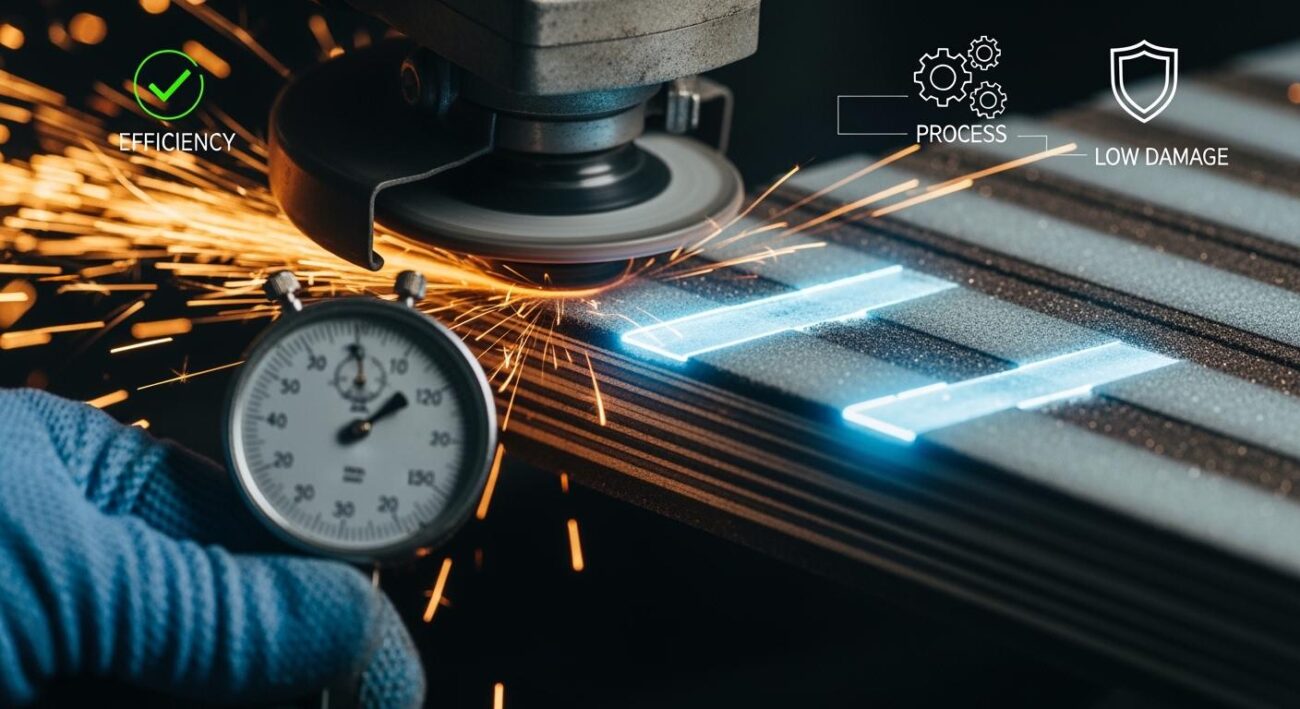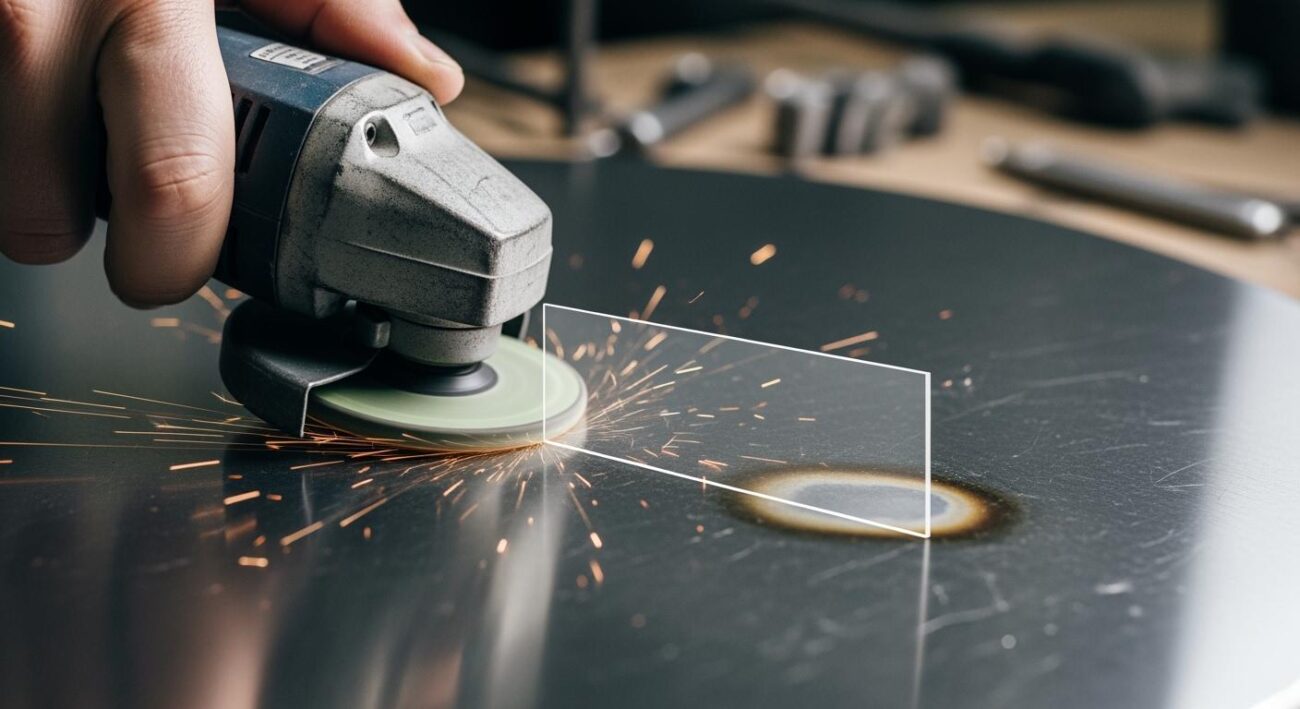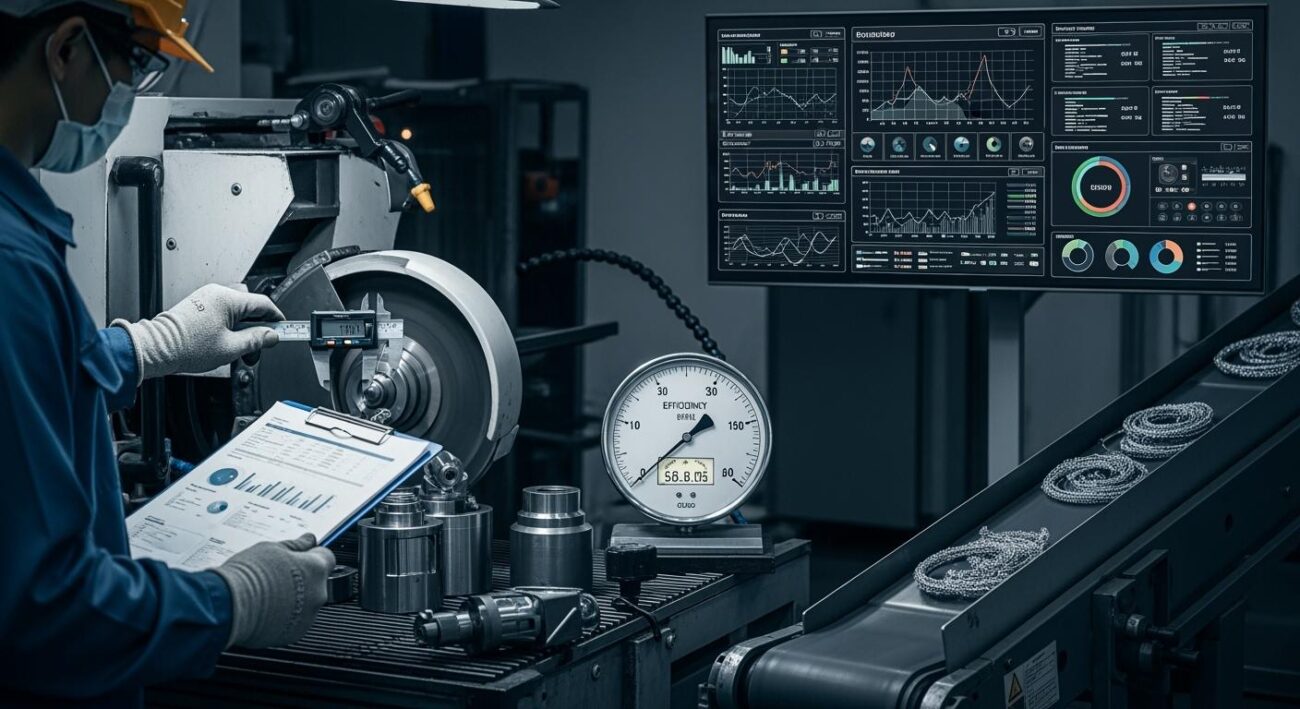
You can boost grinding efficiency for stainless steel welds by using the right abrasives and tools. Aimgrind diamond grinding wheels help you achieve smooth, precise weld finishes with less effort. When you use proper grinding and polishing techniques, you reduce residual stress and improve corrosion resistance near the weld. Good heat management and a well-organized workflow also protect your stainless steel from discoloration. Avoid common mistakes and invest in operator training for the best results.
Key Takeaways
- Use Aimgrind diamond grinding wheels for fast material removal and smooth finishes. These wheels maintain their shape and sharpness, enhancing grinding efficiency.
- Select abrasives specifically designed for stainless steel to prevent contamination. Look for labels like ‘Stainless’ or ‘INOX’ to ensure quality and consistency.
- Maintain your tools regularly to ensure optimal performance. Clean and check your grinding wheels before each use to avoid defects and extend tool life.
- Follow the correct abrasive sequence for polishing. Start with coarse grits and gradually move to finer ones to achieve a smooth, high-quality surface finish.
- Organize your workspace and position welds for easy access. A tidy area reduces contamination risks and improves overall grinding efficiency.
Abrasive and Tool Selection for Grinding Efficiency
Choosing Aimgrind Diamond Grinding Wheels
You need the right grinding wheel to get the best results on stainless steel welds. Aimgrind diamond grinding wheels give you high performance and long life. These wheels use a diamond abrasive layer that cuts through tough materials quickly. You can use them for both wet and dry grinding. The wheels keep their shape and sharpness, so you get consistent results every time.
Tip: Choose a grinding wheel that matches your machine and the size of your welded connections. Aimgrind offers custom options to fit your needs.
Aimgrind diamond grinding wheels help you remove material fast and leave a smooth finish. You spend less time changing tools, which means you work faster and keep your grinding efficiency high.
Selecting Abrasives for Stainless Steel Welds
Picking the right abrasive is important for quality and consistency. Stainless steel needs special care because it can rust if you use the wrong tools. Here are some things you should look for:
- Use abrasives made for stainless steel. Look for labels like “Stainless” or “INOX.” These products do not have iron, sulfur, or chlorine, so they protect your weld from contamination.
- Choose the right grit size. Start with a coarser abrasive for thick welds. Switch to a finer grit for a smooth finish.
- Try ceramic grain abrasives. These grains stay sharp and cut evenly. They also keep the steel cool, which stops discoloration.
- Aluminum oxide abrasives work well for general grinding. Make sure they are contaminant-free for stainless steel.
- Avoid using tools that have touched regular steel. This prevents cross-contamination and keeps your weld strong.
Note: The type of material and the amount you need to remove will help you pick the right abrasive.
Tool Maintenance for Consistent Results
You must keep your tools in good shape to get the best grinding efficiency and weld quality. Clean your grinding wheels and check them for wear before each use. Replace worn tools right away. This keeps your grinding smooth and prevents damage to your welded connections.
Regular maintenance also means less downtime. You spend more time working and less time fixing problems. High-quality tools, like those from Aimgrind, last longer and give you steady performance. When you use the right tools and take care of them, you get better results and protect your stainless steel from damage.
Tip: Set a schedule to check and clean your grinding tools. This simple step helps you keep your work safe and your results consistent.
Grinding and Polishing Techniques
Correct Angles and Pressure for Weld Grinding
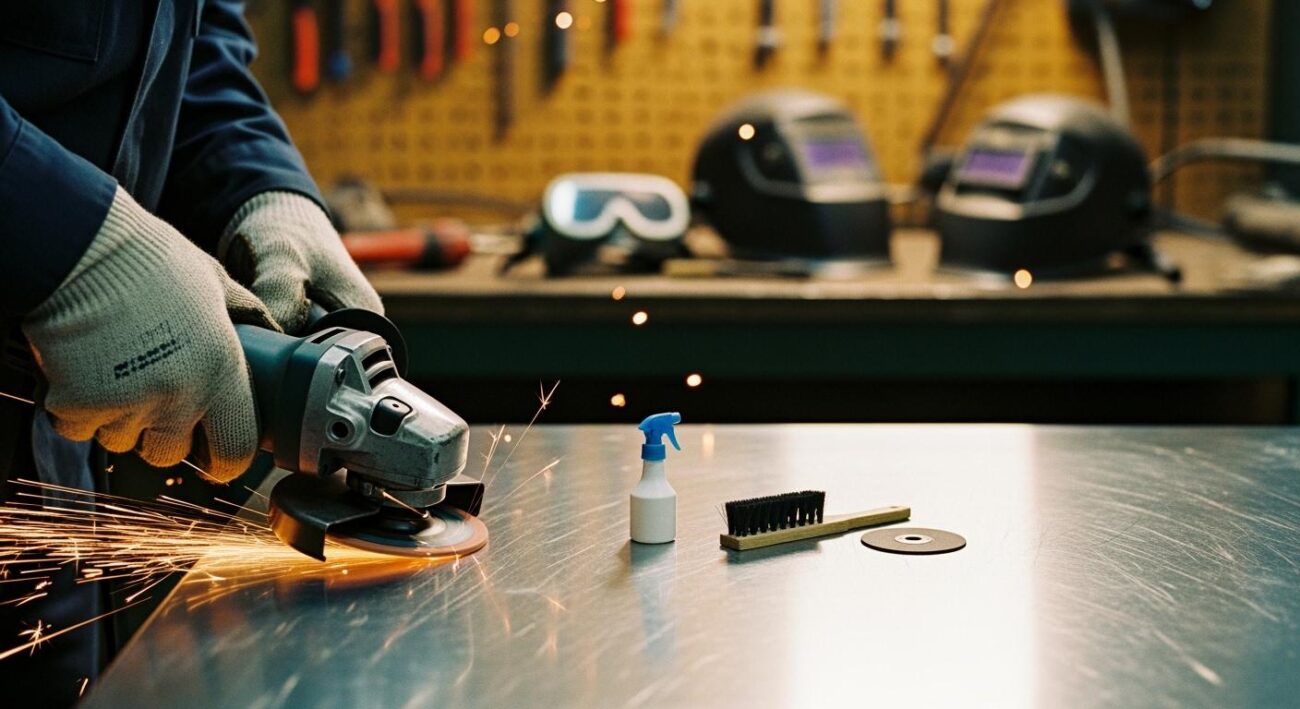
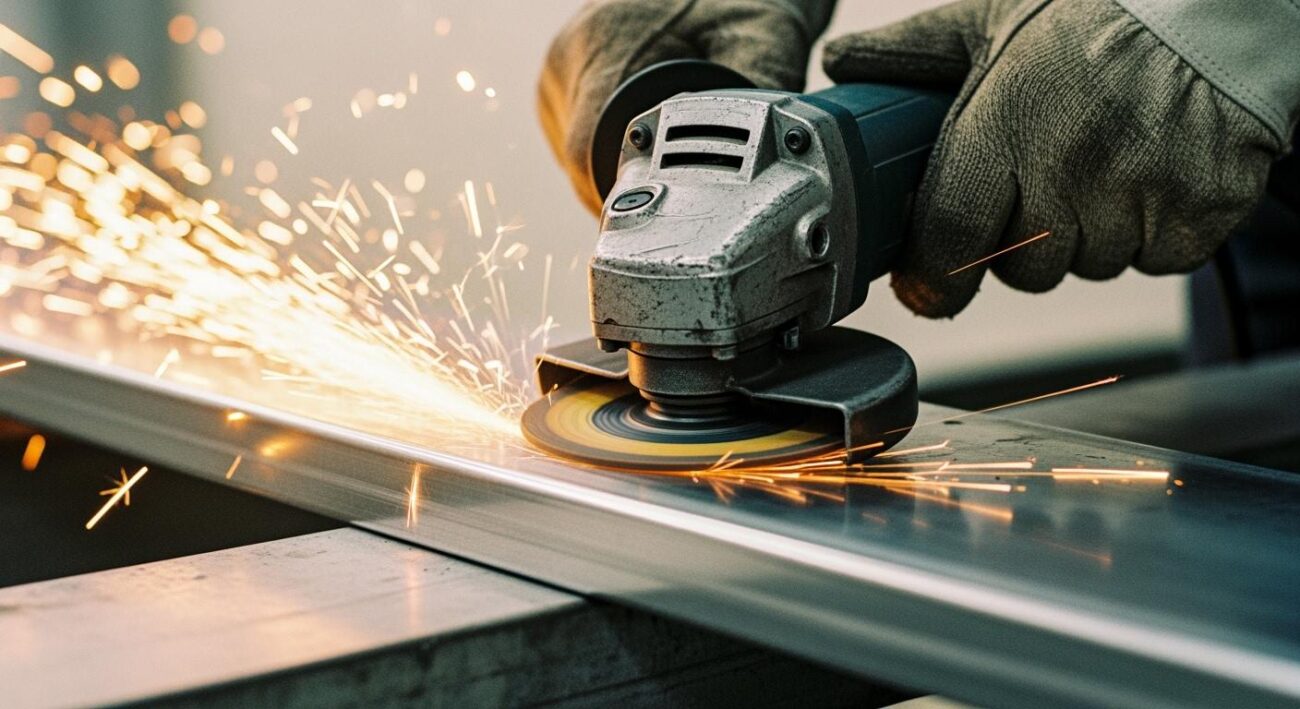
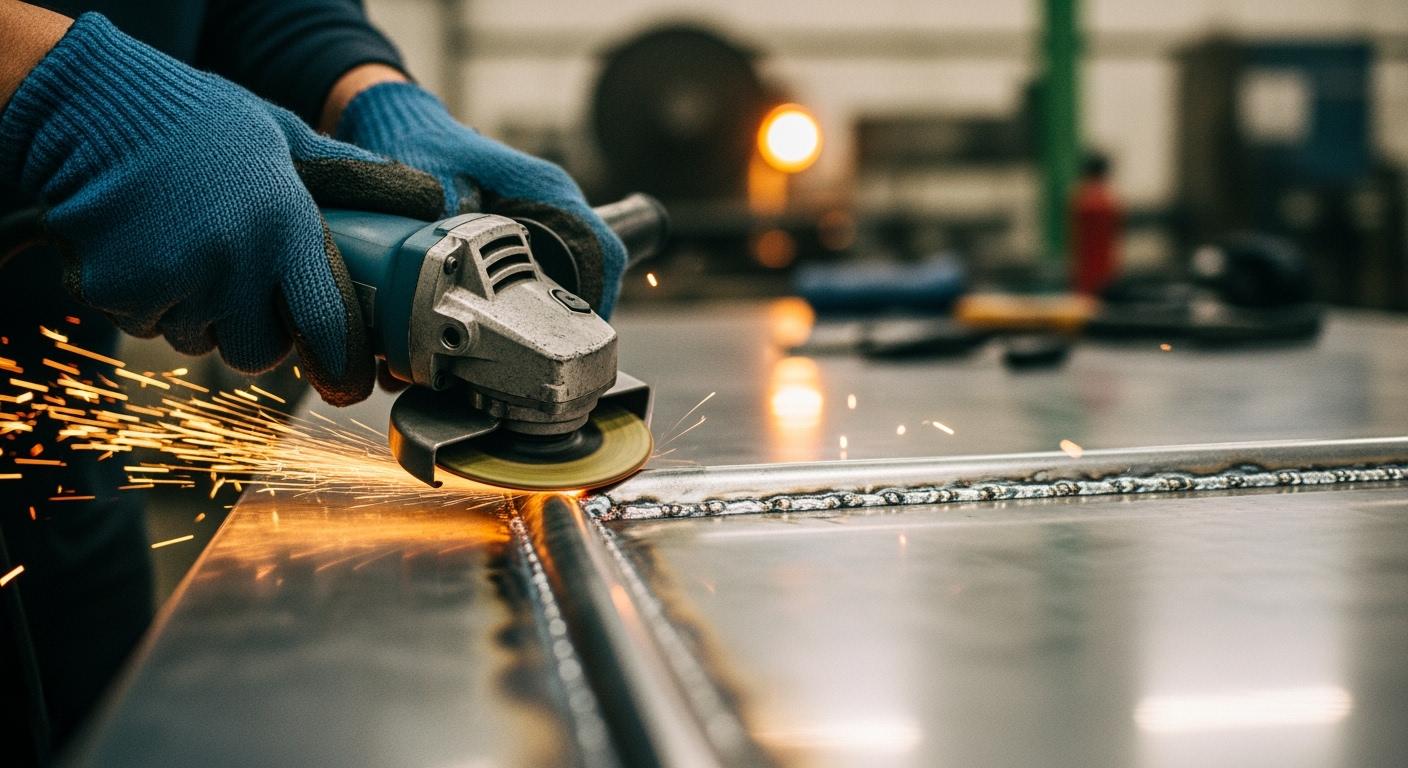
You can improve weld grinding results by using the right angle and pressure. Hold your angle grinder at about 15 to 30 degrees to the weld. This position helps you remove material without digging into the base metal. Use a 36- or 50-grit disc for the first pass, depending on the size of the weld bead. Move the disc slowly and keep your motion steady. Do not rush or press too hard. Consistent, moderate pressure gives you better control and protects the stainless steel surface.
Tip: Rotate your workpiece 90 degrees between each grit change. This technique helps you remove scratches from the previous step and creates a smoother surface.
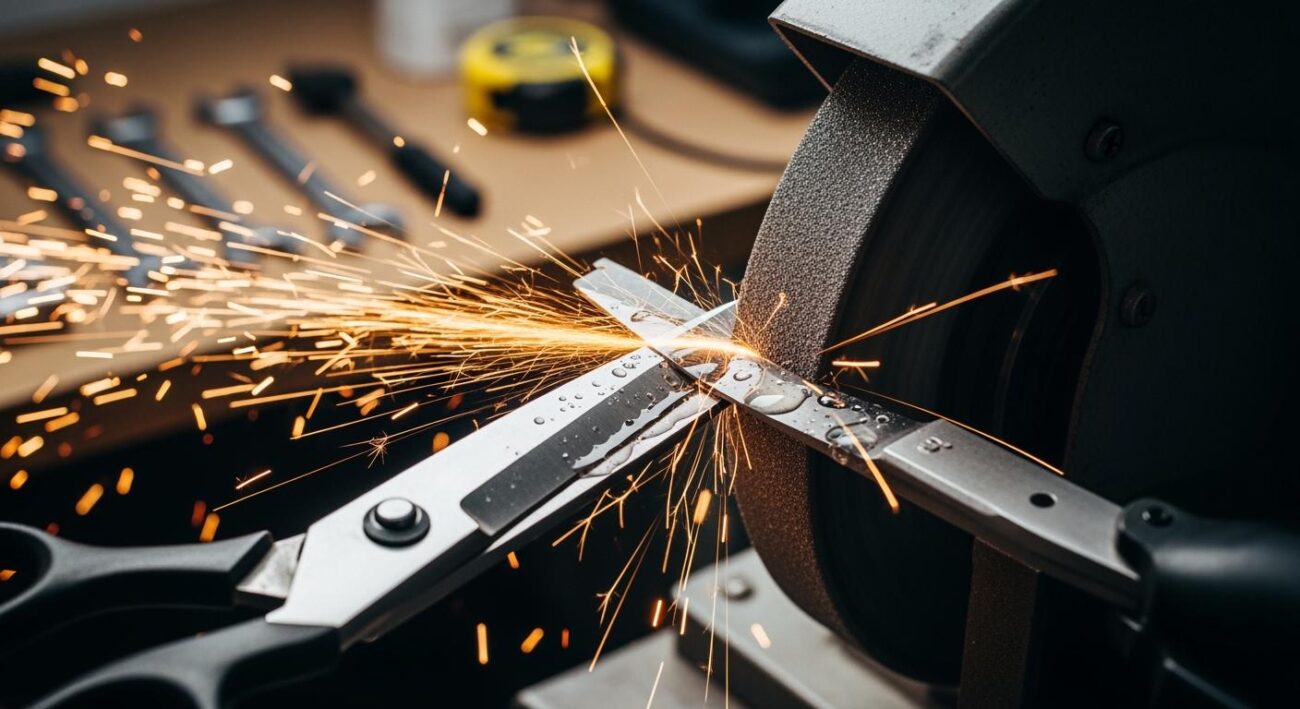
Always use water as a lubricant if possible. Water keeps the weld cool and prevents overheating, which can cause discoloration or warping. Spend enough time on each step to make sure you remove all marks from the last grit. This careful approach leads to a better surface finish and reduces the need for extra polishing.
Abrasive Sequence for Smooth Finishes
You need to follow the right abrasive sequence to get a smooth finish on stainless steel welds. Start with a coarse abrasive, such as a 36- or 40-grit flap disc, for rough grinding. This step removes most of the weld material. For a finer surface, switch to a medium grit, like 80 or 120. Use a pullback motion with bonded grinding wheels to avoid gouging the surface.
For a satin or nondirectional finish, use a nylon flap brush or a fine abrasive belt. If you want a mirror polish, move to higher grits and use buffing compounds or fiber wheels. Always match your abrasive to the finish you want. For example, use a 100- to 200-grit fine flap brush for a satin look or a surface-conditioning belt for a fine finish.
Note: Spend enough time at each stage to remove all scratches from the previous grit. This method ensures a consistent and high-quality surface finish.
Using Belt Grinders and Finishing Discs
Belt grinders and finishing discs help you achieve professional results on stainless steel welds. Use an 80- to 120-grit zirconia abrasive belt for the first stage of grinding and polishing. This tool removes weld beads quickly and prepares the surface for the next steps. For graining of steel welds, switch to a surface-conditioning belt or a drum sander with a zirconium-blend belt. These tools create a uniform finish and reduce the orange peel effect.
You can use a pneumatic right-angle grinder for the first pass, then finish with a pneumatic drum or a soft disc. For inside corners, use an electric angle grinder followed by a fine-surface disc, such as a Trizact grinding wheel. Always choose the right tool for each part of the weld. Quick-change tooling systems and portable tools reduce downtime and operator fatigue, making your workflow more efficient.
Tip: For a mirror polish, finish with a pre-polish wheel and a polishing compound after using your abrasive belt. This step gives your stainless steel a bright, reflective surface.
By following these grinding and polishing techniques, you can achieve a high-quality surface finish and improve your weld grinding efficiency.
Heat Management in Weld Grinding
Preventing Discoloration and Warping
You can protect stainless steel welds from discoloration and warping by controlling heat during grinding. Too much heat can cause blue or brown marks, known as heat tint, and may even warp the metal. You should always use dedicated abrasives for stainless steel to avoid contamination. Try to use variable-speed grinders or flap discs and apply light, steady pressure. This helps you avoid overheating and keeps the weld area clean.
Here is a table that shows some effective methods for preventing discoloration and warping:
| Method | Description |
|---|---|
| Heat Control | Use variable-speed grinders or flap discs with light pressure. |
| Short Passes | Make short passes and let the metal cool between each pass. |
| Dedicated Abrasives | Always use abrasives made for stainless steel to prevent contamination. |
| Post-Grinding Cleaning | Clean the weld after grinding to remove any oxide or discoloration. |
You can also use fixtures and clamps to keep the workpiece stable. This reduces the risk of distortion. Staggered grinding and allowing cooling periods between passes help manage heat input. After grinding, use a coarse or medium grit non-woven surface conditioning disc to clean the weld. This step removes discoloration without changing the shape of the steel.
Tip: Always focus on avoiding contamination by using tools that have never touched regular steel.
Coolants and Temperature Control
Managing temperature is key to high-quality weld grinding. You should use the lowest amperage that still gives you a good weld. This reduces heat and helps prevent problems like sensitization and distortion. Try to maximize your travel speed during grinding. Faster movement means less heat builds up in one spot.
Here are some ways to control temperature during weld grinding:
- Use coolants or water to keep the weld area cool.
- Control interpass temperature. For austenitic stainless steel, keep it below 350°F.
- Sequence your grinding tasks to balance heat and reduce distortion.
- Make short, quick passes and allow the weld to cool between each one.
Fine grinding with the right tools and coolants helps you avoid overheating. This keeps the stainless steel strong and free from warping or discoloration. By following these steps, you improve both the look and the strength of your welds.
Workspace and Part Setup for Efficiency
Organizing the Grinding Area
You can boost your grinding results by setting up your workspace the right way. A clean and organized area helps you avoid contamination and keeps your stainless steel welds in top shape. Follow these best practices to maximize productivity:
- Read and follow the manual for your grinding tools. This step helps you use each tool safely and correctly.
- Keep your workspace clean. Remove dust and debris often to protect the surface of your welded connections.
- Handle fragile parts with care. This prevents damage and keeps your grinding process smooth.
- Stick to a maintenance schedule. Regular checks help you spot problems early and keep your tools working well.
- Use a high-quality coolant system. Good coolant keeps the grinding area cool and reduces the risk of contamination.
- Control the temperature in your workspace. Stable temperatures help you achieve a consistent surface finish on stainless steel.
- Dress and condition your grinding wheels often. This practice improves grinding efficiency and surface quality.
Tip: A tidy workspace also helps you find tools quickly and reduces the chance of mistakes.
Positioning Welds for Accessibility
You can improve grinding efficiency by placing your welds where you can reach them easily. Using welding positioners lets you rotate or tilt the workpiece. This setup gives you better access to hidden areas and helps you avoid contamination on the surface. You also reduce physical strain, which makes your work safer and faster. When you keep your welds in the best position, you get more consistency in your results.
| Benefit | Explanation |
|---|---|
| Accessibility to Hidden Areas | Welding positioners let you reach all parts of the weld, even those that are hard to see or touch. |
| Reduced Physical Strain | Good positioning means you do not have to stretch or bend as much, making the job easier. |
| Consistent Quality of Welds | You can use the same grinding technique on every part, which improves the quality and consistency. |
Keeping your workspace organized and your welds easy to reach helps you avoid contamination and achieve a smooth, high-quality surface on stainless steel.
Operator Training and Skill Development
Training for Stainless Steel Grinding
You can improve grinding results by investing in operator training. A strong training program helps you work safely and efficiently. You learn how to handle stainless steel and use the right operator technique. Training covers both operation and basic maintenance. You get hands-on demonstrations and classroom instruction. Experienced instructors guide you through each step. The program adapts to your equipment and production needs. You gain skills that help you avoid mistakes and keep your tools in good shape.
Here is a table showing the key parts of a training program:
| Component | Description |
|---|---|
| Safety | Improve safety and compliance |
| Efficiency | Increase operational efficiency |
| Equipment Maintenance | Reduce equipment misuse and wear |
| Instruction Method | Combines classroom instruction with hands-on demonstrations |
| Customization | Tailored to specific equipment and production processes |
| Experienced Instructors | Led by experienced technicians |
| Coverage | Covers both operation and basic maintenance |
Training helps you build confidence and consistency in your grinding work. You learn how to use Aimgrind tools for the best results.
Continuous Improvement Practices
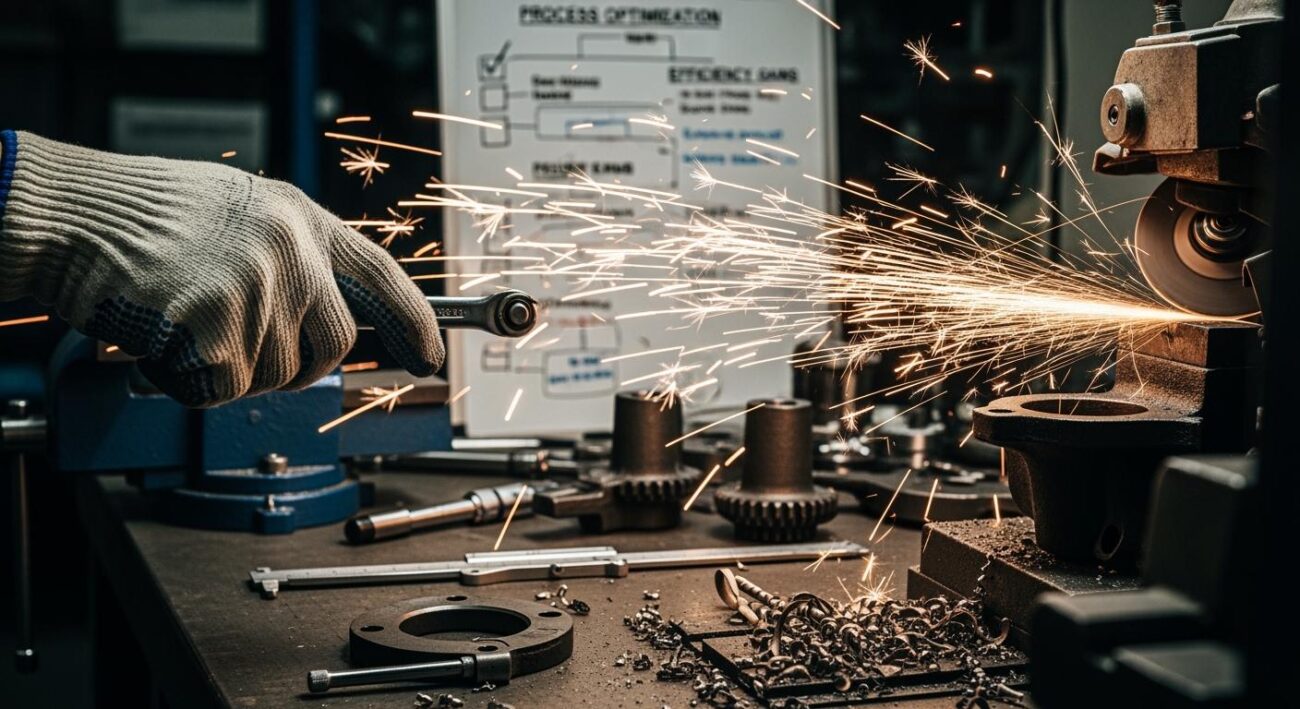
You can boost grinding efficiency by using continuous improvement practices. These practices help you find ways to make your work faster and better. You review your process and look for steps that do not add value. You focus on refining your technique and reducing wasted time. Companies that use these methods spend less time on grinding and other post-weld tasks.
Labor makes up most of the cost in welding operations. You can save money by cutting down on activities that do not help the final product. Here are some ways continuous improvement helps:
- You review productivity and spot areas for improvement.
- You reduce time spent on non-value-added activities.
- You increase efficiency and improve your bottom line.
Continuous improvement keeps your grinding process sharp and helps you achieve consistent results with stainless steel.
Common Weld Grinding Mistakes to Avoid
Overgrinding and Excessive Pressure
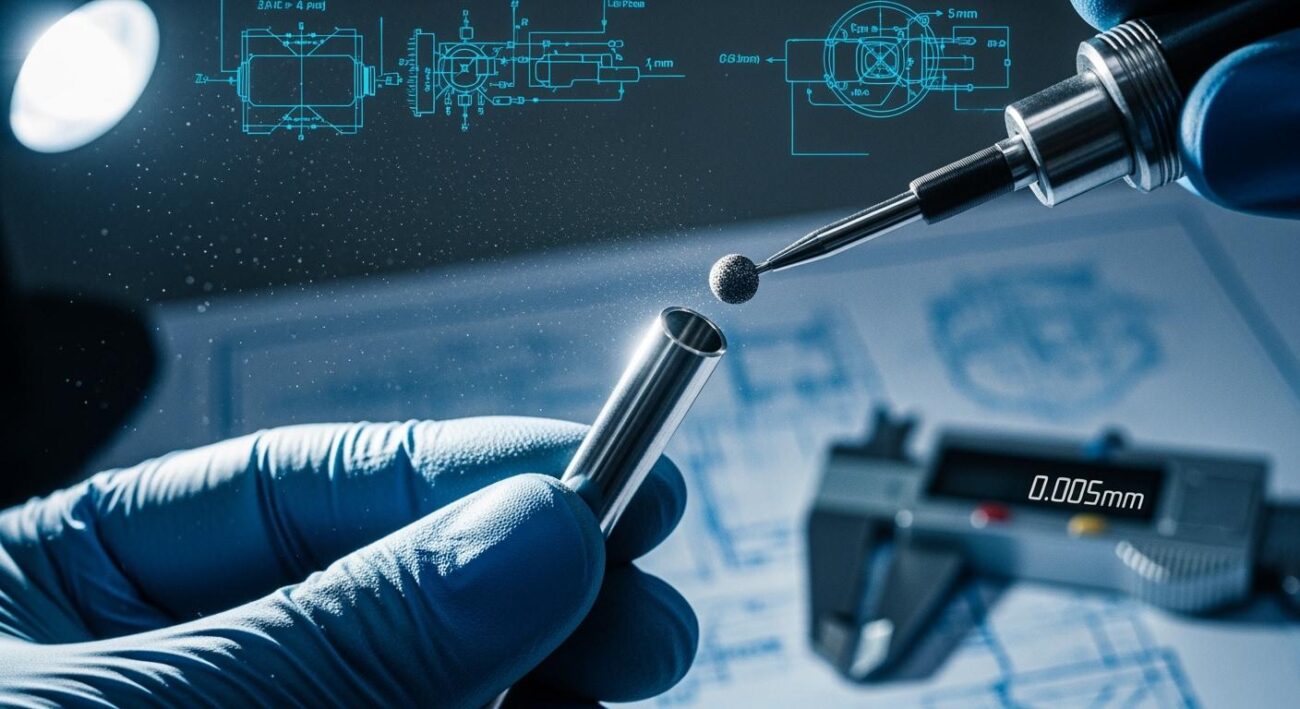
You can weaken a weld if you remove too much material. Overgrinding reduces thickness and may cause micro-cracks. These cracks act as starting points for bigger problems. Excessive pressure creates geometric irregularities. These irregularities increase the risk of brittle failures. The sharpness of carbide burs helps you avoid overgrinding. You only remove what is needed. High heat from too much pressure can change the shape of stainless steel. This makes the weld less reliable.
Avoiding contamination is important. Too much force can damage the surface and make it easier for contaminants to enter.
- Overgrinding reduces weld thickness.
- Excessive pressure causes micro-cracks and geometric irregularities.
- High heat leads to structural issues and possible contamination.
Skipping Abrasive Steps
You may want to save time by skipping abrasive steps. This mistake leaves hidden scratches on stainless steel. These scratches often appear after buffing. Skipping grit progression can result in surface marks that you cannot see right away. These marks affect the quality of the weld finish. You need to follow each abrasive step to avoid contamination and get a smooth surface.
- Skipping steps leaves invisible scratches.
- Hidden scratches show up after polishing.
- Proper abrasive sequence prevents contamination and improves finish.
Neglecting Tool Maintenance
You must keep your grinding tools in good condition. Neglecting maintenance lowers efficiency and increases costs. Poorly maintained machines produce parts with defects. You may waste materials and need expensive repairs. Regular maintenance extends the life of your tools and helps you avoid contamination.
| Impact of Neglecting Maintenance | Description |
|---|---|
| Reduced Efficiency | A poorly maintained machine works slower and produces less. |
| Quality Issues | Defective parts lead to wasted materials. |
| Repair Costs | Major repairs cost more than regular upkeep. |
| Shortened Lifespan | Early wear means you replace machines sooner. |
Clean your workspace and tools often. This practice helps you avoid contamination and keeps your grinding process efficient.
Workflow Optimization for Grinding and Polishing
Task Sequencing for Maximum Efficiency
You can boost grinding efficiency by planning your tasks in the right order. Start with a hard grinding wheel to remove most of the weld material. This step works well for thick beads but can create heat and vibration. Switch to a ceramic fiber disc for faster cuts and a smoother finish. This change reduces operator fatigue and helps you avoid damaging the base metal.
Choose the right flap disc shape and grit for each stage. A medium-grit non-woven surface conditioning disc works best for the final pass. This disc restores the protective layer on stainless steel and helps prevent contamination. You should always follow a clear sequence:
- Begin with coarse grinding for heavy weld removal.
- Move to a ceramic disc for blending and smoothing.
- Finish with a conditioning disc to polish and protect.
Process planning and regular quality checks help you catch mistakes early. You can use Aimgrind diamond grinding wheels for consistent performance and smooth transitions between steps. This approach keeps your workflow organized and supports maximizing efficiency.
Reducing Downtime and Tool Changes
You can save time by choosing tools that last longer and require fewer changes. High-performance abrasives, like those from Aimgrind, let you process more parts before switching discs. This reduces downtime and keeps your grinding process moving.
Automation can make your workflow even smoother. Automated systems reduce human error and keep your results consistent. Robotic arms hold the tool steady and follow the same path every time. Pneumatic contact wheels adjust to different shapes, so you get a uniform polish without removing too much material.
Here are some ways to reduce downtime and tool changes:
- Use long-lasting abrasives for fewer interruptions.
- Try automation to keep your process steady and efficient.
- Choose quick-change tools to swap discs fast.
- Wear proper safety gear to avoid accidents and contamination.
You can also use Aimgrind’s custom solutions to match your equipment and grinding needs. This helps you avoid contamination and maintain high quality in every weld grinding and polishing step. By optimizing results and focusing on efficiency, you improve both the look and strength of your stainless steel welds.
Tip: Review your workflow often. Small changes can lead to big improvements in quality and efficiency.
You can improve weld grinding efficiency by following key steps. Use Aimgrind diamond grinding wheels and select the right abrasives for stainless steel. Apply the correct angle and sequence for polishing. Organize your workspace and set parts for easy reach. Track your process and invest in automation for better consistency. These strategies boost quality and surface finish while reducing defects. You will see faster production, smoother polish, and higher quality in every weld.
| Actionable Step | Benefit |
|---|---|
| Maintain 5-15 Degrees Angle | Better finish, longer tool life |
| Use Proper Abrasive Sequence | Uniform surface, less waste |
| Optimize Workspace and Automation | Improved consistency, quality |
Try these methods to see immediate improvements in your stainless steel weld grinding and polishing results.
FAQ
What is the best way to achieve a high-quality finish on stainless steel welds?
You should use the correct abrasive sequence and maintain steady pressure. Start with coarse grinding, then move to finer abrasives for polishing. This method helps you reach a smooth polish and improves the quality of your welds.
How can you avoid overheating during weld grinding?
You should use water or a coolant to keep the weld cool. Make short passes and let the metal rest between steps. This approach prevents discoloration and protects the quality of your stainless steel.
Why is tool maintenance important for weld grinding?
Regular maintenance keeps your tools sharp and reliable. You get better polishing results and reduce the risk of defects. Clean tools help you maintain high quality and avoid costly repairs.
Can automation improve the weld grinding process?
Yes, automation can make your workflow faster and more consistent. Automated systems help you reduce errors and keep the quality of your polishing steady. You also save time on repetitive tasks.
What are common mistakes to avoid when polishing stainless steel welds?
You should not skip abrasive steps or use too much pressure. These mistakes can leave scratches and lower the quality of your polish. Always follow the correct sequence for the best results.
Contact Us
For More Grinding Solution or Customized Abrasive Tools