

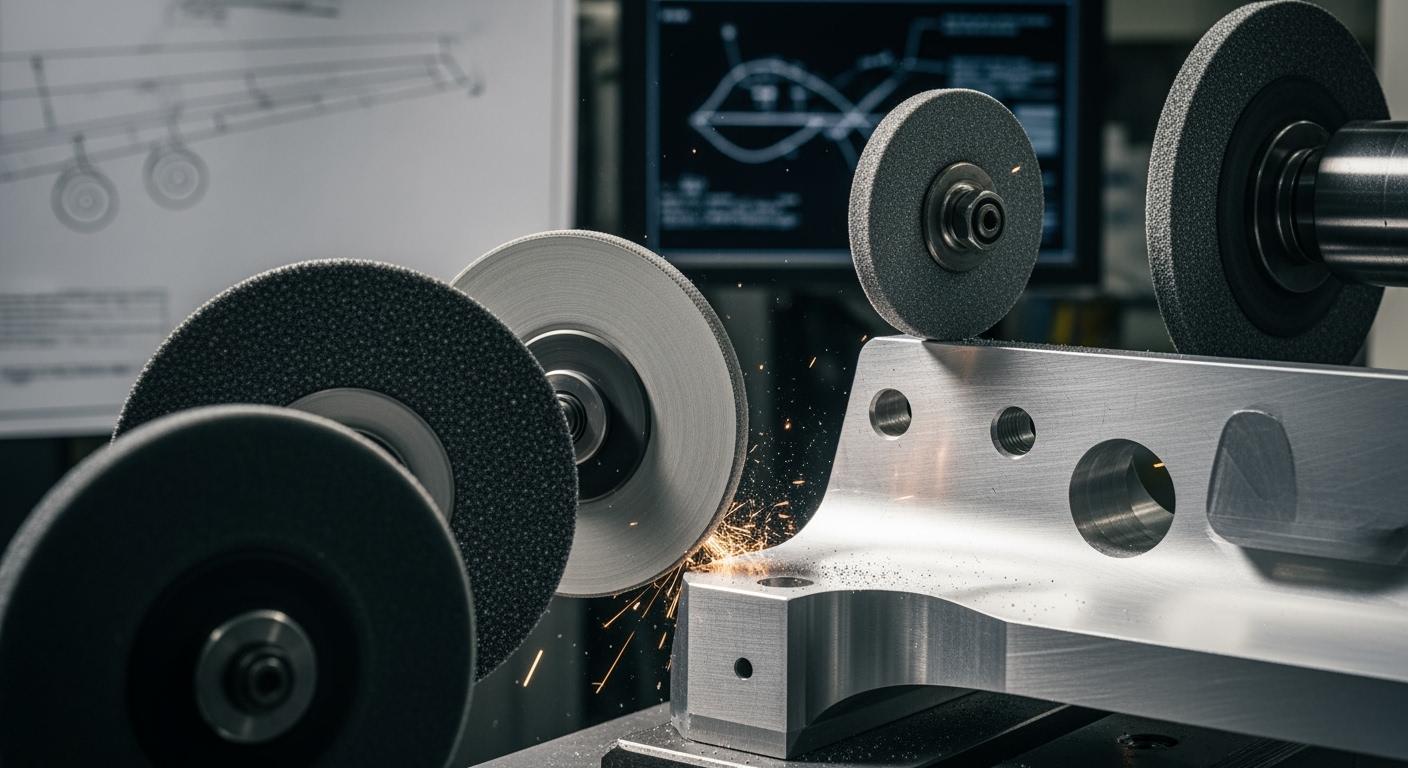
You need the right grinding wheels for aerospace aluminum to achieve a smooth finish and high efficiency. Aimgrind’s diamond grinding wheels lead the industry, giving you fast material removal and less wheel loading. Other top abrasives, like silicon carbide and aluminum oxide, also help you get the best results on aluminum. Choosing the right wheel keeps you safe and productive. Many safety incidents can happen with the wrong wheel, such as wheel bursting, kickback, vibration injuries, or dust exposure:
| Hazard Type | Description |
|---|---|
| Wheel Bursting / Fragmentation | Improper mounting or damaged wheels can cause fatal injuries. |
| Kickback | The wheel can bind and jerk back, causing injuries. |
| Vibration & HAVS | Long use can harm your nerves; you must manage exposure. |
| Abrasive Dust & Respirable Particles | Fine particles can harm your health; dust control is important. |
Key Takeaways
- Choose diamond grinding wheels for fast material removal and a smooth finish on aerospace aluminum.
- Prevent wheel loading by using wheels designed for aluminum and regularly cleaning them.
- Control heat during grinding to avoid damaging aluminum; use coolants for better results.
- Select the right grit size and wheel hardness to improve efficiency and surface quality.
- Follow safety practices, including using proper dust collection systems and inspecting wheels before use.
Best Grinding Wheels for Aluminum
Diamond Grinding Wheels by Aimgrind
You want the best abrasives for aluminum when working in aerospace. Diamond grinding wheels from Aimgrind stand out as the top choice. These wheels give you faster material removal, a smoother surface finish, and longer tool life. You can rely on them for consistent part quality and excellent heat control. These features matter in aerospace because you need precision and efficiency every time.
Tip: Diamond grinding wheels help you avoid overheating and keep your aluminum parts safe from damage.
Here is a table showing why Aimgrind’s diamond grinding wheels are the best abrasives for aluminum in aerospace:
| Advantage | Description |
|---|---|
| Faster Material Removal | You finish jobs quicker and boost productivity. |
| Superior Surface Finish | You get a clean, smooth result every time. |
| Longer Tool Life | You spend less time changing wheels and more time grinding. |
| Heat Control | You protect aluminum from heat damage. |
| Consistent Part Quality | You meet strict aerospace standards with every part. |
Aimgrind offers diamond grinding wheels in different bond types, such as resin, metal, and vitrified. You can choose the right wheel for your specific aluminum grinding needs. These wheels also work well with both wet and dry grinding. If you want the best abrasives for aluminum, Aimgrind’s diamond wheels give you the edge.
Silicon Carbide and Green Wheels
You can also use silicon carbide and green wheels as some of the best abrasives for aluminum. These abrasive wheels have sharp grains that cut through soft metals like aluminum with ease. Silicon carbide wheels resist heat, so they keep working well even in high-temperature aerospace environments. The brittle nature of silicon carbide means the grains shed constantly. This prevents aluminum from clogging the wheel, which keeps your grinding efficient.
- Silicon carbide wheels work well for grinding and polishing tough metals, including aluminum.
- They maintain stable performance at high temperatures, which is important in aerospace.
- The constant shedding of grains stops aluminum from loading up the wheel.
- Sharp grains shear through aluminum, making grinding faster and easier.
Green wheels, made from a special form of silicon carbide, also rank among the best abrasives for aluminum. You can use these abrasive wheels for polishing flat surfaces and achieving a fine finish. Many aerospace shops rely on these wheels for their stable performance and ability to handle aluminum without clogging.
Aluminum Oxide and Zirconia Alumina Wheels
Aluminum oxide and zirconia alumina wheels are also among the best abrasives for aluminum. You can use aluminum oxide wheels for general-purpose deburring and blending. These abrasive wheels have a friable grain that stays cool, which helps when grinding heat-sensitive materials like aluminum.
Zirconia alumina wheels are specialty flap discs that you can use for high-speed grinding in aerospace. These abrasive wheels work well on hard materials, such as titanium alloys and high-strength steels, but they also perform on aluminum. Specialty flap discs made from zirconia alumina help you grind and finish aluminum parts quickly and efficiently.
- Zirconia alumina is used in high-speed grinding operations in aerospace.
- You can use these abrasive wheels for making cutting tools like end mills and drills.
- Specialty flap discs with zirconia alumina give you a fast, clean finish on aluminum.
You have many options when choosing the best abrasives for aluminum. Diamond grinding wheels from Aimgrind, silicon carbide and green wheels, and specialty flap discs made from aluminum oxide or zirconia alumina all help you achieve top results. You can select the right abrasive for your job and keep your aerospace aluminum grinding safe and productive.
Key Features for Aluminum Grinding
Grit Size and Wheel Hardness
You need to pay attention to grit size and wheel hardness when grinding aluminum. Grit size controls how rough or smooth the surface becomes. For aerospace aluminum, a 46 grit wheel works well. This grit size removes material quickly and leaves a good finish. If you want a finer surface, you can choose a higher grit.
Wheel hardness matters because aluminum is tough and can clog the pores of the wheel. You should select wheels in the A-H soft hardness range. Softer wheels let chips escape and prevent clogging. This keeps your grinding efficient and reduces downtime. Soft wheels also help you avoid overheating the aluminum. You get better chip removal and a cleaner surface.
Aimgrind can customize grit size and hardness for your specific aerospace needs. You can ask for wheels that match your equipment and the aluminum parts you work on. This helps you achieve the best results and keeps your process smooth.
Tip: Softer wheels make grinding aluminum easier and prevent loading. You save time and improve productivity.
Bond Types and Structure
You must choose the right bond type for your aluminum grinding wheels. The bond holds the abrasive grains together and affects performance. You can pick from resin, metal, or vitrified bonds. Each bond type offers unique strengths for aluminum grinding.
| Bond Type | Key Properties | Strengths |
|---|---|---|
| Vitrified | High rigidity, strength, porosity, chemical inertness, excellent form holding | Precision grinding, high stock removal rates, versatility with conventional abrasives, long life |
| Resinoid | Good strength and toughness, slightly flexible | Suitable for demanding operations, can withstand higher mechanical stresses |
| Metal | High strength and durability, used for heavy-duty tasks | Excellent for high-stress applications, provides stability and longevity in grinding processes |
Resin bonds give you flexibility and toughness. Metal bonds offer strength and durability. Vitrified bonds provide rigidity and long life. You can select the bond that fits your aluminum grinding job. Aimgrind can design wheels with the right bond and structure for your aerospace applications. You get wheels that last longer and deliver consistent results.
You need to match grit size, hardness, and bond type to your aluminum parts. Aimgrind’s custom wheels help you get the best performance from your abrasives. You can trust their expertise to optimize your grinding process.
Aluminum Grinding Performance
Preventing Wheel Loading
You need to prevent wheel loading when grinding aluminum. Wheel loading happens when aluminum particles stick to the abrasive surface. This problem can slow down your work and damage the part. You can avoid this by choosing grinding wheels made for aluminum. These wheels use special abrasive materials that resist clogging. You also get better results by using coated abrasives or wheels with inhibitors. These products create a fine dust that lets the cutting grains keep working.
Specialized abrasive wheels for aluminum help you keep the grinding process smooth. You should always select abrasives that match the metal you are working on. This step is important for surface preparation. You want to avoid clogging, so your grinding wheels stay sharp and effective. Good surface preparation means you get a clean, even finish every time.
Here are some ways to prevent wheel loading:
- Use grinding wheels designed for aluminum.
- Pick abrasives with coatings or inhibitors.
- Choose abrasive wheels that shed grains to keep the surface clear.
- Match the abrasive to your aluminum part for the best surface preparation.
Surface Finish and Heat Control
You must control heat to get a quality surface finish on aerospace aluminum. Too much heat can cause aluminum to melt into the abrasive. This problem lowers tool efficiency and ruins the surface. You can use coolants or lubricants to keep the temperature down. These fluids help with surface preparation and stop the aluminum from warping.
Pressure and heat both affect the final surface finish. If you ignore heat control, you risk damaging the part. You should always check your grinding wheels for wear. A worn wheel can make the surface rough and uneven. Good heat management keeps your abrasive tools working well and helps you meet strict aerospace standards for surface preparation.
Here is a table showing key performance metrics for grinding aluminum:
| Performance Metric | Description |
|---|---|
| Surface Finish | Low Ra values needed for aerospace parts. |
| Material Removal Rate | Grinding can remove aluminum faster than machining. |
| Wheel Wear | Stable wear means better surface preparation and longer tool life. |
| G-ratio | Shows how much aluminum you remove before the wheel wears out. |
Tip: Always use the right abrasive and control heat for the best surface preparation on aerospace aluminum.
Wheel Maintenance and Dressing
Regular Dressing Practices
You need to keep your grinding wheels in top shape for aerospace aluminum work. Dressing the wheel restores its sharpness and true shape. When you notice loading, glazing, or a poor surface finish, it is time to dress the wheel. In high-volume production, you should dress based on the number of parts you process, not just on time. This keeps your abrasives working efficiently and helps you avoid burning or damaging the aluminum.
Here is a table of recommended maintenance practices for grinding wheels used on aluminum:
| Maintenance Practice | Description |
|---|---|
| Truing and Dressing | Check and dress the wheel often to remove clogged material and keep the wheel in good shape. |
| Checking for Wear | Inspect both the wheel and dressing tools for wear or damage. Replace them as needed. |
| Using Contaminant-Free Wheels | Choose wheels made for aluminum to prevent loading and keep productivity high. |
You should also replace any worn or damaged dressing tools right away. This ensures your abrasives stay sharp and safe. Regular cleaning and dressing help you get a smooth finish and keep your grinding wheels working longer.
Tip: If you see more sparks, dust, or trouble getting a good finish, dress your wheel before continuing.
Cleaning for Aluminum Applications
Cleaning is important when you use abrasives on aluminum. Grease sticks help reduce loading by adding lubrication and stopping swarf from sticking to the wheel. You can also use abrasive cleaners to remove any material that builds up on the wheel’s surface. This keeps your abrasives cutting smoothly and prevents downtime.
Type 27 grinding wheels are a good choice because they resist loading and give you consistent results. High-quality wheels made for aluminum cut smoothly and reduce burrs, noise, and vibration. Always choose the right wheel or disc for your job. This helps you save time and labor while keeping your abrasives in top condition.
- Regularly clean your grinding wheels to avoid uneven results.
- Use grease sticks or abrasive cleaners to keep the wheel surface clear.
- Pick wheels designed for aluminum to get the best performance from your abrasives.
Note: Good cleaning and dressing habits help you meet aerospace standards and keep your grinding process safe and efficient.
Coolant Use in Aluminum Grinding
Wet vs. Dry Grinding
You need to decide between wet and dry grinding when working with aerospace aluminum. Wet grinding uses coolant to manage heat and flush away debris. This method gives you better surface finishes and keeps your parts stable during grinding. You also reduce the risk of thermal damage. Dry grinding does not use coolant. You must take lighter cuts and slow down the feed rate to control heat. This can make the process slower and less efficient. Dry grinding also creates more airborne dust, which can be a safety hazard in your workspace.
Tip: Wet grinding is safer and gives you higher quality results for aerospace aluminum.
Here are the main differences:
- Wet grinding uses coolant for heat control, lubrication, and debris removal.
- Dry grinding needs slower speeds and lighter cuts to avoid overheating.
- Wet grinding produces less dust, making your workspace safer.
Coolant Types and Benefits
You get many benefits when you use coolant in aluminum grinding. Coolant acts as a barrier that protects freshly ground metal surfaces and machine parts from rust. It extends the life of your grinding wheels by lubricating the abrasive grains and flushing away chips. High-pressure coolant keeps the wheel open and aggressive by removing chips before they stick. You also keep your parts accurate because coolant controls heat and stops thermal expansion.
Here are some key benefits of using coolant:
- Prevents flash rust on aluminum and machine parts.
- Extends grinding wheel life.
- Keeps the grinding wheel sharp and clean.
- Maintains dimensional accuracy by controlling heat.
You can choose from several types of coolant for aerospace aluminum grinding. The table below shows some effective options:
| Coolant | Type | Application | Features |
|---|---|---|---|
| IC 3618 | Medium-duty synthetic | General-purpose machining and grinding | Suitable for aluminum alloys and other metals |
| IC 3601 | Heavy-duty synthetic | Machining operations | Non-staining, compatible with aerospace aluminum, optimum metal-removal capabilities |
| IC 3612 | Heavy-duty synthetic | Surface grinding and superfinishing | Advanced bio-resistant components, ideal for hard metals and alloys |
Note: Always select a coolant that matches your grinding process and the type of aluminum you use. This helps you get the best performance and protects your equipment.
Safety in Aluminum Grinding
Dust and Explosion Prevention
When you grind aluminum, you create fine dust that can be dangerous. This dust can catch fire or even explode if it builds up in the air. There have been serious accidents, including a fatal explosion in an Indiana plant, caused by aluminum dust. Sparks from grinding can also react with metal oxides, creating very high temperatures and fire risks.
You can protect yourself and your workspace by following these best practices:
- Make sure your workspace has good ventilation to remove fumes and dust.
- Always use a dust collection system or a vacuum with a HEPA filter to capture aluminum dust.
- Wear safety goggles, gloves, and a dust mask to protect your eyes, skin, and lungs.
- Never mix aluminum dust with sparks from grinding steel, as this can increase the risk of fire.
- Use a dedicated dust extraction system during heavy grinding.
Aluminum dust is highly flammable and can be explosive in certain concentrations. OSHA recognizes this hazard and recommends using proper dust controls at all times.
Tip: Keep your workspace clean and use the right equipment to prevent dust from building up.
Safe Wheel Operation
You need to follow strict safety steps when using grinding wheels. Always check the wheel for cracks or damage before you start. Make sure the machine speed does not go over the maximum speed marked on the wheel. Use a wheel guard that meets ANSI B7.1 standards to protect yourself.
Follow these steps for safe grinding:
- Inspect the grinding wheel for cracks or other damage.
- Check that the machine speed matches the wheel’s rated speed.
- Use a proper wheel guard to shield yourself.
- Make sure the machine arbor fits the wheel hole or threads correctly.
- Confirm that the flanges are clean, flat, and undamaged.
- Run the wheel in a safe area for one minute before grinding.
- Wear ANSI Z87+ safety glasses and extra face protection if needed.
- Use dust controls and protective measures for the material you are grinding.
- Hold the grinder firmly with both hands.
- Support your workpiece securely.
Note: Safe grinding protects you and helps you get the best results every time.
Aimgrind’s Custom Solutions
Personalized Wheel Selection
You want the best results for your aluminum fabrication projects. Aimgrind helps you choose the right grinding wheel for every job. The team looks at your needs and matches you with the perfect wheel. You get a solution that fits your equipment and your process.
Aimgrind considers many factors when selecting a grinding wheel for aerospace aluminum. Here is a table that shows what matters most:
| Factor | Description |
|---|---|
| Type of Bond | The bond affects how flexible and strong the wheel is for different materials. |
| Abrasive Material | The abrasive material changes how well the wheel works on aluminum. |
| Wheel Hardness | Hardness helps the wheel grind aluminum without clogging or wearing out too fast. |
| Structure | The structure controls how the wheel grinds and what jobs it can do. |
| Manufacturer Specs | The specs guide you to pick the right wheel for your machine and your material. |
You get a wheel that matches your needs for high-performance fabrication. Aimgrind’s experts help you with parameter matching and sample optimization. This means you can test wheels and find the best one before you start production.
Service and Support for Aerospace
You can count on Aimgrind for more than just products. The team gives you full support from start to finish. You get help with diagnosing grinding problems and finding the right solution. Aimgrind’s service process includes listening to your needs, matching the right wheel, and making sure it works well on your equipment.
Aimgrind stands for innovation, quality, and customer satisfaction. You get custom grinding wheels that help you meet strict aerospace standards. The team works with you to solve problems and improve your grinding process. You can trust Aimgrind to support your aluminum grinding needs and keep your shop running smoothly.
Tip: When you choose Aimgrind, you get more than a product. You get a partner who cares about your success in aluminum fabrication.
You need to select the right grinding wheels for aerospace aluminum to achieve the best results. Research shows that your choice of abrasive affects surface roughness and can increase costs if you need to rework parts. Matching wheel type and features to your aerospace needs improves productivity and safety. The table below highlights how advanced systems and precision grinding help you meet strict standards:
| Description | Impact |
|---|---|
| Automatic wheel dressing | Boosts efficiency |
| Advanced monitoring | Improves safety |
| Precision grinding | Ensures quality |
You should take these steps for success:
- Customize grinding solutions for your application.
- Talk with experts about your materials.
- Use specialized wheels for complex parts.
- Discuss bond formulations with specialists.
Aimgrind’s diamond grinding wheels give you reliable performance and support. Follow best practices for safety, maintenance, and performance to keep your shop running smoothly.
FAQ
What makes Aimgrind’s diamond grinding wheels ideal for aerospace aluminum?
You get fast material removal, a smooth finish, and less wheel loading. Aimgrind’s wheels last longer and help you meet strict aerospace standards. You can trust their quality for high-precision work.
How do you prevent grinding wheel loading with aluminum?
You should use wheels made for aluminum. Clean your wheel often. Apply a lubricant or grease stick. This keeps the wheel sharp and stops aluminum from sticking.
Can you use the same grinding wheel for both wet and dry grinding?
Yes, you can use Aimgrind’s diamond grinding wheels for both wet and dry grinding. Wet grinding gives you better heat control and a cleaner finish. Dry grinding works for quick jobs but creates more dust.
How do you choose the right grit size for aluminum grinding?
Pick a 46 grit wheel for fast removal and a good finish. Use a higher grit for a smoother surface. You can ask Aimgrind to customize the grit size for your needs.
Do you need to use coolant when grinding aerospace aluminum?
Tip: Always use coolant for aerospace aluminum. Coolant keeps the part cool, stops thermal damage, and extends wheel life. You get a better finish and safer workspace.
Contact Us
For More Grinding Solution or Customized Abrasive Tools