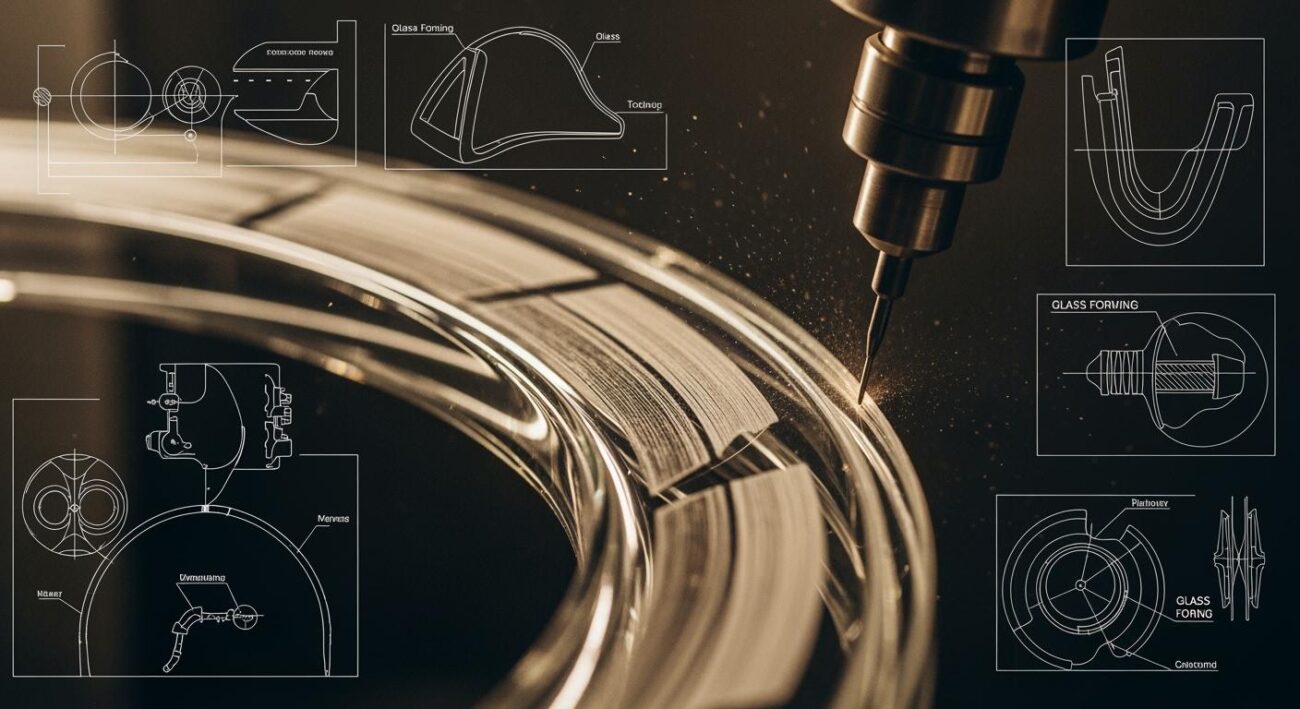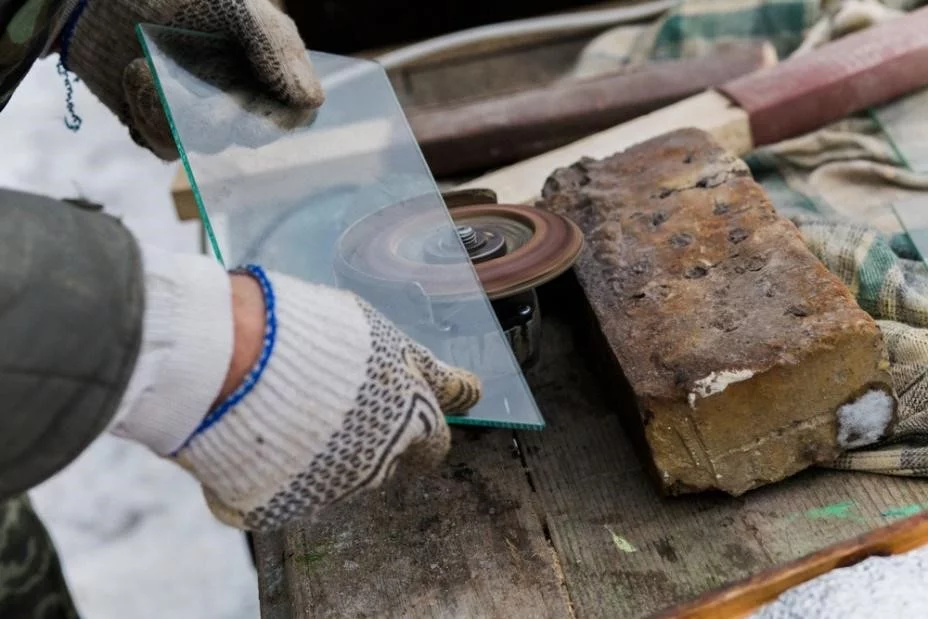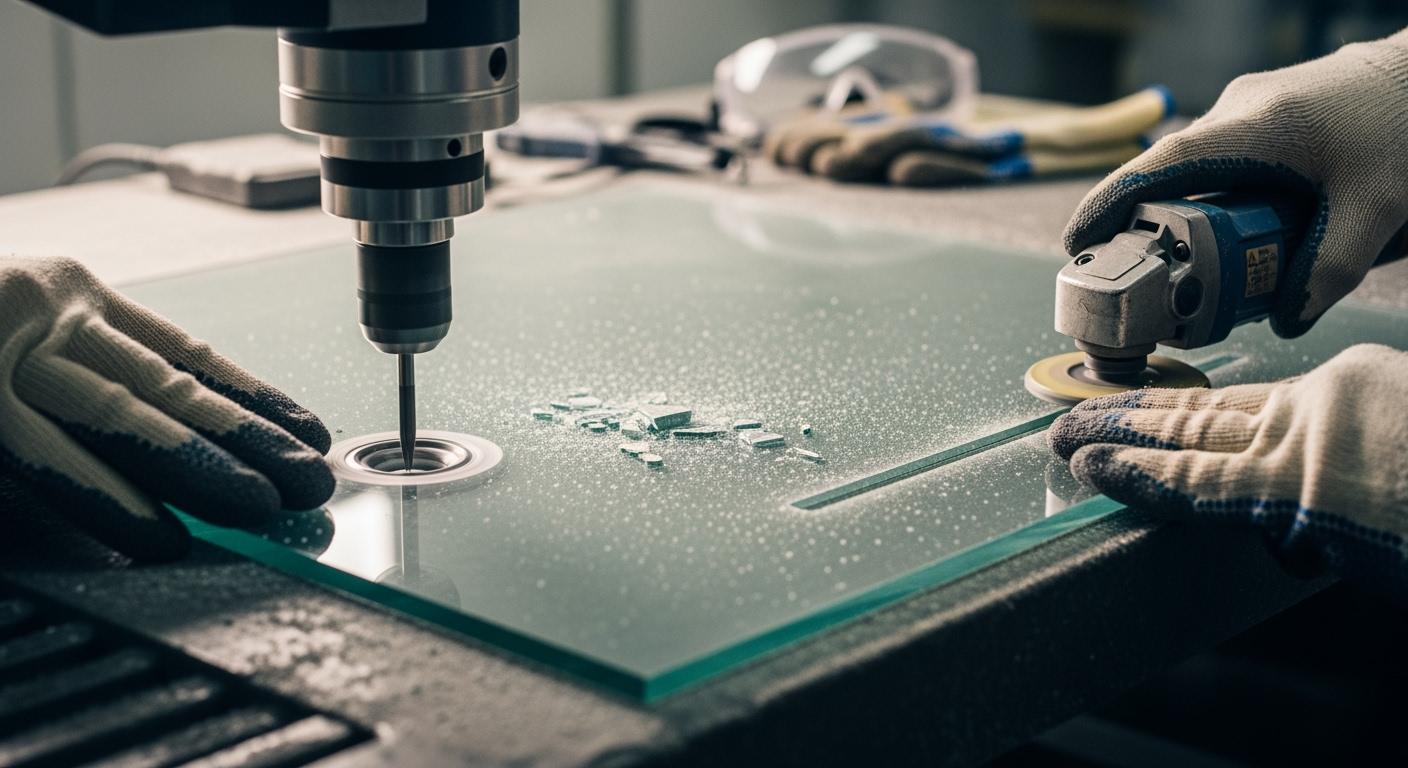
You can perform profile drilling and slot grinding on glass with the right tools and careful steps. Glass needs precision and care to avoid cracks or chips. You should use diamond grinding wheels for clean and accurate results. Aimgrind offers customized solutions for glass machining that help you get the best finish. Always prepare your glass properly, check your tools, and use safety gear. Glass work demands attention and steady hands.
Key Takeaways
- Use diamond grinding wheels for precise and clean results when drilling or grinding glass.
- Always wear safety gear, including goggles and gloves, to protect yourself from glass shards and dust.
- Prepare your glass by cleaning it and marking your drilling or grinding spots to prevent mistakes.
- Secure your glass properly on a flat surface to avoid cracks during machining.
- Follow a step-by-step process for drilling and grinding to ensure accuracy and prevent damage.
Essential Tools for Glass Drilling
Diamond Grinding Wheels by Aimgrind
You need the right grinding wheels to work with glass. Aimgrind diamond grinding wheels give you the precision and durability you want for profile drilling and slot grinding. These wheels use advanced bond technology, which helps them last longer and perform better than other brands. You can use resin bond diamond cup wheels for fine grinding of glass edges. Start with metal bond wheels for rough work, then switch to resin bond wheels for a smooth finish. You can choose grain sizes like 200# mesh or 240# mesh, depending on your machine and the type of glass.
- Aimgrind diamond grinding wheels offer:
- Exceptional wear resistance, so you change wheels less often.
- High thermal conductivity, which keeps glass cool and prevents cracks.
- Compatibility with CNC machines for better accuracy and productivity.
- Eco-friendly materials for sustainable glass processing.
Drilling Bits and Accessories
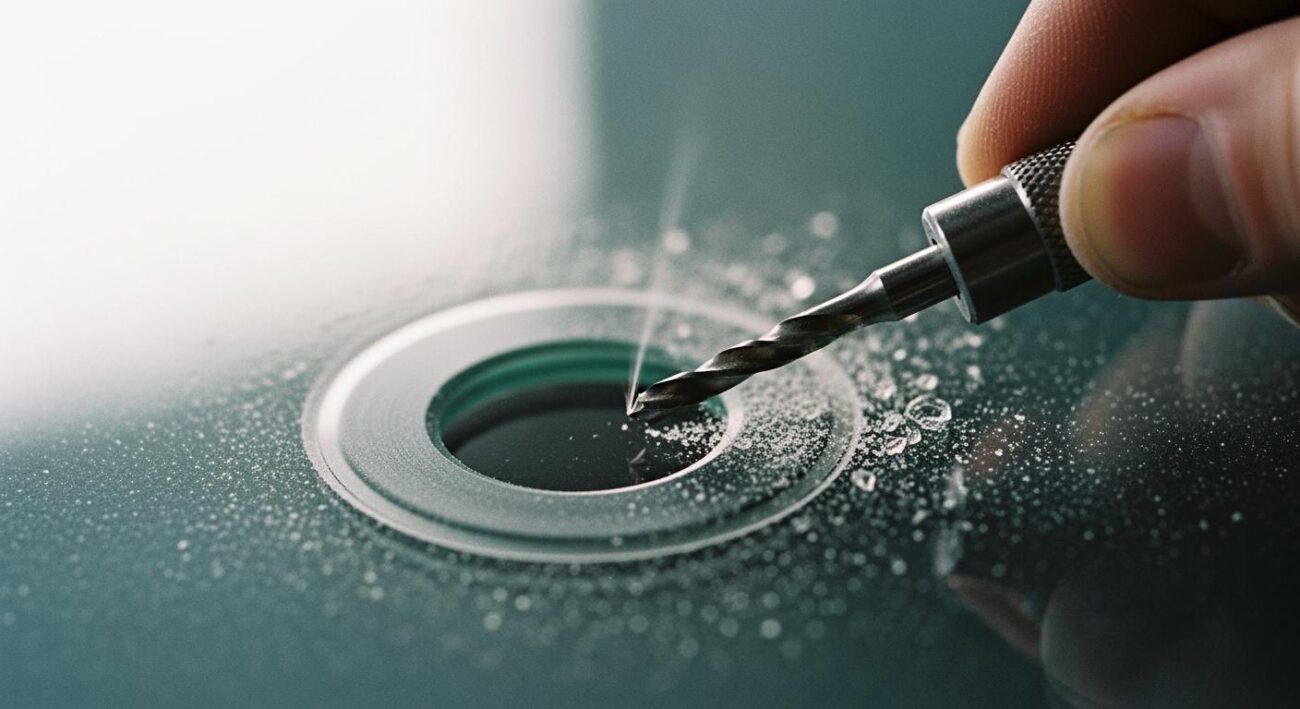
You should use diamond drill bits for drilling holes in glass. These bits cut through glass cleanly and reduce the risk of chips or cracks. Always drill at a slow speed and apply gentle pressure. This method protects the glass and extends the life of your drill bits. Use water or another lubricant to keep the glass cool and prevent heat buildup. With proper care, diamond drill bits can last for many hours, even when you work with tough glass.
- Essential accessories for glass drilling include:
- Water spray bottles or coolant systems.
- Drill guides to keep holes straight.
- Clamps or suction holders to secure the glass.
Safety Equipment for Glass Work
You must protect yourself when working with glass. Small shards and dust can cause injury. Always wear the right safety gear. The table below shows what you need and why:
| Safety Equipment | Purpose |
|---|---|
| Safety goggles | Protects eyes from glass shards |
| Gloves | Shields hands from cuts and abrasions |
| Dust mask | Prevents inhalation of harmful glass dust |
| Safety apron | Guards body from glass debris |
| Hearing protection | Reduces noise exposure |
| Closed-toe shoes | Protects feet from dropped glass or tools |
Tip: Set up your workspace before you start. Keep all tools and safety gear within reach. This helps you stay focused and safe while working with glass.
Preparing Glass Substrates
Cleaning and Marking Glass
You must start with clean glass substrates before you drill or grind. Dust and oil can cause scratches or make your marks hard to see. Use a soft cloth and a gentle cleaner to wipe the surface. Dry the glass substrates with a lint-free towel. Place painter’s tape over the area where you plan to drill or grind. This tape helps stop the drill bit from slipping and keeps the edges from chipping. Mark the center of your hole or slot with a permanent marker. Press the drill bit gently to make a small indent at the mark. This step gives you a guide and helps you keep the drill steady.
Securing Glass for Machining
You need to keep glass substrates stable during machining. Place the glass on a flat, sturdy backing like MDF or plywood. Use clamps or suction holders to hold the glass substrates in place. Check that the support is even. Uneven support can cause bending and cracks. The table below shows best practices for securing glass substrates:
| Best Practice | Explanation |
|---|---|
| Force ramp | Apply pressure slowly to avoid cracks. |
| Symmetry | Keep pressure even to prevent the glass from drifting or cracking. |
| Fixture verification | Make sure clamps and supports are flat and repeatable. |
| Clamp pressure | Use enough pressure to hold, but not so much that you chip the edges. |
| Support flatness | Flat support stops stress points and keeps the glass safe. |
Setting Up a Safe Work Area
You should organize your workspace before you start working with glass substrates. Keep the area clean to prevent slips and accidents. Place safety signs where everyone can see them. Make sure fire extinguishers and first-aid kits are easy to reach. Train yourself and others on emergency steps. Use tools made for glass to avoid breakage. Do not overload your machine. Check your setup often to keep everything safe and comfortable. A well-organized space helps you work better and keeps you safe.
Profile Drilling Techniques on Glass
Choosing the Right Drill Bit
You need to select the right drill bit before you start profile drilling. The hardness of the glass determines which bit works best. Diamond drill bits are ideal because they cut through glass cleanly and reduce the risk of cracks. You should also consider how often you plan to use the bit and the level of precision you need. The table below shows important factors for choosing a drill bit for profile drilling techniques:
| Factor | Description |
|---|---|
| Workpiece Hardness | Hard glass needs diamond drill bits for clean cuts. |
| Frequency of Use | Frequent profile drilling requires durable bits for efficiency. |
| Precision Level | High precision techniques need bits designed for accuracy. |
| Surface Finish | The finish you want affects the drill bit material and design. |
| Drilling Speed | Different techniques use different speeds for best results. |
| Environmental Factors | Cooling and lubrication techniques help refine your choice. |
Tip: Aimgrind diamond grinding wheels give you the best results for profile drilling techniques. They offer durability and precision, making them perfect for glass machining.
Step-by-Step Drilling Process
You must follow careful techniques to avoid cracks and chips during profile drilling. Here is a step-by-step guide for profile drilling techniques on glass:
- Remove any protective powders or coatings from your workspace. This keeps debris from affecting your score.
- Score the glass with a single, continuous pass. This technique prevents cracks from forming.
- Apply specialty glass cutting oil to the cutter wheel. Lubrication techniques reduce friction and flaking.
- After scoring, gently tap below the score line with a tapping tool. This technique helps the fissure propagate.
- For controlled breakout, start at one end of the score. Use slow, deliberate pressure with an anvil and running pliers. This technique ensures a clean break.
You should always use steady hands and avoid rushing. Profile drilling techniques require patience and attention to detail. Aimgrind diamond grinding wheels help you achieve smooth edges and accurate profiles. Their advanced bond technology supports high-precision techniques and reduces wheel changes.
Cooling and Lubrication Tips
Cooling and lubrication techniques play a key role in profile drilling on glass. These techniques extend tool life and improve the quality of your drilled holes. You can use coolants for heat dissipation and cutting oils for lubrication. The right techniques keep your tools cool and prevent wear.
- Effective coolant and lubrication techniques reduce friction and heat buildup.
- Inadequate techniques cause increased wear and tool breakage.
- Proper techniques include using the correct type and concentration of coolant.
The table below shows how cooling and lubrication techniques affect tool life:
| Method | Effect on Tool Life | Notes |
|---|---|---|
| Chip Evacuation | Essential for extending tool life | Poor techniques lead to recutting work-hardened chips. |
| Coolant/Lubrication | Minimizes wear by reducing friction and heat | The right techniques and concentration are crucial for effectiveness. |
Note: Advanced cooling and lubrication techniques help manage temperature and improve precision. Aimgrind diamond grinding wheels work well with both wet and dry techniques, making them versatile for glass machining.
You should always monitor your cooling and lubrication techniques during profile drilling. This ensures your tools last longer and your glass stays safe.
Slot Grinding in Glass Machining
Selecting Grinding Tools
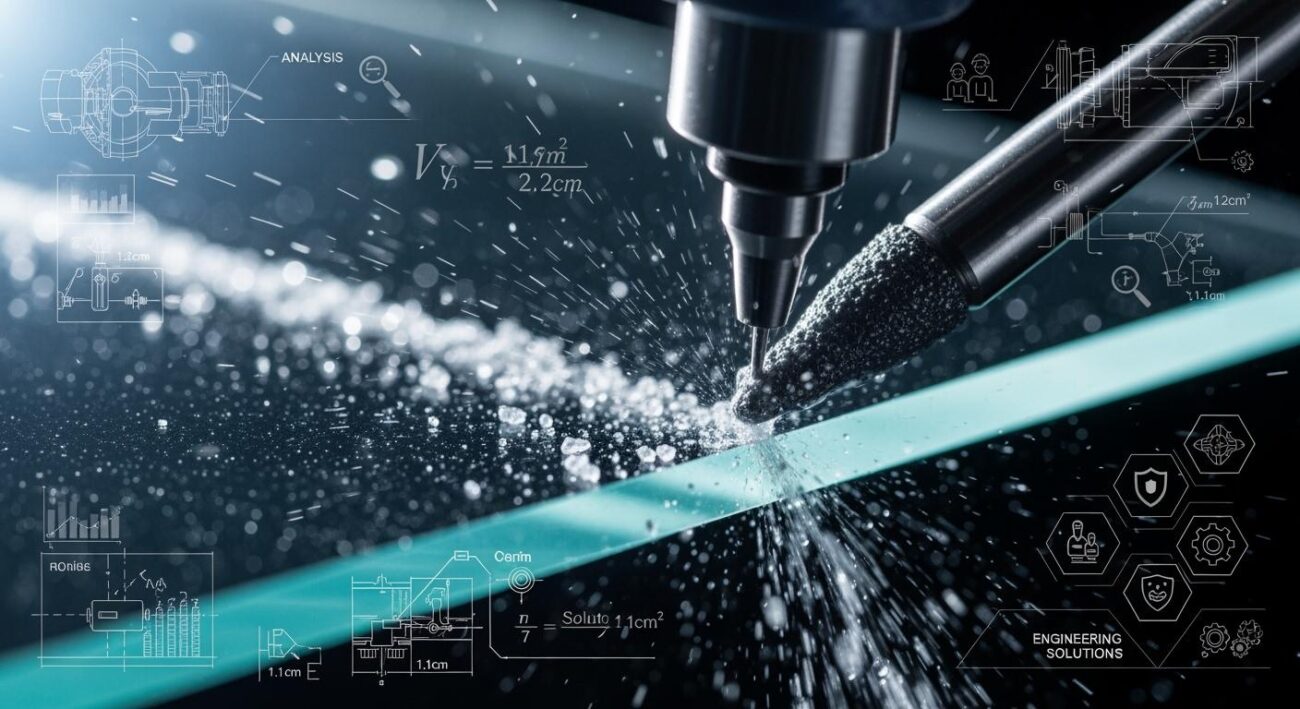
You need the right tools to create precise slots in glass. Slot grinding in glass machining works best when you use diamond grinding wheels from Aimgrind. These wheels have a strong diamond abrasive layer. This layer helps you cut through hard glass with accuracy. You can choose different grit sizes for your grinding wheels. Finer grits give you a smoother finish, while coarser grits remove material faster. Aimgrind offers both resin and metal bond wheels. Resin bond wheels work well for finishing. Metal bond wheels help with rough slotting. Always match your grinding wheel to the type of glass and the slot size you want.
Tip: Use a grinding wheel that fits your machine and the thickness of your glass. This helps you avoid mistakes and keeps your work safe.
Slot Grinding Steps
You can follow a clear process to achieve accurate slots in glass machining. Each step helps you control the grinding and protect your glass from damage.
- Lay out your glass and mark the area where you want the slot. Use a waterproof marker or tape to keep your pattern visible.
- Secure your glass on a flat surface. Hold it firmly but do not squeeze too hard. This keeps the glass steady during grinding.
- Start grinding with a gentle touch. Move the glass back and forth across the grinding wheel. Do not rush. Let the wheel do the work.
- Wipe the glass often to check your progress. This helps you see how much material you have removed and prevents over-grinding.
- Protect your pattern by using waterproof materials. This keeps your marks clear even if water or coolant touches the glass.
Aimgrind diamond grinding wheels help you keep your slots straight and even. Their advanced design gives you control and reduces the risk of chipping. You can trust these wheels for both rough and fine slot grinding in glass machining.
Achieving Clean Edges
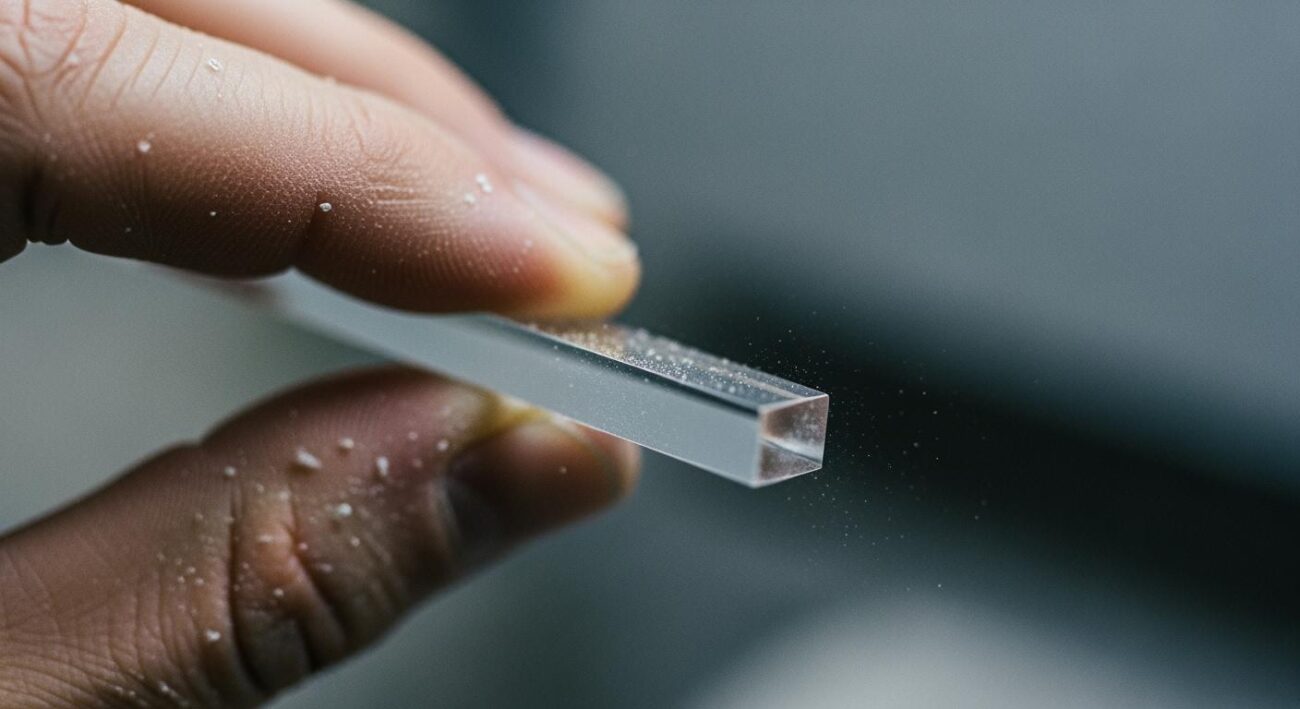
You want your slots to have smooth, chip-free edges. The right technique and grinding tools make a big difference. Start by choosing the correct grit size for your grinding wheel. Finer grits help you avoid chipping. Always use water cooling when grinding glass. Water keeps the glass cool and stable. Handle the grinding wheel gently. Too much pressure can cause chips or cracks. Tape the cut line before you start. The tape supports the glass and catches any small chips. Finish with a light pass using minimal pressure. This step gives your slot a smooth edge.
- Use the right grit size for your grinding wheel.
- Apply water cooling to keep the glass surface stable.
- Handle the grinding wheel gently to prevent damage.
- Tape the cut line to support the glass.
- Make a finishing pass with light pressure for a smooth edge.
Aimgrind diamond grinding wheels help you achieve clean edges every time. Their precision and durability make them a top choice for glass machining. You get reliable results and a professional finish.
Note: Clean edges not only look better but also make your glass parts safer to handle.
Tips for Accuracy and Safety
Best Practices for Glass Machining
You can achieve precise results in glass machining by following a few important steps. Always check your cnc machine before you start. Look for any damage and make sure all safety guards are in place. Train yourself on how to use the cnc machine and learn emergency procedures. Wear safety glasses, gloves, and a safety apron to protect yourself from sharp glass pieces. Keep your work area clean and never overload your cnc machine. Make sure you have a fire extinguisher and first-aid kit nearby. You can also find online training for glass machining, such as the NGA ‘My Glass Class’ platform, which offers many hours of learning and even OSHA certification.
Avoiding Common Mistakes
Many people make the same mistakes during glass machining. You can avoid these problems by following the table below:
| Mistake | Description |
|---|---|
| Using the Wrong Wheel for the Job | Match the wheel’s bond hardness to the glass you are machining. |
| Neglecting Personal Protective Equipment (PPE) | Always wear a respirator, eye protection, and gloves. |
| Forgetting About Dust Control | Use a dust shroud and HEPA vacuum to control silica dust. |
| Applying Incorrect Pressure or Angle | Let the cnc grinder do the work. Do not push too hard. |
| Rushing the Process | Take your time for quality results. |
| Ignoring Maintenance | Check your wheel and cnc grinder for damage before every use. |
| Failing to Prepare the Surface Properly | Clean the glass before you start machining. |
Maintenance of Grinding Tools
You need to keep your grinding tools in good shape for safe and accurate glass machining. Inspect your grinding wheels often for cracks or uneven surfaces. Replace them if they become dull. Clean and lubricate your cnc machine parts to keep everything running smoothly. Use high-quality grinding wheels made for glass machining. If you notice tool wear or breakage, adjust your feeds and speeds, improve chip evacuation, and check your coolant flow. Secure your tools tightly and replace any worn parts. Regular maintenance and quick troubleshooting help you get the best results in cnc glass machining.
Tip: Keeping a maintenance log helps you remember when to inspect and replace your grinding tools.
You can achieve great results when you follow the right steps for profile drilling and slot grinding on glass. Start by preparing your glass and using the correct tools. Aimgrind diamond grinding wheels help you get clean, accurate cuts on glass. Always wear safety gear and check your workspace before working with glass. If you want expert advice or custom solutions for your glass projects,
Contact Aimgrind for support and guidance.
FAQ
What tools do you need for drilling holes in glass?
You need diamond grinding wheels and diamond drill bits for drilling holes in glass. These tools help you make clean holes without cracks. Always use water for cooling. This keeps the glass safe and helps you get smooth holes.
How do you prevent cracks when making holes in glass?
You should use slow speeds and gentle pressure when drilling holes. Water cooling helps keep the glass cool. Mark the spot before you start. Use tape to support the area. This method helps you avoid cracks and get perfect holes.
Can you use laser machining for micro-hole drilling in glass?
Yes, you can use laser machining for micro-hole drilling in glass. Laser machining gives you very small holes with smooth edges. This method works well for microfluidic devices and through-glass vias. You get high accuracy with laser machining.
What is the best way to create through-glass vias for microfluidic devices?
You should use laser machining or diamond grinding wheels for through-glass vias. Laser machining gives you clean, small holes. Diamond grinding wheels help you control the size. Both methods work well for microfluidic devices that need precise holes.
Why choose diamond grinding wheels over other cutting tools for glass?
Diamond grinding wheels give you better control and smoother holes. They last longer than other cutting tools. You can use them for both rough and fine cutting. These wheels help you make accurate holes in glass for many uses.
Contact Us
For More Grinding Solution or Customized Abrasive Tools