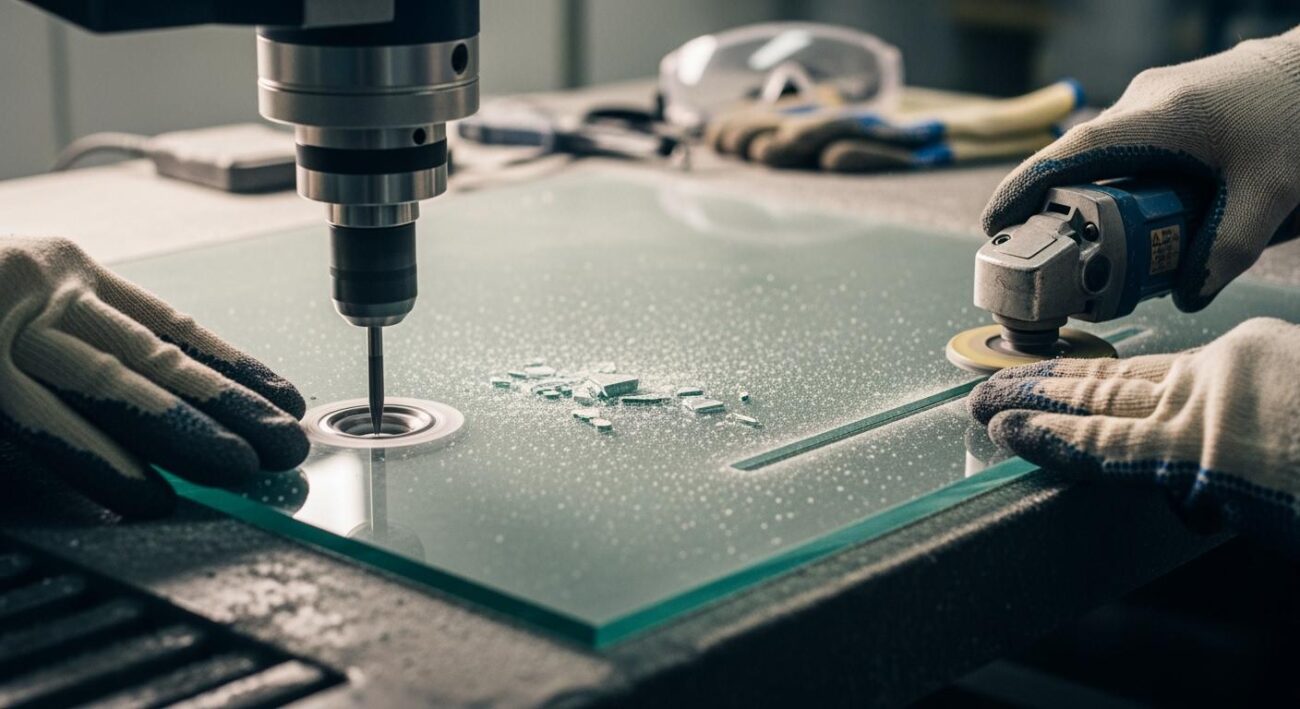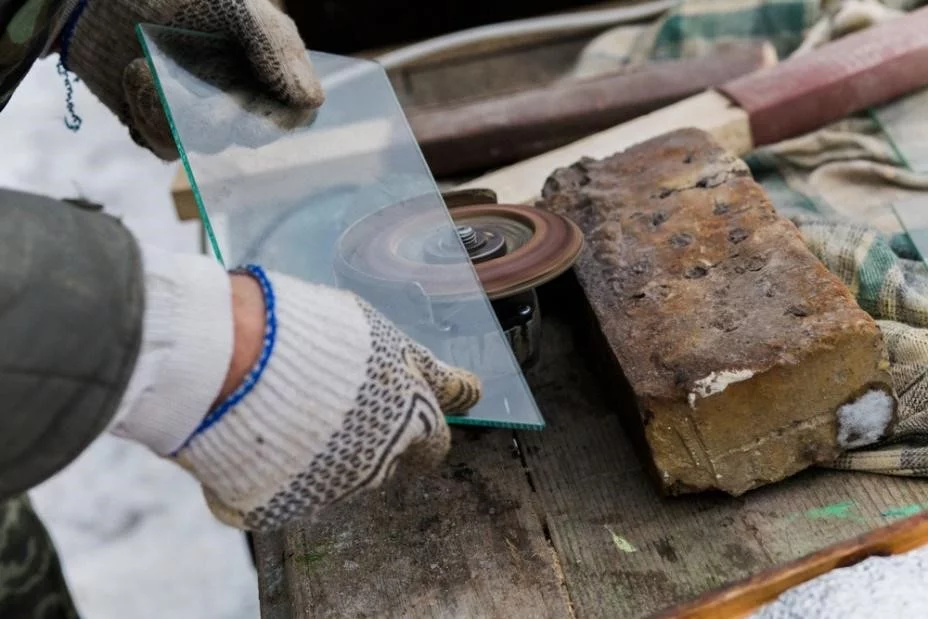
When you work with curved glass, especially curved laminated glass, you face unique grinding challenges that require careful attention. Precision becomes difficult because the glass thickness and the tightness of the curve affect the minimum bending radius. If you use glass with Low E coatings, tighter curves can damage these coatings. You also need to watch for surface imperfections, which can cause optical distortion and reduce quality. Safety is a concern too, since curved glass must be tempered or laminated to meet standards. Advanced grinding tools and expert support, like those from Aimgrind, help you manage this complex process and achieve reliable results.
Key Takeaways
- Curved glass requires precise grinding to avoid visual and optical distortions. Use CNC machines for better accuracy.
- Maintaining uniform thickness is crucial. Follow a careful process to prevent weak spots and ensure safety.
- Surface quality matters. Inspect for defects like microcracks and subsurface damage to maintain clarity and strength.
- Choose the right tools, like diamond grinding wheels, to enhance performance and reduce the risk of damage during grinding.
- Implement strong quality control measures. Use advanced detection methods to catch defects early and ensure high standards.
Precision in Curved Glass Grinding
Shape Accuracy
You face greater grinding challenges when you work with curved glass compared to flat glass. The geometry of curved glass makes it harder to keep every part within tight tolerances. In high-end applications, such as smartwatches or automotive displays, you must achieve a shape accuracy tolerance of about ±0.15 mm. Simulation models predict an error margin near 0.2 mm. These numbers show how precise you need to be.
- The fabrication process for curved glass requires higher tolerances than flat glass.
- Industry standards accept a tolerance of ± half the thickness of the glass, up to a maximum of ±6 mm.
When you grind curved laminated glass, you must pay attention to the curvature of the glass and the tight radii. If you do not control the process, you may see visual distortions or optical distortions in the final product. These distortions can affect the look and function of the glass, especially in devices that need clear displays.
CNC grinding machines help you reach the required accuracy. The table below shows how CNC grinding improves precision for different types of glass:
| Application Type | Accuracy Range |
|---|---|
| Flat Glass Processing | ±0.05 mm to ±0.1 mm |
| Curved and Shaped Glass | ±0.1 mm to ±0.2 mm |
| Engraving and Etching | Micro-level accuracy |
You also need the right tools. High-quality diamond grinding wheels from Aimgrind let you grind curved glass with the precision you need. The type of grinding wheel, the abrasive you choose, and the grinding process parameters all affect your results. The table below explains these factors:
| Factor | Description |
|---|---|
| Type of Grinding Wheel | Different wheels suit various materials, affecting precision. |
| Abrasive Selection | The right abrasive ensures effective grinding without excess wear. |
| Grinding Process Parameters | Adjusting these parameters is crucial for desired accuracy. |
Thickness Control
Maintaining uniform thickness in curved glass is another key challenge. You must keep the thickness even across the entire surface, even as the glass bends and curves. If you do not, you risk weak spots, breakage, or distortion. The process for controlling thickness includes several steps:
- Cutting: You cut flat glass sheets to size, leaving a margin for later processing.
- CNC Edge Grinding: You use precision grinding to remove extra material and get close to the final shape.
- Grinding and Polishing: You apply controlled pressure and polishing powder to thin the glass and smooth the surface.
- Double-Sided Polishing: You polish both sides, adjusting wheel speed and pressure to get a flawless finish.
Each step helps you keep the thickness within strict limits. This is important for curved laminated glass, which must meet safety standards after bending and tempering. If you do not control thickness, the glass may not pass inspection or could fail in use.
You need advanced grinding tools and careful process control to meet these demands. Aimgrind diamond grinding wheels give you the consistency and durability needed for high-precision work. With the right equipment and attention to detail, you can produce curved glass that meets the highest standards for shape and thickness.
Surface Quality and Defect Risks
When you grind curved glass, you must pay close attention to surface quality. The unique shape of curved glass makes it easy to create imperfections that can affect both appearance and strength. These grinding challenges become even more important when you work with curved laminated glass, which must meet strict safety and visual standards after bending and tempering.
Optical Distortion
You often see optical distortions in curved glass after grinding. These distortions can make the glass look wavy or blurry. They happen when the surface is not perfectly smooth or when the thickness changes across the curve. If you do not control the process, you may notice visual distortions that reduce the quality of displays, windows, or lenses.
Common surface imperfections in curved glass include:
- Subsurface damage (SSD) from mechanical grinding, such as polishing dots and scratches.
- Surface damage (SD) that remains after polishing, with residues left on the glass.
- Contaminants like cerium and iron in the redeposition layer, which can lower the quality of the glass surface.
You must remove these defects to keep the glass clear and strong. If you leave them, you risk poor optical performance and possible failure in use. The tight radii in curved glass make it even harder to avoid these problems, so you need careful grinding and polishing at every step.
Edge and Microcrack Issues
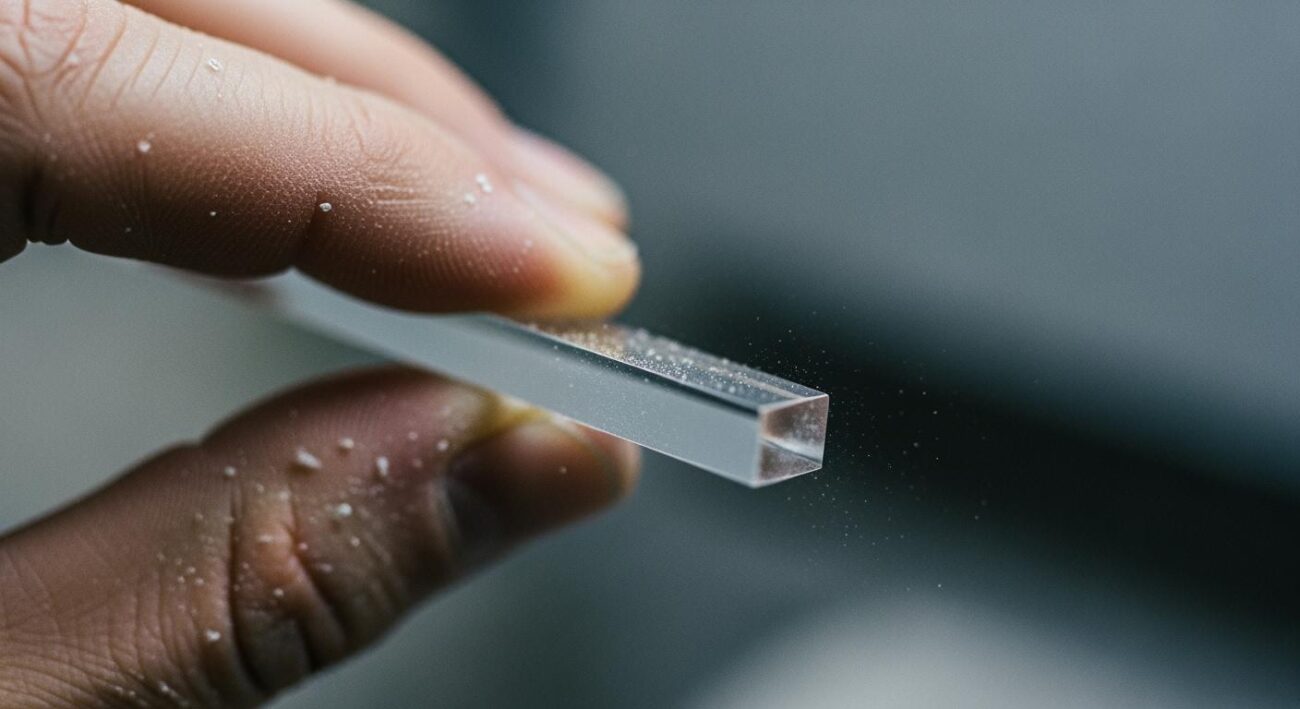
Edges in curved glass are weak points. If you do not grind them correctly, you can create chips, cracks, or rough spots. These edge defects can spread and cause the glass to break, especially in curved laminated glass. You must pay attention to the grinding process to avoid these risks.
Grinding parameters play a big role in microcrack formation. When you set the depth of cut, cutting speed, and feed rate, you control how much force you put on the glass. If you use the wrong settings, you can create microcracks below the surface. These cracks are hard to see, but they can grow over time and lead to breakage. Glass has low fracture toughness, so it does not take much to start a crack. You need to measure and control these parameters to keep the glass safe and strong.
Choosing the right grinding tools also helps prevent edge defects and microcracks. High-quality diamond grinding wheels from Aimgrind give you better control and a smoother finish. You can match the wheel type and process to the needs of curved glass, reducing the risk of damage.
Tip: Always check the edges and surfaces for defects after grinding. Use special lights or magnifiers to spot microcracks and surface flaws before you move to the next step.
You must focus on every detail in the grinding process to avoid surface and edge defects. This attention to detail helps you produce curved glass that meets high standards for clarity, strength, and safety.
Grinding Challenges in Process Complexity
Tool Selection and Wear
When you grind 3D curved glass, you face unique grinding challenges that require careful tool selection. The shape of curved glass, especially with tight radii, puts extra stress on grinding wheels. You need specialized tools, like Aimgrind diamond grinding wheels, to handle these demands. These wheels help you achieve the right finish and avoid problems like visual distortions or optical distortions.
Tool wear plays a big role in your results. As you grind more glass, the wheel wears down. This wear changes how the wheel cuts the glass. If you do not monitor tool wear, you may see changes in surface roughness and even distortion. Over time, worn tools make your grinding less consistent. This is a big problem when you work with curved laminated glass, where every piece must meet strict standards after bending and tempering.
Process Parameters and Automation
You must control several process parameters to get high-quality curved glass. Each parameter affects the final product. The table below shows the most important ones:
| Key Process Parameter | Description | Importance |
|---|---|---|
| Wheel Speed | How fast the grinding wheel spins | Changes how much glass you remove and the surface finish |
| Feed Rate | How quickly the glass moves against the wheel | Affects roughness and risk of damage |
| Depth of Cut | How much glass you remove in one pass | Helps avoid defects and get the right surface quality |
| Surface Roughness (Rvk, Mr2) | Measures of surface texture and damage risk | Shows if the glass meets quality standards |
Automation helps you keep these parameters steady. Special motors in grinding machines improve the quality of glass edges. Servo motors let you move the glass with high precision, which is important for curved shapes. Stable motors mean smoother edges and fewer chips. Some machines use AI and sensors to adjust settings as you work. This keeps your process stable and helps you avoid defects, even when you grind complex curved or laminated glass.
Tip: Use automation to reduce errors and keep your grinding process consistent. This is key for high-quality curved glass, especially when you need to avoid optical distortions after bending and tempering.
Quality Control for Curved Glass
Defect Detection
You need strong quality control to make sure every piece of curved glass meets high standards. Detecting defects in glass is not easy, especially when you work with curved or curved laminated glass. The shape, tight radii, and surface finish can hide small flaws. You can use several advanced methods to find these problems:
- Machine vision systems help you spot surface and internal defects. These systems can find flaws as small as 20 microns. You get fast and reliable results, which is important for large batches of glass.
- Structured light methods, like fringe projection profilometry and phase measurement deflectometry, let you see surface distortions. These tools help you check the shape and smoothness of curved glass.
- Machine learning techniques improve defect inspection. Some systems reach up to 99.5% accuracy. You can use custom lighting, such as blue dome illumination, to make defects easier to see.
- Analyzing grayscale differences in transmitted light helps you measure microstructures inside the glass. This method works well for finding hidden flaws in laminated glass.
You should use these methods together for the best results. Careful inspection helps you catch defects early and avoid bigger problems later.
Safety and Standards
You must follow strict quality control rules to keep glass safe and meet industry standards. Each piece of curved glass must pass tests for strength, clarity, and shape. You often use mock-ups and visual checks to set acceptance criteria. Automated systems, like machine vision and digital measurement, help you measure distortion and classify glass quality.
Here is a table showing key aspects of quality control for curved glass:
| Aspect | Description |
|---|---|
| Acceptance Criteria | Use mock-ups and project experience to set standards. |
| Distortion Measurement | Combine visual checks with automated digital tools. |
| Automated Classification | Use machine learning to sort glass by quality. |
| Tolerance Definition | Set clear limits for distortion and shape. |
| Process Development | Build algorithms and datasets for better assessment. |
You need to keep your process consistent. This helps you meet safety rules and deliver glass that works well in real-world settings. Good quality control protects users and supports your reputation as a reliable glass maker. When you handle grinding challenges and use the right tools, you can produce curved glass that meets all safety and quality standards.
Cost and Efficiency Factors
Production Time
You will notice that grinding challenges in 3D curved glass forming can slow down your production process. The unique shape and curvature of the glass require extra care during each step. When you work with curved laminated glass, you must pay attention to every detail. The glass cutting and shaping process takes longer because you need to match the curvature of the glass and avoid tight radii that can cause breakage. You also need more time for quality control. You must check for visual distortions, optical distortions, and make sure the glass meets distortion tolerances. Each inspection step adds to your total production time.
You cannot skip quality control. You must check the glass after bending and tempering to ensure mechanical strength and safety. If you find defects, you may need to repeat some steps, which increases your workload and slows down delivery.
Manufacturing Costs
Producing curved glass costs much more than making flat glass. You will see that the costs for 3D curved glass can increase by 40-60% compared to flat glass. This rise comes from the extra steps needed for shaping, grinding, and quality control. You also need special tools and machines to handle curved and laminated glass.
You can lower your long-term expenses by investing in advanced grinding solutions. Aimgrind diamond grinding wheels help you save money and time. The table below shows how these wheels improve your process:
| Benefit | Description |
|---|---|
| Long service life | Up to 80 times longer than resin wheels, reducing replacement costs. |
| High grinding efficiency | Increases productivity, leading to lower operational costs. |
| Eco-friendly operation | Minimal dust and heat, reducing cleanup and maintenance expenses. |
When you use high-quality tools, you spend less on repairs and replacements. You also reduce the time spent on maintenance. This means you can focus more on quality control and less on fixing problems. Good tools help you meet industry standards for curved glass and curved laminated glass, even when you face grinding challenges.
You face many grinding challenges when working with curved glass, especially curved laminated glass. These challenges affect quality and cost. Advanced grinding solutions from Aimgrind help you solve these problems. The tools offer excellent machinability, high efficiency, and good self-sharpening. You also benefit from expert support and high-quality tools that improve every process step. The table below shows how Aimgrind tools and expert support help you achieve better results:
| Feature | Benefit |
|---|---|
| Excellent machinability | High-precision curved glass |
| Superior stability | Maintains glass integrity |
| Expert support | Reliable process and quality |
Choose the right tools and support to produce strong, clear, and safe glass.
FAQ
What makes grinding 3D curved glass different from flat glass?
You must control the shape and thickness more carefully. Curved glass needs special tools and machines. The process takes more time and skill than flat glass grinding.
Why do you need diamond grinding wheels for curved glass?
You need diamond grinding wheels because they cut hard glass smoothly. These wheels last longer and help you get a clean finish. They also reduce the risk of cracks and chips.
How do you check for defects in curved glass?
You can use machine vision systems, special lights, and digital tools. These methods help you find small cracks, chips, or surface problems before the glass is used.
Can you use curved glass in structural glazing applications?
Yes, you can use curved glass in structural glazing applications. You must make sure the glass meets safety and quality standards. Proper grinding and inspection help you achieve this.
How do you keep grinding costs low?
You can keep costs low by using high-quality tools, like Aimgrind diamond grinding wheels. These tools last longer and work faster. You also save money by reducing repairs and waste.
Contact Us
For More Grinding Solution or Customized Abrasive Tools