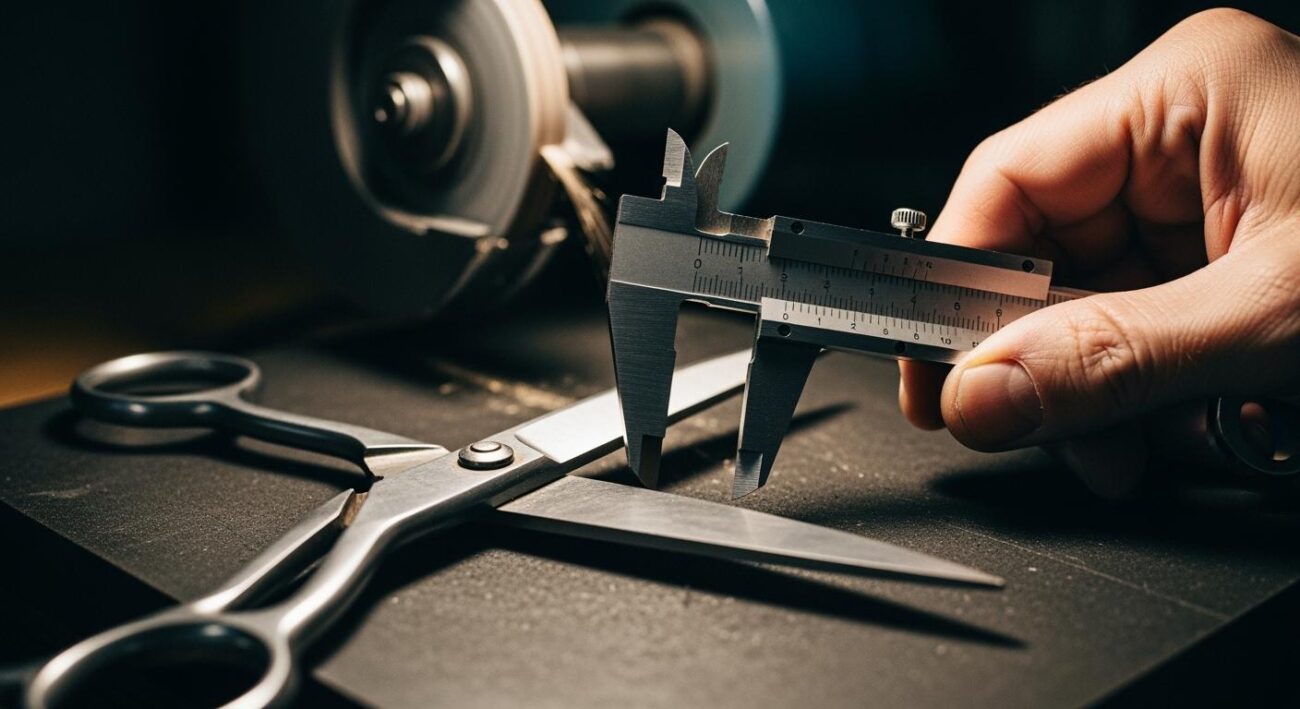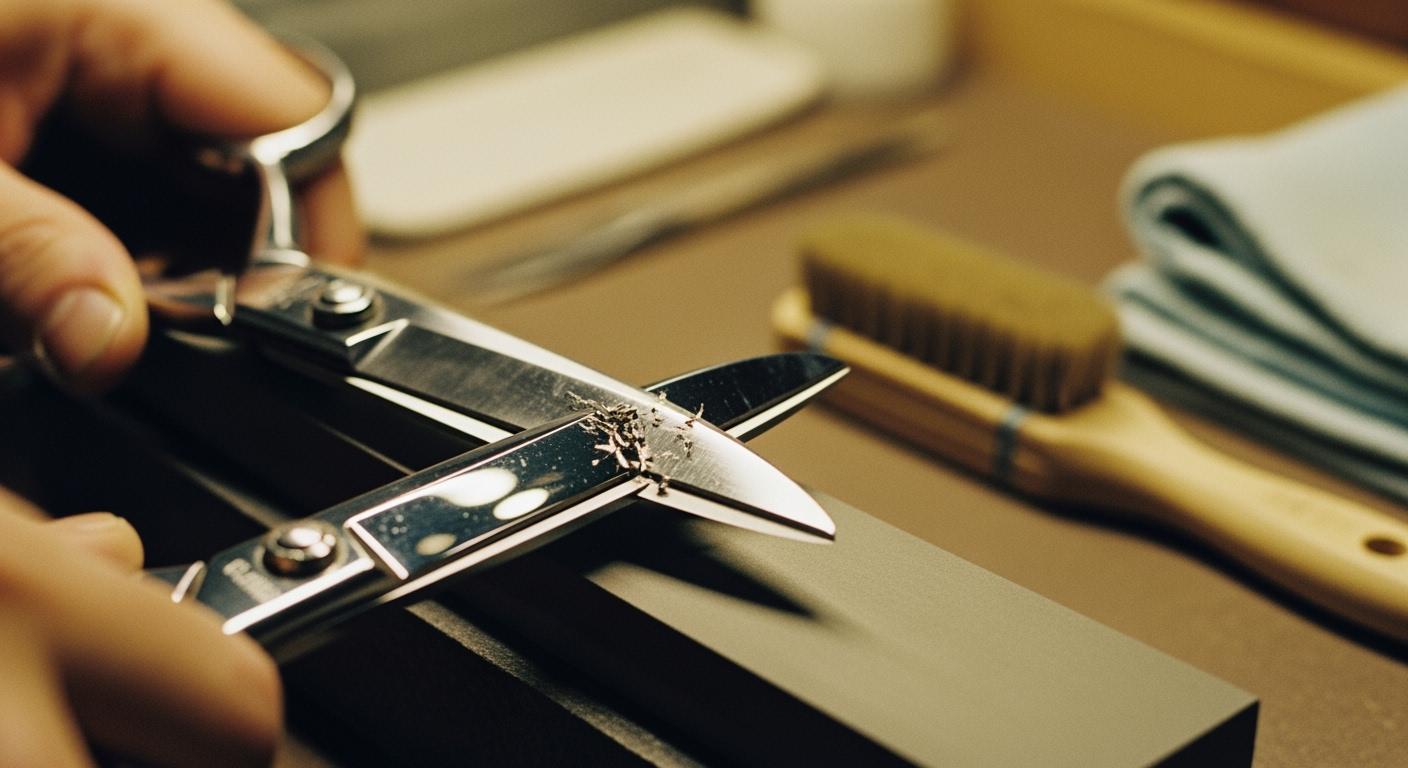
You can extend scissor cutting life by using proper sharpening and grinding techniques. The importance of sharp scissors affects every task, from crafts to professional use. Aimgrind diamond grinding wheels help you keep your scissors in top condition. Industry studies show that regular sharpening and daily care make a big difference:
| Maintenance Activity | Impact on Lifespan |
|---|---|
| Daily care routine | Can double the time between sharpenings |
| Regular sharpening (twice a year) | Extends professional lifespan by years |
You will see your scissors last longer when you follow these steps.
Key Takeaways
- Regularly sharpen your scissors every 2 to 3 months for clean, precise cuts.
- Use Aimgrind diamond grinding wheels for effective sharpening and longer-lasting edges.
- Follow a daily care routine to double the time between sharpenings and extend scissor lifespan.
- Store scissors with blades closed and separated to prevent damage and dullness.
- Always clean your scissors after use to avoid rust and maintain sharpness.
Why sharpening extends scissor cutting life
Grinding restores sharpness
You want your scissors to cut hair smoothly every time. Over time, hairdressing scissors lose their sharpness. Dull shears can pull or bend hair instead of making a clean cut. When you use sharpening techniques, you bring back the original sharpness of your shears. This helps you cut hair with less effort and more accuracy.
Janine, a hairstylist with over 10 years of experience, recalls, “I once made the mistake of buying cheaper shears made of 9cr steel. I found myself sharpening them nearly every month! When I finally invested in VG-10 shears, the difference was day and night. The frequency of sharpening reduced drastically, and the cuts were so much smoother.”
You can see how important sharpness is for hairdressing scissors. If you use Aimgrind diamond grinding wheels, you get a precise edge on your shears. These wheels help you keep your scissors sharp for longer. You will notice that your hairdressing scissors glide through hair with ease after each sharpening.
Prevents blade wear
Regular sharpening does more than restore sharpness. It also prevents blade wear. When you grind your shears often, you stop small nicks and dull spots from getting worse. This keeps your scissors in good shape for cutting hair. If you wait too long, the blades can become damaged and hard to fix.
Here is a simple table to show the difference between regular and infrequent maintenance:
| Maintenance Frequency | Benefits | Drawbacks |
|---|---|---|
| Regular Grinding | Extends life of grinder components, reduces costly repairs, maximizes productivity | Prevents issues from compounding, minimizes downtime |
| Infrequent Maintenance | May lead to significant wear and costly repairs | Increased risk of breakdowns and inefficiency |
You can trust Aimgrind’s grinding solutions to keep your hairdressing scissors and shears in top condition. Their diamond grinding wheels help you avoid costly repairs and keep your tools ready for every haircut. When you care for your scissors, you make sure they last longer and perform better.
Tools for scissor maintenance and sharpening
Aimgrind diamond grinding wheels
You need the right tools for scissor maintenance. Aimgrind diamond grinding wheels help you sharpen scissors with precision. These wheels work well for many materials, including hardened steel and nickel-based alloys. You get a sharp edge every time you use them. Aimgrind wheels last longer than traditional wheels. You can use them for both wet and dry grinding. They resist heat, so your scissors do not lose hardness during sharpening.
Here is a table that shows the main benefits of Aimgrind diamond grinding wheels compared to traditional grinding wheels:
| Benefit | Description |
|---|---|
| Superior heat resistance | No hardness loss at high temperatures |
| Ideal for various materials | Suitable for hardened steel, bearing steel, HSS & nickel-based alloys |
| High material removal rate | Consistent precision during sharpening |
| Longer wheel life | Outlasts conventional and other diamond wheels |
| Versatile grinding conditions | Effective for both wet and dry grinding |
Choosing the right tool for sharpening is important. You must match the grinding wheel to the scissor material. If you use stainless steel scissors, a diamond-coated grinding wheel works best. For carbon steel scissors, a ceramic grinding wheel gives a polished edge without overheating. Ceramic scissors need both ceramic and diamond-coated wheels for polishing and fixing nicks.
| Scissor Material | Recommended Grinding Wheel Type | Description |
|---|---|---|
| Stainless Steel | Diamond-Coated Grinding Wheel | Ideal for aggressive material removal on damaged blades. |
| Carbon Steel | Ceramic Grinding Wheel | Best for honing and polishing edges without overheating. |
| Ceramic | Ceramic and Diamond-Coated | Effective for both polishing and restoring nicks. |
You can use a whetstone for basic sharpening, but a scissor sharpener with Aimgrind diamond wheels gives you better results. If you use non-diamond grinding wheels for high-quality scissors, you risk damaging the blades. The sharp angle needed for sharpening can harm the wheel. Vibrations may affect the quality of your scissors. Standard grindstones are safer for premium scissors.
Safety and setup essentials
You must follow safety steps before you start scissor maintenance. Always wear personal protective equipment. Eye protection keeps you safe from flying particles. Respiratory protection stops you from breathing in dust. Hearing protection guards your ears from loud noise. Body protection and anti-cut gloves protect your hands and body. Steel-toe shoes keep your feet safe.
Check your machine and workspace before sharpening. Inspect the grinding wheel for cracks or damage. Make sure the guard is secure. Check electrical safety. Set up the grinder on a stable surface. Fit the wheel properly before you turn on the machine.
Tip: Always keep your workspace clean and organized. You reduce the risk of accidents and make scissor maintenance easier.
You keep your scissors sharp and safe when you use the right tools and follow safety steps. Aimgrind diamond grinding wheels help you get the best results for every sharpening job.
Step-by-step scissor sharpening guide
Preparation and inspection
You must prepare your shears before sharpening. Good preparation helps you get the best results and keeps your tools safe. Start by setting up your workspace. Choose a flat surface and make sure you have good lighting. Gather all your supplies, including Aimgrind diamond grinding wheels, a screwdriver, a soft cloth, and cleaning products. Secure the area so nothing moves while you work.
Here is a table to help you remember the steps for preparing your scissors:
| Step | Action |
|---|---|
| 1 | Disassemble the scissors |
| 2 | Wash with soap and water |
| 3 | Dry thoroughly |
| 4 | Remove rust |
You should always check your shears for damage. Look for chips, nicks, or rust on the blades. If you see any problems, fix them before you start sharpening. This helps you keep your shears in good shape and ready for cutting.
Grinding process
You need to use the right technique when sharpening your shears. The grinding process is the most important step for restoring sharpness and keeping the original blade angle. This angle helps your scissors cut different materials well. If you change the angle, your shears may not work as they should.
Always look carefully for the steepest cutting bevel and duplicate it. Grinding the other way and leaving an obtuse edge, called a negative angle, is bad.
Use Aimgrind diamond grinding wheels for the best results. These wheels give you a smooth, sharp edge and help you keep the correct angle. Hold the blade steady and move it across the wheel with even pressure. Do not rush. Check your progress often. You want to see a clean, shiny edge along the whole blade.
Here is a table that shows how the blade angle affects what your shears can cut:
| Blade Angle (degrees) | Material Type |
|---|---|
| 0 – 15 | Soft tissues (e.g., conjunctiva) |
| Less steep | Harder tissues |
If you keep the right angle, your shears will stay sharp and cut many materials with ease. After sharpening, you will notice better cutting performance. Many users report that their scissors stay sharp for months after using Aimgrind diamond grinding wheels. For example, tailors have kept the same pair for eleven months without needing replacements, and pastry chefs have restored chipped ceramic blades to better-than-new sharpness.
Honing and cleaning
Honing is the next step after grinding. You use a honing stone or fine abrasive to polish the edge and remove any small burrs. This step helps you re-establish the ride lines of the blades. The ride line is important for the geometry of your shears. Good geometry means your shears stay sharp and do not pull apart during cutting.
- Honing after grinding helps to re-establish the ride lines of the blades, which is essential for maintaining the correct geometry of the scissors.
- Proper blade geometry is crucial for achieving a sharp edge, as any irregularities can cause the edges to pull apart.
- The longevity of scissors is enhanced by maintaining the ride line, which can be affected by the sharpening process over time.
You must finish with cleaning. Wipe the blades with a soft cloth to remove debris. Use rubbing alcohol on a cotton swab for sticky spots. Wash each blade with mild detergent or degreaser, then rinse and dry them well. This prevents rust and keeps your shears ready for the next use.
- Gently wipe the blades with a soft cloth to remove debris.
- Use rubbing alcohol on a cotton swab for sticky residues, which also helps prevent rust.
Put your shears back together and test the sharpness. Try cutting a piece of paper or fabric. If the shears glide through easily, you have done a good job. If not, repeat the sharpening and honing steps. Regular care and proper sharpening will keep your scissors in top shape for all your cutting needs.
Best practices for scissor maintenance
Sharpening frequency
You want your scissors to deliver smooth and precise cutting every time. Regular sharpening keeps your tools in top shape. In professional settings like salons or tailoring shops, sharpen your scissors every 2 to 3 months. You can also sharpen after every 100-150 cuts. This schedule helps you avoid dull blades and ensures clean cutting for every project.
Tip: If you notice your scissors pulling or snagging during cutting, it is time for sharpening.
For industrial use, follow a maintenance schedule. Clean the blades after each use and dry them well. Oil the pivot daily and check the tension. Inspect the edge and screws weekly. Plan for sharpening every 3 to 12 months, depending on how often you use your scissors. You can also use a professional sharpening service for best results. The role of professional services in maintenance is important for extending the life of your tools.
| Maintenance Task | Frequency | Duration |
|---|---|---|
| Clean blades | After each use | 2-3 mins |
| Dry blades | After cleaning | 1 min |
| Oil pivot | Daily | 1 min |
| Tension check | Daily | 1 min |
| Edge inspection | Weekly | 5 mins |
| Screw/tension check | Weekly | 5 mins |
| Sharpening | Every 3-12 months | Varies |
Storage and care tips
Proper storage protects your scissors and keeps them sharp for longer. Always store scissors with the blades closed. This prevents accidental damage and keeps the blades aligned. Do not let scissors touch each other in storage. Metal-on-metal contact can dull the blades. Clean and oil your scissors after every use. Apply a drop of oil to the pivot point to keep the blades moving smoothly. Avoid lending your scissors to others. Misuse can lead to damage and poor cutting performance.
- Store scissors with blades closed.
- Keep scissors separated from each other.
- Clean and oil after every use.
- Do not lend your scissors.
Leaving scissors loose in drawers exposes them to friction and moisture. This can cause dullness and rust. Always dry your scissors after washing to prevent corrosion. Proper storage preserves blade alignment and protects the sharp edge from wear.
Aimgrind’s grinding solutions use advanced technology to improve scissor maintenance. Products like VSM ACTIROX and VSM ALU-X offer high grinding performance and longer service life. Backstand grinding quickly restores sharpness to blunt scissors. Aimgrind continues to innovate, helping you achieve the best results for all your cutting needs.
| Product | Key Features | Benefits for Scissor Maintenance |
|---|---|---|
| VSM ACTIROX | Geometrically shaped ceramic grain, maximum stock removal, cool cut | Shorter processing times, prevents tarnishing, higher grinding performance |
| VSM ALU-X | Continuous self-sharpening, additional grinding-active layer | Improved chip removal, reduced clogging, extended service life |
| Backstand Grinding | Uses ceramic grain abrasives for sharpening scissors | Quickly restores sharpness to blunt scissors |
You can trust Aimgrind to support your maintenance routine with quality and innovation.
Common sharpening mistakes to avoid
Incorrect grinding angles
You might think sharpening scissors is simple, but using the wrong angle can cause big problems. If you do not keep the correct angle, the blades will not meet properly. This mistake means your scissors will not cut cleanly. You may notice that the blades become dull quickly, and you have to sharpen them more often. When you use too steep or too flat an angle, you risk damaging the edge and making cutting harder.
Tip: Use a marker to color the bevel before sharpening. Sharpen until the marker is removed evenly. This helps you keep the right angle every time.
You should always hold the scissors firmly and use gentle pressure. Do not press too hard on the sharpener. Start with a few strokes and check the sharpness. Practicing on old scissors helps you gain confidence before working on your best pair.
- Blades do not meet properly.
- Scissors do not cut cleanly.
- Blades become dull quickly.
Checking the tension is also important. If the scissors are too loose, they can misalign and cut poorly. If they are too tight, the blades grind against each other and wear out faster. Daily checks on tension help you avoid these problems.
Neglecting cleaning and storage
Many people forget that cleaning and proper storage are just as important as sharpening. If you skip cleaning after sharpening, you leave behind residue that can cause dull or misaligned edges. This leads to uneven cuts and poor performance. Rust and corrosion can build up if you store scissors in a humid place or leave them dirty.
- Dull or misaligned edges result in uneven cutting.
- Poor tension causes damage and uneven cuts.
- Residue buildup increases the risk of rust and corrosion.
- Storing in humid environments leads to rust and damage.
You should always use regular cleaning techniques after sharpening. Wipe the blades with a soft cloth and dry them well. Store scissors with the blades closed and in a dry place. Never toss them into a drawer with other tools. Good cleaning and storage habits keep your scissors sharp and ready for every cutting task.
Note: Regular maintenance and cleaning help you avoid most sharpening mistakes. You protect your scissors and make sure they last longer.
You can extend scissor cutting life by using proper sharpening and grinding techniques. Aimgrind diamond grinding wheels help you keep scissors sharp and ready for every task. Regular maintenance lets you extend scissor cutting life and avoid dull blades. You protect your scissors from damage and make every cut smooth. You build a professional reputation and increase efficiency when you extend scissor cutting life. You also reduce hand fatigue and strain.
- Regular sharpening gives you clean, precise cuts and helps extend scissor cutting life.
- Sharp scissors protect hair health and improve client satisfaction.
- Quality tools and correct methods extend scissor cutting life and maximize your investment.
You should follow best practices and use quality tools to extend scissor cutting life. You will see your scissors last longer and perform better.
FAQ
How often should you sharpen your scissors?
You should sharpen your scissors every 2 to 3 months if you use them often. For light use, sharpen them twice a year. Check the blades often. If they feel dull or snag, sharpen them sooner.
What is the best way to clean scissors after sharpening?
Wipe the blades with a soft cloth. Use rubbing alcohol to remove any leftover debris. Dry the scissors well. This keeps the blades free from rust and ready for use.
Can you use Aimgrind diamond grinding wheels on all types of scissors?
Yes, you can use Aimgrind diamond grinding wheels on most scissors. They work well on stainless steel, carbon steel, and ceramic blades. Always match the wheel type to your scissor material for the best results.
Why do scissors get dull quickly?
Scissors get dull from cutting tough materials, using the wrong angle, or poor storage. Moisture and dirt also cause dullness. Store your scissors properly and clean them after each use to keep them sharp.
Contact Us
For More Grinding Solution or Customized Abrasive Tools