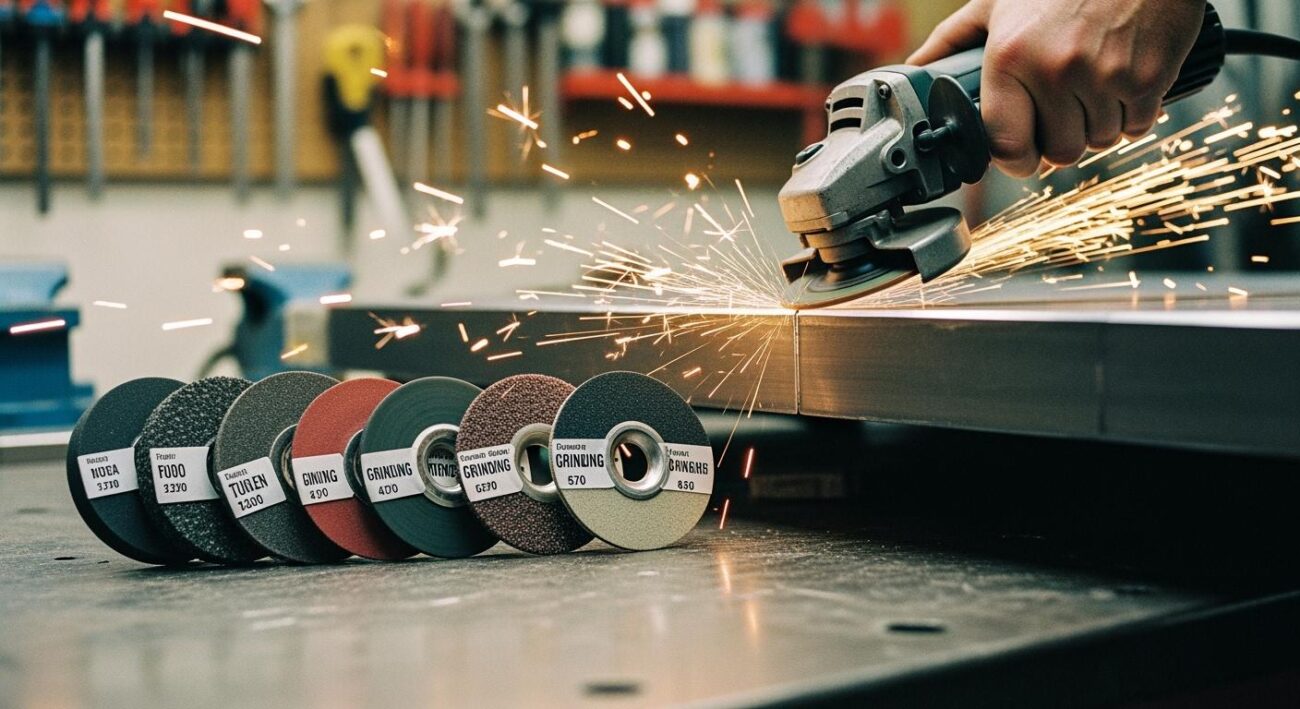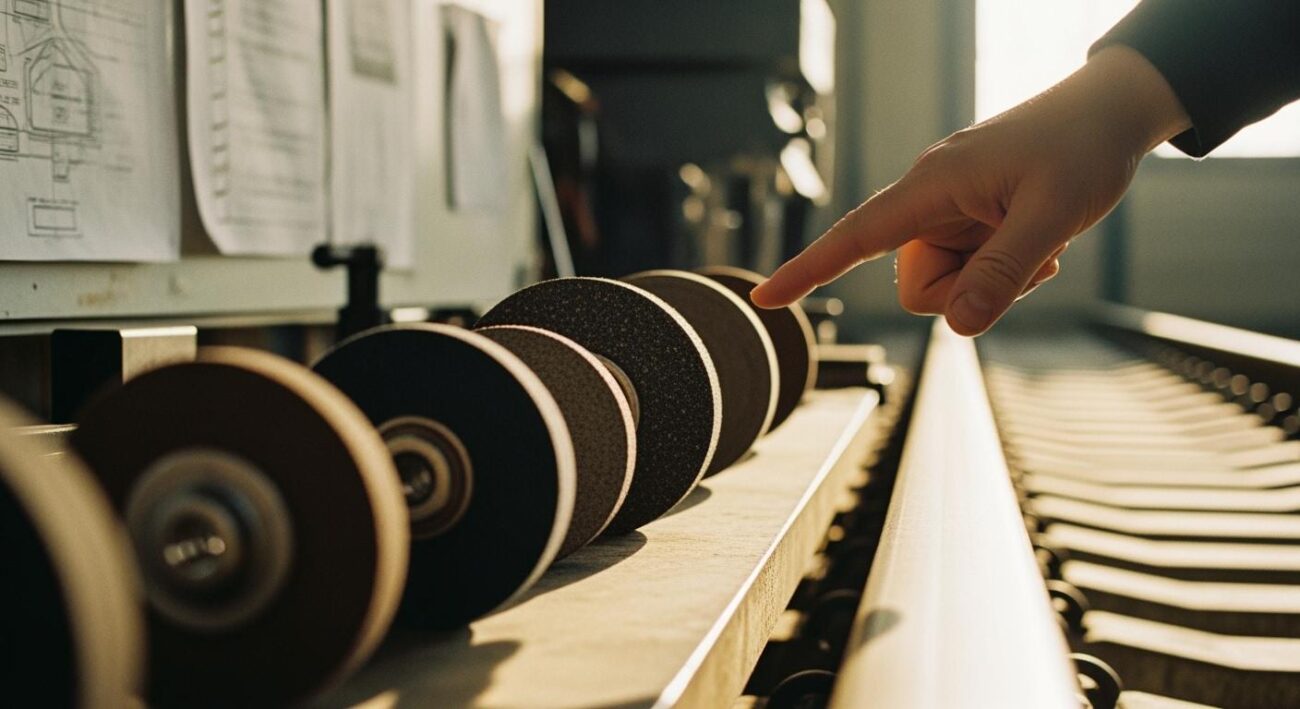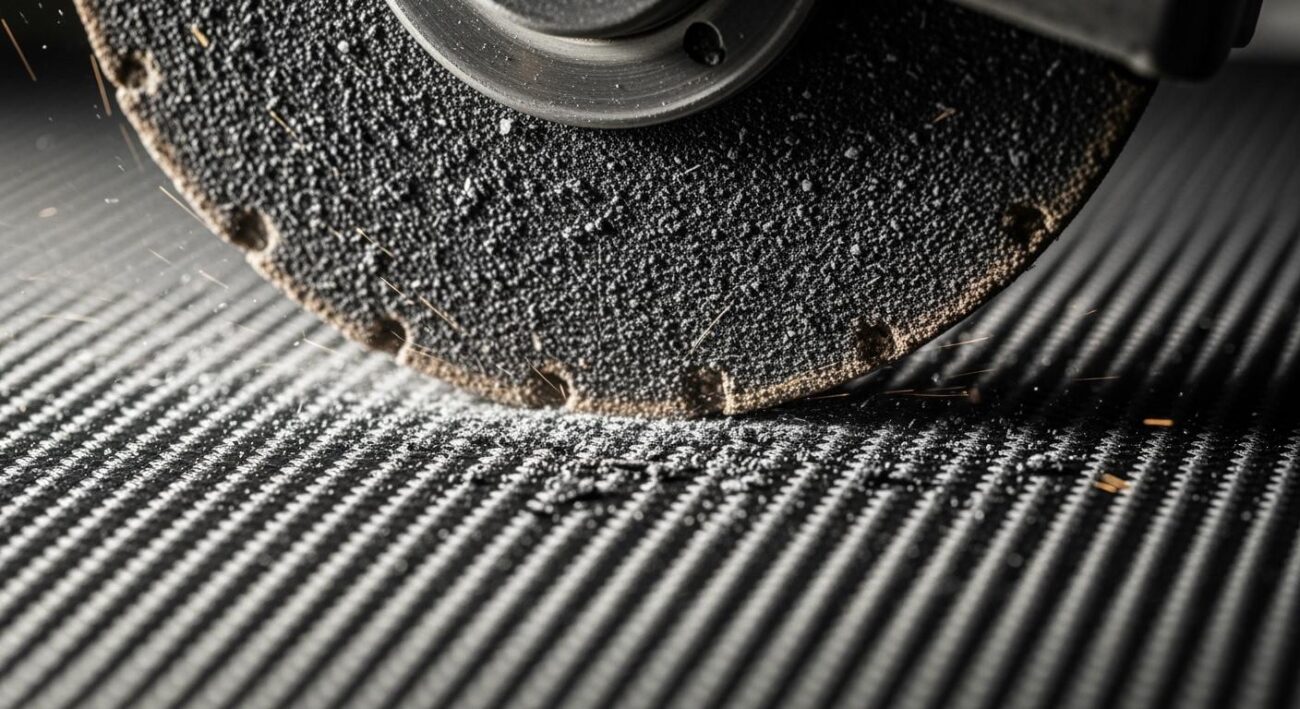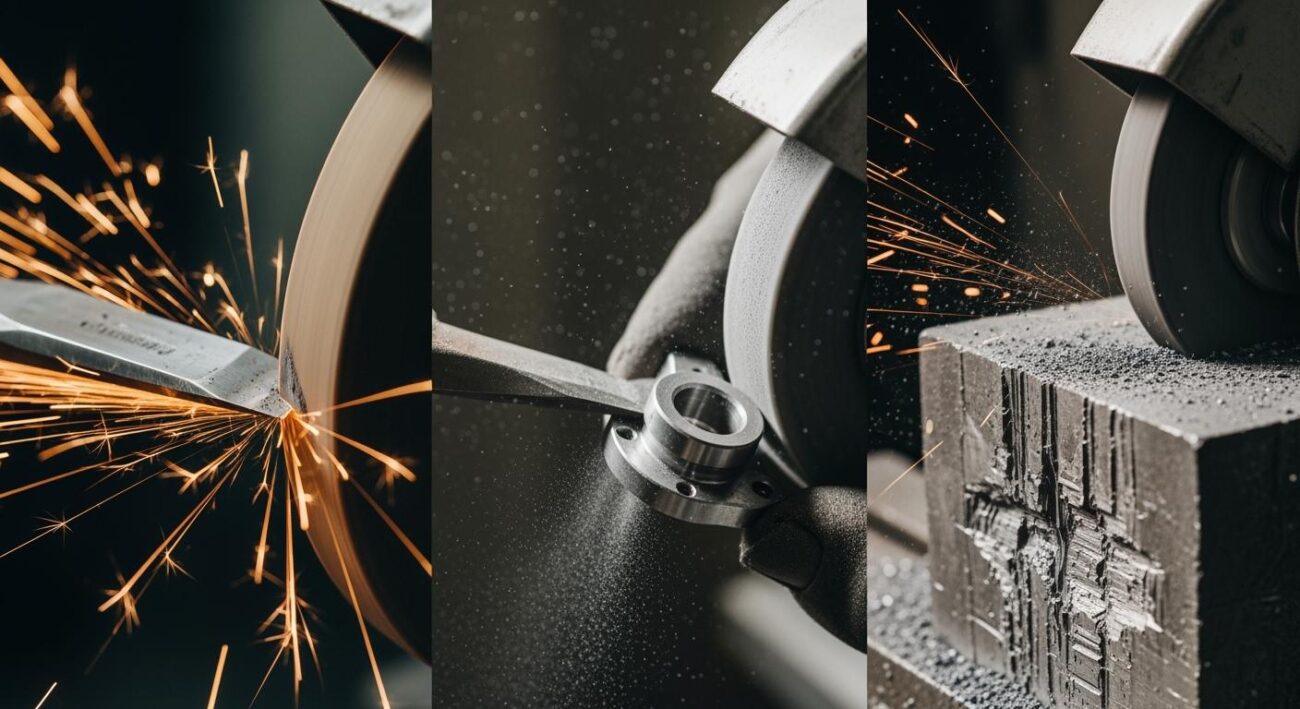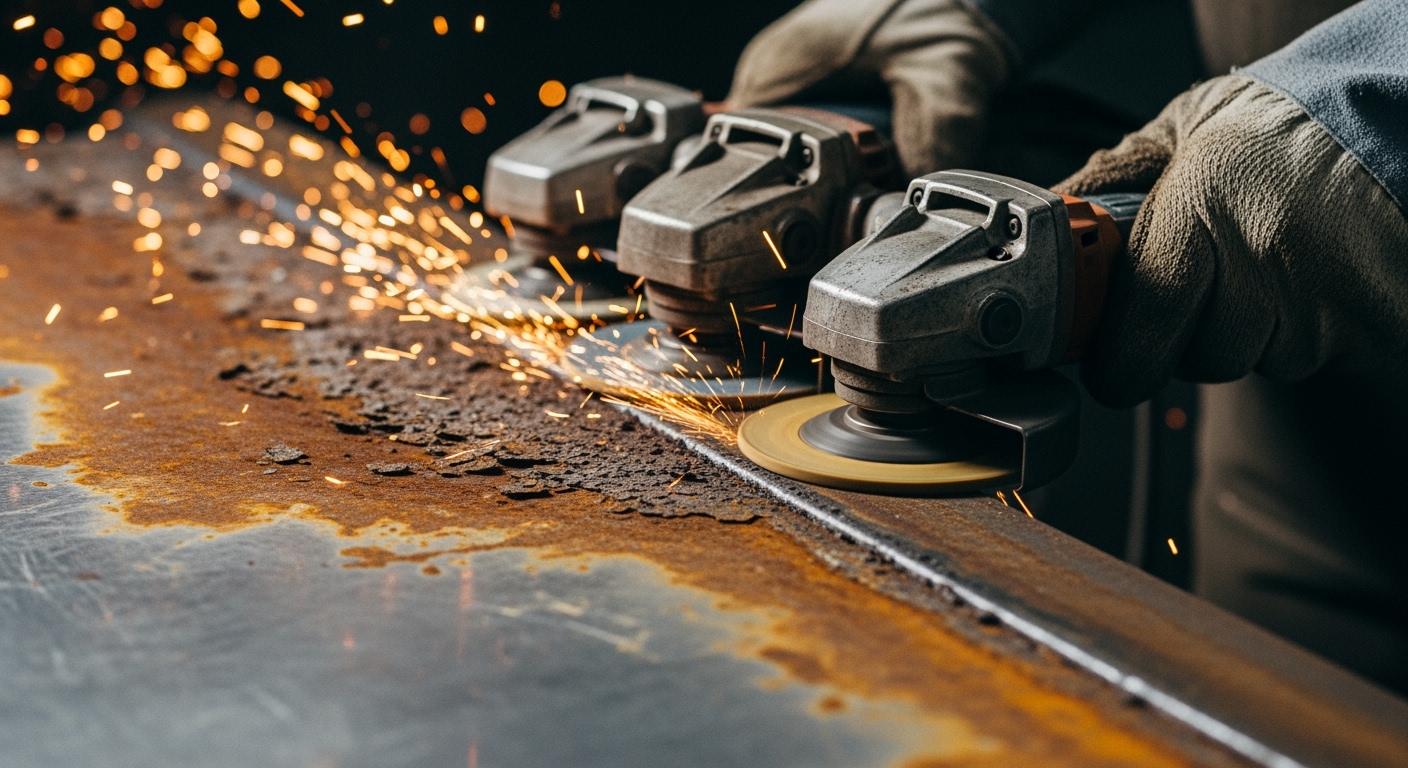
Looking for the best grinding wheels to tackle heavy rust? You’ll find green bristle discs work aggressively, while 36 grit abrasive discs get quick results. Many users trust 3M Cubitron II abrasive discs for their durability and ceramic discs from Starcke or VSM for cost savings. Aimgrind diamond grinding wheels stand out because they deliver fast material removal and long-lasting performance. You can count on these options to help you clear tough rust without hassle.
Key Takeaways
- Choose the right grinding wheel based on your project needs. For heavy rust, Aimgrind diamond wheels offer speed and durability.
- Use coarse grit wheels (36-60) for tough rust removal. Switch to finer grits for finishing to achieve a smooth surface.
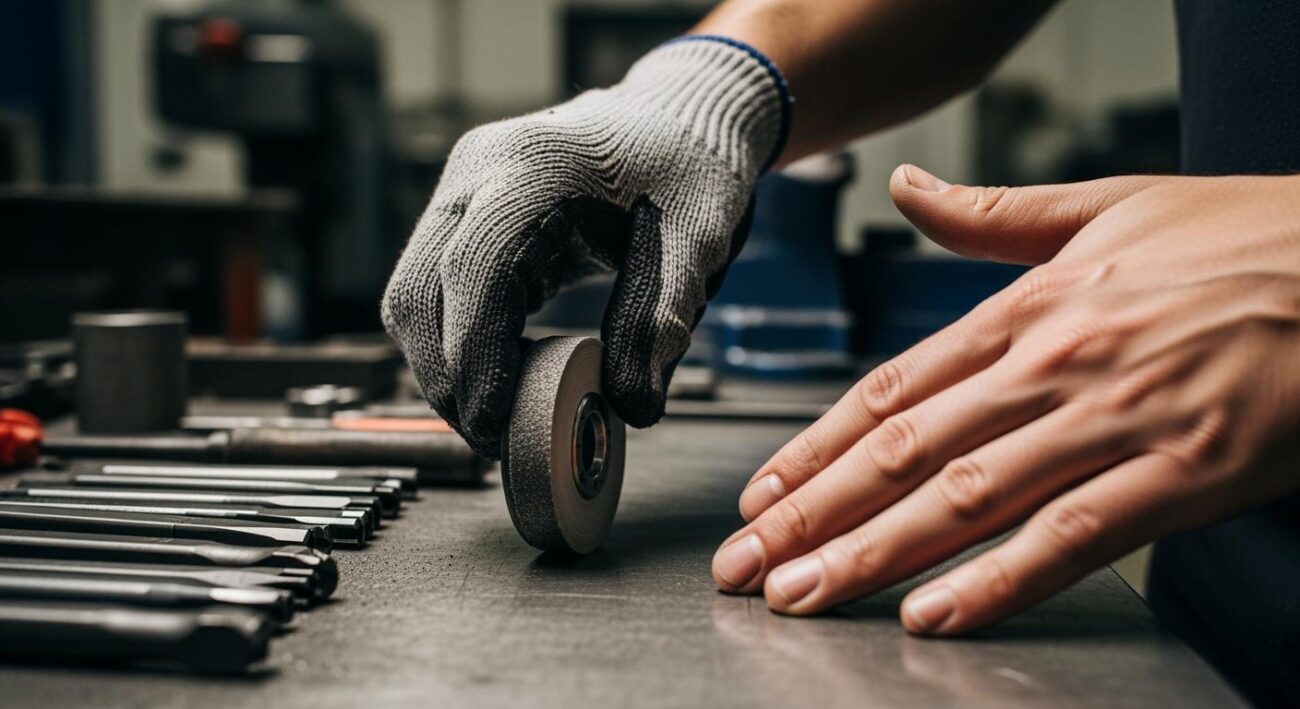
- Always wear safety gear, including gloves and goggles, to protect yourself during rust removal.
- Regularly check and clean your grinding wheels to maintain their effectiveness and prolong their lifespan.
- Test your discs on a small area before starting on larger surfaces to ensure the best results.
Best grinding wheels for rust removal
You want to clear heavy rust fast and get a clean surface. Let’s break down the main grinding wheels and abrasive tools you can use. Each one has its own strengths, so you can pick what fits your project best.
Abrasive grinding wheels
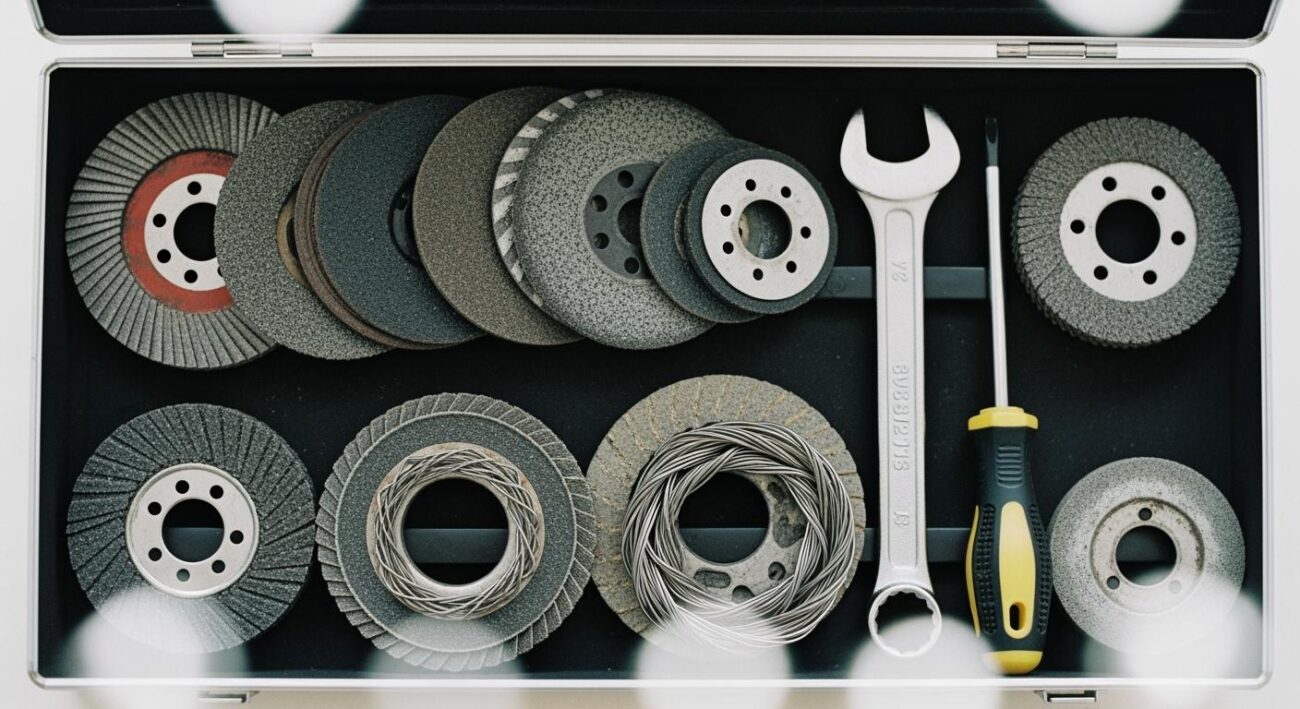
Abrasive grinding wheels are your go-to for tough rust removal. You’ll find medium to coarse wheels with grit sizes from 36 to 60. These wheels cut through thick rust without damaging the metal underneath. Ceramic abrasive discs remove twice as much material and last longer. Diamond abrasive discs have the longest life and work well for heavy-duty jobs. Zirconia abrasive discs give you high performance on metals.
Here’s a quick look at how different abrasive grinding wheels compare:
| Grinding Wheel Type | Grit Size Range | Effectiveness for Rust Removal |
|---|---|---|
| Medium to Coarse | 36 – 60 | Effective for heavy rust removal without damaging underlying metal |
| Flap Discs | N/A | Excellent choice due to flexibility and smoother cleaning action |
| Wire Wheels | N/A | Suitable for lighter rust, cleans without removing base material |
| Coarse Wheels | N/A | Too aggressive, may gouge the surface if used for heavy rust removal |
You can also check the lifespan of abrasive discs:
| Abrasive Type | Lifespan Description |
|---|---|
| Ceramic | Removes up to twice as much material and lasts longer. |
| Diamond | Has the longest life. |
| Zirconia | Provides high performance for metals. |
Tip: If you want to avoid frequent wheel changes, choose diamond abrasive discs. They last the longest and keep grinding wheels sharp.
Wire wheels and brushes
Wire wheels and brushes help you clean rust without grinding away the base metal. Knotted wire brush wheels use twisted wires for extra strength. You can use them to remove thick rust and weld marks. These wire wheels cut well and last longer, so you spend less time swapping tools.
Wire wheels work best for surface rust. They strip oxidation but leave the metal underneath untouched. If you need to keep the original shape and avoid gouges, wire wheels are a smart choice.
Note: Environmental factors like wheel porosity and cutting fluids affect performance. If you use cutting fluids, you can reduce clogging and get a better finish.
Flap discs and strip discs
Flap discs and strip discs are great for heavy rust removal. You can use flap discs to grind down to clean metal when you see scaly corrosion or deep pits. Flap discs remove paint, rust, and coatings while keeping the base material safe. Welders love flap discs because they blend and smooth weld seams. You get a smoother surface and less risk of damaging your workpiece.
Here’s what makes flap discs and strip discs stand out:
- Flap discs remove heavy rust and coatings.
- Strip discs clean surfaces without gouging.
- Flap discs blend weld seams and prep surfaces for painting.
If you want to prep metal for welding or painting, flap discs and strip discs give you a clean, smooth finish.
Scotchbrite and surface conditioning wheels
Scotchbrite and surface conditioning wheels help you finish the job after rust removal. You can use Scotch-Brite Clean and Strip XT Pro Discs to quickly remove rust, paint, mill scale, and coatings. These wheels leave a fine finish, so your metal looks smooth and ready for the next step. The XT Pro Extra Cut Discs handle heavy rust and pits without leaving divots. They’re perfect for refining welds and removing discoloration.
Here’s a table showing what these wheels do:
| Product Name | Description |
|---|---|
| Scotch-Brite Clean and Strip XT Pro Discs | Quickly removes rust, paint, mill scale, coatings from metal and leaves a fine finish. |
| Scotch-Brite Clean and Strip XT Pro Extra Cut Discs | Ideal for heavy rust/rust pit removal without leaving divots, ideal for weld refinement and removing weld discoloration. |
- Surface conditioning finishing drums work well on large, flat surfaces or curved pipes.
- You can create uniform finishes on sheet metal and big workpieces.
If you want a smooth, professional look after rust removal, surface conditioning wheels are your best bet.
Tip: Always match your grinding wheel or abrasive disc to your project. If you use the right tool, you get faster rust removal and a better finish.
Aimgrind diamond grinding wheels for heavy rust removal
Features and advantages
When you need to remove heavy rust, you want a grinding wheel that works fast and lasts long. Aimgrind diamond grinding wheels give you both. These wheels use a layer of diamond, which is the hardest material on earth. You get a tool that cuts through thick rust and tough metals with ease.
Here’s why you’ll love using Aimgrind diamond grinding wheels:
- The diamond layer gives you unmatched hardness. You can grind away rust that stops other wheels.
- You get exceptional toughness. These wheels handle shocks and heavy pressure without chipping or breaking.
- The wheels keep their shape and sharpness. You spend less time changing wheels and more time getting the job done.
- You can use them for both wet and dry grinding. This means you have more options for your workspace.
- They work fast. You’ll see rust disappear quickly, even on thick, stubborn spots.
Tip: If you want to save money in the long run, diamond grinding wheels are a smart choice. They last much longer than traditional abrasive wheels, so you don’t have to buy replacements as often.
Let’s compare Aimgrind diamond grinding wheels to traditional abrasive wheels:
| Feature | Aimgrind Diamond Grinding Wheels | Traditional Abrasive Wheels |
|---|---|---|
| Hardness | Extreme (diamond) | Medium (aluminum oxide, etc.) |
| Durability | Very high | Moderate |
| Rust Removal Speed | Fast | Moderate |
| Resistance to Chipping | Excellent | Good |
| Lifespan | Long | Shorter |
You get a wheel that doesn’t just remove rust—it does it better, faster, and with less hassle.
Applications and compatibility
You can use Aimgrind diamond grinding wheels in many situations. If you work in a shop, garage, or factory, these wheels fit right in. They handle heavy rust on tools, machinery, car parts, and even large metal structures.
Here are some common uses:
- Grinding thick rust off steel beams and pipes
- Cleaning up old machinery and equipment
- Prepping metal for welding or painting
- Restoring car frames, axles, and suspension parts
You don’t have to worry about compatibility. Aimgrind diamond grinding wheels come in different sizes and shapes. You can find wheels for angle grinders, bench grinders, and other machines. If you need a special size, Aimgrind can customize a wheel just for you.
Note: Always check your grinder’s manual to make sure you pick the right wheel size and mounting type. This keeps you safe and helps your tools last longer.
If you want a grinding wheel that works hard and lasts, Aimgrind diamond grinding wheels are a top pick. You get speed, strength, and a smooth finish every time.
Comparing rust removal methods
Grinding wheels vs. strip discs
You want to know which tool works best for heavy rust. Grinding wheels hit hard and remove thick rust fast. Strip discs, sometimes called flapper discs, do a good job on surface rust but struggle with deep, heavy corrosion. If you need to clear big patches of rust, grinding wheels get the job done quickly. Strip discs leave some rust pits behind and work better for smoothing surfaces.
Here’s a quick table to help you decide:
| Tool Type | Effectiveness for Heavy Rust Removal | Notes |
|---|---|---|
| Grinding Wheel | Aggressive, removes heavy rust | Can damage underlying metal, best for large areas |
| Strip Disc | Good for light rust | Leaves rust pits, ideal for surface rust and smoothing |
Tip: If you want to keep the metal’s shape and avoid gouges, use strip discs for finishing after grinding wheels.
Wire wheels vs. abrasive media
Wire wheels and abrasive media both remove rust, but they leave different finishes. Knotted wire wheels tear through thick rust and leave a rough, uneven surface. Crimped wire wheels give you a smoother, more uniform finish. Abrasive media, like ceramic or diamond discs, remove rust fast and can leave a cleaner surface if you use the right grit.
Check out this table for finish quality:
| Type of Wheel | Finish Quality | Additional Notes |
|---|---|---|
| Knotted Wire Wheel | Rough, uneven finish | Great for heavy rust, needs extra finishing steps |
| Crimped Wire Wheel | Smoother, more uniform finish | Good for looks, less polishing needed |
You should pick your tool based on your project. If you want speed, grinding wheels and knotted wire wheels work best. If you care about the finish, try crimped wire wheels or abrasive discs.
- Use grinding wheels for thick, stubborn rust.
- Choose strip discs for smoothing and prepping surfaces.
- Grab wire wheels when you need to clean rust but keep the metal intact.
Note: Always wear safety gear. Rust removal can throw sparks and debris.
Choosing the right grinding wheel
Factors to consider
You want to pick the best tools for rust removal, but the choices can feel overwhelming. Start by looking at grit size. Coarse grits like 10-24 work well for rough grinding and heavy rust. Medium grits from 30-60 handle general shaping and cleaning. Finer grits, such as 70-220, are better for finishing and sharpening.
Here’s a handy table to help you decide:
| Grit Size | Grinding Wheel Grades | Suitable Materials | Typical Application |
|---|---|---|---|
| 10-24 | Soft-Medium | Stainless steel, cast iron, hard steel | Rough grinding, heavy stock removal |
| 30-60 | Medium-Hard | Mild steel, aluminum, general metals | General purpose, shaping |
| 70-220 | Medium-Hard | Carbide, high-speed steel | Precision grinding, tool sharpening, finishing |
The bond type matters, too. Vitrified bonds give you precision. Resin bonds work well for fast grinding. Metal bonds last longer and handle tough jobs. If you use abrasive wheels with the right bond, you get better results and save time.
Think about the material you’re working on. Hard grinding wheel options suit tough metals. Flapper discs help you blend and smooth surfaces. Using angle grinder tools makes rust removal easier and faster. Always check the wheel’s compatibility with your grinder.
Tip: Match the wheel’s grit and bond to your project. You’ll get cleaner surfaces and avoid wasting time.
User experiences and tips
Common mistakes to avoid
You might think rust removal is simple, but many people make mistakes. You can waste time and money if you use the wrong discs. Some users pick a flapper wheel for heavy rust, but it works better for smoothing. If you press too hard, you can damage the metal. You should let the discs do the work. Skipping safety gear is risky. Always wear gloves and goggles. If you use old or worn discs, you will not get good rust removal. You should check your discs before you start. Many people forget to clean the surface before using discs. Dirt and oil can clog the discs and slow down rust removal.
Tip: Always test your discs on a small spot before you start removing rust on a big area.
Maximizing rust removal efficiency
You want to finish rust removal fast and get a smooth surface. You should pick the right discs for the job. Coarse discs remove thick rust. Medium discs work for general rust removal. Fine discs help with finishing. If you use Aimgrind diamond discs, you will see faster rust removal and less downtime. You can switch between discs to get the best results. Start with coarse discs for heavy rust. Move to medium discs for cleaning. Finish with fine discs for a smooth look. You should keep your discs clean. Tap them gently to remove dust. If you use wet grinding, you can keep the discs cool and reduce dust. You should always move the discs in a steady motion. This helps you avoid gouges and get even rust removal.
- Use the right speed for your grinder.
- Do not force the discs.
- Replace discs when they slow down.
Note: Removing surface rust is easier if you start with the right discs and keep your tools in good shape.
Trusted brands and products
You want discs that last and give you great rust removal. Many users trust Aimgrind diamond discs for tough rust. These discs work well for heavy rust removal and last longer than most. You can also try 3M Cubitron II discs for fast rust removal. Starcke and VSM discs are good for saving money and getting solid rust removal. If you need a flapper wheel, look for brands like Norton or Pferd. You should always check reviews before you buy new discs. Good discs make rust removal easier and faster.
Here’s a quick table of trusted brands for rust removal:
| Brand | Best For | Notes |
|---|---|---|
| Aimgrind | Heavy rust removal | Long-lasting diamond discs |
| 3M Cubitron II | Fast rust removal | Durable ceramic discs |
| Starcke | Cost-effective rust removal | Good for general use |
| VSM | Rust removal on metals | Reliable abrasive discs |
| Norton | Flapper wheel options | Smooth finishing |
| Pferd | Flapper wheel and discs | Quality and durability |
Tip: Try different discs to see which ones fit your rust removal needs best.
You have lots of choices for heavy rust removal. Aimgrind diamond grinding wheels stand out for speed and long life. You can also try ceramic, zirconia, or flap discs for different jobs. Here’s what you should remember:
- Pick the wheel that matches your project and grinder.
- Always wear safety gear.
- Check your wheel before you start.
Tip: Start with a coarse wheel for thick rust, then switch to a finer disc for a smooth finish!
FAQ
What makes Aimgrind diamond grinding wheels different from regular abrasive wheels?
You get longer life and faster rust removal with Aimgrind diamond grinding wheels. The diamond layer stays sharp and tough. You spend less time changing wheels and more time working.
Can I use Aimgrind diamond grinding wheels on any grinder?
Most grinders work with Aimgrind wheels. You should check your grinder’s manual for the right size and mounting type. If you need a special size, Aimgrind can customize one for you.
How do I choose the right grit for heavy rust removal?
Pick a coarse grit, like 36 or 40, for thick rust. Use a medium grit for general cleaning. Finish with a fine grit for a smooth surface. Here’s a quick guide:
| Grit | Use |
|---|---|
| 36 | Heavy rust |
| 60 | General clean |
| 120 | Finishing |
Do I need to use water when grinding off rust?
You can grind dry or wet. Wet grinding keeps the wheel cool and reduces dust. Dry grinding works faster for small jobs. Always wear safety gear.
Contact Us
For More Grinding Solution or Customized Abrasive Tools