

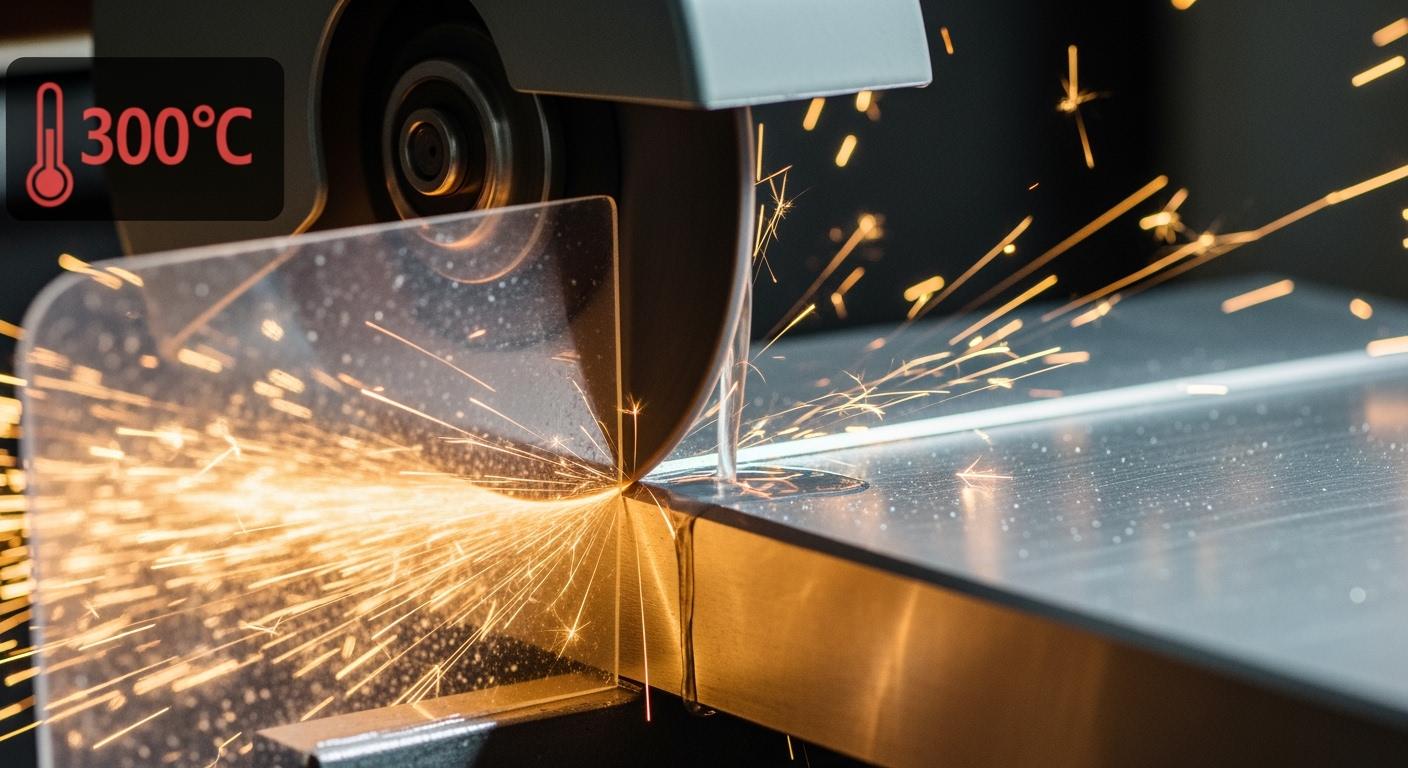
To avoid material adhesion and surface burning in titanium alloy grinding, you need to control grinding parameters, select the right wheel, use proper cooling, and work with skill. You face high temperatures because titanium alloys have poor thermal conductivity. This can cause sticky chips, wheel clogging, and burns on your parts. You can use effective solutions like:
- Choosing super hard abrasives for better durability and cooling.
- Using the correct grinding wheel material and hardness.
- Applying the right coolant and delivery method.
Aimgrind’s advanced super hard abrasives give you reliable results and help you avoid material adhesion during titanium alloy grinding.
Key Takeaways
- Control grinding parameters like speed and feed to reduce heat buildup and prevent adhesion.
- Use super hard abrasives, such as CBN wheels, for better durability and to minimize the risk of burning.
- Select the right coolant type and delivery method to enhance cooling efficiency and protect the grinding surface.
- Regularly monitor the grinding process and inspect for signs of burn or adhesion to maintain quality.
- Invest in training to improve skills and awareness of best practices in titanium alloy grinding.
Why Material Adhesion and Grinding Burn Happen
Titanium Alloy Properties
You face unique challenges when grinding titanium alloys. These materials have special properties that make them prone to adhesion, grinding burn, and thermal damage. Titanium alloys show high resistance to heat and have a protective oxide layer. This layer helps prevent oxygen from reaching the metal, which reduces the risk of combustion. The alloys also have a decreased adiabatic flame temperature, so the heat of combustion stays lower. This feature helps minimize the chance of ignition during grinding.
Titanium alloys offer enhanced thermal conductivity, which allows heat to disperse faster. This property helps reduce grinding burn and thermal damage. The alloys also have reduced friction, so less heat gets generated during grinding. The presence of Ti2Cu in some alloys improves burn resistance by absorbing heat and changing the type of friction. High atomic stacking density gives these alloys better thermal stability and creep resistance. If you use monophasic α-Ti or β-Ti tissue, you get even better performance at high temperatures and less risk of bonding issues.
| Property | Effect on Adhesion and Grinding Burn |
|---|---|
| Protective oxide layer | Prevents oxygen penetration, reducing combustion risk. |
| Decreased adiabatic flame temperature | Lowers heat of combustion, minimizing the risk of ignition. |
| Enhanced thermal conductivity | Allows faster dispersal of ignition heat, reducing the likelihood of grinding burn. |
| Reduced friction | Lowers heat generation during grinding, which helps in preventing burn. |
| Presence of Ti2Cu | Improves burn resistance by absorbing heat during combustion and transforming friction type, reducing heat generation. |
| High atomic stacking density | Provides better thermal stability and creep resistance, contributing to overall performance under high temperatures. |
| Monophasic α-Ti or β-Ti tissue | More beneficial for high temperature and burn-resistant performance, aiding in material adhesion. |
Common Causes in Grinding
When you grind titanium alloys, several factors can lead to adhesion, grinding burn, and bonding issues. High grinding temperatures often cause workpiece deformation and surface burning. Grinding force and temperature rise quickly, which increases the risk of surface burns and cracks. If you select the wrong grinding wheel, such as using corundum instead of a softer or more suitable material, you can make adhesion and bonding issues worse.
- High grinding temperatures can lead to workpiece deformation and surface burning.
- The grinding force and temperature are elevated, increasing the risk of surface burns and cracks.
- Incorrect grinding wheel selection, such as using corundum instead of softer materials, can exacerbate adhesion issues.
You must pay attention to these factors to avoid grinding burn, thermal damage, and bonding issues. By understanding the properties of titanium alloys and the common causes of adhesion, you can take steps to improve your grinding process and achieve better results.
Selecting Parameters to Avoid Material Adhesion
Optimal Speed and Feed for Titanium
You must set the right parameters to avoid adhesion when grinding titanium alloys. The speed of the grinding wheel plays a critical role. If you use a high speed, you increase the risk of burning and material adhesion. You should select a moderate speed for titanium. A lower speed helps reduce heat buildup and keeps the grinding surface cool. You need to check the manufacturer’s recommendations for speed. You can use a table to compare different speed settings:
| Grinding Wheel Speed | Effect on Titanium Alloy |
|---|---|
| High speed | Raises temperature, increases adhesion risk |
| Moderate speed | Balances removal rate and heat control |
| Low speed | Reduces heat, lowers adhesion risk |
You must also adjust feed parameters. If you use a slow feed, you keep the grinding surface cooler. A fast feed can cause excessive heat and surface damage. You should match feed parameters with speed to optimize the grinding process.
Depth of Cut and Passes
You need to control depth of cut parameters. If you use a deep cut, you generate more heat and increase the risk of adhesion. You should use shallow passes. This approach helps you maintain a stable grinding process and prevents surface burning. You can make multiple passes with controlled parameters. Each pass removes a small amount of material and keeps the grinding surface safe.
Tip: Always monitor depth of cut parameters. Shallow passes help you avoid overheating and improve surface quality.
Monitoring Grinding Process
You must monitor grinding process parameters during operation. You can use sensors to track speed, feed, and temperature. If you notice a rise in temperature, you should adjust speed or feed parameters. You can also inspect the grinding surface for signs of adhesion or burning. Regular checks help you maintain optimal parameters and prevent defects.
You need to record all parameters for each grinding session. This practice helps you analyze trends and make improvements. You can use digital tools to log speed, feed, and depth of cut parameters. Consistent monitoring ensures you achieve high-quality results and avoid material adhesion.
Cooling and Lubrication in Titanium Alloy Grinding
Coolant Types and Delivery
You need to select the right coolant to avoid material adhesion and surface burning during titanium alloy grinding. Cryogenic coolants, such as liquid nitrogen and carbon dioxide, have proven to lower cutting temperatures and tool wear. These coolants help you achieve a better surface finish and reduce the risk of excessive heat. Studies show that using cryogenic cooling measures in the grinding process of Ti-6Al-4V improves surface quality and tool life. You can also use high-pressure coolant systems to direct coolant exactly where you need it. This method increases heat dissipation and keeps the grinding zone cool. Always make sure the coolant reaches the contact area between the wheel and the workpiece for effective cooling.
Enhancing Cooling Efficiency
You can boost cooling efficiency by choosing the right method for your operation. The table below compares common cooling methods:
| Cooling Method | Advantages | Considerations |
|---|---|---|
| Minimum Quantity Lubrication (MQL) | Eco-friendly, uses less fluid, good machining quality. | Limited for high-speed grinding of tough materials. |
| Cryogenic Cooling | Improves tool life, reduces surface defects, sustainable with lower emissions. | Needs special handling and extra cost for cryogenic mediums. |
| High-Pressure Coolant | Removes chips well, minimizes galling, allows higher feed rates. | Needs proper setup and regular maintenance. |
High-pressure coolant systems remove chips quickly and help with heat dissipation. Cryogenic cooling reduces tool wear and friction, which is especially helpful for hard titanium alloys. You should always direct high-quality coolant at the grinding zone to manage heat and minimize chemical reactions.
Preventing Adhesion with Proper Fluids
You can prevent adhesion by using the right grinding fluids. Effective lubrication keeps the grinding grits sharp and reduces friction. This leads to better cutting efficiency and less heat. Using neat oil in MQL mode lowers grinding forces and improves surface quality. Nanofluids also help by stopping material from sticking to the work surface and improving the surface profile. Straight oils or ester-based fluids in MQL are good choices for titanium alloys. Always dispose of fluids with chlorinated additives properly to protect the environment. High-pressure coolant processing can reduce the amount of coolant needed, making your operation more eco-friendly. By using these fluids, you improve heat dissipation and avoid material adhesion during grinding.
Tip: Always check your coolant system for leaks or blockages. Proper maintenance ensures effective cooling and consistent heat dissipation.
Grinding Wheel Choice for Titanium – Aimgrind Super Hard Abrasives
Why Super Hard Abrasives Matter
You need to select the right grinding wheel for titanium alloy grinding. Titanium alloys present unique challenges because they generate high heat and tend to stick to conventional wheels. Super hard abrasives, such as CBN, offer a solution. These suitable abrasives resist wear and maintain sharpness even under tough conditions. You achieve better surface finishes and reduce the risk of burning or adhesion.
You can see the performance difference in the table below:
| Metric | CBN Grinding Wheel | SiC Grinding Wheel |
|---|---|---|
| Microhardness (HV) | 4500 | 2800 |
| Hardness retention at 800℃ (%) | 85 | N/A |
| Effective cutting edges stability | <5% fluctuation | >30% decrease |
| Grinding ratio increase | 3-5 times | N/A |
| Surface residual stress reduction | 40%-60% | N/A |
| Macro crack density reduction | ~40% | N/A |
| Subsurface damage layer reduction | >35% | N/A |
| Surface roughness Ra reduction | 30%-45% lower | N/A |
| Tangential force reduction | 25.3% | N/A |
| Normal force reduction | 48.9% | N/A |
| Maximum grinding force difference | 120N | N/A |
You gain more stable cutting edges and lower grinding forces with CBN grinding wheels. These suitable abrasives help you minimize surface roughness and reduce cracks. You also lower the risk of subsurface damage and residual stress. Super hard abrasives give you consistent results and longer wheel life.
Tip: Choose super hard abrasives for titanium alloy grinding to improve productivity and surface quality.
Wheel Bond and Structure Selection
You must pay attention to the bond and structure of your grinding wheel. The right combination helps you avoid adhesion and surface burning. Wheel structure affects chip clearance and grinding temperature. An open structure allows chips to escape and keeps the grinding zone cooler. A dense structure traps chips and increases friction, which can lead to burning.
Bond type also plays a key role. Vitrified bonds provide rigidity and thermal stability. You get precise grinding and less risk of burning. Resin bonds offer a softer cut but may not handle high heat well. Metal bonds hold abrasive grains tightly but can increase burn risk in precision grinding.
The table below shows how these factors impact performance:
| Factor | Impact on Grinding Performance |
|---|---|
| Wheel Structure | Open structure improves chip clearance and reduces heat. Dense structure traps chips and increases friction. |
| Bond Type | Different bonds affect cutting aggressiveness and heat resistance. |
| Vitrified Bond | Maintains dimensional stability and reduces burning risk. |
| Resin Bond | Softer cut but lower heat resistance, can lead to burning. |
| Metal Bond | Strong grain retention, less forgiving in precision grinding. |
| Design Sensitivity | Small ID wheels build heat quickly, making structure and bond critical. |
You should select a grinding wheel with an open structure and a vitrified bond for titanium alloys. This choice helps you keep the grinding zone cool and prevents adhesion. Aimgrind offers customized grinding wheels with the right bond and structure for your needs.
Benefits of Aimgrind Solutions
You get many advantages when you use Aimgrind super hard abrasives for titanium alloy grinding. Aimgrind designs grinding wheels to match your equipment and process. You receive wheels with diamond or CBN grains, which deliver unmatched hardness and durability. These suitable abrasives withstand high temperatures and pressures, making them ideal for titanium alloys.
Aimgrind grinding wheels come in various bond types, including vitrified, resin, metal, and electroplated. You can choose the right wheel for your application. Aimgrind provides wheels in different sizes and grit levels, so you achieve the finish you want. You benefit from a comprehensive service process, including problem diagnosis and parameter matching.
Super hard abrasives like CBN are more cost-effective for titanium alloy grinding. You save money because these wheels last longer and require fewer replacements. Diamond wheels are not suitable for titanium alloys at high temperatures, so CBN wheels are the best choice. You reduce downtime and improve productivity with Aimgrind grinding wheels.
Note: Aimgrind’s expertise ensures you get grinding wheels that prevent adhesion and burning. You achieve reliable results and high-quality surfaces every time.
You can visit Aimgrind’s official website to explore more grinding wheels and suitable abrasives for titanium alloy grinding.
Dressing and Maintenance for Grinding Burn Prevention
Dressing Frequency and Methods
You must dress your grinding wheel regularly to prevent grinding burn when working with titanium alloys. The frequency depends on the material, wheel type, and part tolerances. For large-volume titanium workpieces, you may need to dress the wheel several times during a shift. Light-sizing applications require less frequent dressing. You should monitor performance indicators like increased grinding forces or poor surface finish. These signs tell you when to dress the wheel.
You can choose from several dressing methods. The table below shows the most effective options for titanium alloy grinding:
| Dressing Method | Description | Applications in Titanium Alloy Grinding |
|---|---|---|
| Diamond Dresser | Uses small diamonds to remove material from the wheel face | Best for straight or tapered surfaces |
| Diamond Rotary Dresser | Rotates at high speed for precise shapes | Suitable for large wheels and consistent profiles |
| Star Dresser | Uses hardened steel wheels for rough dressing | Good for coarse-grained wheels, may damage surface |
| Dressing Stick | Abrasive material rubs against the wheel to refresh sharpness | Useful for fine-grained wheels and surface finish |
You should select the method that fits your grinding wheel and titanium application. Diamond rotary dressers work well for large wheels and consistent shapes. Dressing sticks help improve surface finish and sharpness.
Maintaining Wheel Sharpness
You need to maintain wheel sharpness to reduce the risk of grinding burn and surface damage. Proper training helps you understand safe handling and maintenance. Inspect your grinding wheel for cracks or chips before use. Choose a wheel with the right grit size and hardness for titanium. Handle your wheel carefully and store it in a dry place.
Keep your wheels well-dressed to maintain cutting ability and shape. Apply constant force while grinding to avoid uneven surfaces and improve finish. Make sure your wheel operates at the correct speed to prevent overheating and burn. Use formulas to calculate dressing feed rates. Select an infeed range of 0.002 to 0.03 mm per dressing pass. Maintain a speed ratio between 0.6 and 0.8 in synchronous dressing mode. Avoid fine dressing because it increases grinding pressure and heat. Focus on increasing dressing feed rate rather than depth to enhance cutting capability.
Tip: Regular maintenance and proper dressing keep your grinding wheel sharp and help you avoid grinding burn on titanium alloys.
Operator Skill and Best Practices in Titanium Grinding
Training and Awareness
You play a key role in preventing material adhesion and surface burning during grinding of titanium alloys. High-quality training programs help you build the skills needed for safe and efficient operations. Industry experts deliver courses both in-person and virtually, so you can learn in a way that fits your schedule. These programs cover practical topics such as heat treatment effects, managing alpha case, and understanding Nadcap requirements for titanium alloys.
| Training Program | Benefits | Key Differentiators |
|---|---|---|
| Rome Training | Improve safety and compliance, Increase operational efficiency, Reduce equipment misuse and wear | Led by experienced Rome technicians, Customized for your facility and needs, Covers both operation and basic maintenance |
You gain knowledge about heat treatment and its impact on titanium. You also learn how to handle common issues and maintain compliance with industry standards. Training helps you recognize the importance of proper grinding wheel selection and coolant management.
- Demonstrate a basic understanding of heat treatment of titanium alloys.
- Describe the effects of heat treatment on common alloys.
- Explain practical considerations of heat treatment.
- Describe how to manage alpha case.
- Describe Nadcap requirements for heat treatment of titanium alloys.
Tip: Continuous training keeps you updated on best practices and new technologies in titanium grinding.
Recognizing Early Signs of Burn and Adhesion
You must stay alert to early signs of surface burn and material adhesion during grinding. Research shows that grinding titanium rods at temperatures above 600℃ can cause surface burns, cracks, and defects like yellowish-brown spots or hairline cracks. High forces and temperatures increase the risk of adhesion, so you need to monitor the process closely.
| Aspect | Recommendation |
|---|---|
| Grinding Wheel Selection | Use silicon carbide grinding wheels for titanium alloys. |
| Bond Type | Prefer ceramic bonded grinding wheels for their thermal and chemical stability. |
| Grit Size | Use 36#-80# grit for effective grinding of titanium alloys. |
| Wheel Structure Hardness | Choose a large-pore grinding wheel with softer or medium hardness for better performance. |
You can optimize coolant flow to enhance heat dissipation. Using high-quality grinding wheels minimizes adhesion. Controlling grinding speeds reduces heat buildup and helps you avoid surface damage.
- Optimize coolant flow to enhance heat dissipation.
- Use high-quality grinding wheels to minimize adhesion.
- Control grinding speeds to reduce heat buildup.
Note: Early detection of surface defects allows you to adjust parameters and prevent costly damage to titanium parts.
Detecting Surface Burn and Adhesion in Titanium
Visual Inspection Methods
You can spot early signs of surface burn and adhesion on titanium parts with careful visual checks. Look for color changes on the surface, such as blue, brown, or yellow marks. These colors often mean the metal got too hot during grinding. You may also see small cracks, rough patches, or shiny spots where material has stuck to the surface. Use a bright light and a magnifying glass to help you see these details. If you notice any of these signs, stop the process and review your grinding settings.
Tip: Keep a checklist of common surface defects. This helps you catch problems before they get worse.
Non-Destructive Testing
You can use non-destructive testing (NDT) to find hidden damage after grinding. NDT methods let you check the inside of the part without causing harm. Common NDT techniques for titanium include:
- Dye penetrant testing: This method highlights cracks and surface flaws by using a colored liquid.
- Ultrasonic testing: High-frequency sound waves help you find subsurface cracks or voids.
- Eddy current testing: This method detects changes in the metal’s surface caused by burns or adhesion.
These tests give you confidence that your titanium parts remain strong and safe after grinding.
Process Data Analysis
You can track process data to catch surface burn and adhesion early. Record grinding temperature, force, and wheel speed during each job. Use sensors or digital tools to collect this information. Analyze the data for sudden spikes or unusual patterns. High temperatures or forces often signal a problem. By reviewing this data, you can adjust your grinding process before defects appear.
| Data to Monitor | What It Tells You |
|---|---|
| Temperature | Risk of surface burn |
| Grinding force | Possible adhesion or overload |
| Wheel speed | Consistency of the process |
Note: Regular data analysis helps you improve quality and avoid costly rework.
You can avoid material adhesion and grinding burn by selecting optimal parameters, using proper cooling, and maintaining wheel sharpness. Aimgrind super hard abrasives help you achieve consistent results and reduce burn risk. You must stay alert to early signs of grinding burn and surface burn. Regular training and best practices improve your grinding process.
An intelligent monitoring system based on multi-sensor fusion increases accuracy in detecting grinding burn and wheel wear, reaching more than 92%.
Continuous improvement and monitoring help you avoid material adhesion and surface burn in titanium alloy grinding.
- Use Aimgrind solutions to avoid material adhesion and grinding burn.
- Monitor grinding burn and surface burn for reliable results.
FAQ
What causes surface burning when grinding titanium alloys?
You often see surface burning because titanium alloys have low thermal conductivity. Heat builds up quickly at the grinding zone. This heat can damage the surface and cause visible burns or discoloration.
How do you prevent material adhesion during titanium grinding?
You should use super hard abrasives, select the right grinding parameters, and apply effective cooling. These steps help you reduce friction and keep the grinding surface clean.
Why should you choose CBN wheels for titanium alloys?
You get better durability and heat resistance with CBN wheels. These wheels maintain sharpness and reduce the risk of burning or adhesion. They also last longer than conventional wheels.
How do you check for grinding burn on titanium parts?
You can use visual inspection, non-destructive testing, or process data analysis. For more accuracy, you should consider grinding burn testing to detect hidden damage and ensure part quality.
What is the best coolant for titanium alloy grinding?
You should use high-pressure coolant or cryogenic fluids. These coolants lower the temperature at the grinding zone and prevent surface burns. Always check that the coolant reaches the contact area.
Contact Us
For More Grinding Solution or Customized Abrasive Tools