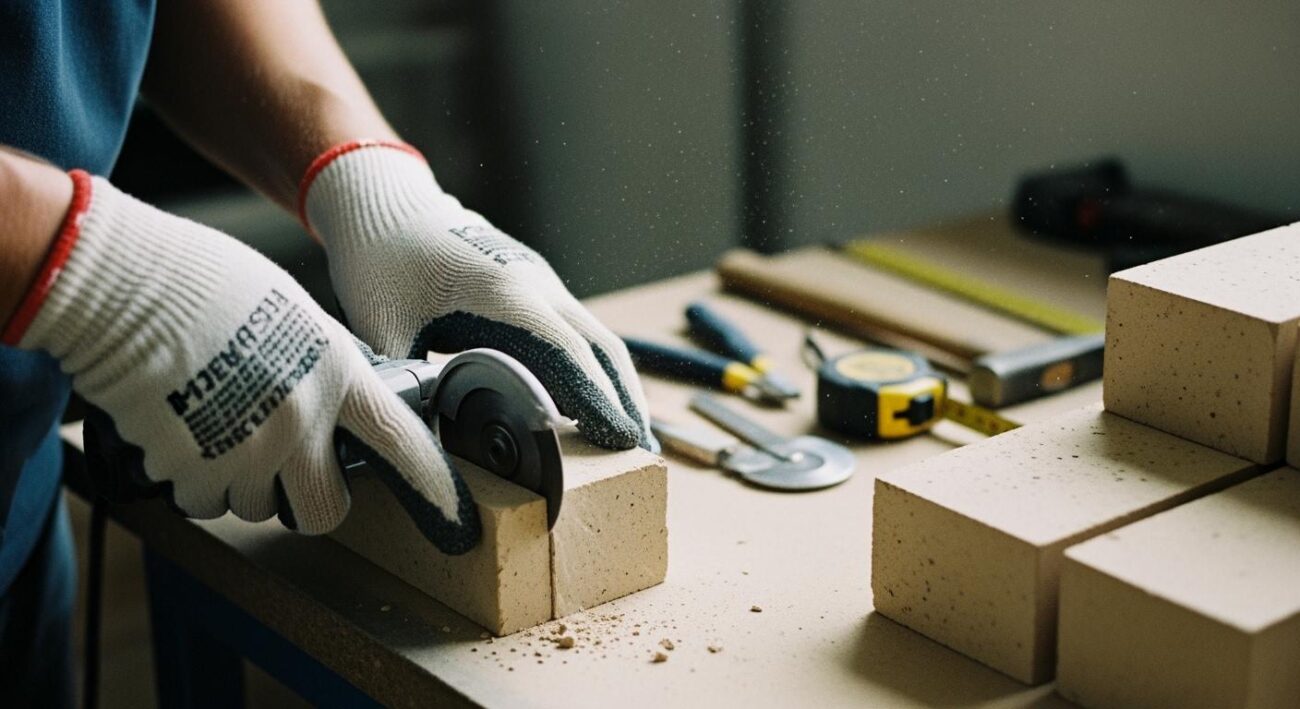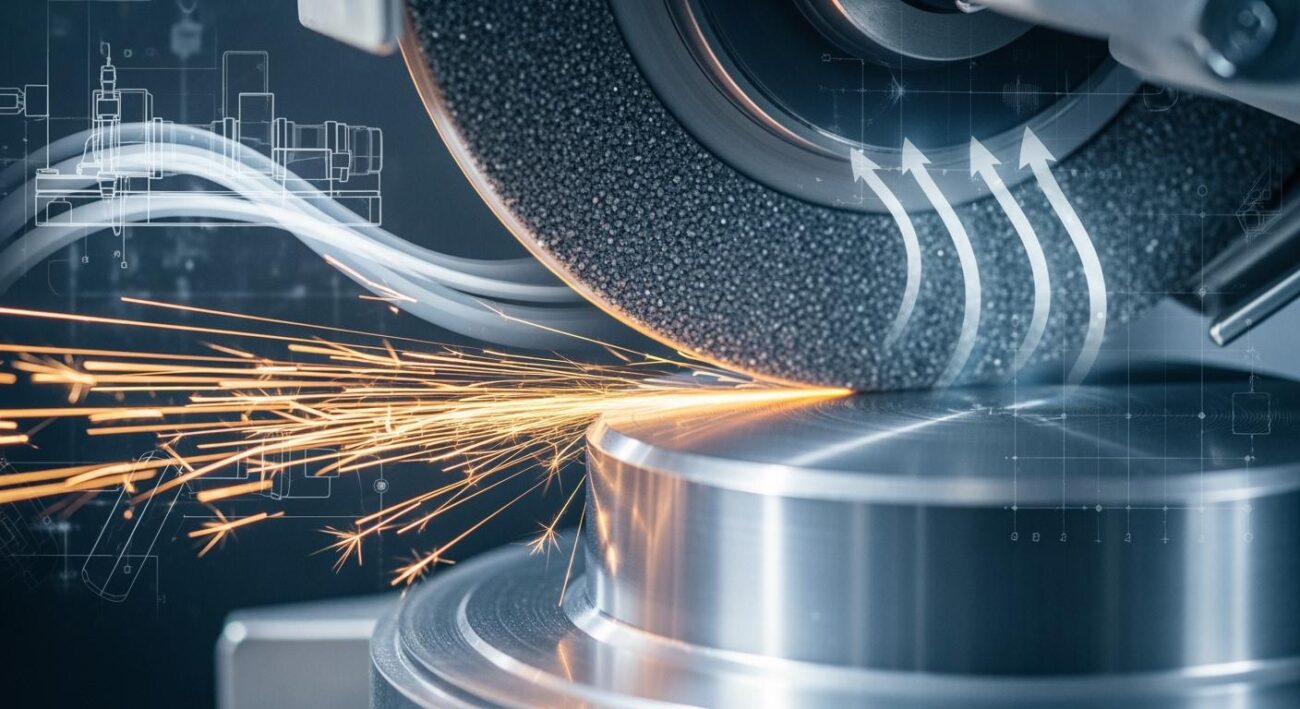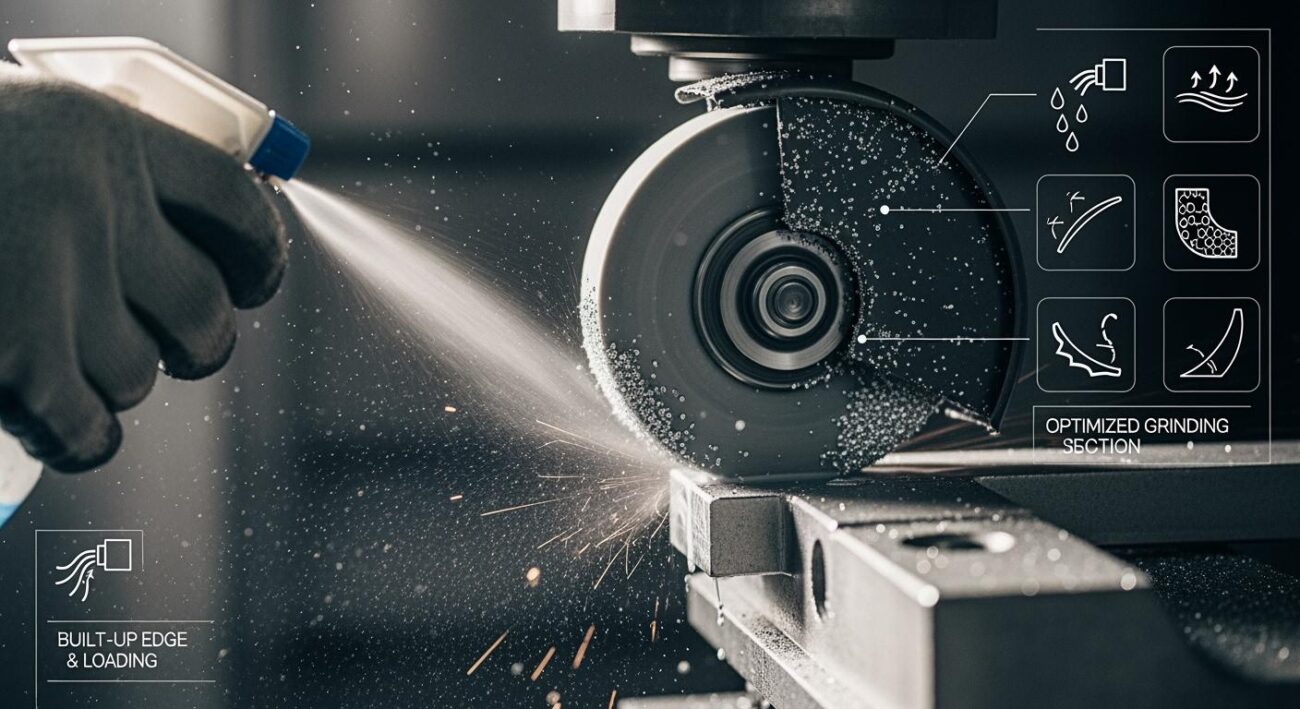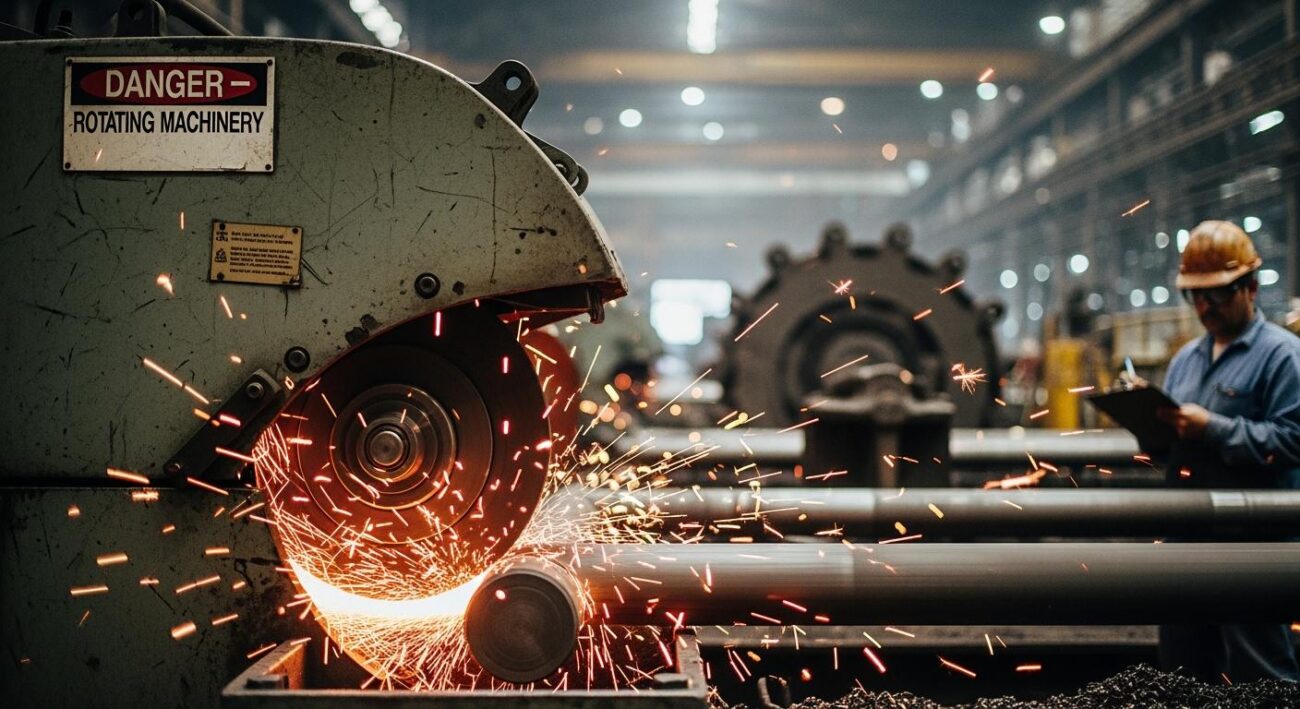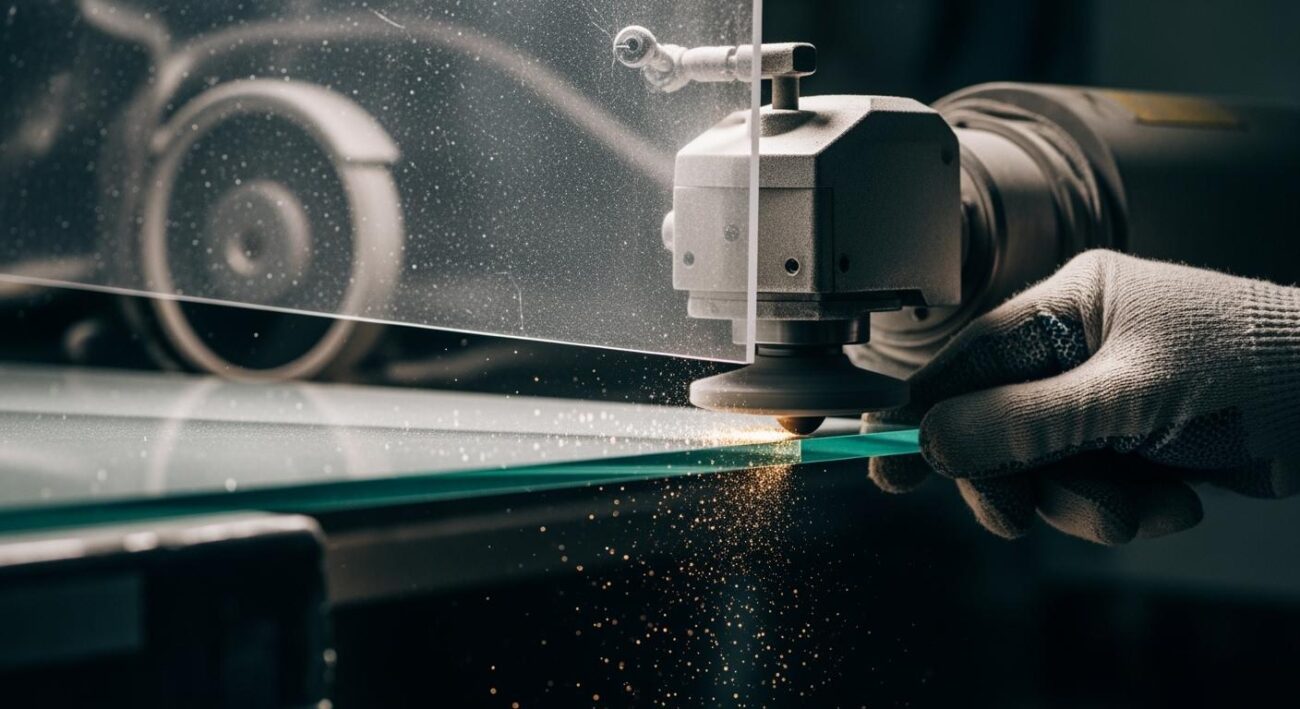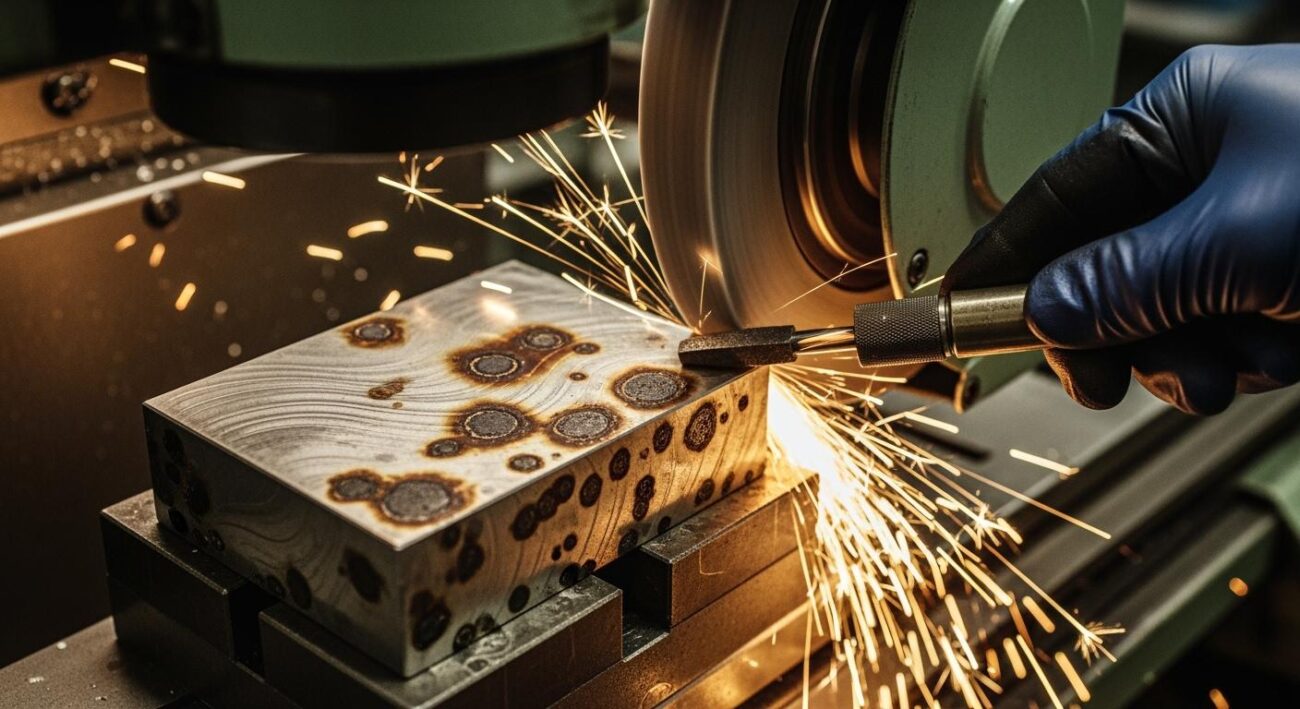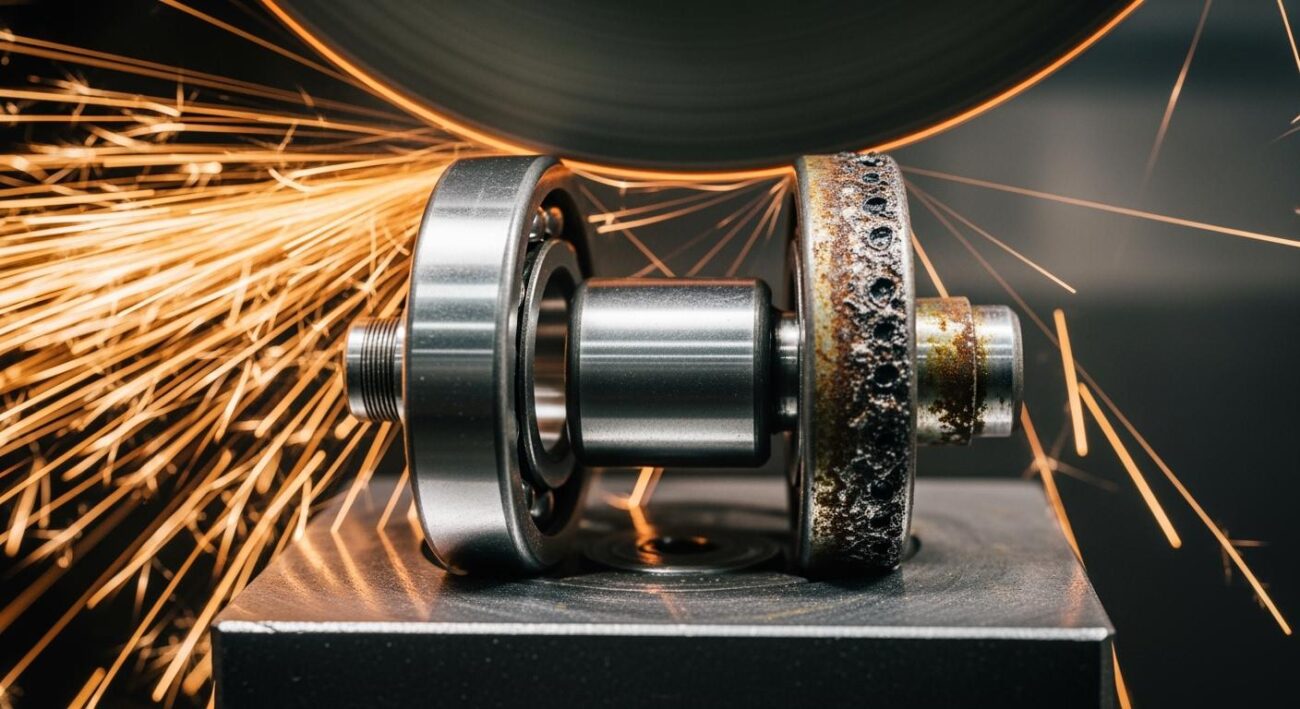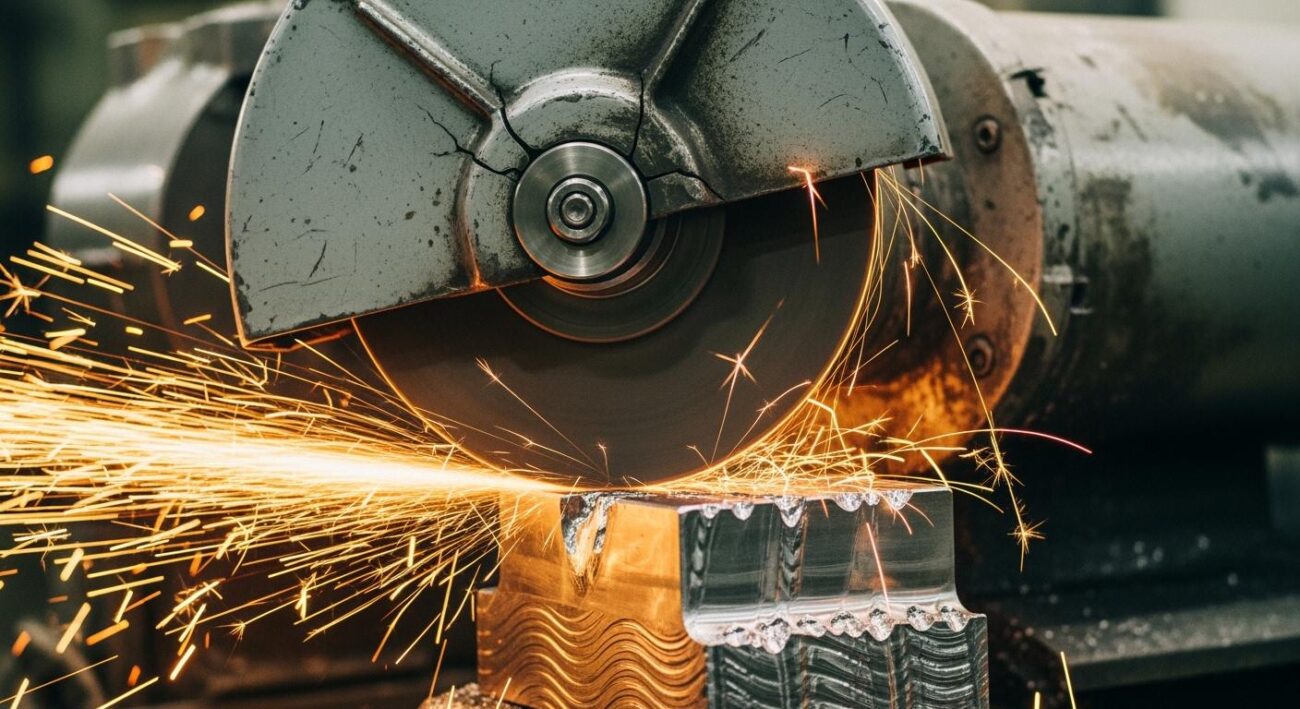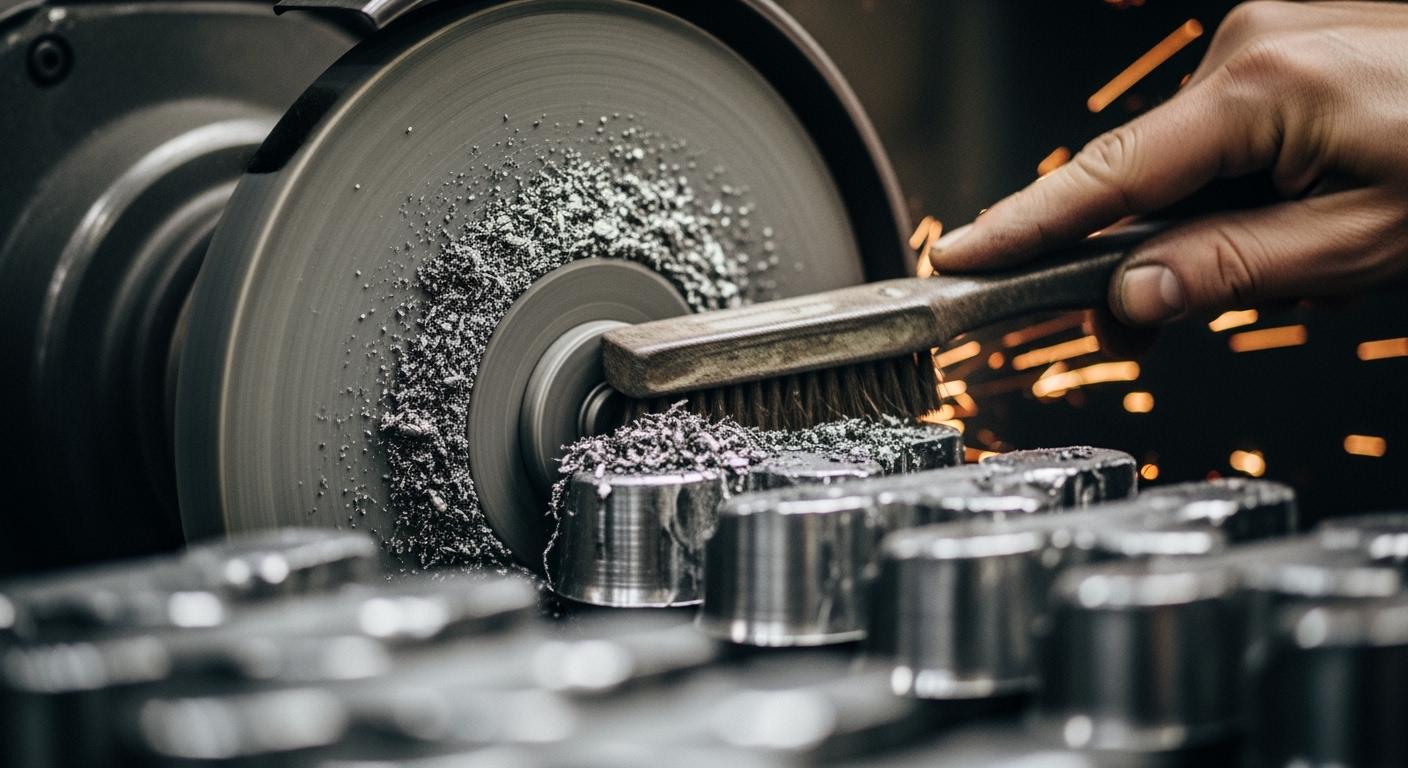
You can overcome clogging when grinding gummy metals by selecting the correct abrasive and adjusting your technique. Using the right abrasive helps prevent buildup and keeps your grinding process smooth. Cleaning and maintaining your tools also play a key role. Aimgrind offers customized solutions that match your needs and support efficient grinding.
Key Takeaways
- Choose open-coat abrasives and CBN wheels to reduce clogging and improve grinding efficiency.
- Adjust your grinding speed and pressure to prevent overheating and maintain a clean cutting action.
- Use coolant to lubricate the grinding area, which helps keep gummy metals from sticking to the wheel.
- Regularly dress and clean your grinding wheels to remove buildup and ensure optimal performance.
- Implement light pressure and multiple passes for better results when grinding soft, gummy metals.
Why Clogging Happens in Grinding Soft Metals
Properties of Gummy Metals
You often face challenges when working with gummy metals. These metals, like aluminum and copper, have unique properties. They are soft, ductile, and malleable. This means you can bend or shape them easily. When you use a grinding wheel on gummy metals, the metal does not break away cleanly. Instead, it tends to smear and stick to the abrasive surface. This sticky behavior causes problems during grinding.
Here is a table that shows how different properties affect gummy metals during grinding:
| Property Type | Effect on Gummy Metals During Grinding |
|---|---|
| Abrasive Material | Silicon carbide or special ceramic abrasives help prevent loading. |
| Structure | An open structure (like Structure 7–9) reduces loading and improves cooling. |
| Grit Size | A soft bond with a finer grit keeps the wheel aggressive and extends its life. |
Metal Buildup on Abrasives
When you grind gummy metals, you may notice metal particles building up on the abrasive wheel. This happens because the soft, ductile nature of gummy metals makes them deform under pressure. The metal does not cut away cleanly. Instead, it pushes into the spaces between the abrasive grains. You see this effect most with copper and aluminum. The metal fills the gaps and covers the abrasive, making the wheel less effective. You need to choose the right abrasive to reduce this buildup.
- Copper’s softness and ductility cause it to deform easily.
- Too much pressure during grinding leads to smearing, not cutting.
- Gummy metal particles get stuck in the abrasive, causing clogs.
Signs of Clogging
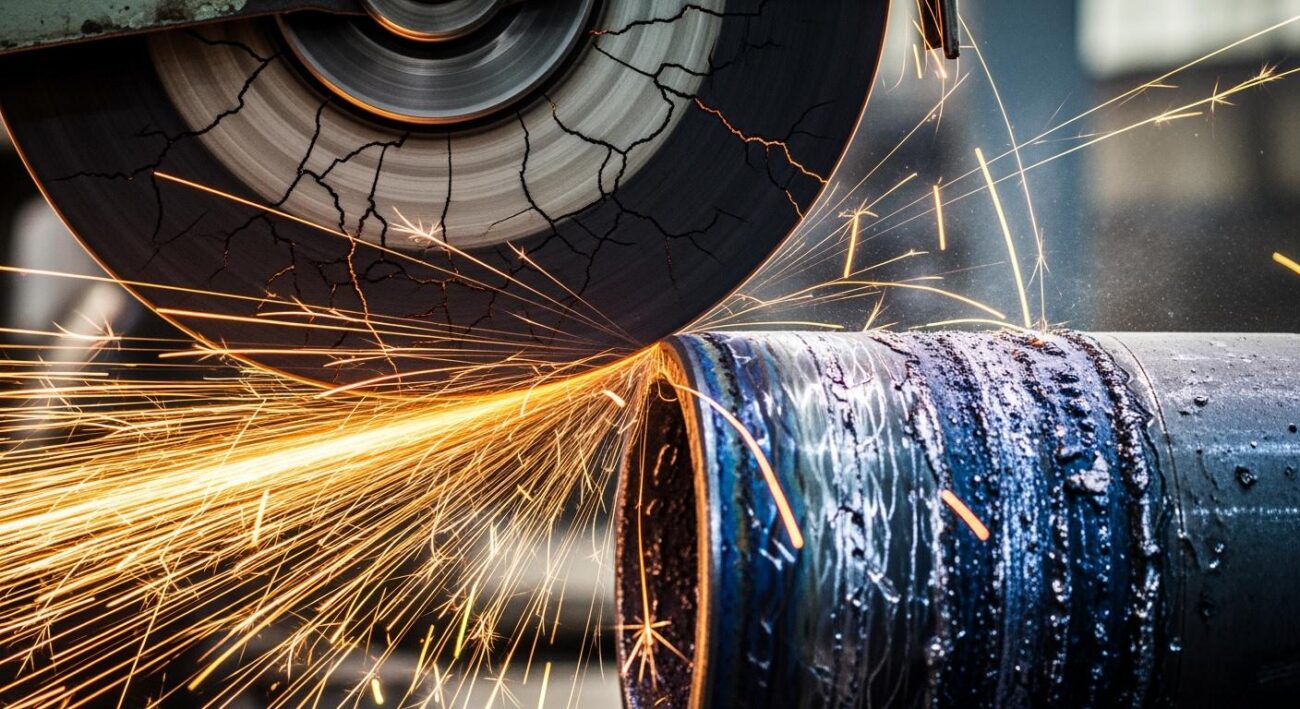
You can spot clogging when grinding gummy metals by looking for certain signs. The grinding wheel may look shiny or glazed. You might notice that the wheel stops cutting well. The surface of your workpiece can become rough or uneven. You may also hear a change in the grinding sound. If you see sparks decrease or disappear, this is another clue. These signs mean you need to clean or dress your abrasive wheel. Regular checks help you keep your grinding process smooth and efficient.
Prevent Gummy Clogs with the Right Abrasives
Abrasive Types for Soft Metals
When you grind soft, gummy metals, you need to pick the right abrasive. Some abrasive types work better than others for these tricky materials. You want to avoid clogging and keep your grinding process smooth. Here are some abrasive options that help you handle gummy metals:
- Aluminum oxide with an open-coat design and a stearate coating
- Silicon carbide
- Blends of aluminum oxide and silicon carbide
- Zirconia
- Ceramic
You can also use a grinding aid like calcium stearate wax. This helps reduce loading on the abrasive. When you use these abrasive types, you keep gummy metal from sticking to your wheel or disc. The right abrasive makes grinding easier and helps you get a better finish.
Grit Size and Structure
Grit size matters when you grind gummy metals. If you start with a finer grit, you lower the heat and avoid discoloration on aluminum. Finer grit also helps you remove scratches and gives your workpiece a smooth finish. You should also look at the structure of your abrasive. An open structure, like Structure 8-14, means the grains are spaced farther apart. This design helps prevent clogging when you grind gummy materials such as aluminum and copper.
“Silicon carbide wheels are meant for nonferrous materials. We grind aluminum all day long at work, and have no problems with wheel loading.”
Abrasive hardness and friability also play a role. If your abrasive is too hard, it can clog quickly on gummy metals. High friability means the abrasive breaks easily and shows fresh cutting edges, which helps keep your grinding efficient.
Open-Coat vs Closed-Coat
You need to know the difference between open-coat and closed-coat abrasives. Open-coat abrasives have gaps between the grains. This design lets gummy metal particles escape, so you get less clogging. Closed-coat abrasives pack the grains tightly together. This makes them more likely to clog when you grind soft, gummy metals.
Here is a table to show the difference:
| Abrasive Type | Clogging Resistance |
|---|---|
| Open-Coat | Highly resistant |
| Closed-Coat | More prone |
If you choose open-coat abrasives, you will see better results when grinding gummy metals. You keep your abrasive cleaner and your grinding process stays smooth.
Grinding Techniques to Overcome Clogging
When you work with soft, gummy metals, you need the right grinding techniques to overcome clogging. These methods help you keep your grinding process smooth and your results consistent. You can use simple changes in speed, pressure, and cooling to make a big difference.
Speed and Feed Adjustments
You can control clogging by adjusting your grinding speed and feed rate. If you use a slower speed, you reduce heat and keep gummy metals from sticking to your wheel. A slower feed rate also helps you avoid pushing too much metal into the abrasive at once. This keeps the cutting action sharp and prevents the wheel from loading up.
- Use a moderate grinding speed to keep the temperature low.
- Apply a steady, even feed rate to avoid sudden pressure on the abrasive.
- Try using grinding aids like calcium stearate wax. These products help you remove metal more easily and keep the abrasive surface clean.
- Supersize layers on coated abrasives add lubrication and cooling. These layers stop aluminum chips from sticking to the cutting grains and help you overcome clogging.
Tip: Always let the abrasive do the work. If you push too hard or move too fast, you risk clogging the wheel and damaging your workpiece.
Coolant and Airflow Use
Coolant plays a key role in grinding gummy metals. You need to keep the grinding area cool and lubricated to overcome clogging. Oil-based fluids work well because they provide extra lubrication for soft, gummy metals. These fluids help you reduce built-up edges and improve your surface finish.
- Use oil-based coolants for better lubrication and less friction.
- Grinding fluids help prevent material from sticking to your cutting tools.
- Coolant stops smearing and surface defects on gummy metals.
- Good airflow removes chips and keeps the grinding area clean.
Note: Proper coolant flow extends tool life and helps you achieve a smoother finish when grinding gummy metals.
Light Pressure and Passes
You should always use light pressure when grinding soft, gummy metals. Heavy pressure causes the metal to gum up the abrasive and makes it harder to overcome clogging. Let the abrasive do the cutting. If you use too much force, you risk clogging the wheel and getting a poor finish.
- Use gentle, even pressure during grinding.
- Make several light passes instead of one heavy pass.
- High ductility in gummy metals like aluminum means they can clog the wheel if you press too hard.
- Allow the abrasive to cut, not smear, the metal.
Remember: Light pressure and multiple passes help you keep the grinding wheel clean and effective.
By following these grinding techniques, you can overcome clogging and get better results when working with soft, gummy metals. Adjust your speed, use the right coolant, and apply light pressure to keep your grinding process efficient and your cutting tools in top shape.
Aimgrind Solutions: CBN Grinding Wheels for Soft Metals
Why Choose Aimgrind CBN Wheels
You want to prevent gummy clogs when grinding soft metals. Aimgrind gives you a strong advantage with CBN grinding wheels. These wheels use Cubic Boron Nitride, which is very hard and stable. You get a wheel that stays sharp and cool during cutting. This helps you avoid gummy buildup and keeps your grinding process smooth.
Aimgrind has nearly twenty years of experience. You can trust their team to help you pick the right wheel for your needs. They design each wheel to match your equipment and your process. You get a solution that fits your exact application. This level of customization helps you prevent gummy clogs and improve your results.
Matching CBN Wheels to Your Application
You need to match the right CBN wheel to your specific soft metal. The choice of grain type, hardness, and bond affects your grinding performance. You can see better results when you select the right wheel for your job.
- Grain type controls the cutting action and helps you manage gummy metals.
- Grit size changes the finish quality and the speed of cutting.
- Wheel concentration affects how aggressive the grinding feels.
- Bond hardness keeps the wheel strong during cutting and helps prevent gummy clogs.
Aimgrind offers many options. You can choose from different bond types, grit sizes, and wheel shapes. This means you always get a wheel that works best for your gummy metal and your cutting needs.
Benefits for Preventing Clogs
You want to keep your grinding wheel clean and effective. Aimgrind CBN wheels help you prevent gummy clogs in several ways:
| Feature | How It Helps Prevent Gummy Clogs |
|---|---|
| High Hardness | Keeps the wheel sharp for cutting gummy metals |
| Thermal Stability | Reduces heat, so gummy metals do not stick |
| Custom Bond Formulas | Releases worn grains to expose new cutting edges |
| Open Structure Options | Lets gummy particles escape during grinding |
You get faster cutting, less heat, and a longer wheel life. You also see a better finish on your workpiece. Aimgrind’s CBN wheels help you prevent gummy clogs and keep your grinding process efficient.
Tip: When you use the right CBN wheel, you spend less time cleaning and more time cutting. This means higher productivity and better results for your shop.
Maintenance to Prevent Gummy Clogs
Wheel Dressing and Cleaning
You need to keep your grinding wheels clean to avoid gummy clogs. Gummy metals like aluminum and copper stick to the wheel and block the cutting action. You can spot loading by looking for dark metallic smudges on the wheel face. Listen for changes in the grinding sound. These signs tell you that gummy metal has built up. You should dress the wheel often. Dressing removes the gummy layer and exposes fresh cutting edges. Cleaning the wheel with a wire brush or special cleaning stick helps you keep the wheel sharp. You must select the right wheel type and bond hardness to prevent loading. Make sure the diamond layer matches the projection of the carbide tip. This stops soft steel chips from welding onto the wheel surface.
- Choose the correct grinding wheel and bond hardness.
- Dress the wheel regularly to remove gummy buildup.
- Clean the wheel with a wire brush or cleaning stick.
- Check for metallic smudges and changes in sound.
Tip: Regular dressing and cleaning keep your grinding wheel ready for cutting gummy metals.
Monitoring and Replacement
You need to monitor your grinding wheels for signs of wear and gummy clogs. If you see the wheel losing its cutting ability, you should replace it. CBN wheels need less maintenance because they are durable. Conventional wheels require frequent dressing due to their friable nature. You must check the wheel face for gummy buildup and replace the wheel if cleaning does not restore cutting performance.
| Wheel Type | Maintenance Requirement |
|---|---|
| CBN Wheels | Low maintenance needs due to durability |
| Conventional Wheels | Frequent dressing required due to friable nature |
Note: Monitoring your wheels helps you avoid downtime and keeps your grinding process efficient.
Troubleshooting Persistent Clogs
You may face persistent gummy clogs even after cleaning and dressing. You should check your grinding technique. Use light pressure and make several passes. Adjust the speed and feed rate to reduce heat. Apply coolant to keep the grinding area cool. If gummy metal still clogs the wheel, try a different abrasive or wheel structure. Open-coat wheels let gummy particles escape. You can also use grinding aids to reduce sticking. If problems continue, contact Aimgrind for customized solutions. Aimgrind experts help you match the right wheel to your cutting needs.
Callout: Troubleshooting helps you solve gummy clog issues and keeps your grinding process smooth.
You can overcome clogging in grinding soft, gummy metals by choosing the right abrasive, using proper grinding techniques, and maintaining your tools.
- Select open-coat abrasives and CBN wheels for cleaner grinding.
- Adjust speed, pressure, and use coolant to keep your process efficient.
- Dress and clean your wheels regularly.
Aimgrind offers customized grinding solutions that help you achieve smooth results and boost productivity. Visit Aimgrind to find the best tools for your needs.
FAQ
What causes grinding wheels to clog when working with soft metals?
Soft metals like aluminum and copper tend to smear and stick to the abrasive. This buildup blocks the cutting edges. You see less effective grinding and a shiny, glazed wheel surface.
How can you prevent clogging during grinding?
You can use open-coat abrasives, apply light pressure, and keep the grinding area cool with proper coolant. Dressing the wheel often also helps. These steps keep the wheel clean and effective.
Why should you choose Aimgrind CBN wheels for soft metals?
Aimgrind CBN wheels stay sharp and cool. You get less heat and fewer clogs. The wheels last longer and give you a smoother finish. You can also get custom options for your specific needs.
How often should you dress or clean your grinding wheel?
You should dress or clean your wheel whenever you notice reduced cutting or see metal buildup. Regular maintenance keeps your grinding process smooth and extends wheel life.
Contact Us
For More Grinding Solution or Customized Abrasive Tools