
Sudden Drop in Grinding Wheel Life? How to Diagnose and Solve the Problem

Experiencing a sudden drop in grinding wheel life? Diagnose and solve the problem by checking for aggressive parameters, poor dressing, or inadequate coolant.
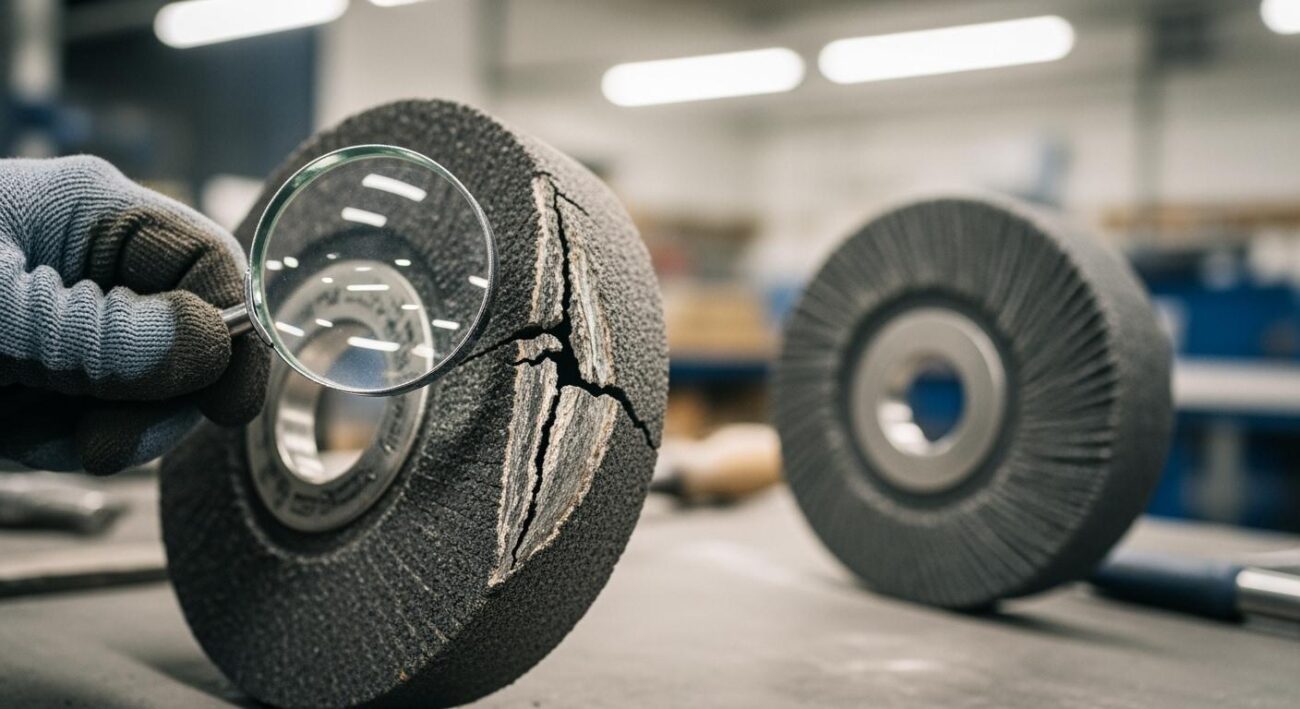
Experiencing a sudden drop in grinding wheel life? Diagnose and solve the problem by checking for aggressive parameters, poor dressing, or inadequate coolant.
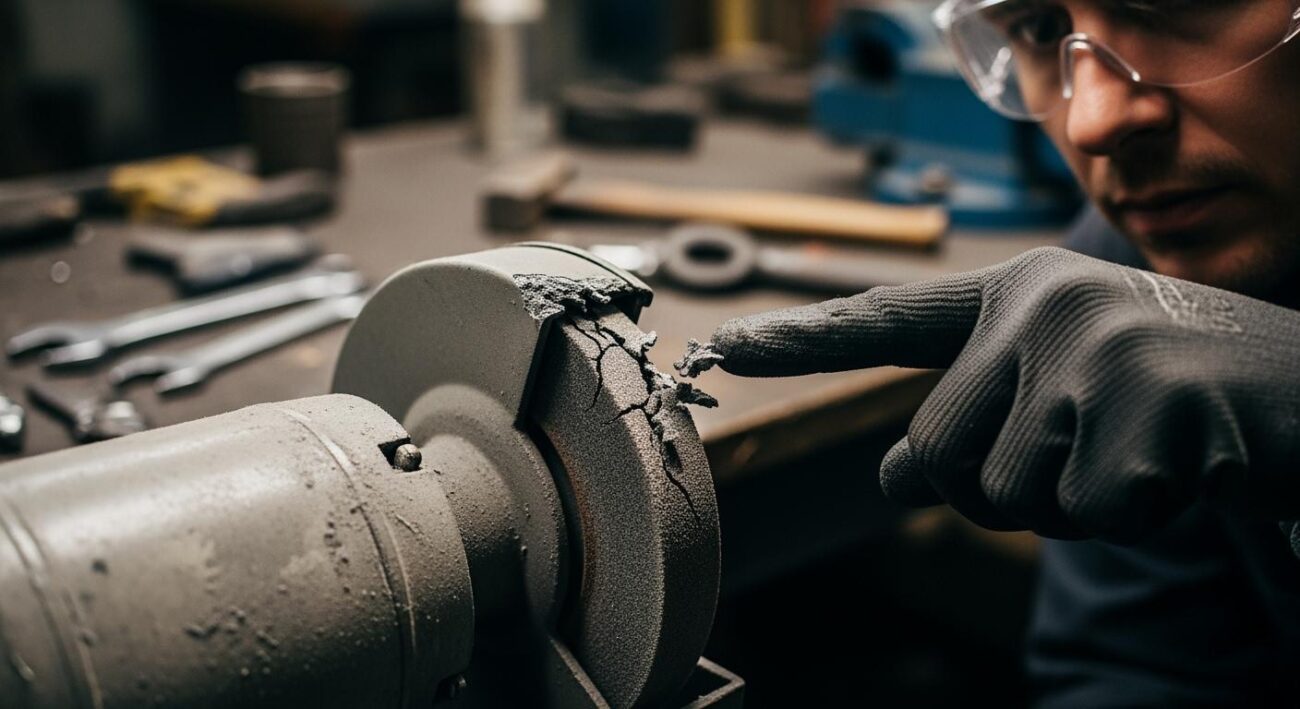
Grinding wheel edge breakdown is caused by excessive pressure, incorrect wheel selection, or machine issues like vibration. This guide helps you fix it.
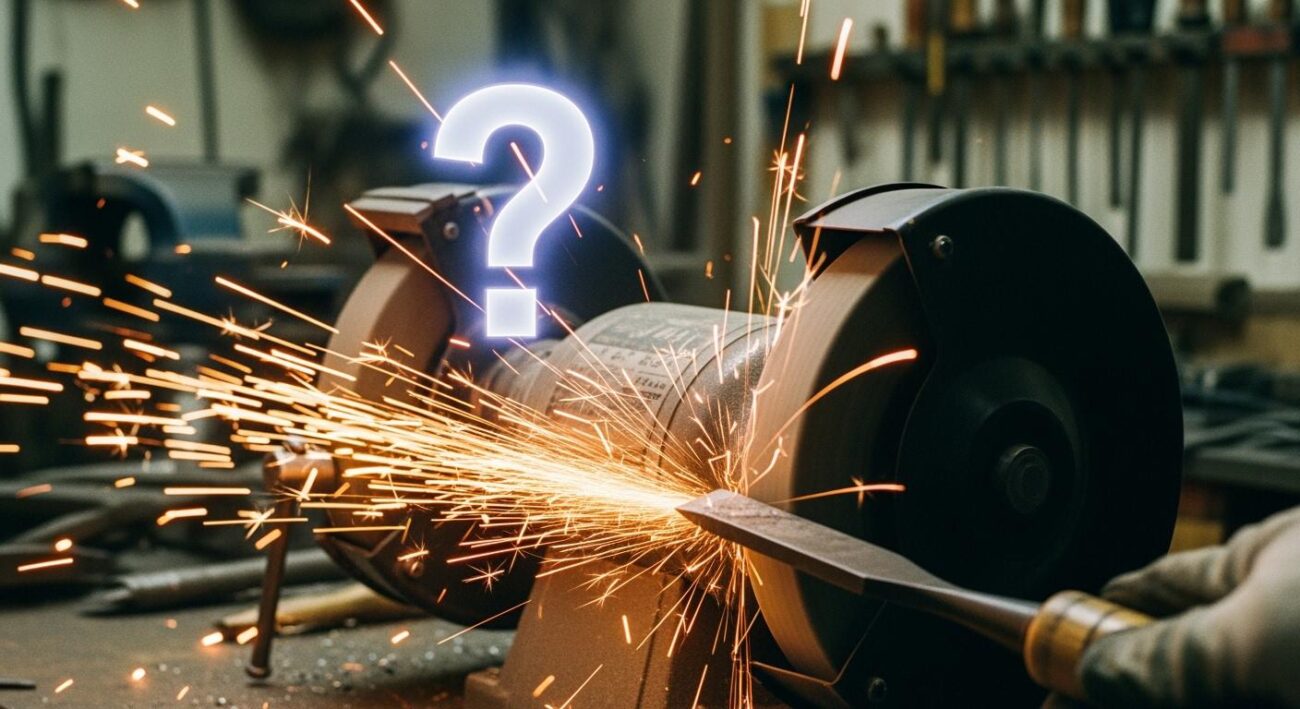
Is your grinding wheel making strange noises? A ringing sound can mean a cracked wheel, while rattling often points to loose parts or failing bearings. This guide diagnoses common grinding wheel noises and provides step-by-step solutions to fix them safely.
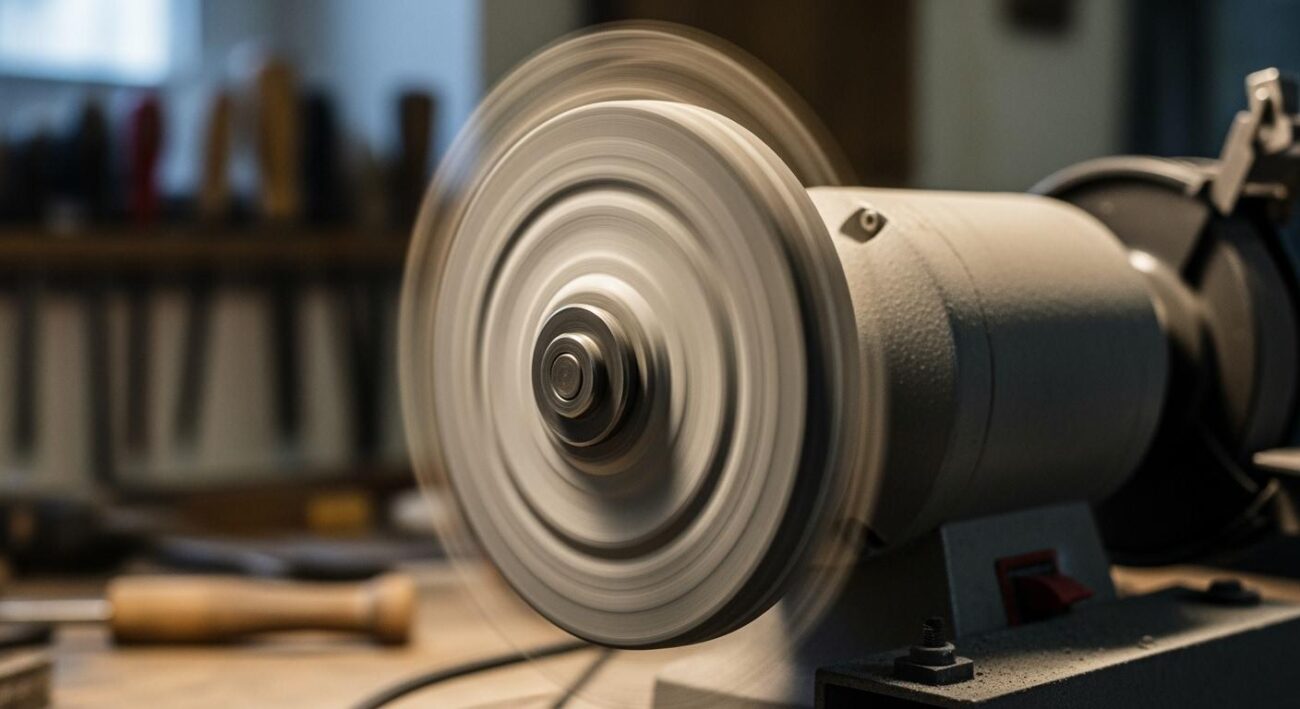
Is your new grinding wheel vibrating? This is often caused by improper mounting, wheel imbalance, or hidden damage. Fix it by verifying the mount and doing a ring test.
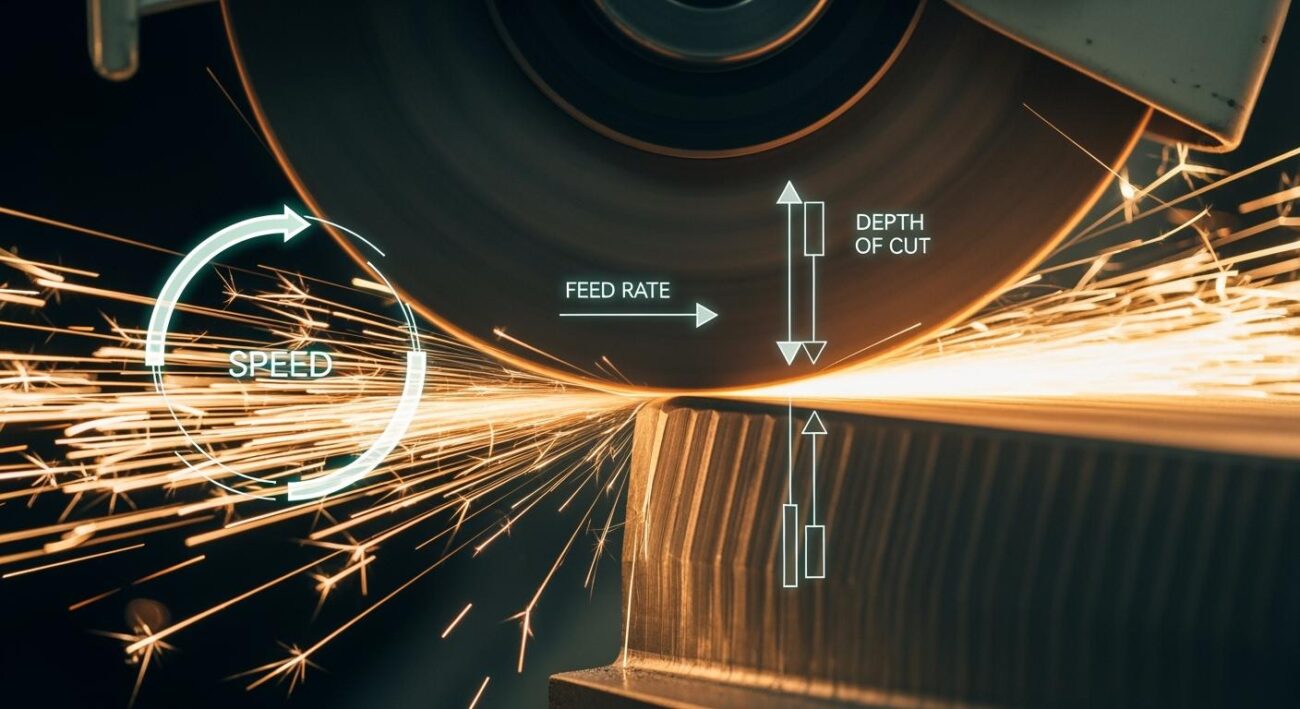
Achieve superior results by optimizing speed, feed, and depth of cut. This guide details how to balance these key parameters for faster material removal and a better finish.
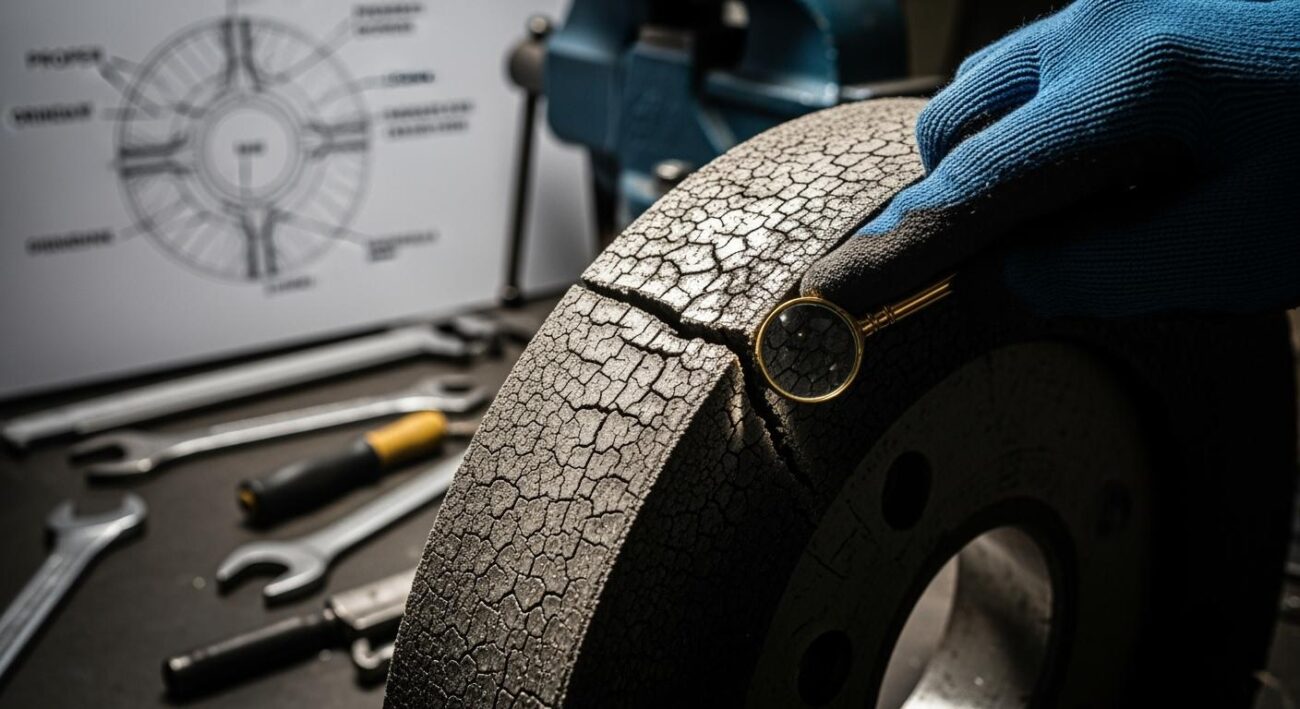
Fix wheel glazing, burn, and vibration with this troubleshooting guide. Get clear steps to diagnose and solve common grinding wheel performance issues for better results.
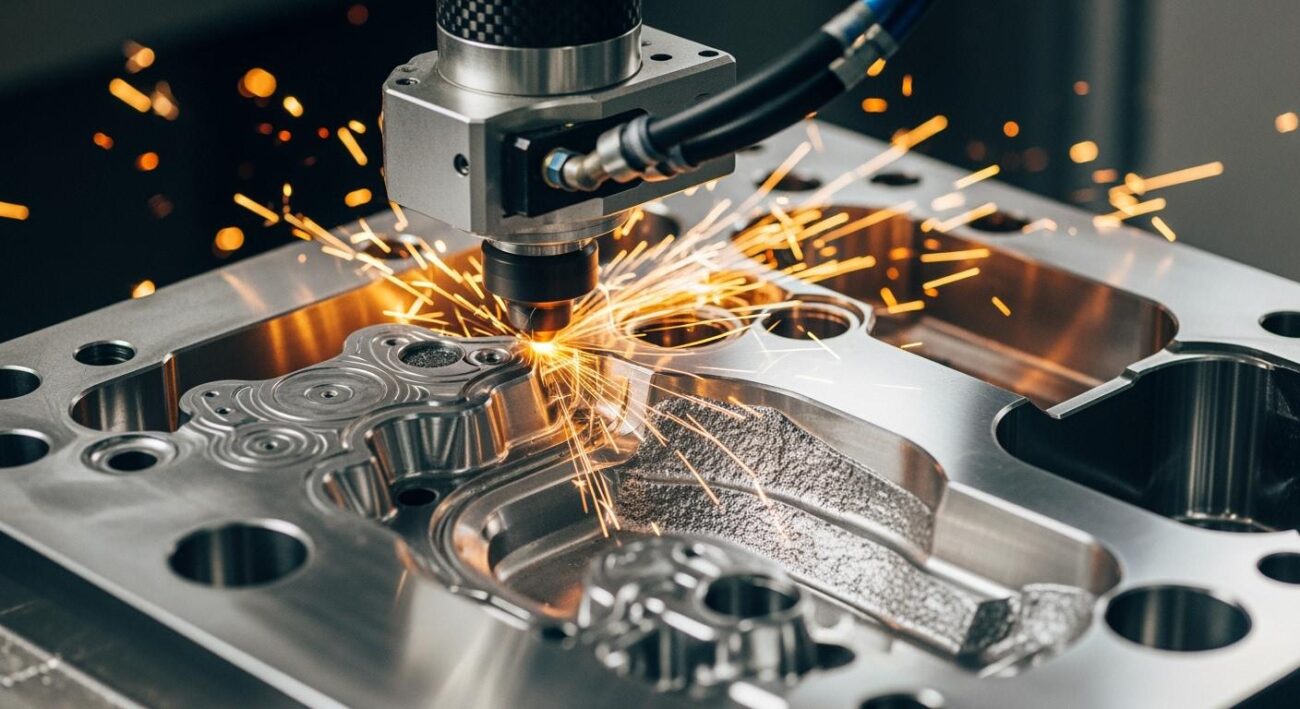
Achieve a flawless finish on complex dies with effective grinding and polishing strategies. Use a multi-stage process with the right tools and quality control.
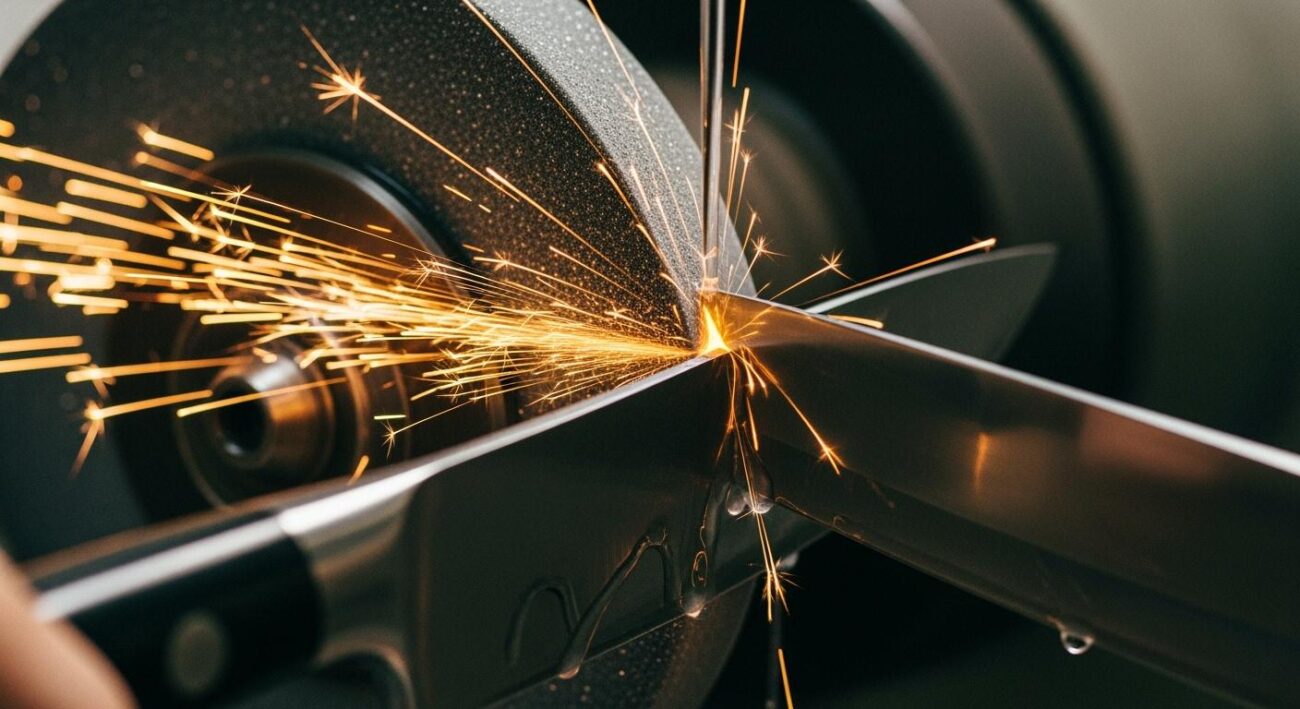
A CBN wheel is your best option for hardened steels due to its chemical inertness with iron and superior thermal stability, preventing wear and ensuring precision.

A soft grinding wheel is used for hard materials because its bond releases dull grains, creating a self-sharpening effect that prevents heat damage and glazing.
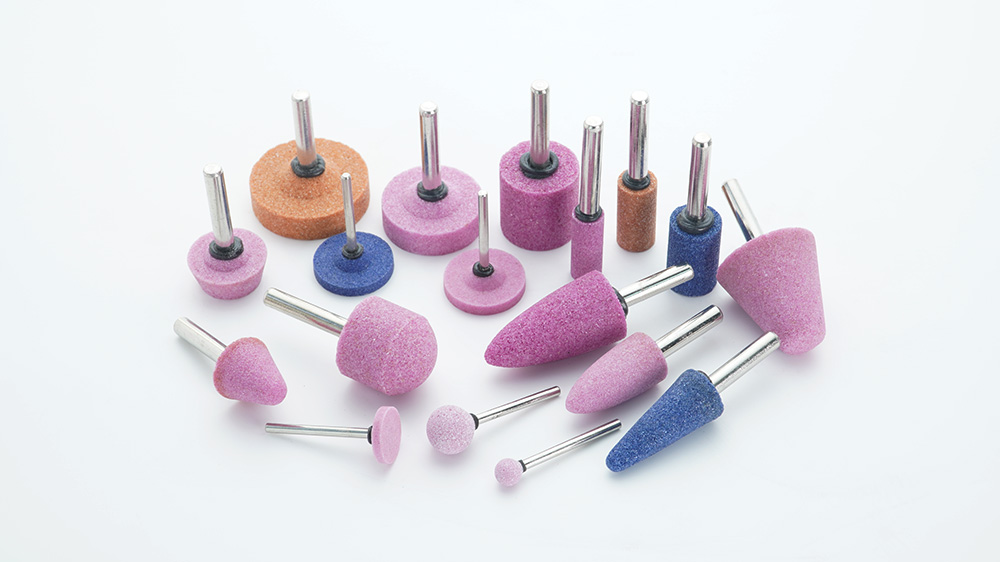
Is your mounted grinding wheel wearing out too fast? This is often caused by excessive pressure, incorrect speed, or a mismatch between the wheel and material.
No account yet?
Create an Account