
What Reason Causes Grinding Wheels Wear Out Too Fast?

Grinding wheels wear out too fast from an incorrect wheel choice, poor machine setup, or aggressive parameters like excessive feed rates and cutting depth.
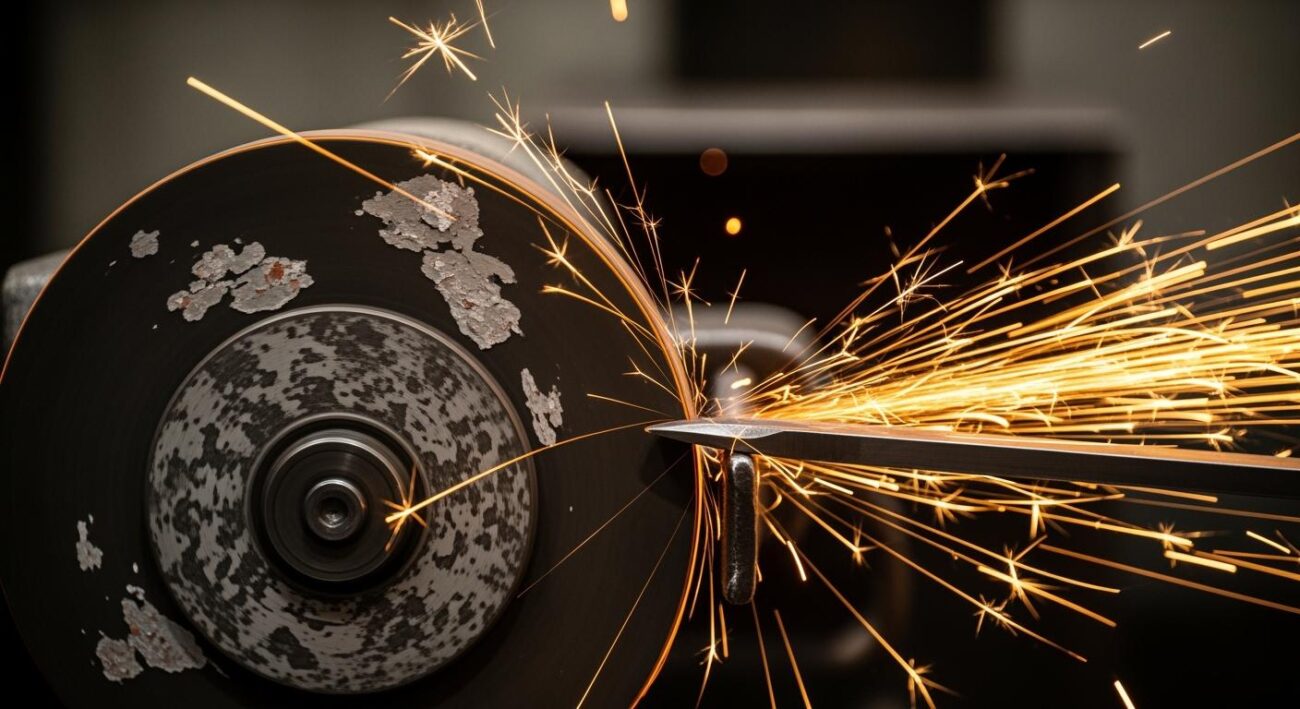
Grinding wheels wear out too fast from an incorrect wheel choice, poor machine setup, or aggressive parameters like excessive feed rates and cutting depth.
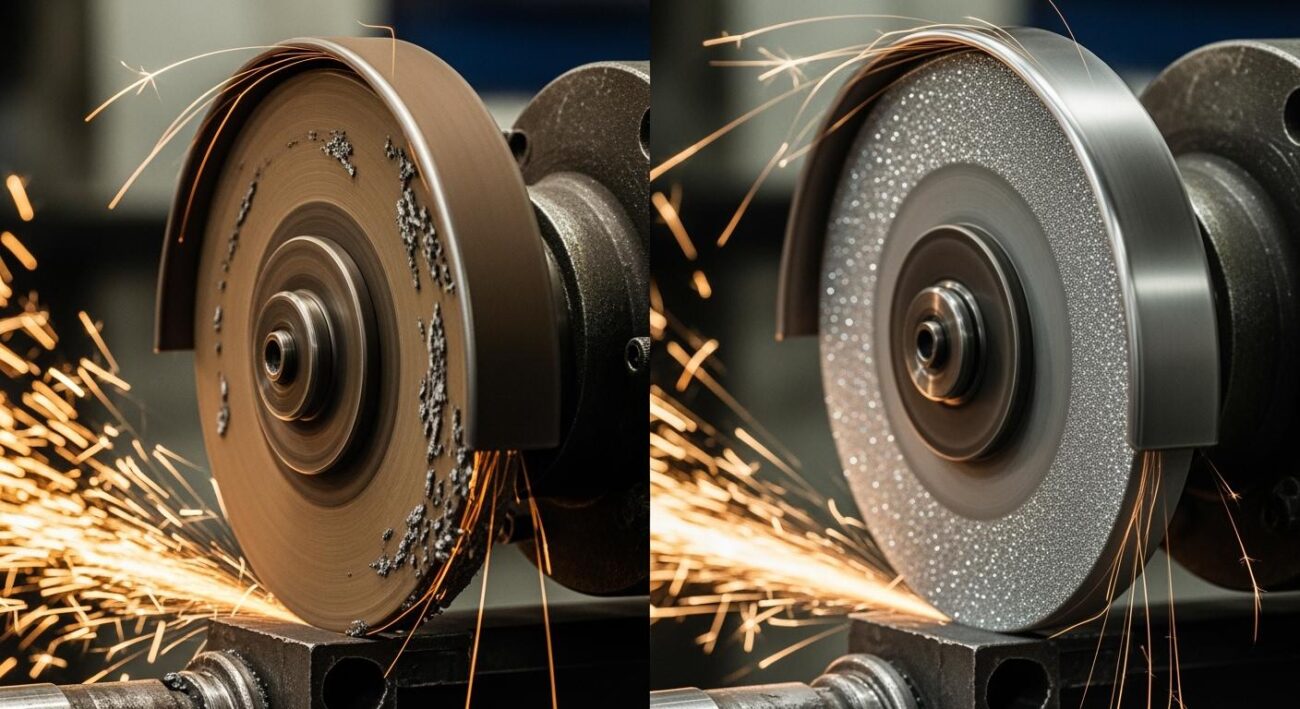
Switch to superabrasive grinding wheels for hard materials like steel or carbide, high-volume production, and tight tolerances to lower your total cost-per-part.

Find the best cost-performance ratio for grinding wheels by looking past price. True value depends on wheel life, cut rate, and the material you’re grinding.
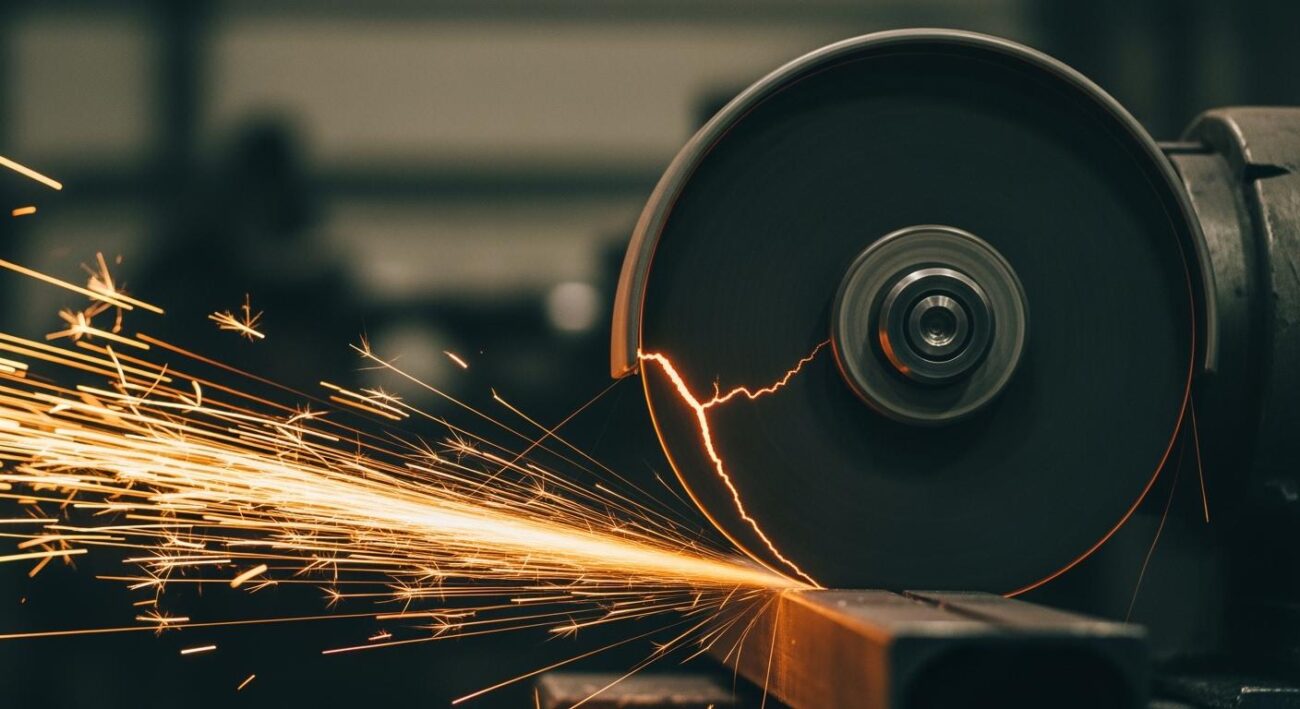
Prevent grinding wheel failure in high-heat jobs by selecting the right CBN wheel, controlling speeds, ensuring proper coolant flow, and performing regular maintenance.
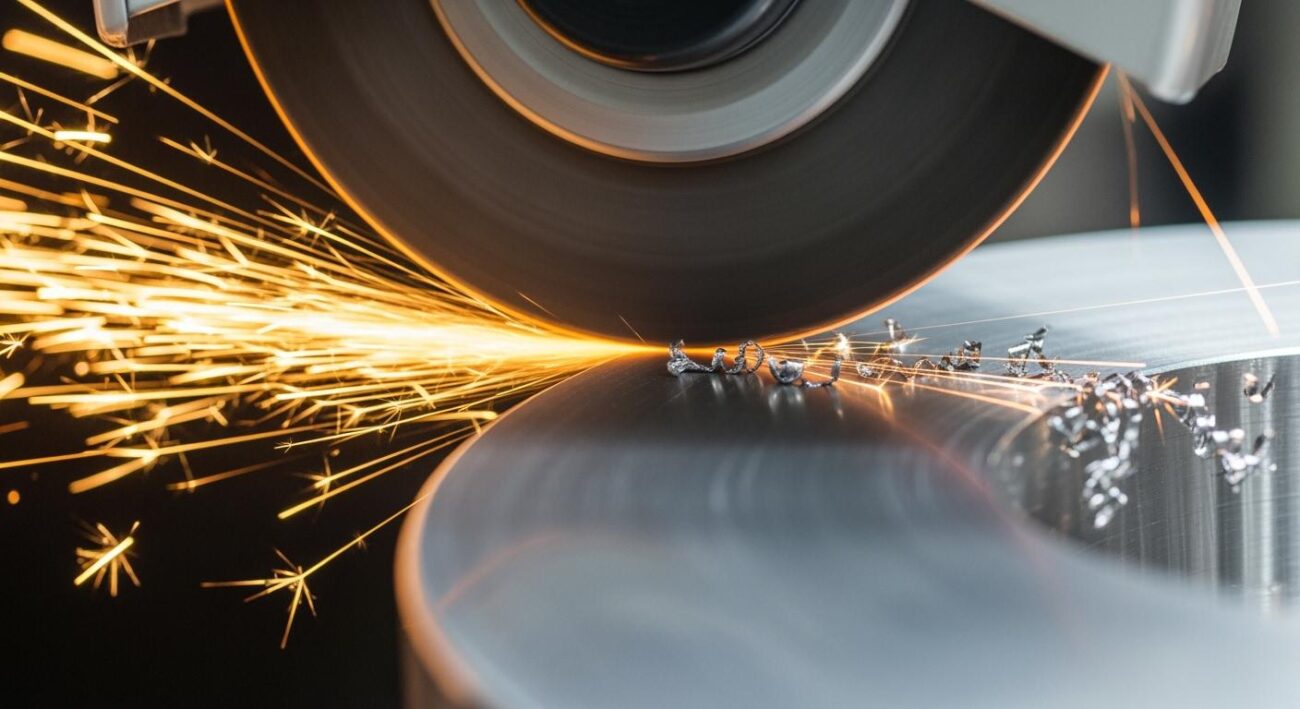
Prevent chip adhesion by using a porous, self-sharpening wheel and high-pressure coolant. Adjusting to a lighter cut and faster work speed ensures clean chip removal.
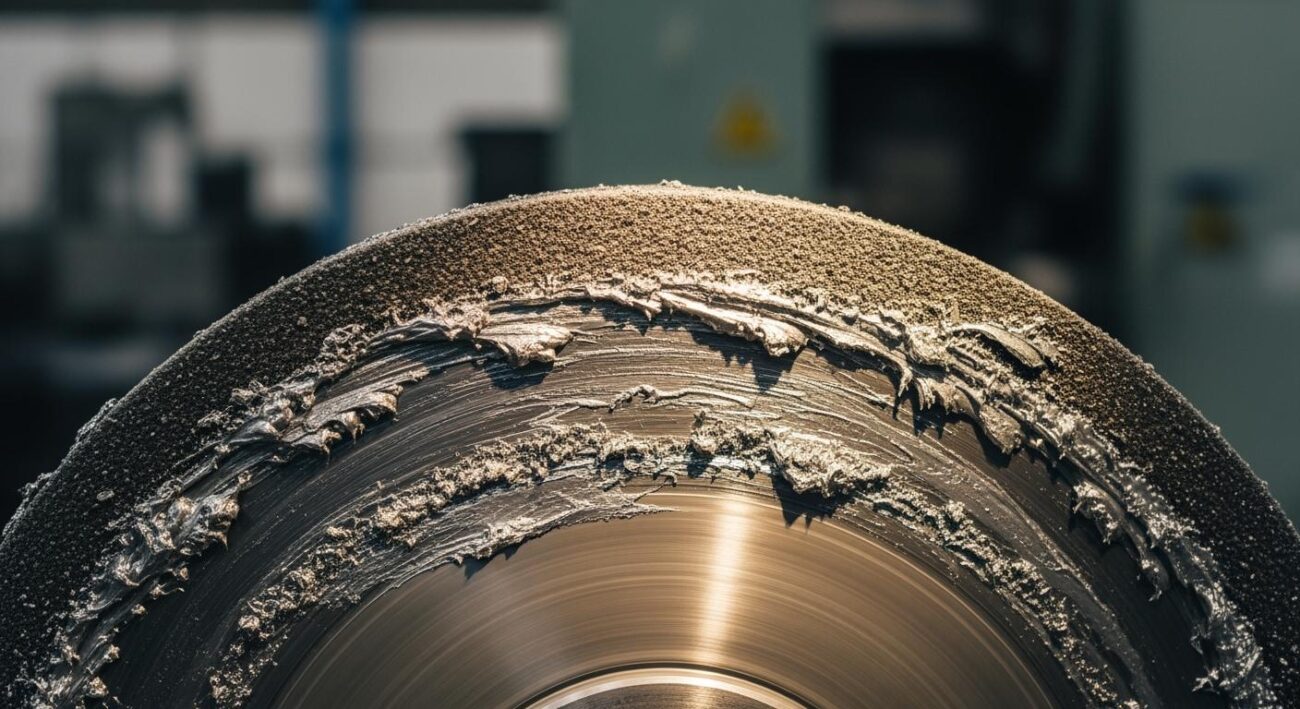
Prevent grinding wheel loading by using a coarse, soft, open-structure wheel. Optimize your process with slower wheel speeds, faster feed rates, and a high-lubricity coolant.
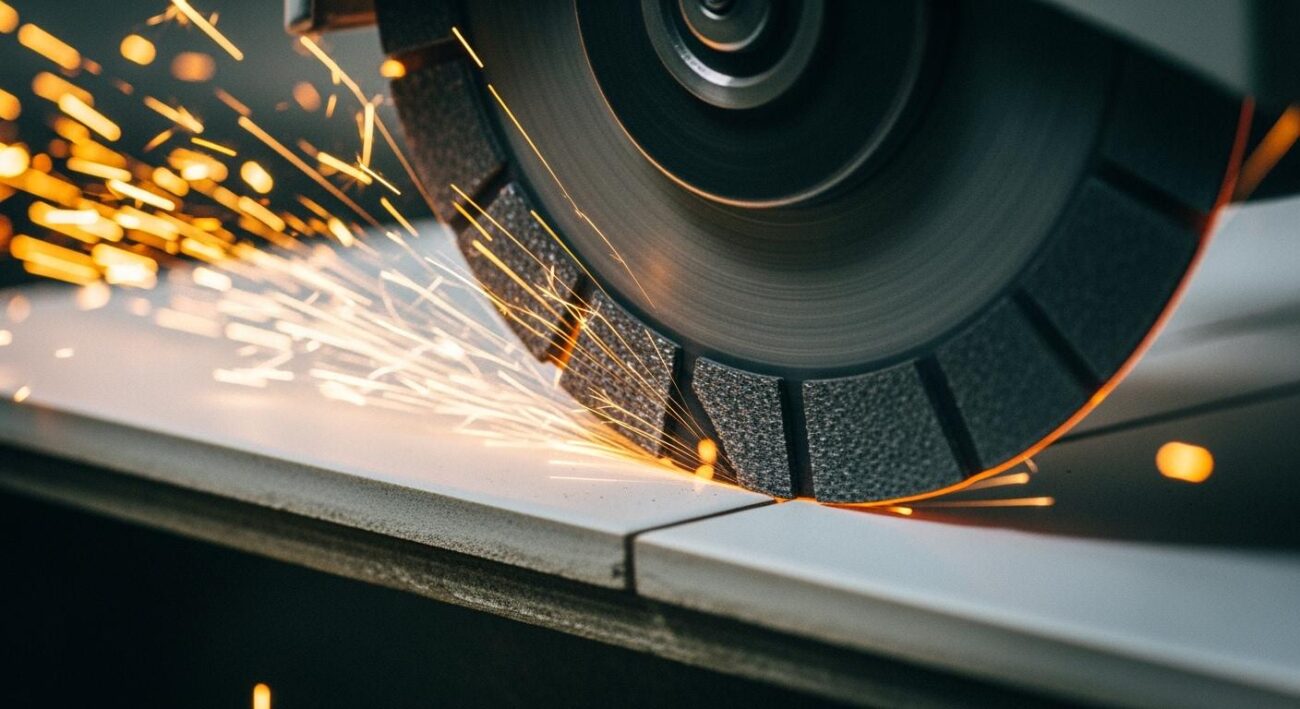
Select a grinding wheel for brittle materials by using a fine grit, a soft grade, and a silicon carbide or diamond abrasive to ensure a cool, low-pressure cut.
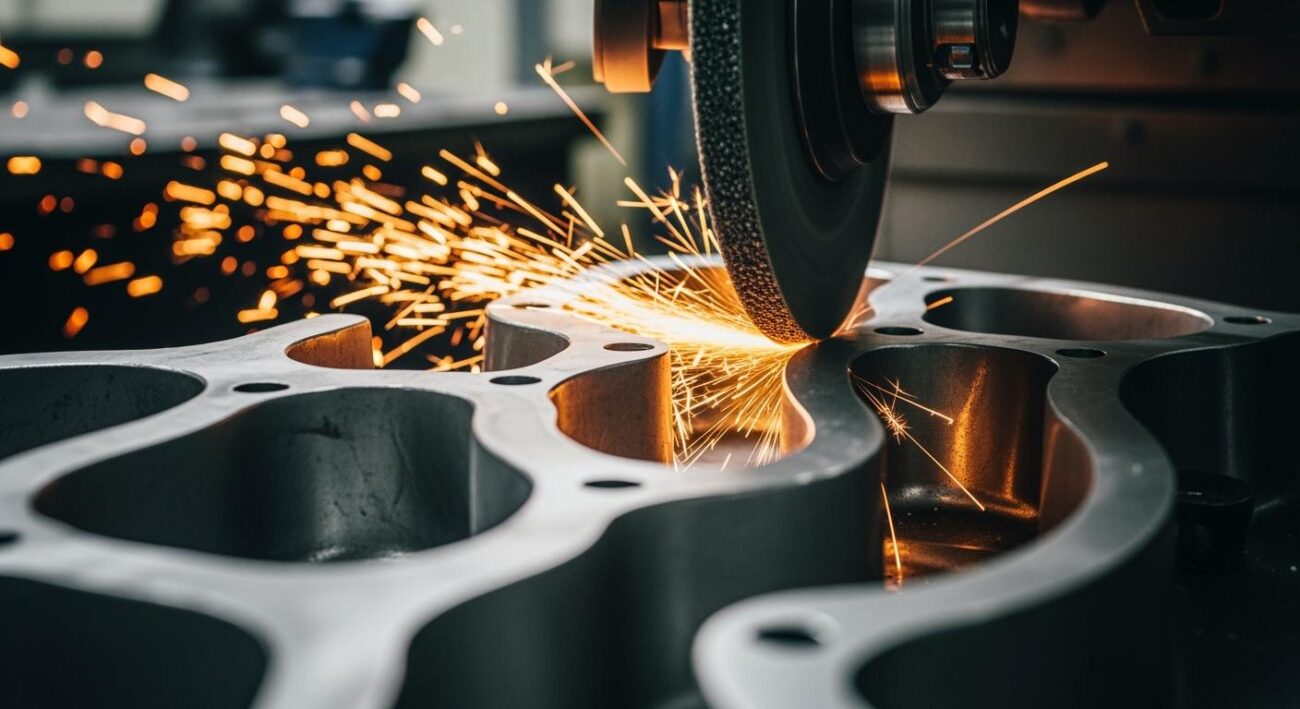
Select the right grinding wheel for complex contour grinding by matching the abrasive, bond, and grit size to your material, precision needs, and process parameters.
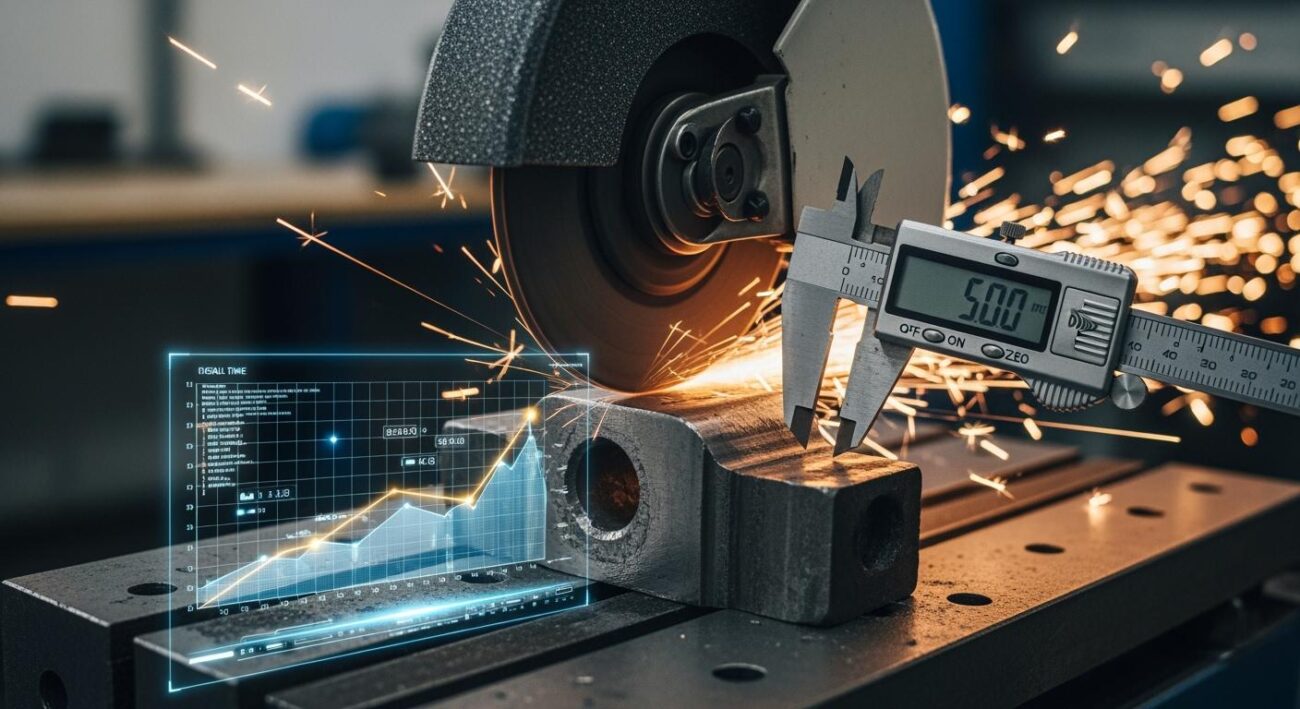
Assess new grinding wheel performance with simple quality checks. Use visual inspections, the ring test for cracks, and a trial grind to ensure safety and efficiency.
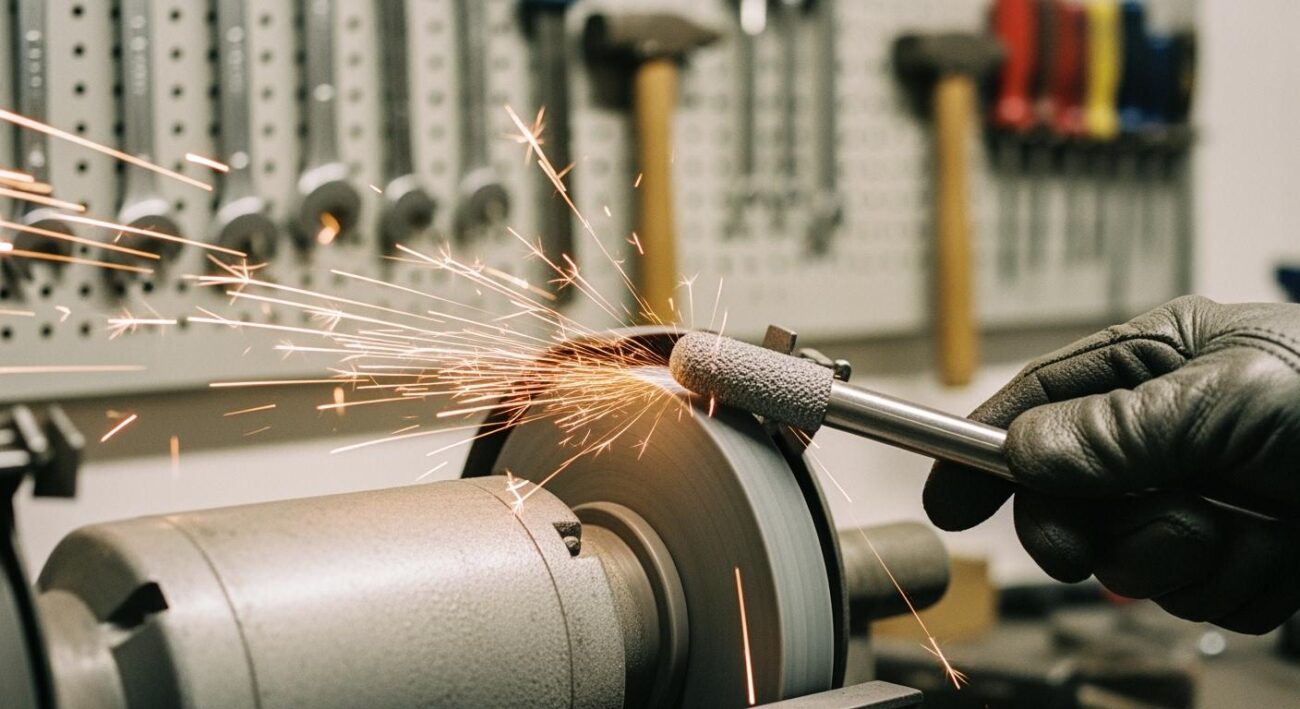
Proper dry grinding maintenance keeps your wheel efficient and durable. Follow key steps like daily inspection, ring tests, and correct dressing to prevent damage.
No account yet?
Create an Account