
How to Choose Your First Diamond Blade for Marble & Granite?

Choose your first diamond blade for marble and granite by matching blade type, bond, and size to your material and tool for clean, safe, and efficient cuts.

Choose your first diamond blade for marble and granite by matching blade type, bond, and size to your material and tool for clean, safe, and efficient cuts.
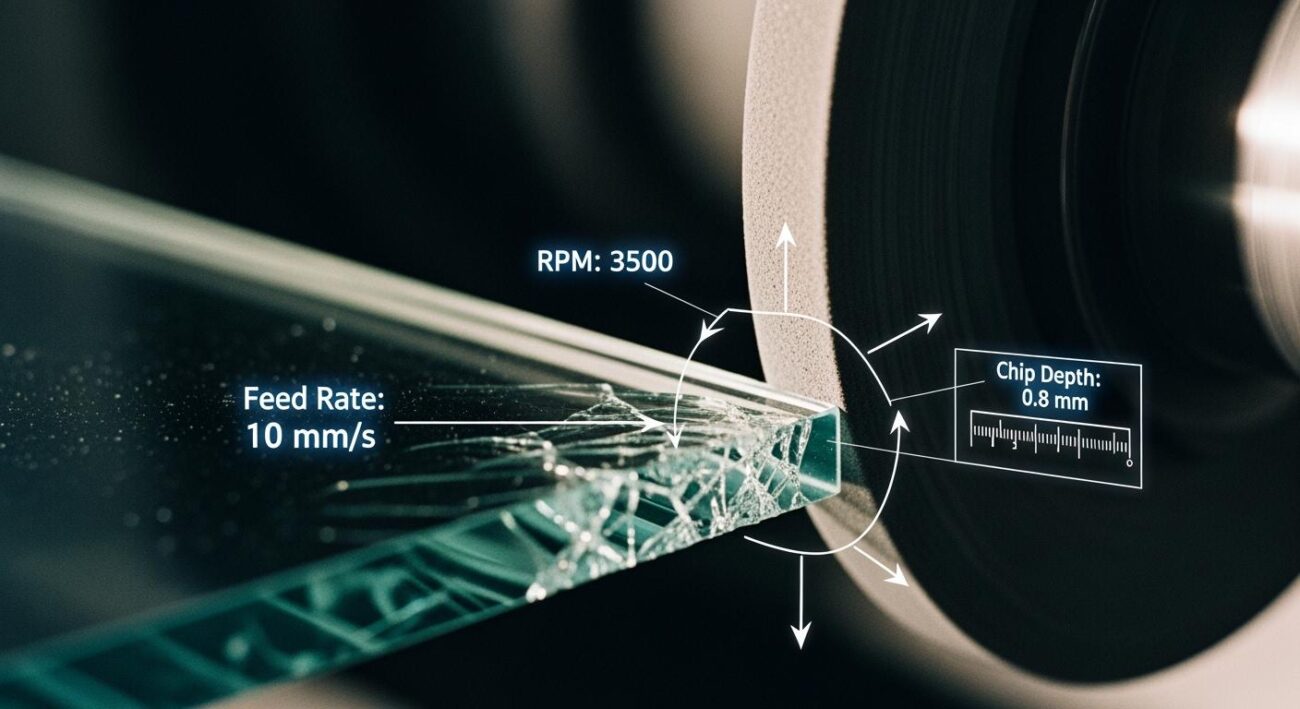
Glass edge chipping is influenced by grinding speed, feed rate, and wheel type. Adjusting these parameters reduces defects and improves glass quality.
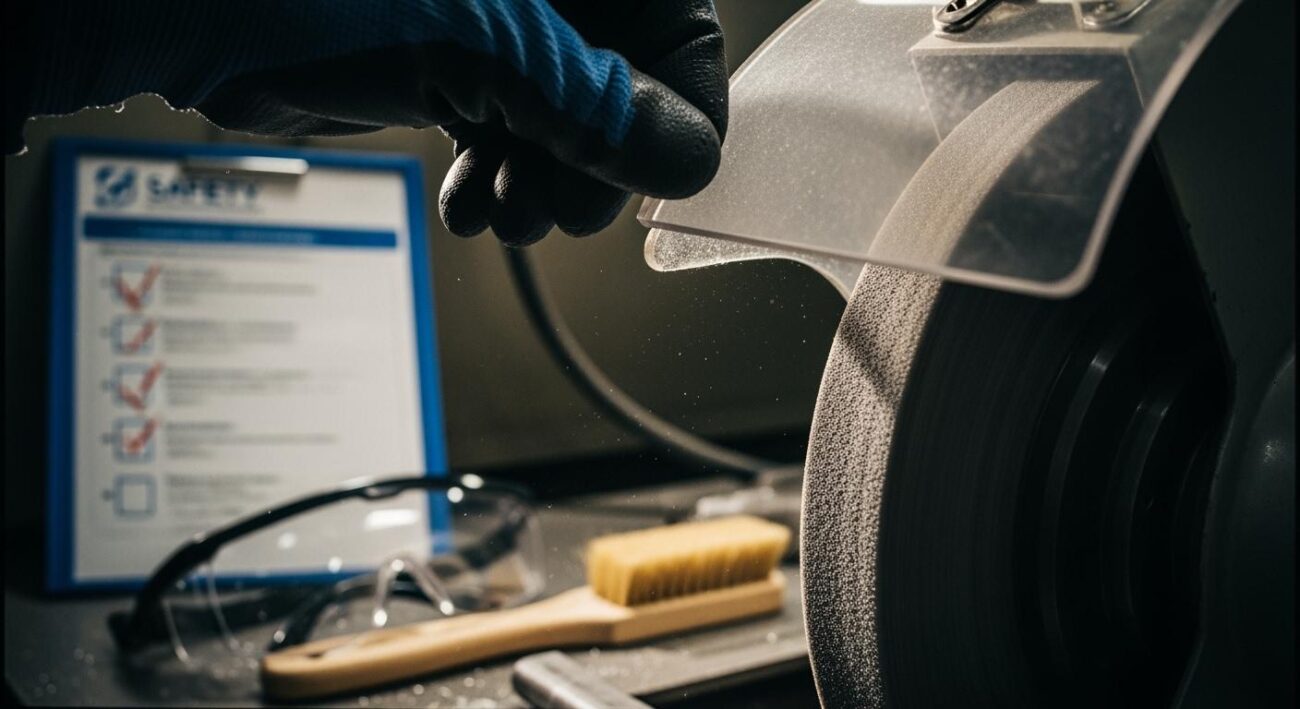
Standard Operating Procedure steps for preventing grinding wheel edge chipping, including inspection, mounting, coolant use, and maintenance for safety.

Refractory Bricks grinding and cutting strategies for high-hardness ceramics ensure clean results, reduced tool wear, and minimized material damage.
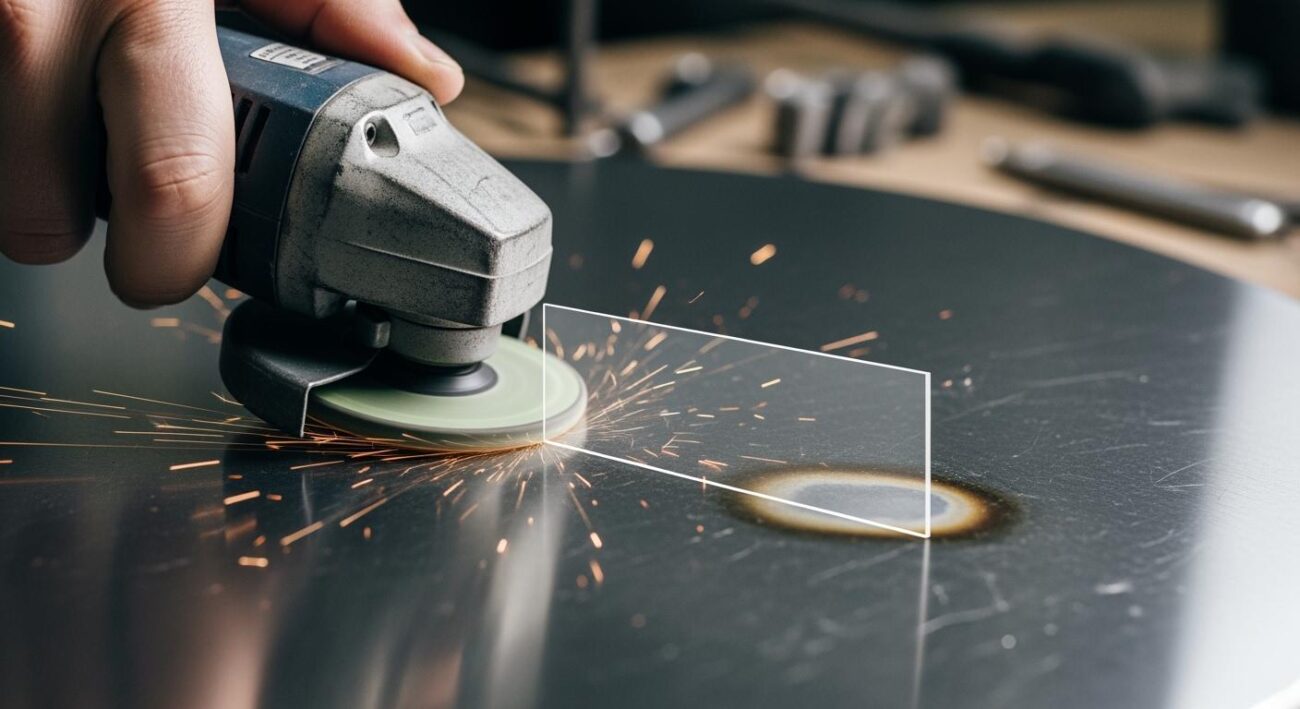
Prevent discoloration in stainless steel grinding by controlling heat, using proper abrasives, and following best practices for a flawless, lasting finish.
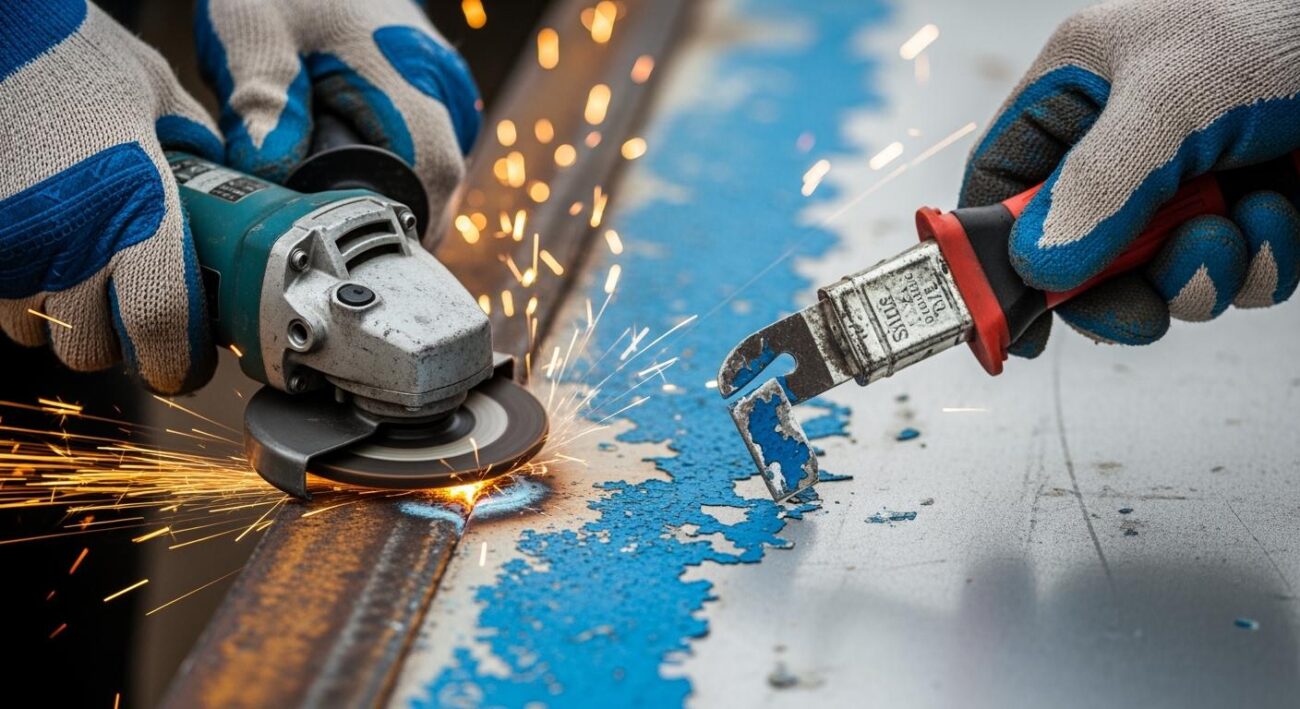
Efficiently grind welds and remove paint without damaging base metal using the right abrasives, grit, and technique for a smooth, professional finish.

Grinding sounds and spark patterns reveal grinding wheel condition and feed pressure, helping you ensure safe, efficient grinding and prevent wheel damage.
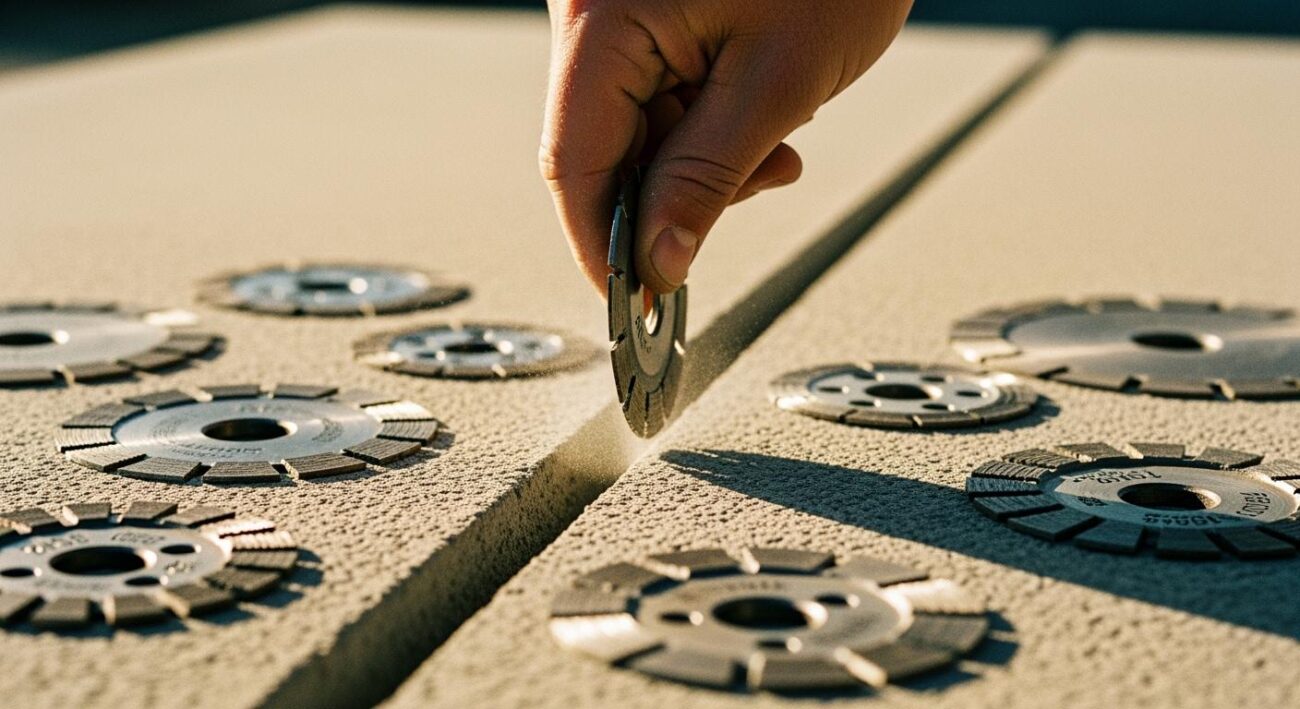
Choose diamond blades for high-strength concrete by matching blade type, bond, and saw compatibility for efficient, safe cutting and longer blade life.

Judge the safety status of a grinding wheel with visual checks, ring test, and compliance steps to ensure safe operation and prevent accidents every time.

Optimize the Grinding Triad by balancing speed, feed, and depth of cut for superior surface quality and performance in precision grinding operations.
No account yet?
Create an Account