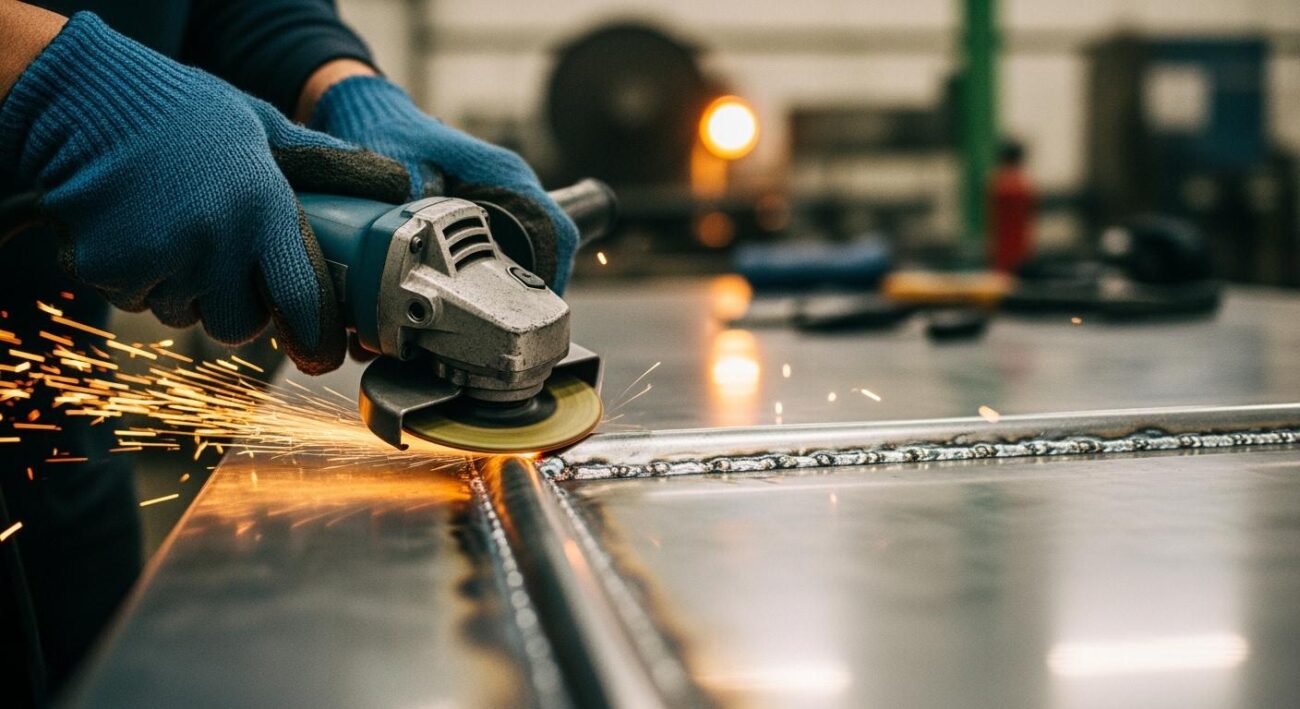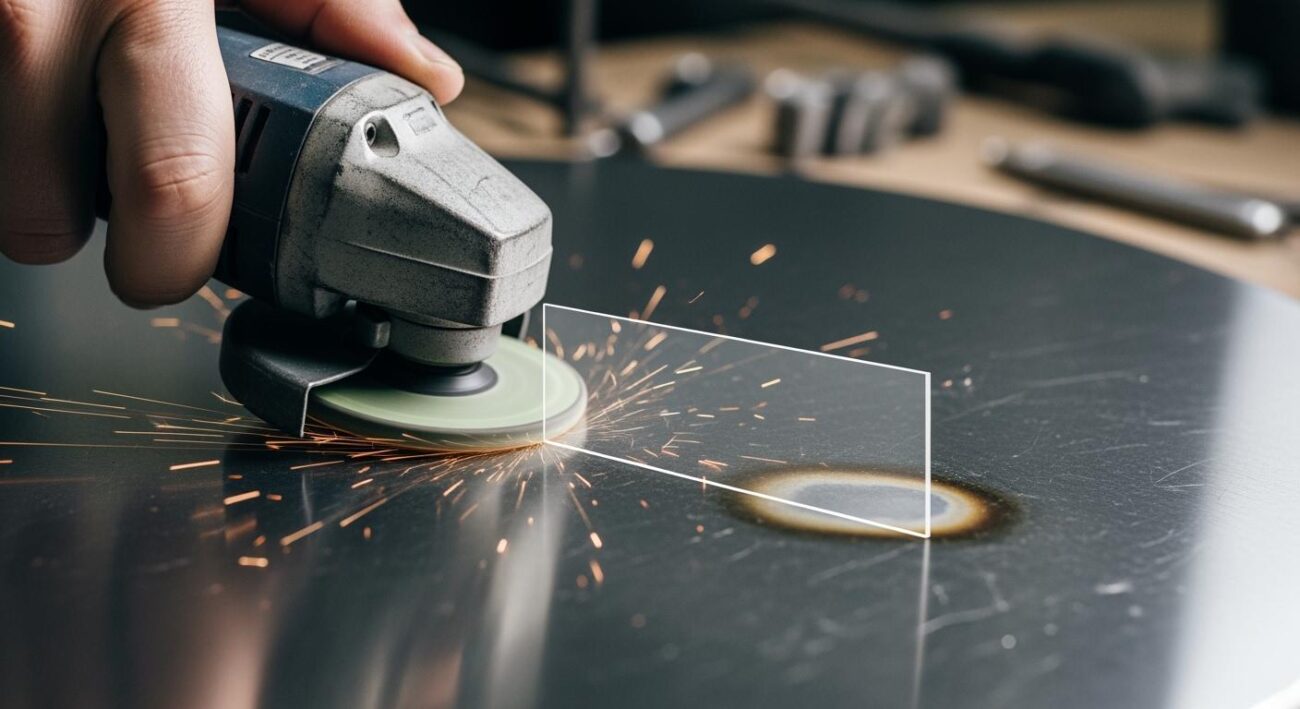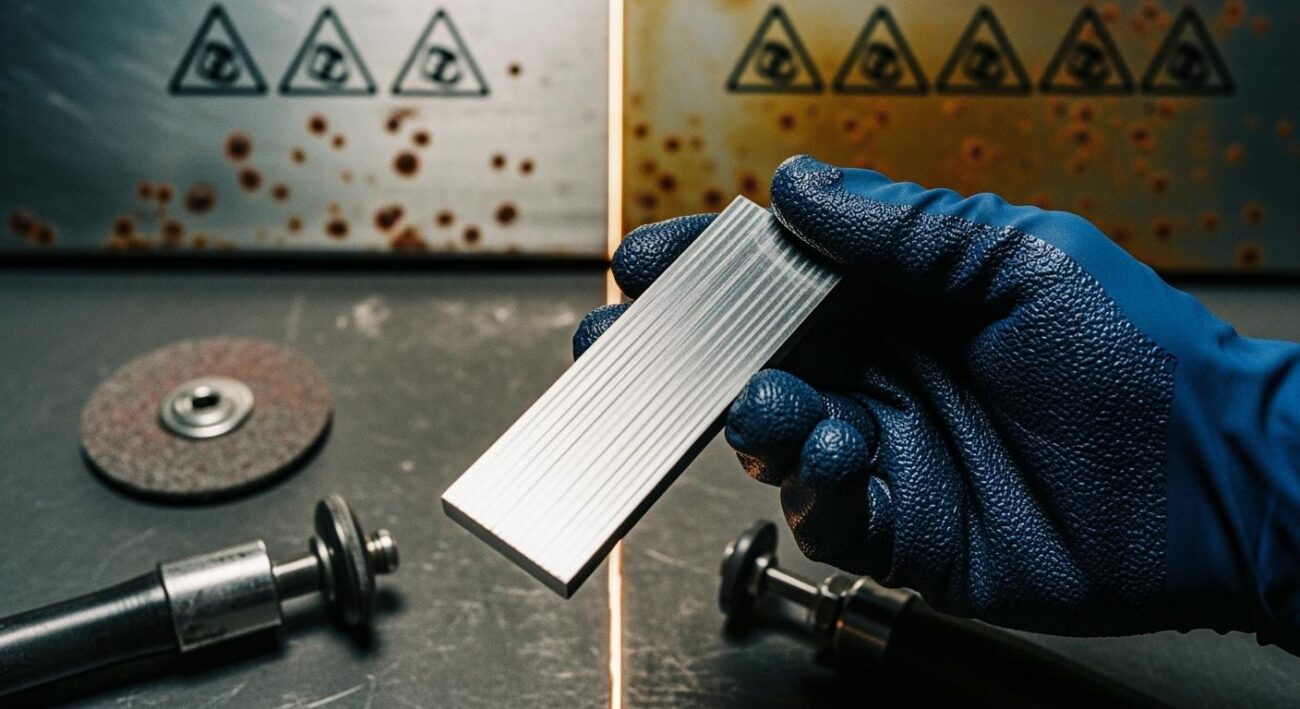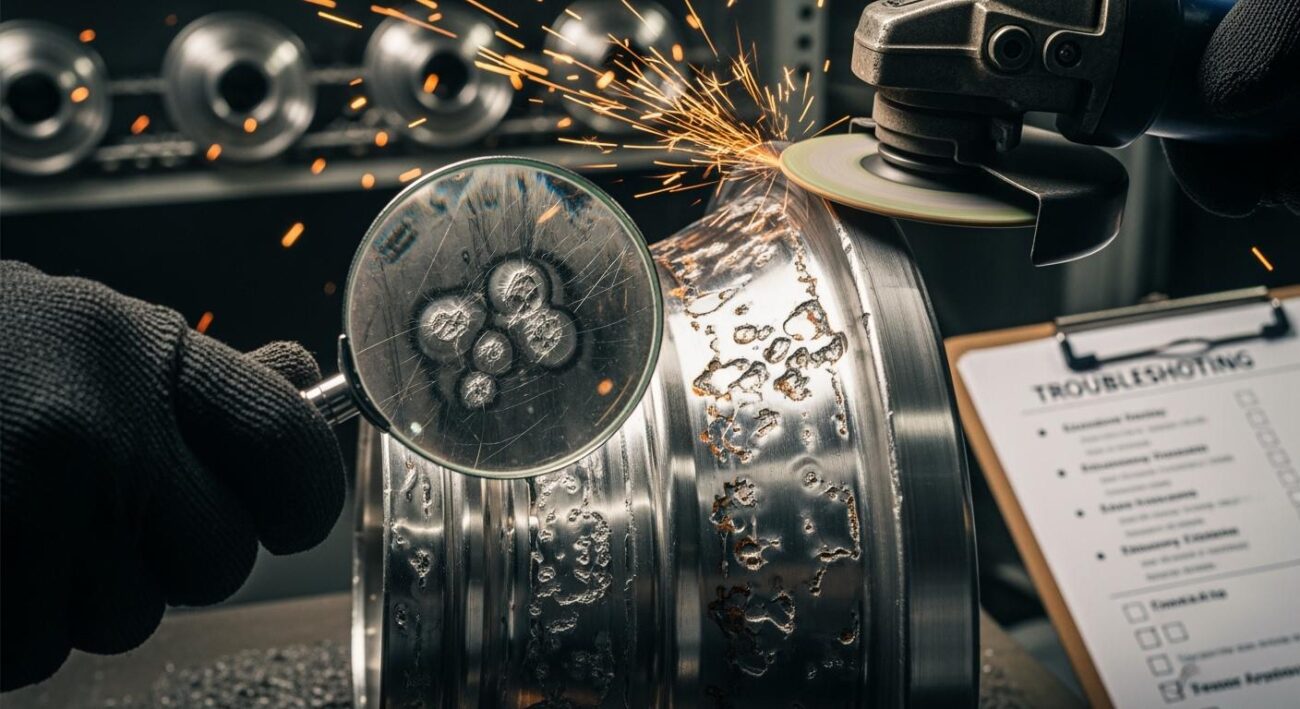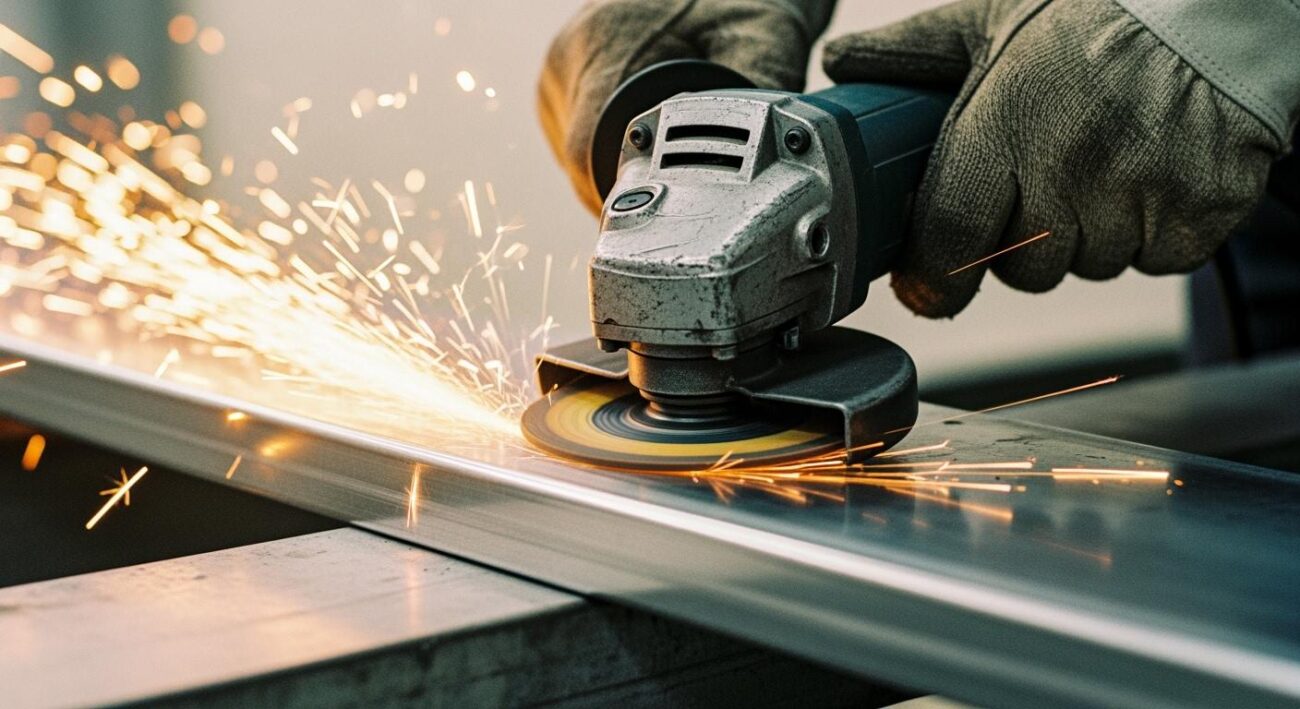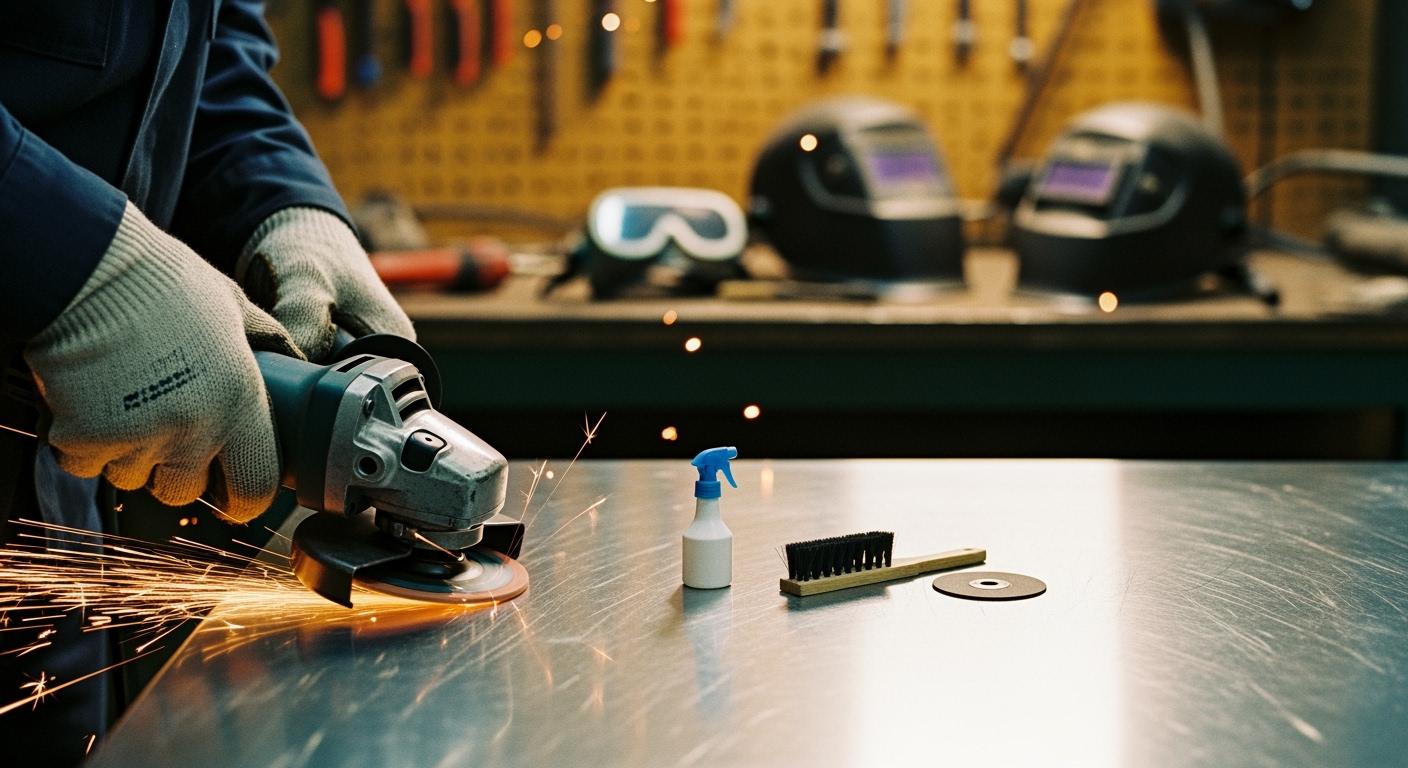
You can avoid material adhesion during stainless steel grinding by using the right abrasives, controlling heat, keeping your workspace clean, and maintaining your equipment. Always choose abrasives designed for stainless steel to prevent contamination from iron, chlorine, or sulfur. Use dedicated tools for the grinding process and avoid using general-purpose abrasives that may leave iron residue. Clean your grinding area often to keep steel dust away. Aimgrind provides expert solutions and custom grinding wheels to help you achieve the best results in every grinding process.
Key Takeaways
- Choose abrasives specifically designed for stainless steel to prevent contamination and achieve a clean surface.
- Maintain a clean workspace and dedicated tools to avoid cross-contamination and protect the stainless steel surface.
- Control heat during grinding by using coolants and applying light pressure to prevent material adhesion.
- Regularly inspect and clean your grinding tools to ensure they remain effective and avoid damaging the stainless steel.
- Seek expert advice from Aimgrind for customized solutions and support in achieving the best grinding results.
Choose the Right Abrasives for Grinding Stainless Steel
Aimgrind Super Hard Abrasives Advantages
You need to select the best grinding wheel for grinding stainless steel. Aimgrind super hard abrasives help you achieve a clean surface and prevent material adhesion. These abrasives use diamond and CBN grains, which are much harder than conventional materials. You get a grinding wheel that stays sharp longer and delivers consistent results. When you use Aimgrind super hard abrasives, you reduce downtime and improve finishing quality. The grinding wheel resists heat and pressure, so you avoid damaging the steel surface. You can use these abrasives for grinding, polishing, and finishing stainless steel parts. Aimgrind offers different bond types, so you match the grinding wheel to your process. You get a grinding wheel that works for metals, ceramics, and composites. Aimgrind helps you solve grinding stainless steel problems with custom solutions.
Tip: Super hard abrasives from Aimgrind give you a longer-lasting grinding wheel and a smoother surface finish. You spend less time replacing wheels and more time achieving perfect polishing and finishing.
Selecting Stainless-Rated Abrasives
You must choose abrasives designed for grinding stainless steel. Stainless-rated abrasives contain less than 0.1% iron, sulfur, and chlorine. These elements cause oxidation and ruin the surface. You avoid contamination and keep the steel clean. You need to look for grinding wheels labeled INOX or contaminant-free. These wheels protect the stainless surface and improve finishing. You should never use a grinding wheel that has touched carbon steel. This prevents ferrous material from sticking to the stainless steel. The right abrasive grain matters. Aluminum oxide, zirconia alumina, ceramic, and superabrasives like CBN and diamond work best for grinding stainless steel. These grains stay sharp and cut cleanly. You get a smooth surface and avoid adhesion.
Here is a comparison of abrasive types for grinding stainless steel:
| Abrasive Type | Properties | Effectiveness in Preventing Adhesion |
|---|---|---|
| Aluminum Oxide | Tough, preferred for long-chipping materials | Moderate |
| Zirconia Alumina | Self-sharpening, ideal for tough materials | High |
| Silicon Carbide | High hardness, suitable for short-chipping materials | Moderate |
| Ceramic Abrasives | Hard, tough, excellent for high stock removal, self-sharpening | Very High |
You get the best results with zirconia alumina and ceramic abrasives. These types maintain sharp cutting edges and remove material quickly. You avoid adhesion and achieve a better surface finish.
Note: Always check the grinding wheel label. If you see INOX or contaminant-free, you know the wheel is safe for grinding stainless steel.
Avoiding Cross-Contamination
You must keep your grinding wheels and tools dedicated to stainless steel. Cross-contamination happens when you use the same abrasive for carbon steel and stainless steel. This transfers iron dust and ruins the surface. You need to store stainless steel and carbon steel separately. You should use physical barriers between different types of steel during grinding. You must never use a grinding wheel that has been used on carbon steel for grinding stainless steel. This keeps the surface clean and prevents adhesion.
Here are best practices for avoiding contamination:
- Keep steel and iron dust away from grinding stainless steel parts.
- Use abrasives only for stainless steel grinding.
- Avoid steel brushes or carbon steel wool.
- Do not use steel blasting shot, grit, or tumbling media.
- Use only stainless steel tools for grinding and finishing.
You can see the risks of cross-contamination in this table:
| Do | Don’t |
|---|---|
| Back purge for sanitary tubing | Use carbon steel brushes or tools |
| Keep interpass temperatures modest | Touch up with carbon steel grinding dust |
| Wear clean gloves when handling prepped parts | Skip degreasing before welding |
| Use dedicated stainless wire brushes and flap wheels | Mix stainless and carbon steel tooling |
You protect the surface and improve finishing by following these steps. You keep your grinding wheel clean and avoid material adhesion. You get a better polishing result and a longer-lasting grinding wheel.
Tip: Always use dedicated grinding wheels and tools for stainless steel. You prevent contamination and achieve a perfect surface finish.
Prevent Contamination During Grinding
Proper Storage and Handling
You must store stainless steel away from carbon steel to prevent contamination. Always keep grinding wheels and abrasives in clean, dry areas. Cover stainless steel with plastic sheeting or wrapping before grinding. This step blocks iron filings from carbon steel. Use only products labeled for stainless steel. These products contain less than 0.1% iron, sulfur, and chlorine. You should receive proper training before starting any grinding process. Training helps you select the right tools and avoid mistakes that can damage stainless steel.
- Store stainless steel separately from other metals.
- Cover stainless steel surfaces during grinding.
- Use contaminant-free products for all grinding tasks.
- Train workers on proper grinding and handling procedures.
Dedicated Tools and Workspaces
You need to use dedicated tools for stainless steel grinding. Never use the same grinding wheel or brush on both carbon steel and stainless steel. This practice prevents cross-contamination. Set up a workspace just for stainless steel. Mark tools and equipment clearly so everyone knows their purpose. Always use equipment designed for stainless steel to avoid introducing free iron.
- Use separate grinding wheels for stainless steel.
- Mark all tools for stainless steel use only.
- Set up a dedicated area for stainless steel grinding.
- Avoid using steel brushes or tools that have touched carbon steel.
Clean Work Environment
A clean work environment protects the surface of stainless steel. Contaminants can break down the passive layer and cause corrosion. You should follow a regular cleaning schedule for your workspace and equipment. Identify any contaminants on the stainless steel surface. Choose the right cleaning method for each type of contaminant. Preventive cleaning keeps stainless steel strong and corrosion-resistant.
- Clean your grinding area daily.
- Inspect stainless steel surfaces for dust or debris.
- Remove any particles before and after grinding.
- Use only stainless steel tools for cleaning and finishing.
Tip: Regular cleaning and dedicated tools help you maintain the quality of stainless steel and prevent costly repairs.
Control Heat to Avoid Material Adhesion
Grinding Techniques and Pressure
You can control heat during grinding by using the right grinding wheel and applying proper grinding force. Stainless steel heats up quickly, which leads to clogging and material adhesion. You should use stainless-rated, iron-free abrasives. Choose a grinding wheel made from zirconia or ceramic grains. These abrasives resist heat and keep the surface cooler. Apply light, steady pressure when grinding stainless steel. Let the grinding wheel do the work. Avoid pushing too hard, as this increases grinding temperature and causes grinding wheel clogging. Use directional strokes or pull strokes for cosmetic finishing stainless steel. Keep dedicated tools for stainless steel grinding only. This prevents contamination and improves grinding surface quality.
- Use stainless-rated abrasives for grinding stainless steel.
- Apply light, steady grinding force.
- Grind intermittently to allow the surface to cool.
- Use directional strokes for finishing stainless steel.
- Keep tools dedicated to stainless steel grinding.
A zirconia disk with a grinding aid keeps stainless steel cooler. These self-sharpening abrasives cut faster under pressure and resist heat buildup. Maintain grinding wheel speed, but avoid excessive force. Let the grinding wheel work efficiently for polishing and finishing.
Use of Coolant and Lubricant
Coolants and lubricants play a big role in reducing grinding temperature and preventing clogging. When you grind stainless steel, use a coolant layer to protect the surface. Coolant reduces heat and improves grinding performance. Lubricant helps the grinding wheel glide smoothly over the steel surface. You get better finishing and polishing stainless steel parts.
Here is a table showing how cooling strategies improve grinding:
| Cooling Strategy | Surface Roughness Improvement | Power Consumption Reduction |
|---|---|---|
| MQL | 40% | 4.7% |
| MQL with Al2O3 | 44% | 8.6% |
| Dry Cutting | N/A | N/A |
You see that using MQL (Minimum Quantity Lubrication) and MQL with Al2O3 improves surface roughness and reduces power use. This means less heat, less clogging, and better finishing stainless steel.
Tip: Always use coolants and lubricants when grinding stainless steel. You protect the grinding wheel and achieve a smoother surface.
Intermittent Grinding Methods
Intermittent grinding helps you control grinding temperature and avoid material adhesion. You grind in short bursts, then let the surface cool. This prevents overheating and reduces clogging. When you grind stainless steel, pause often to check the surface. You can wipe away debris and inspect the grinding wheel. This keeps the grinding wheel sharp and improves polishing and finishing.
- Grind in short intervals.
- Allow the surface to cool between grinding sessions.
- Inspect the grinding wheel for clogging.
- Clean the grinding wheel and surface often.
You get a cleaner surface and better finishing stainless steel. Intermittent grinding protects the grinding wheel and keeps the steel strong.
Note: Intermittent grinding reduces grinding temperature and prevents grinding wheel clogging. You achieve high-quality polishing stainless steel and finishing.
Maintain and Replace Grinding Tools
Inspect and Clean Abrasives
You need to inspect your grinding wheel before every grinding session. Look for signs of wear, cracks, or glazing. A clean grinding wheel helps you avoid material adhesion on stainless steel. Regular wheel dressing restores the cutting ability and keeps the surface sharp. Use only iron-free abrasives to prevent contamination during grinding. Always check abrasive tools for damage or buildup. If you see metal particles in the wheel pores, dress the grinding wheel to remove them. After mechanical descaling, scrub the stainless steel surface with hot water and fiber brushes, then rinse with clean water. This routine keeps your grinding wheel effective for polishing and finishing stainless steel.
- Inspect abrasive tools for cracks or uneven wear.
- Dress the grinding wheel regularly to restore sharpness.
- Use clean, iron-free abrasives for grinding stainless steel.
- Clean the surface after grinding and before polishing.
Replace Worn Wheels
You must replace your grinding wheel when you see certain warning signs. A worn or damaged grinding wheel increases the risk of material adhesion on stainless steel. Look for these indicators:
| Indicator | What it means | Action |
|---|---|---|
| Glazed surface | Bond too hard or not enough pressure | Dress or switch grade |
| Uneven wear | Side loading or misaligned mount | Inspect and correct |
| Visible cracks | Mechanical or thermal damage | Replace immediately |
| Reduced cutting rate | Wheel worn past effective depth | Replace wheel |
| Vibration increase | Out-of-balance wheel | Stop and inspect |
Replace flap discs when they become worn. This step helps you maintain grinding efficiency and achieve a smooth surface on stainless steel. Never use a grinding wheel with visible cracks or excessive vibration. A fresh grinding wheel gives you better results in polishing and finishing stainless steel.
Optimize Grinding Parameters
You can reduce material adhesion by optimizing your grinding parameters. Adjust the speed, feed rate, and depth of cut to get the best surface finish on stainless steel. Proper coolant use keeps the grinding wheel and steel surface cool. This step prevents thermal damage and reduces the risk of material sticking to the grinding wheel. Always monitor your grinding process and make small changes to improve finishing and polishing results.
- Adjust grinding speed and feed rate for each stainless steel job.
- Use coolant to control heat during grinding.
- Check the surface after each grinding session for signs of adhesion.
- Change grinding parameters if you see poor finishing or polishing.
A regular maintenance schedule helps you avoid common problems in grinding stainless steel. The table below shows how maintenance can solve issues:
| Problem | Cause | Solution | Preventative Measure |
|---|---|---|---|
| Wheel Loading | Metal particles in wheel pores | Dress wheel to remove particles | Use coarser grit or softer grade wheel |
| Wheel Glazing | Smooth, shiny wheel surface | Dress wheel to restore surface | Use softer grade and proper dressing |
| Regular Inspection | Missed issues cause poor grinding | Daily, weekly, monthly checks | Implement regular inspection schedule |
By following these steps, you keep your grinding wheel in top condition. You achieve better polishing, finishing, and surface quality on every stainless steel project.
Aimgrind Solutions for Stainless Steel Grinding
Customized Abrasive Selection
You want the best results when you grind stainless steel. Aimgrind helps you choose the right grinding wheel for every stainless steel job. You can talk to Aimgrind experts about your grinding needs. They listen to your goals for polishing, finishing, or cutting stainless steel. You get a grinding wheel that matches your equipment and your process. Aimgrind offers many types of grinding wheels for stainless steel. You can pick from diamond, CBN, or ceramic grains. Each grinding wheel works well for a different stainless steel surface. You can use a grinding wheel for rough grinding, fine polishing, or smooth finishing. Aimgrind tests each grinding wheel to make sure it works for your stainless steel part. You get a grinding wheel that stays sharp and keeps your stainless steel surface clean.
Tip: Tell Aimgrind about your stainless steel part, the grinding machine you use, and your polishing needs. You will get a grinding wheel that fits your job.
Comprehensive Service and Support
You do not have to solve stainless steel grinding problems alone. Aimgrind gives you full support for every grinding wheel you buy. You can ask for help with grinding wheel selection, grinding parameters, or troubleshooting. Aimgrind experts help you set up your grinding wheel for the best stainless steel surface. You get advice on how to keep your grinding wheel clean and sharp. You also learn how to avoid material sticking to your stainless steel surface. Aimgrind can help you with polishing and finishing stainless steel. You get tips for cleaning your grinding wheel and your workspace. You can ask for a sample grinding wheel to test on your stainless steel part. Aimgrind wants you to get the best grinding, polishing, and finishing results for every stainless steel project.
| Aimgrind Service | What You Get |
|---|---|
| Abrasive Selection Help | The right grinding wheel for stainless steel |
| Process Optimization | Tips for better grinding and finishing |
| Technical Support | Answers for grinding wheel problems |
| Sample Testing | Try a grinding wheel before you buy |
Note: You can contact Aimgrind for any stainless steel grinding question. You will get expert help for your grinding wheel, your surface, and your polishing needs.
You can avoid material adhesion during stainless steel grinding by following a few key steps. Choose the right abrasives and keep your workspace clean. Control heat and inspect your tools often. Industry research shows that careful grinding preserves corrosion resistance and prevents damage. Aimgrind super hard abrasives help you achieve smooth finishes and save money over time. Avoid common mistakes like using incorrect abrasives or neglecting maintenance. If you need help, Aimgrind offers support and guidance for grinding solutions.
Remember, you protect your stainless steel and improve results when you avoid material adhesion and use proper grinding practices.
FAQ
What causes material adhesion during grinding stainless steel?
You see material adhesion when heat builds up or you use the wrong abrasive. Contamination from iron or carbon steel also leads to adhesion. You prevent this by choosing the right grinding wheel and keeping your workspace clean.
How do you select the best grinding wheel for stainless steel?
You pick a grinding wheel labeled for stainless steel. Look for INOX or contaminant-free wheels. You avoid wheels used on carbon steel. You get better results by matching the grinding wheel to your process.
Why is heat control important in grinding stainless steel?
Heat causes stainless steel to stick to the grinding wheel. You control heat by using coolants, applying light pressure, and grinding in short intervals. This keeps the surface clean and prevents adhesion.
How often should you inspect grinding tools?
You inspect grinding tools before every session. Check for cracks, wear, or glazing. Clean and dress the grinding wheel regularly. This keeps your grinding process safe and effective.
What support does Aimgrind offer for grinding stainless steel?
Aimgrind gives you help with grinding wheel selection, process optimization, and technical support. You can test sample wheels and get advice for polishing and finishing stainless steel. Aimgrind helps you solve grinding challenges.
Contact Us
For More Grinding Solution or Customized Abrasive Tools